European Bus Tour 1: Macedonia and Albania
Photo by Philip Galvin
In 2018, we took a bus tour starting from Rumania, visiting 9 countries as follows:
- Romania
- Bulgaria
- Macedonia*
- Albania*
- Montenegro
- Croatia
- Bosnia
- Serbia
- Hungary
Macedonia
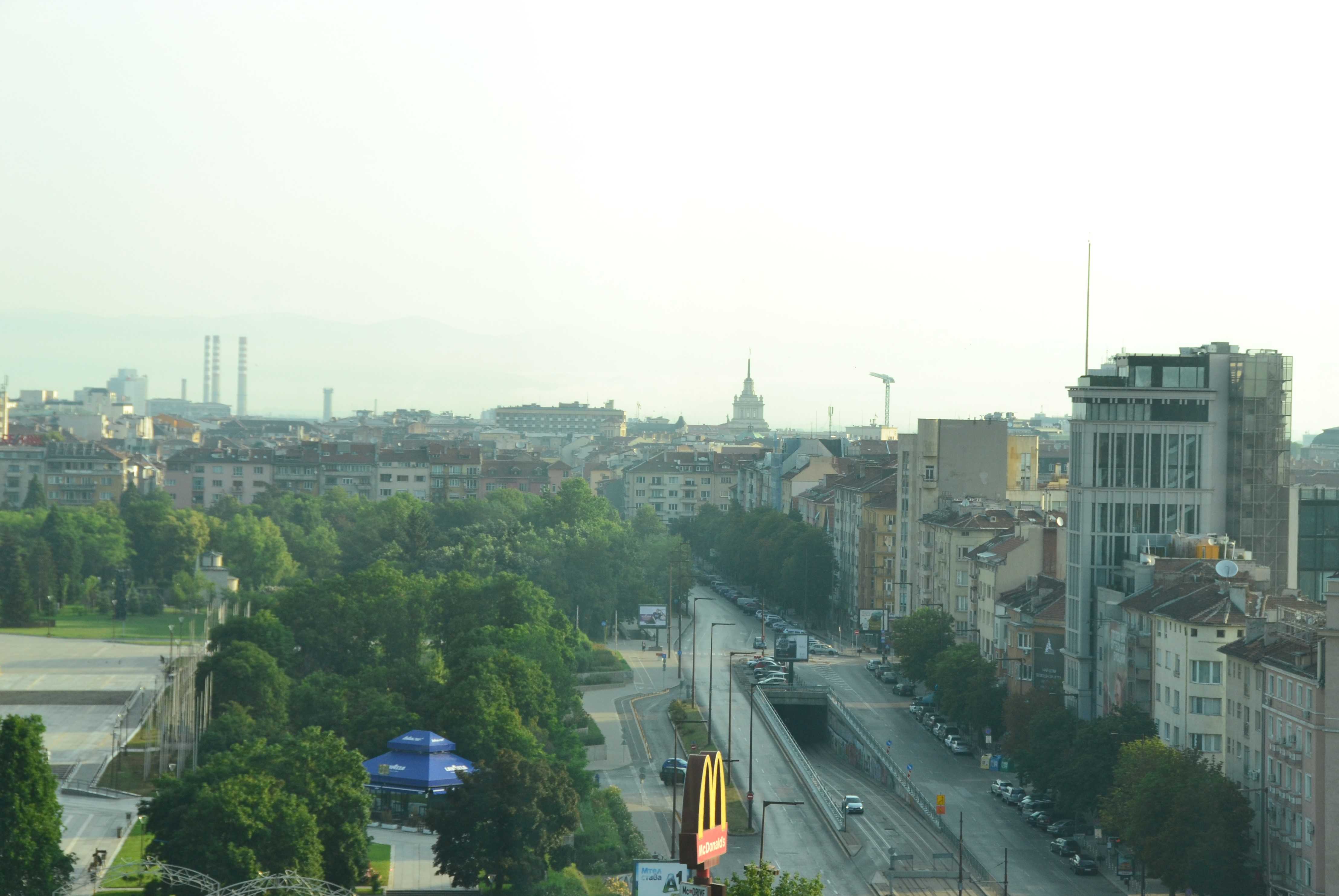
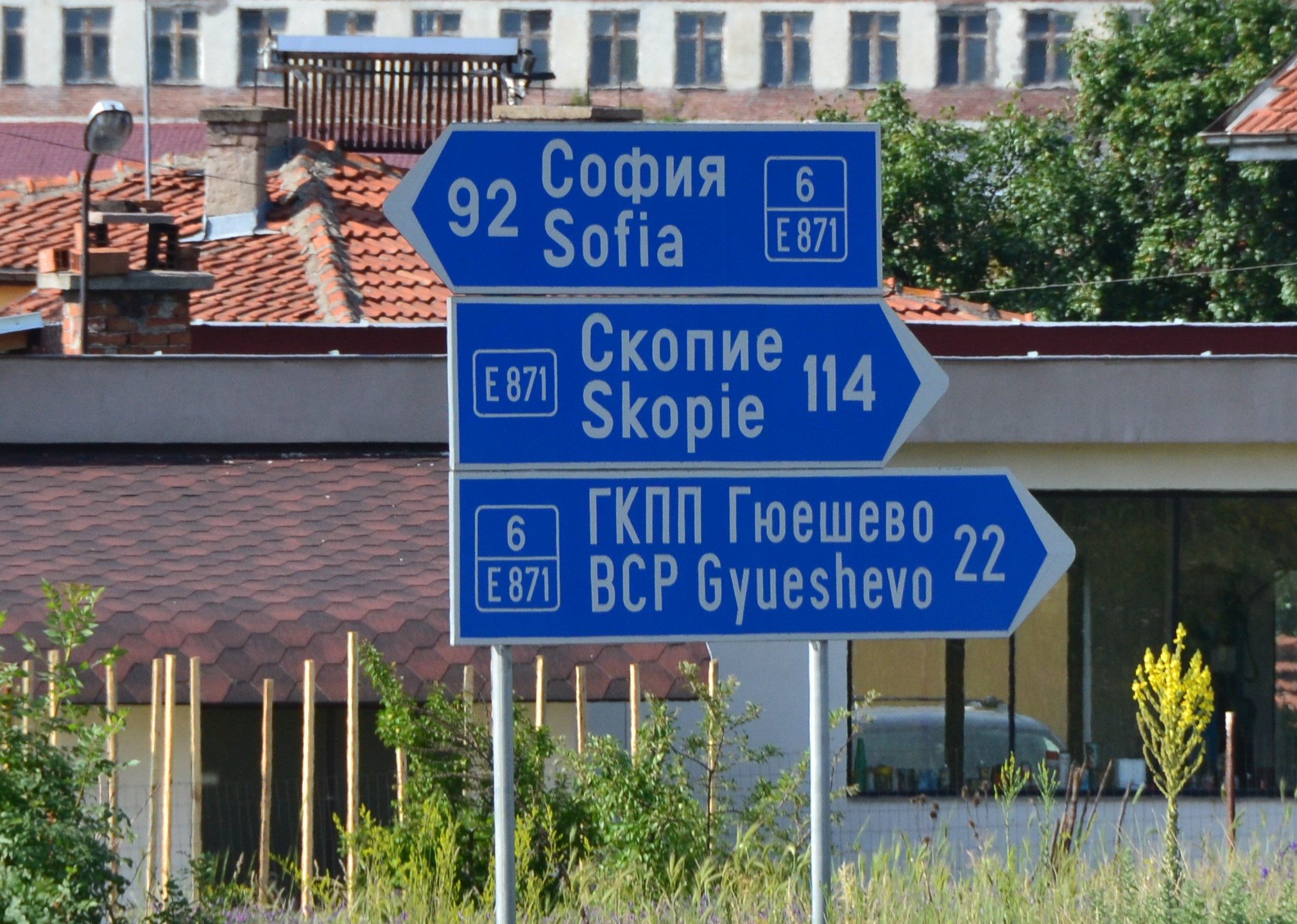
After leaving Sofia, our bus headed to the capital city of Macedonia, Skopje.
1. Skopje
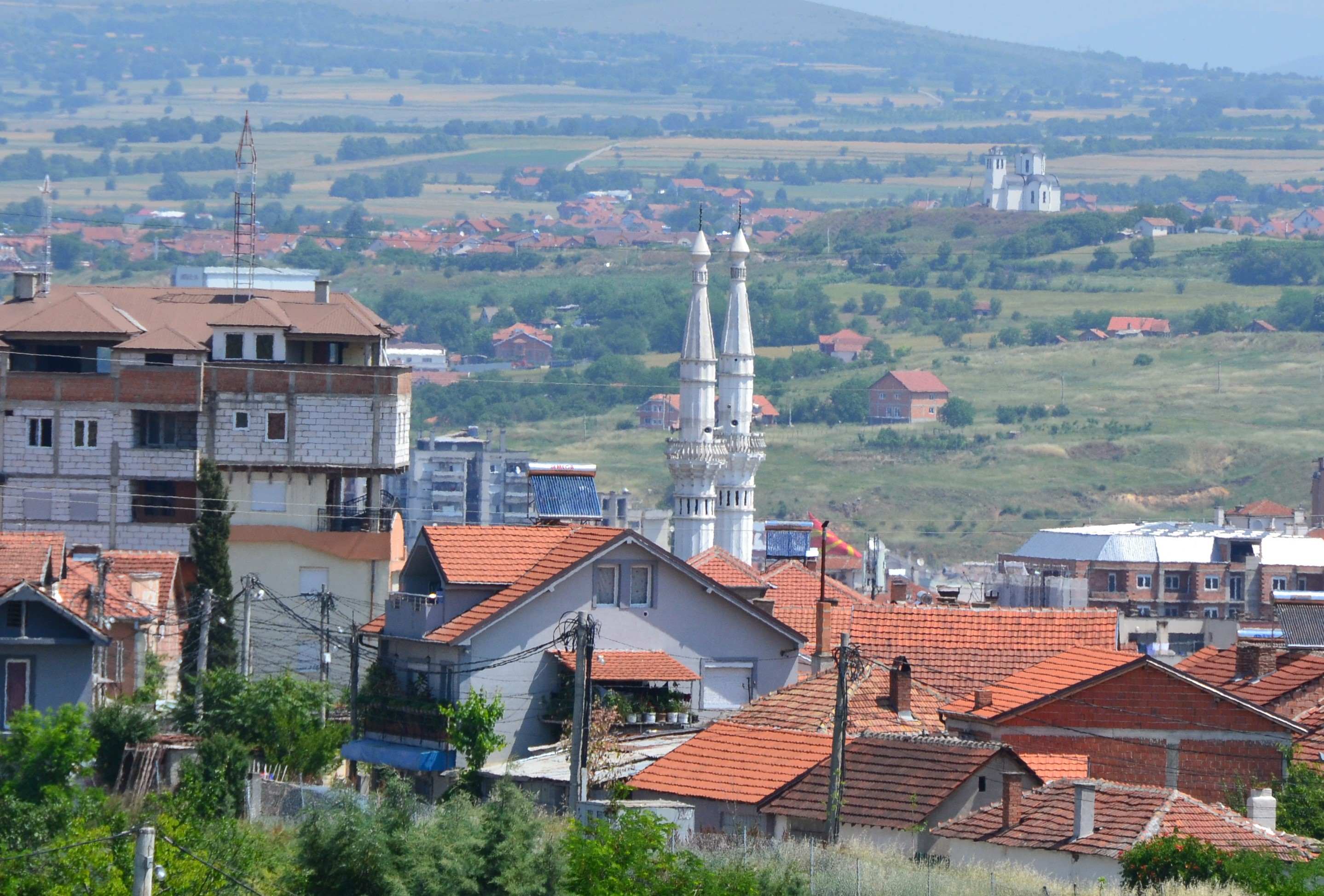
Capital city Skopje is the largest city in North Macedonia, and it is the country’s political, cultural, economic, and academic center.
In 1392, the Ottoman Empire conquered Skopje and stayed under its control for over 500 years.
During the Balkan Wars in 1912, it was annexed by the Kingdon of Serbia.
The Kingdom of Bulgaria seized the city during WW I and after the war, it became part of the newly formed Kingdom of former Yugoslavia. The city was again captured by Bulgaria during WW II. In 1945, it became the capital of SR Macedonia, which was a federated state within Yugoslavia.
In 1963, a disastrous earthquake hit the city which interrupted its rapid development.
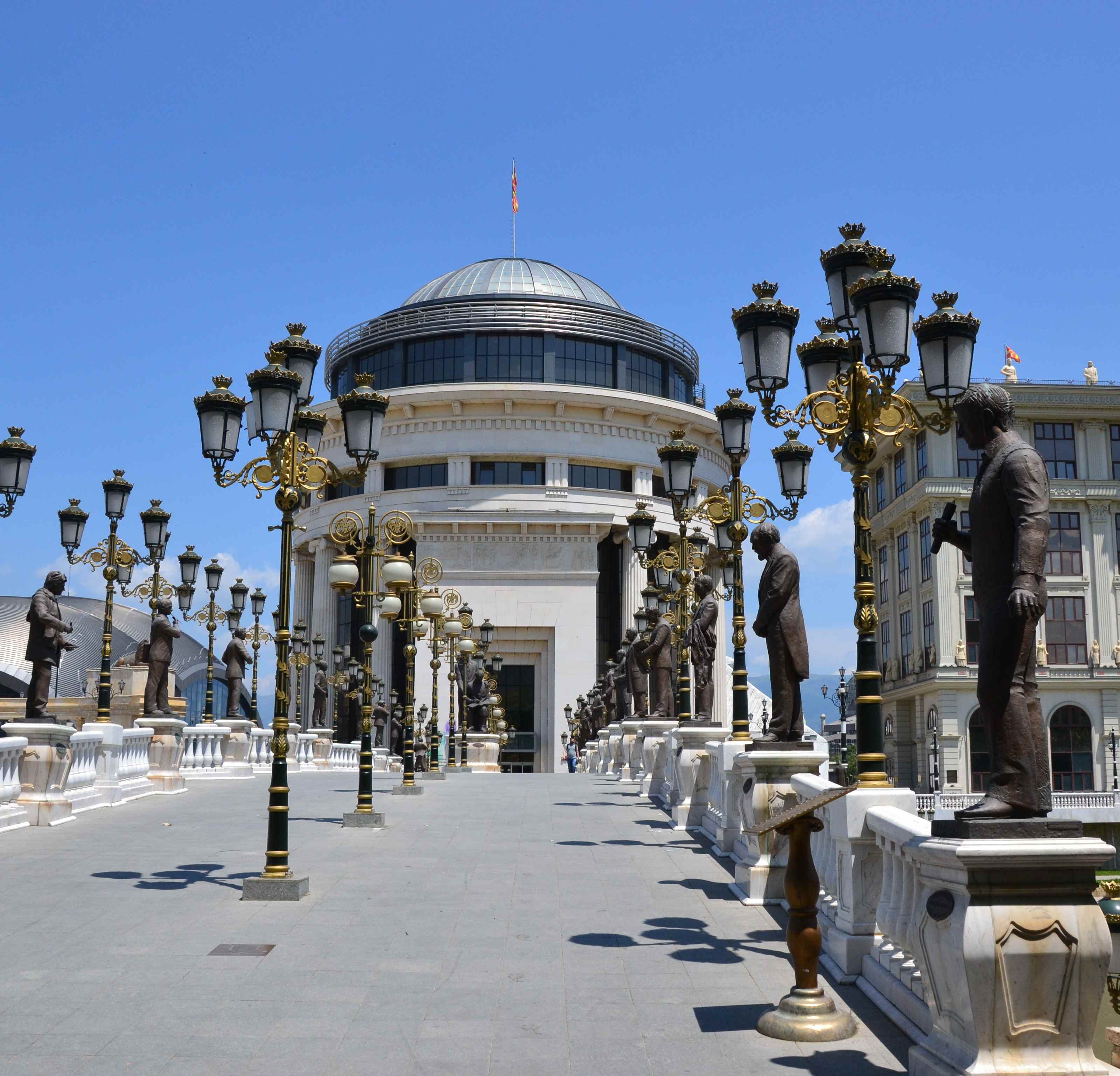
Located on the upper course of the Vardar River, Skopje is a center for the chemical, timber, textile, leather, printing, and metal processing industries. The population of Skopje was over 525,000 when we visited there. We were quite impressed by the large new buildings along Vardar River. They were bright white accented by black and gold.
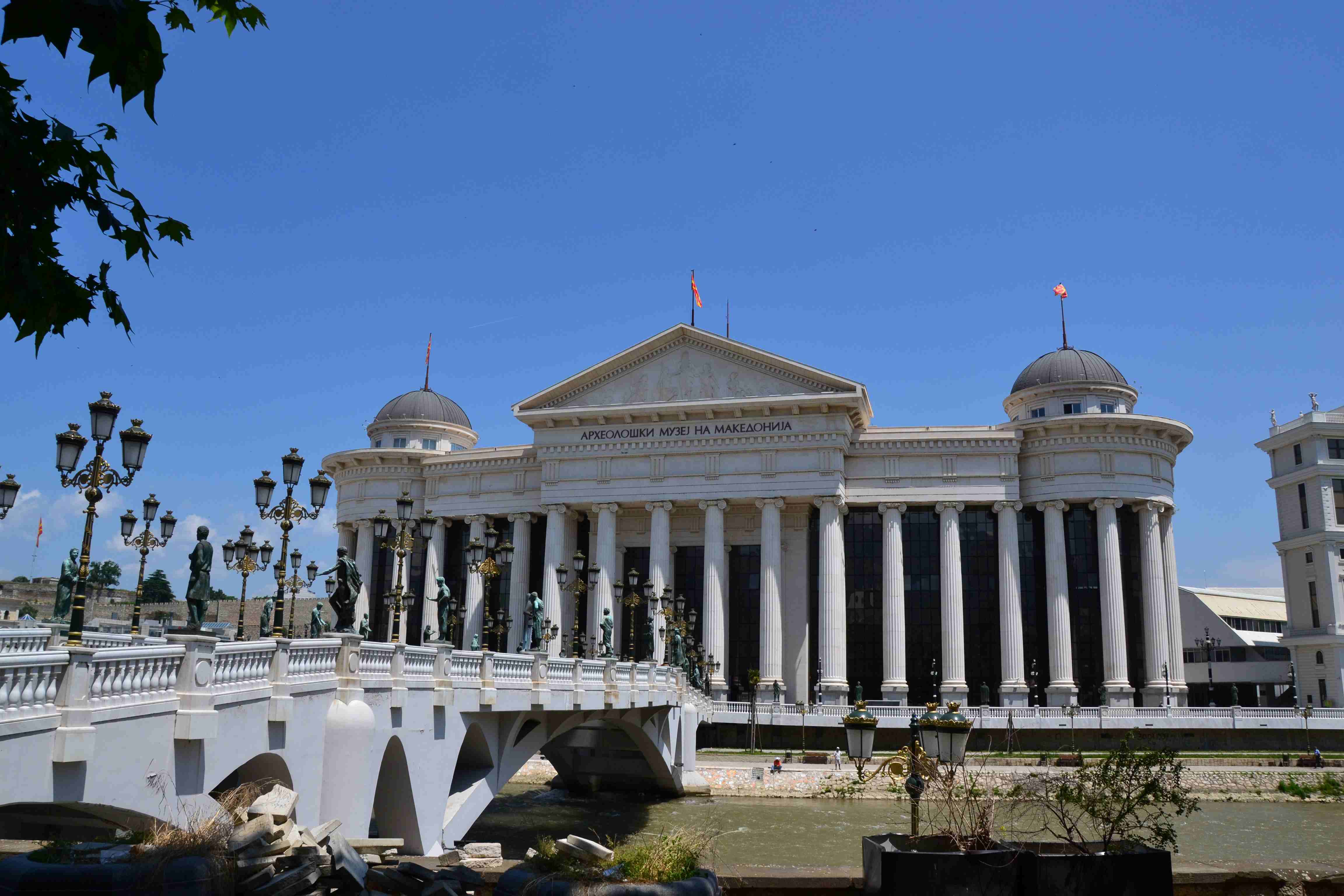
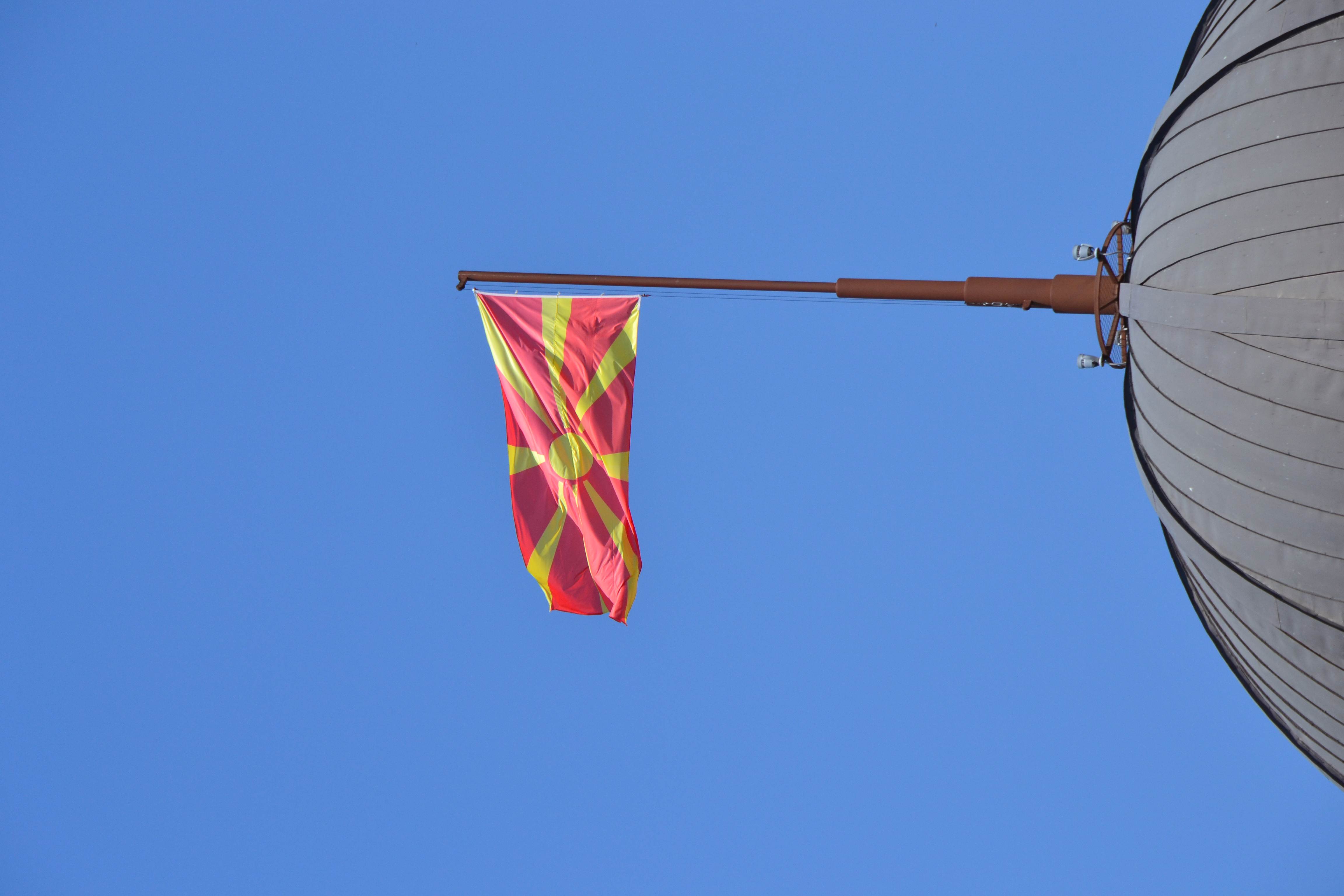
Government of the Republic of North Macedonia
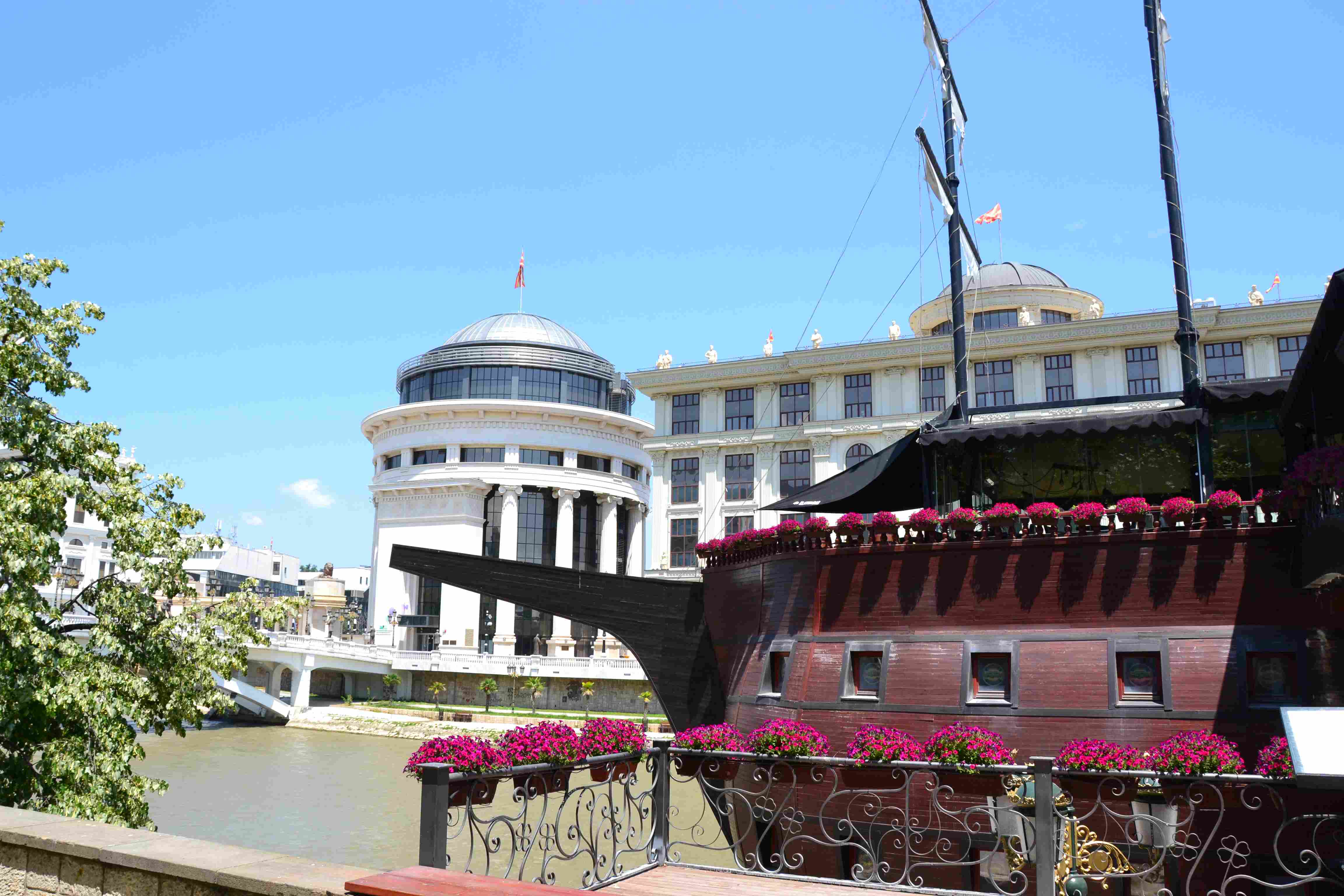
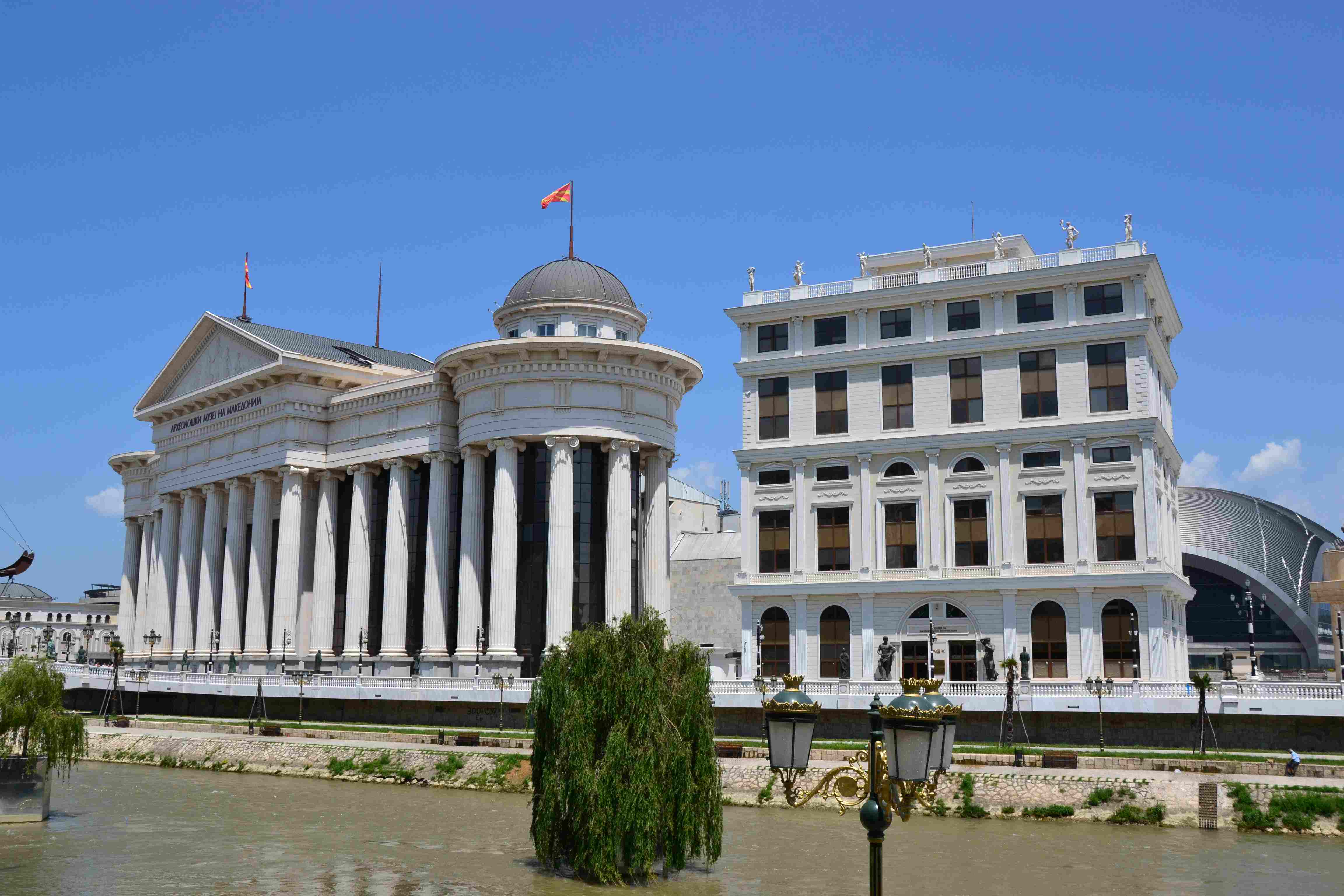
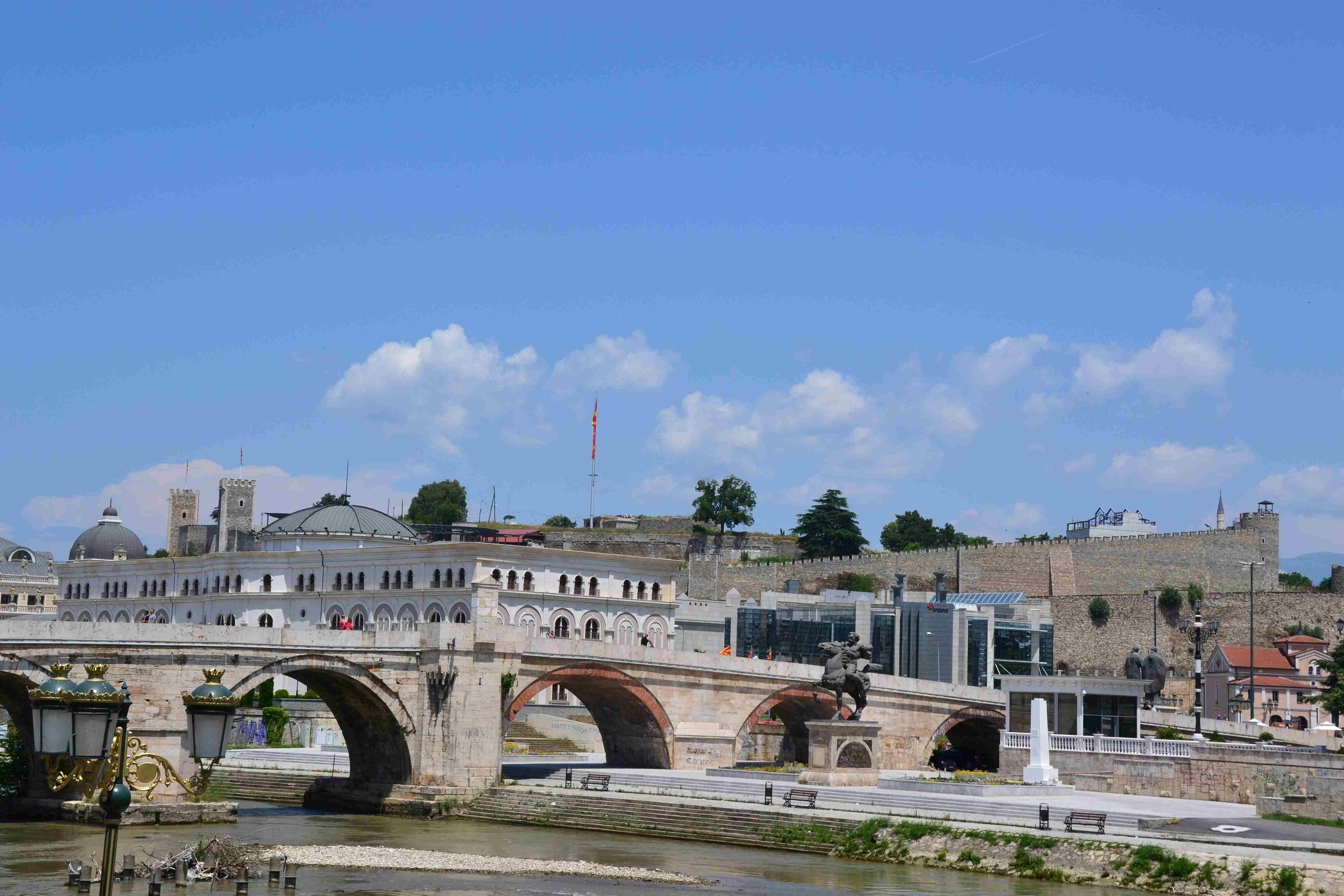
The Stone Bridge
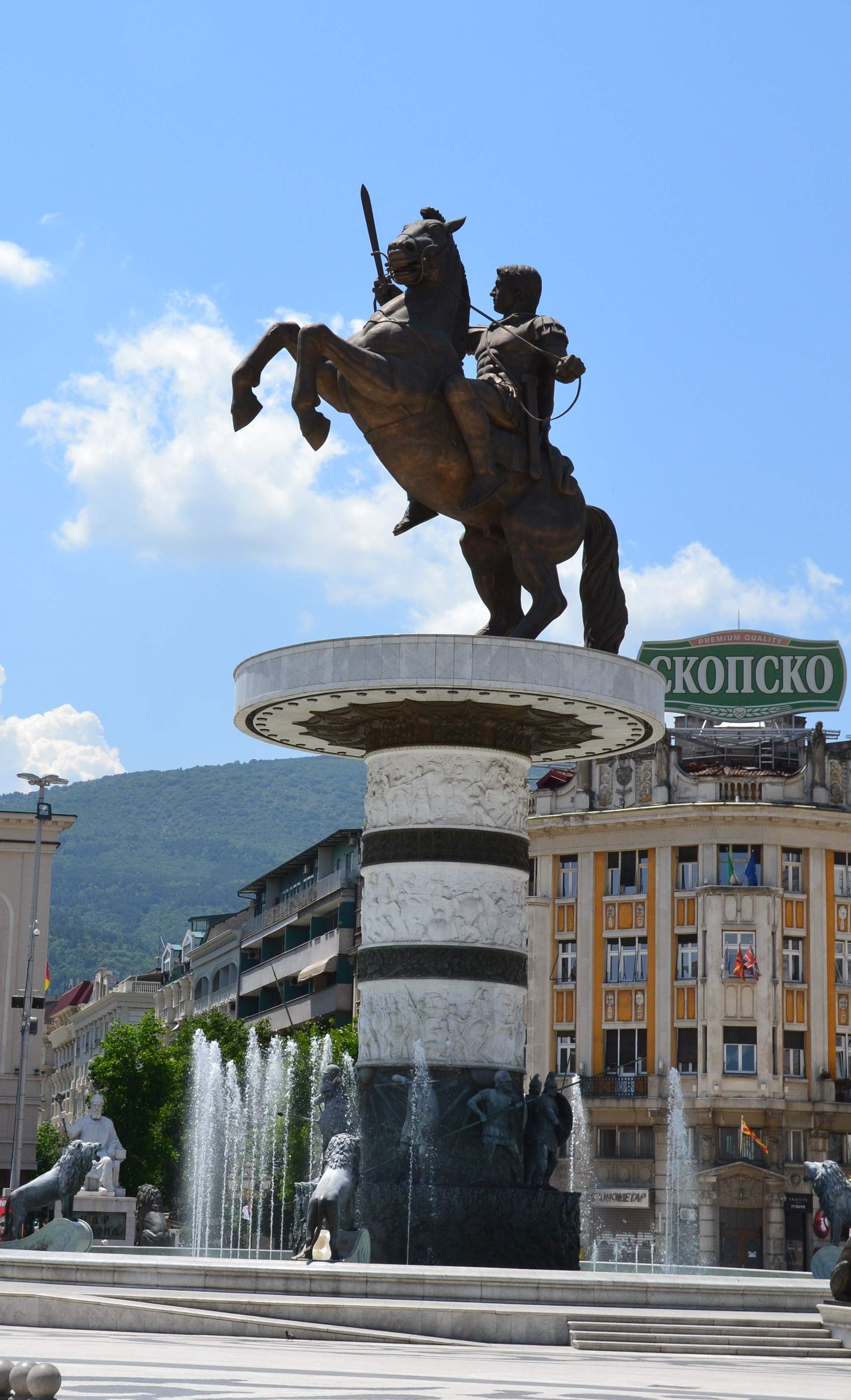
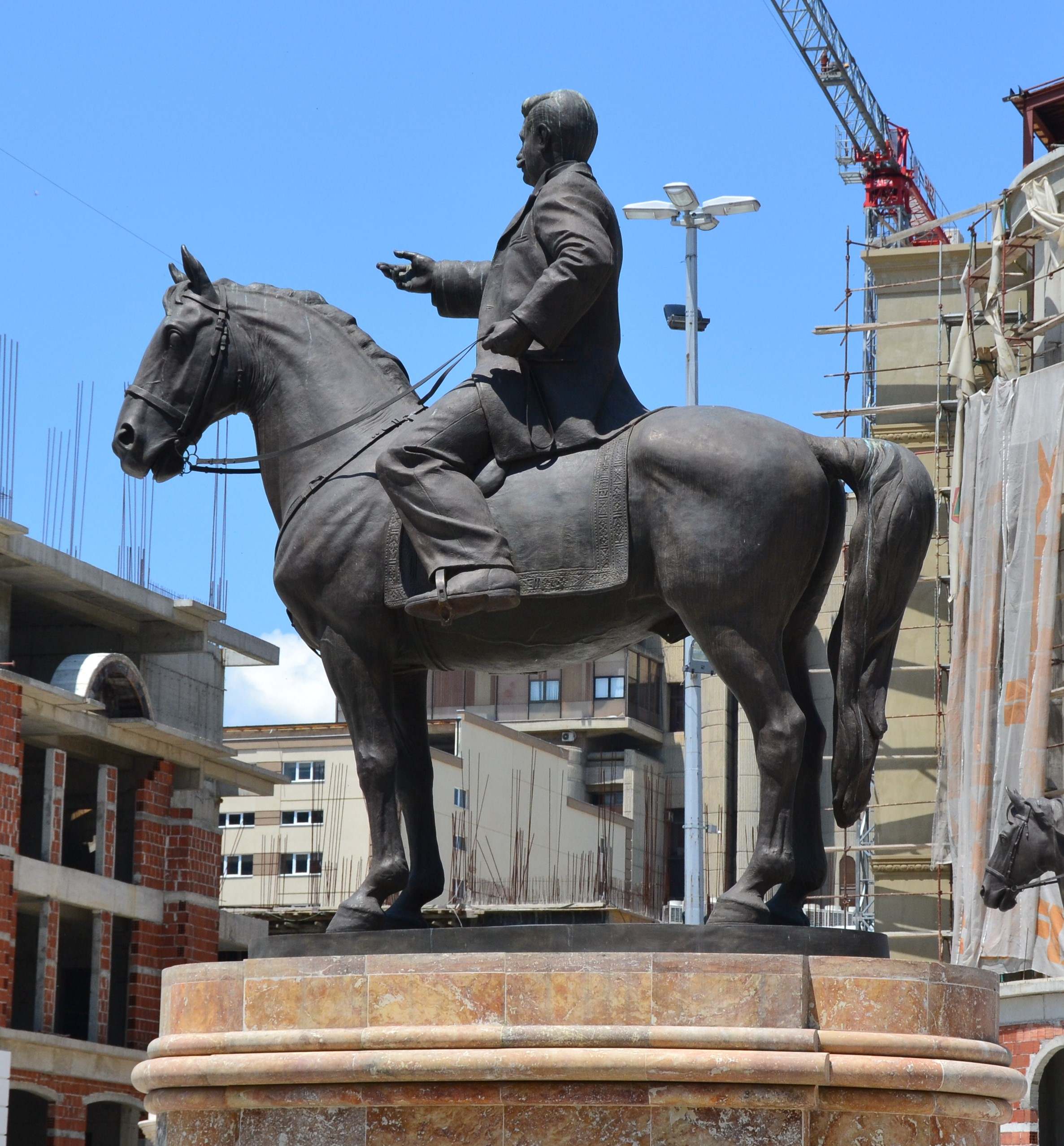
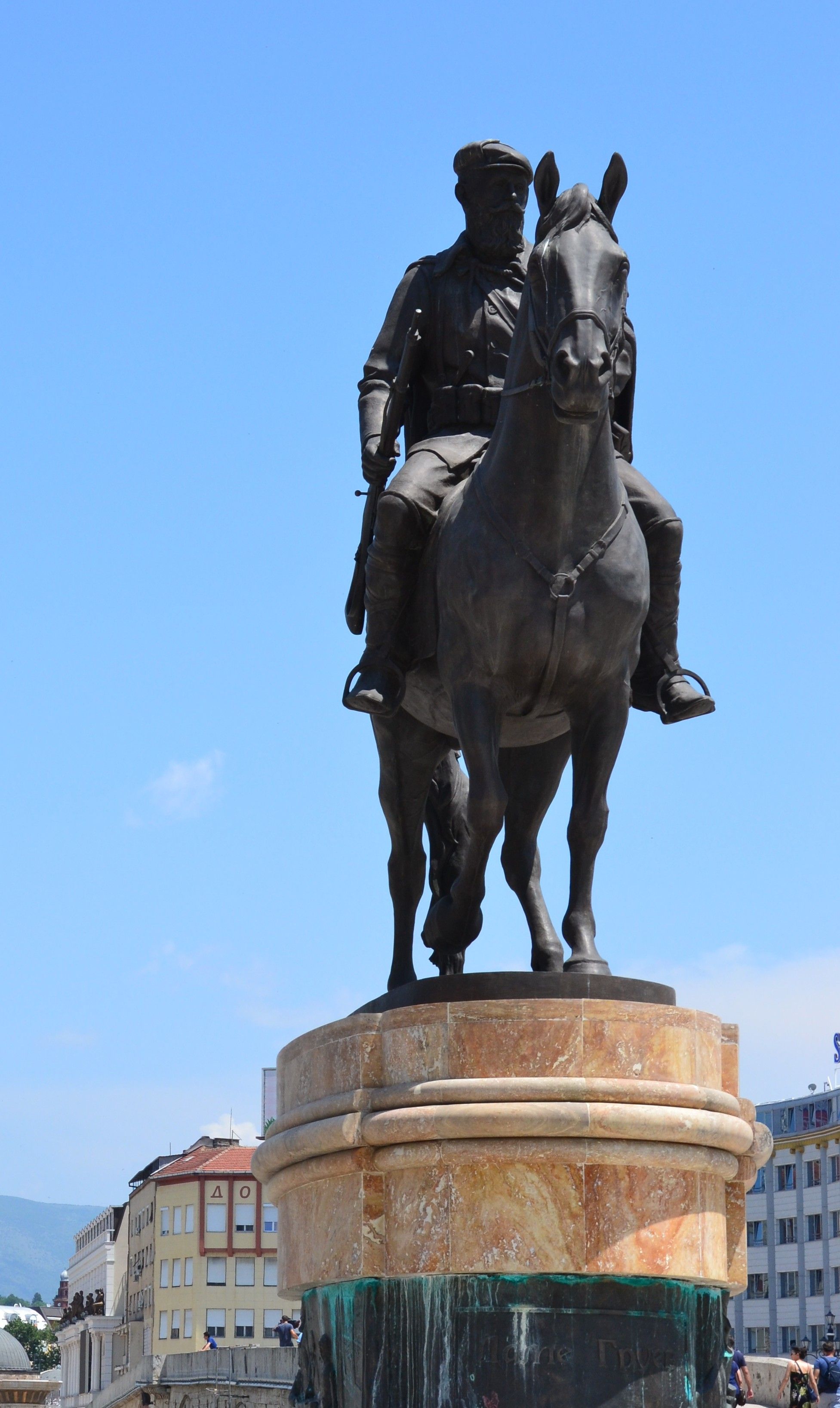
Warrior on a Horse (Alexander the Great) Other Statue of Man on a Horse
Skopje is famous for its statues and sculptures, and we saw them everywhere we went.
Apparently, the statues of Alexander the Great here created increased tension between Greece and North Macedonia as Greece claims that Alexander the Great is as its own hero.
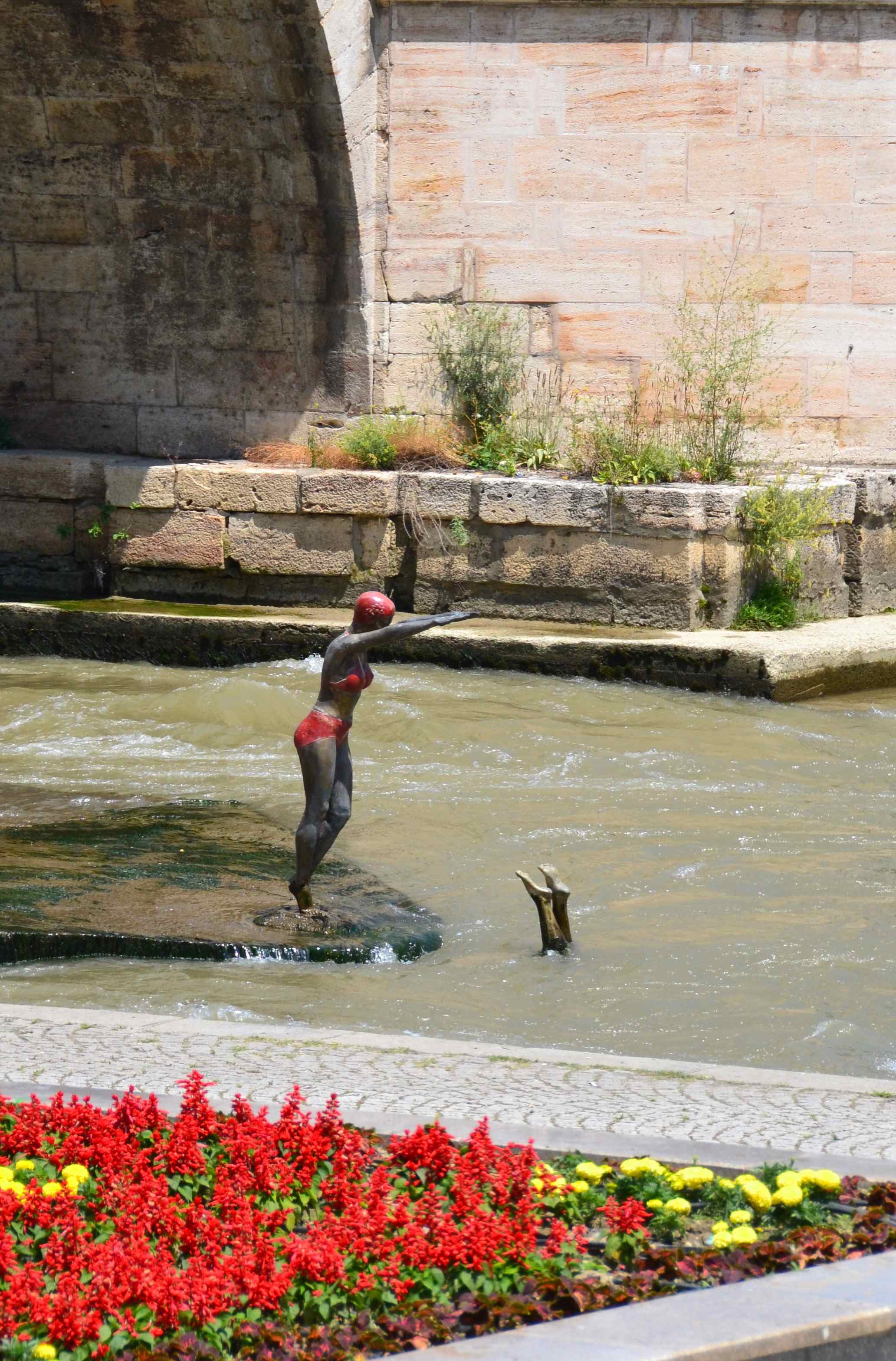
Are these real people who were diving into the river or statues? Very interesting...
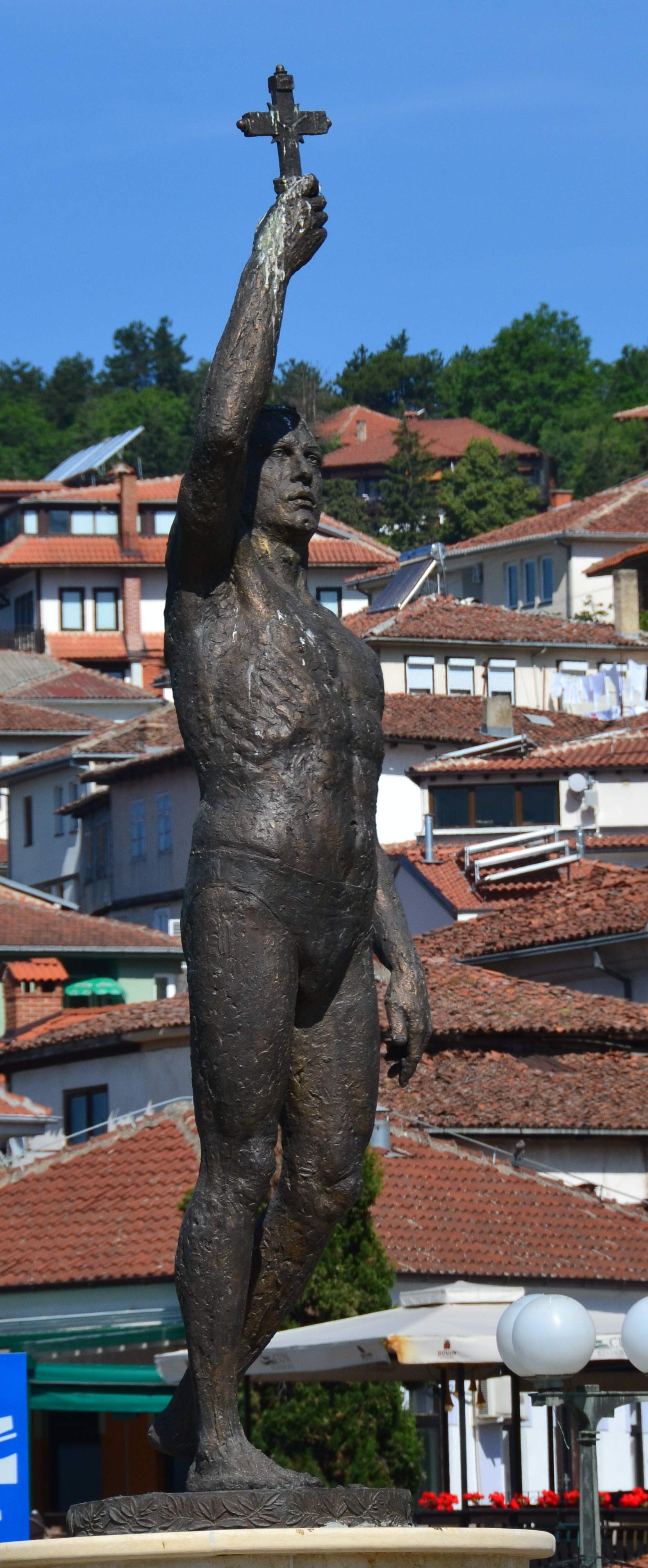
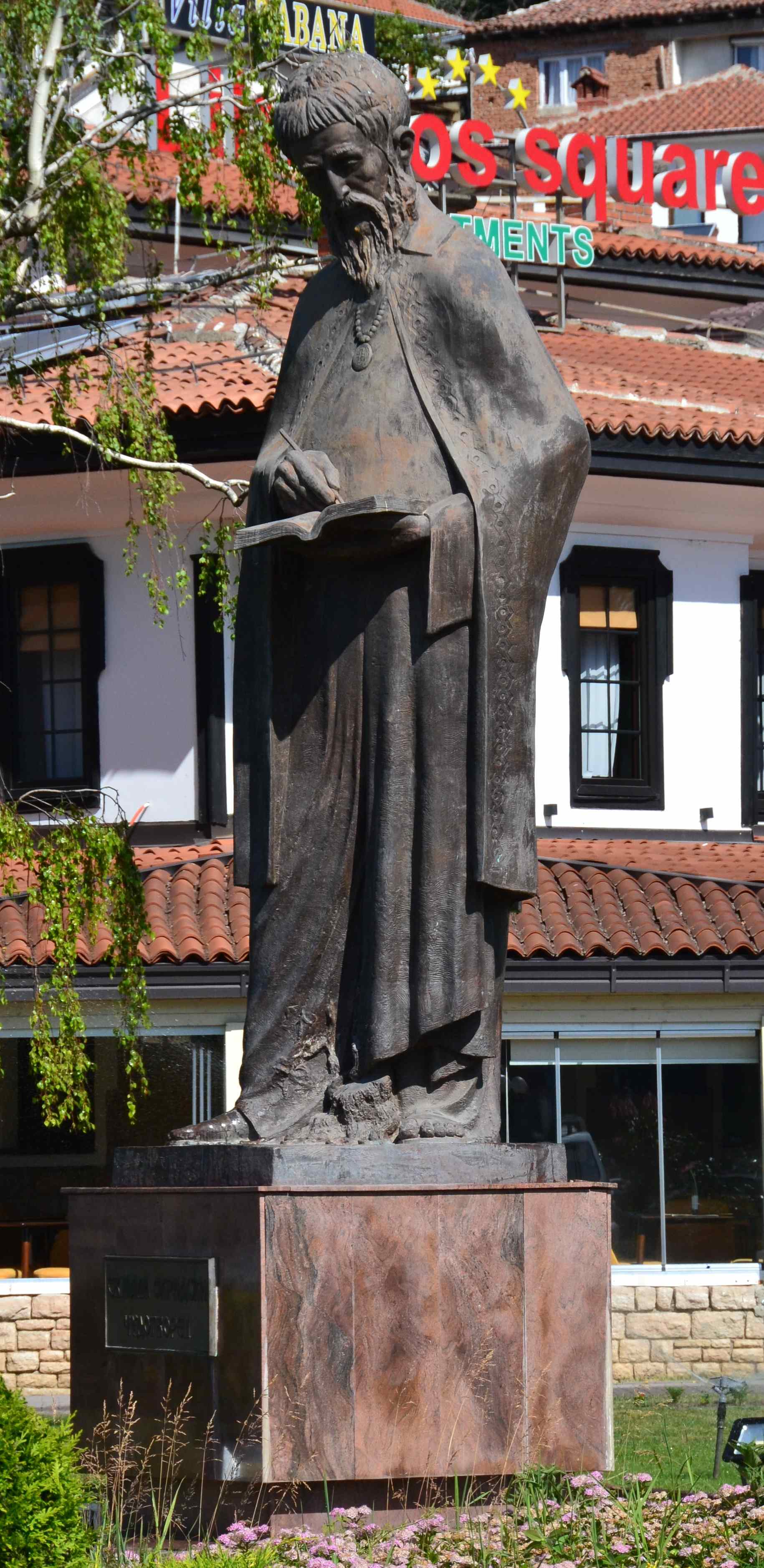
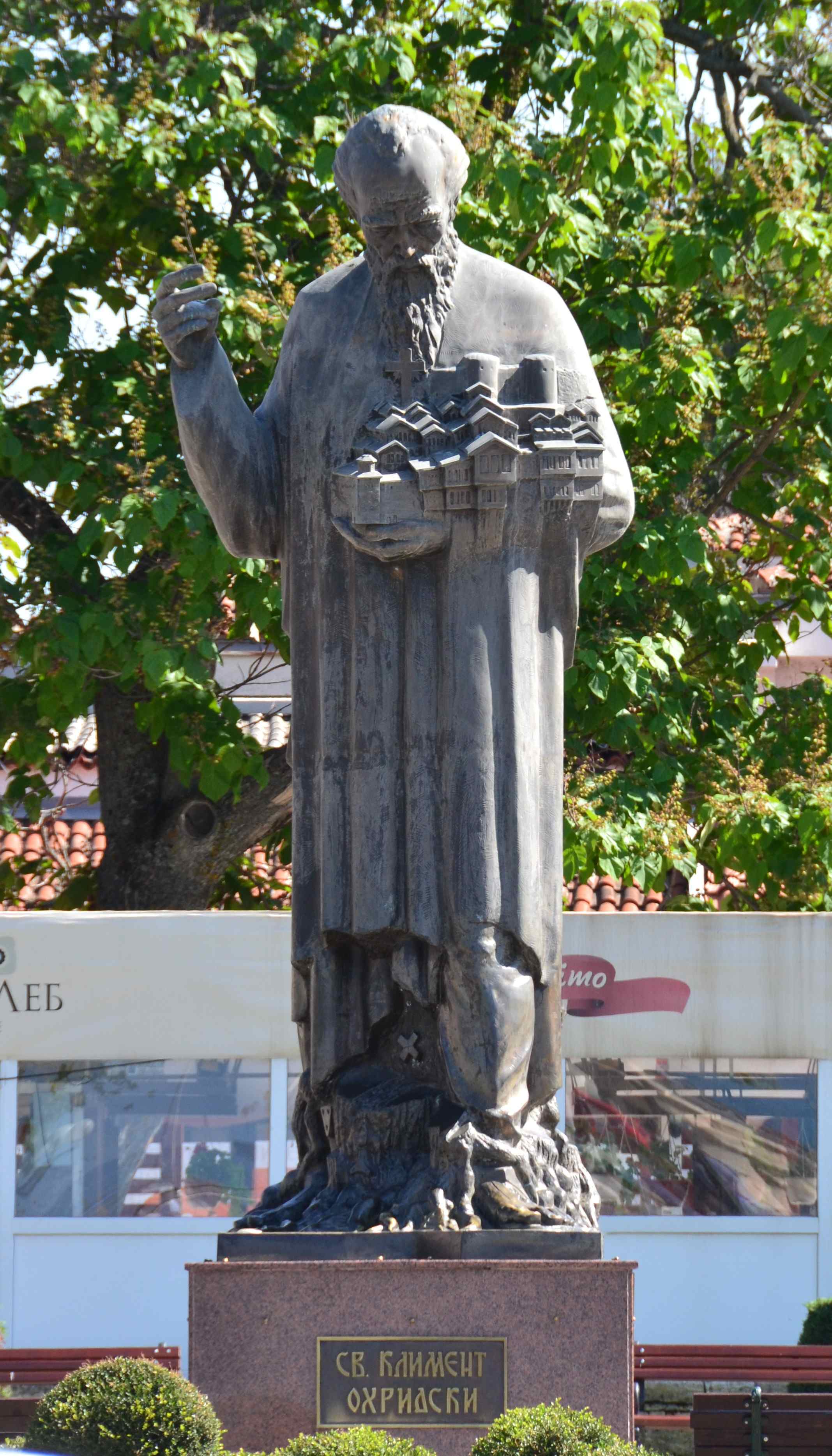
2. Lake Ohrid
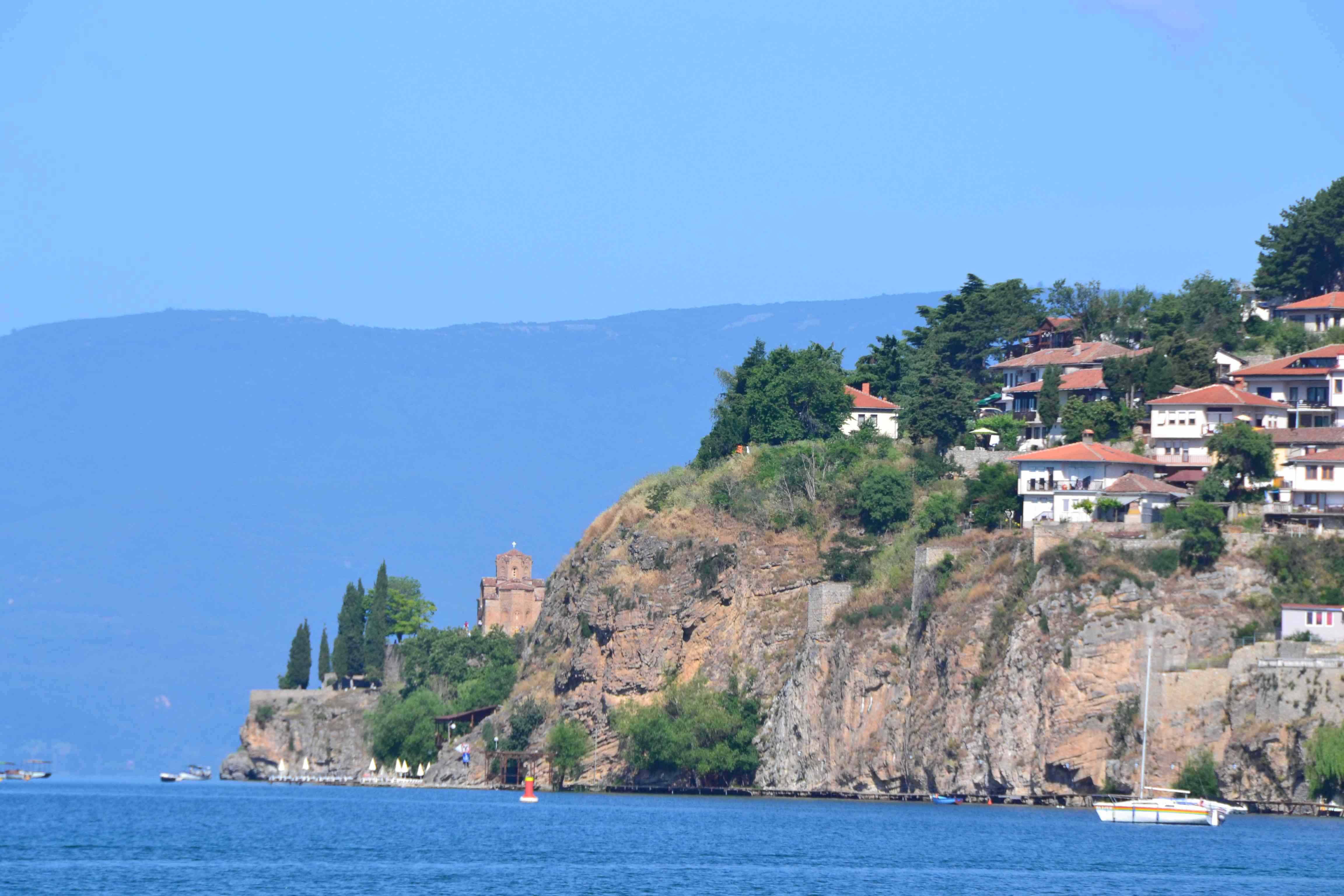
This beautiful lake, Lake Ohrid, straddles the mountainous border between eastern Albania and the southwestern part of North Macedonia. The North Macedonia side of Lake Ohrid was declared a World Heritage site by UNESCO and Macedonia side in 2019. Apparently, Lake Ohrid is one of Europe’s oldest and deepest lakes.
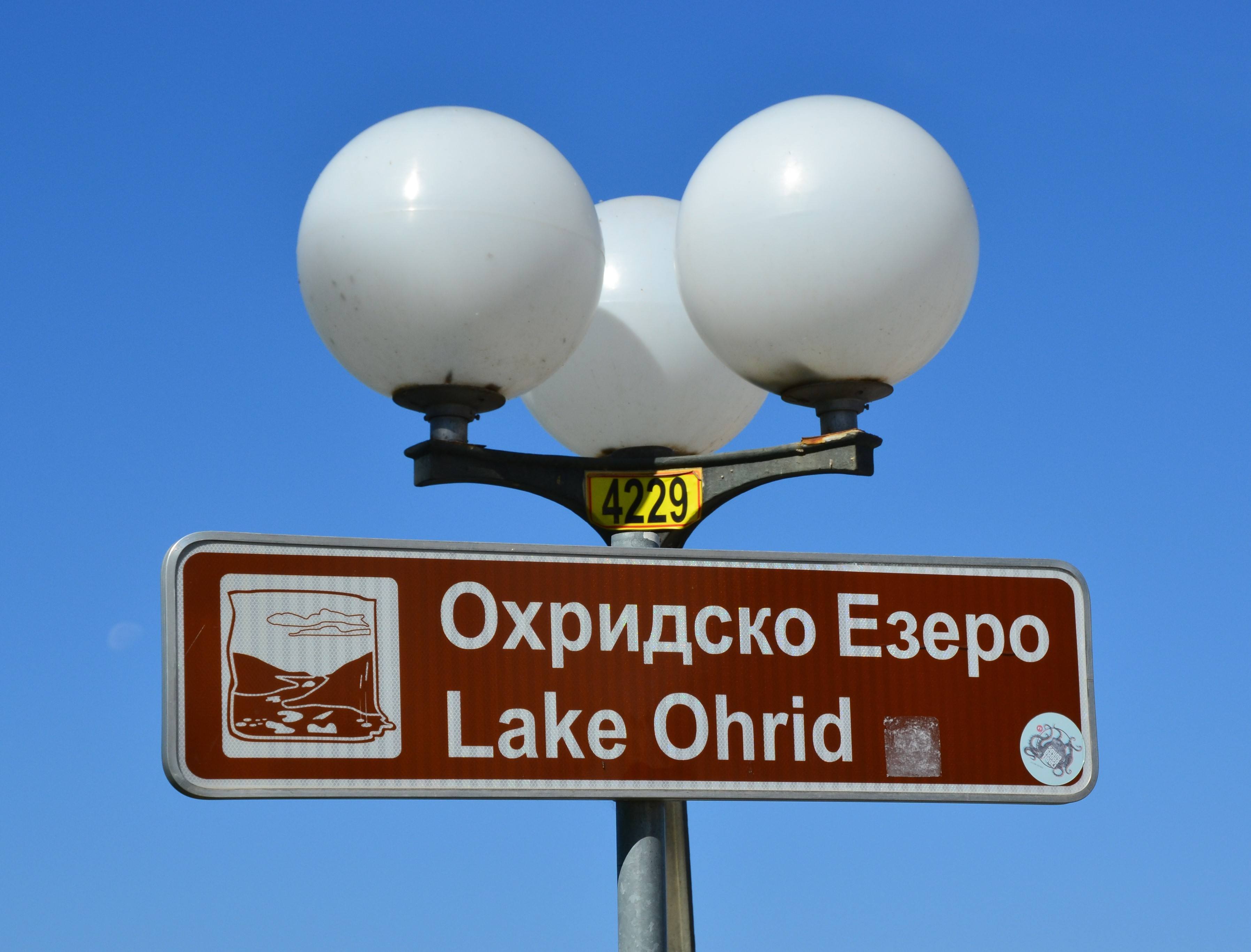
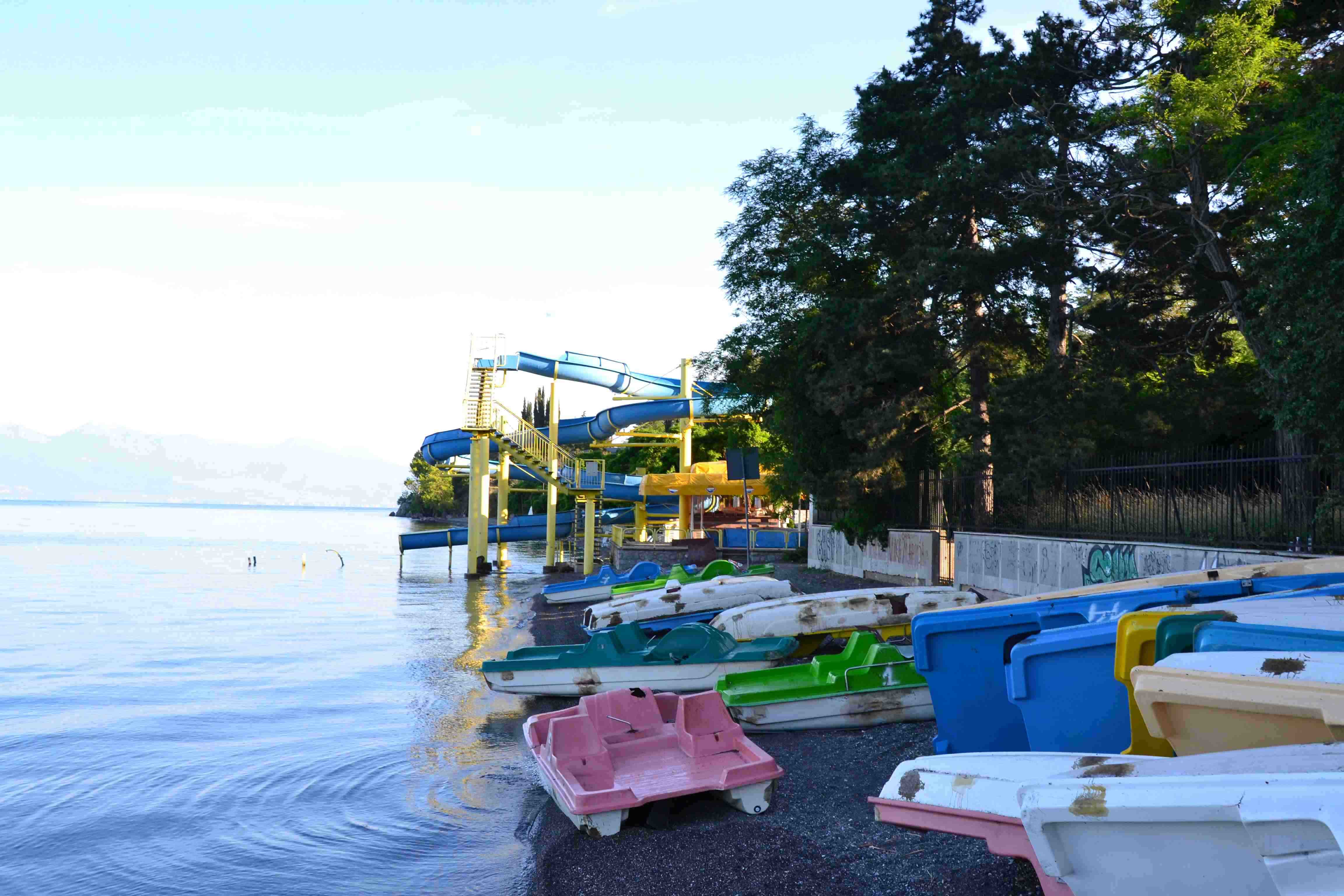
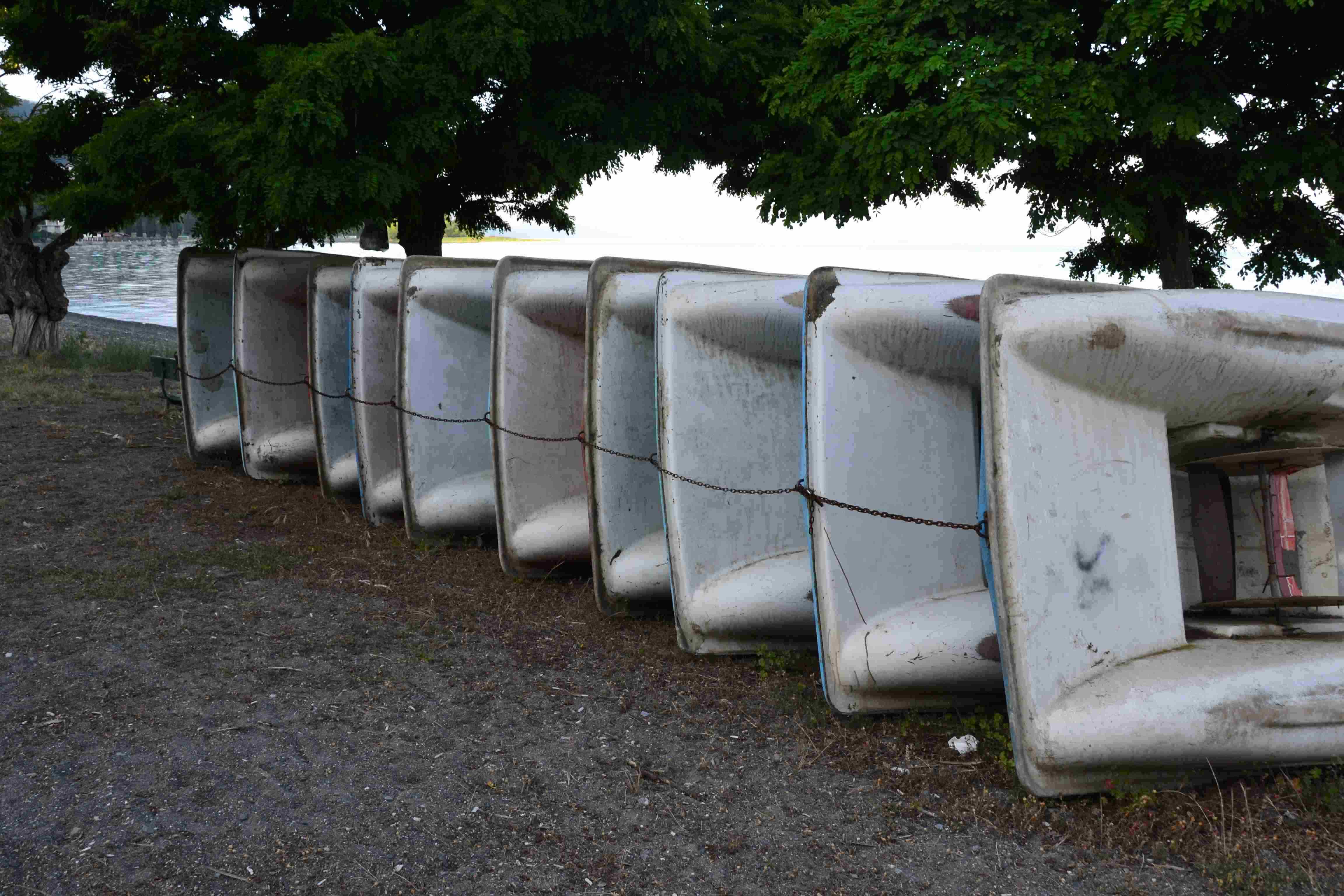
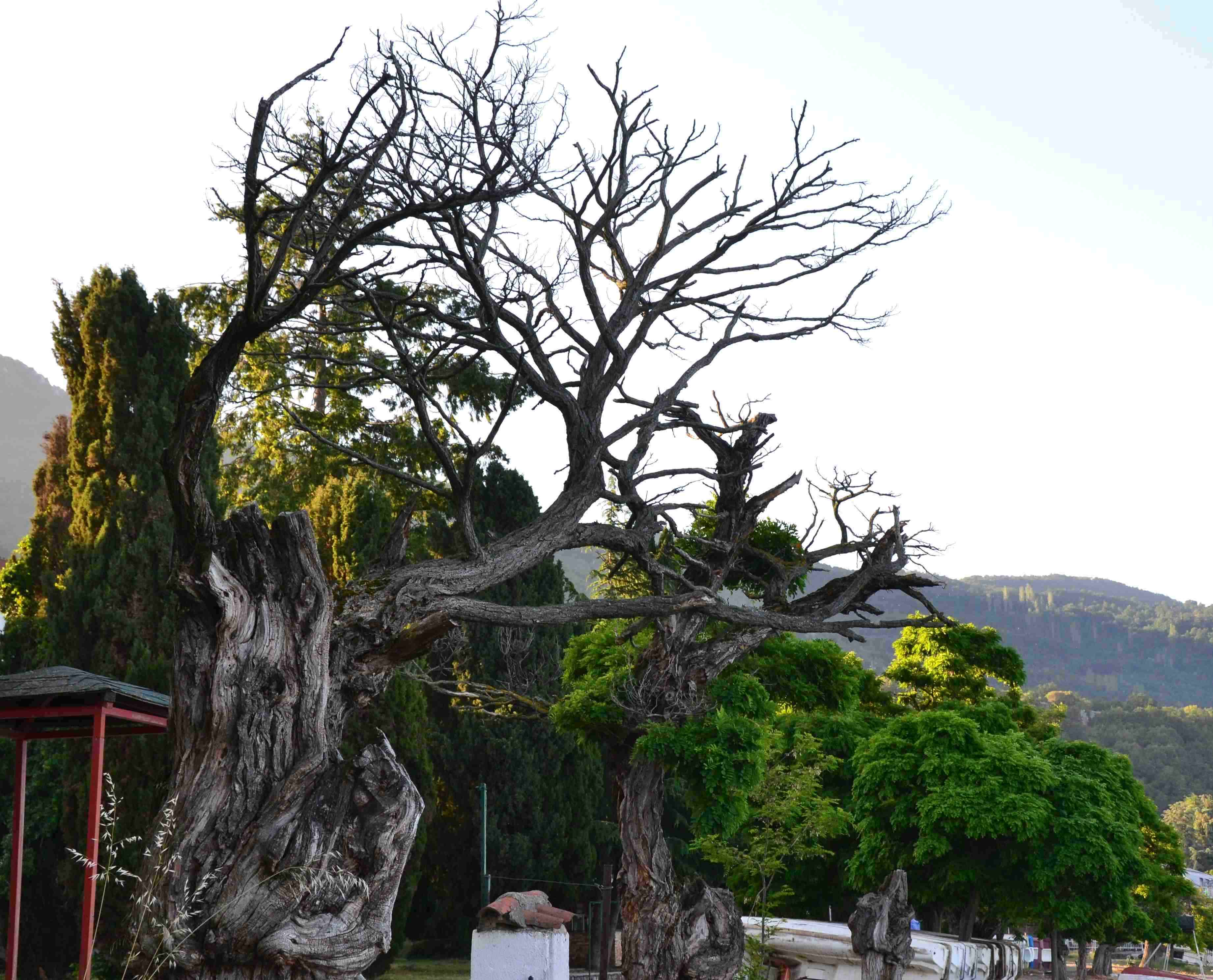
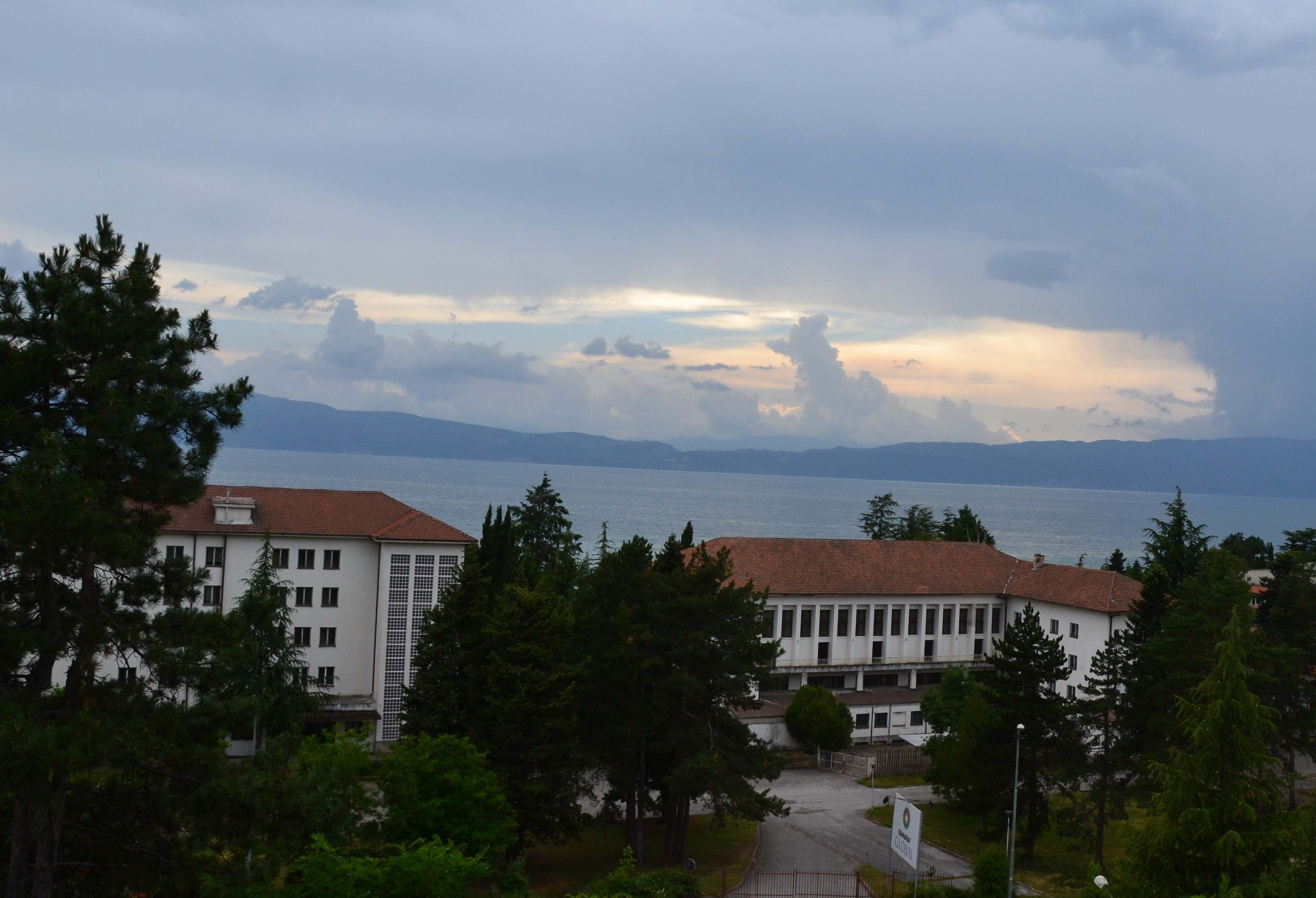
1) Lake Views
We walked along the lake and admired the different sights of the beautiful lake.
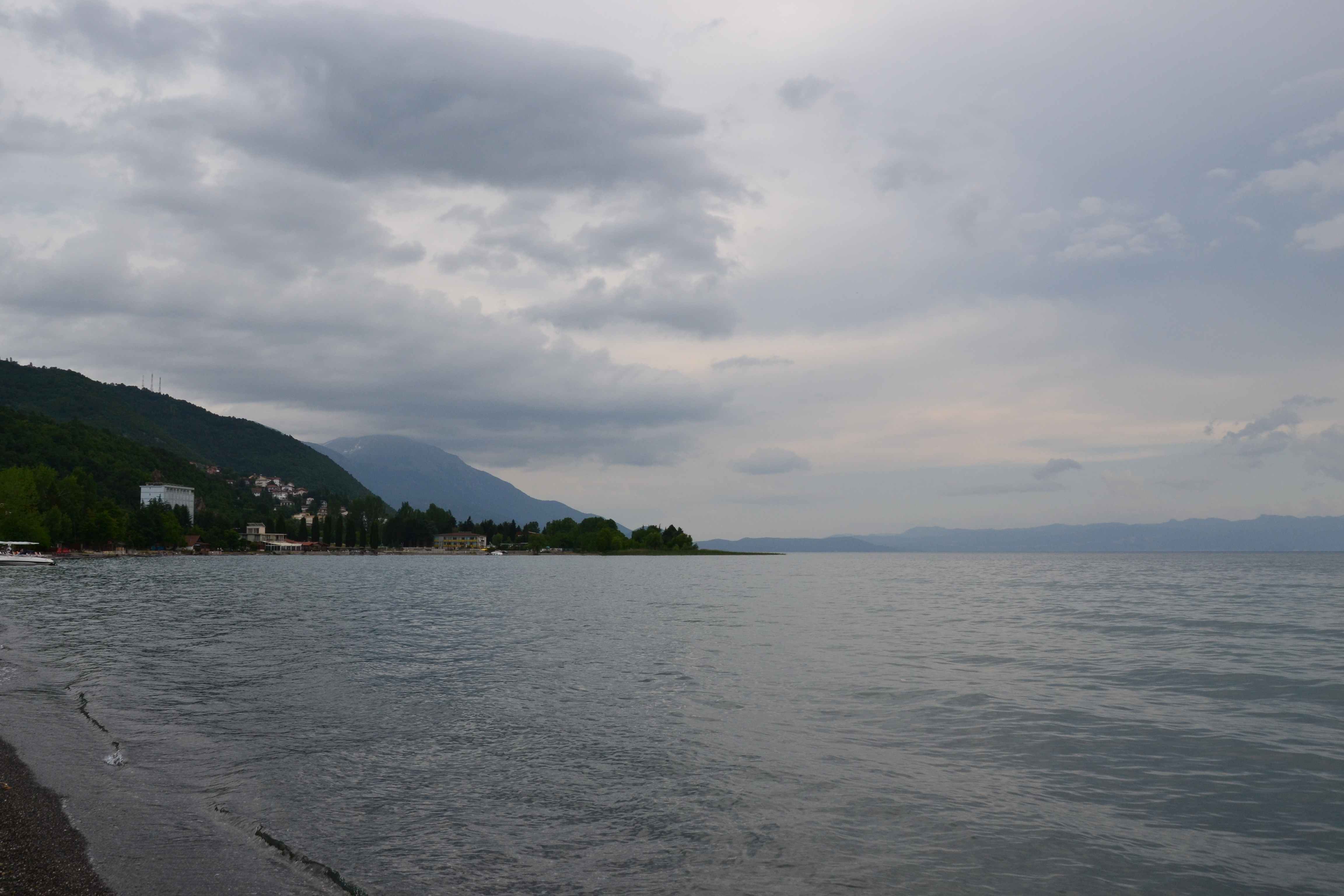
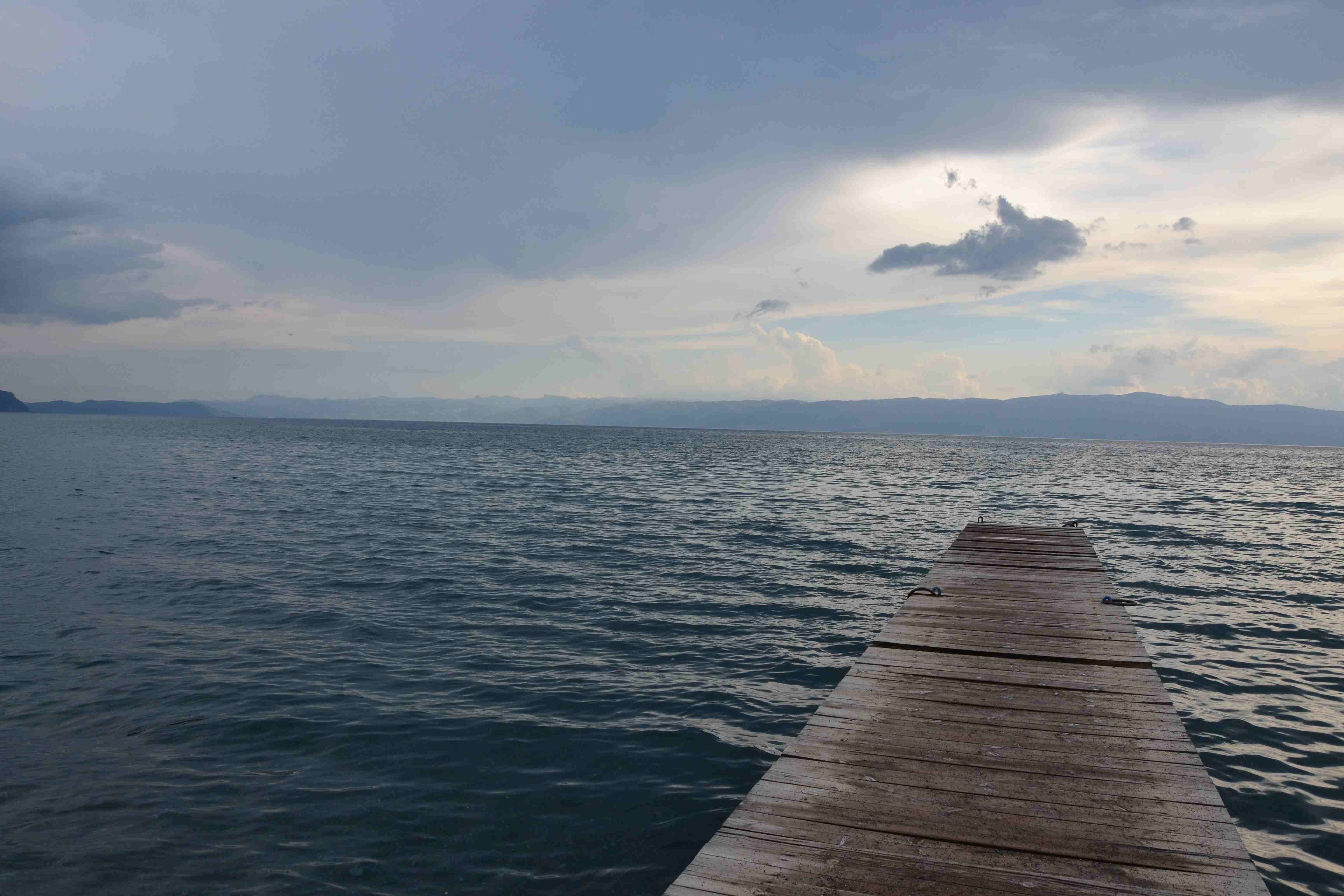
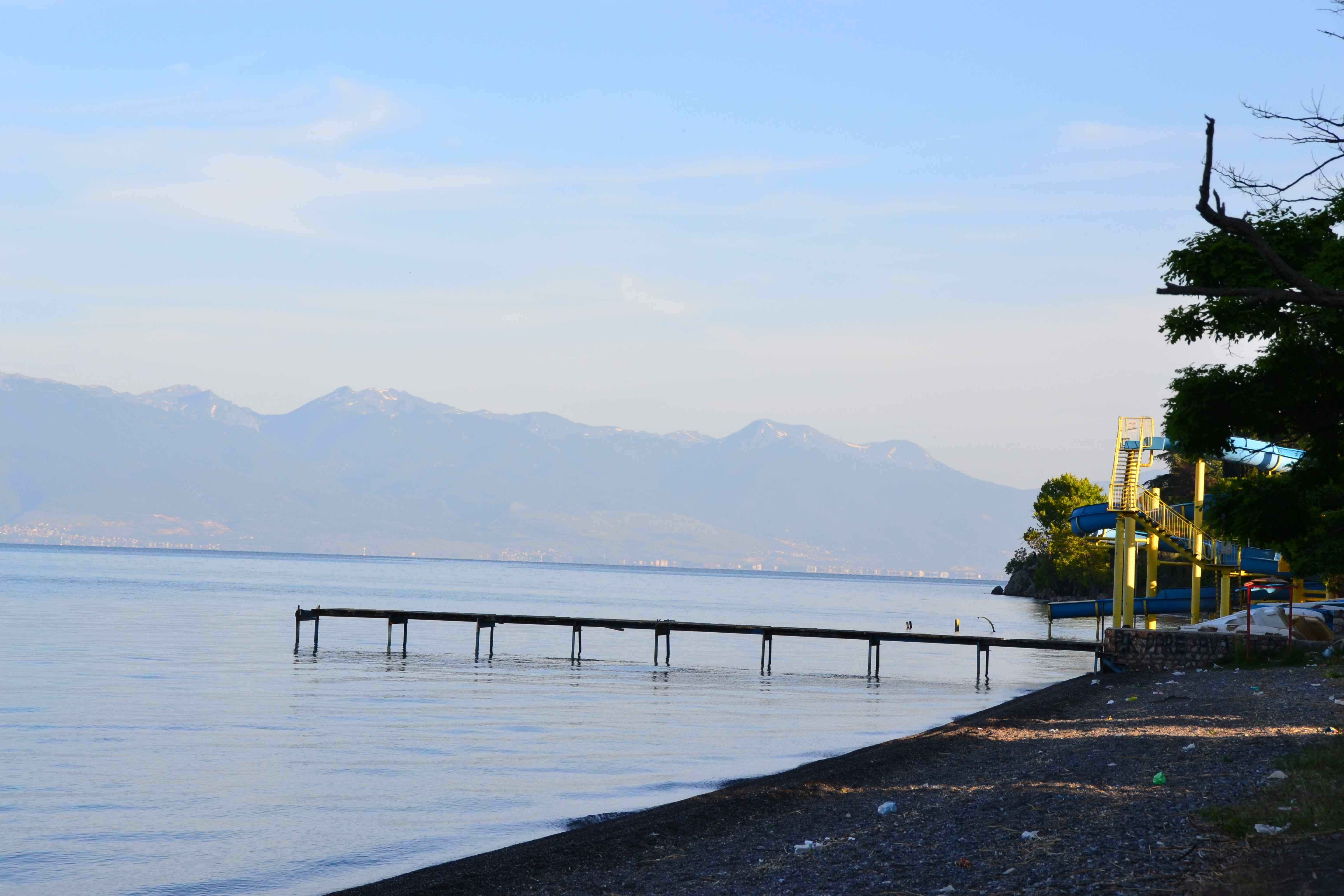
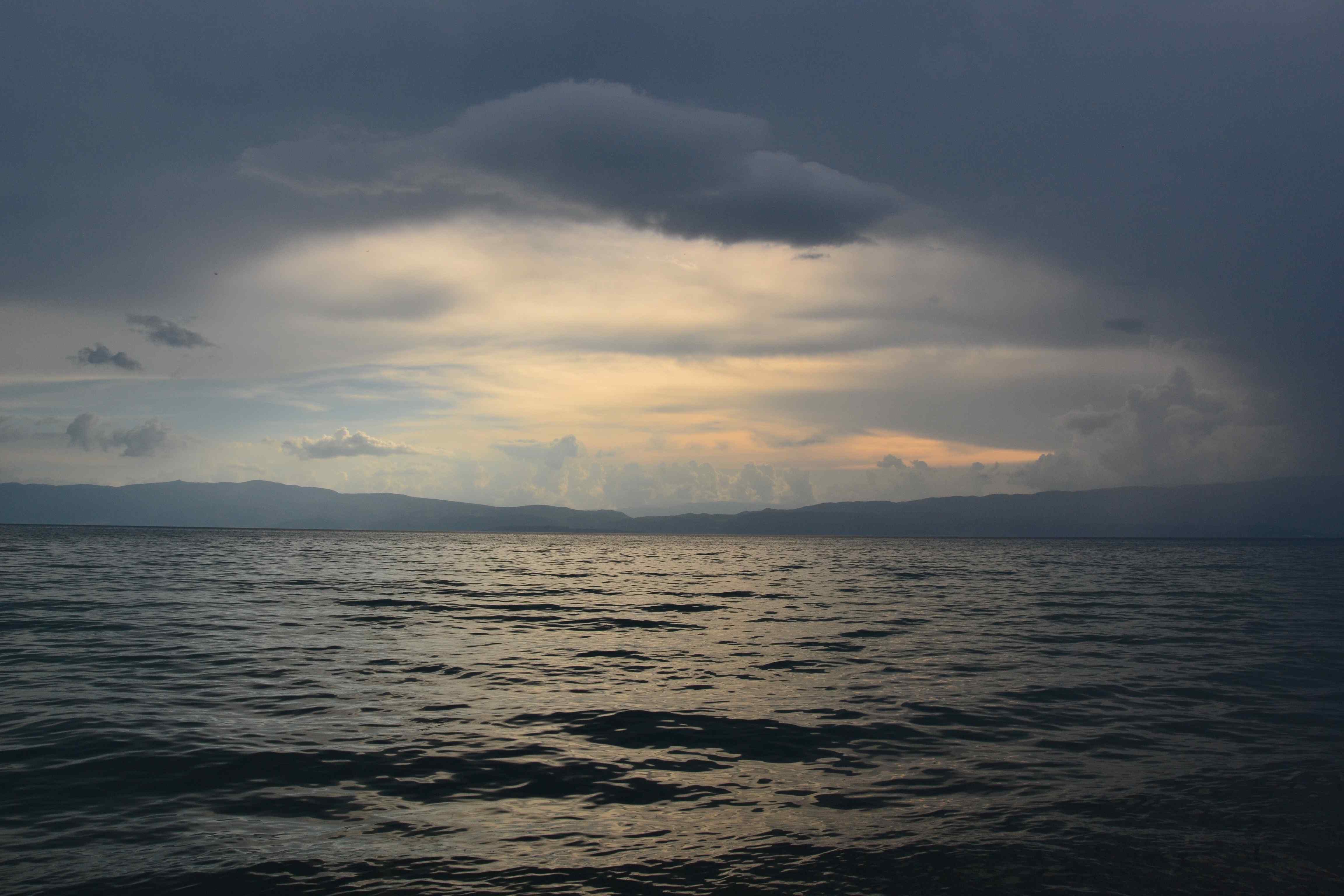
The view was so magical... We could hardly believe our eyes...
2) Town of Ohrid
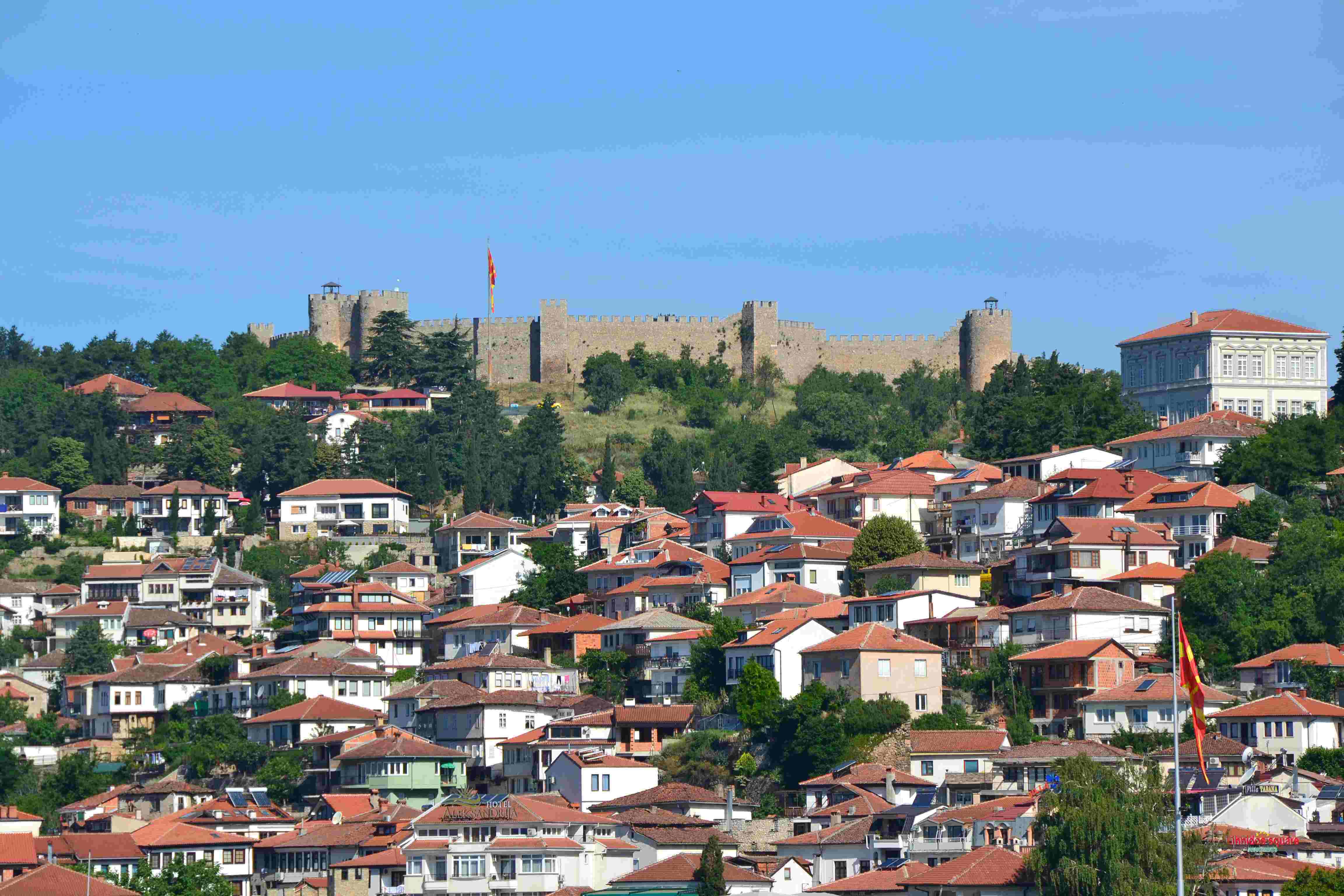
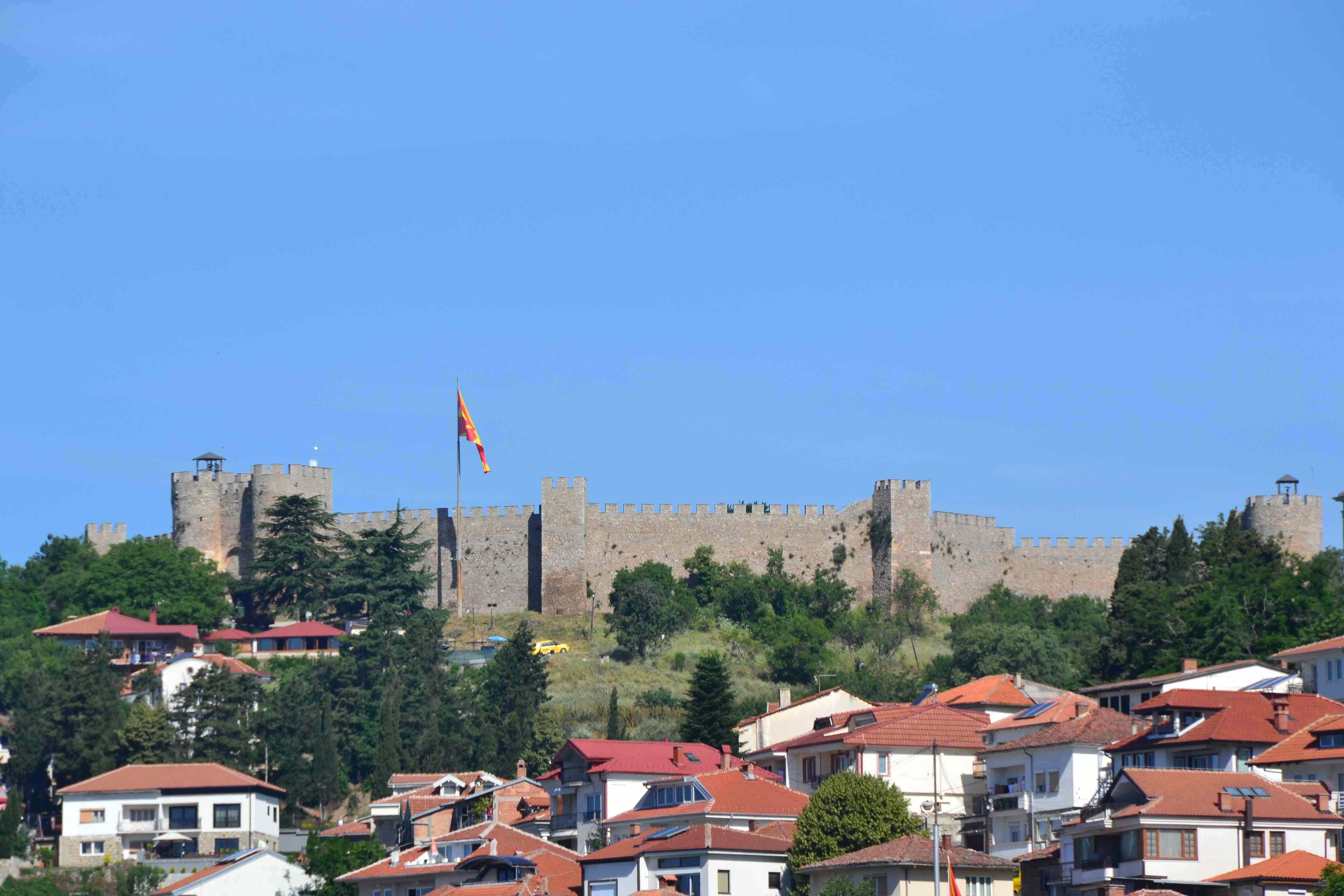
We wandered around the town of Ohrid the next day and saw many interesting sites. What surprised Yoko the most was that there were well behaved unleashed dogs in front of some buildings.
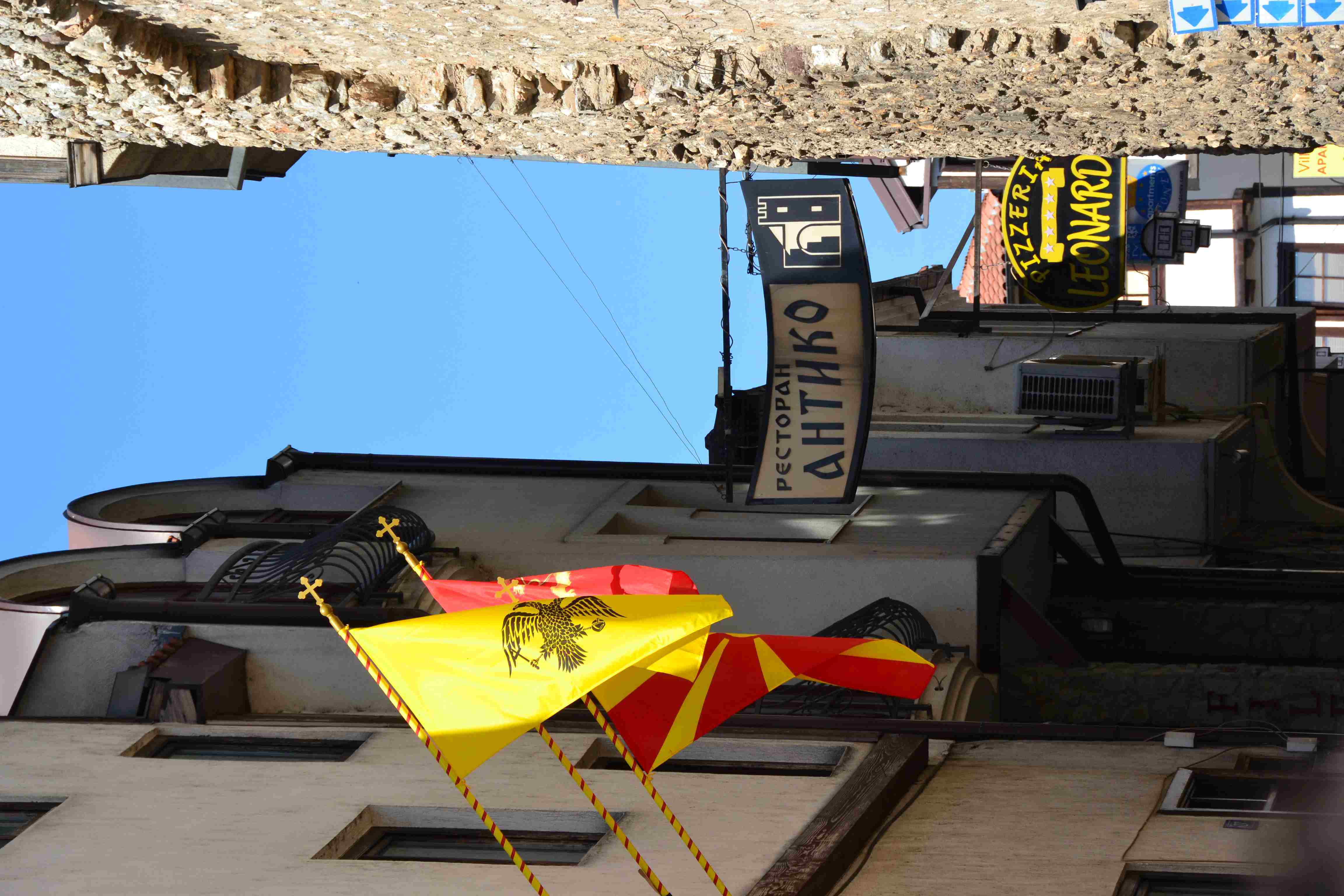
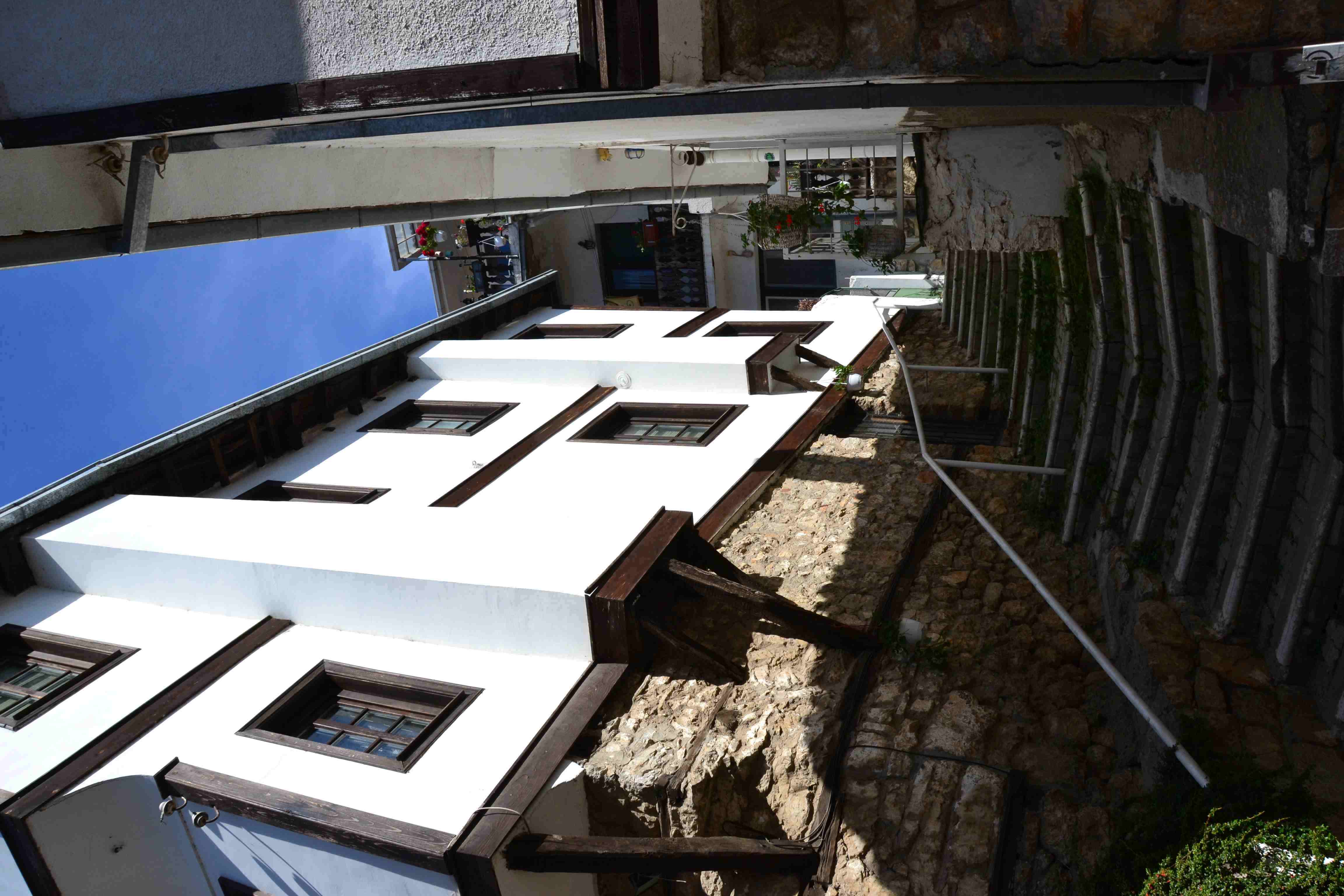
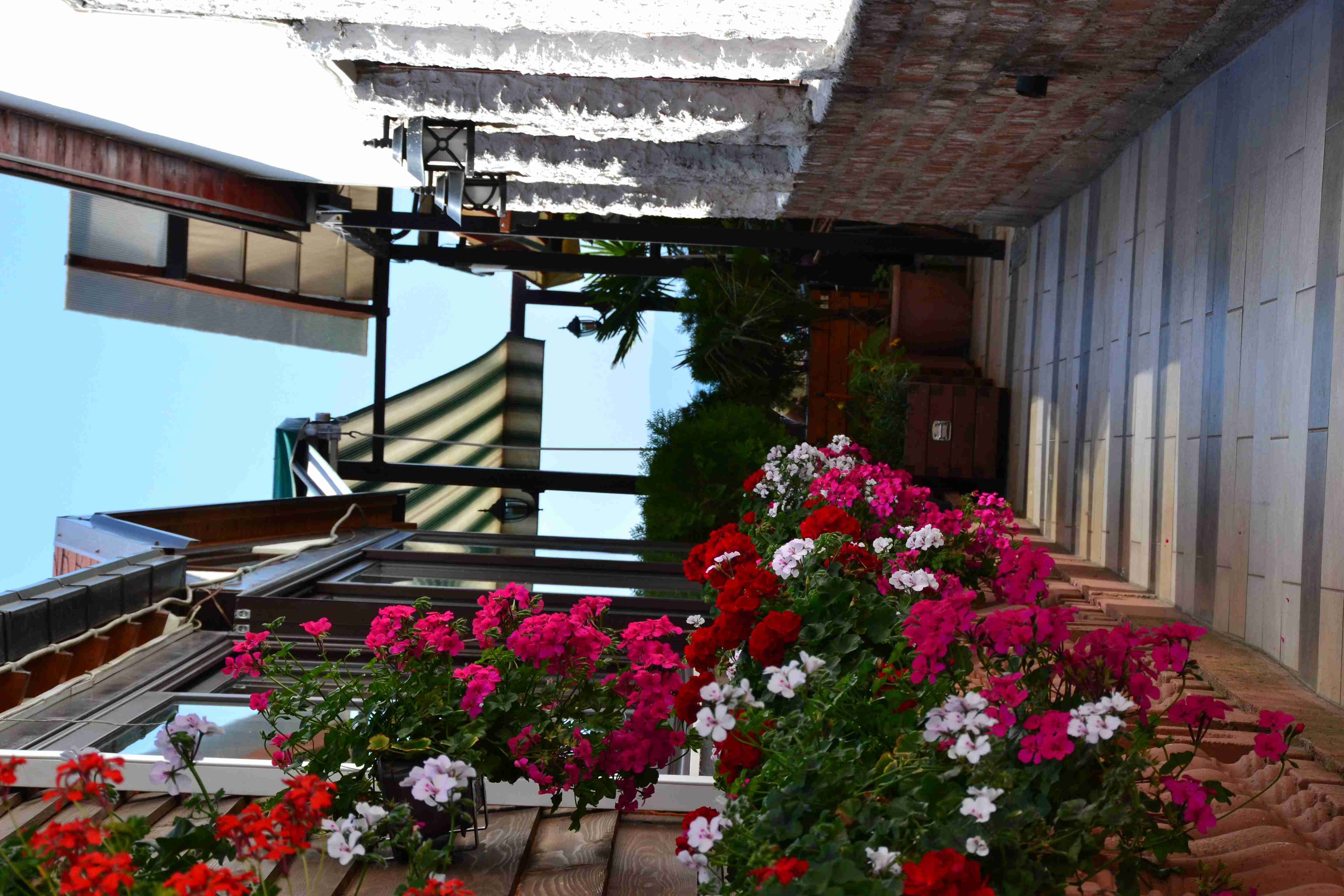
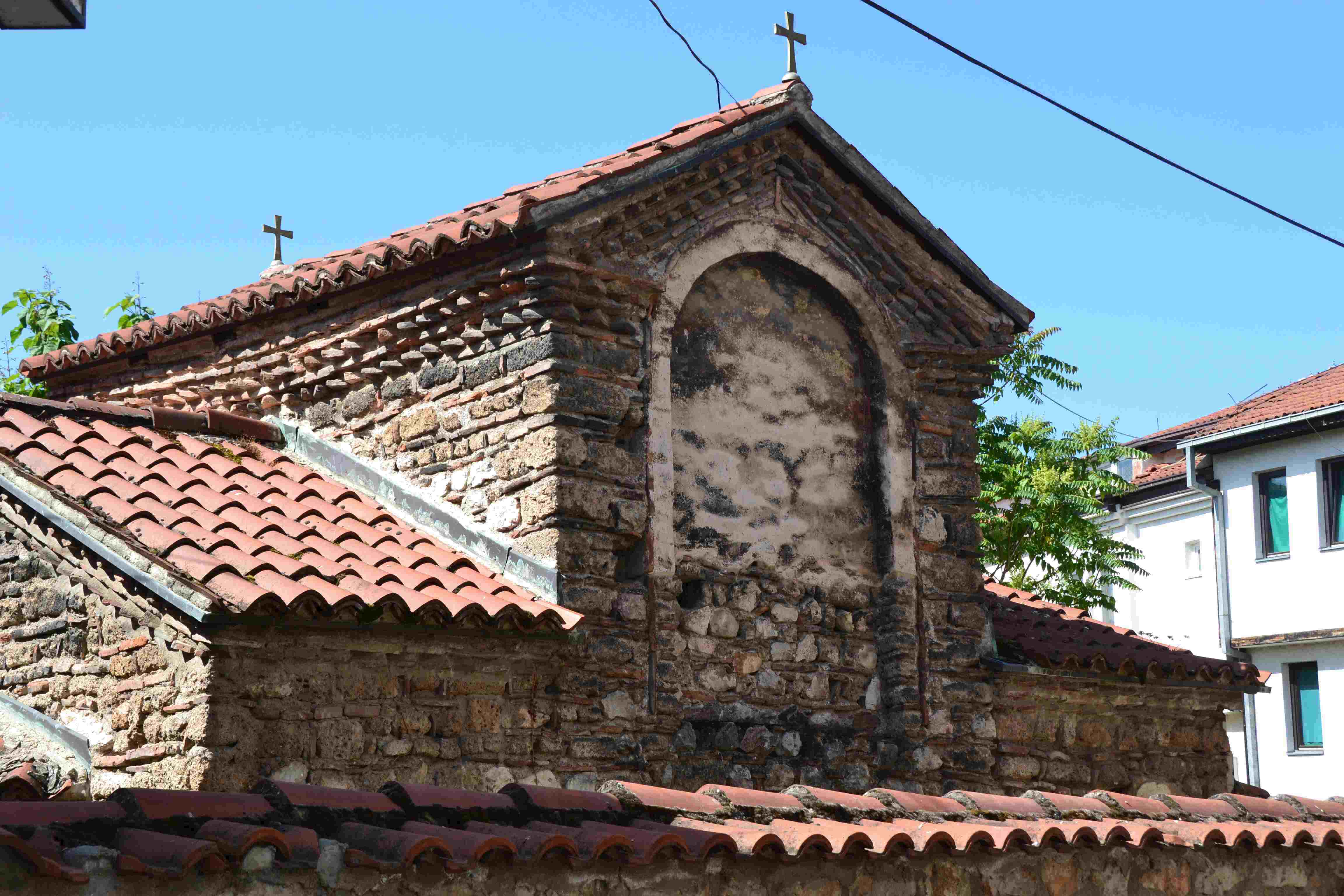
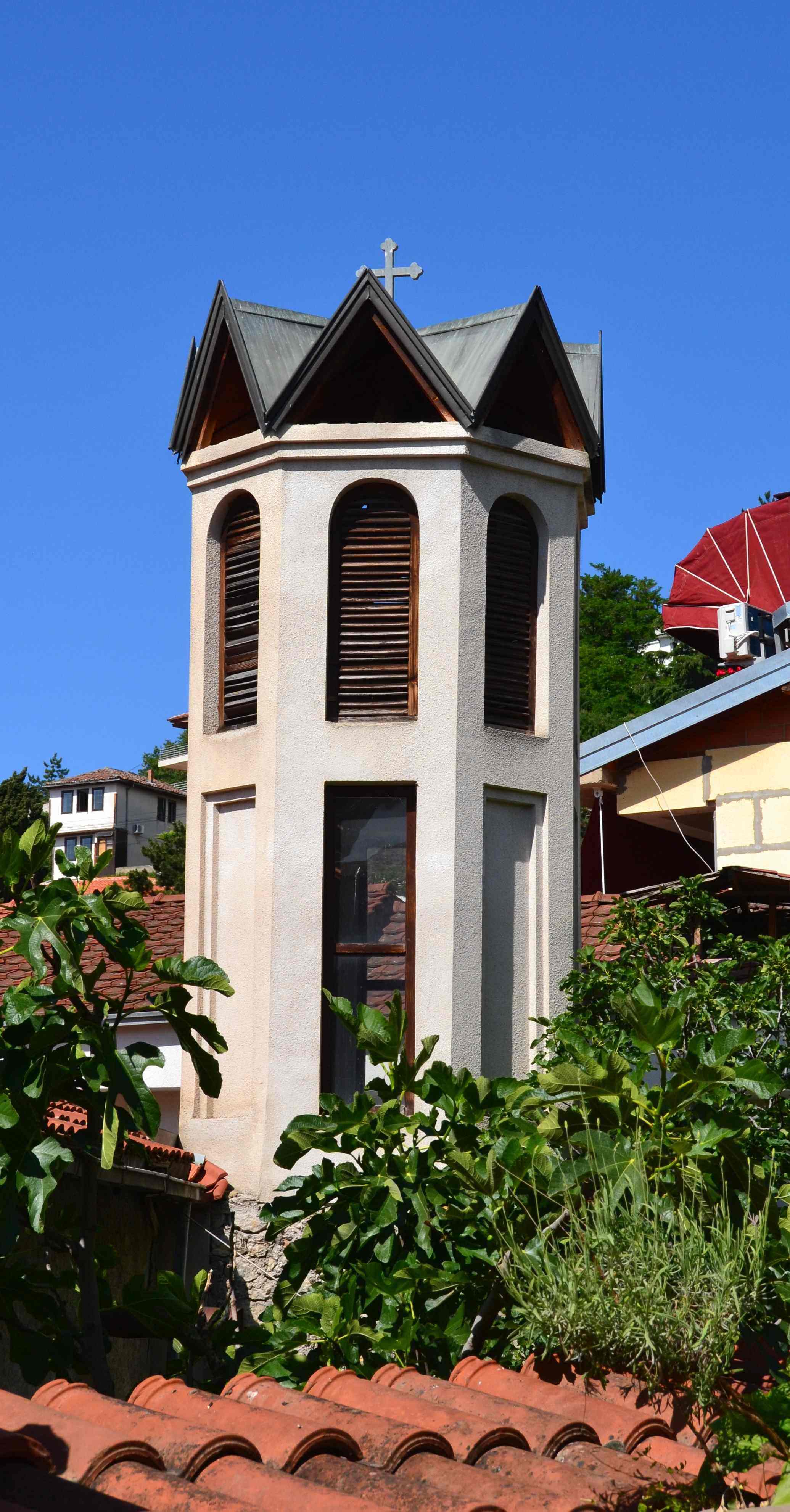
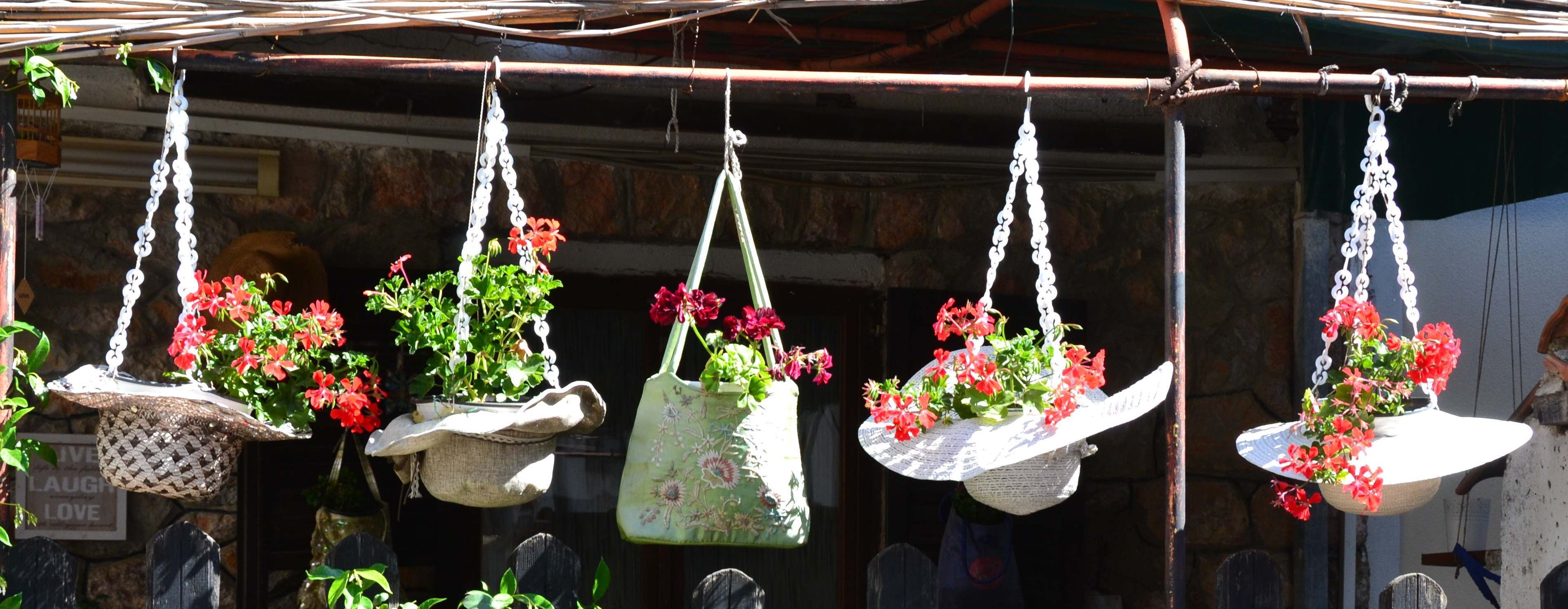
What a way to display flowers. It was very memorable, so we even printed this photo to display it at home.
This is why we love travelling. You never know what you will see around the corner.
3) Church of Saint Sophia
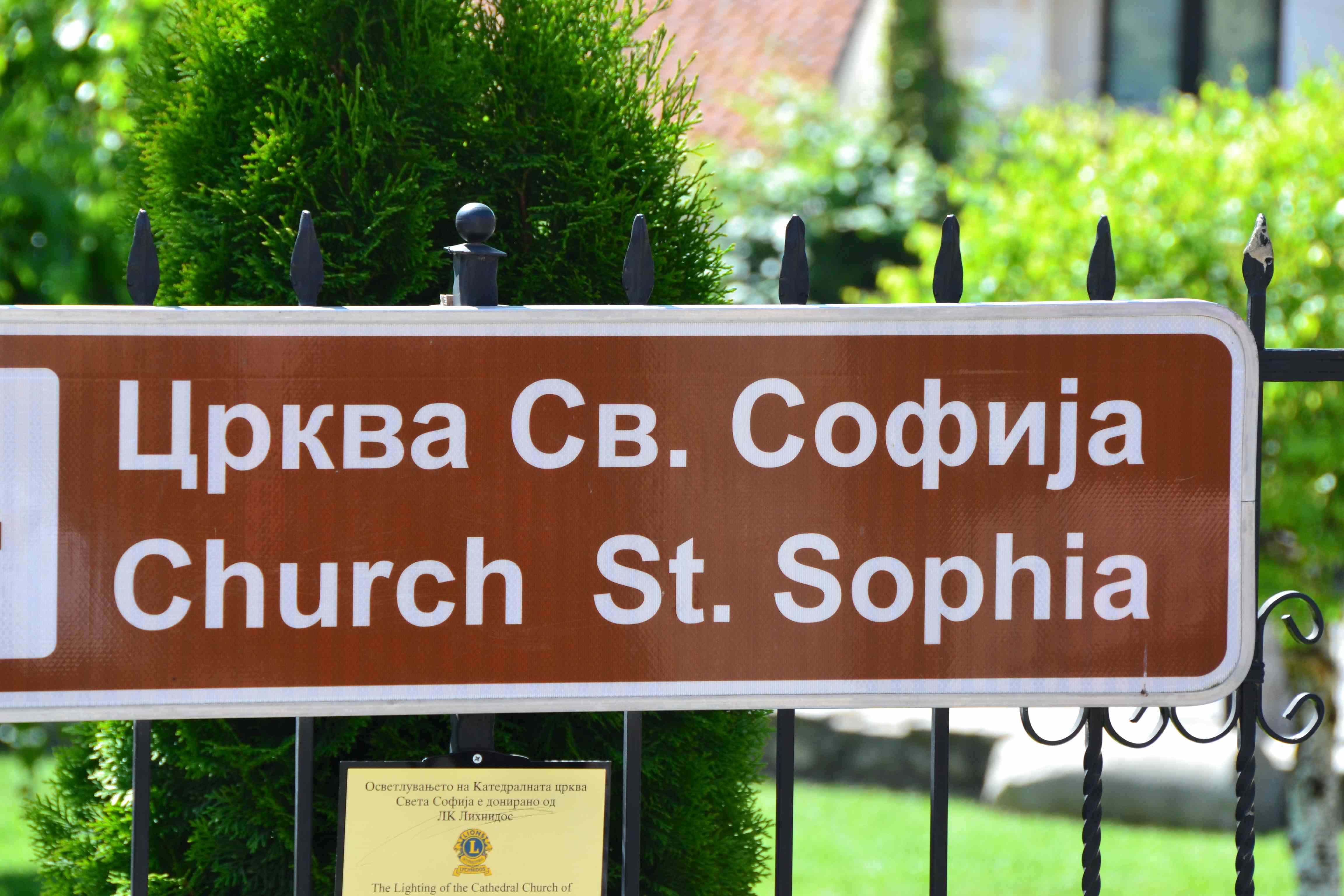
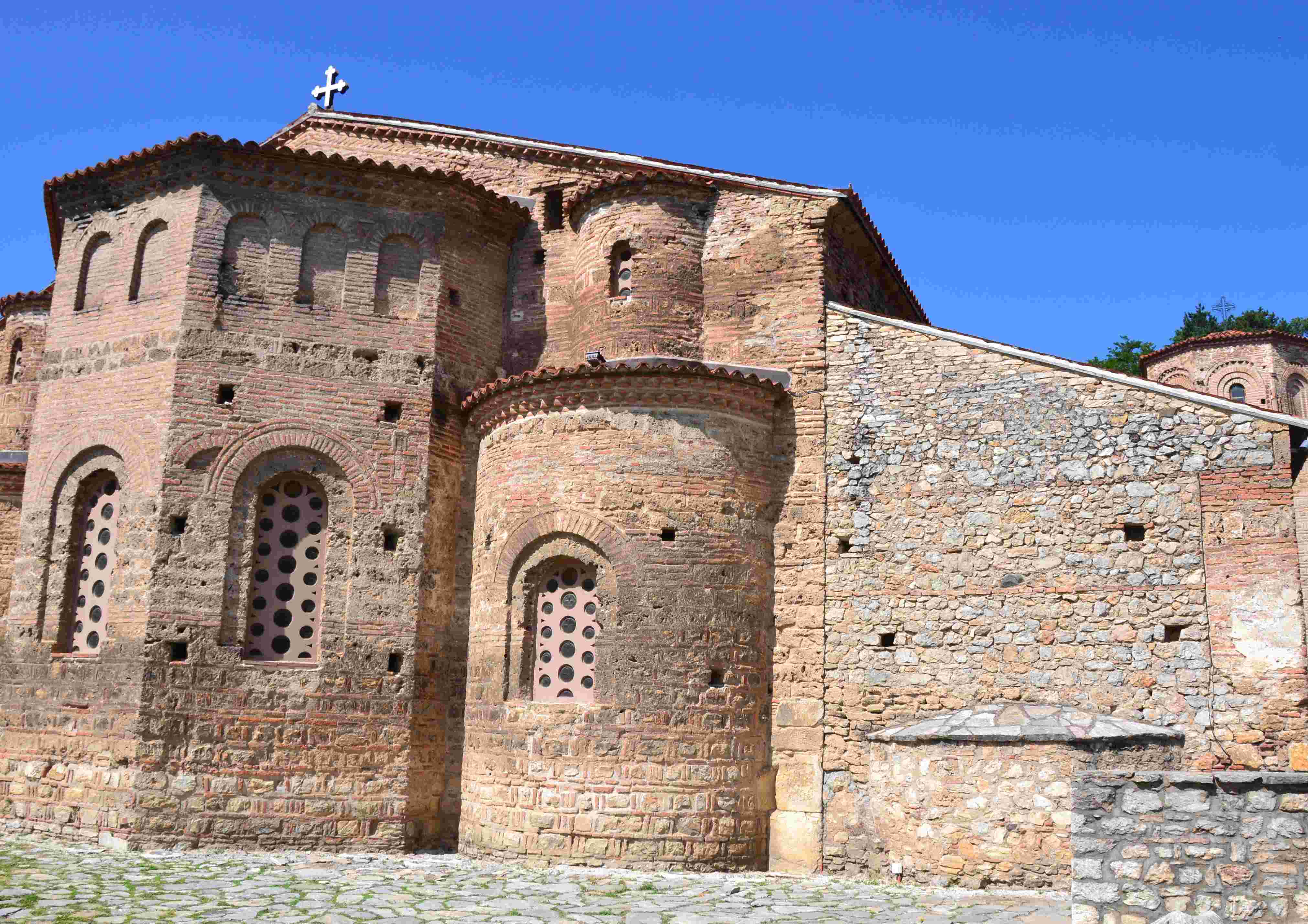
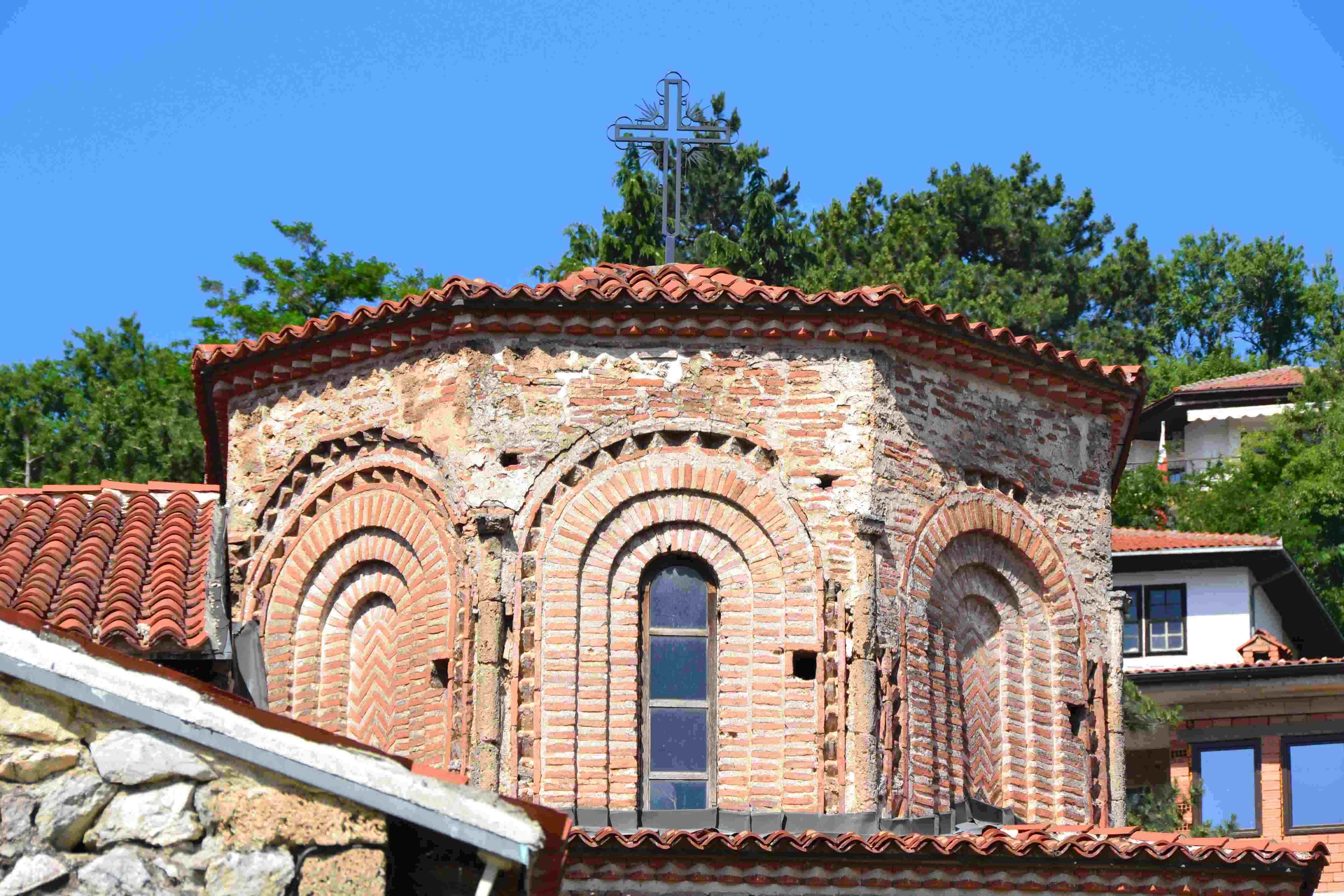
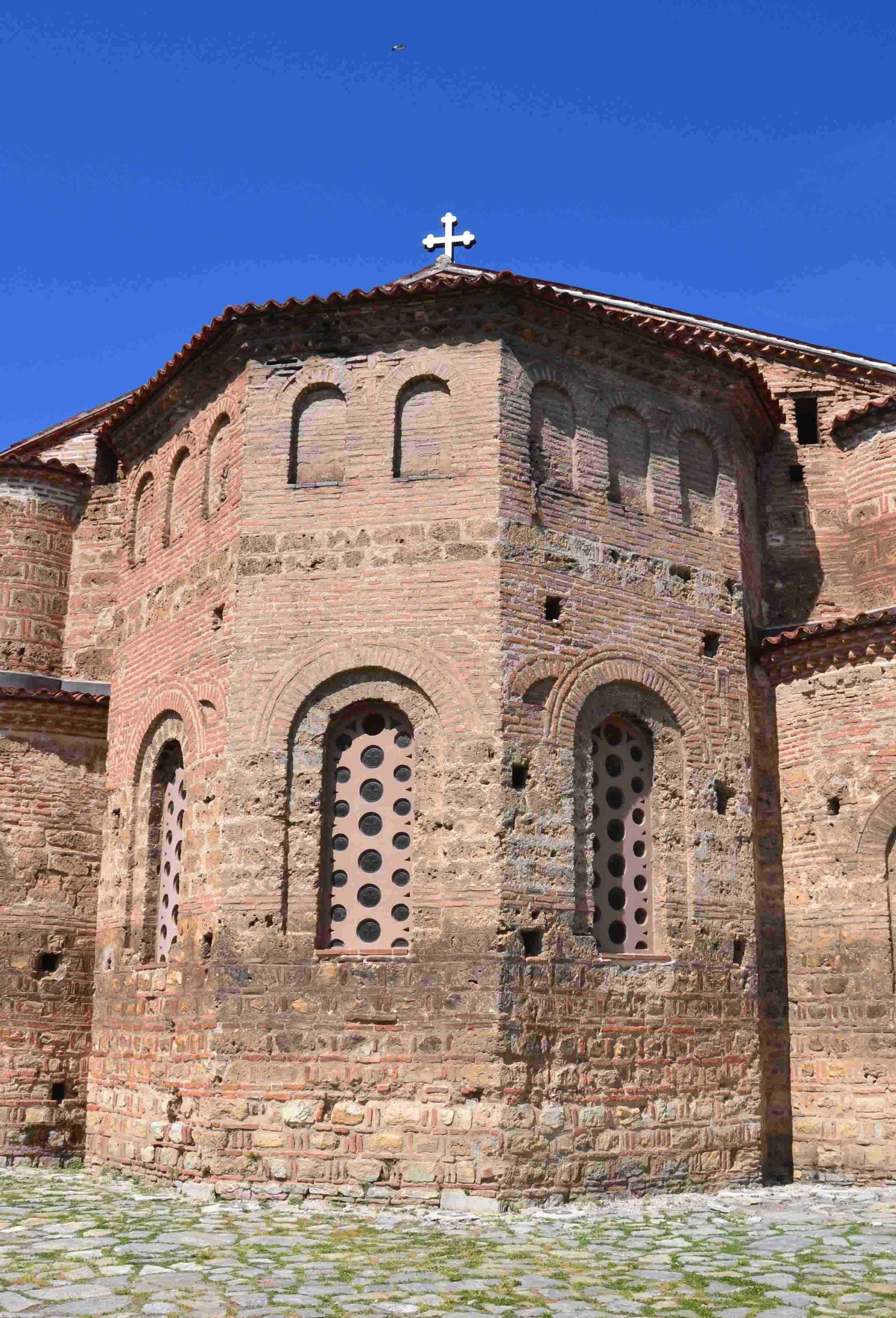
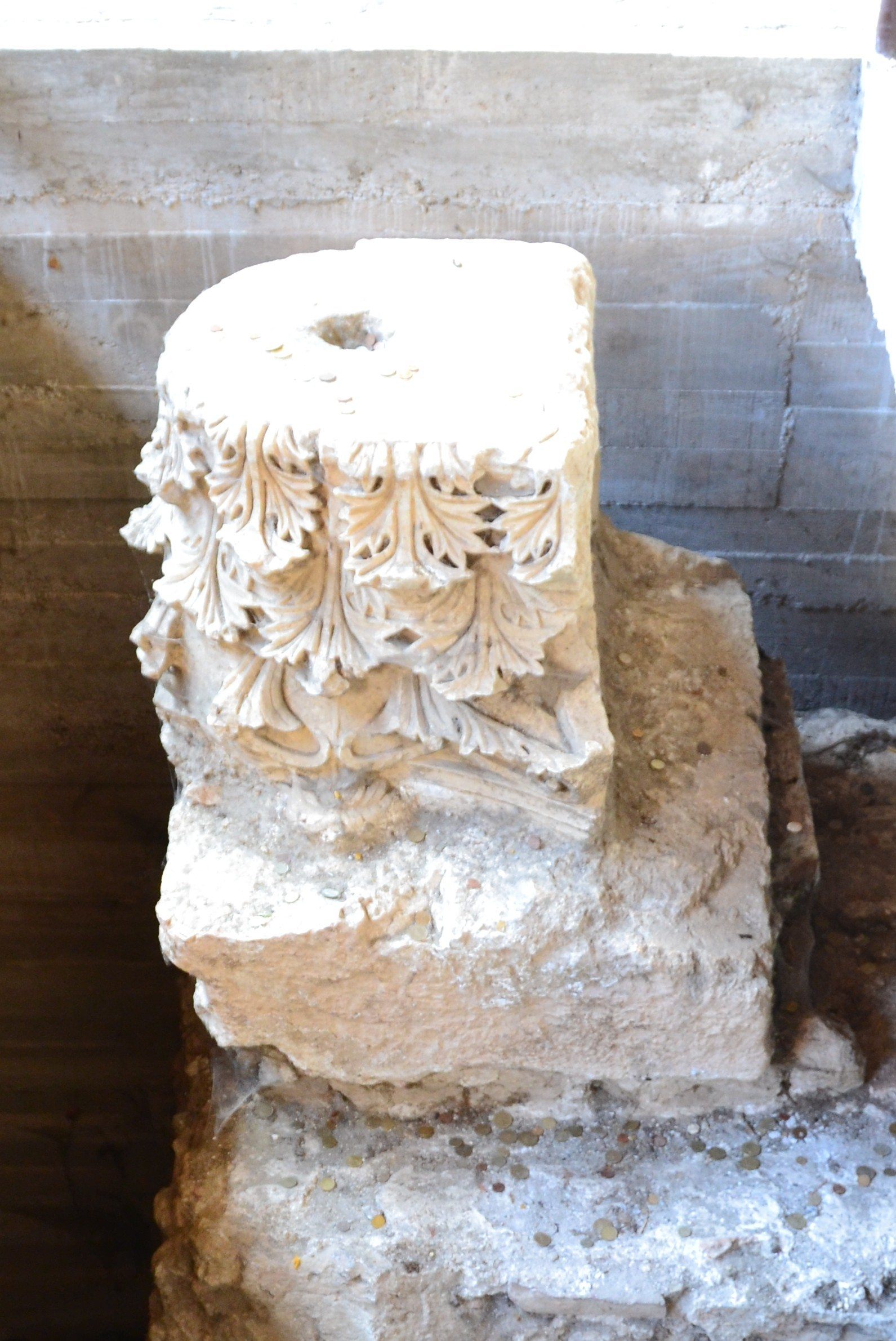
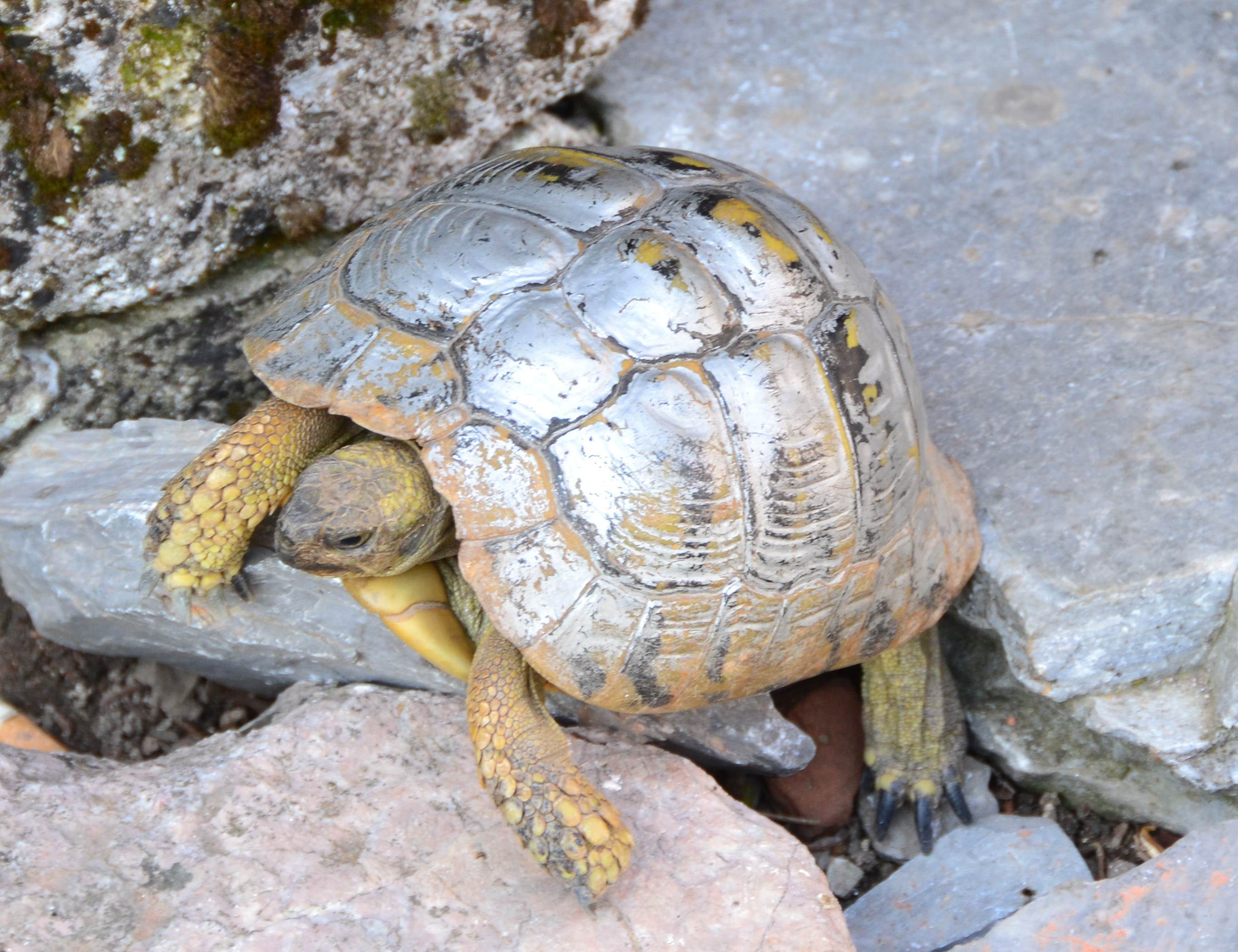
Housing architecture and art from the Middle Ages, Church of Saint Sophia is one of the most important monuments of North Macedonia. During the rule of the Ottoman Empire, it was converted into a mosque. In the 11th century, the main part of the church was built, with external additions made at the direction of Archbishop Gregory II in the 14th century.
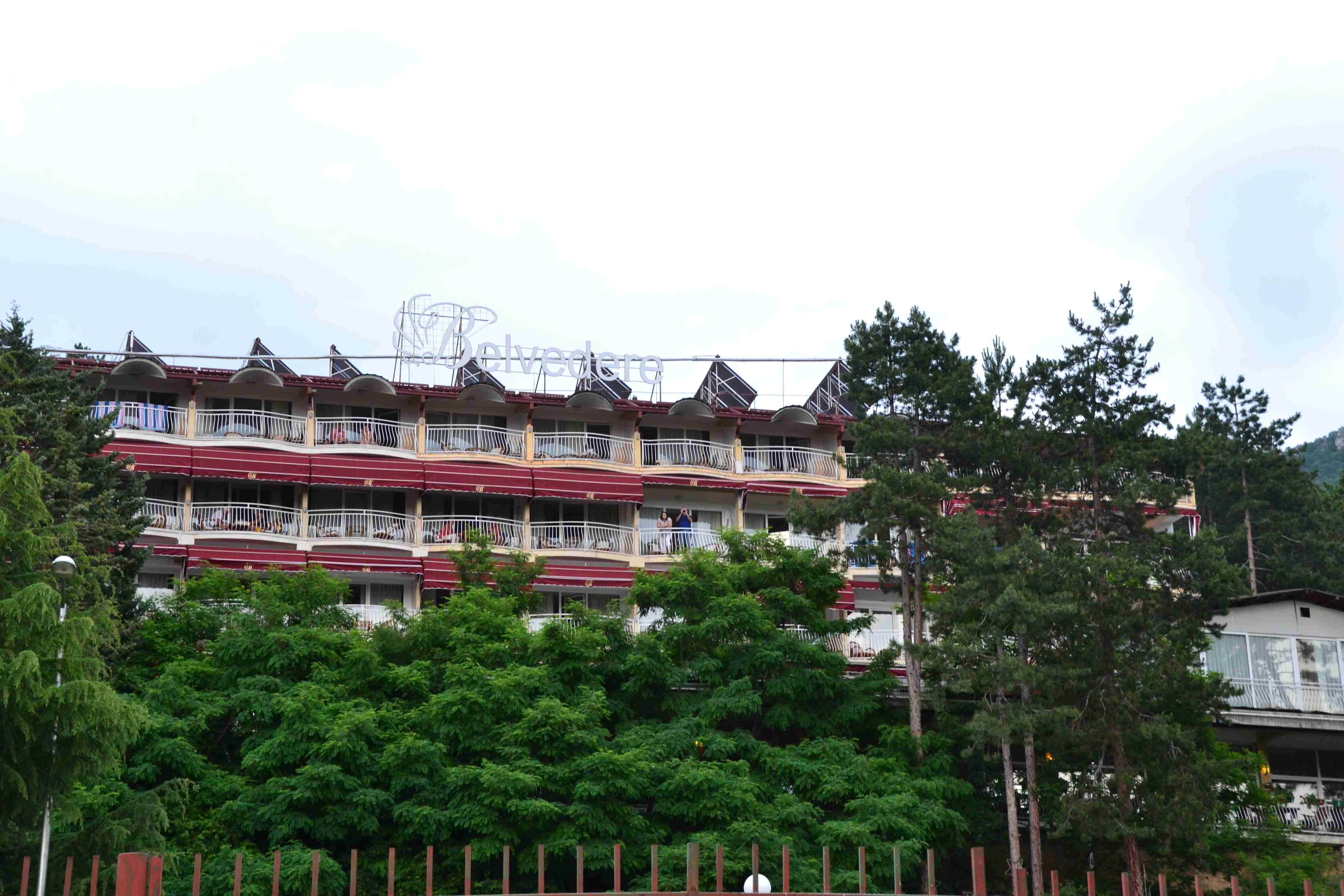
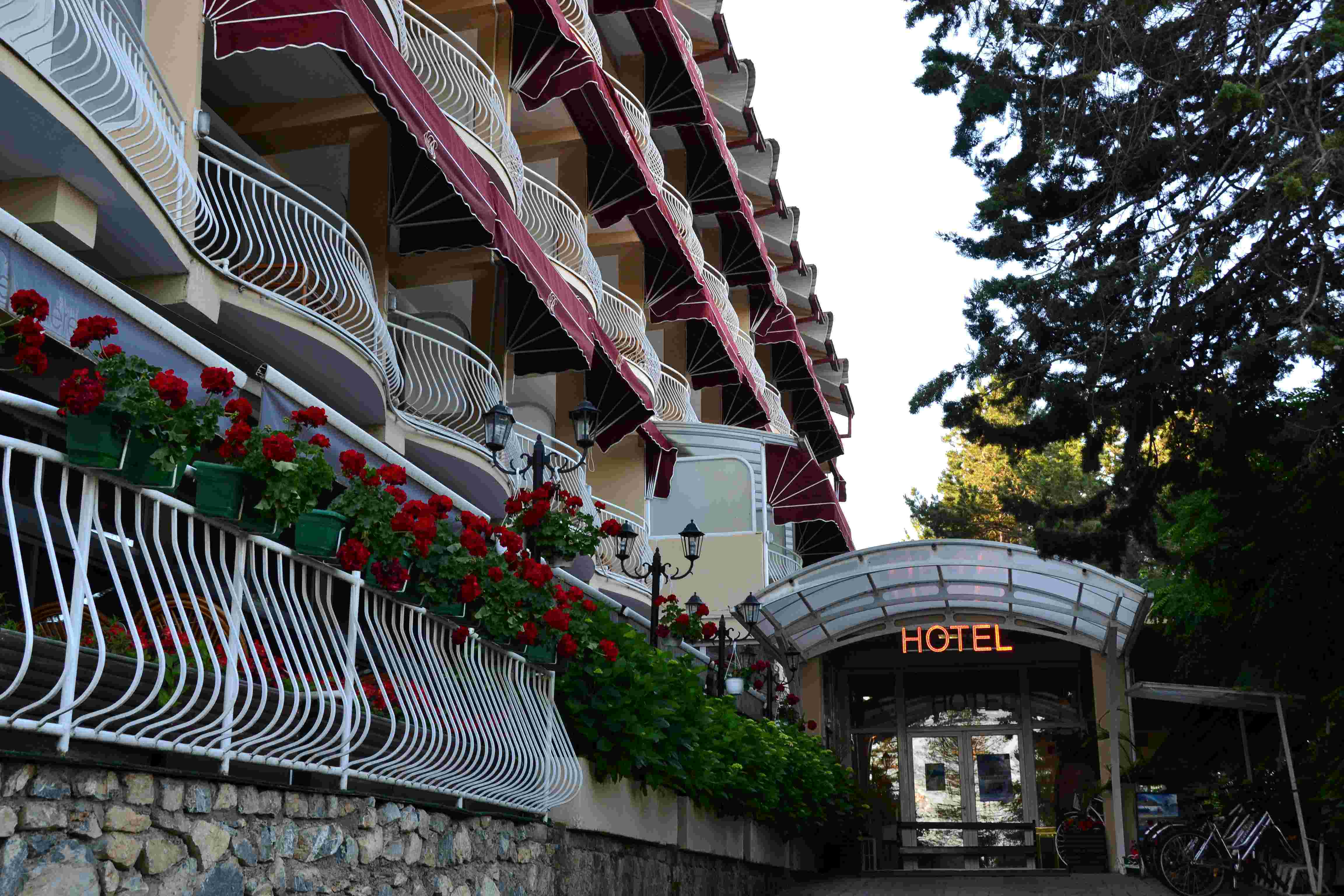
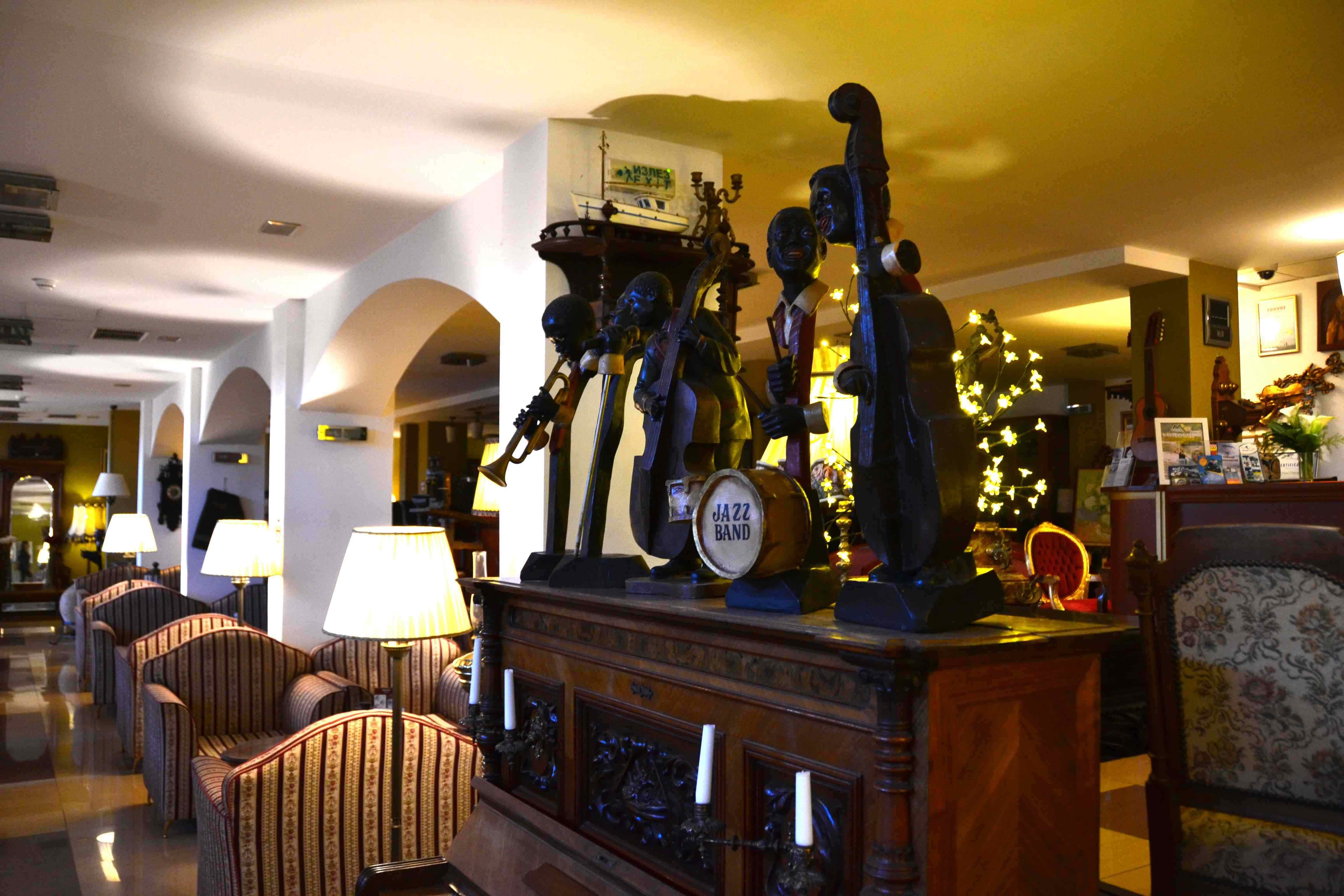
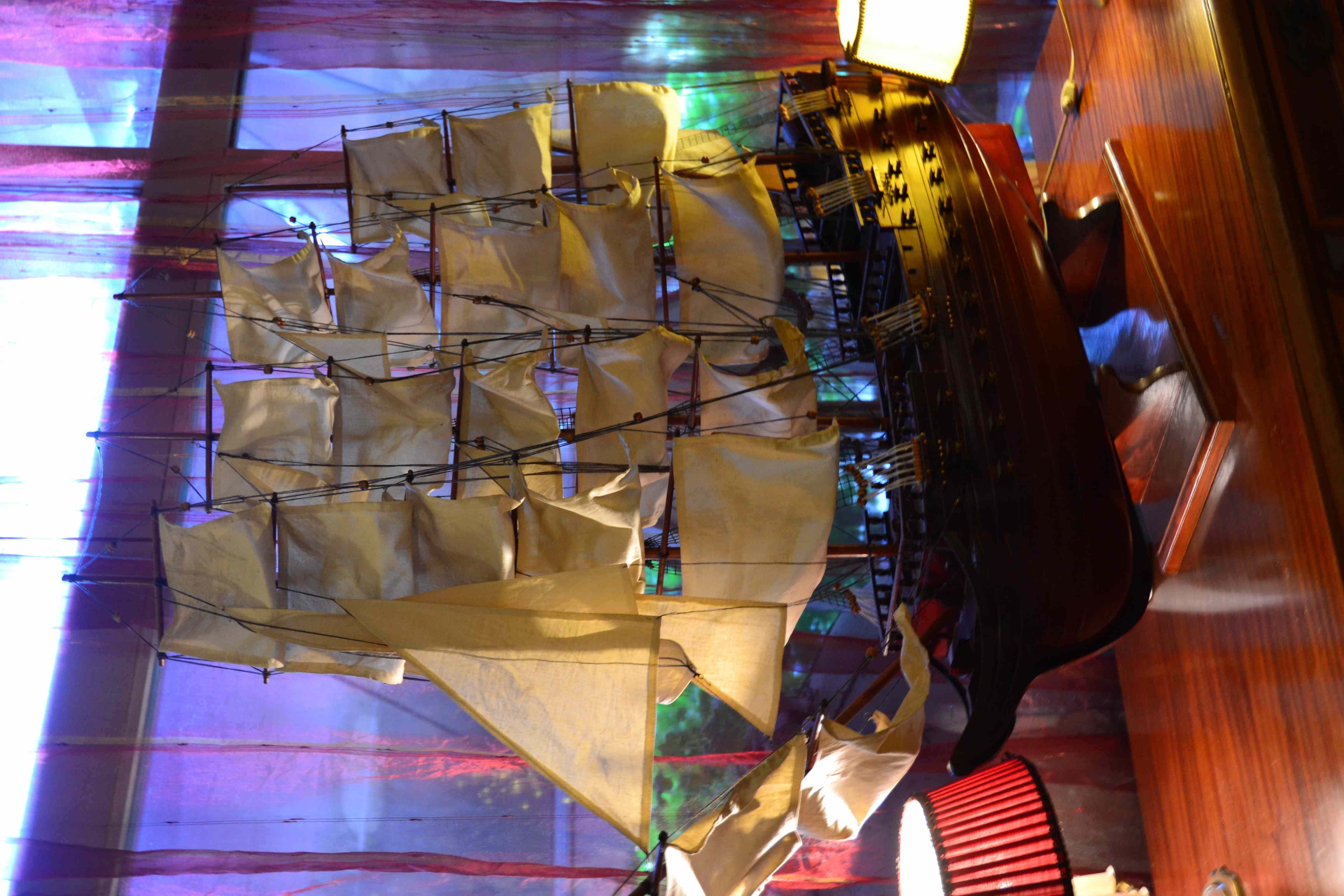
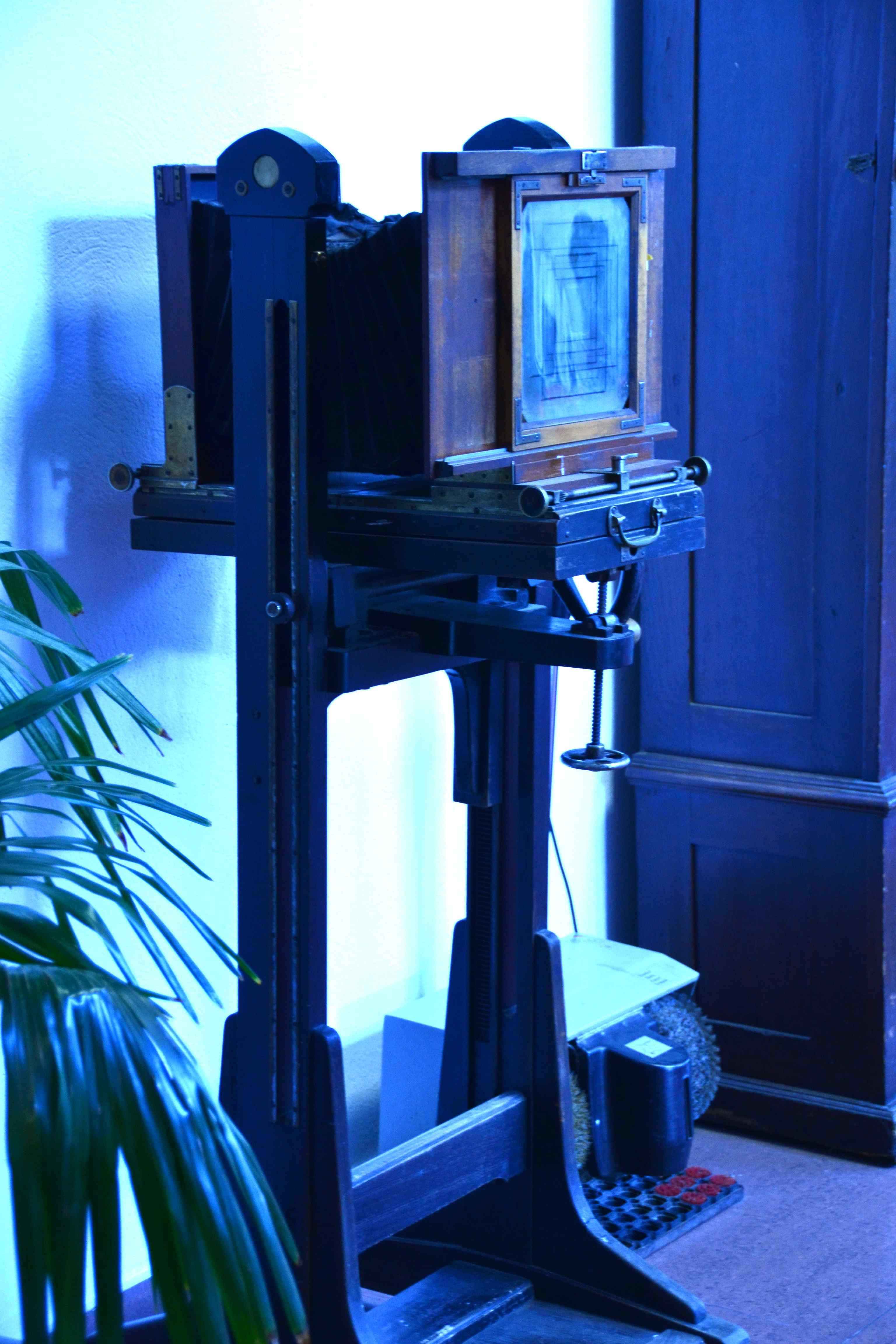
4) Hotel we stayed in Lake Ohrid
Though the hotel we stayed was not a luxury one, it was a memorable, as it had a lake view, many interesting displays and a beautiful garden.
5) After Crossing the Boader into Albania....
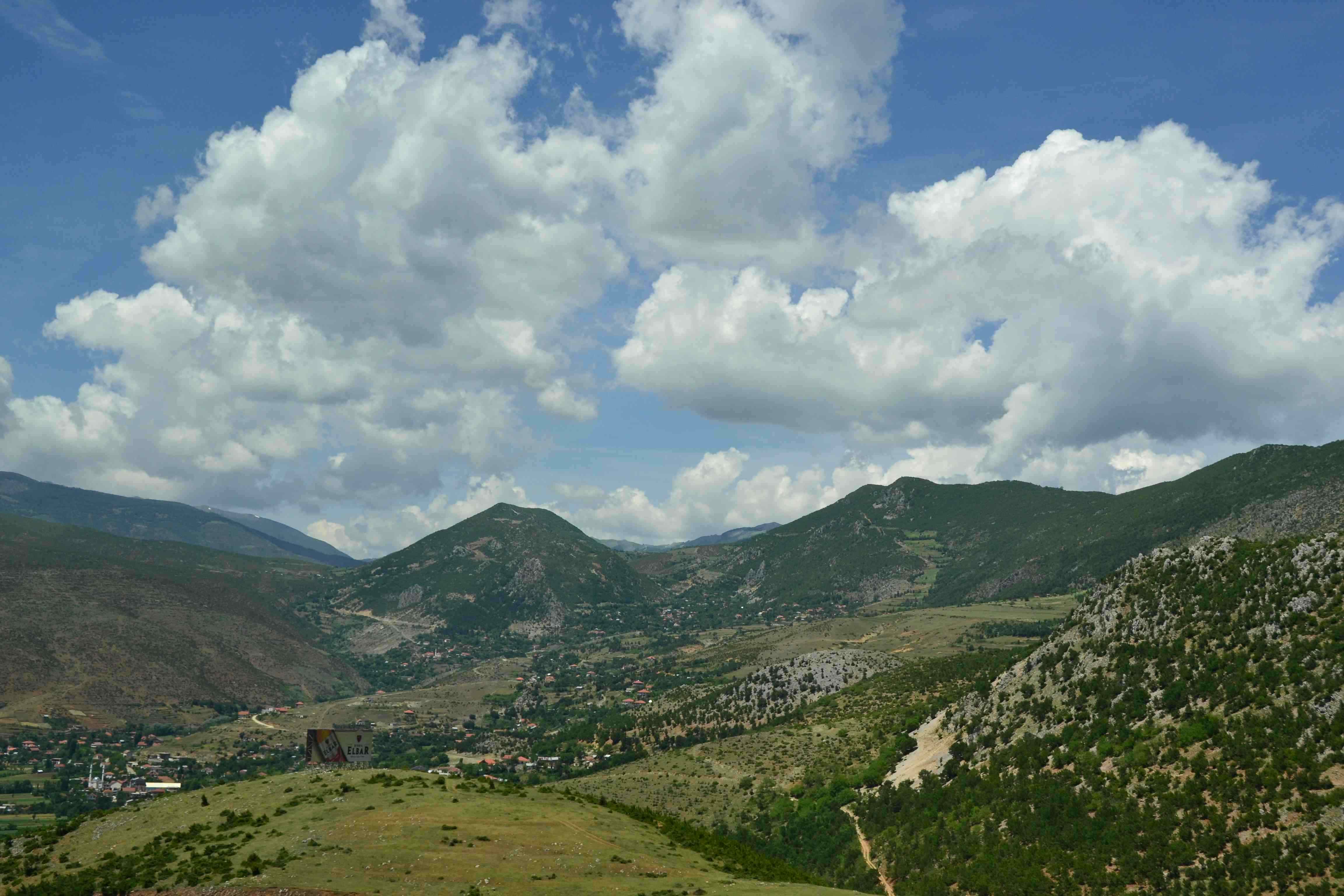
After visiting Macedonia, the bus drove us through the countryside with low mountain slopes to get to our next stop, Albania. Entering Albania, the following sights caught our eye:
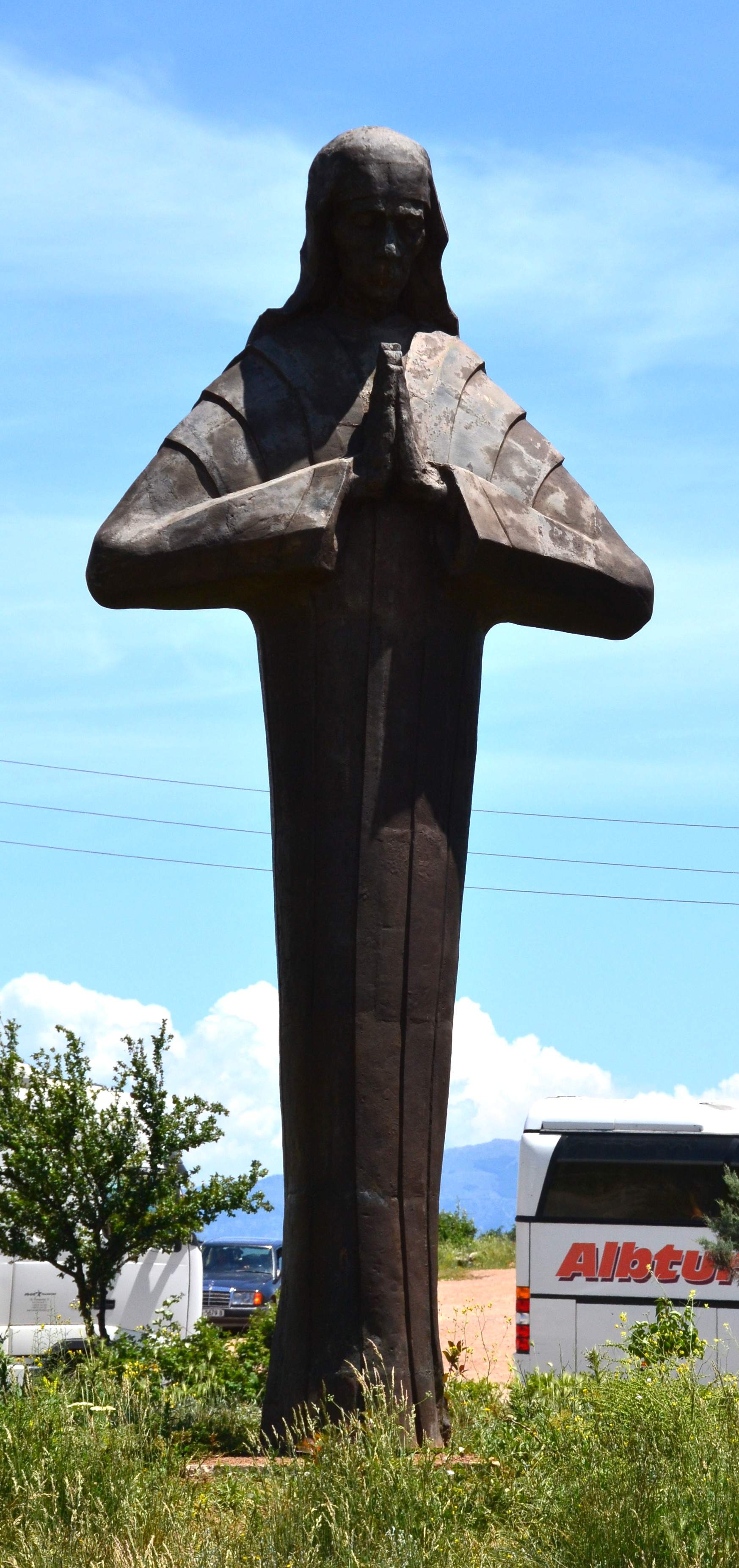
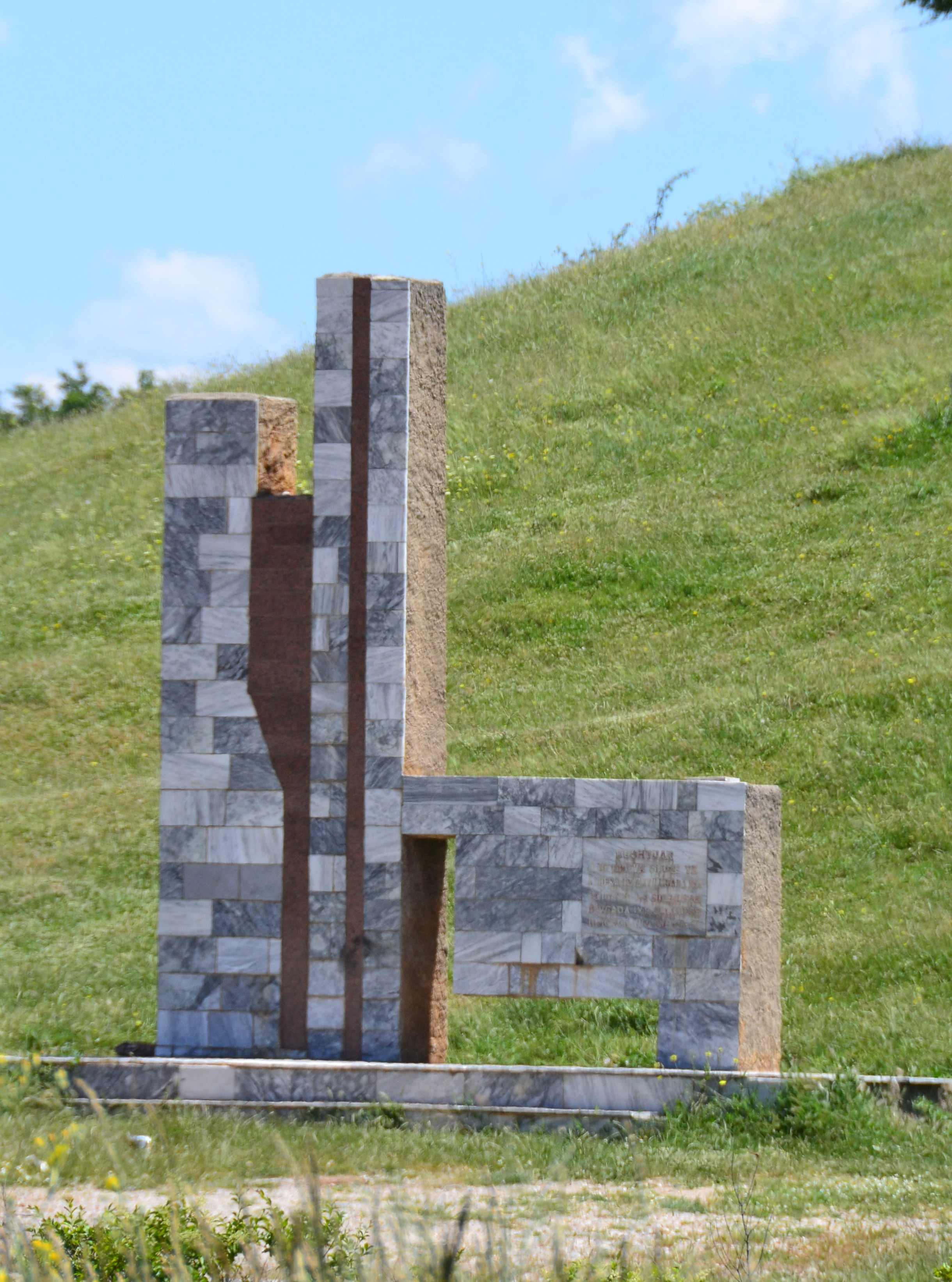
The first statue was in honor of St. (Mother) Teresa of India who was ethnically Albanian.
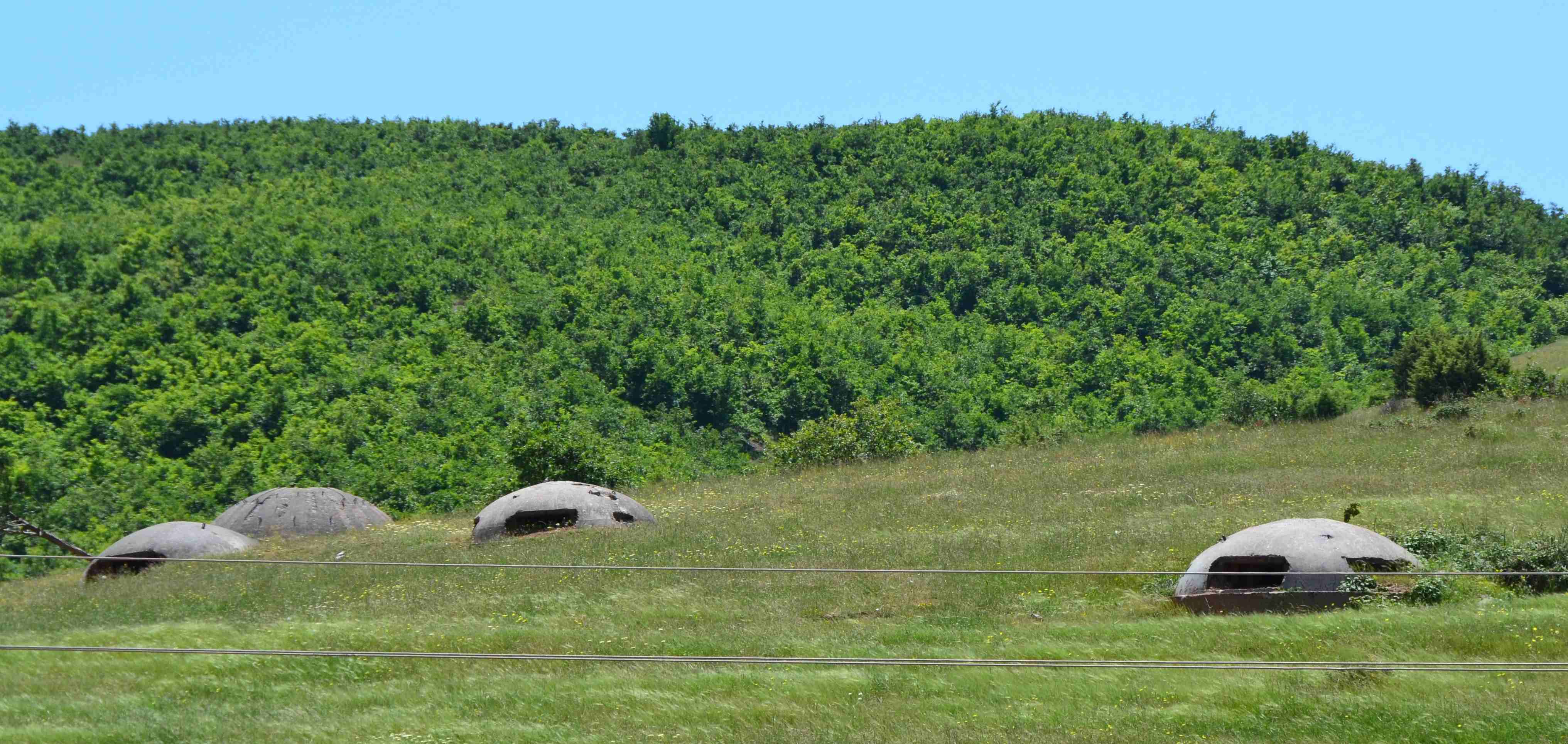
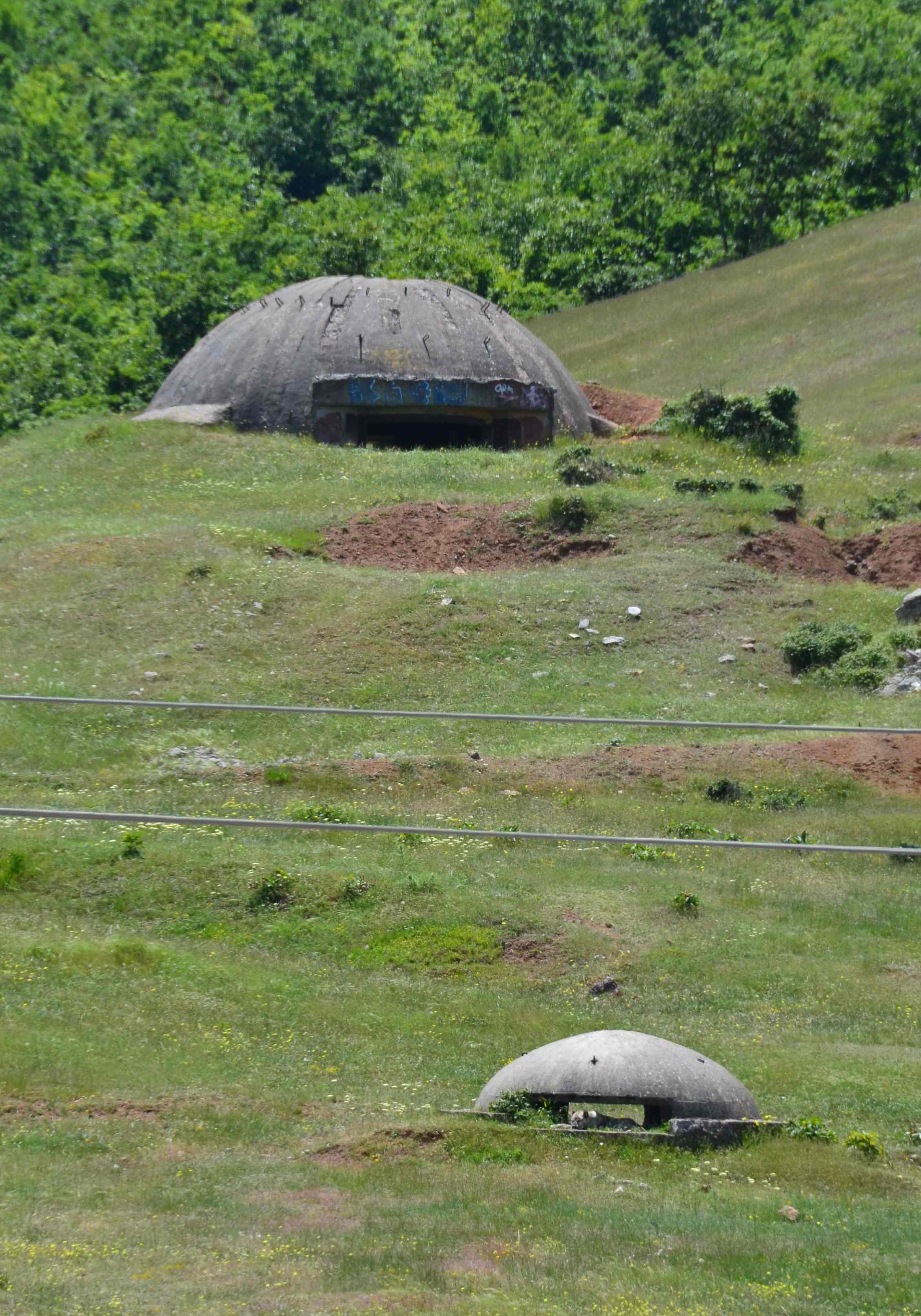
The structures on the mountain side are bunkers built during the cold war in case of a ground invasion.
Albania (Republic of Albania)
Albania is a small country on the Southeastern Europe Balkan Peninsula. It is surrounded by Montenegro (West), Kosovo (North East), North Macedonia (East) and Greece (South). The landscapes range from snow-capped mountains in the Albanian Alps to fertile lowland plains extending from the seacoast. Albania has many castles and archaeological sites.
In the late 15th century, Albania also became part of the Ottoman Empire but in 1912, the modern Albanian state declared independence. Italy invaded the Kingdom of Albania in 1939 (became Greater Albania), and then became a protectorate of Nazi Germany during WW II. After the war, the People’s Socialist Republic of Albania was formed which lasted until the Revolution of 1991, which led to the fall of communism.
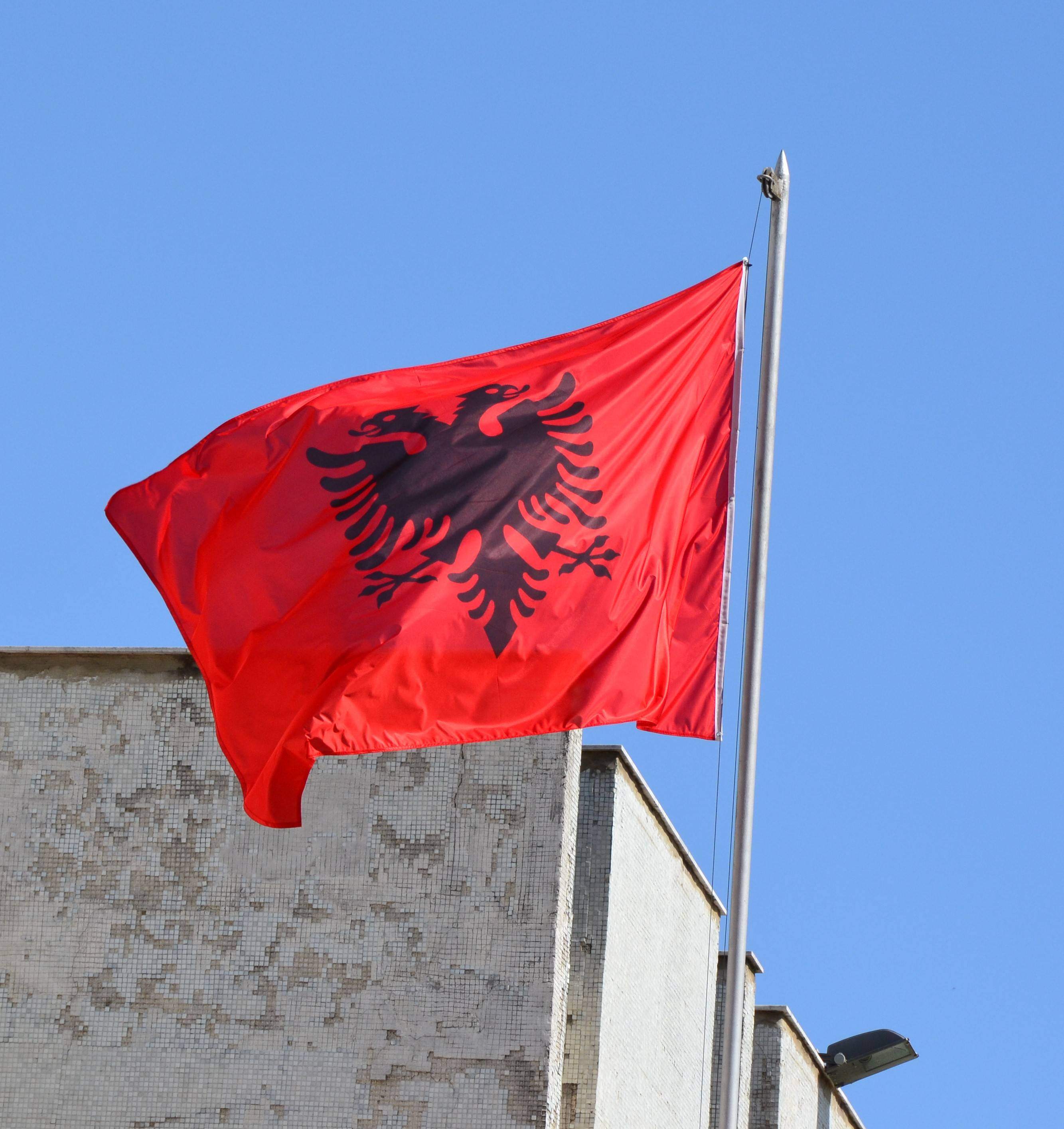
1) Tirana (Capital)
A) Skanderbeg Square
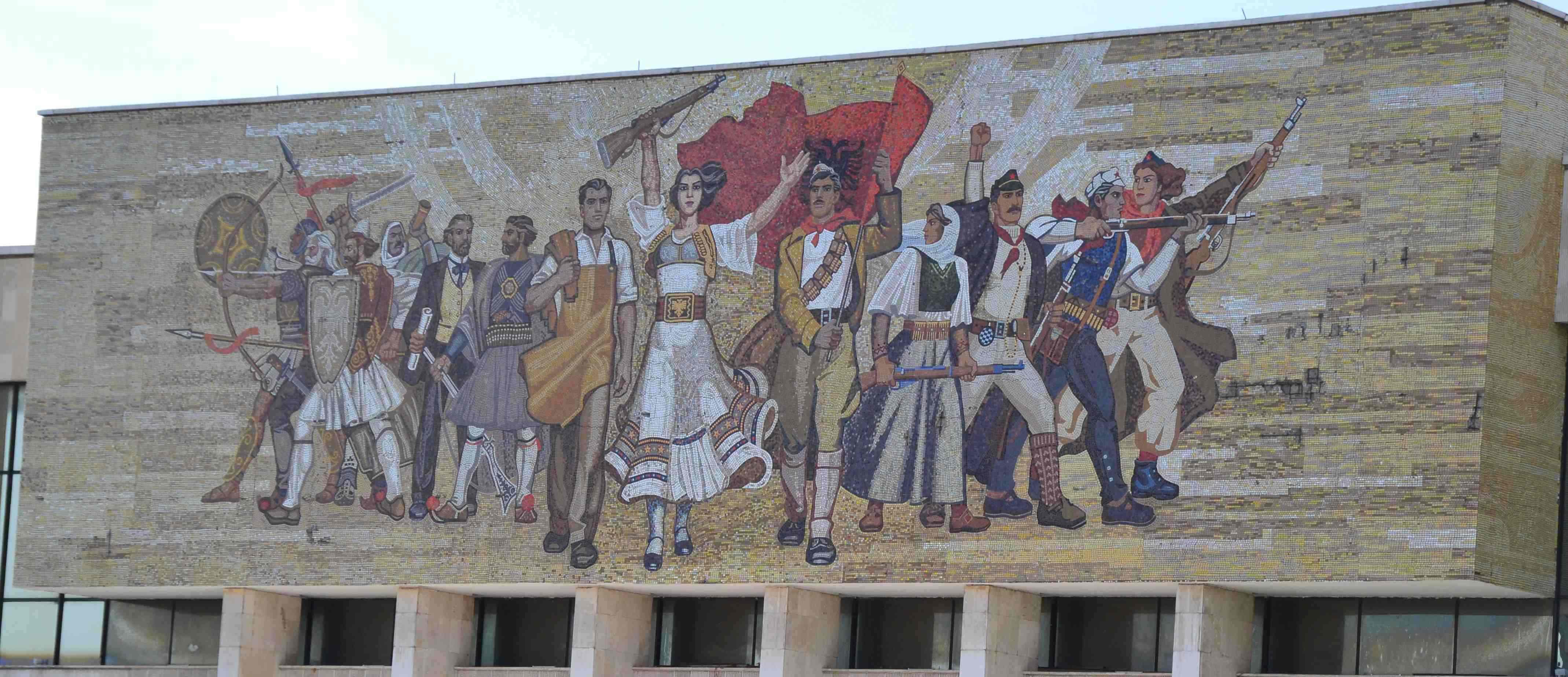
National History Museum
The above mosaic in front of the museum depicts 13 persons representing different phases of Albanian history.
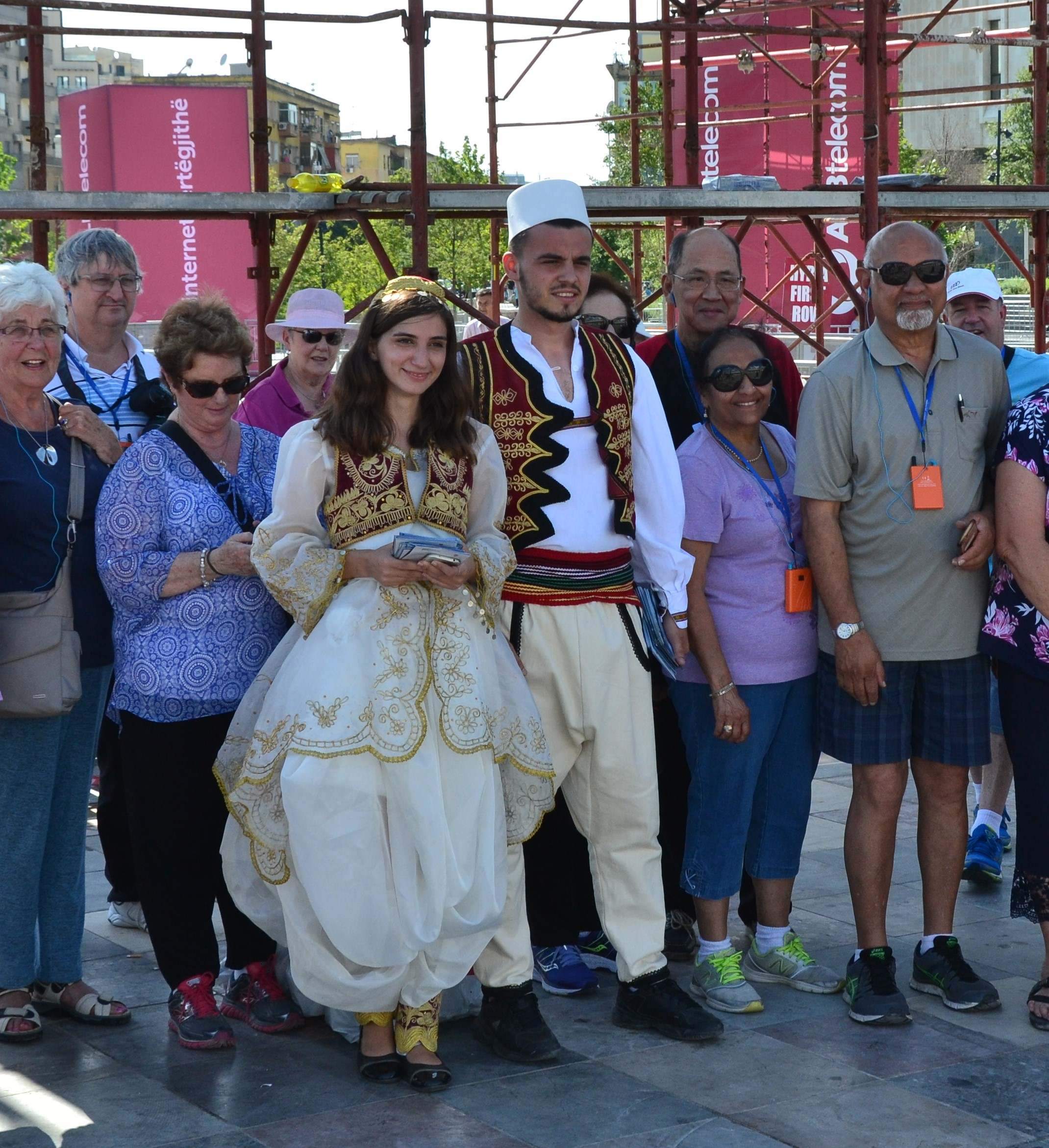
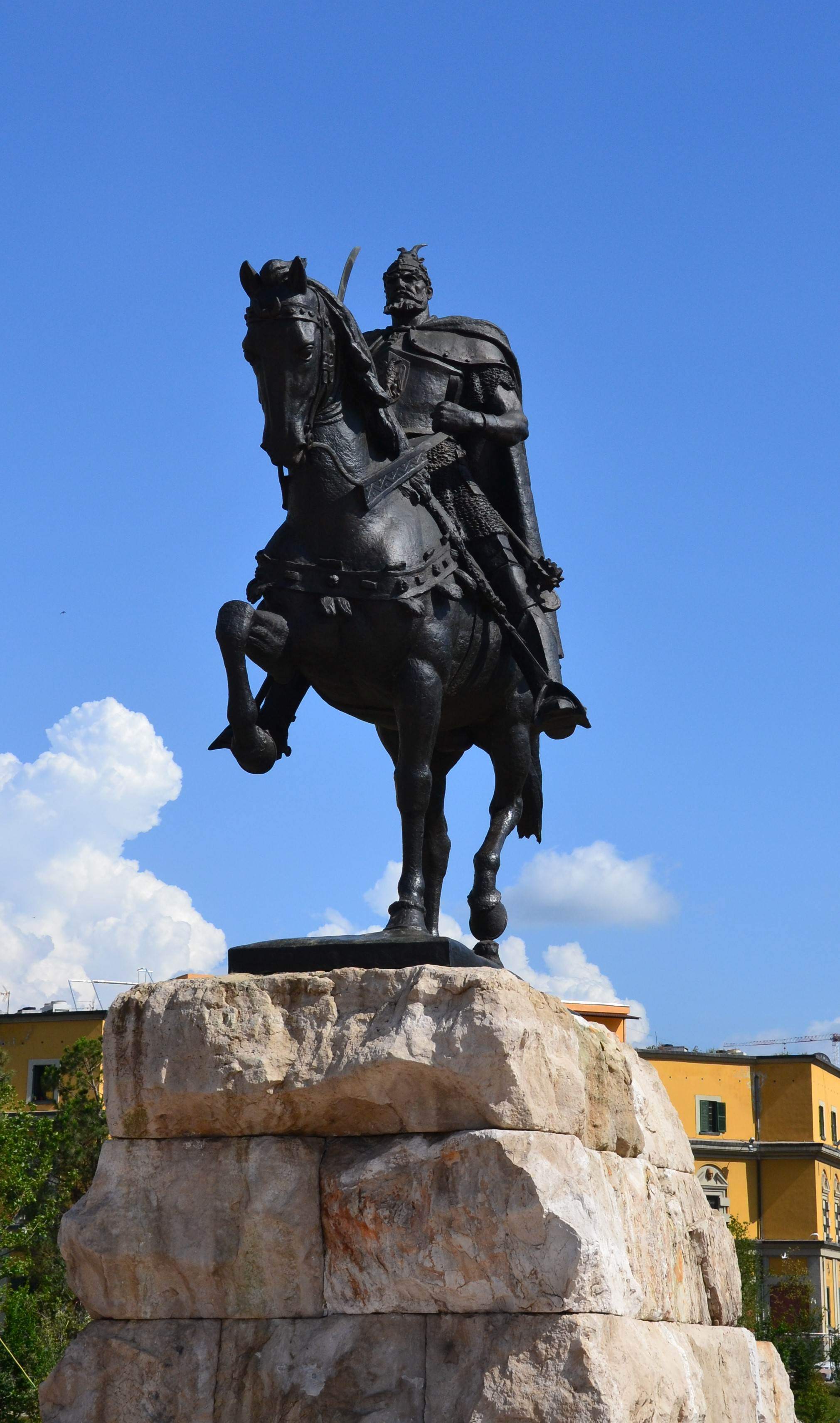
Albanian couple in traditional costume The National Hero, Skanderbeg who resisted the Ottomans
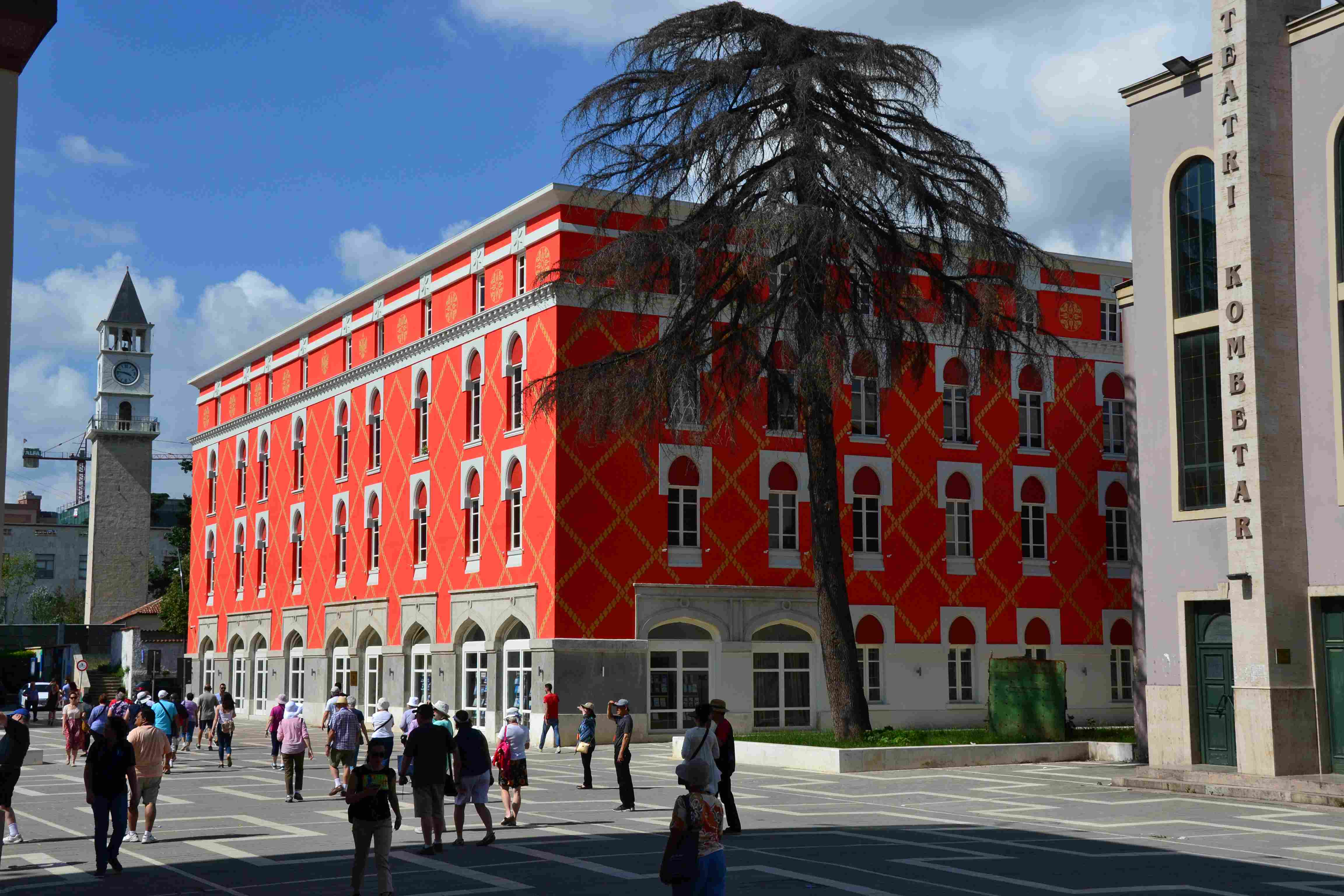
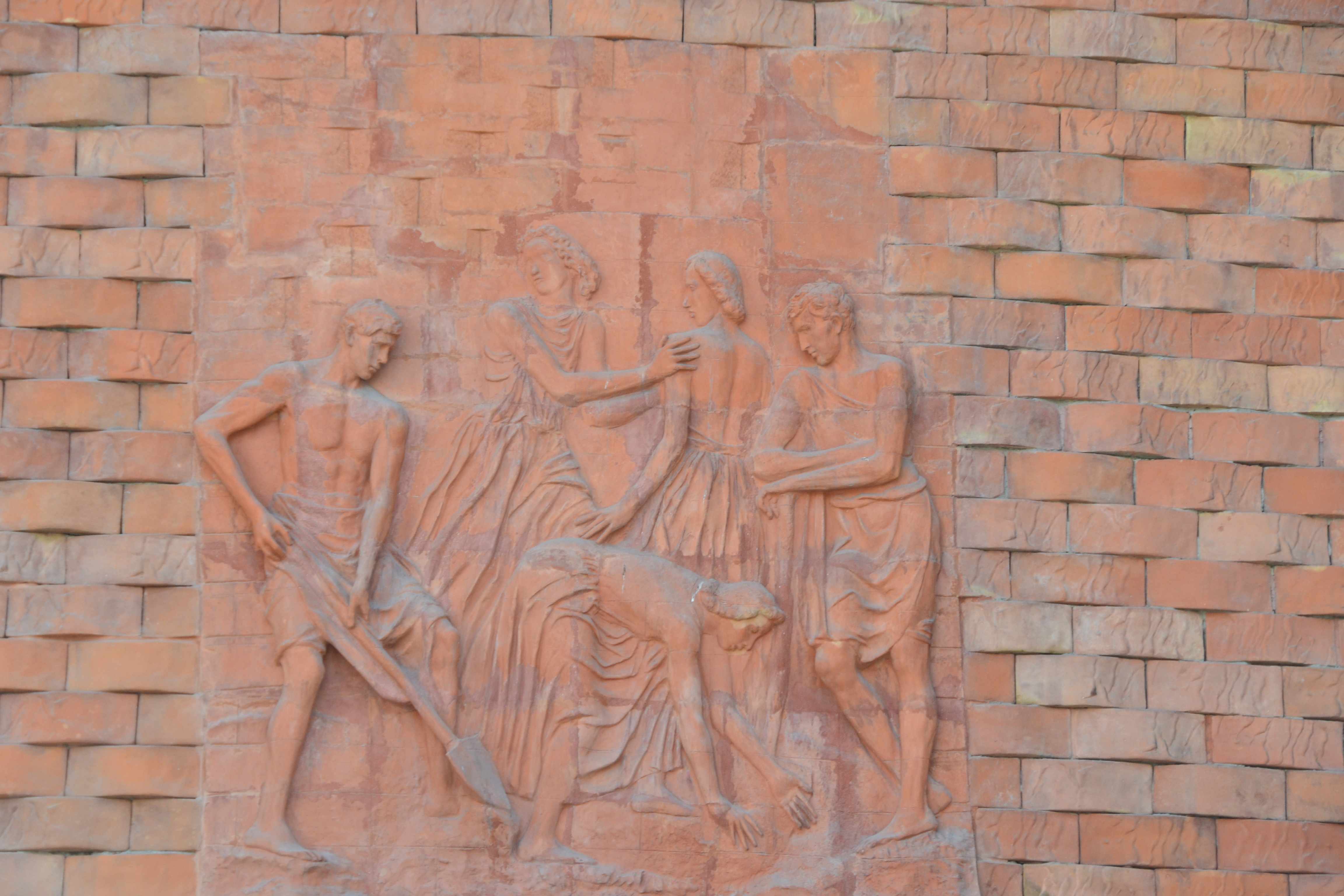
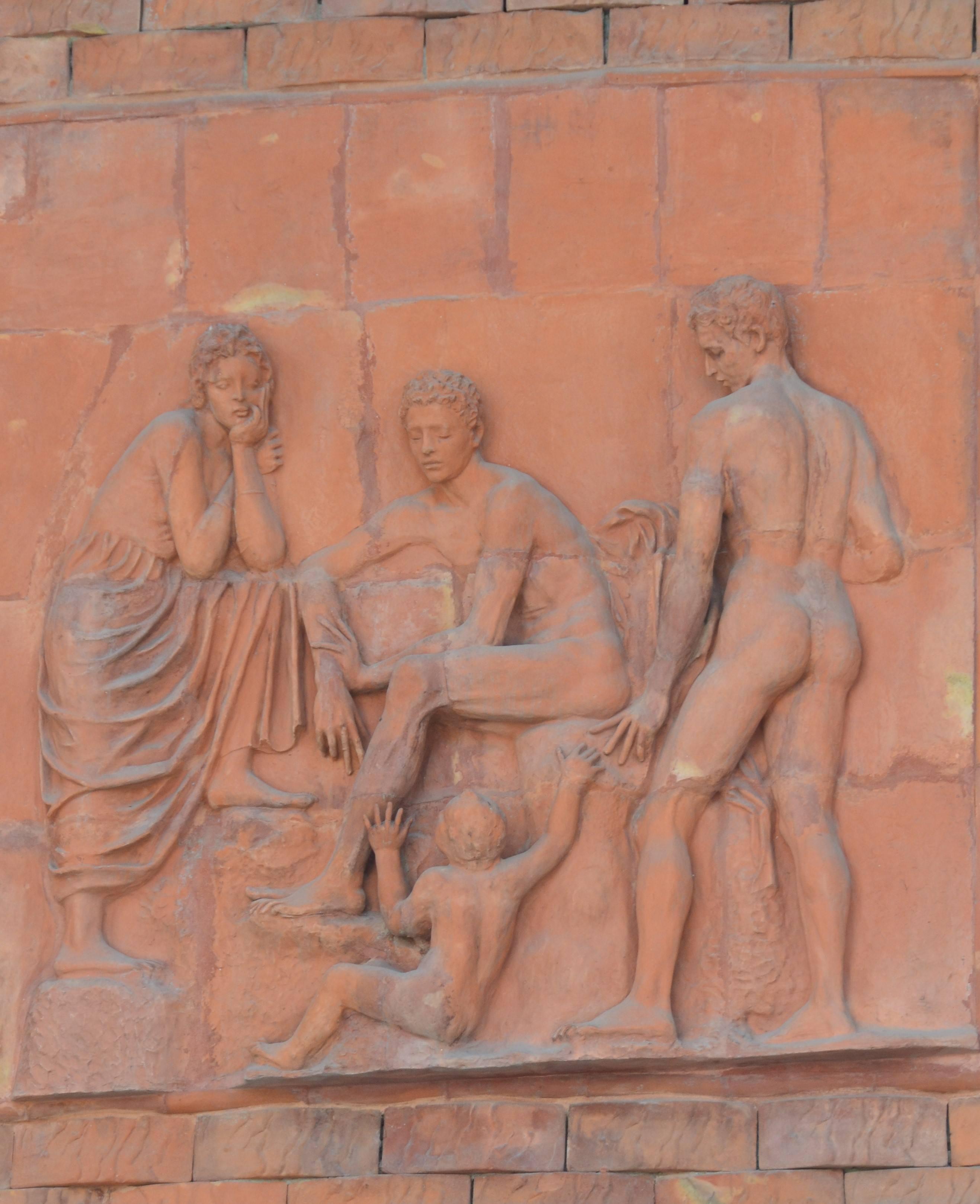
Ministry of Agriculture Building
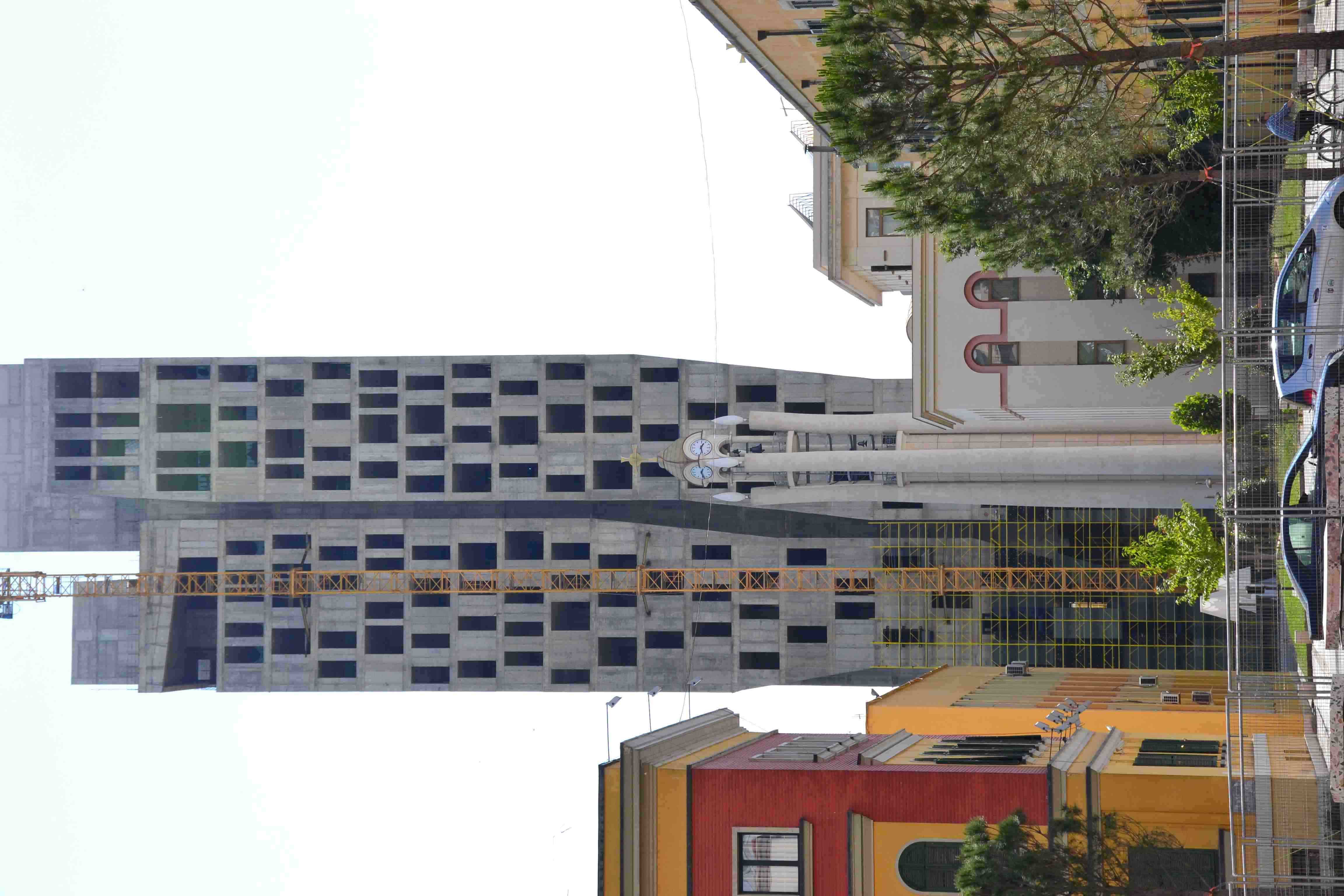
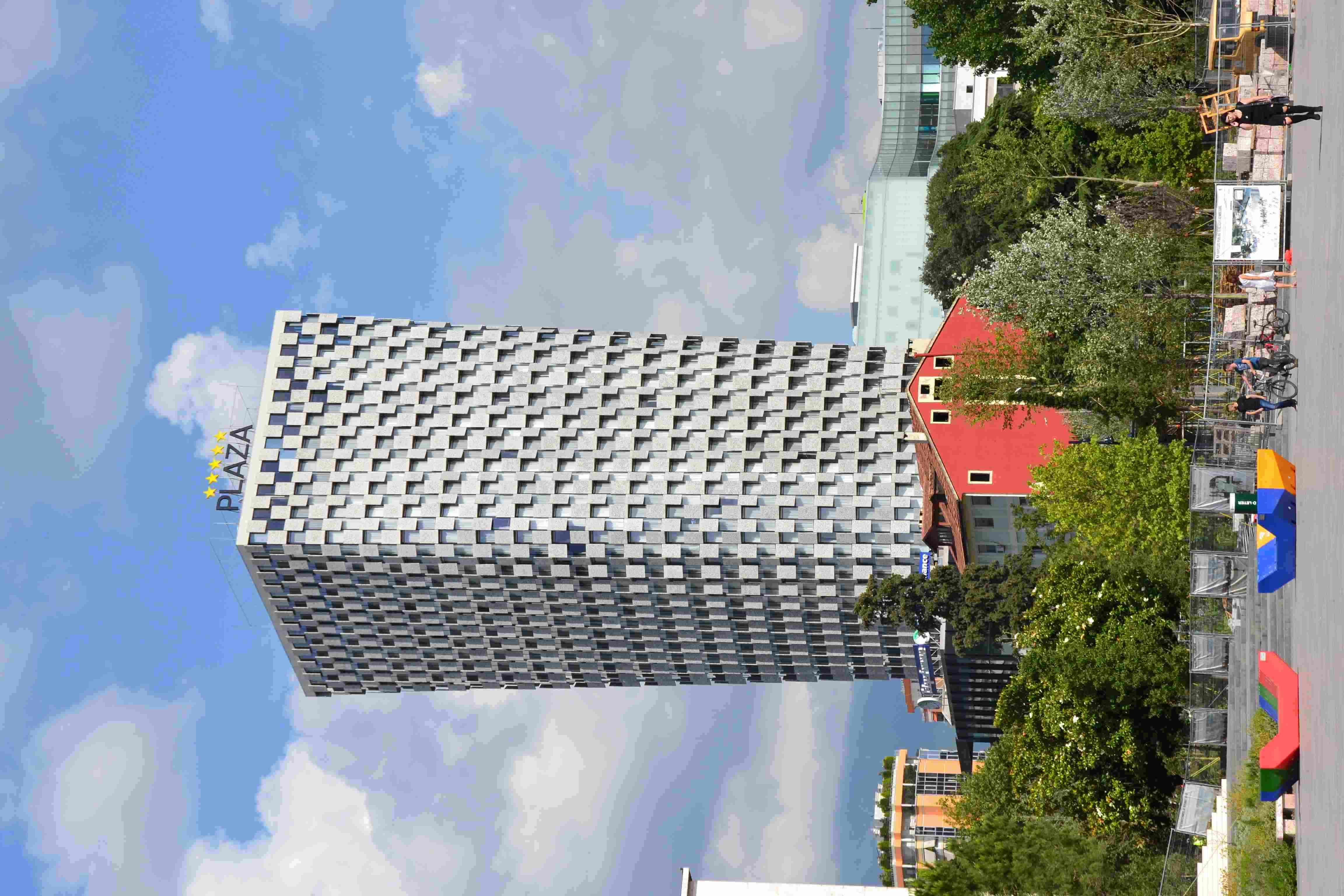
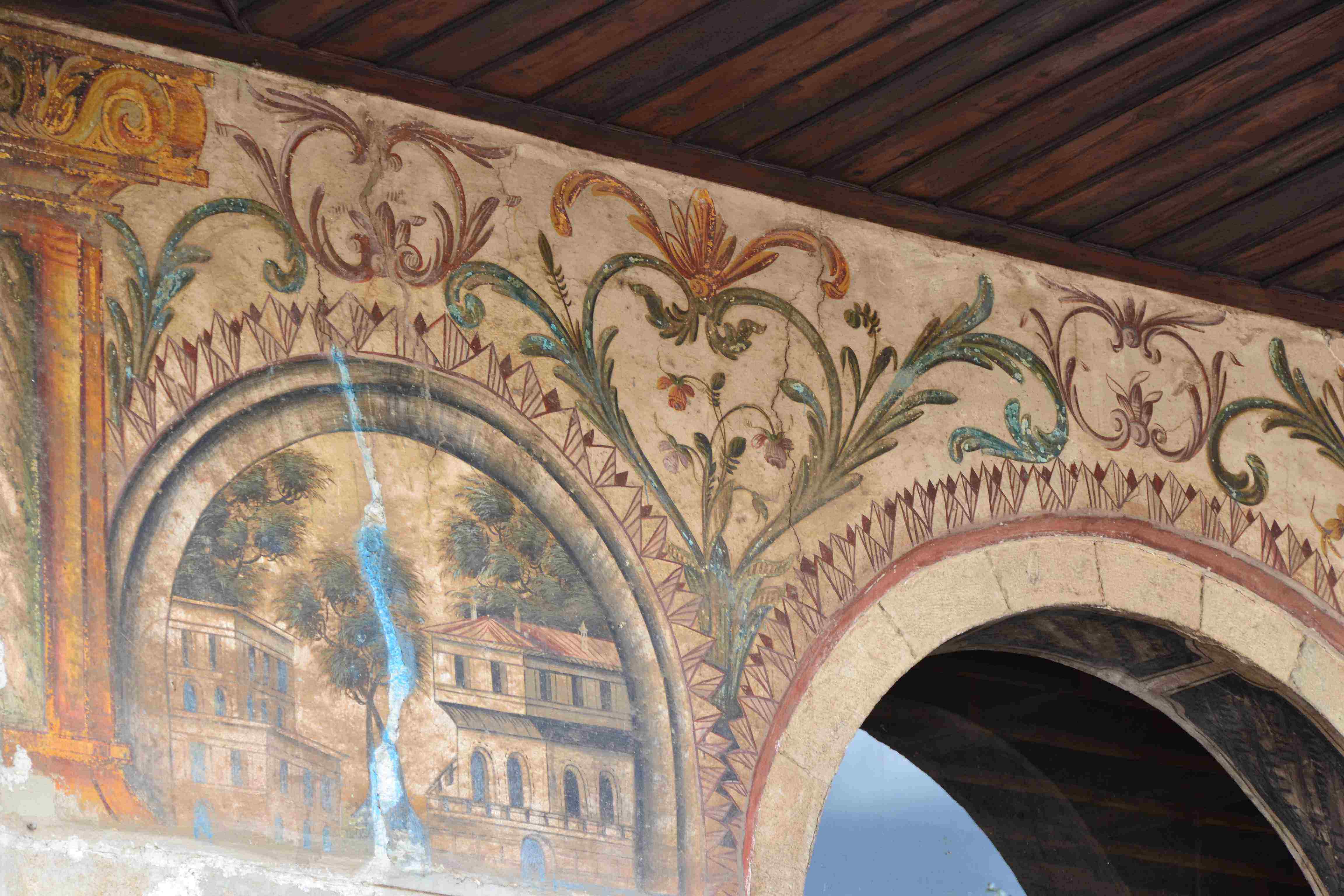
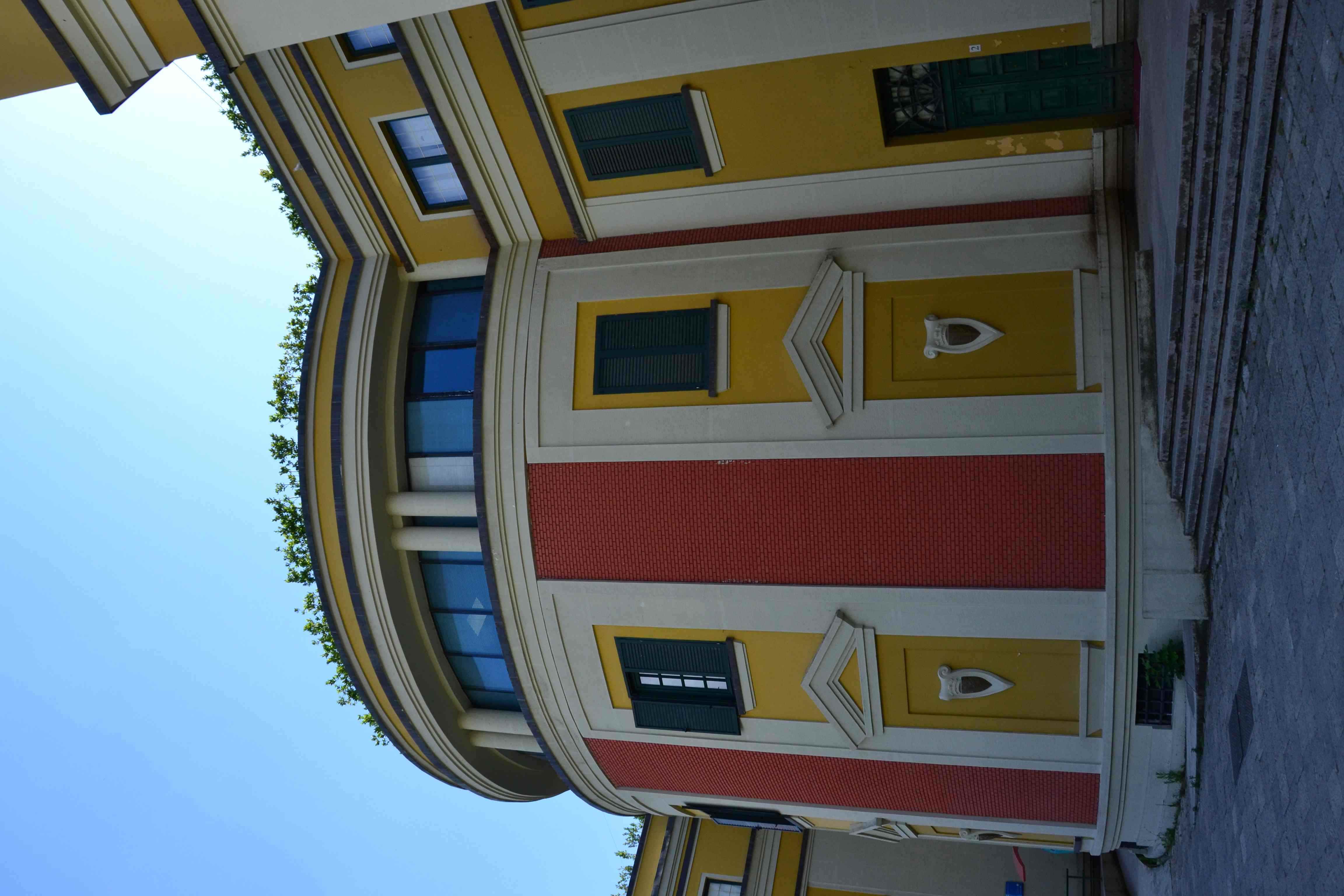
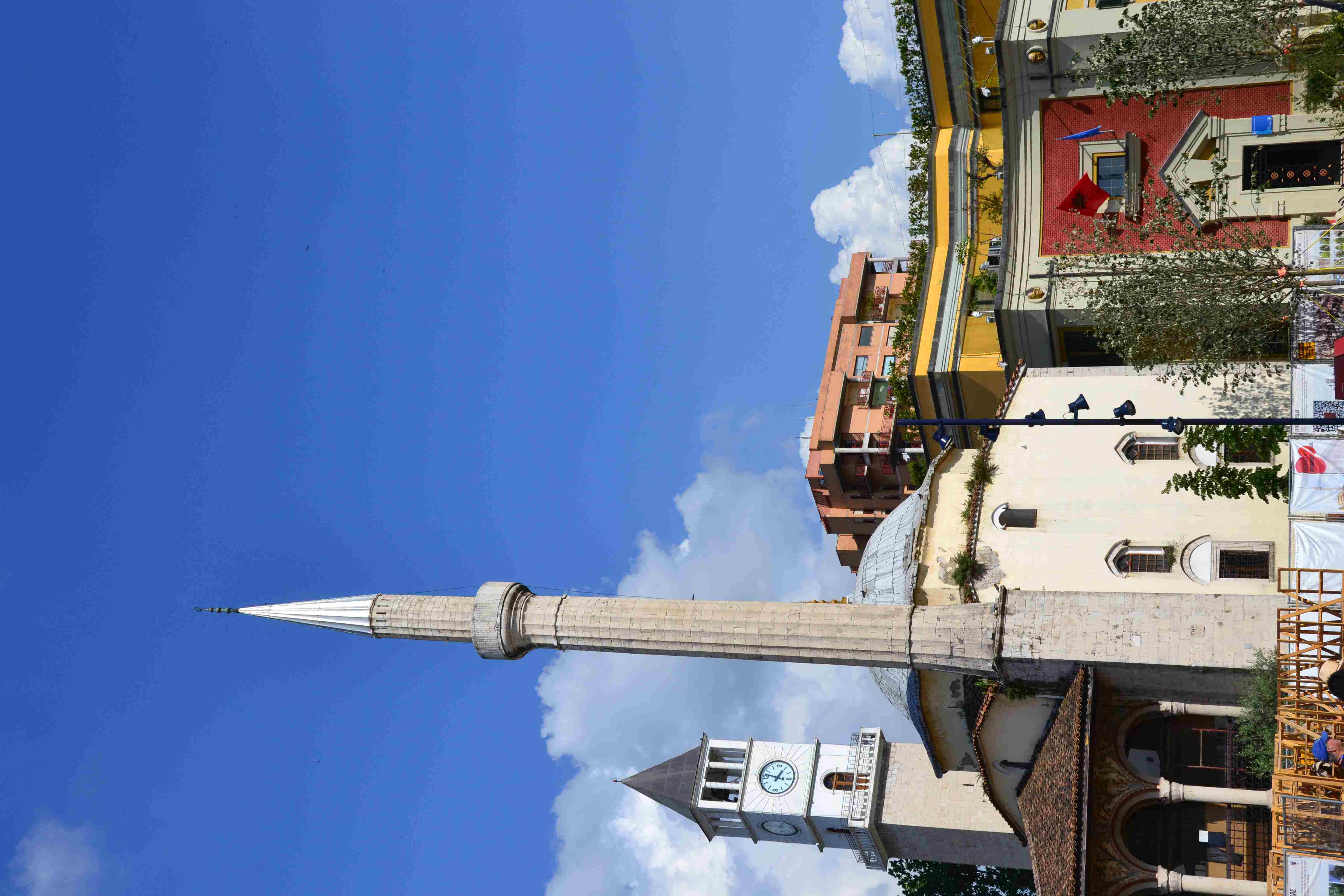
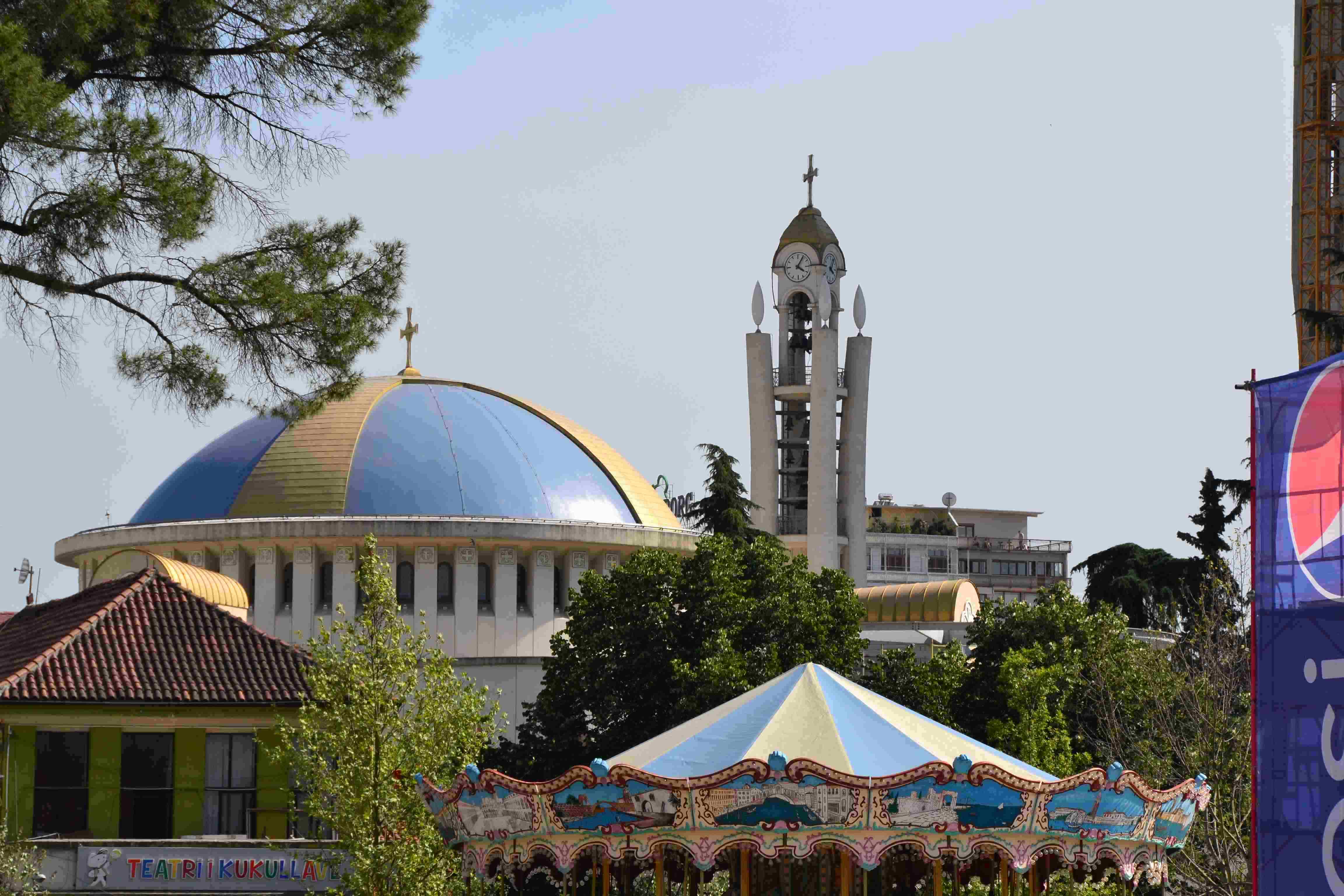
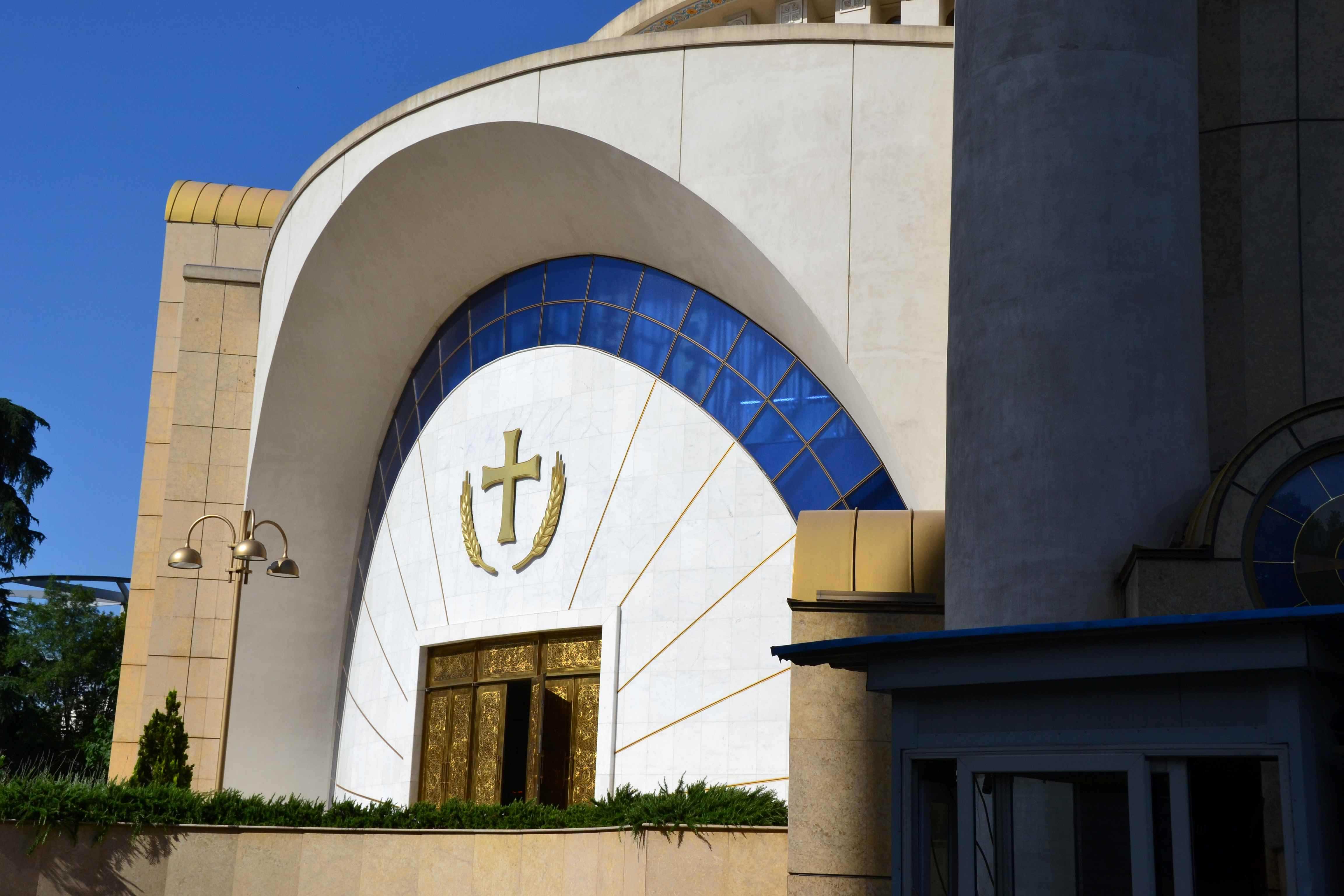
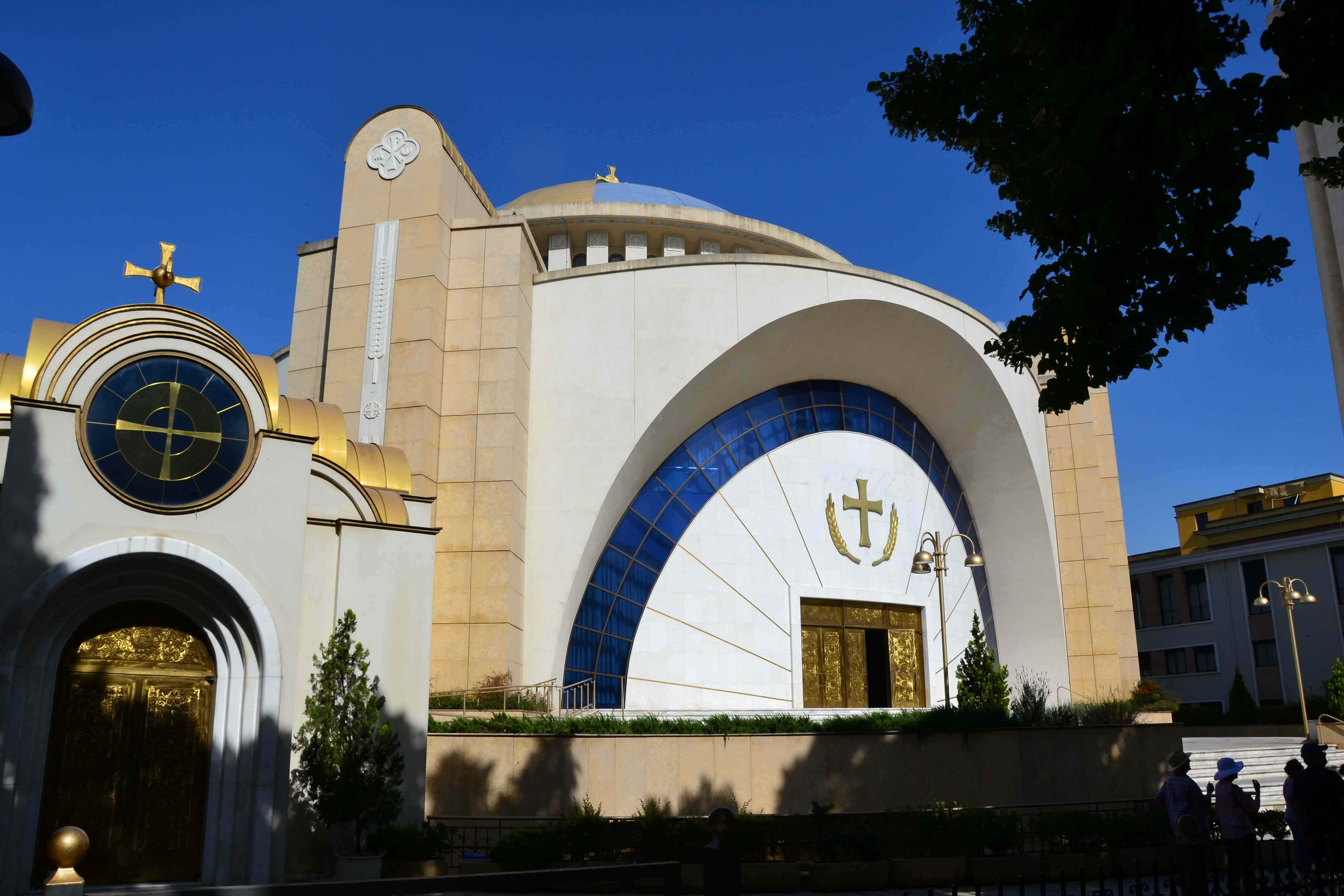
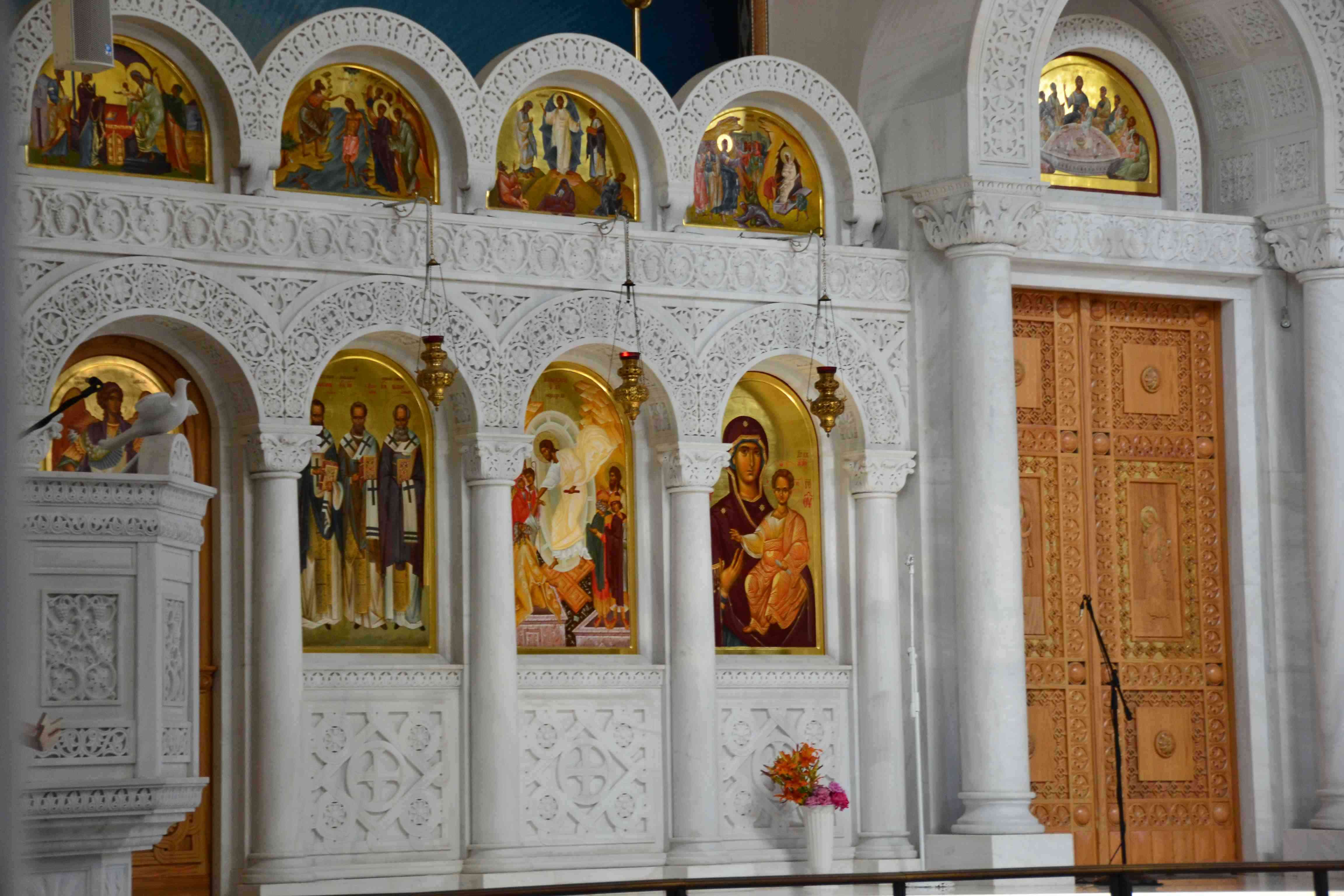
B) Resurrection of Christ Orthodox Cathedral
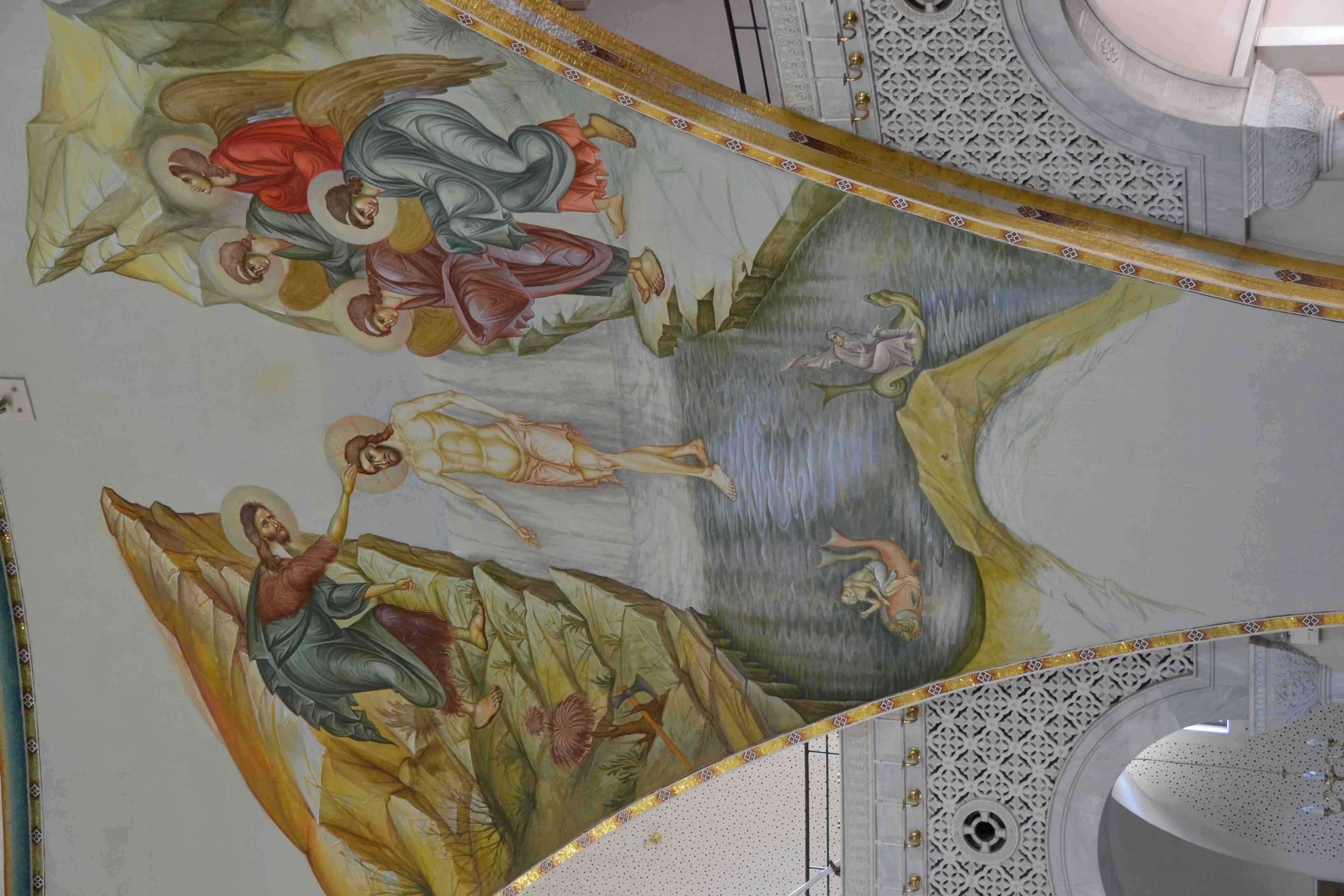
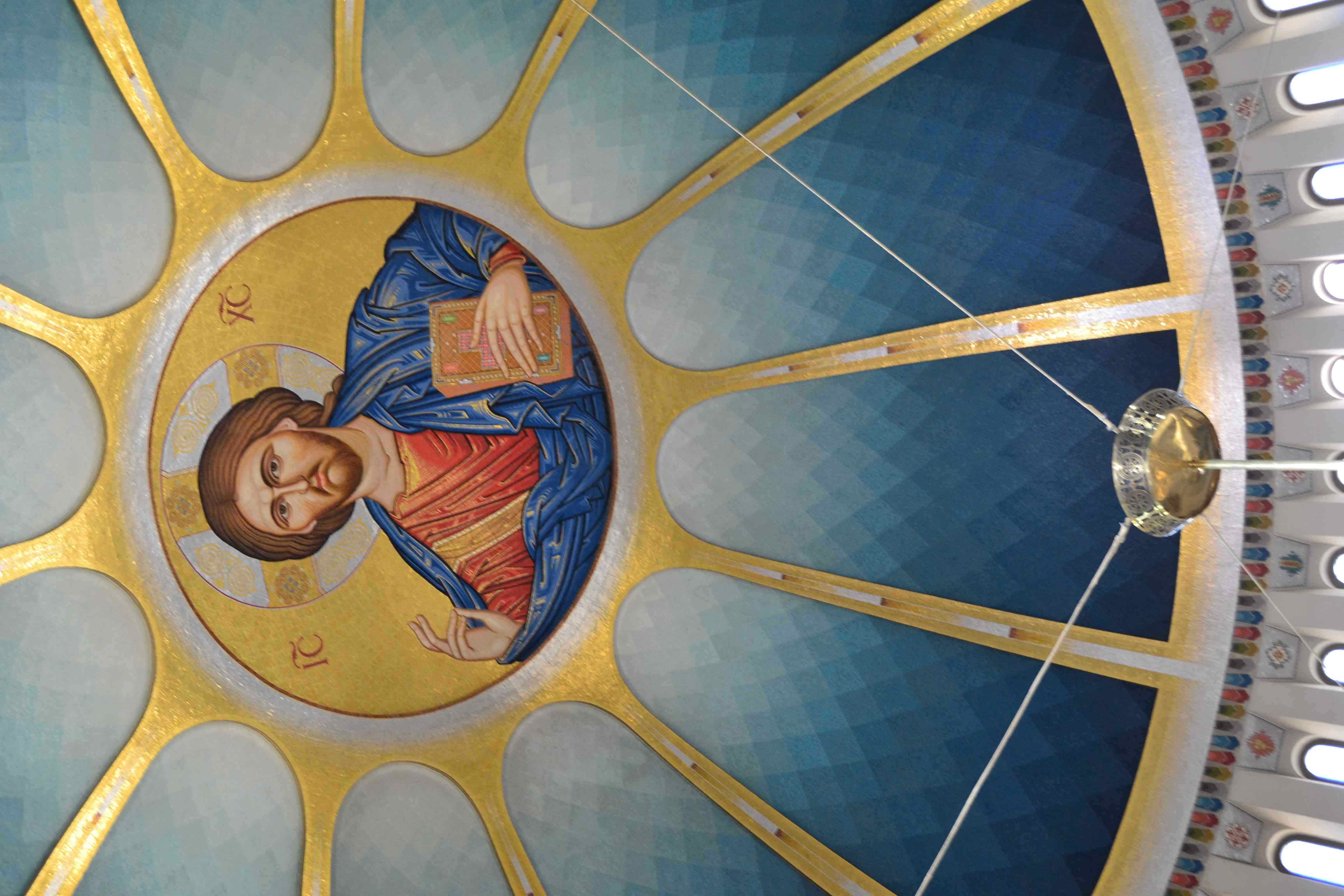
This Cathedral is situated in the center of Tirana. It was originally built in 1865 where the Hotel International is currently located. During the communist regime, in 1967, the Cathedral was closed for worship and then the old building was destroyed. However, in 2013, after 10 years of construction, the new cathedral was built on the current location. It is the third largest Eastern Orthodox churches in Europe.