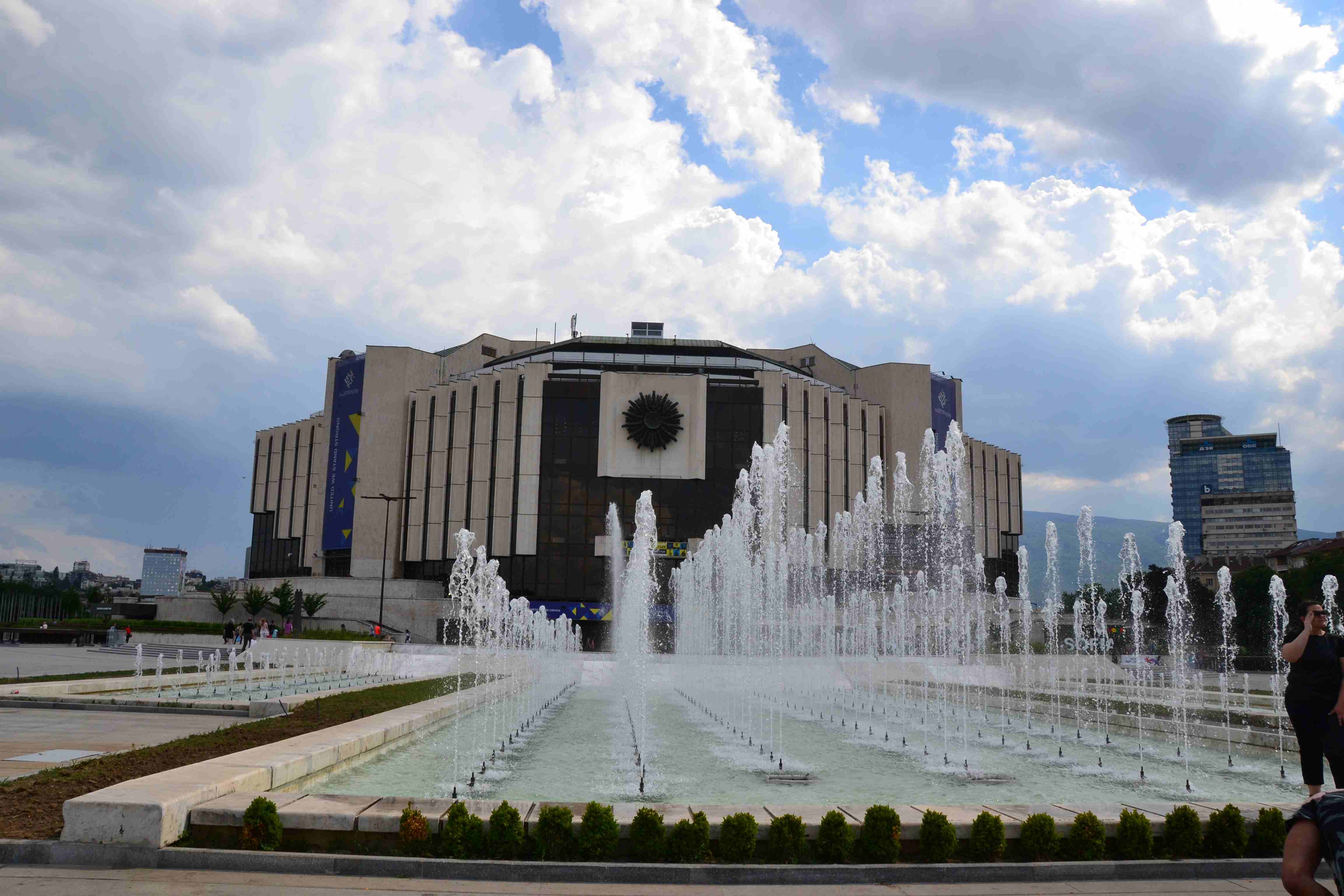
European Bus Tour 1: Bulgaria
Photo by Philip Galvin
In 2018, we took a bus tour starting from Rumania, visiting 9 countries as follows:
- Romania
- Bulgaria*
- Macedonia
- Albania
- Montenegro
- Croatia
- Bosnia
- Serbia
- Hungary
1. Veliko Tarnovo (City of Roses: Past Capital Bulgaria)
A city in north central Bulgaria, Veliko is the historical and cultural capital of Bulgaria and the administrative center of Veliko Tarnovo Province. The old part of the town is situated on three hills.
Below are the views from our hotel room.
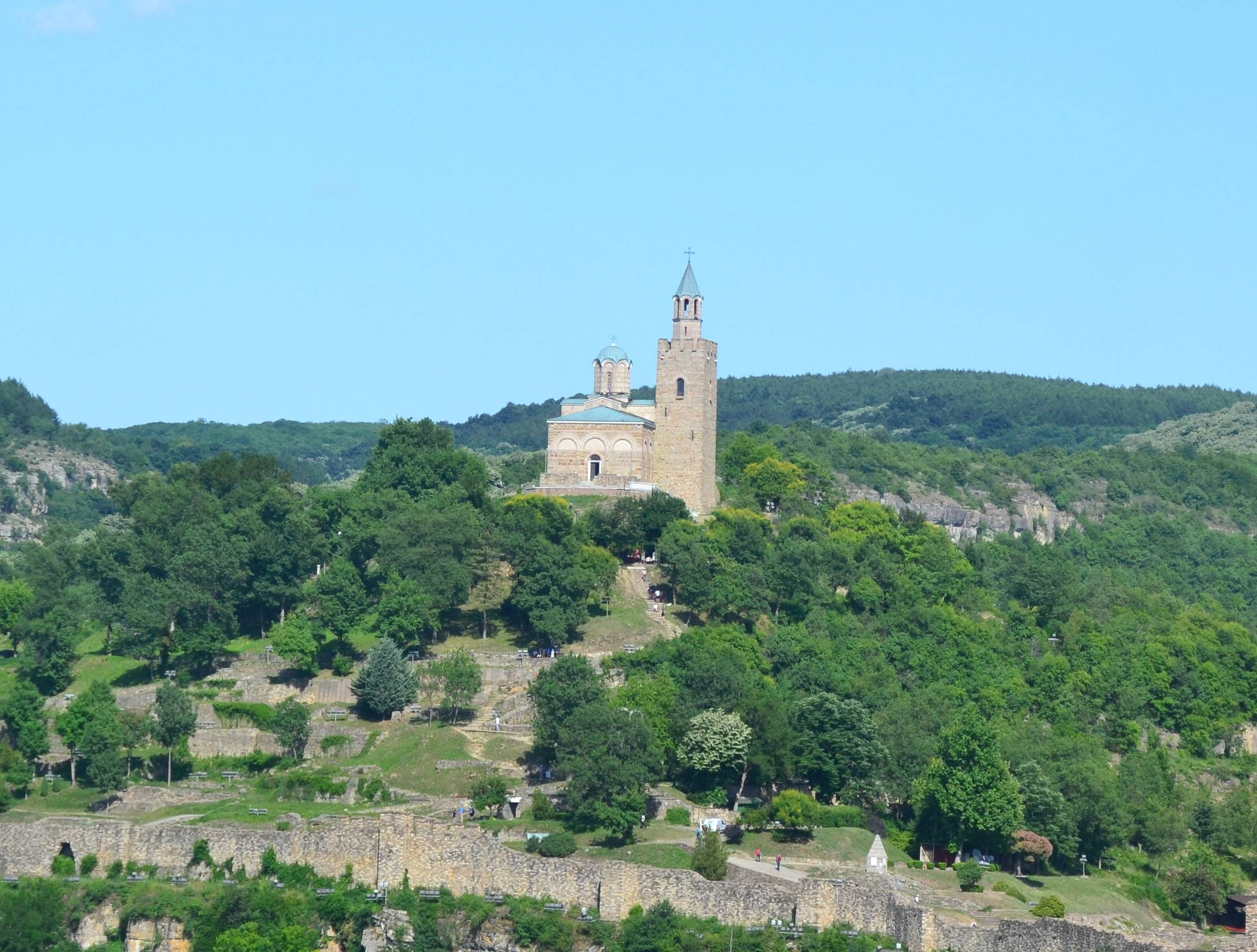
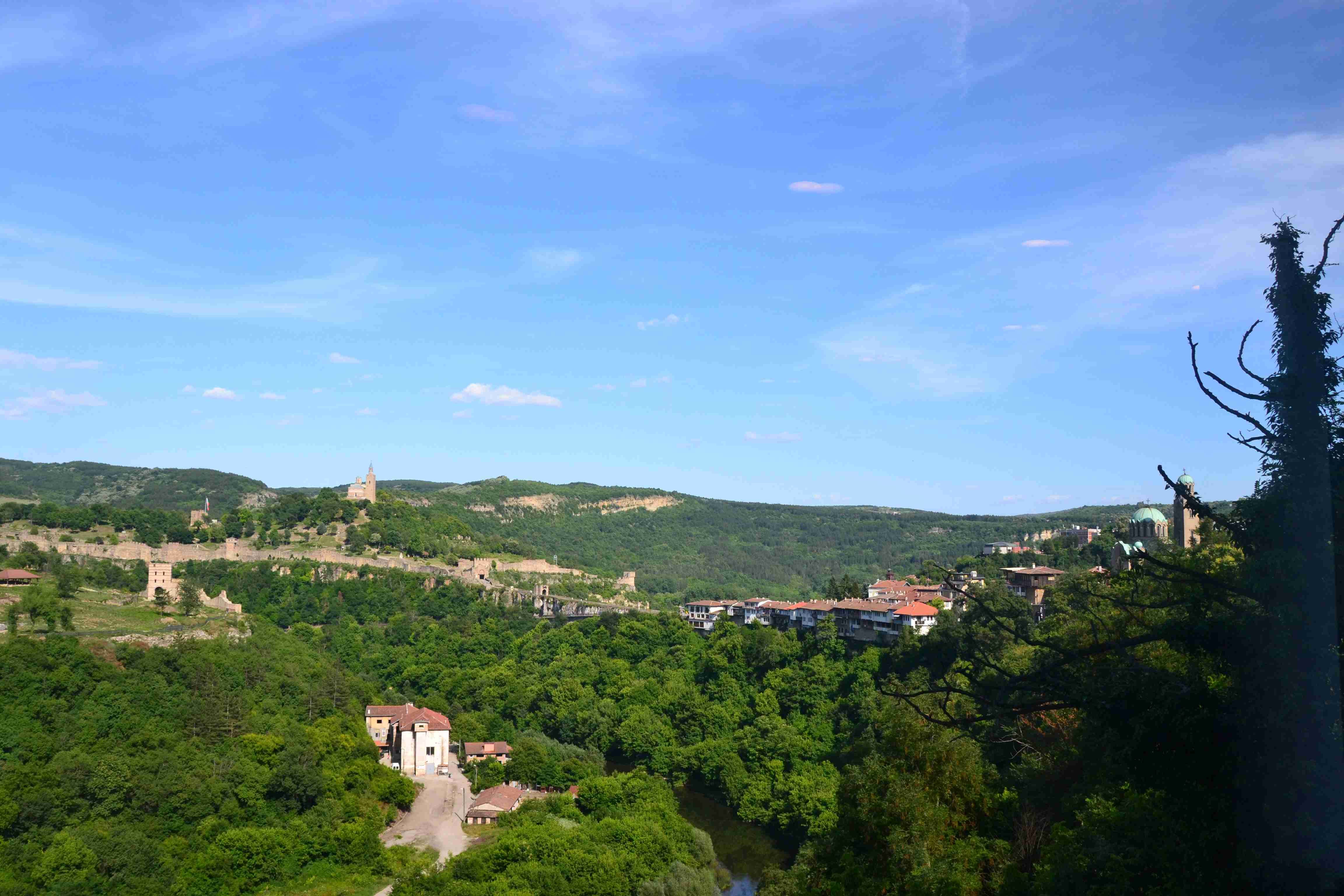
Patriarchal Cathedral of the Holy Ascension of the Lord in distance.
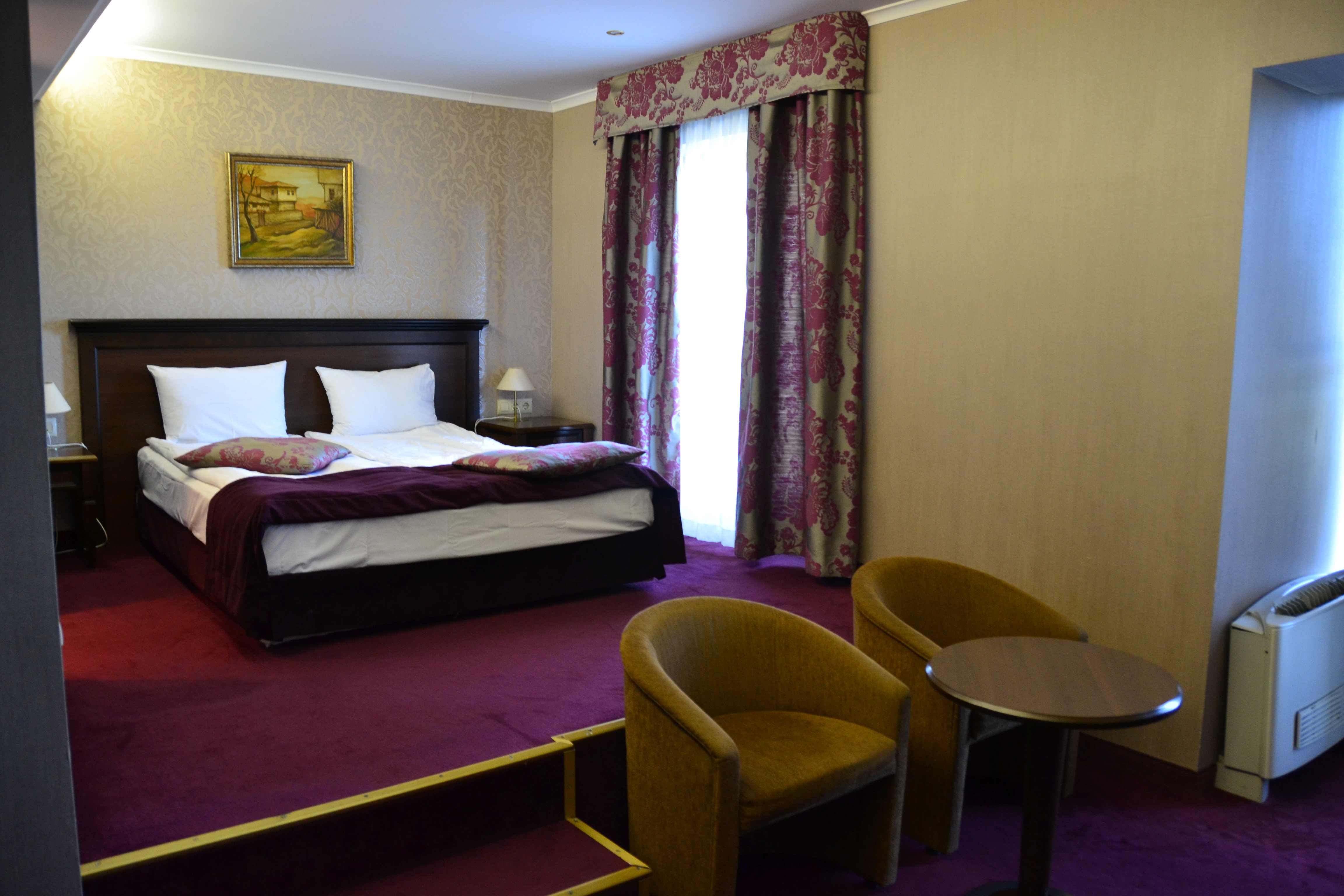
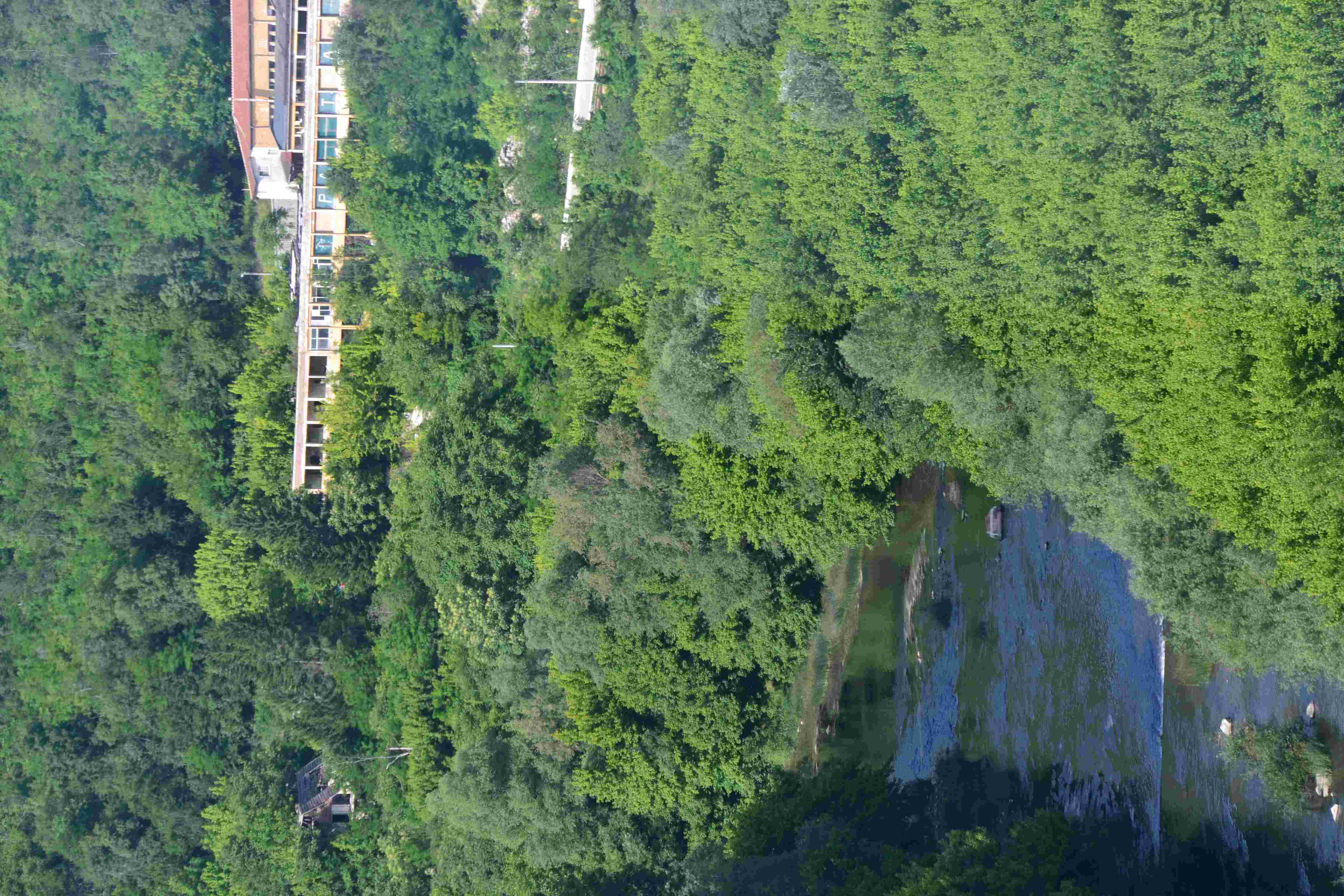
Hotel we stayed in Veliko
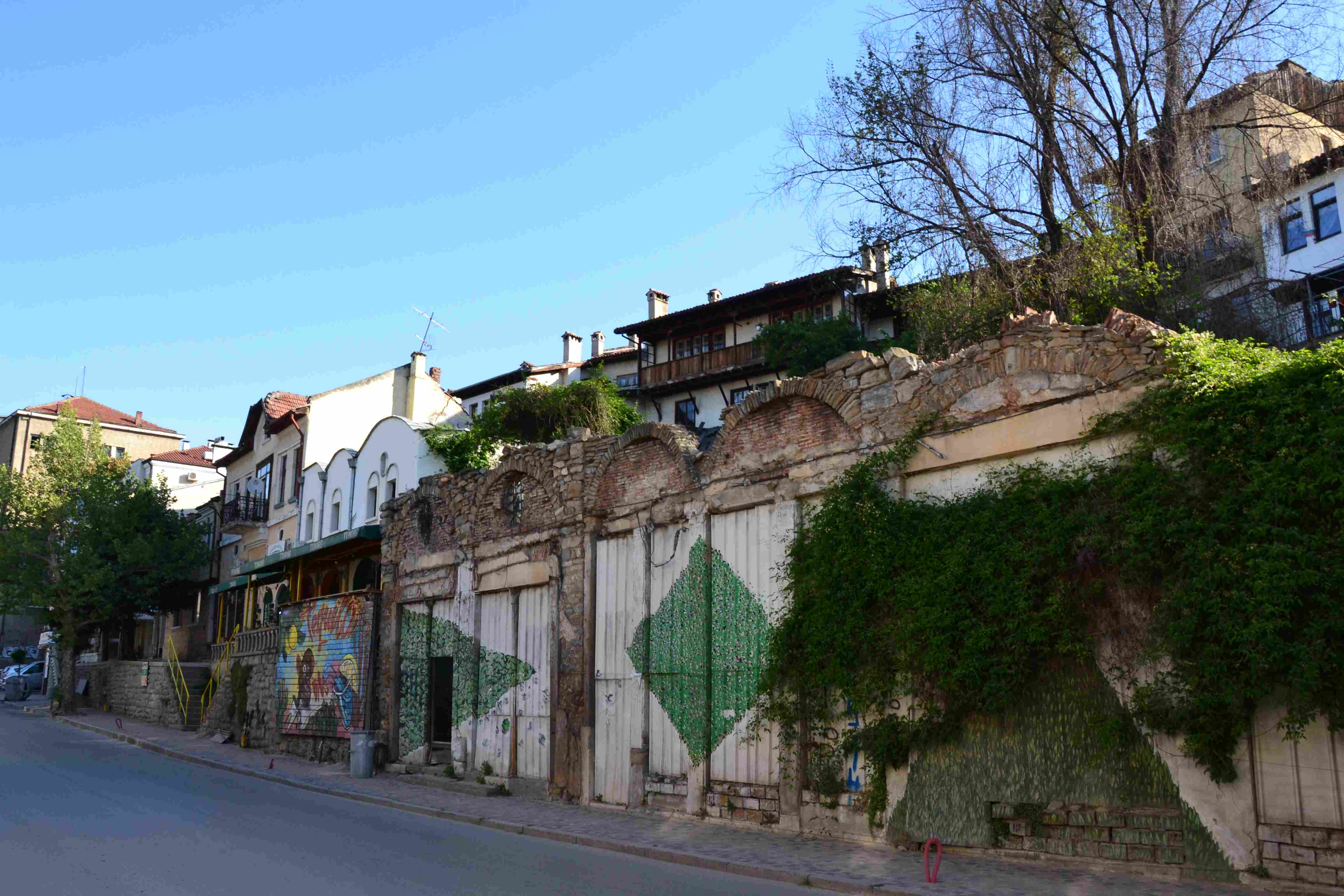
A.Town of Veliko
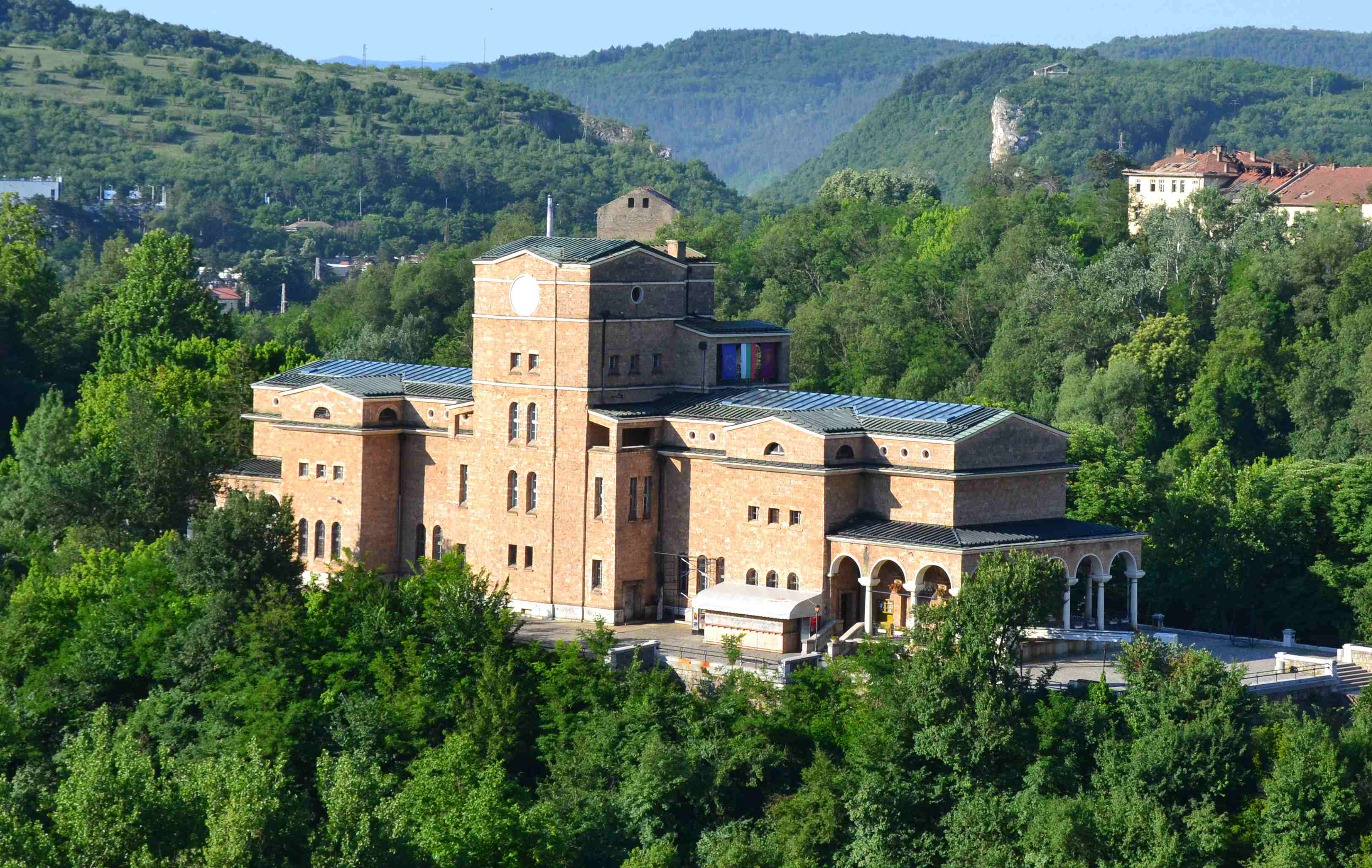
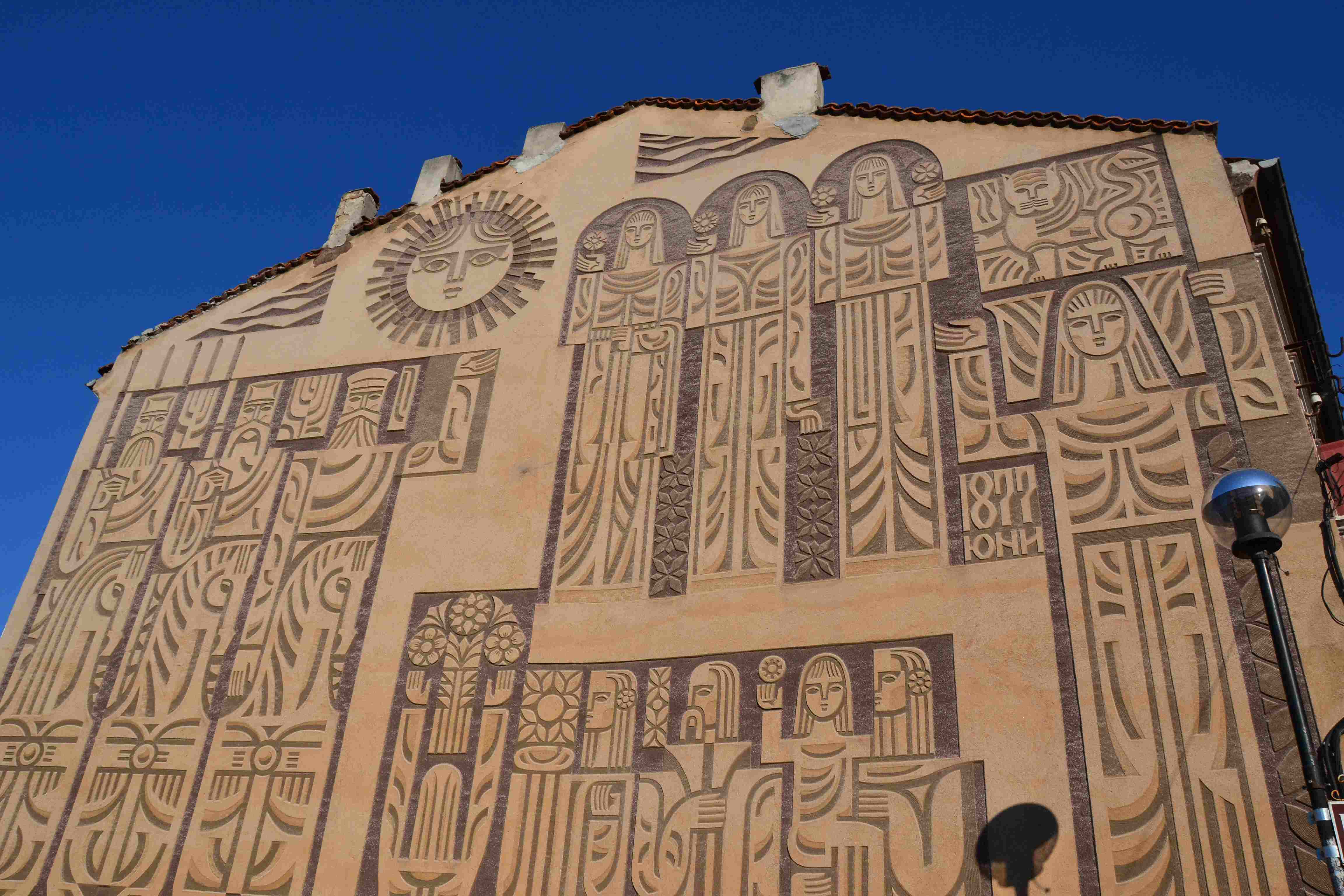
Monument of the Assens
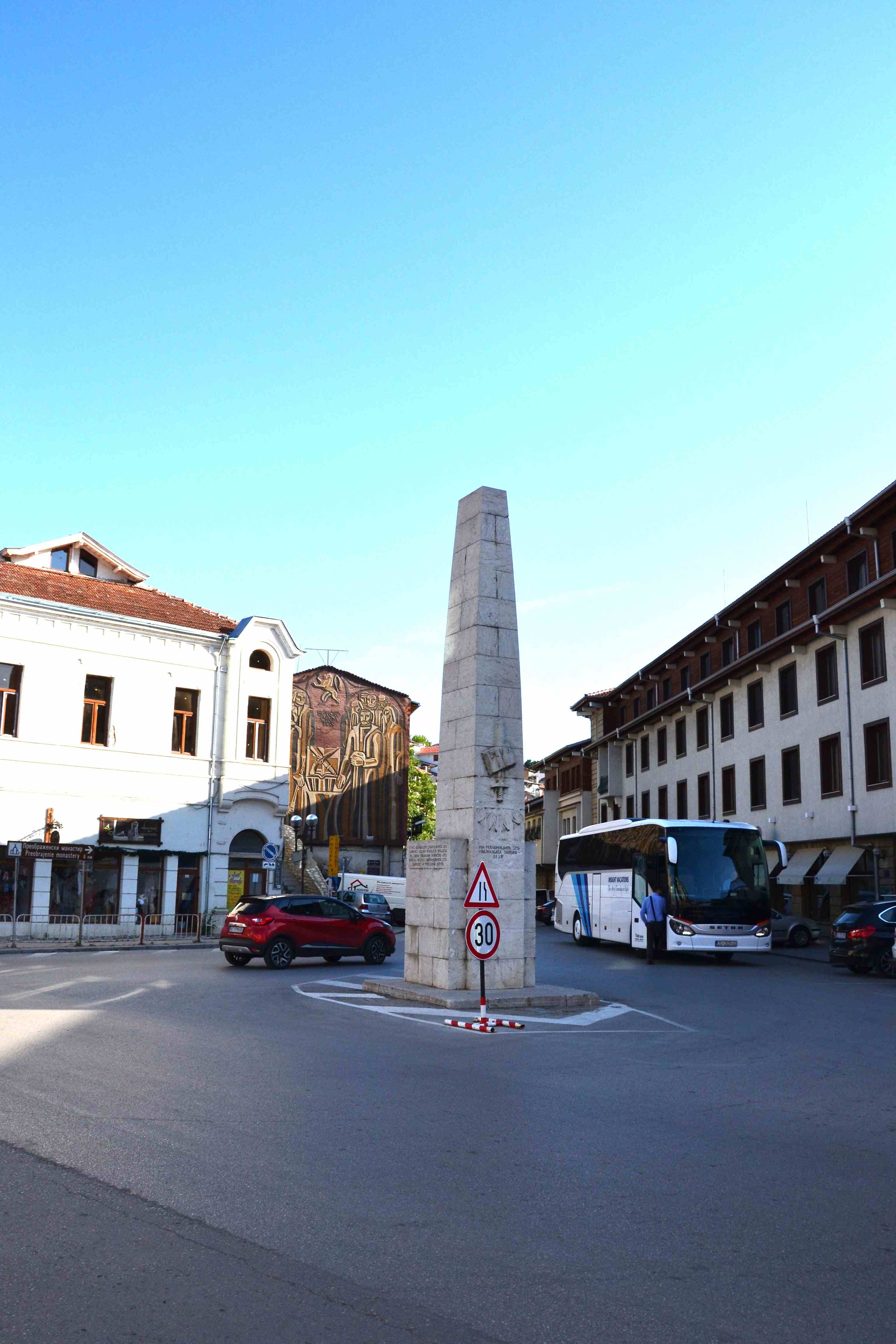
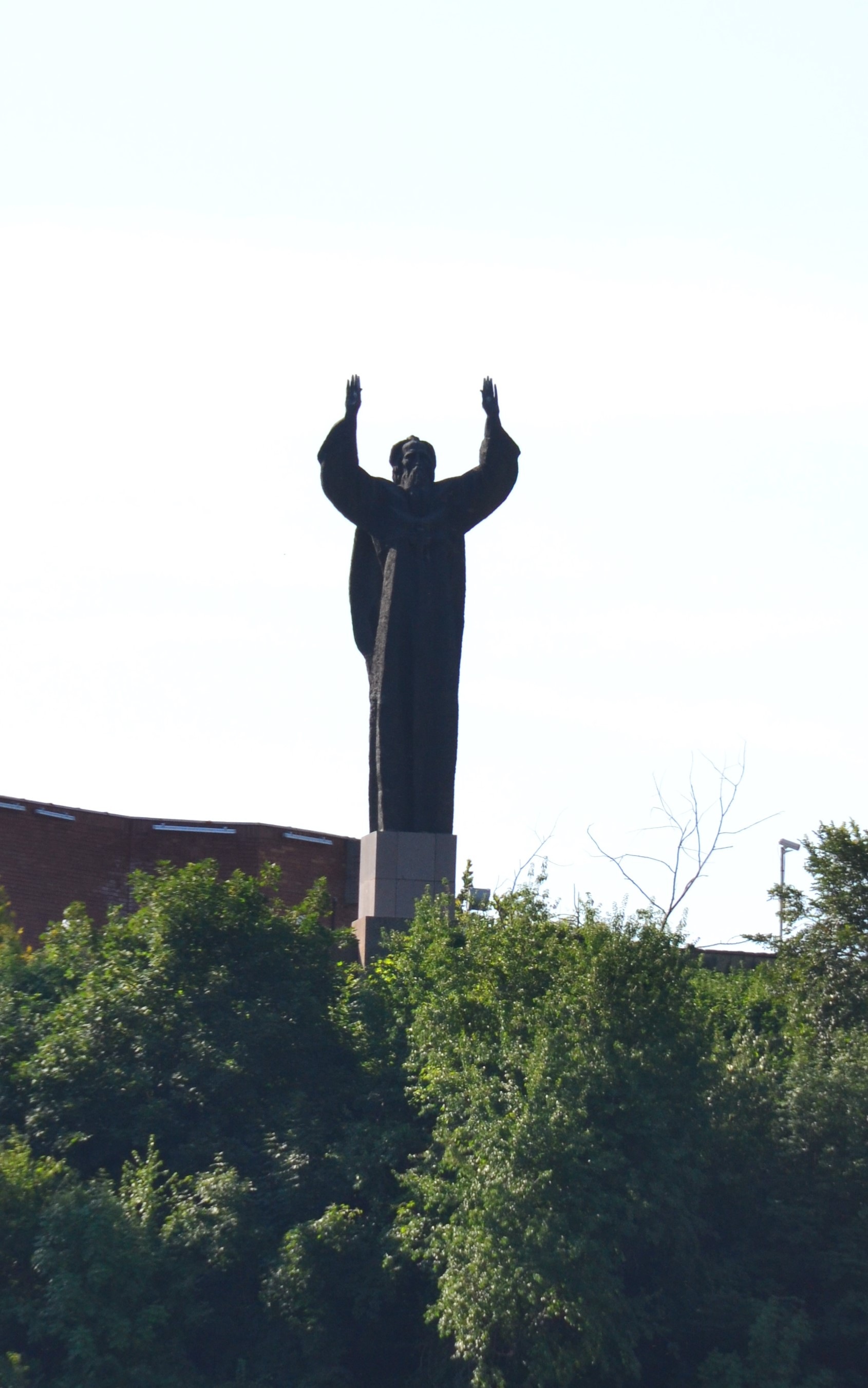
B. On the Way to Patriarchal Cathedral of the Holy Ascension of the Lord
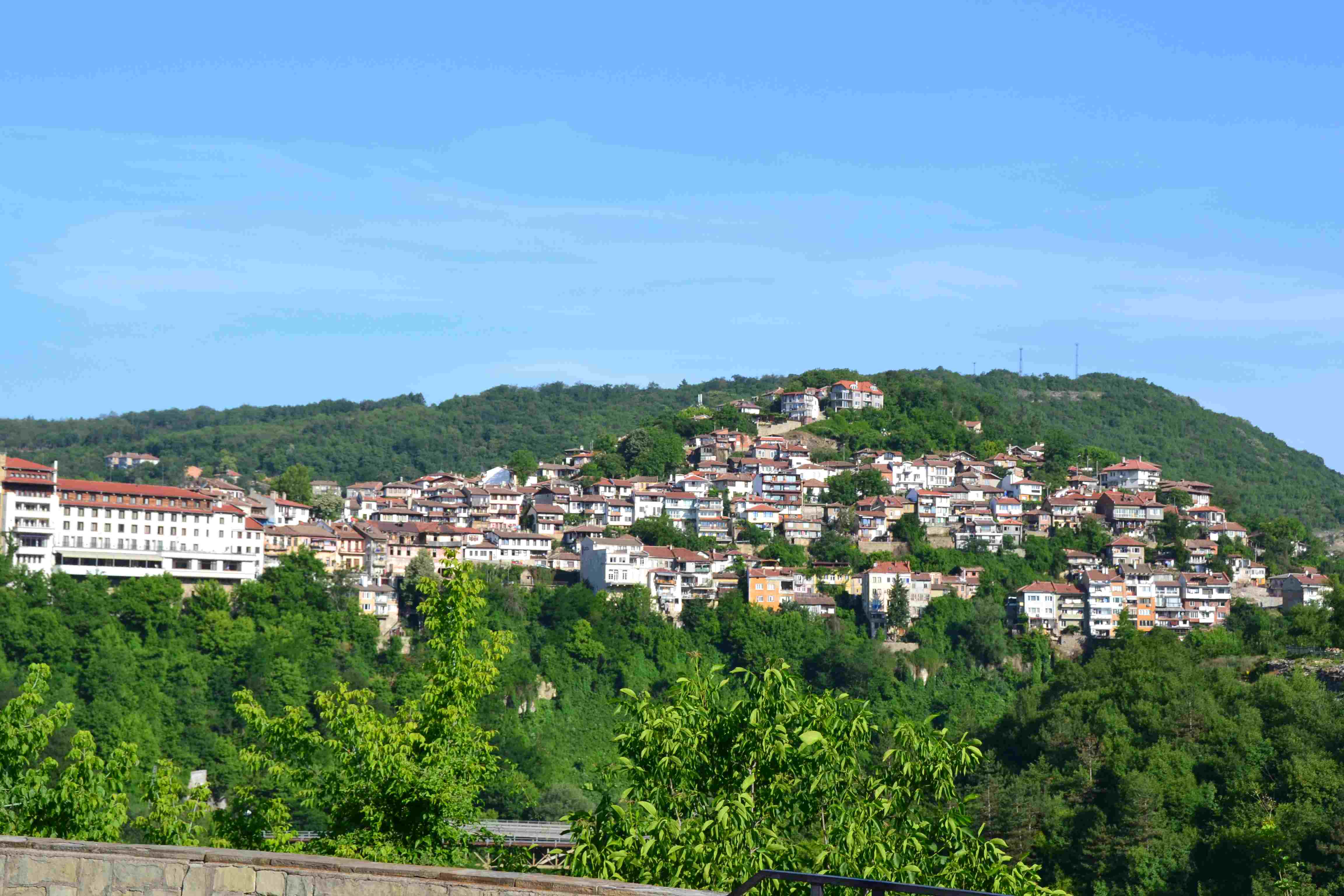
All around the town, we saw beautiful buildings with red roofs and white walls on the hills.
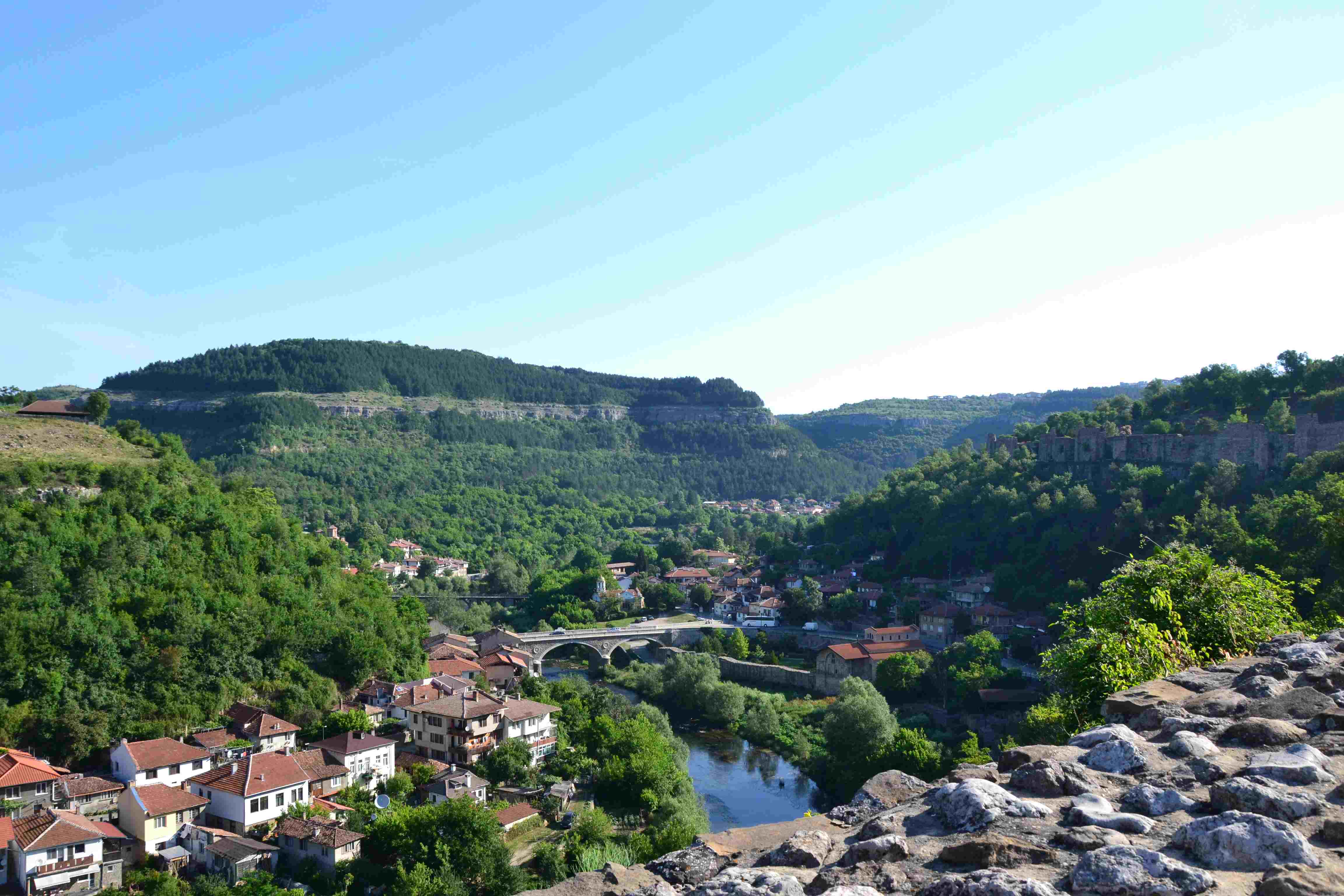
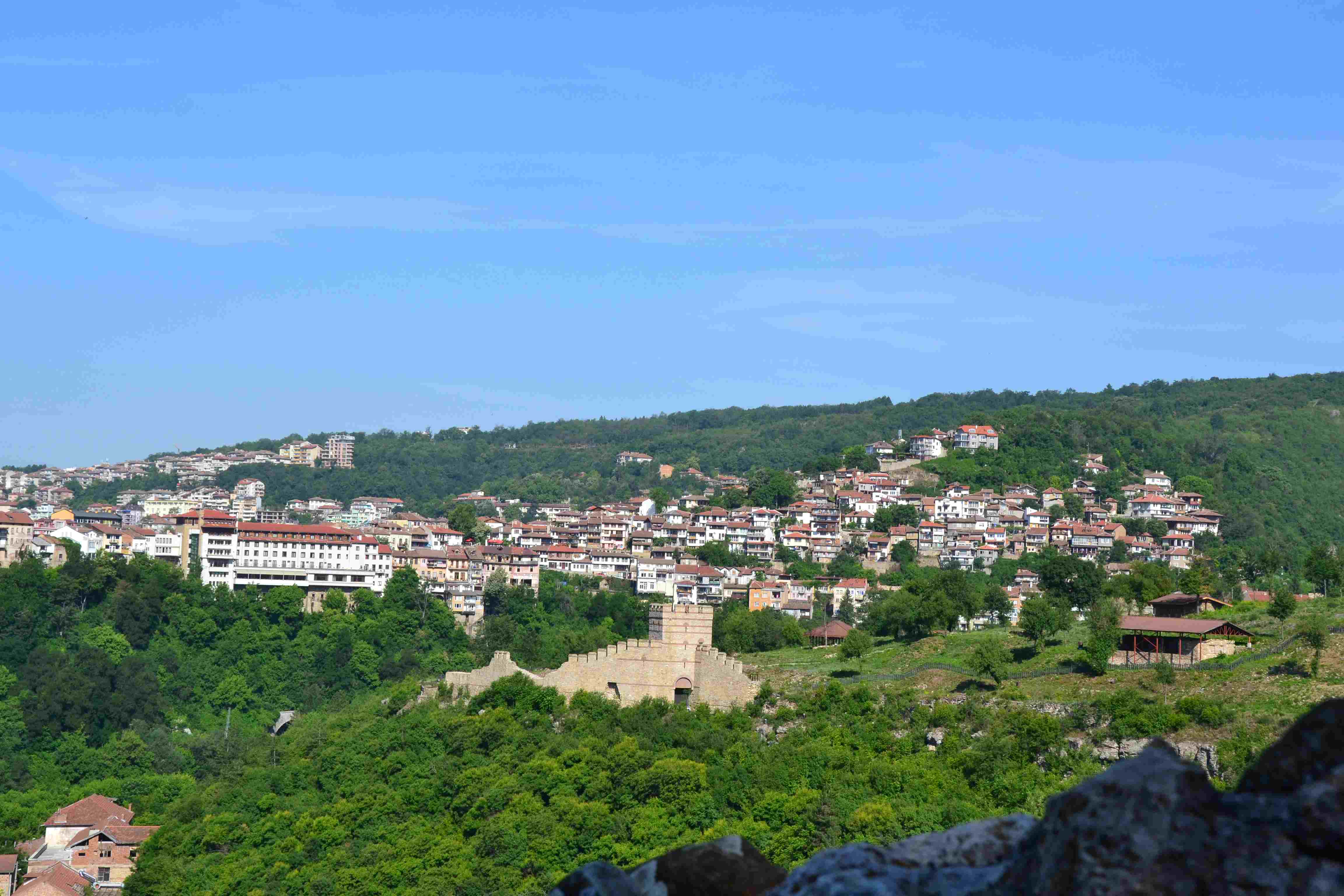
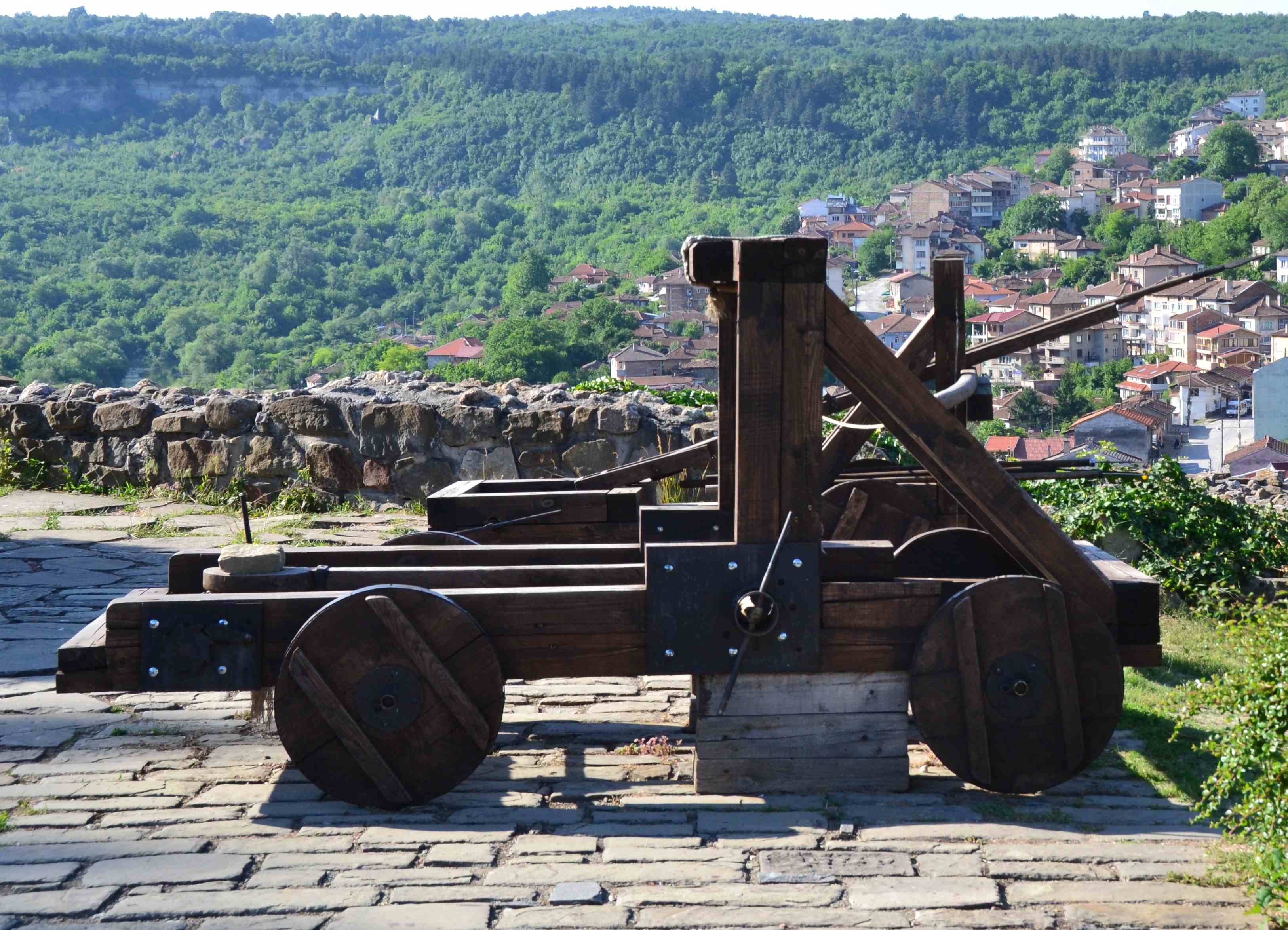
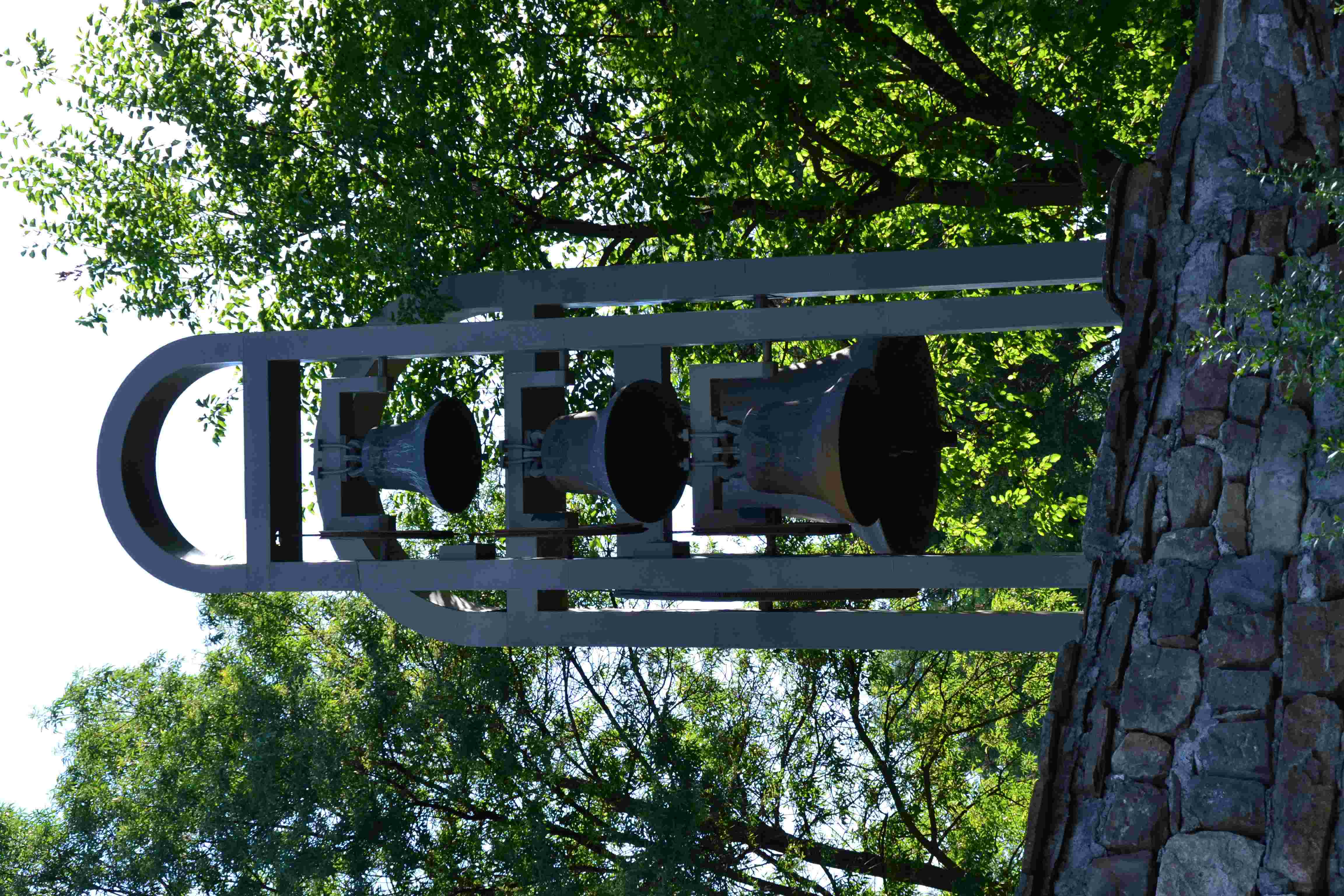
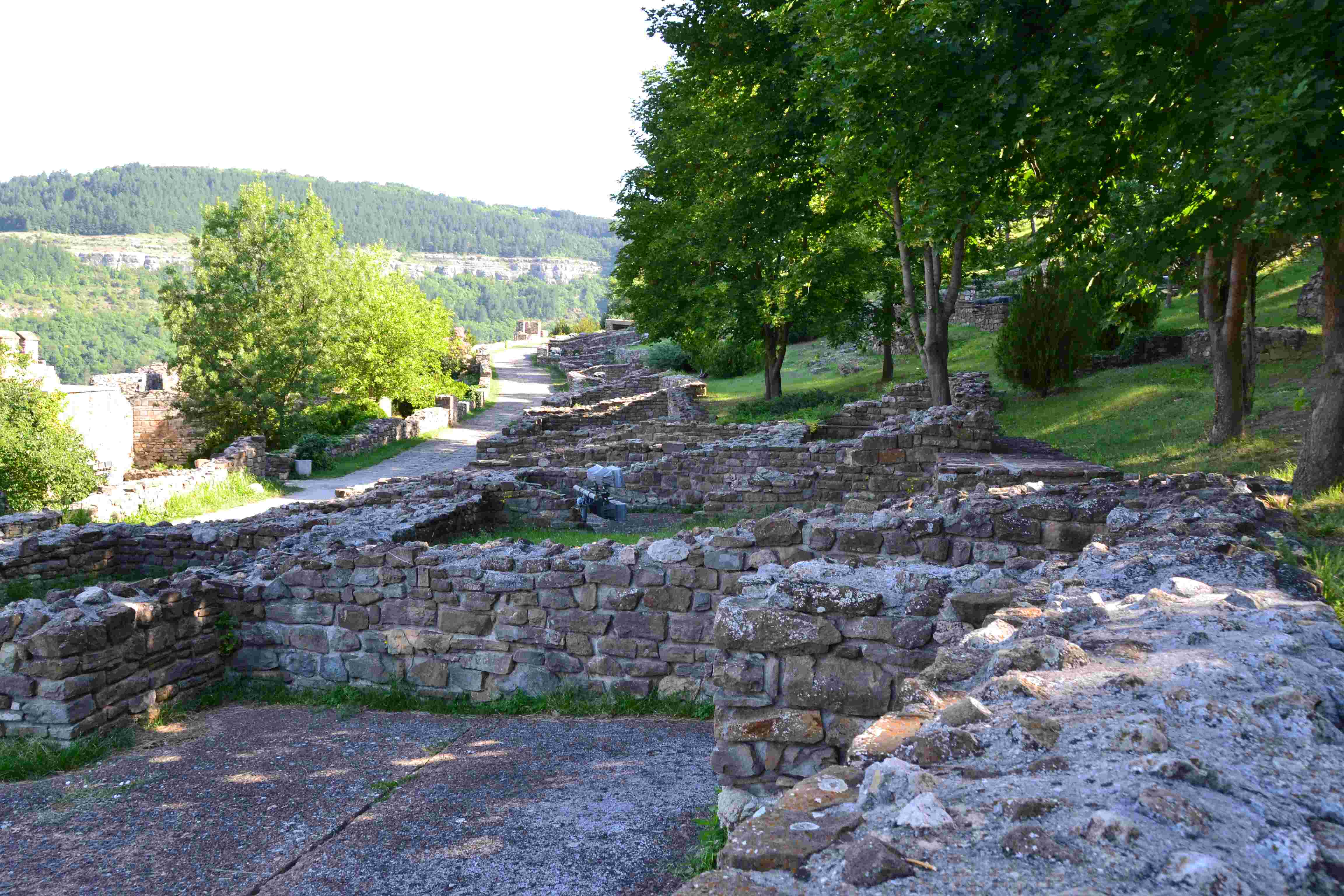
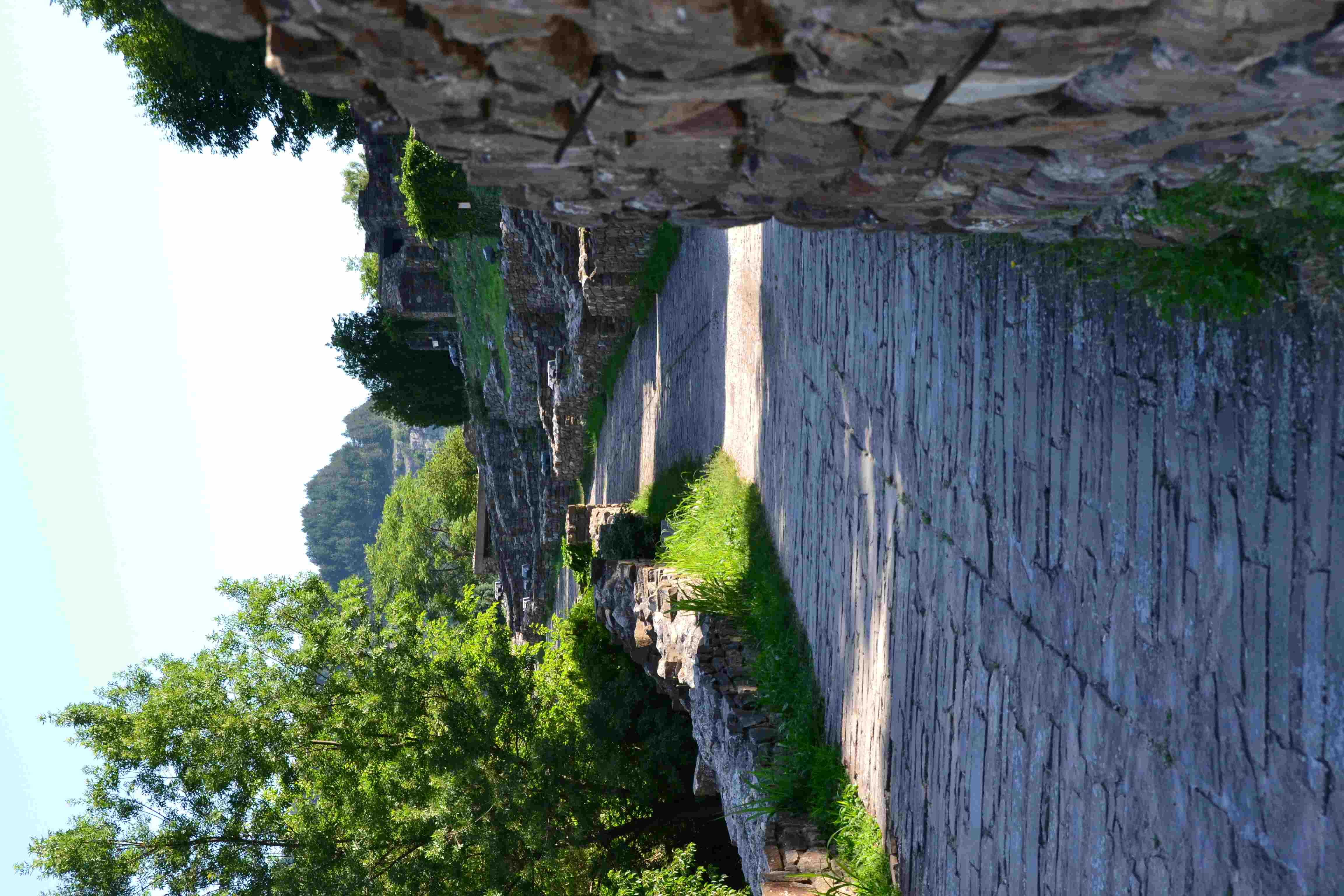
We began to see the Tsarevets Fortress. This medieval fortress is located on a hill in northern Bulgaria. It is 206 meters (676 ft) above sea level and it served as the Second Bulgarian Empire’s primary fortress between 1185 and 1393. It housed the royal and the partiarchal palaces during those years.

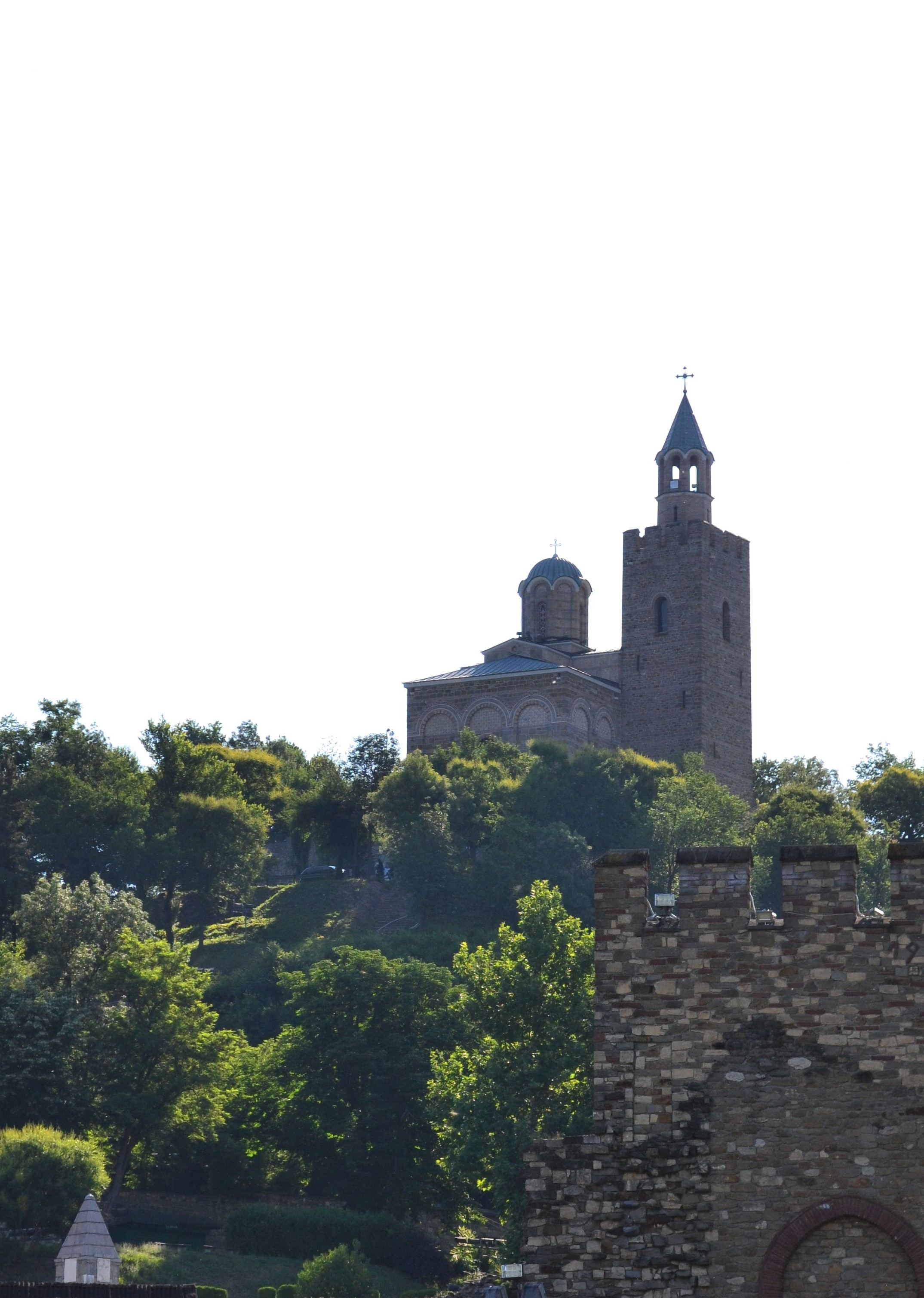

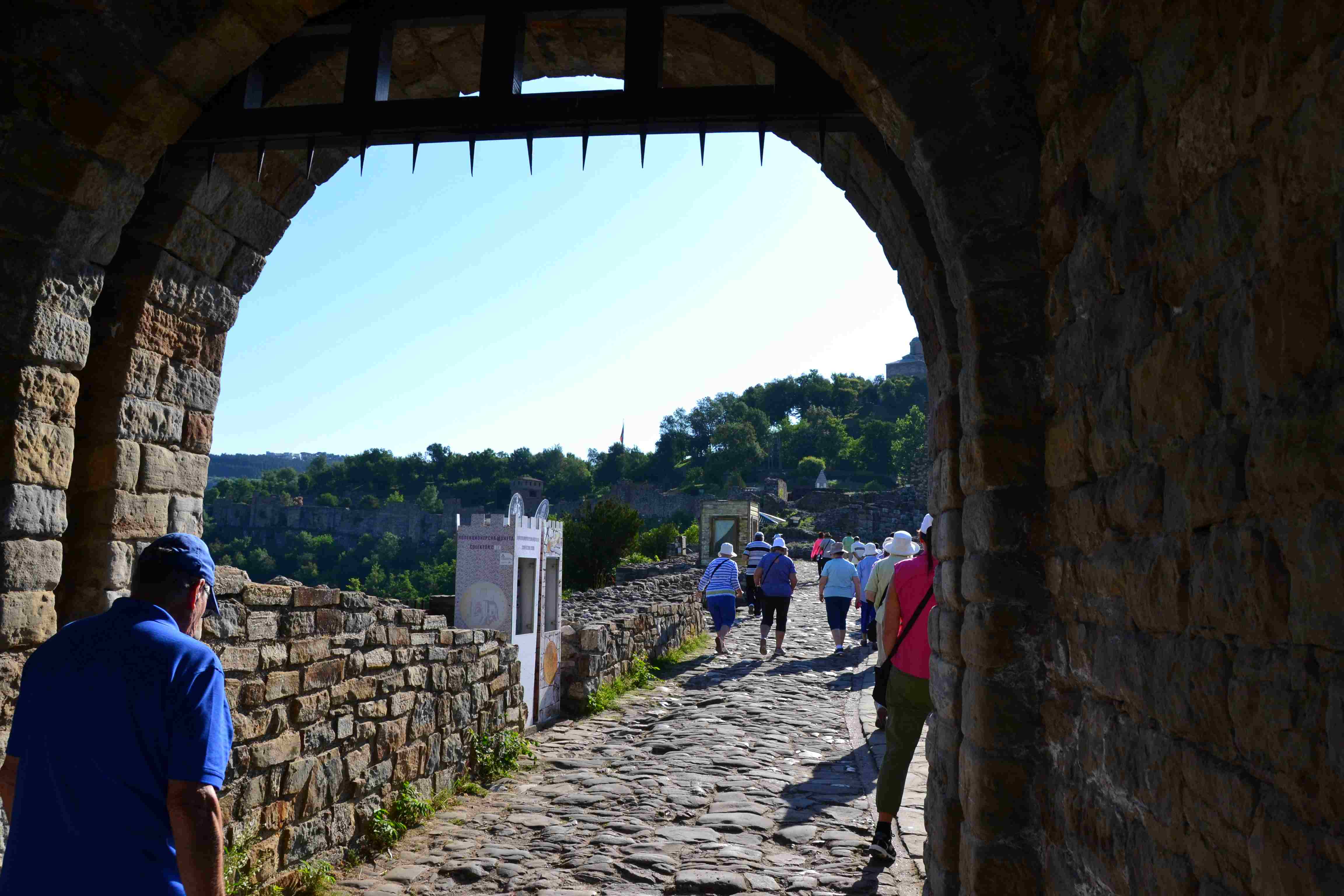
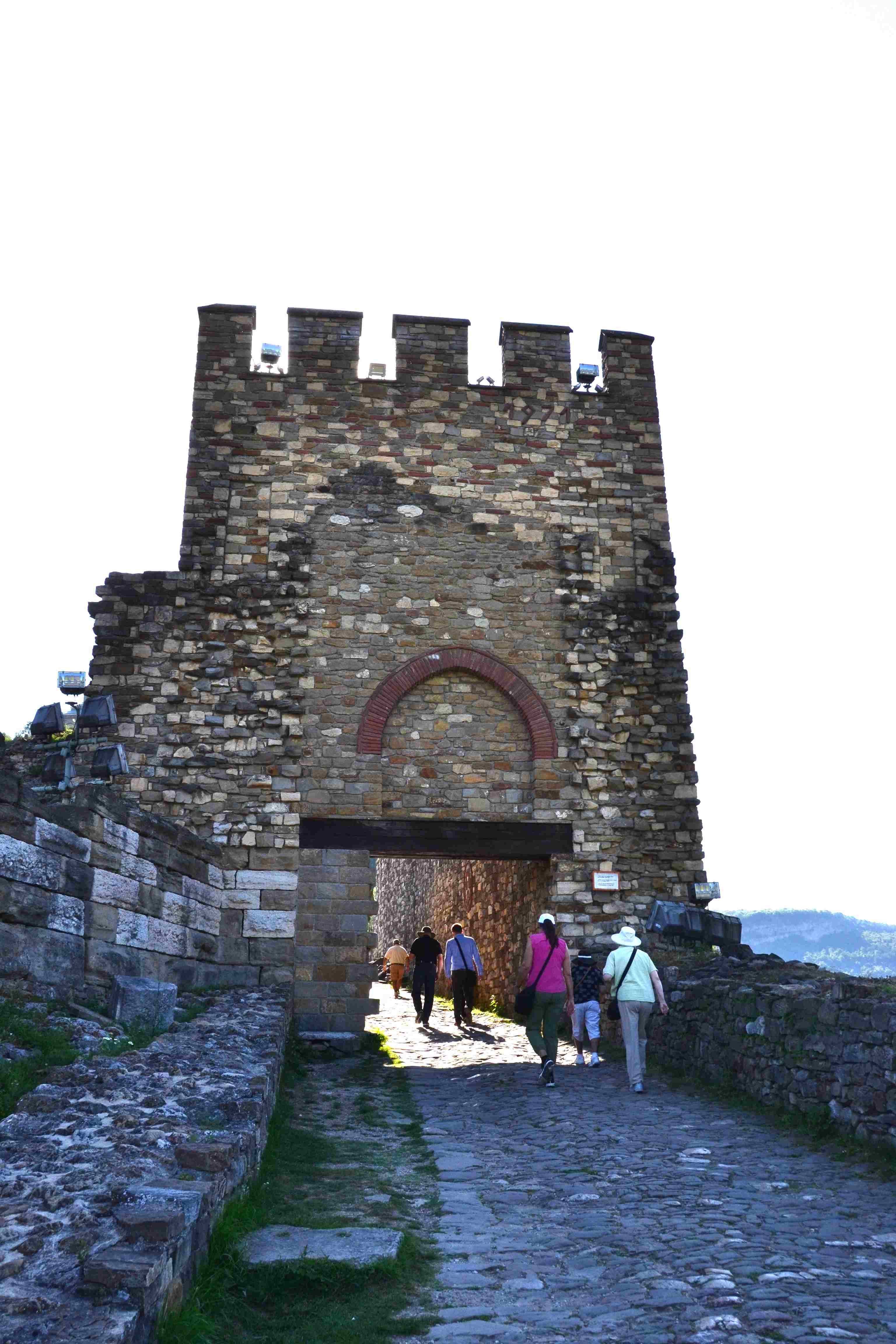
Gate Baldwin’s Tower
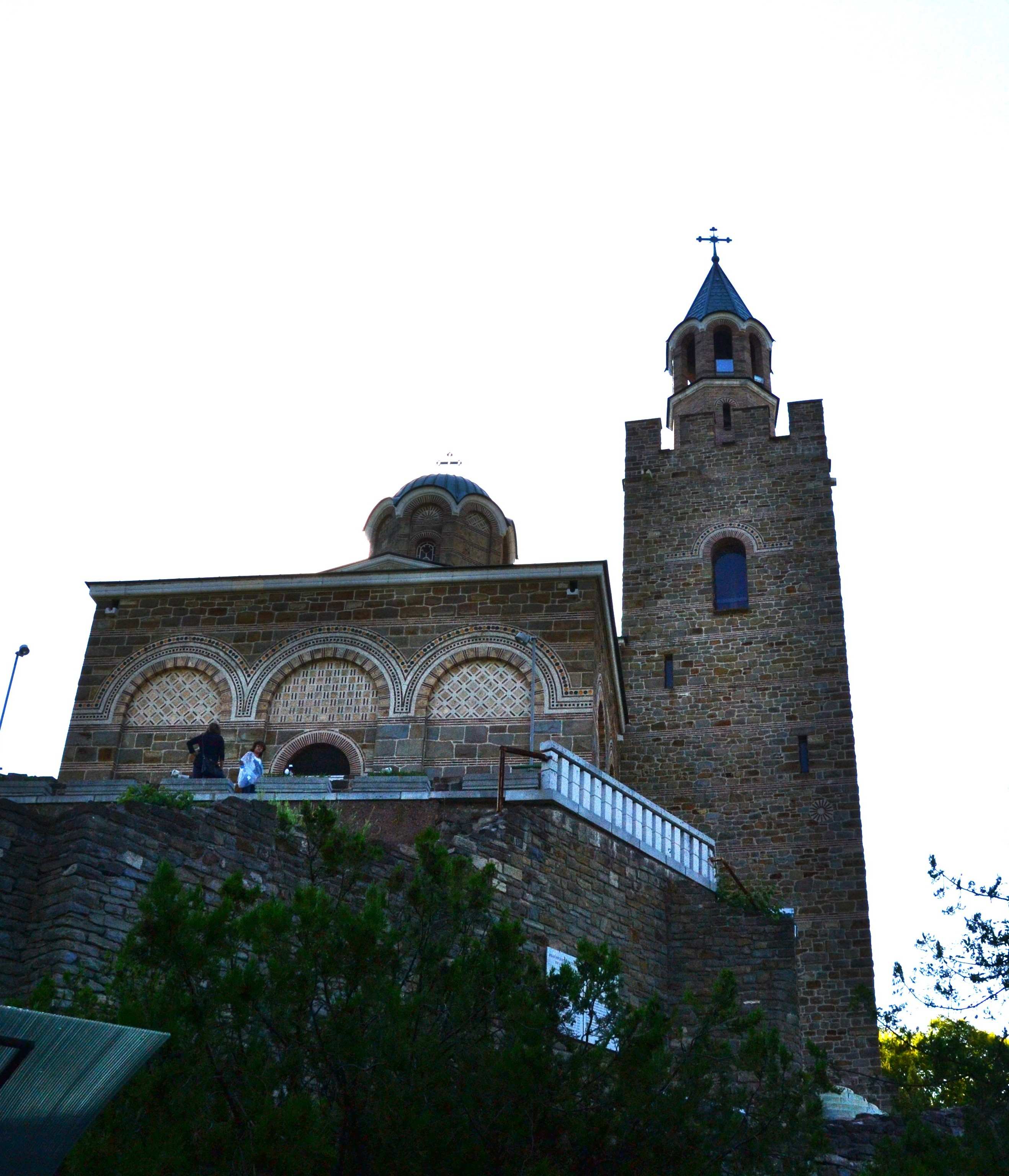
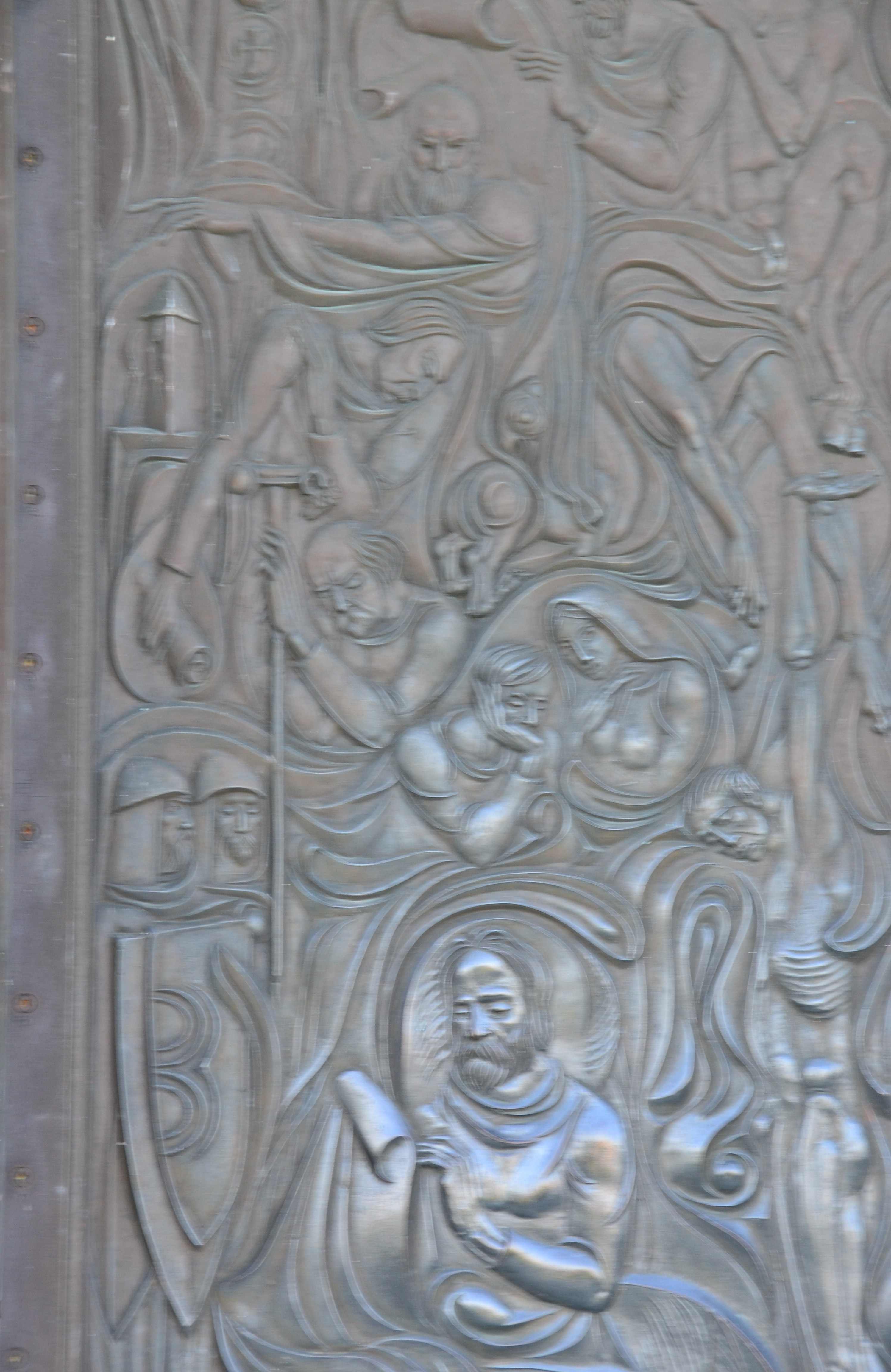
C. Patriarchal Cathedral of the Holy Ascension of the Lord
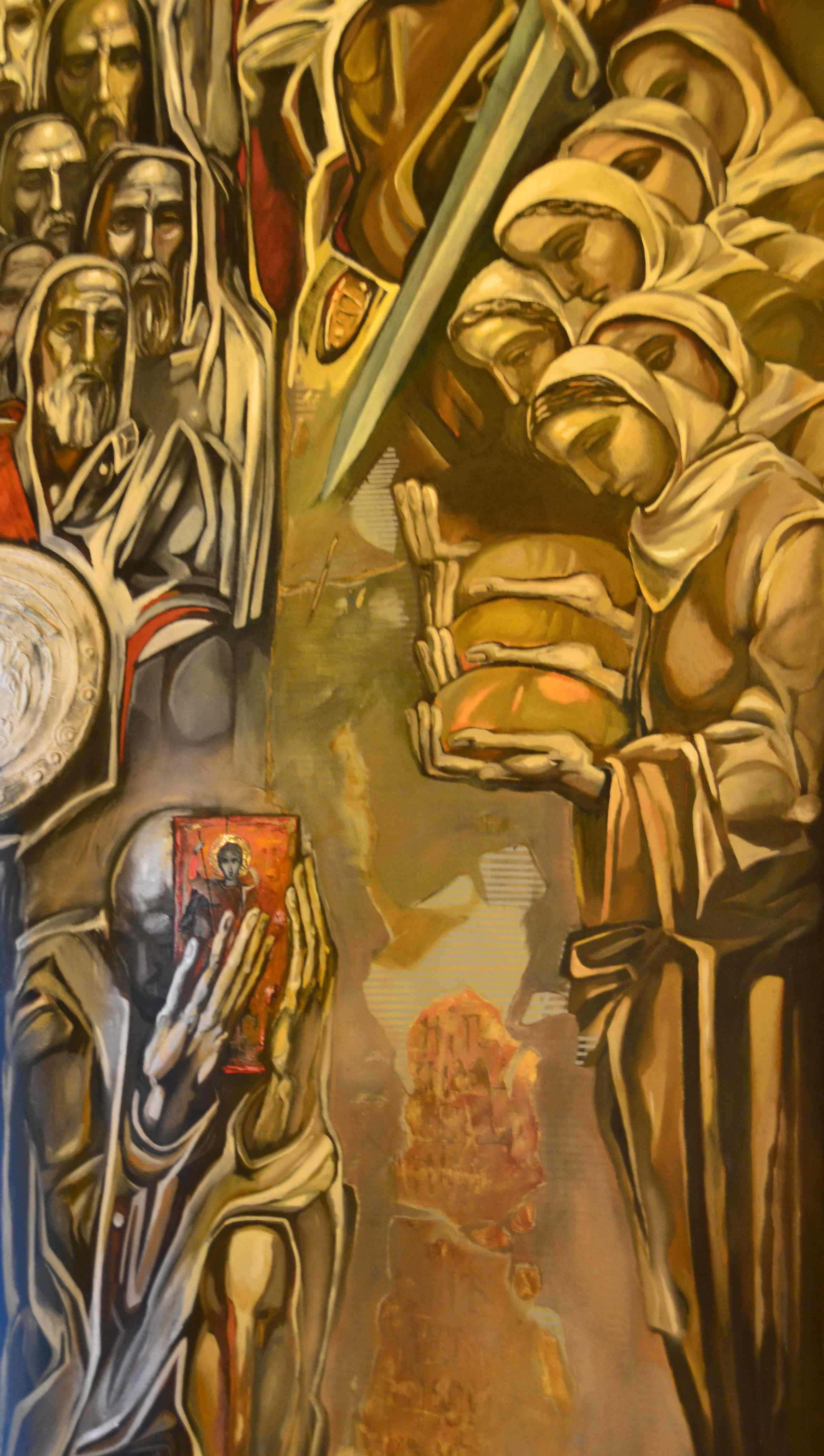
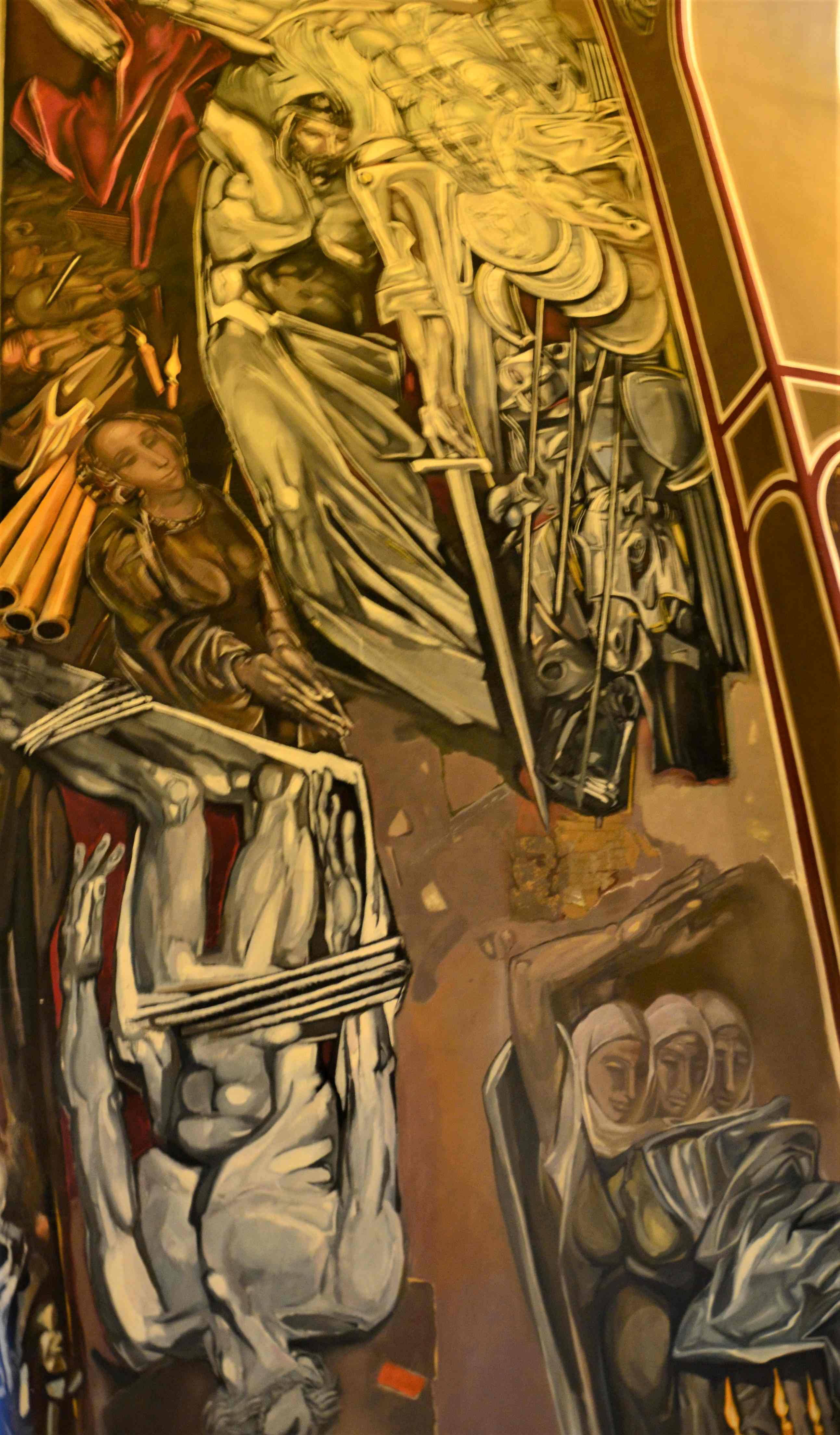
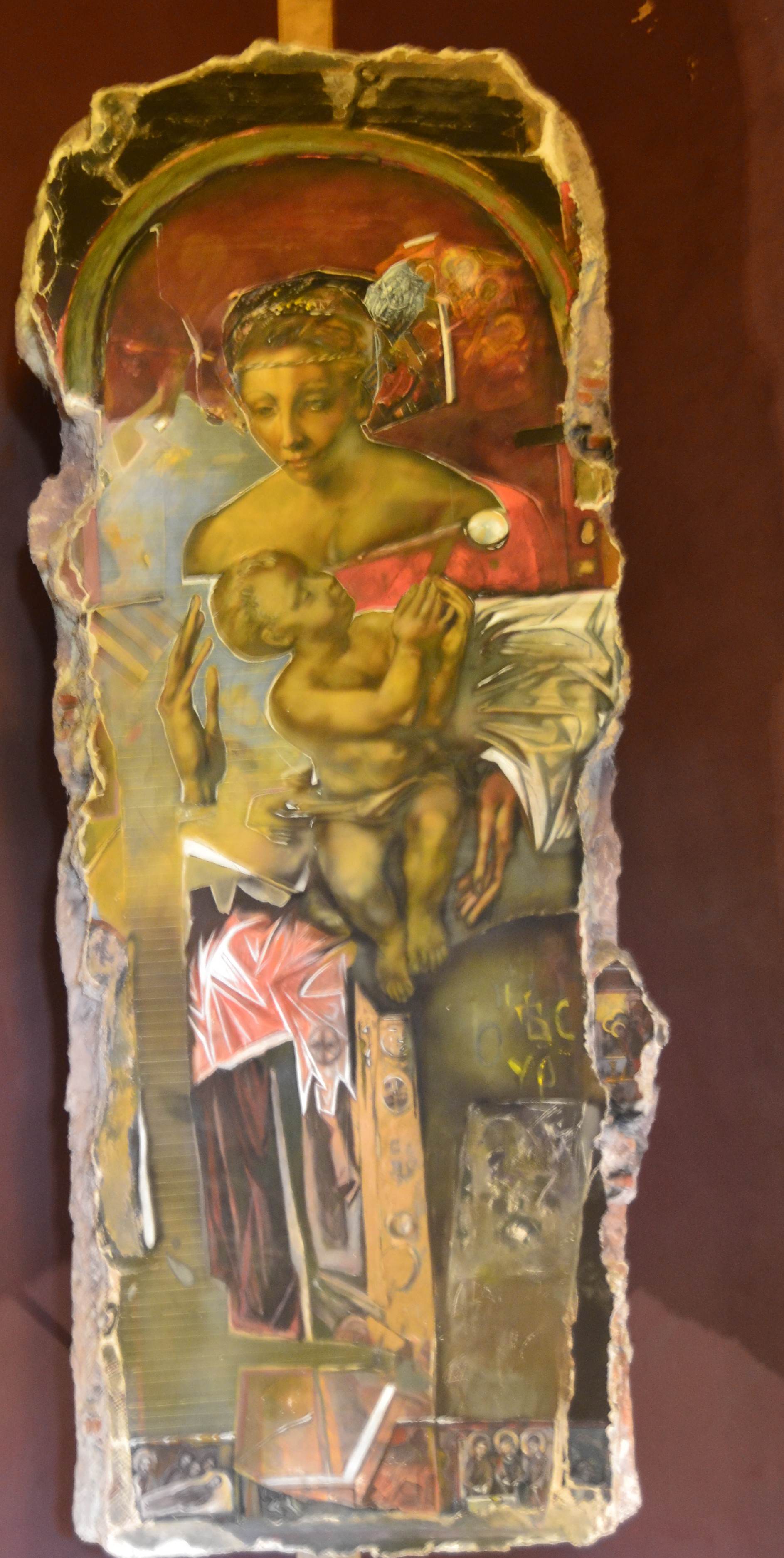
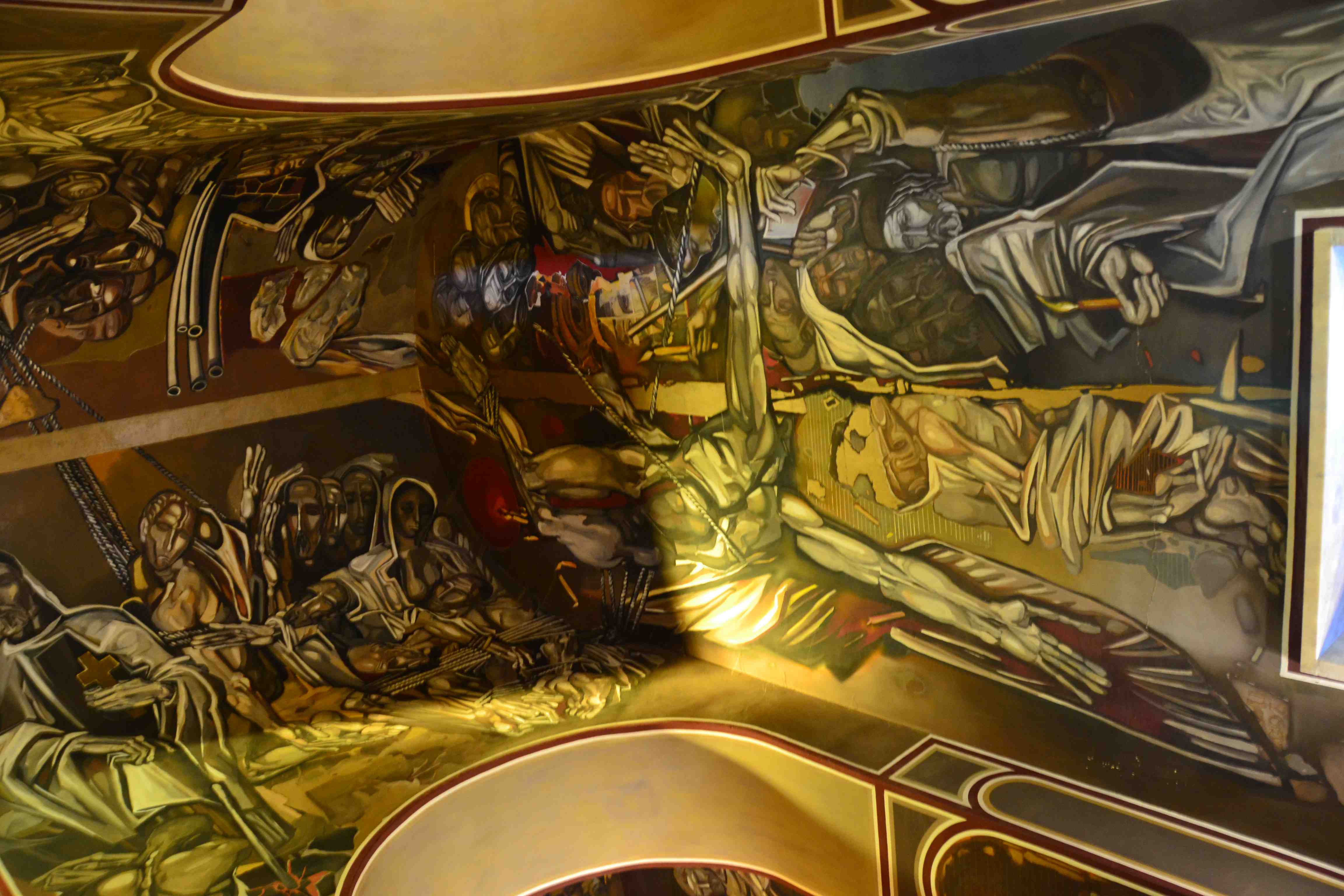
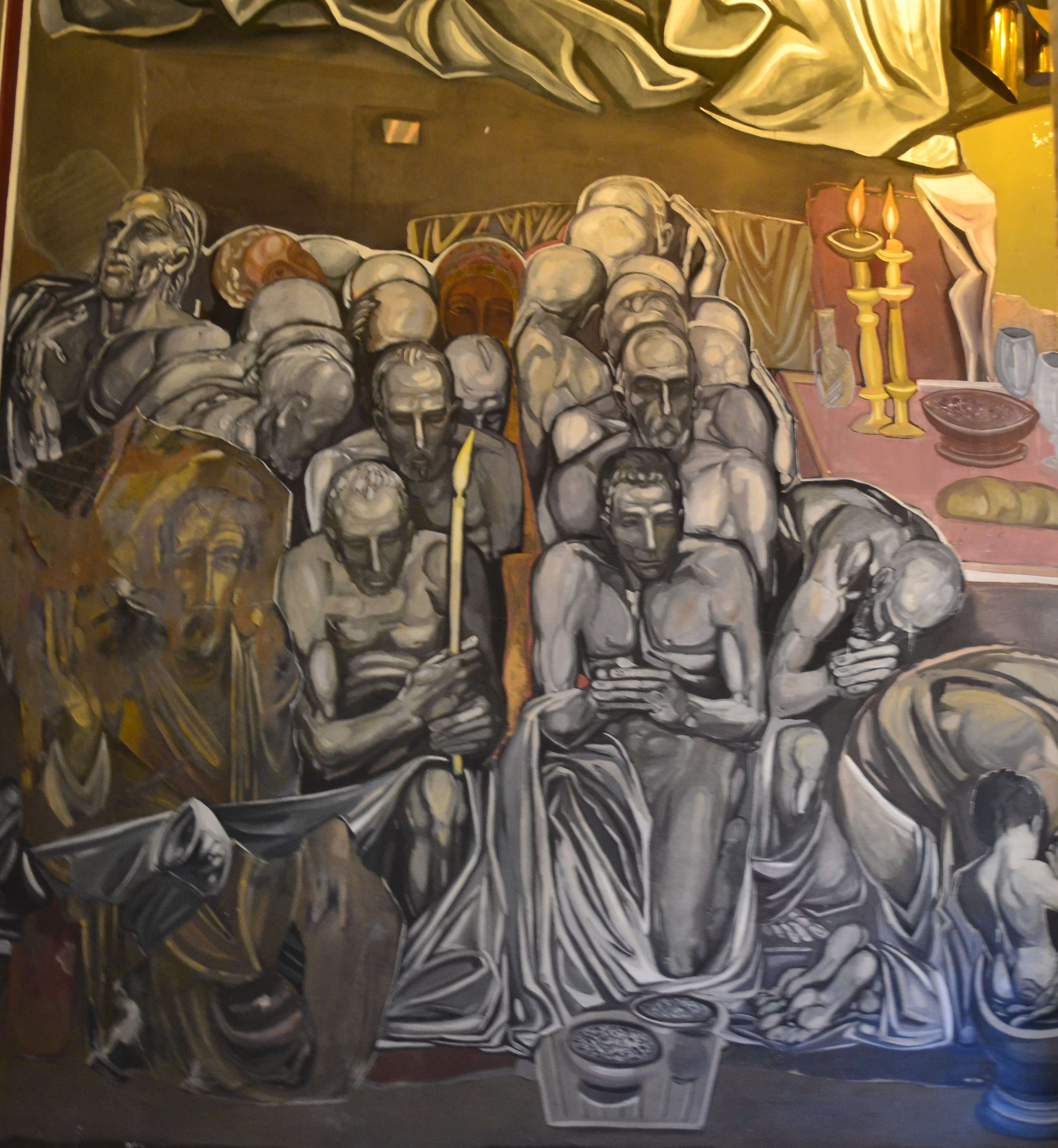
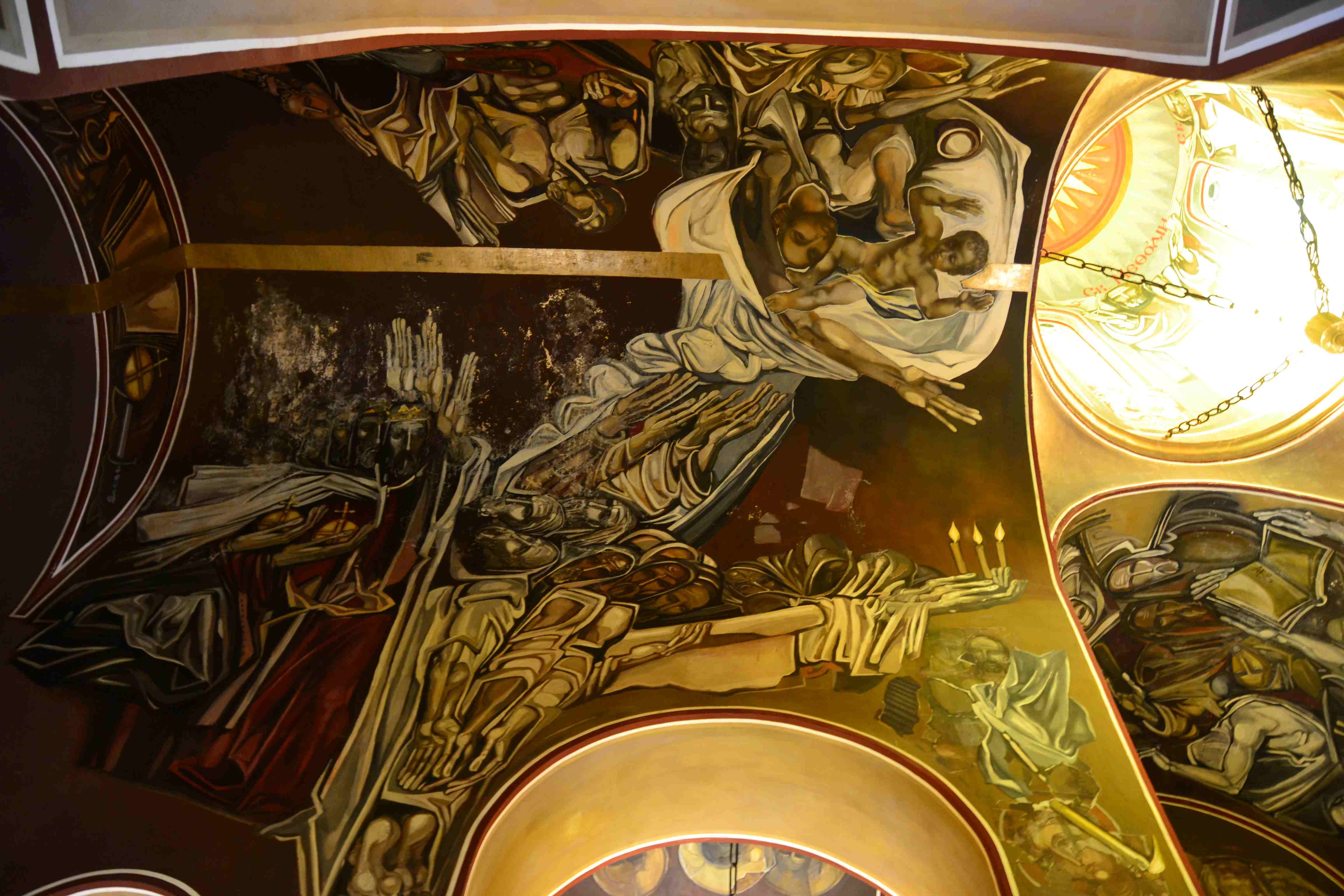
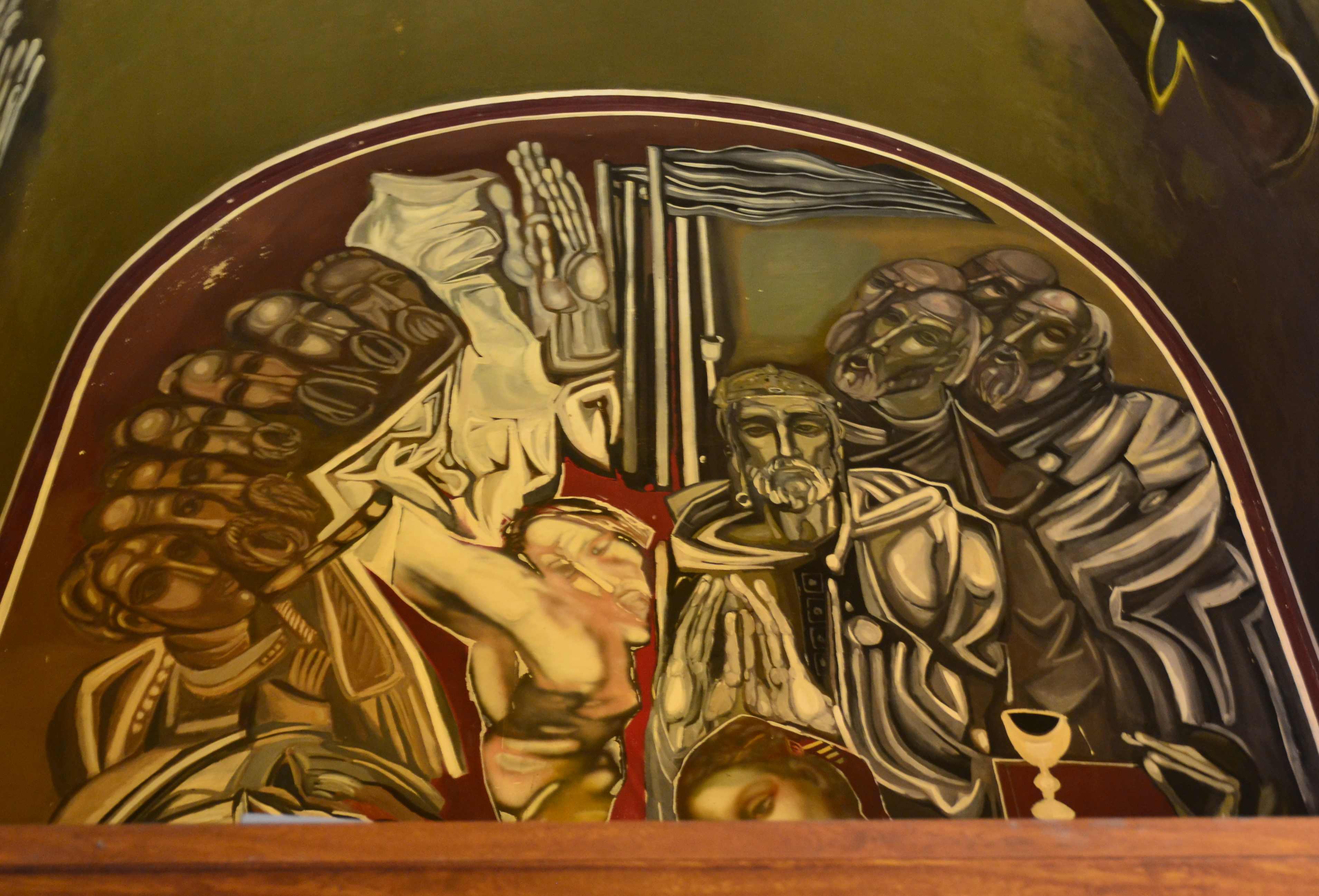
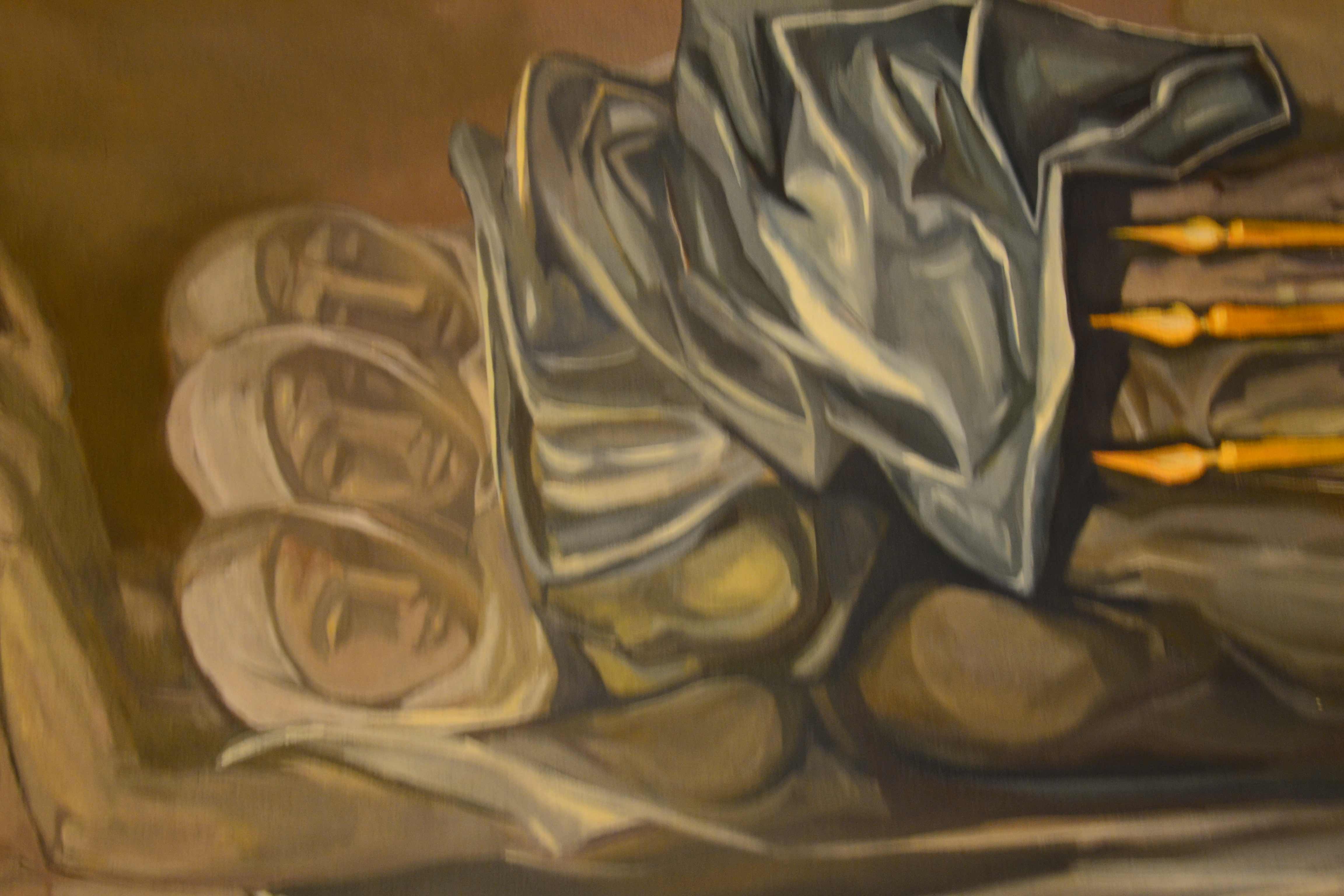
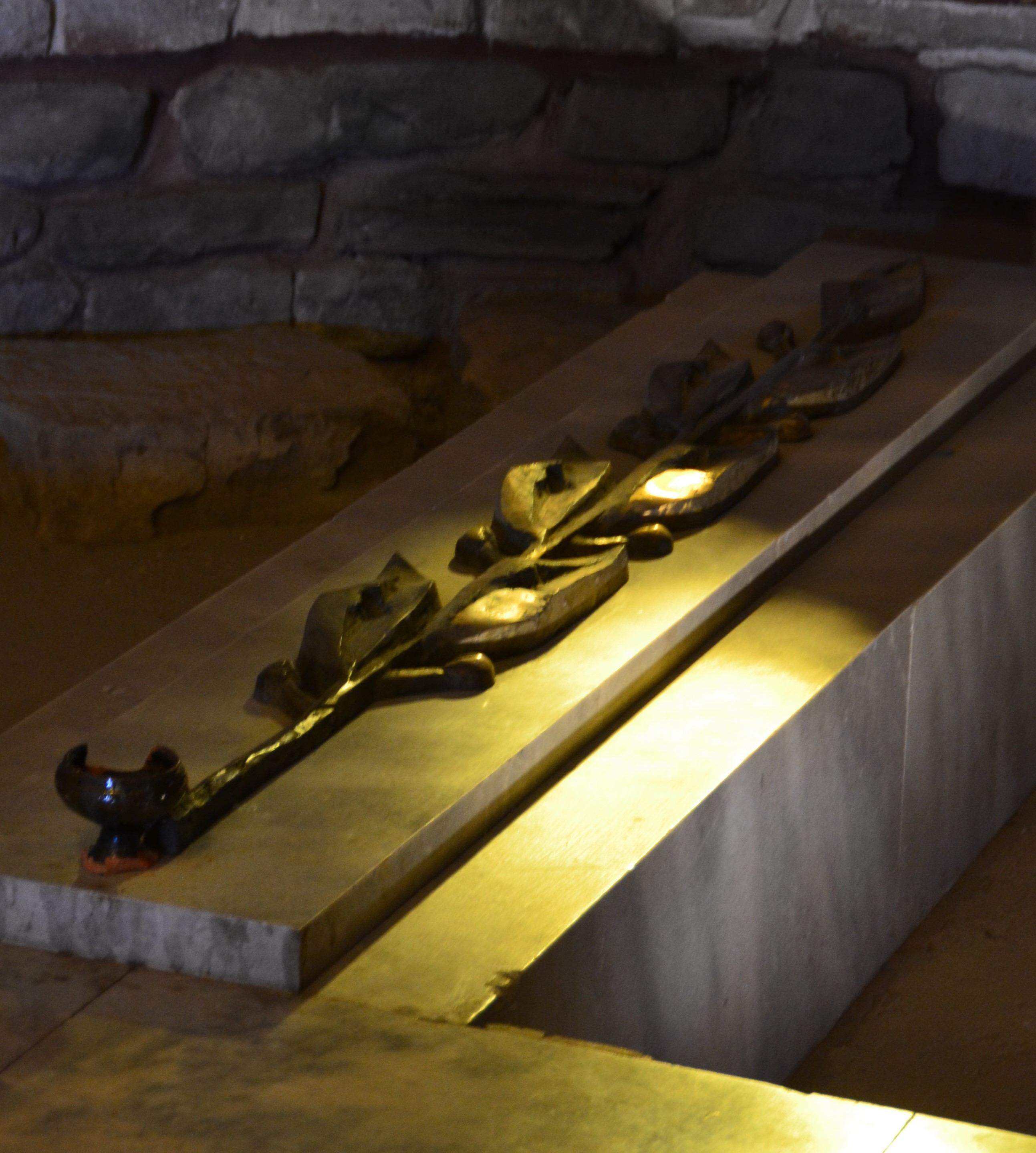
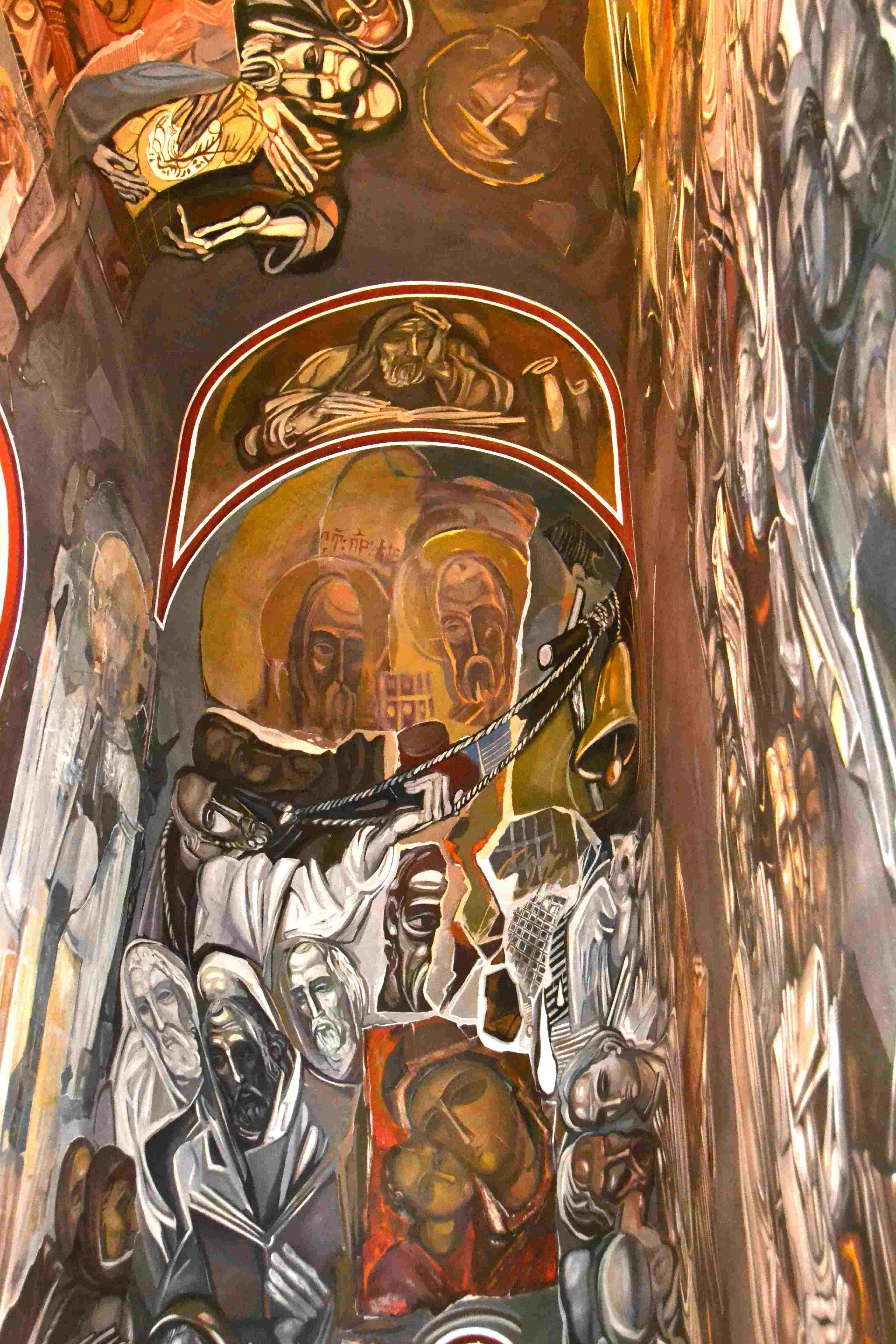
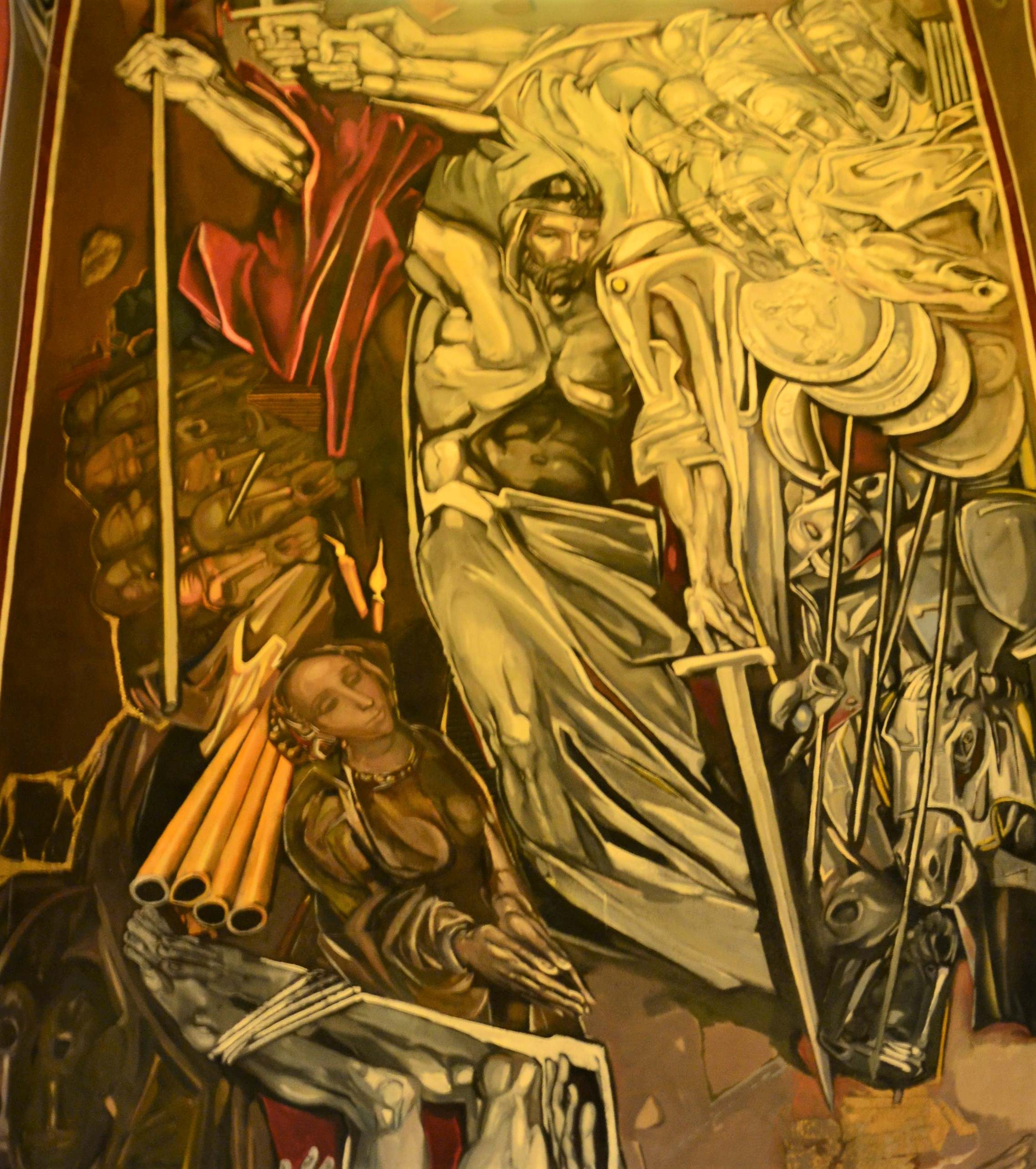
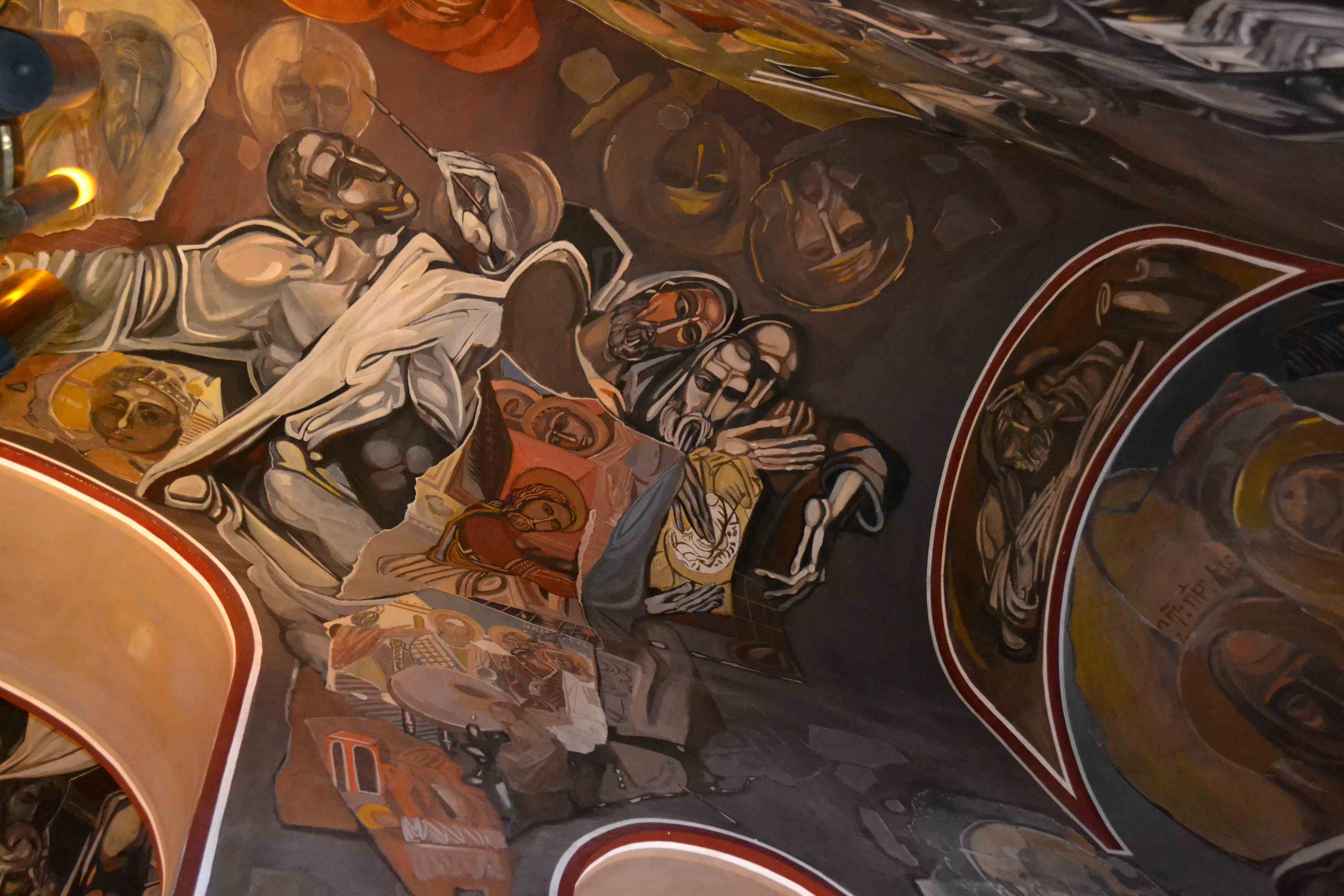
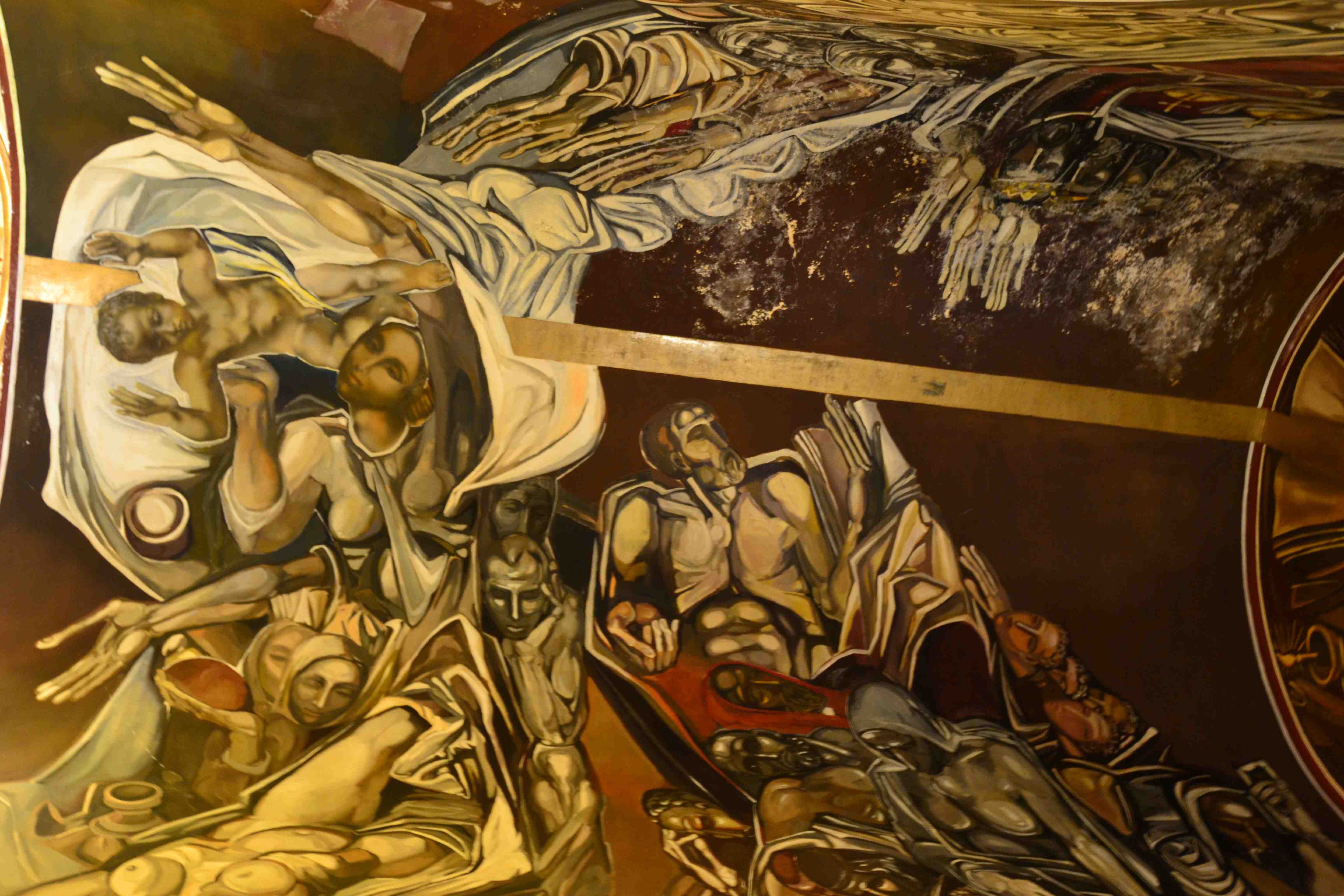
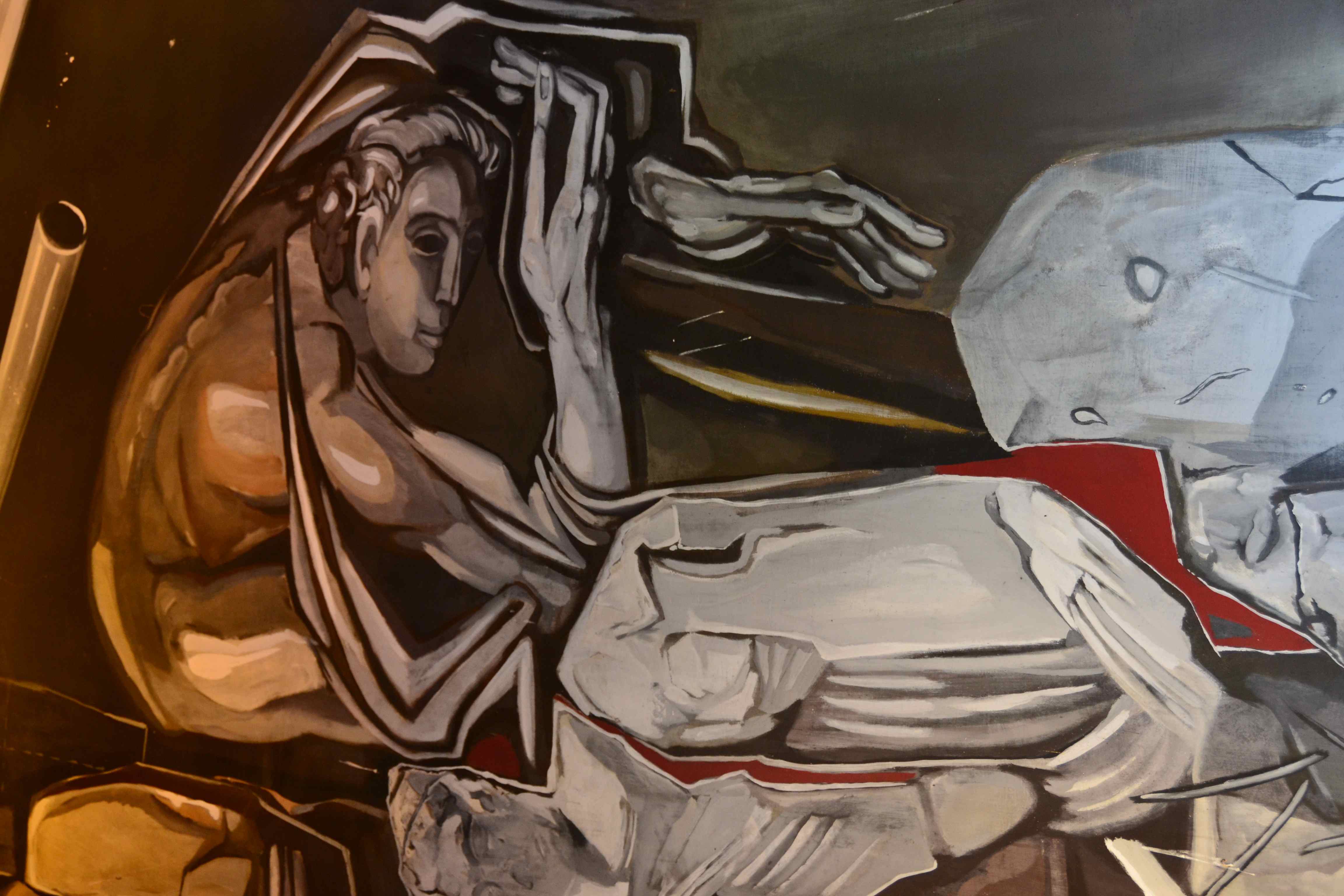
The Cathedral is located on top of the fortified Tsarevets hill in Veliko Tarnovo in north central Bulgaria. It was the former capital of the Second Bulgarian Empire. It was constructed in the 11-12th century to its destruction in 1393. It was reconstructed in the 1970s and 1980s. The internal walls are now featured modern frescoes, the presence of which has meant that it has not been reconsecrated. Thus, it is not active as a Christian place of worship, but the cathedral has been open for visitors since 1985.

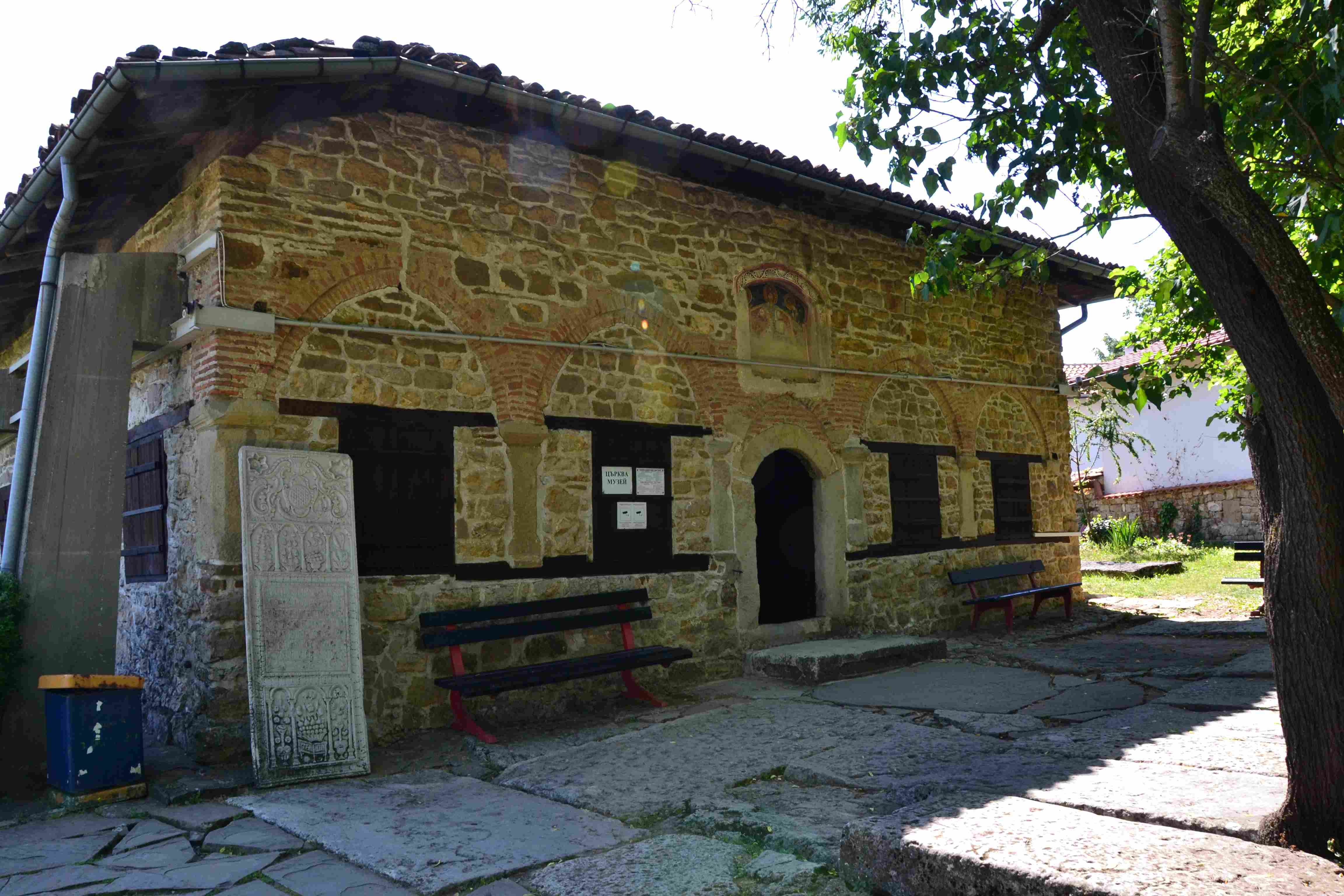
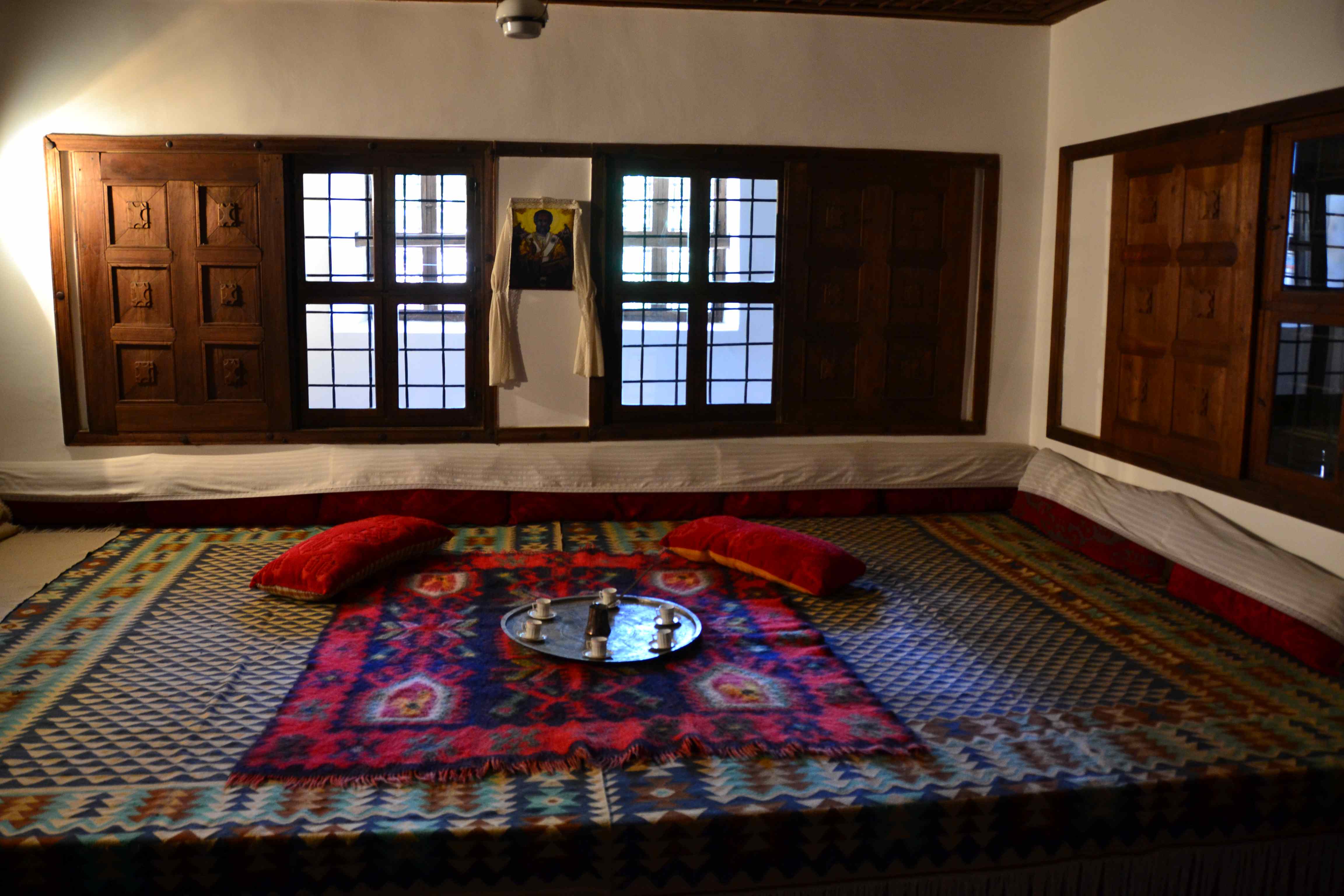
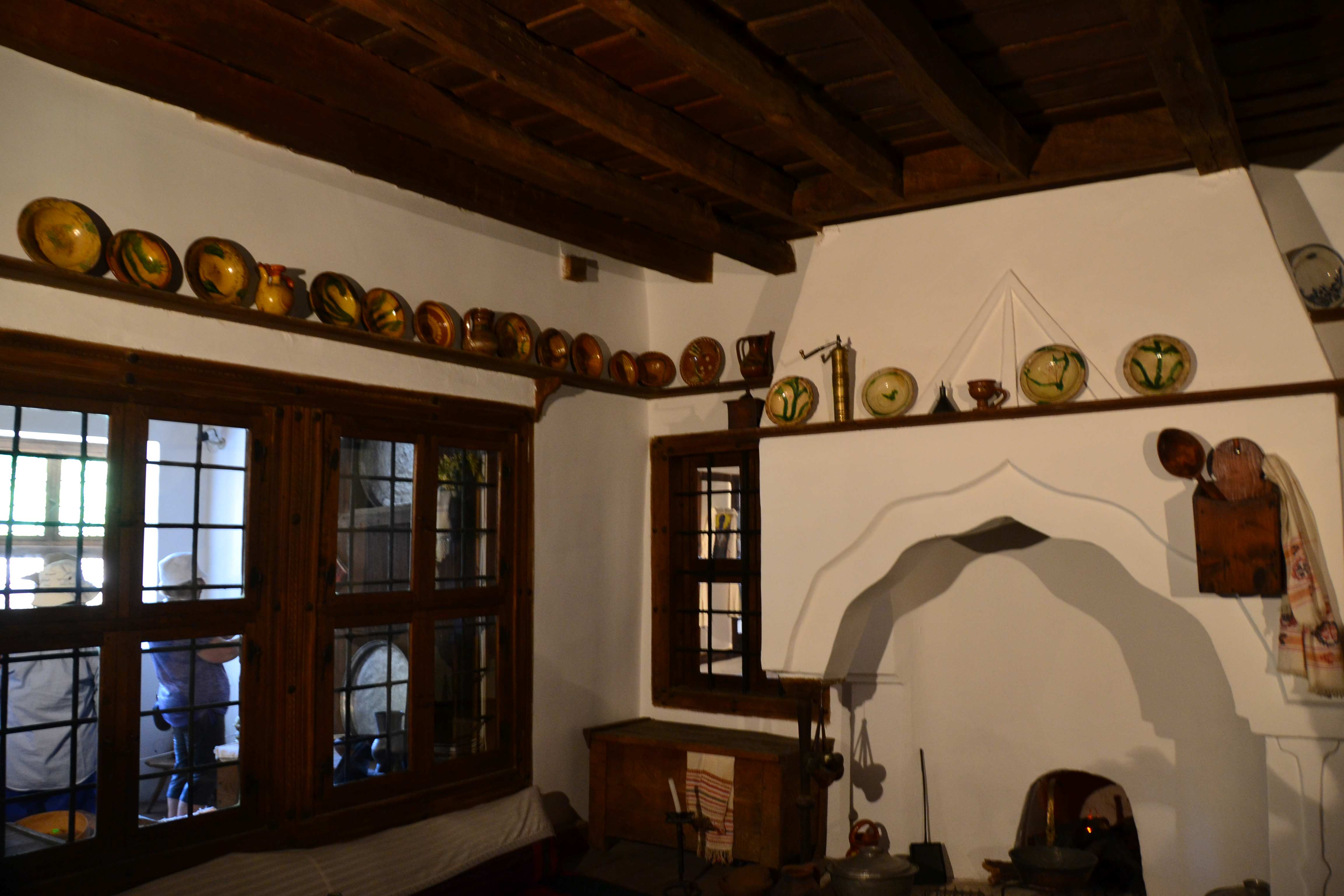
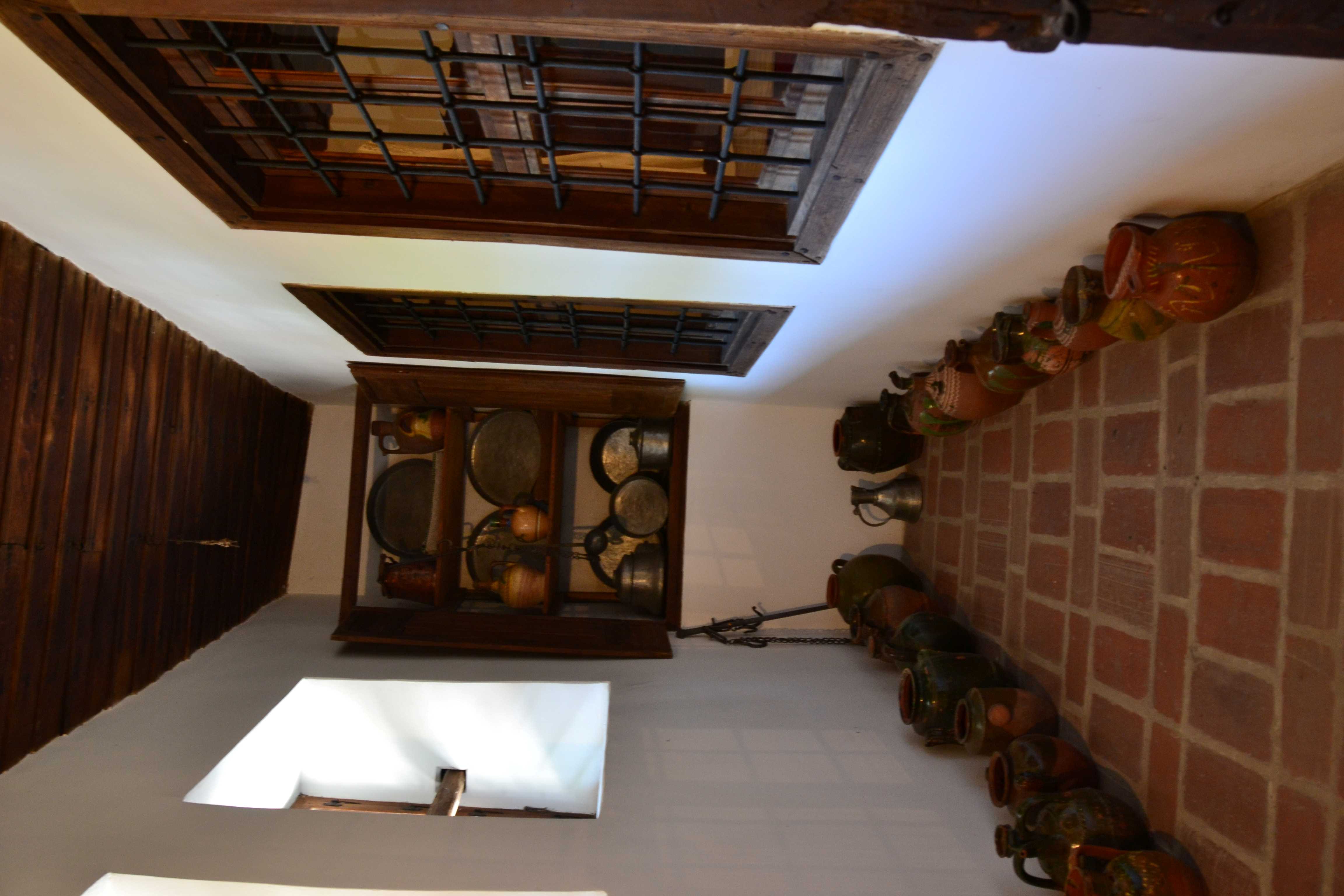
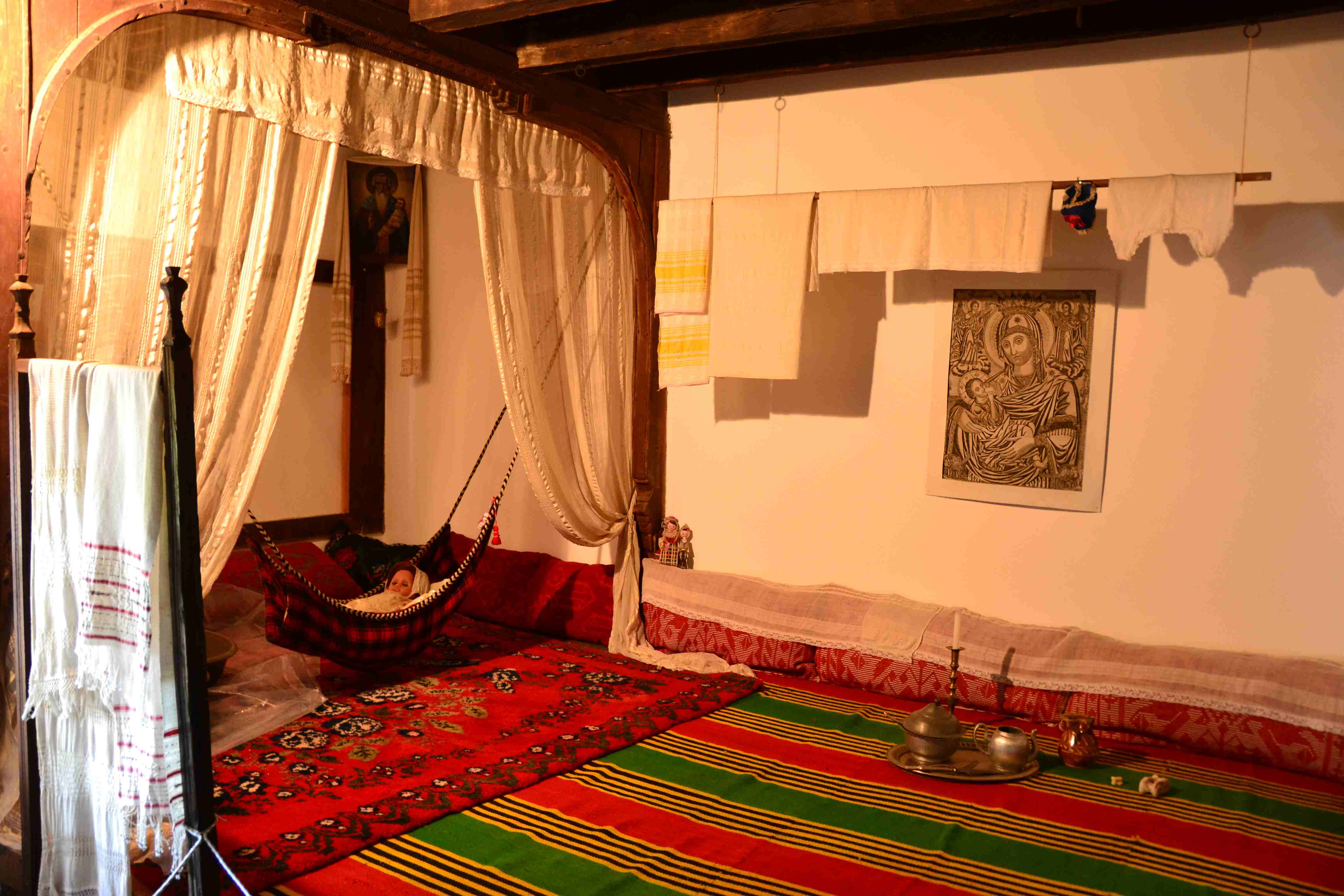
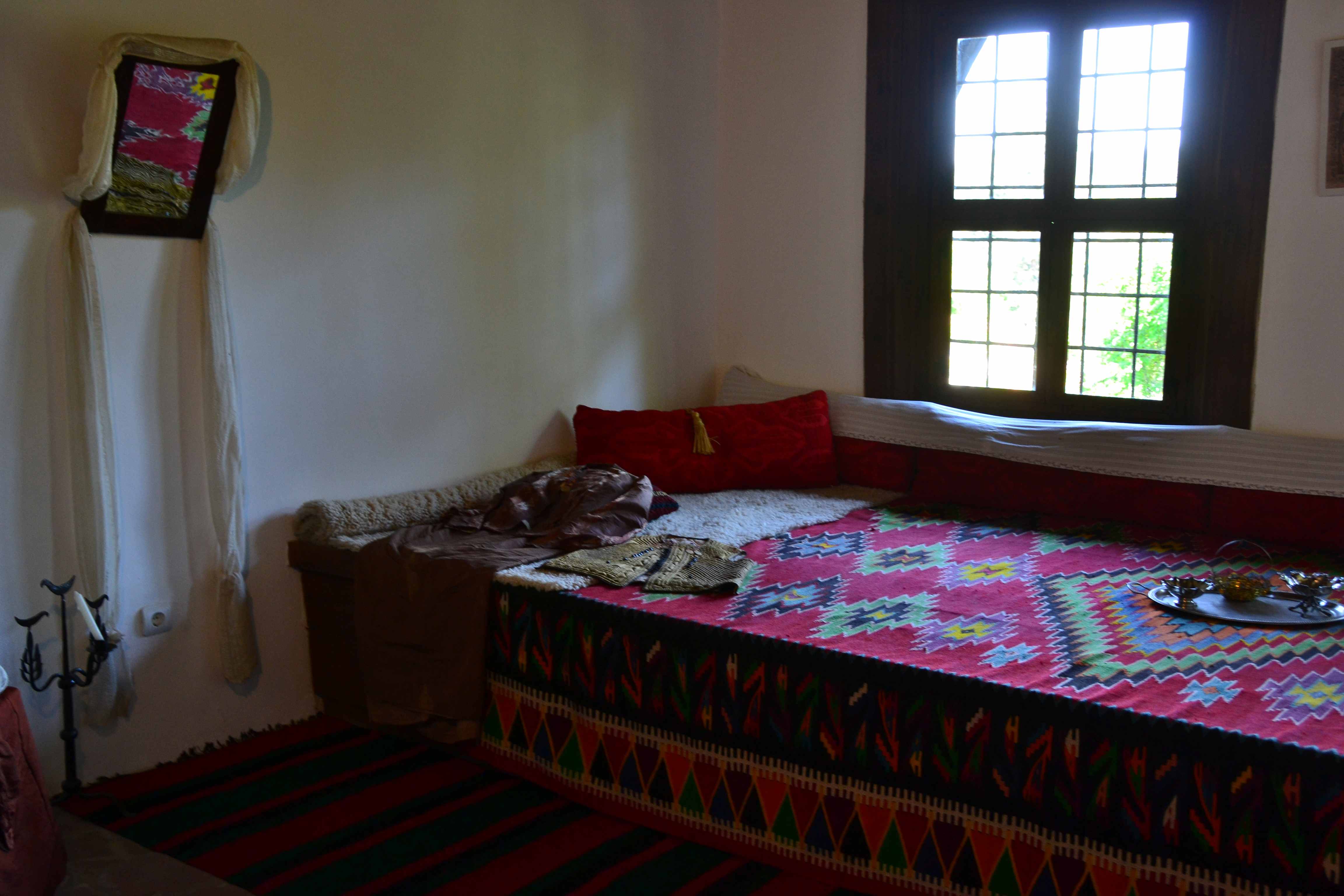
D. Konstantsalieva House (A 17th Century Merchants’ House)
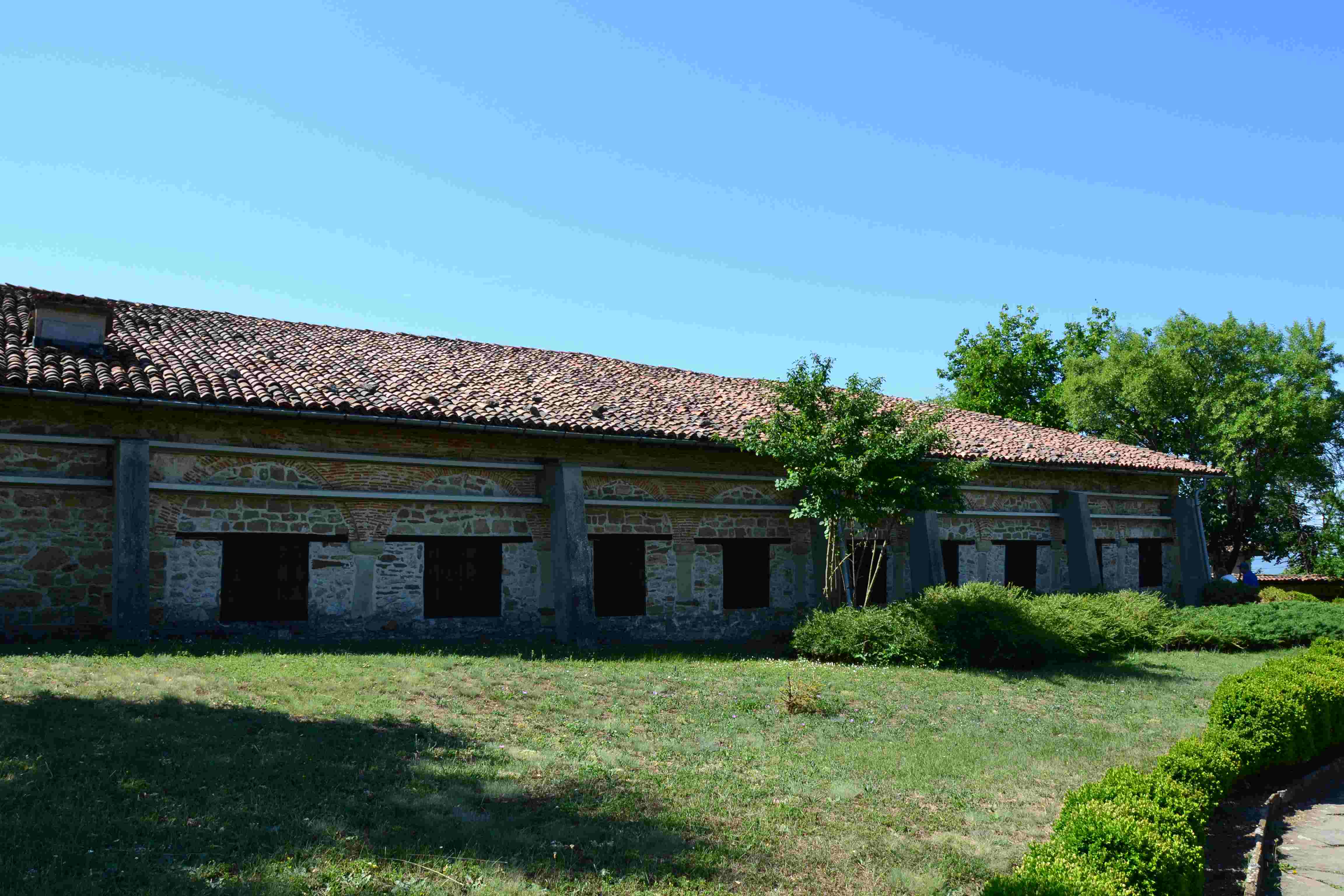
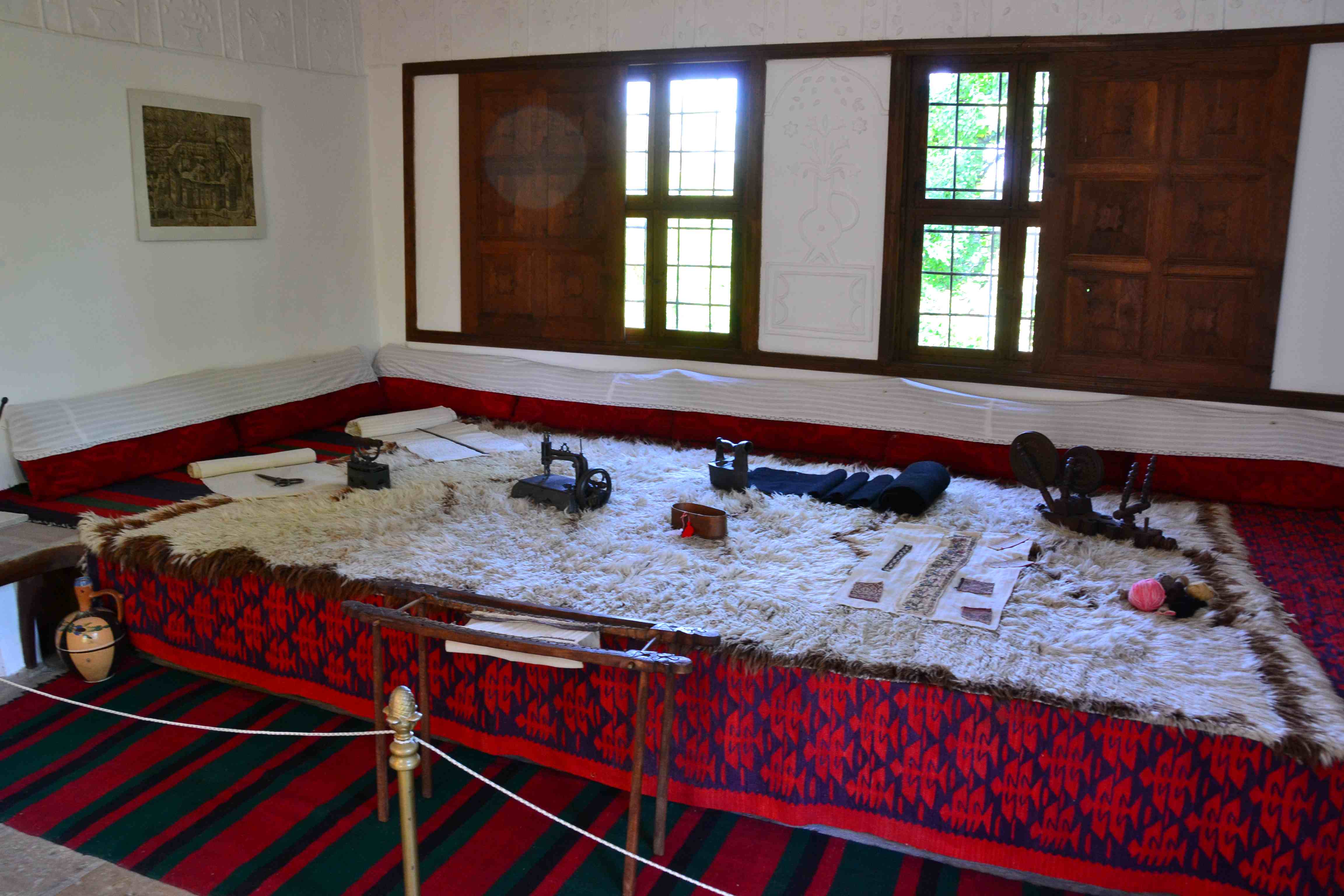
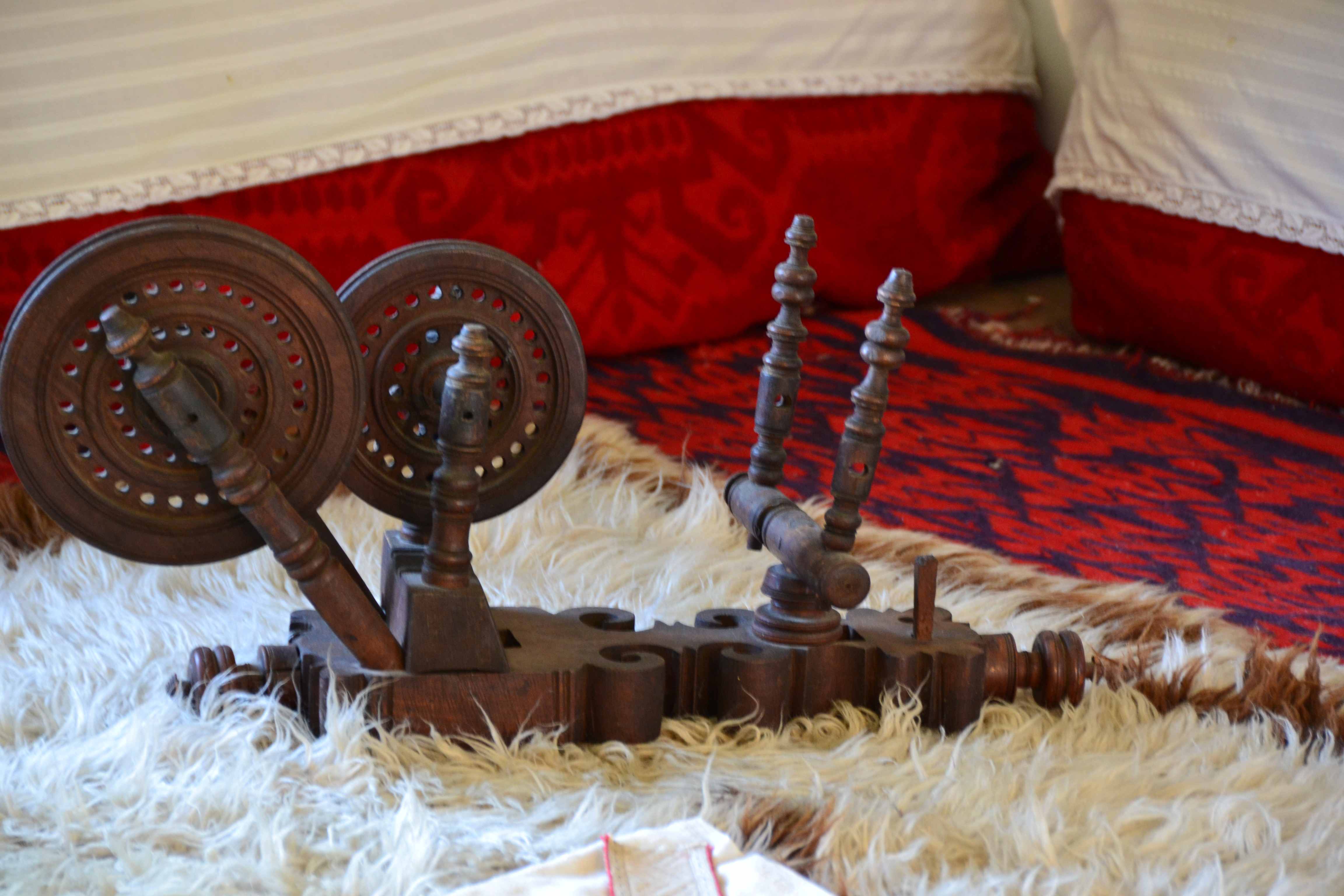
These farmhouses are in the beautiful village of Arbanasi. This village had its heyday in the 17th and 18th century. These houses once were occupied by wealthy merchants, cattle breeders, and caravan owners. After they were abandoned, many houses have been restored, and as visitors, we can now see how wealthy merchants lived in the late Ottoman times.
2. Sofia (Current Capital of Bulgaria)
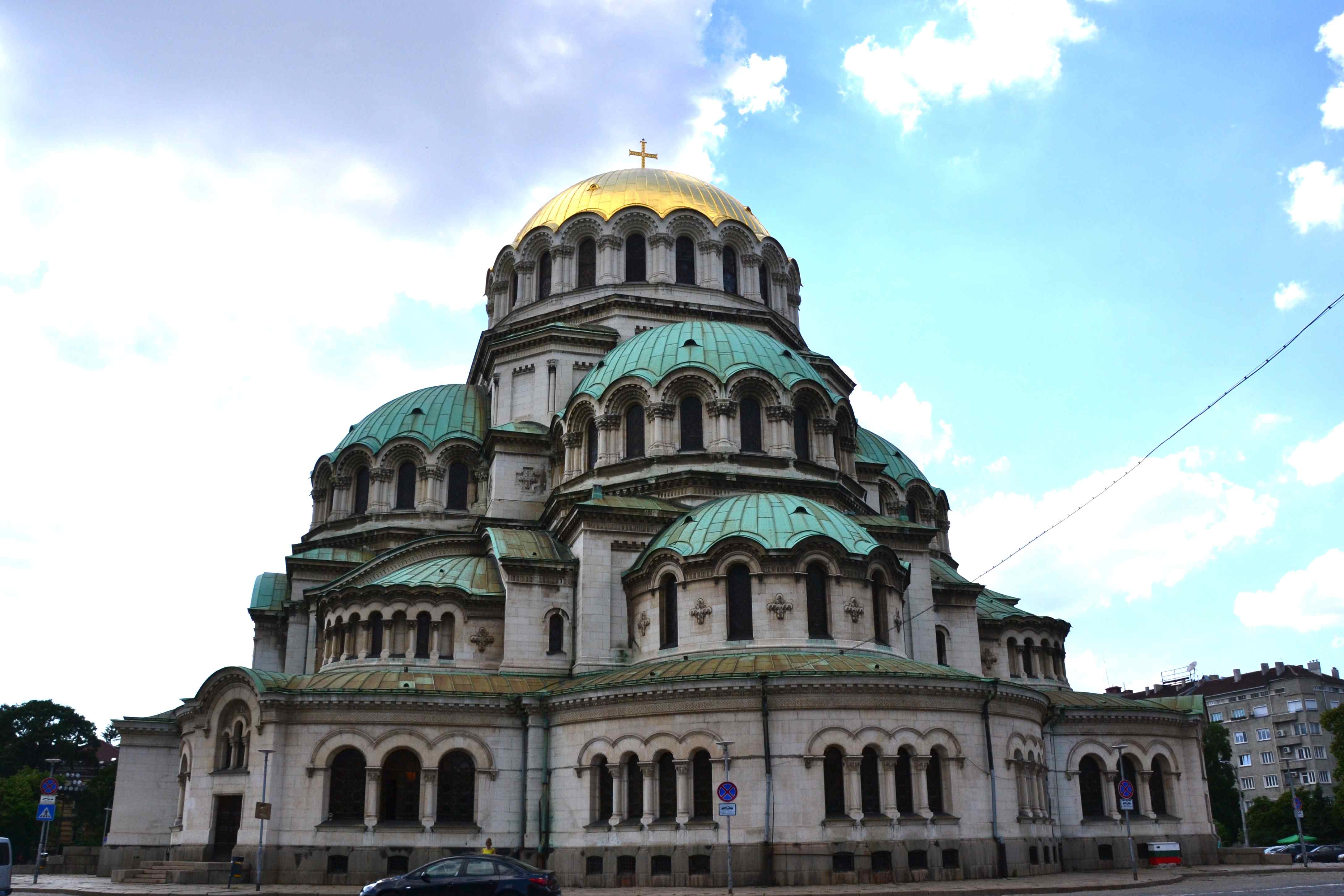
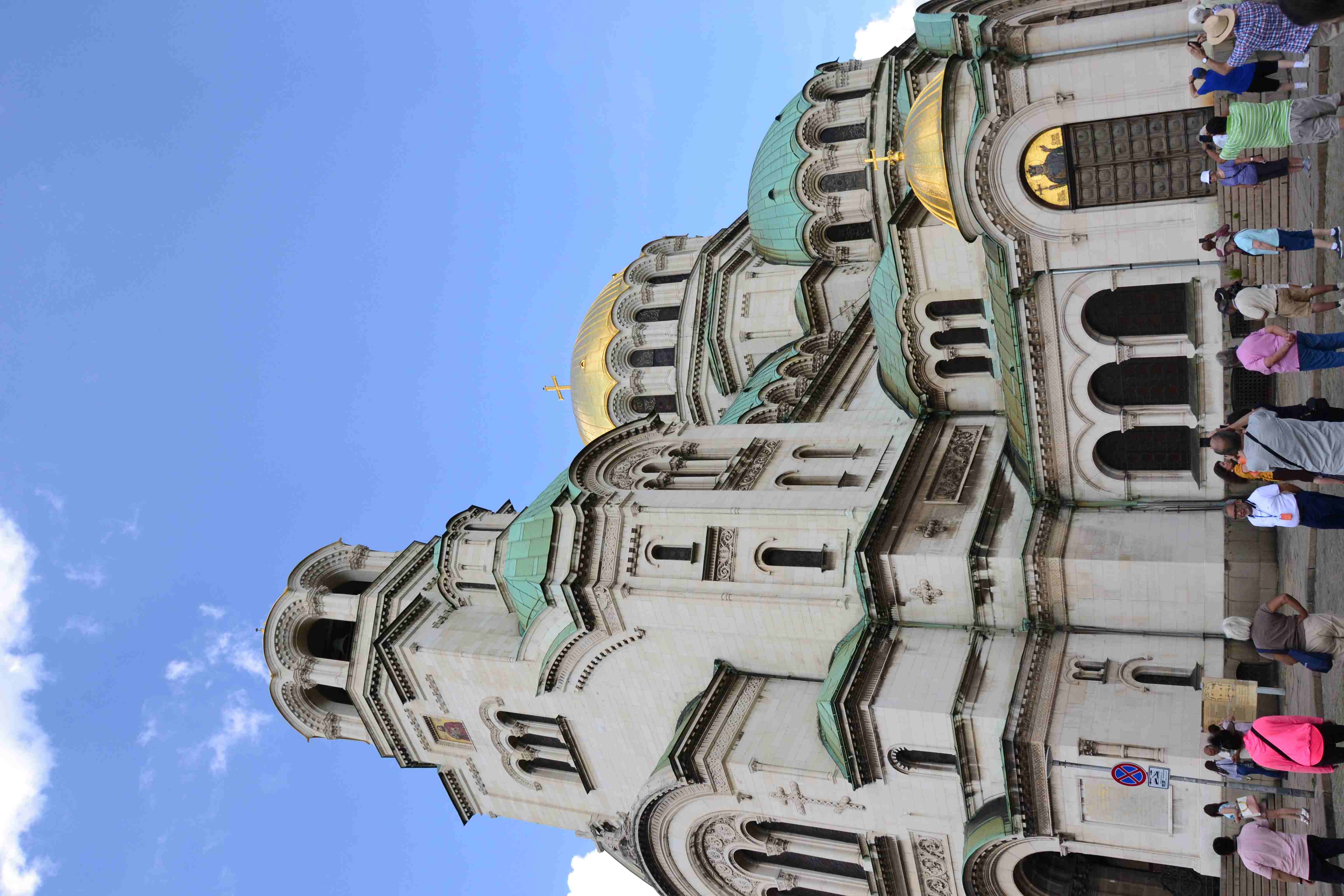
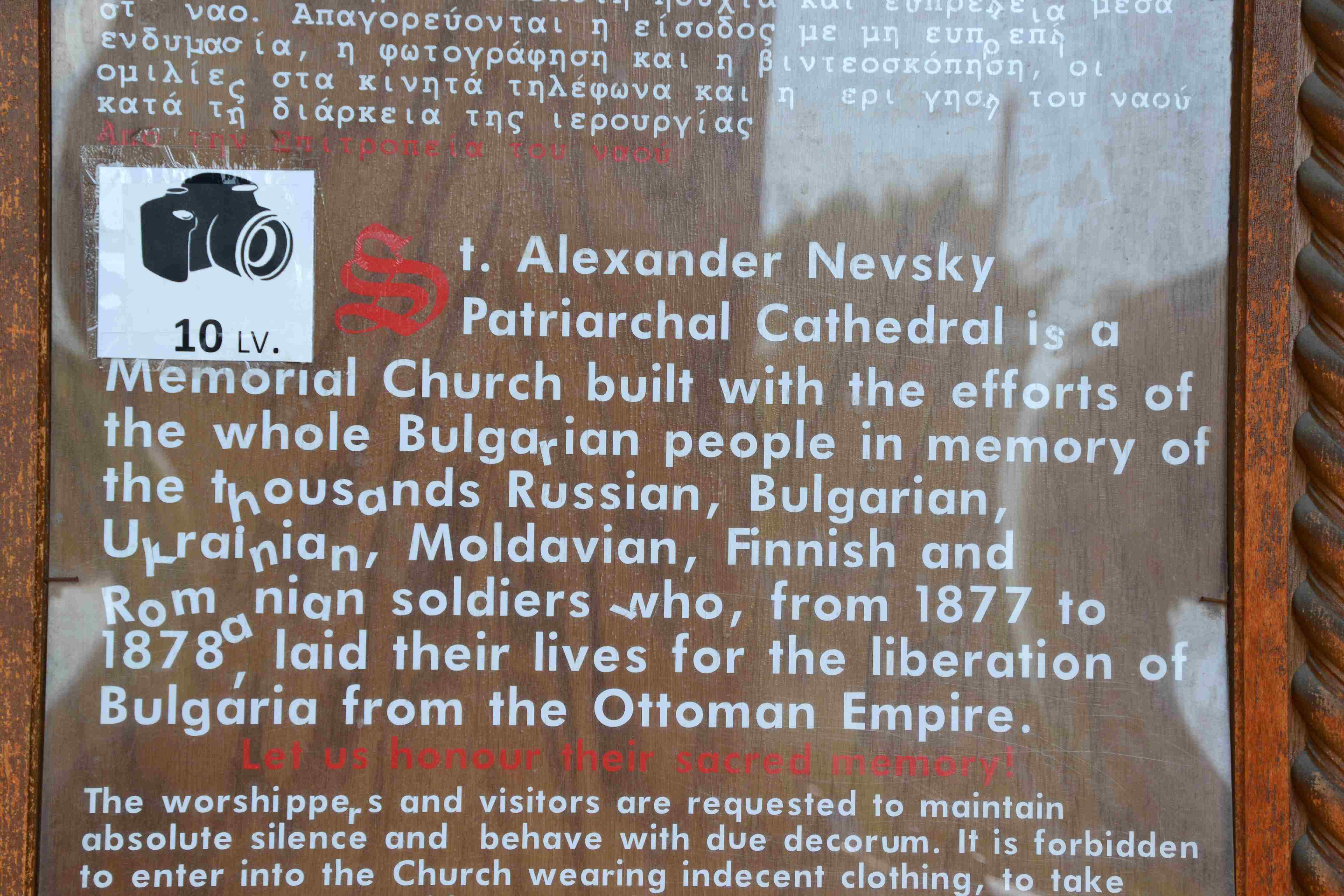
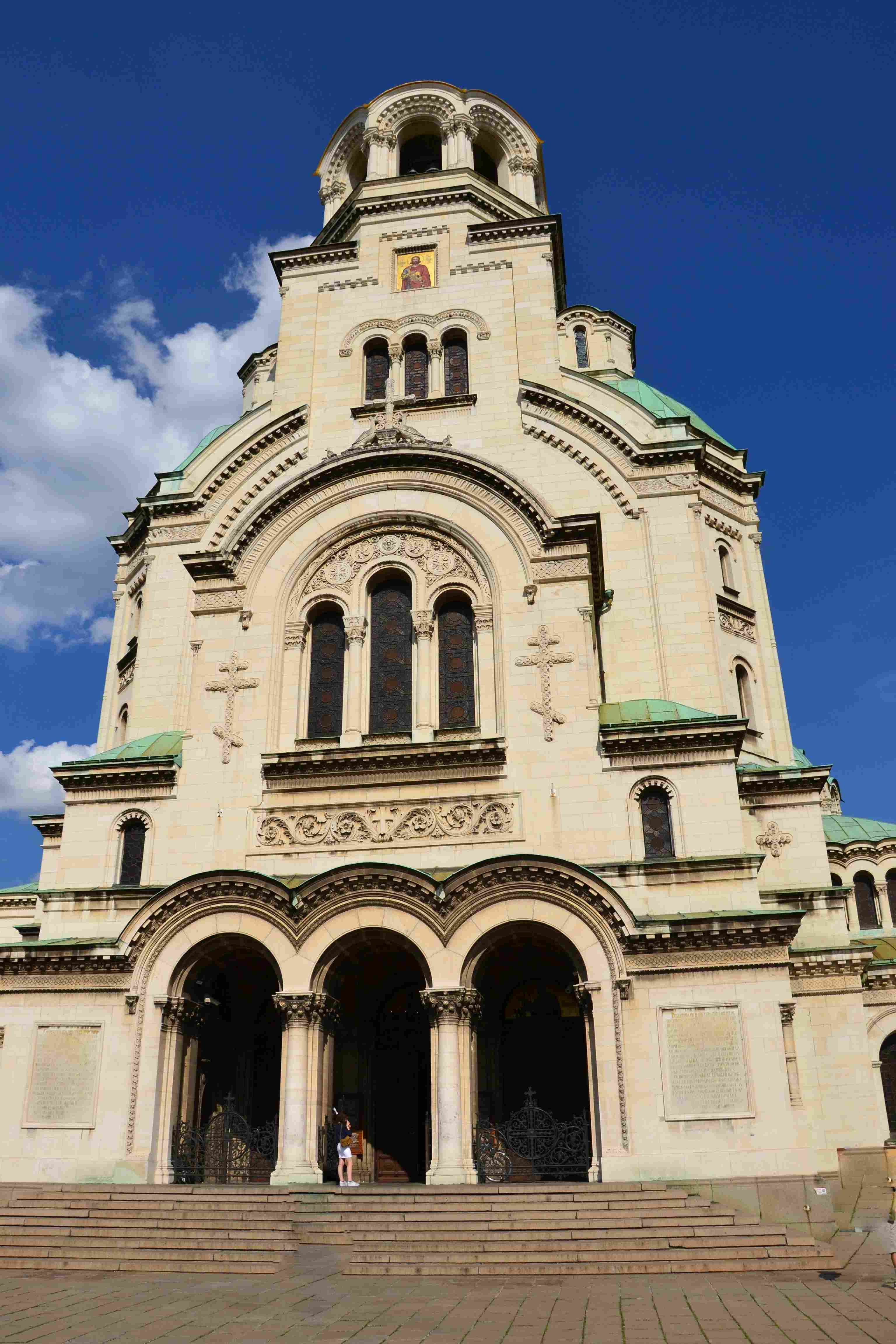
A. Patriarchal Cathedral St. Alexander Nevsky
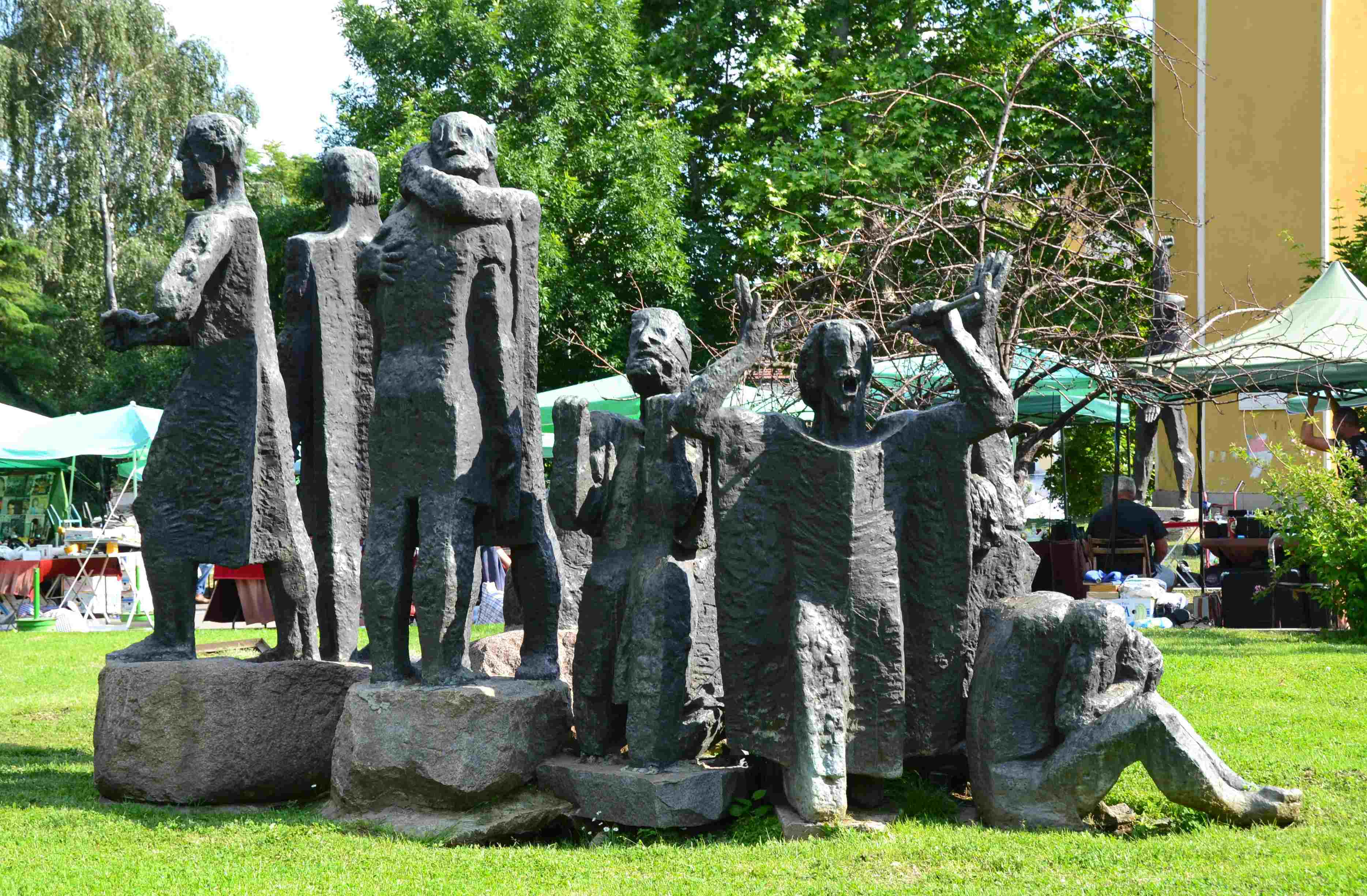
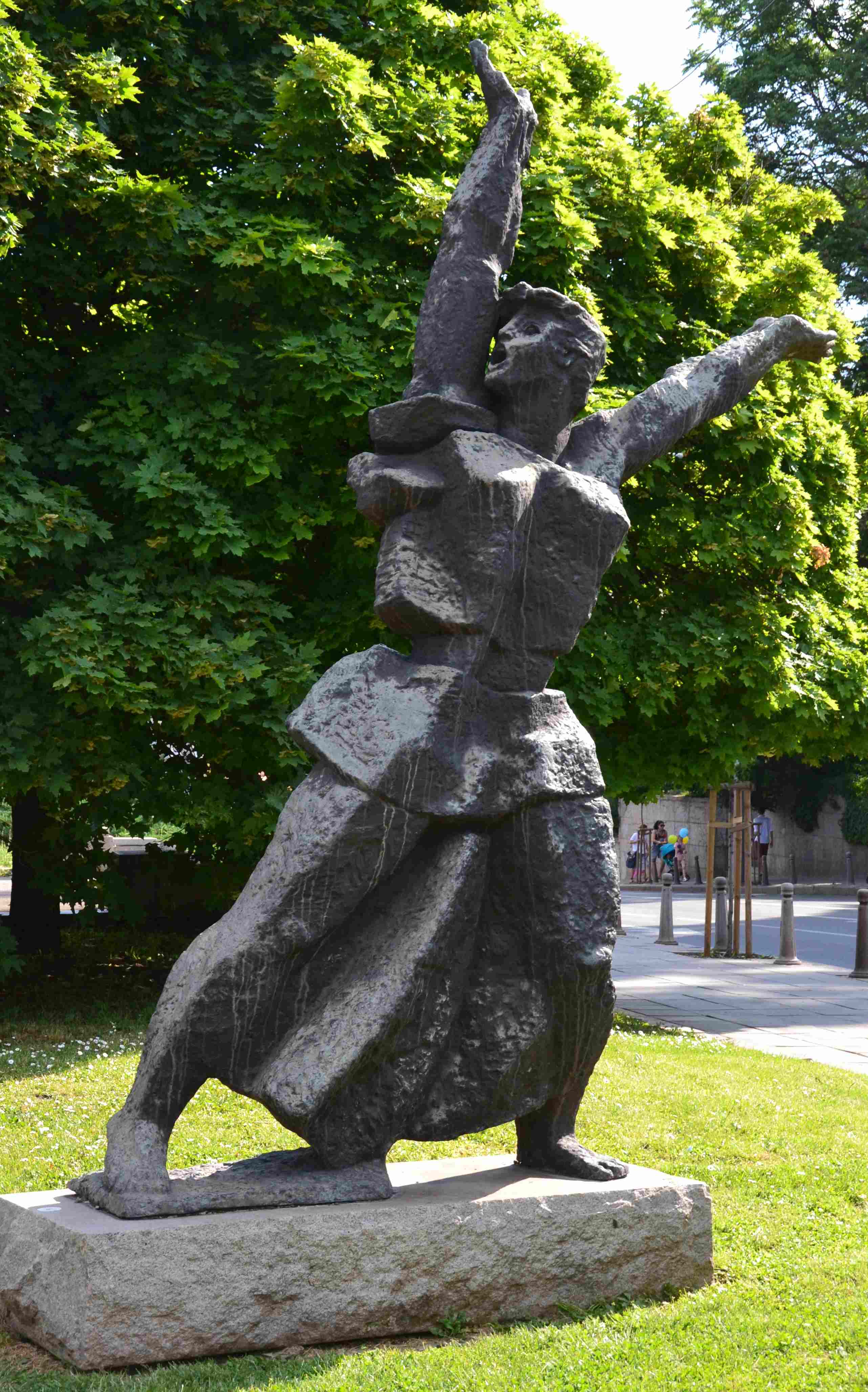
This impressive Bulgarian Orthodox church with Neo-Byzantine architecture apparently has an underground museum. Unfortunately, it was not on our itinerary to visit inside of the church. Please read the explanation below as for what this church represents.
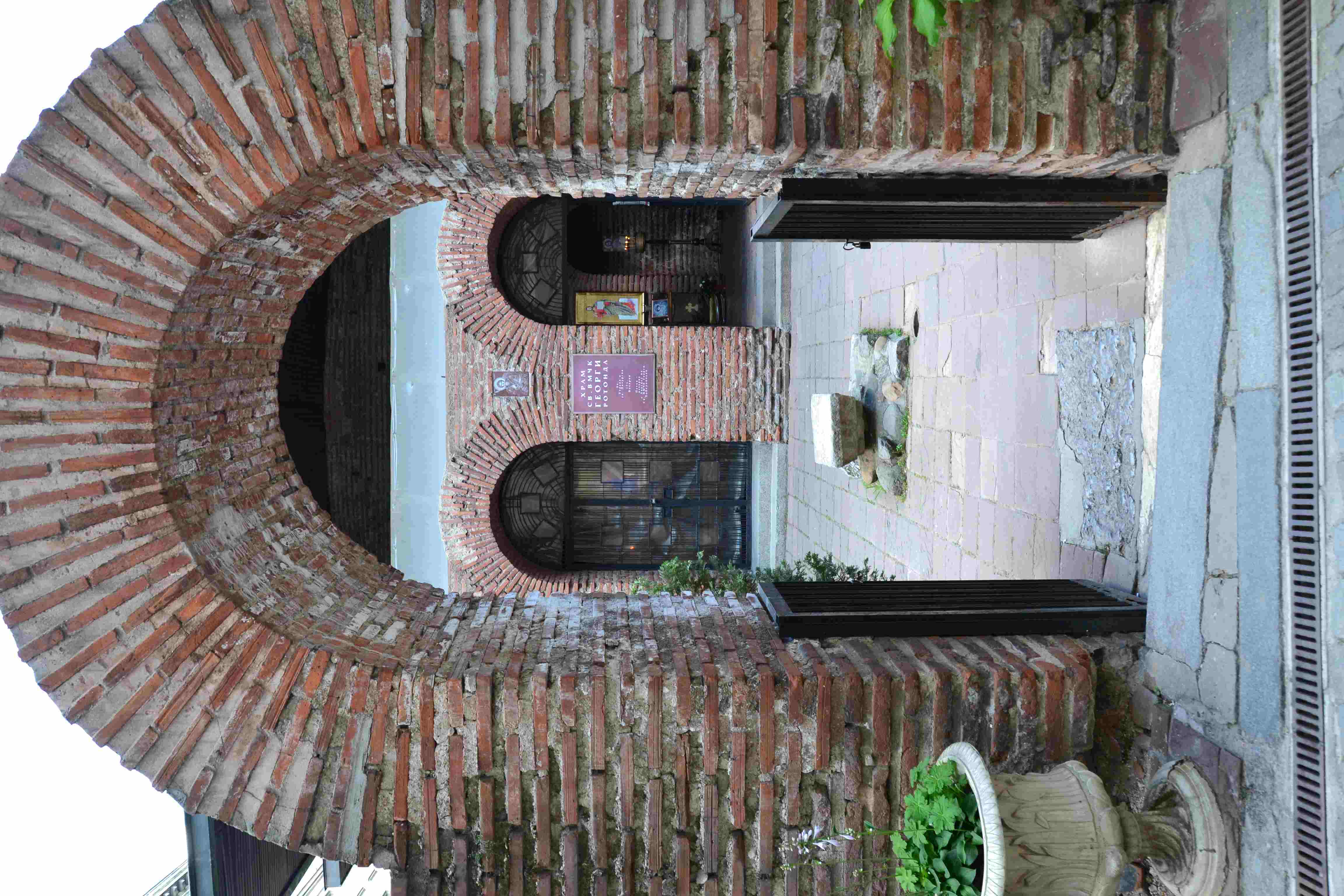
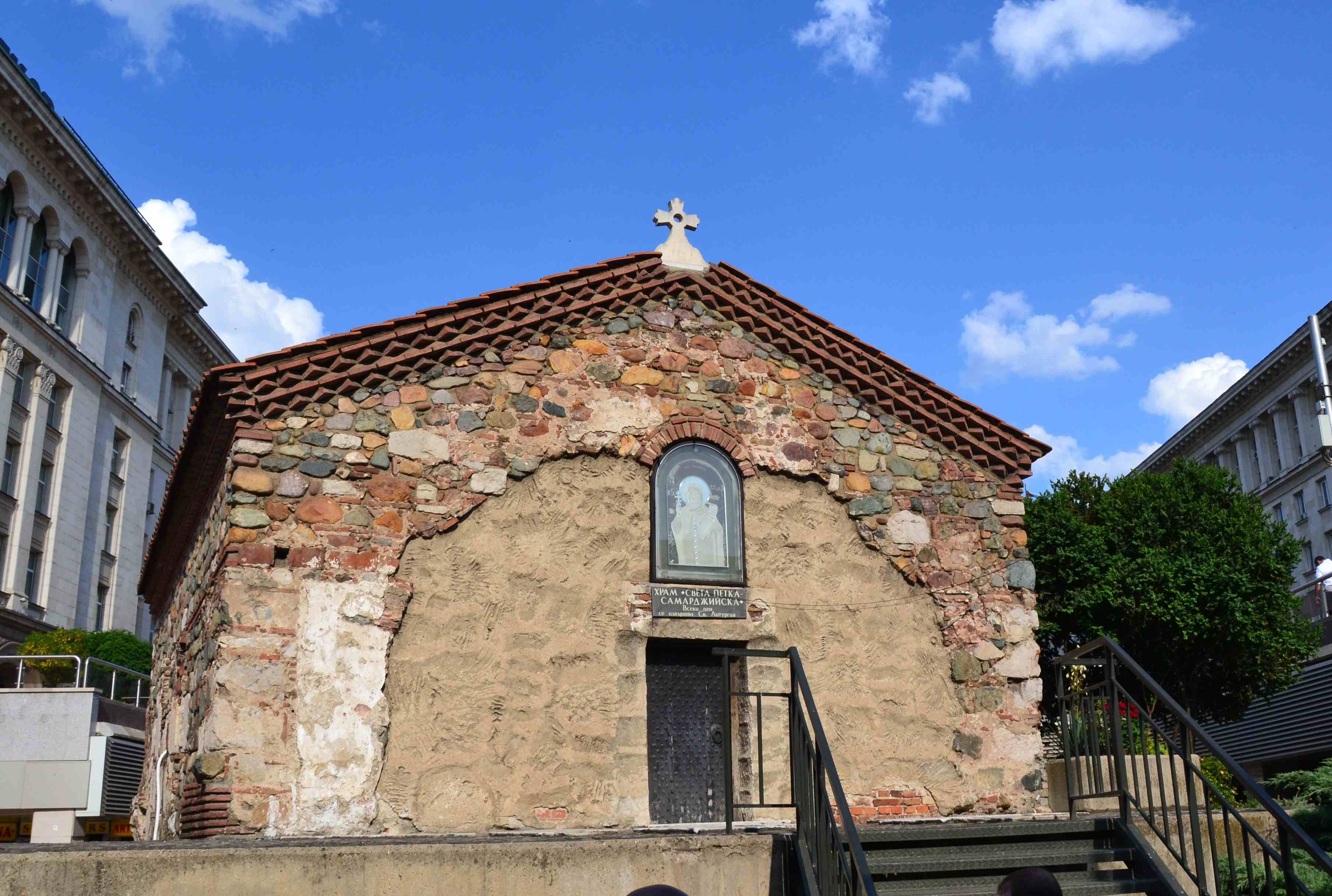
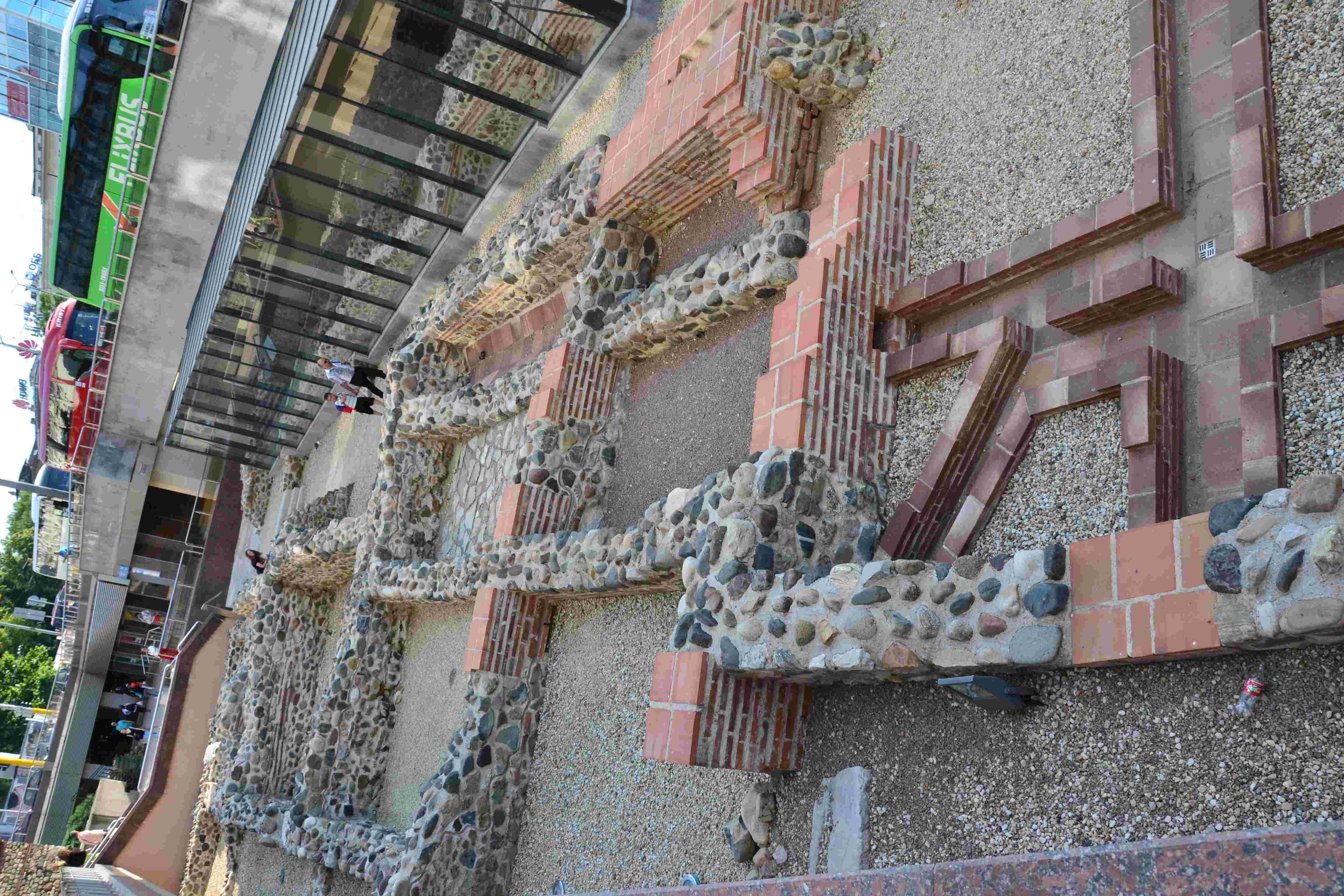
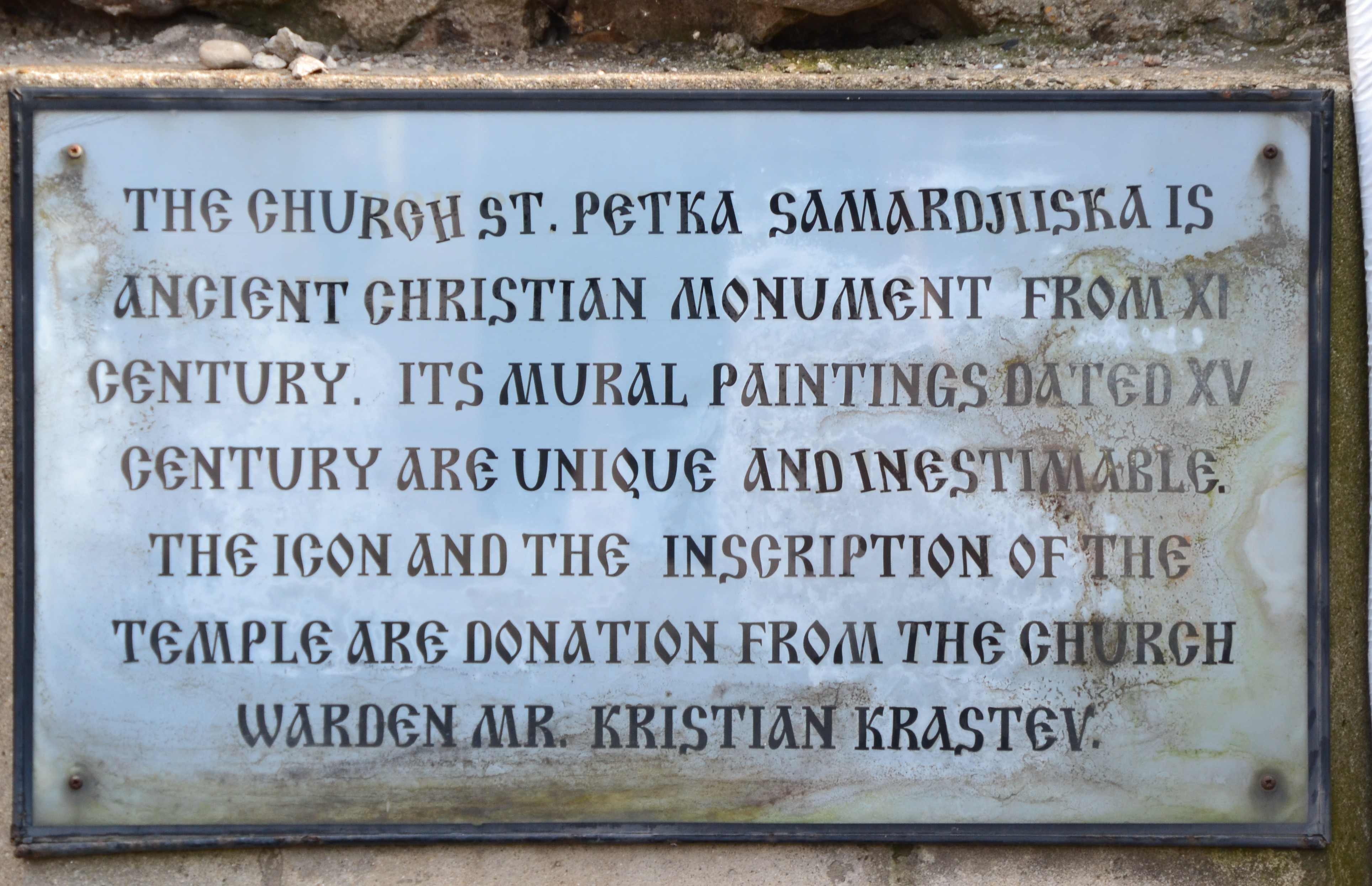
B . Rotunda Church
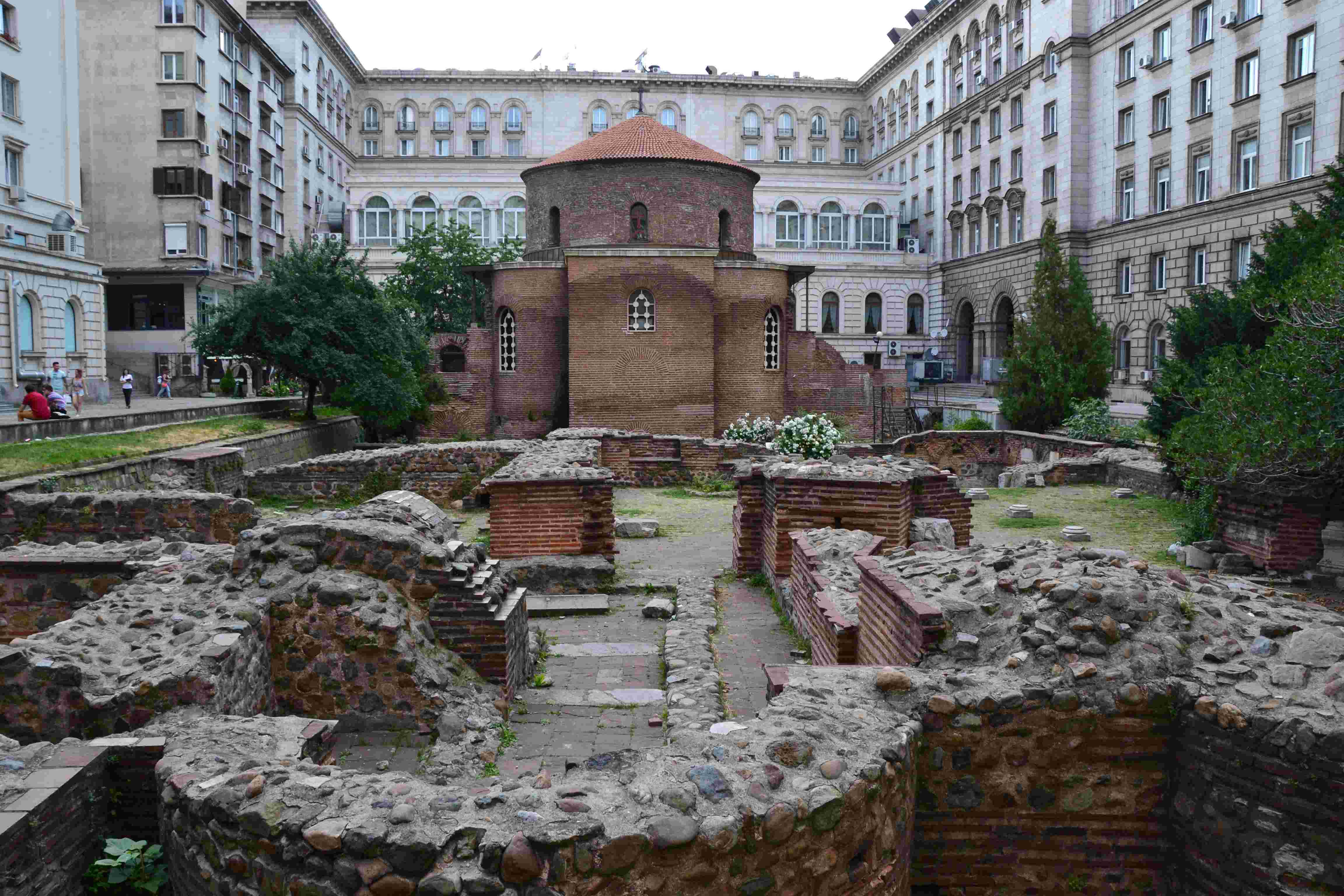
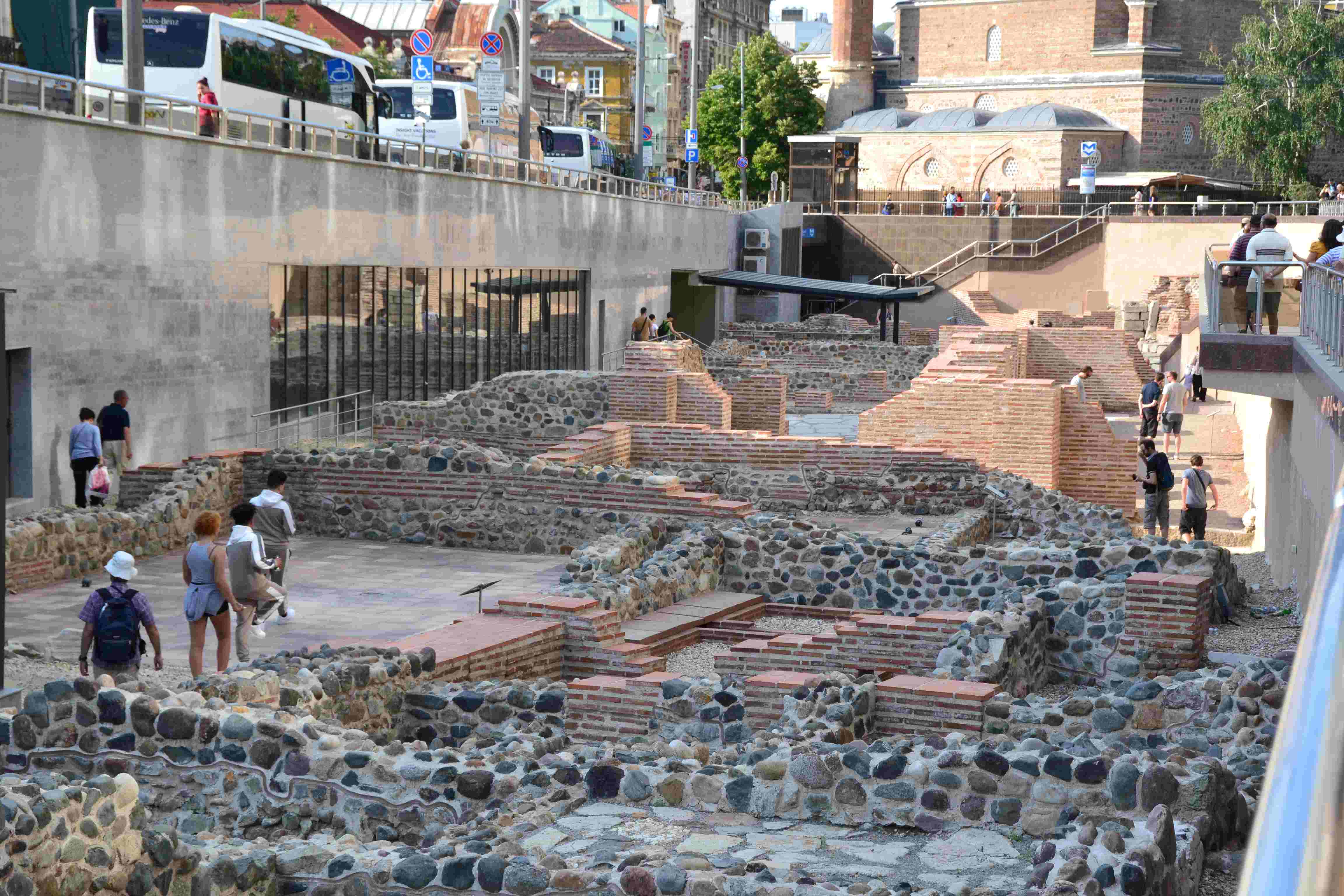
This church is built in the early 4th century and is the oldest church in Sofia. It is a Late Antique red brick Rotunda and originally built as Roman baths but later became a church inside the walls of Serdica, capital of ancient Dacia Mediterranea during the roman Empire and Byzantine Empire. (Wikipedia)
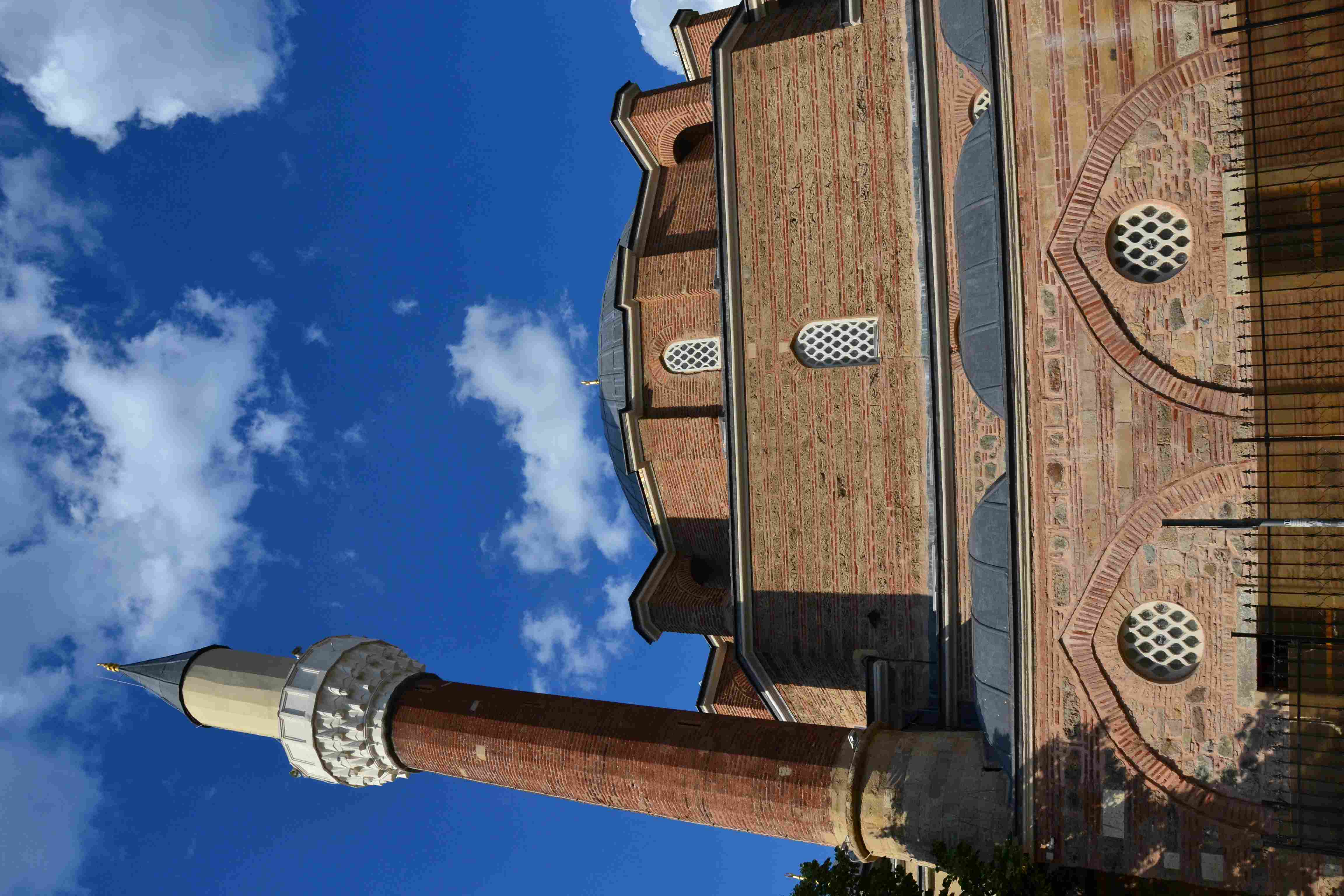
C. Other sights of Sofia
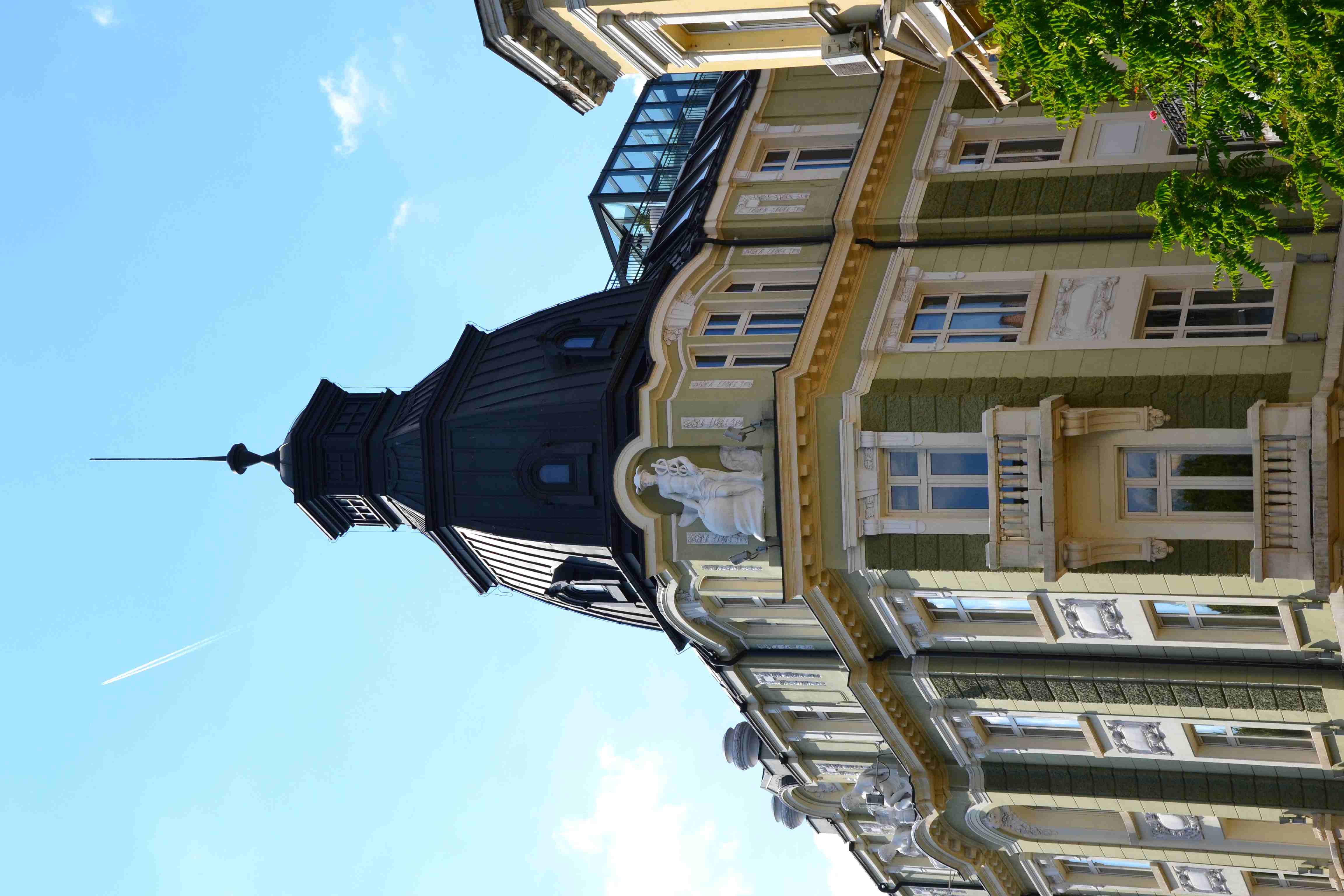
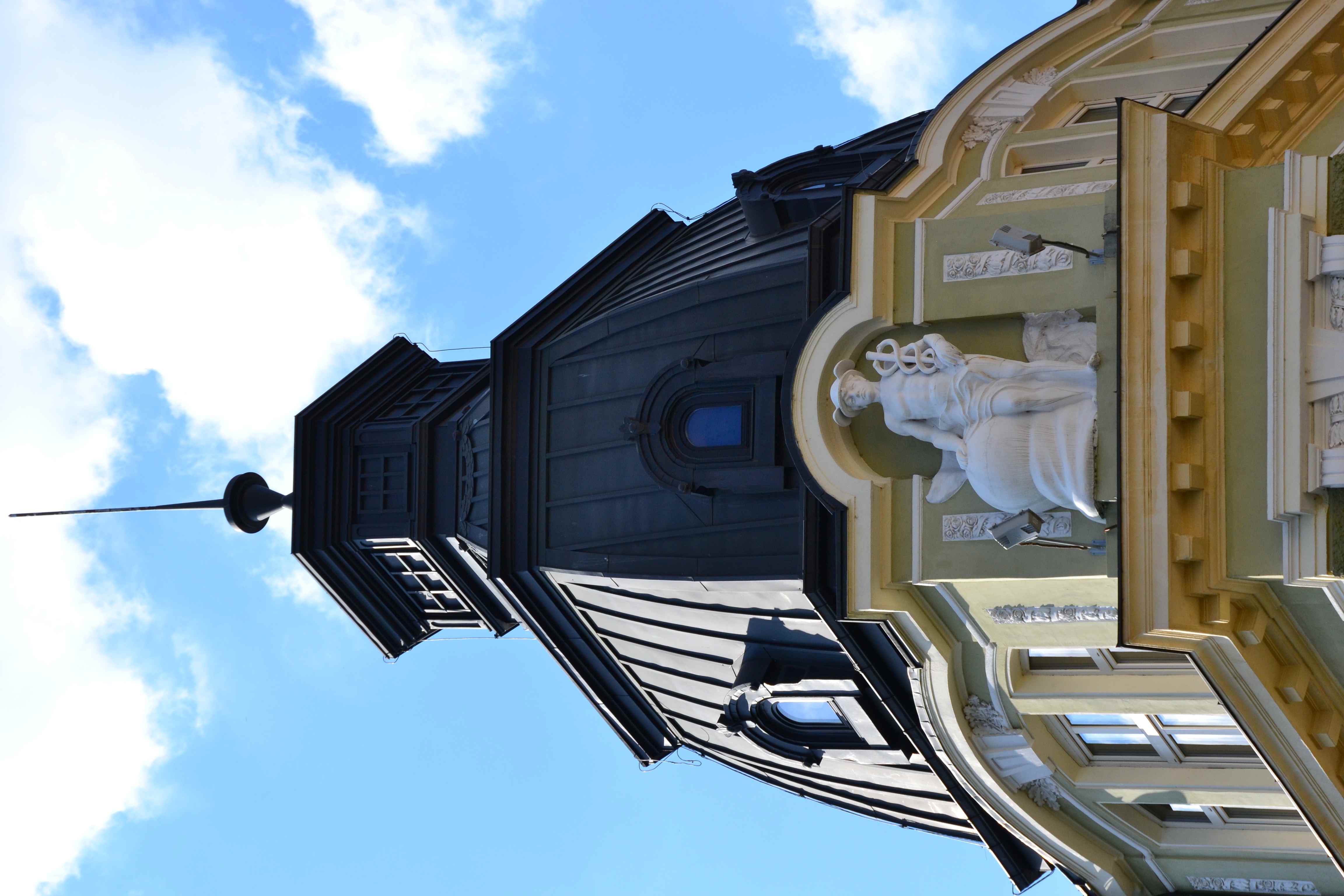
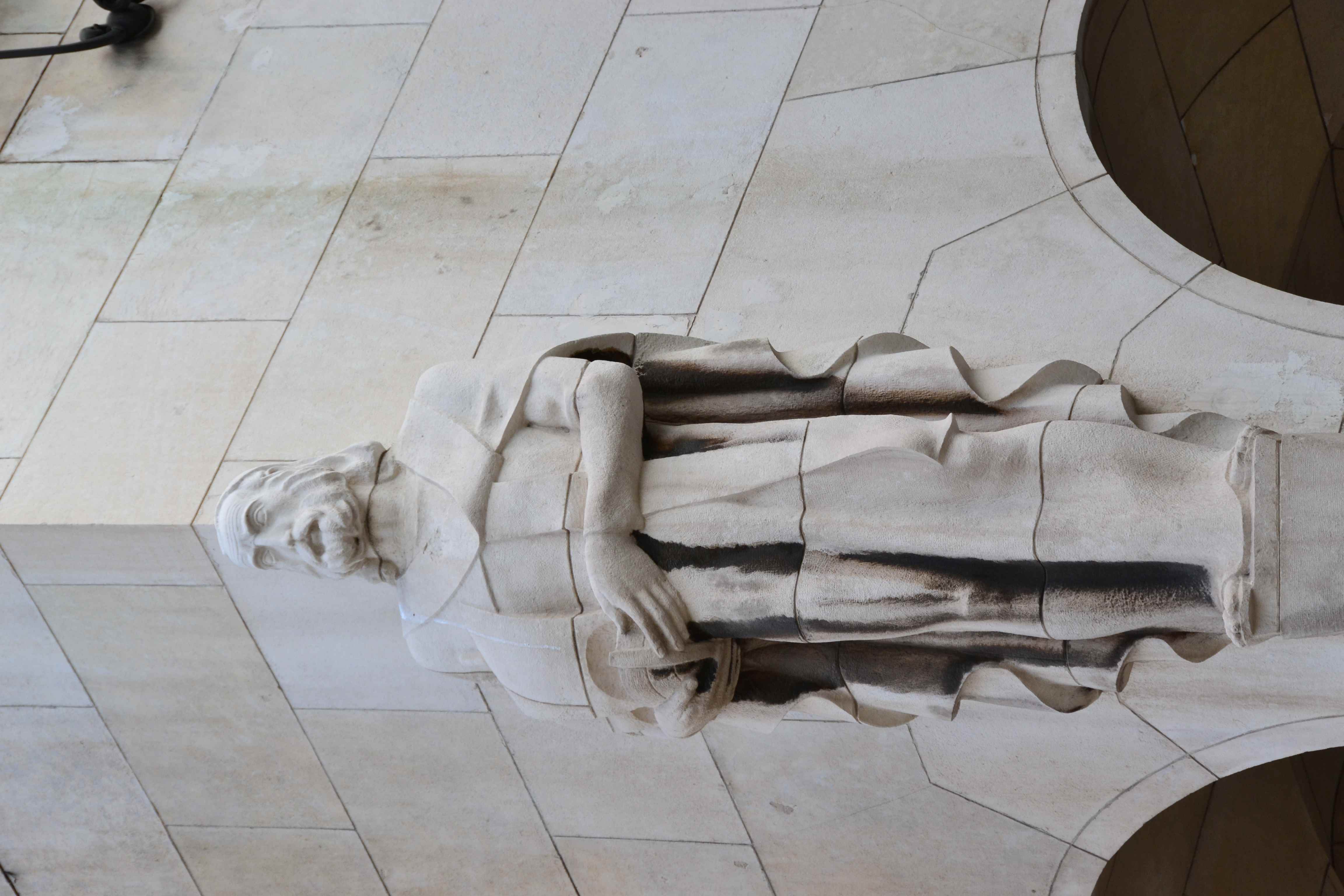
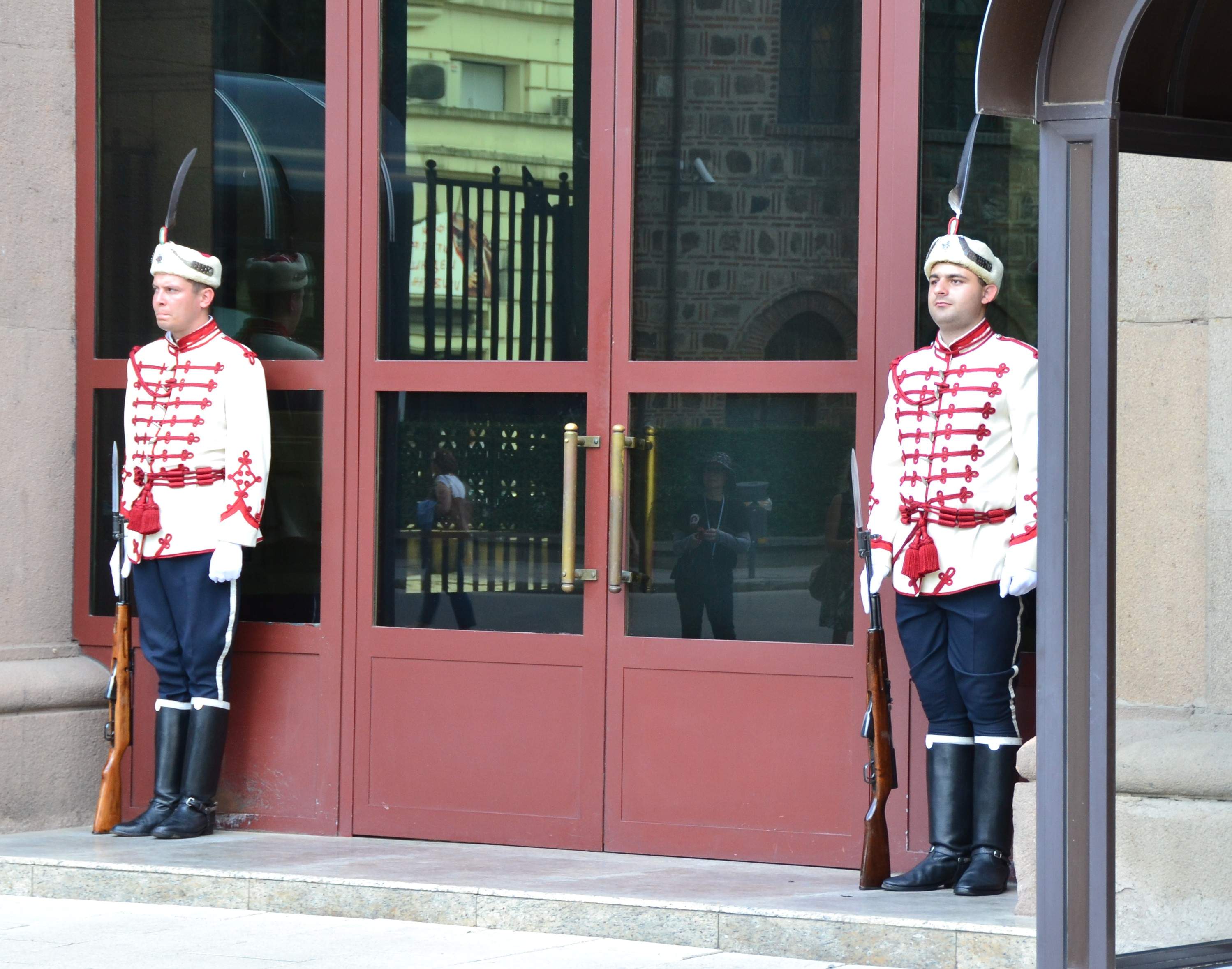
D. On the way to Rila Monastery

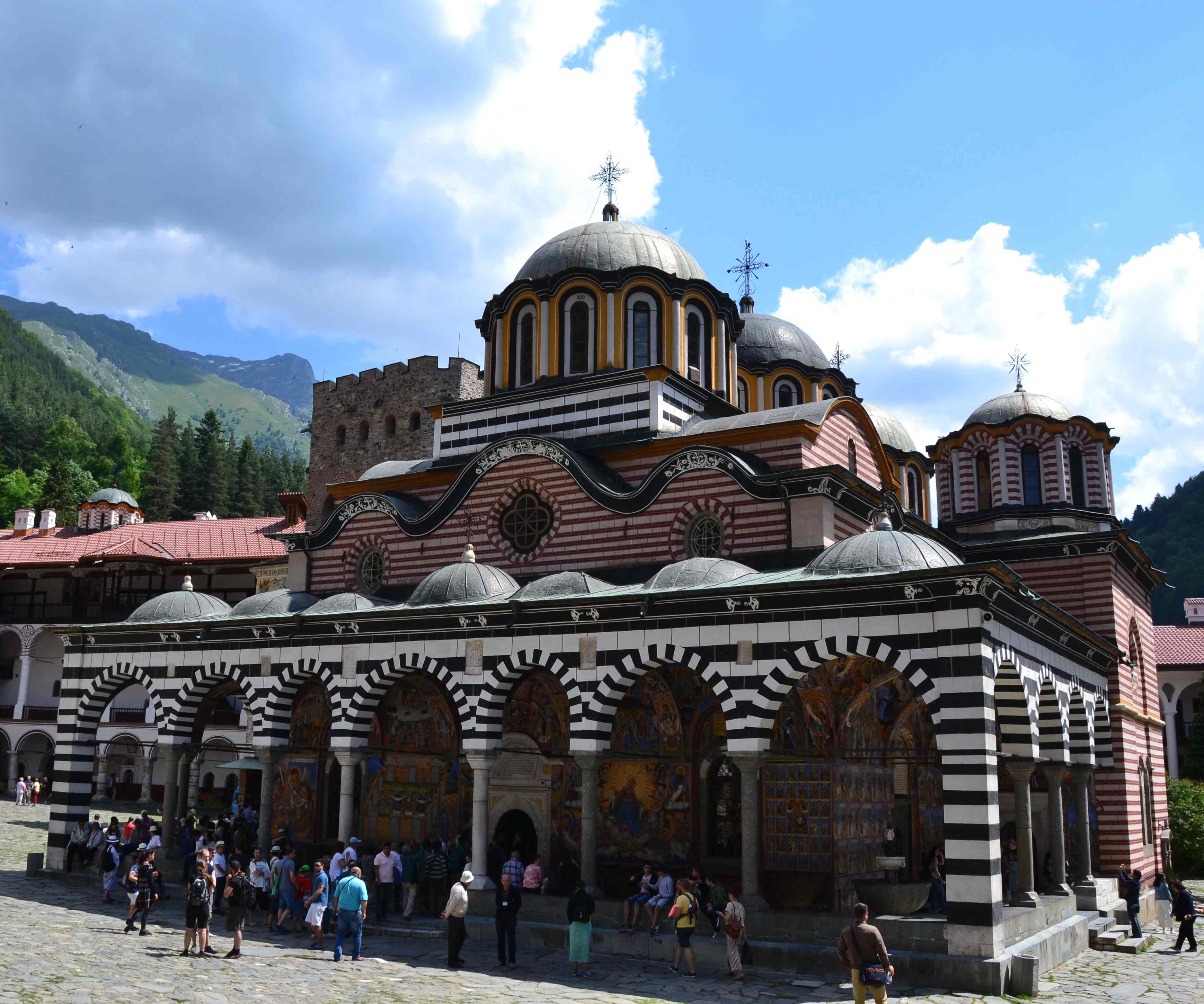
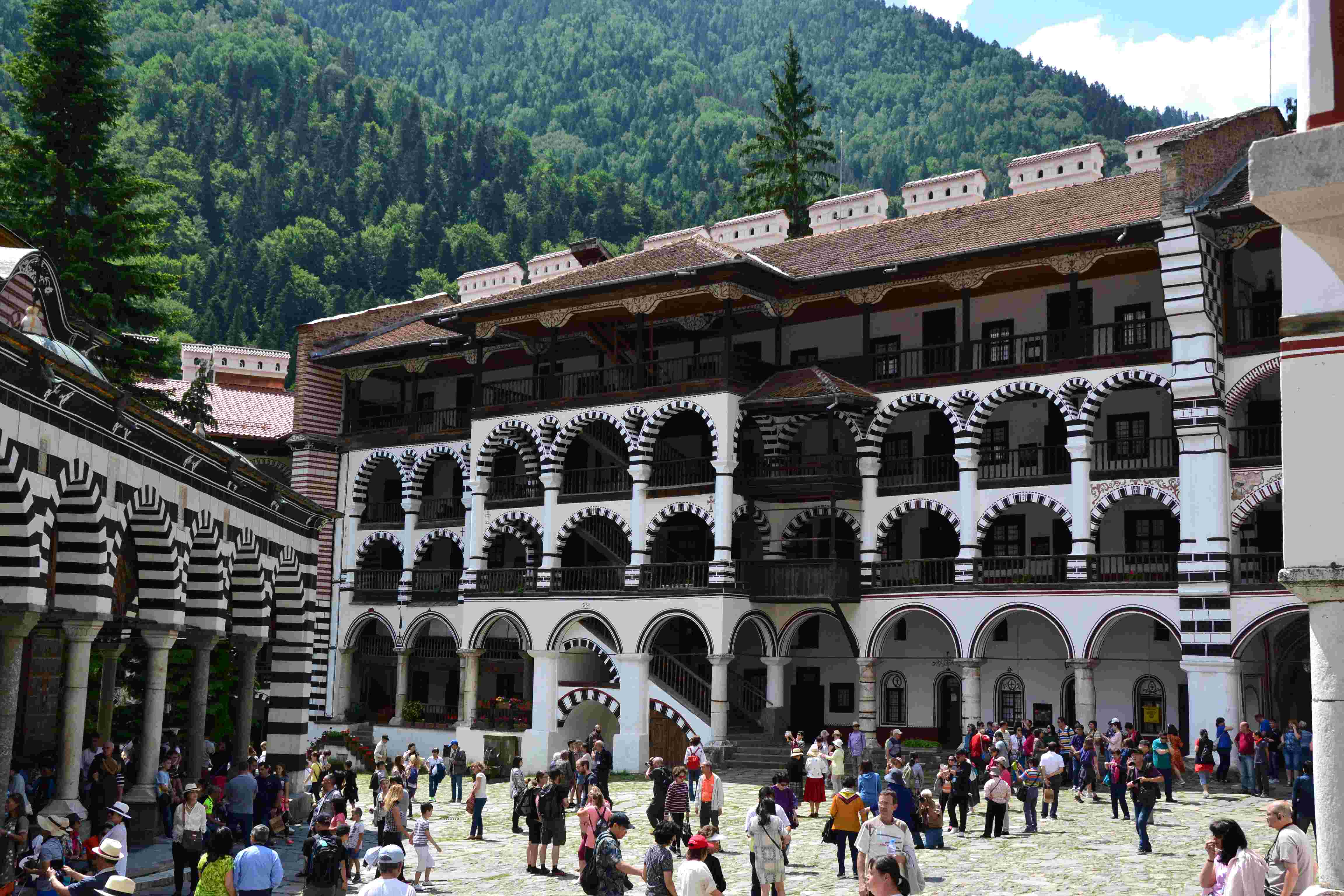
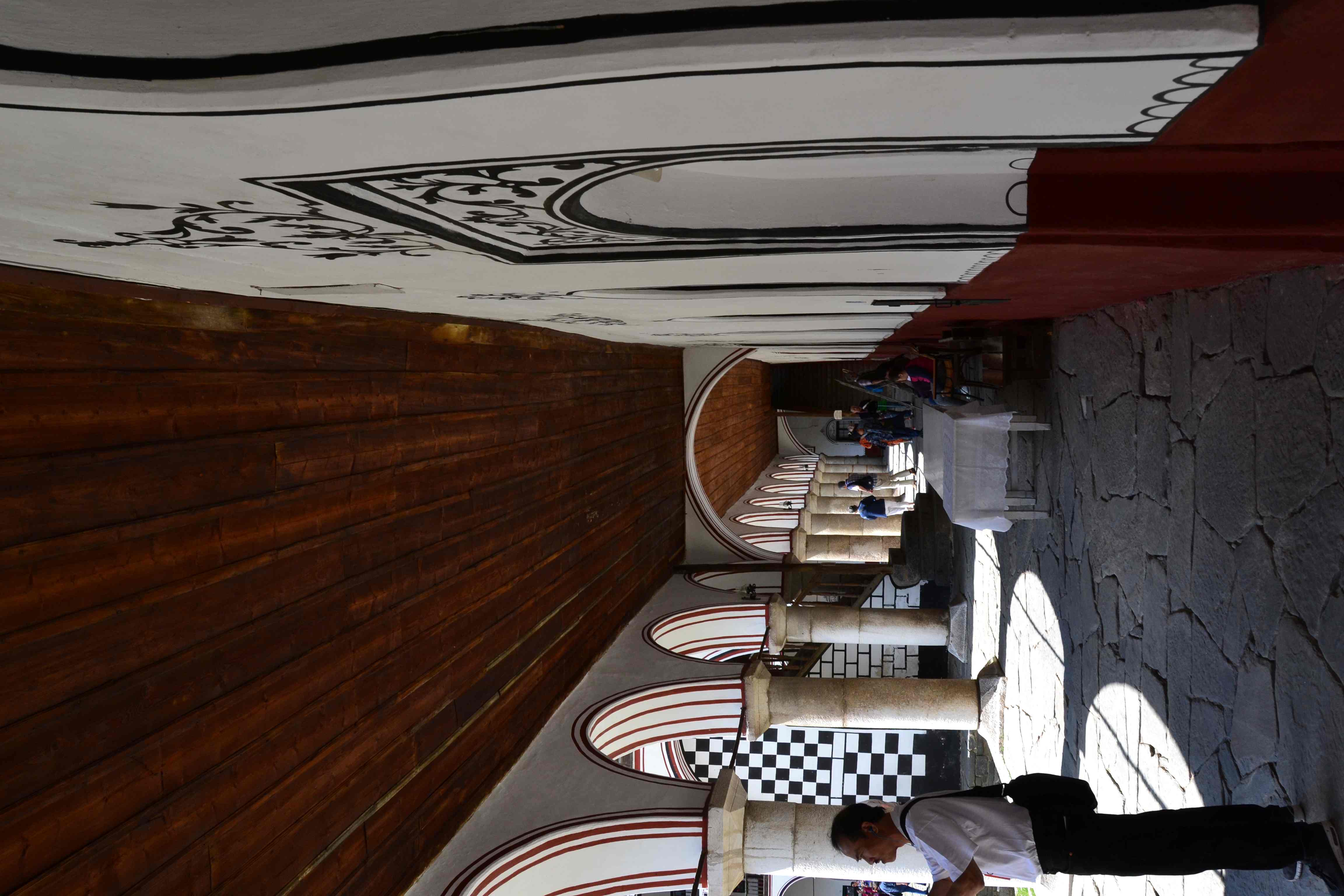
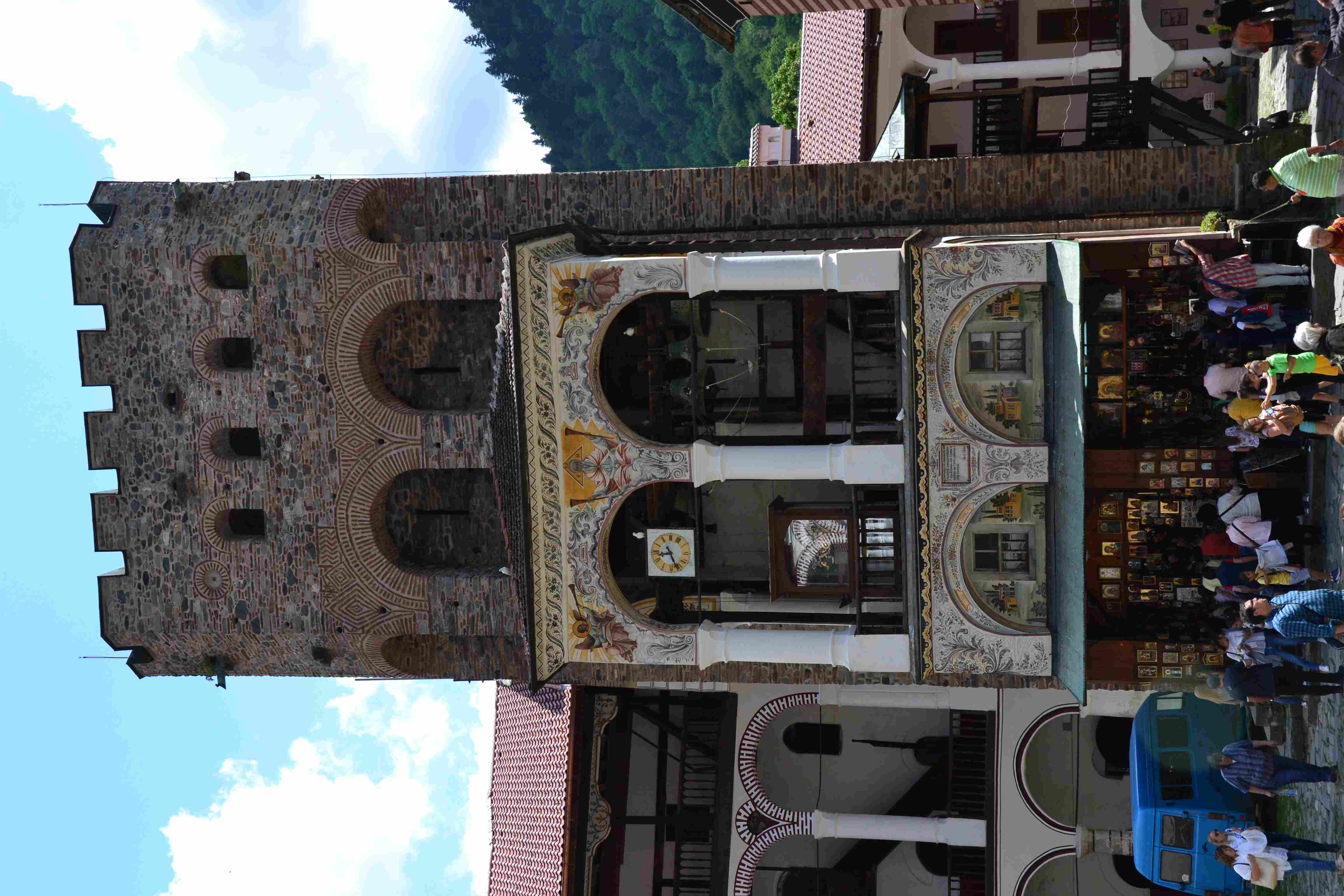
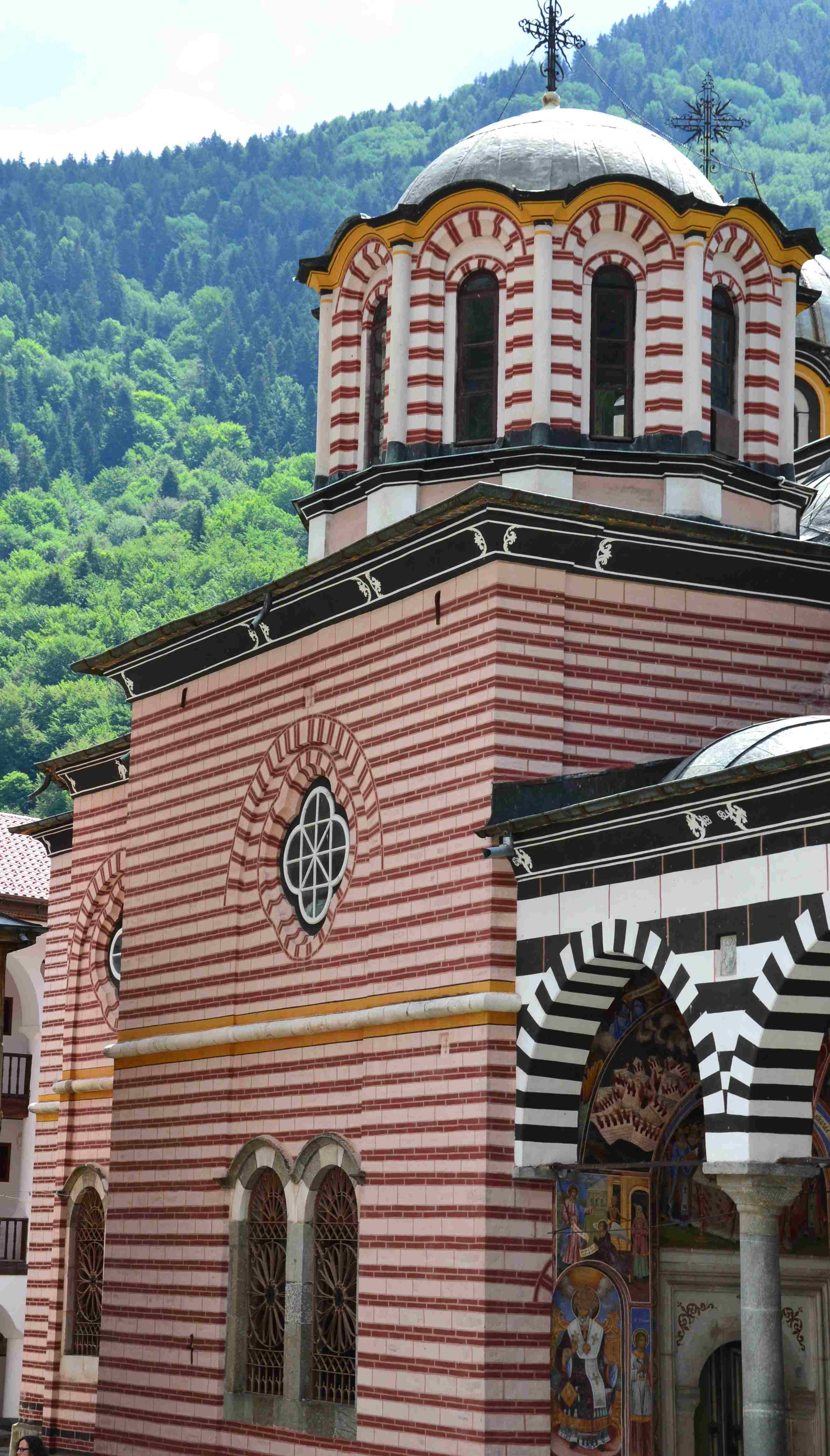
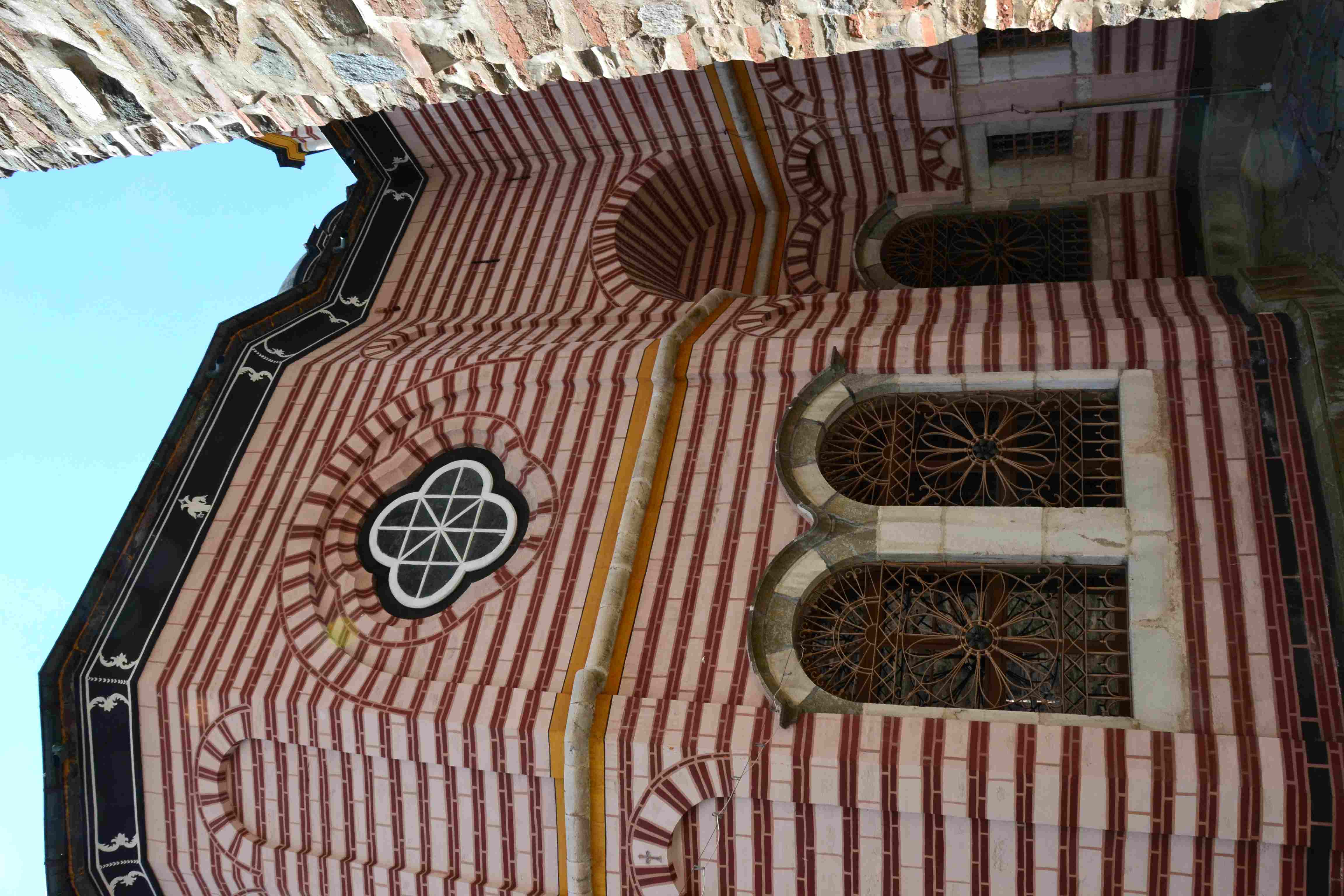
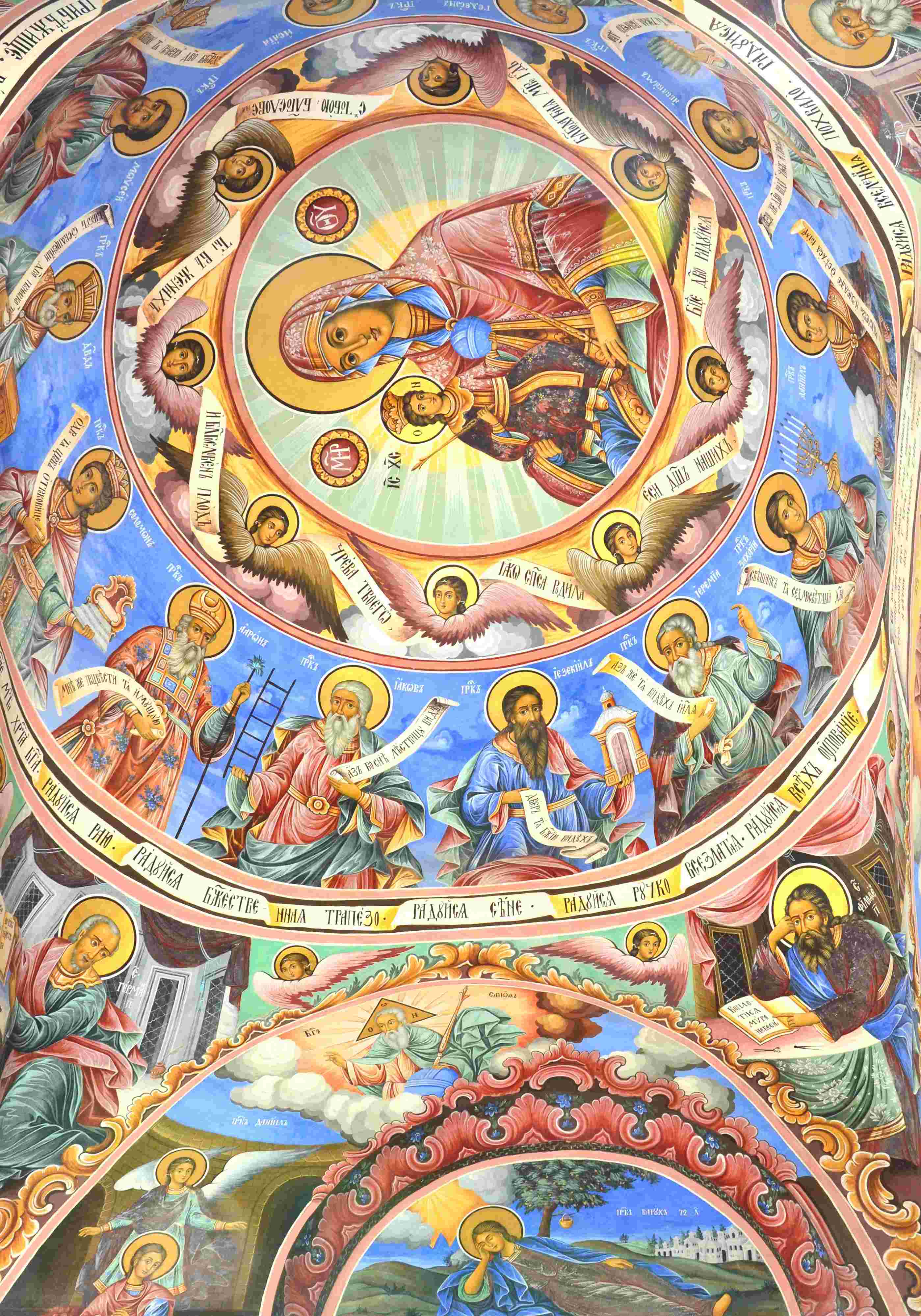
E. Rila Monastery (Monastery of Saint John of Rila)
Apparently, Rila Monastery is the most famous and largest Eastern Orthodox monastery in Bulgaria. It is Located in the southwestern Rila Mountains – 117 km (73 mi) south of the capital of Bulgaria, Sofia.
Rila monastery is named after its founder, the hermit Saint Ivan of Rila (876-946 AD). The monastery houses 60 monks and is a popular pilgrimage site for many Orthodox Christians. We understood why – once you see these structures, you would never forget the colorful sights. We would not mind visiting there again.
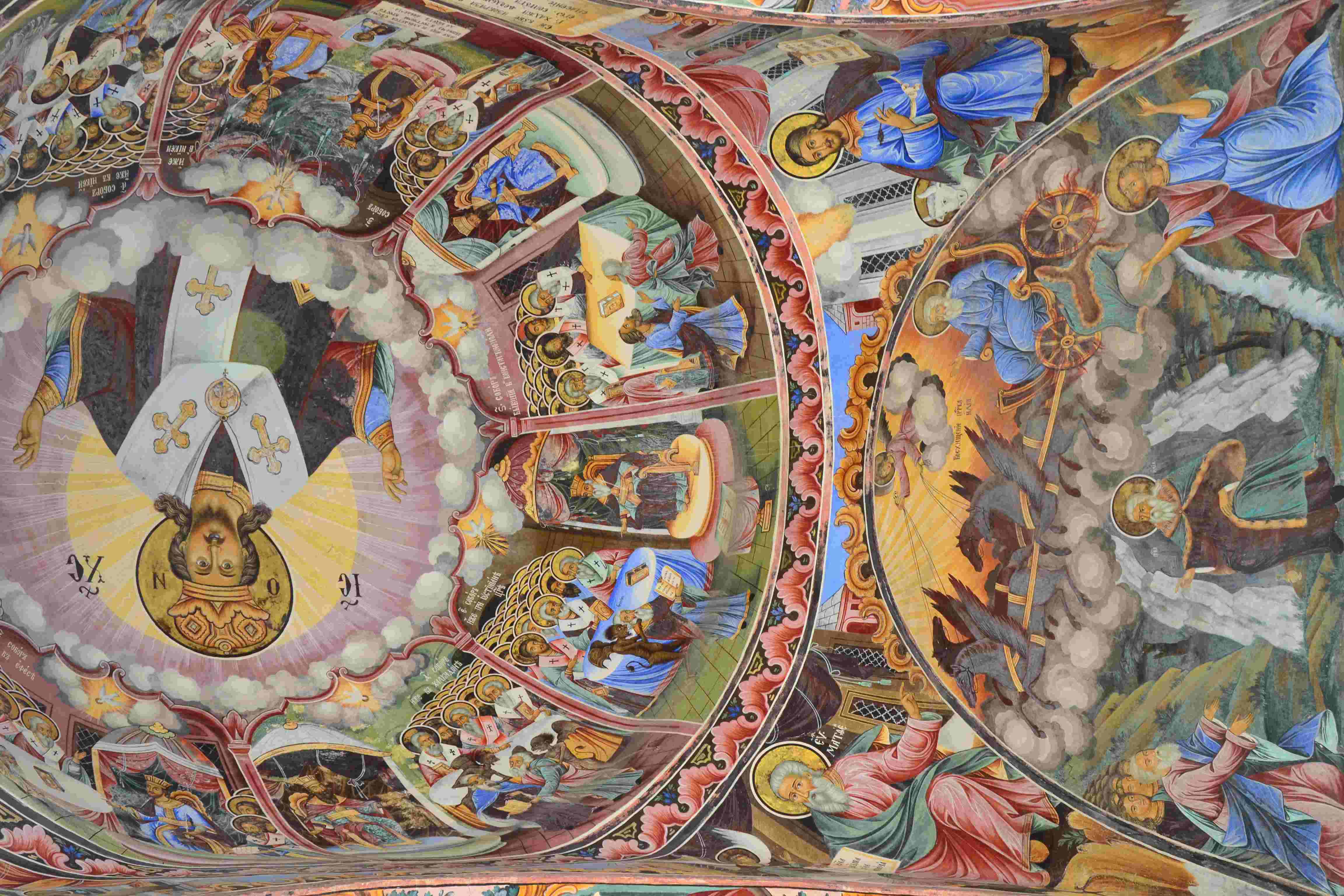
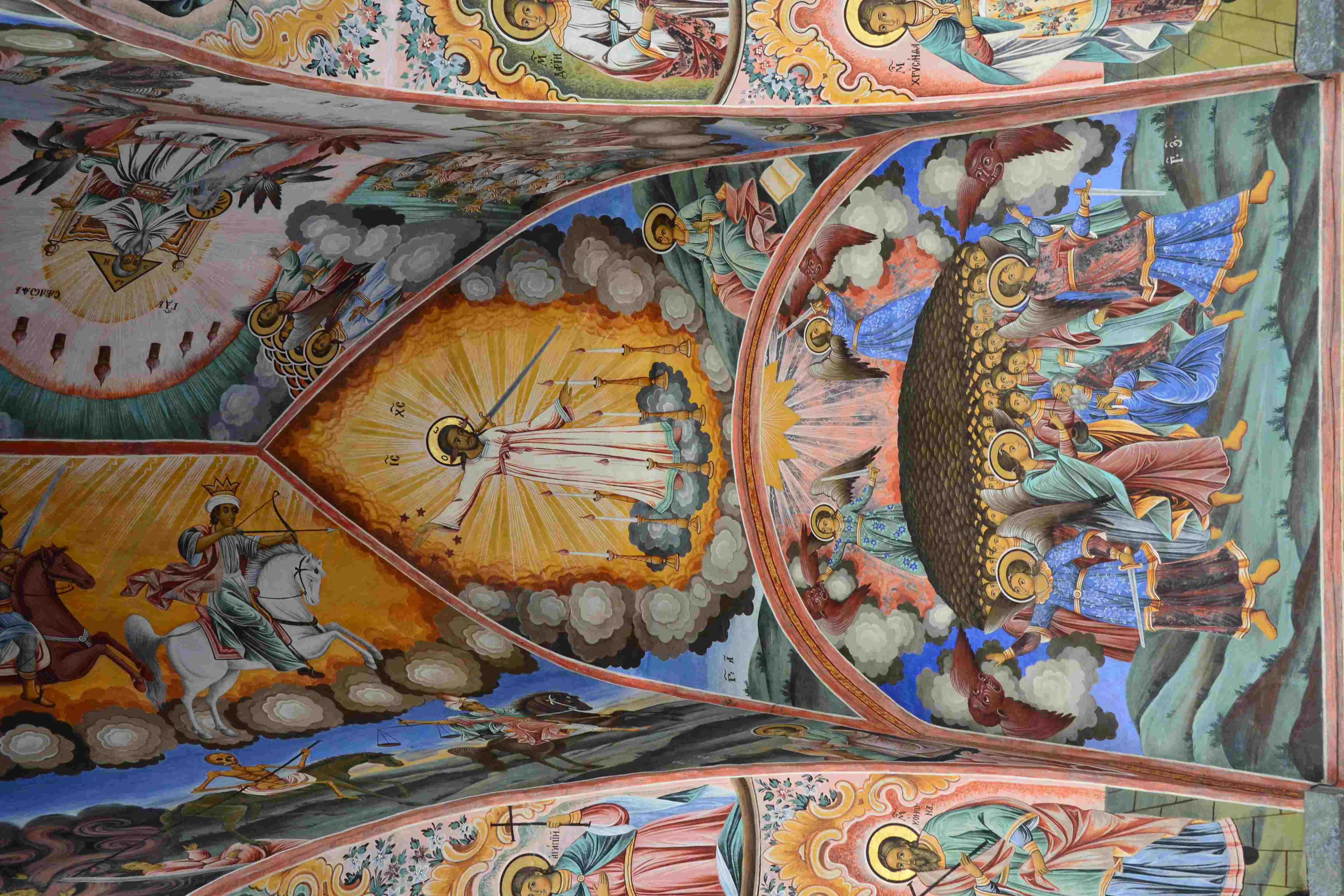
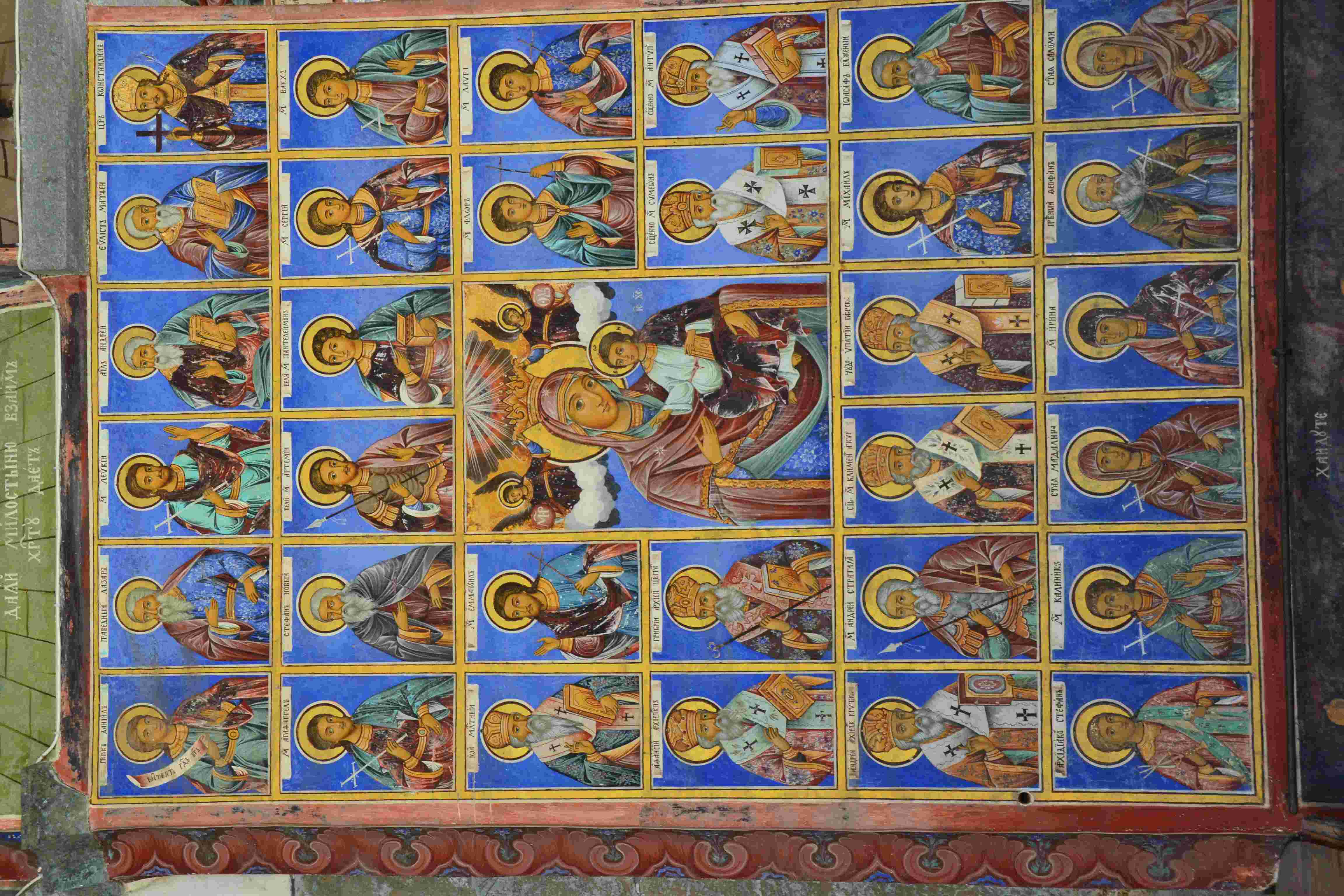

F. On the way to the next country Macedonia
The below sights caught our eye while we were on our bus going to visit our next destination Macedonia.
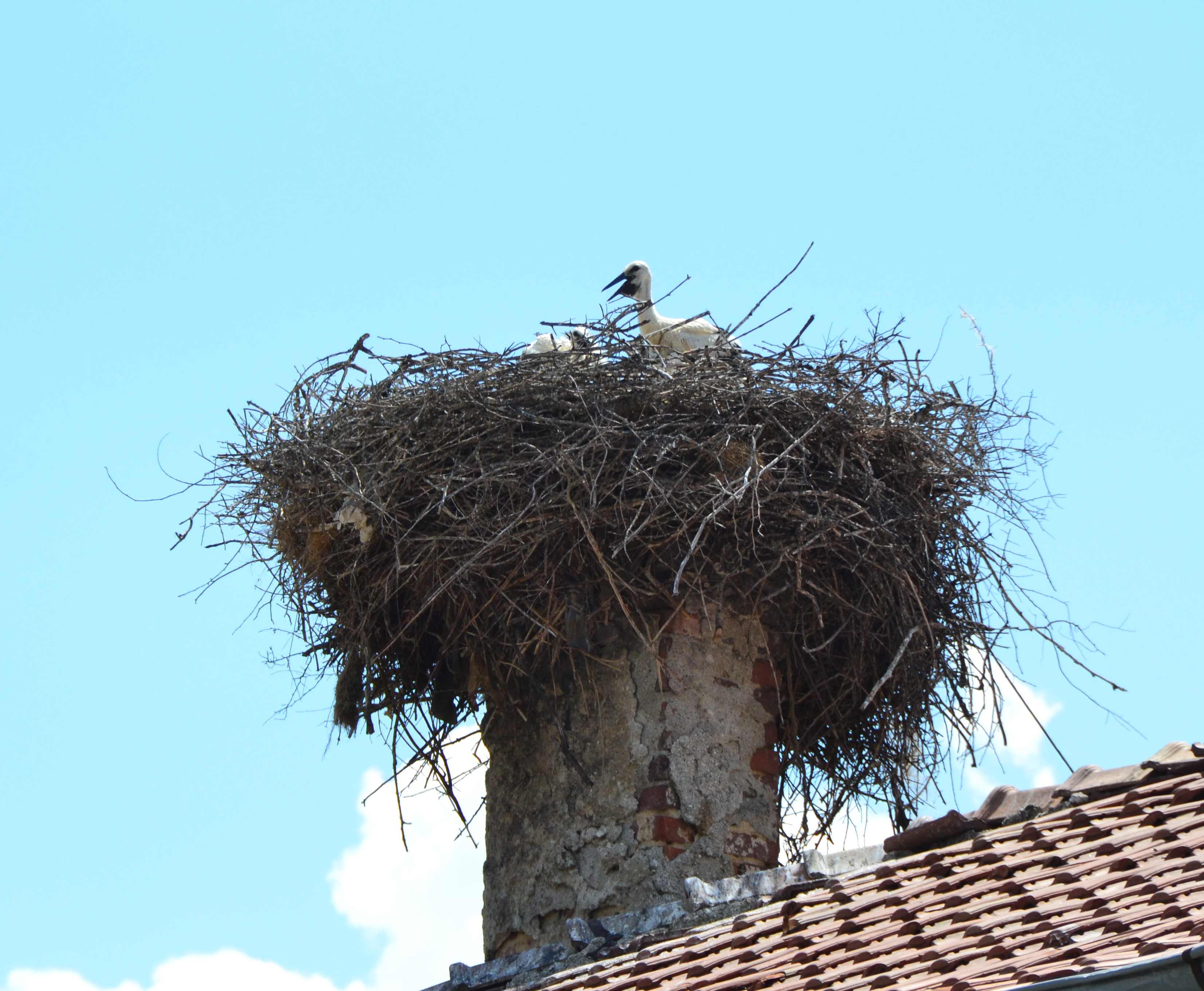
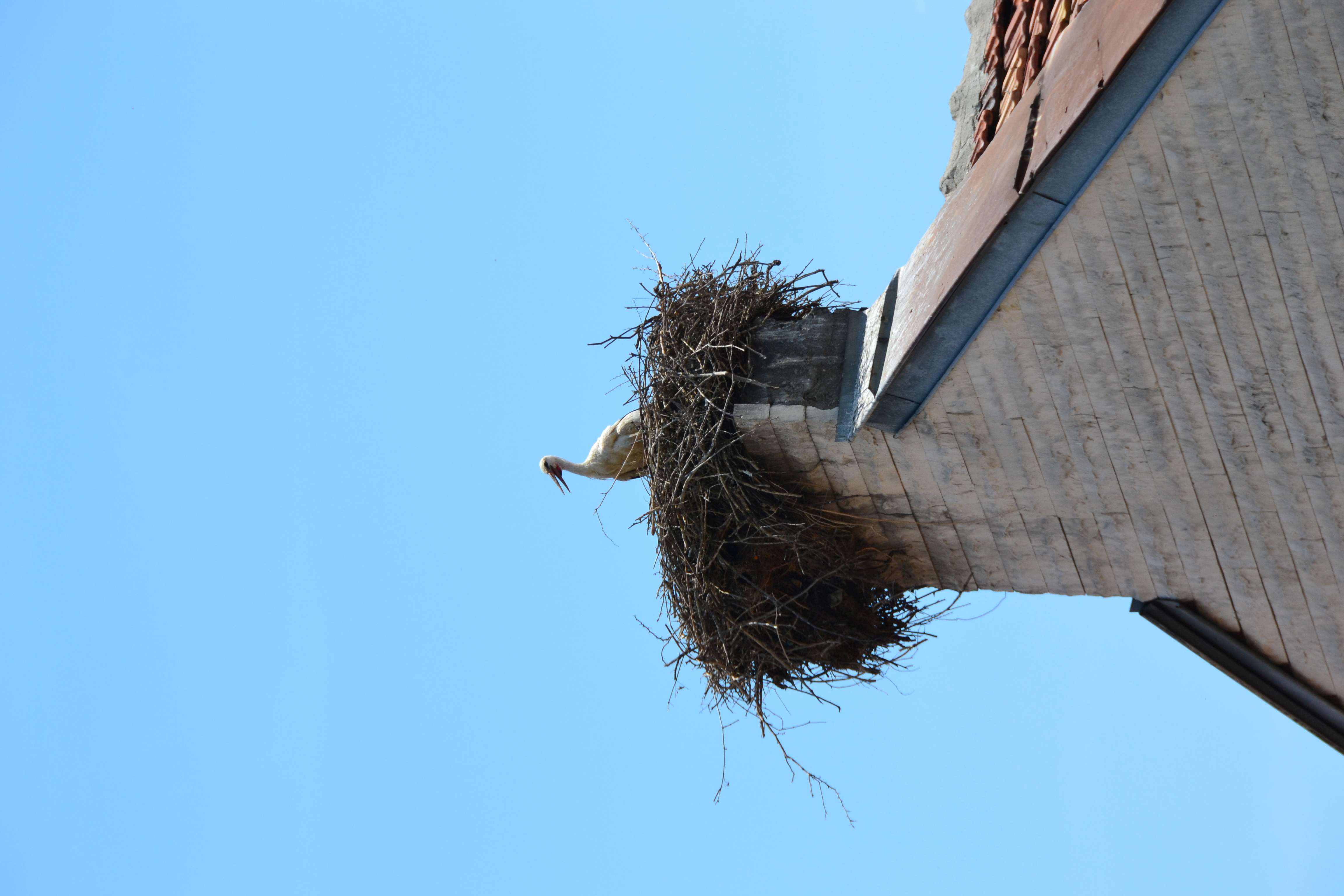
We had never seen the actual nests of storks before. Every nest we saw was on the chimney. Very interesting sights.
We had no idea what building this was, but the fountains were very neat.