European Bus Tour 1: Romania
Photos by Philip Galvin
In 2018, we took a bus tour starting from Rumania, visiting 9 countries as follows:
- Romania*
- Bulgaria
- Macedonia
- Albania
- Montenegro
- Croatia
- Bosnia
- Serbia
- Hungary
1. Bucharesst
Bucharest is a capital and is the largest city in Romania. It earned the nickname of “Paris of the East” during the period between the two World Wars as the city’s elegant architecture and the sophistication its elite. Although the historic city center was destroyed by war, earthquakes and Nicolae Ceausescu’s program of systematization, many survived and renovated to the present state.
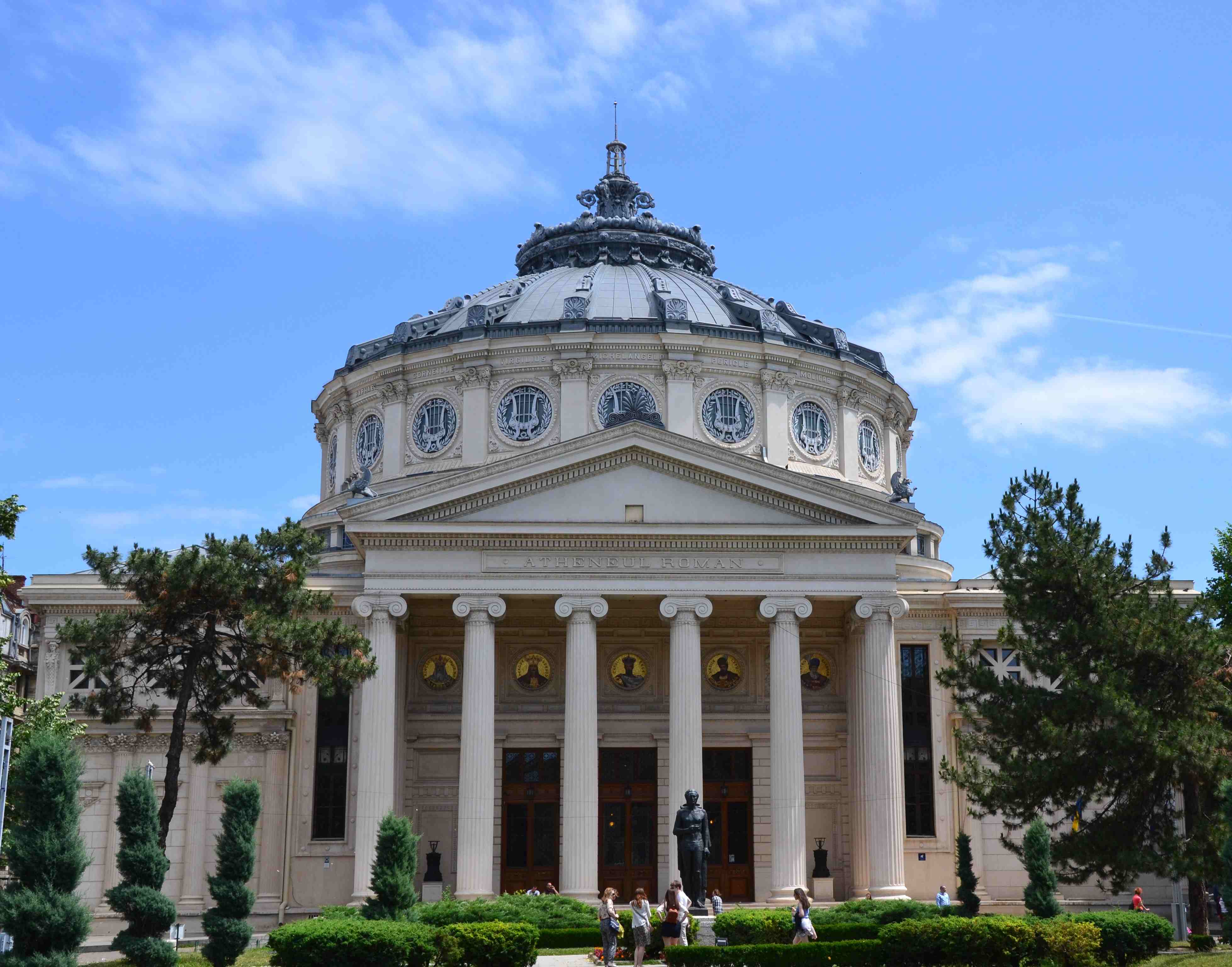
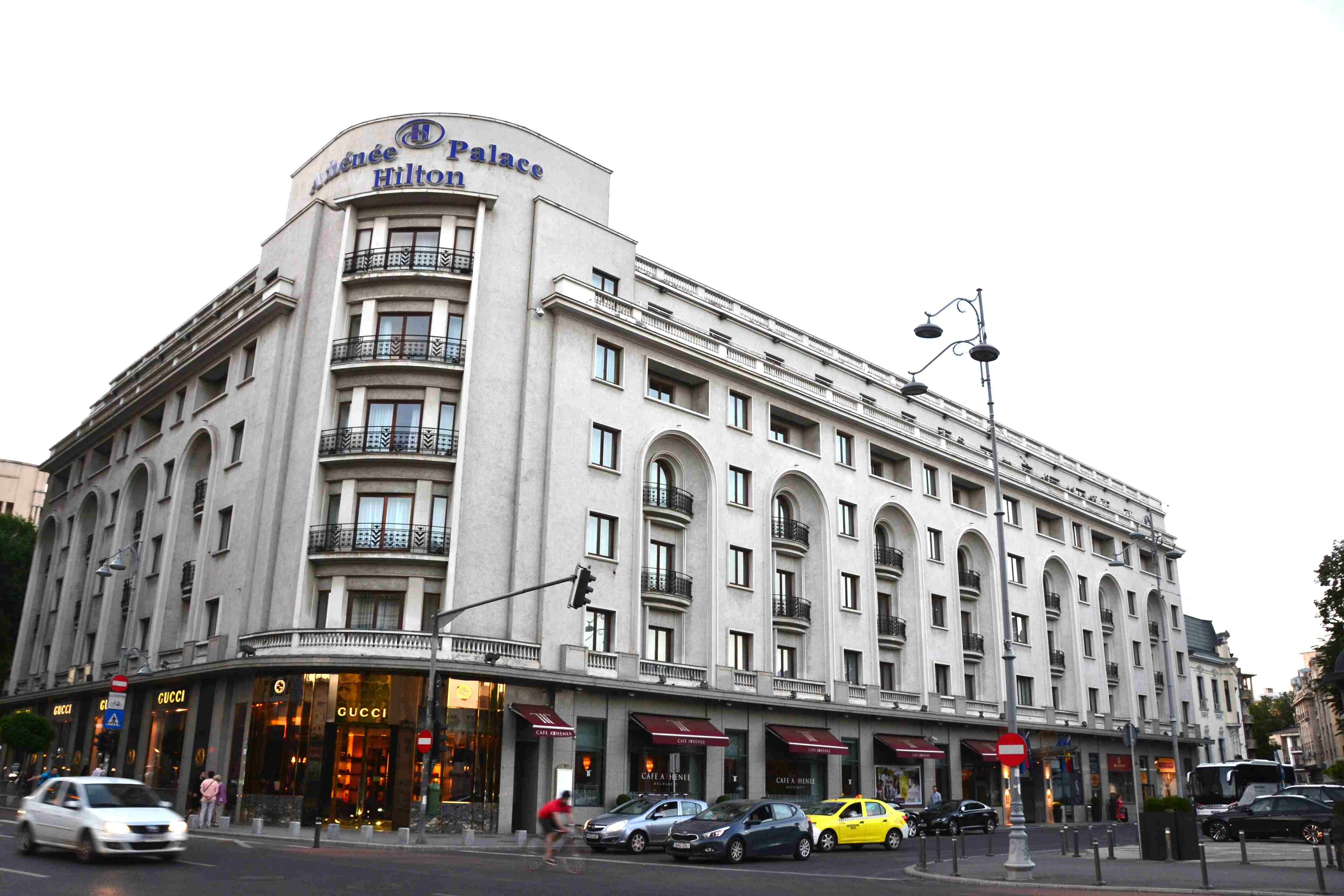
1) Romanian Athenaeum
Romanian Athenaeum is a concert hall and is a landmark of Romanian capital city. It is a home of the “Gorge Enescu” Philharmonic and is the most prestigious concert hall in the city.
2) Central University Library (The “Carol I” Central University Library)
This library is located in central Bucharest, across the National Museum of Art of Romania.
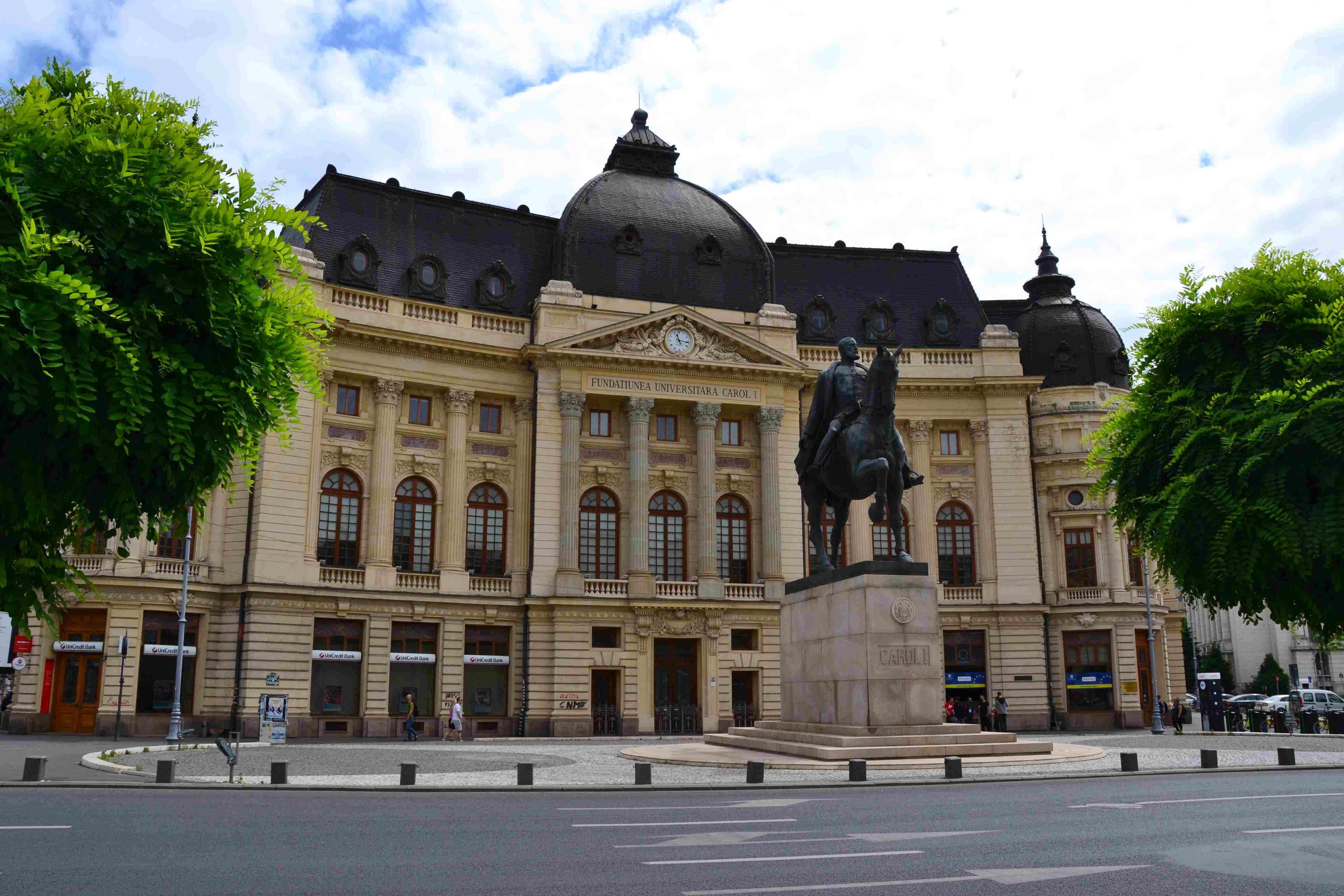
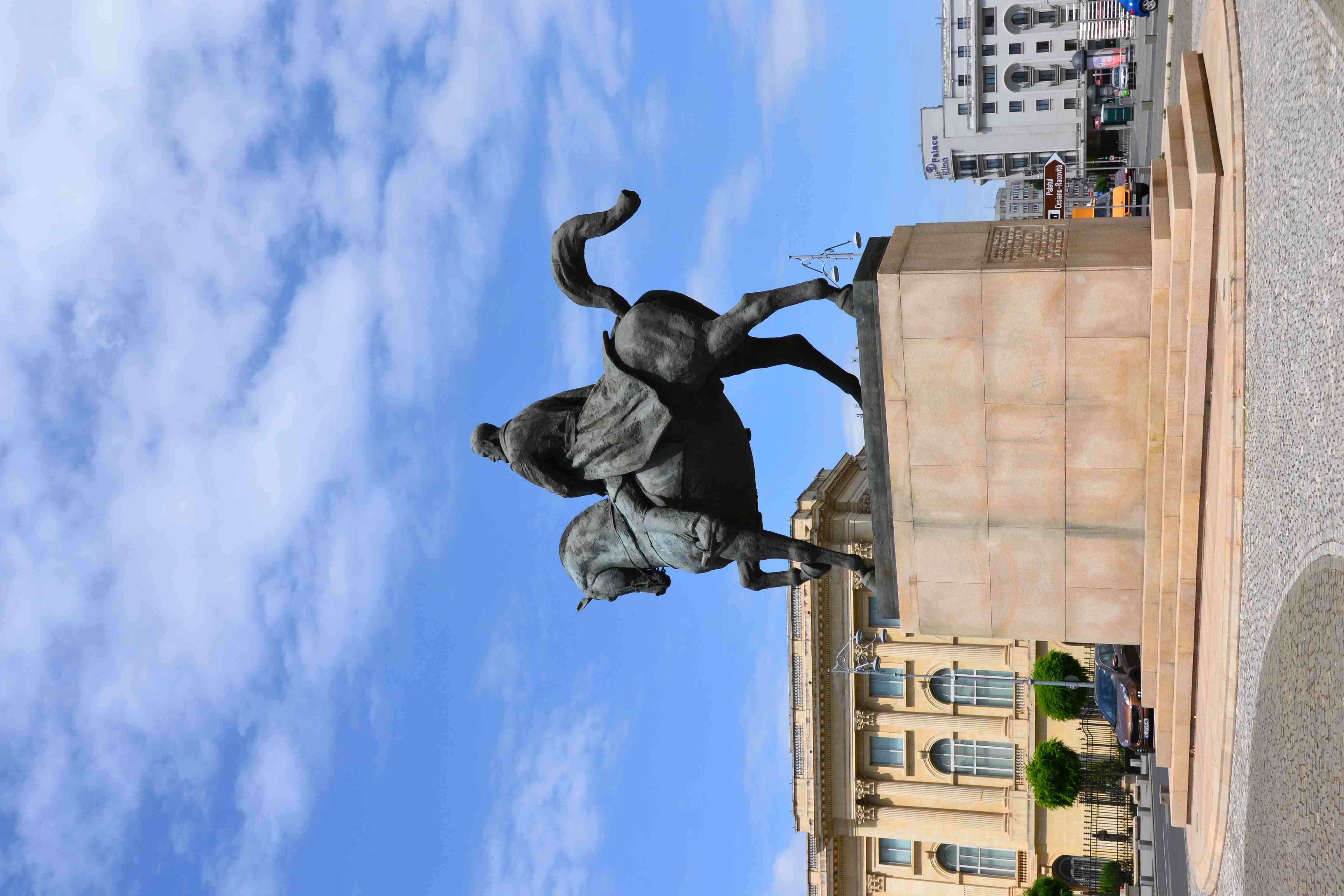
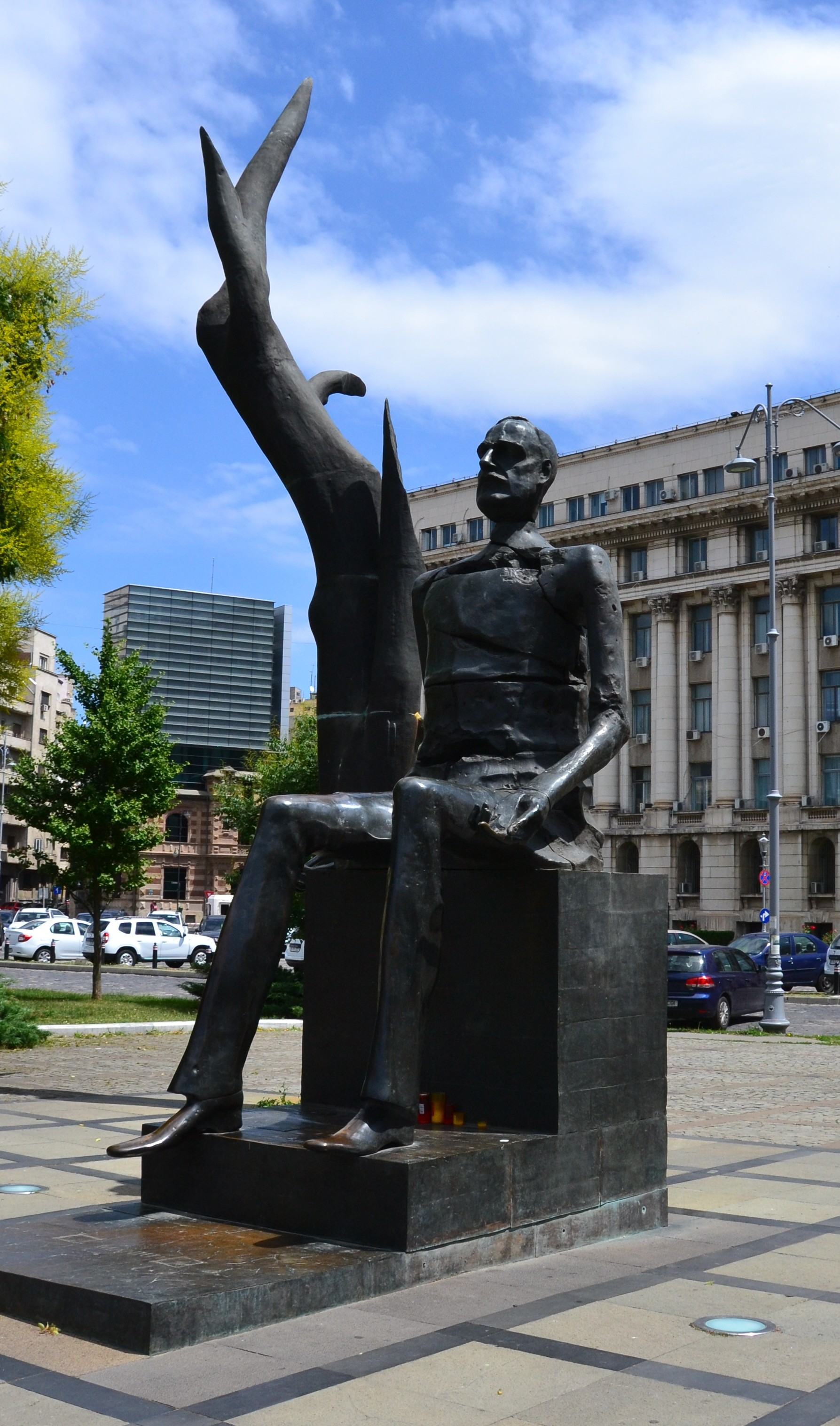
There was an impressive statue right in front of the library. Cast in bronze, it represents Carol I of Romania, the first King of Romania. During his reign, there was a War of Independence (Russo-Turkish War) in which Romania gained its independence from the Ottoman Empire in 1877.
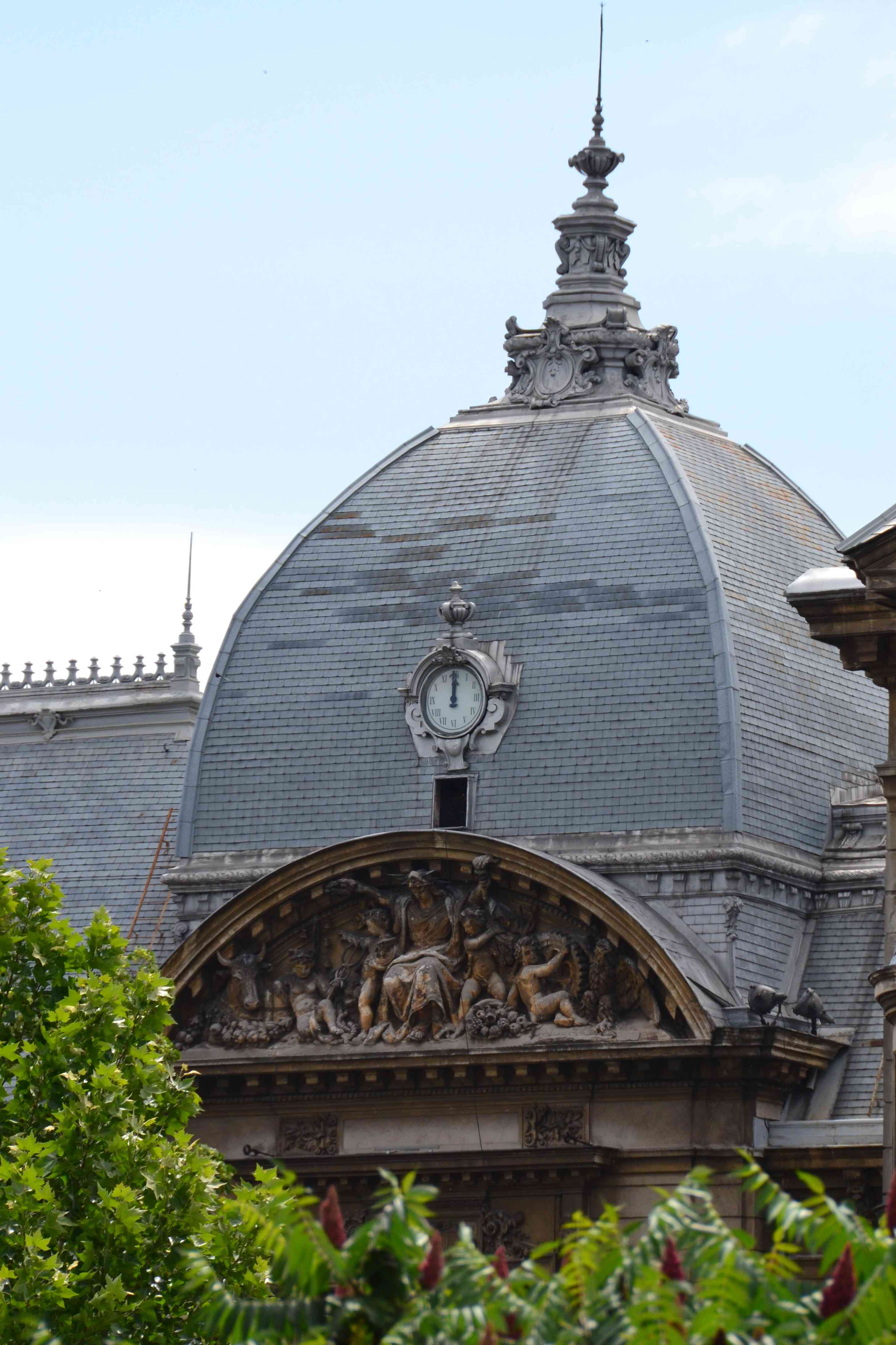
4) University Square
University Square marks the northeastern boundary of the Old Center of Bucharest.
5) National Theatre
The National Theatre has a new face, dominated by futuristic elements, after a project costing up to 65 million euros since the end of 2014.
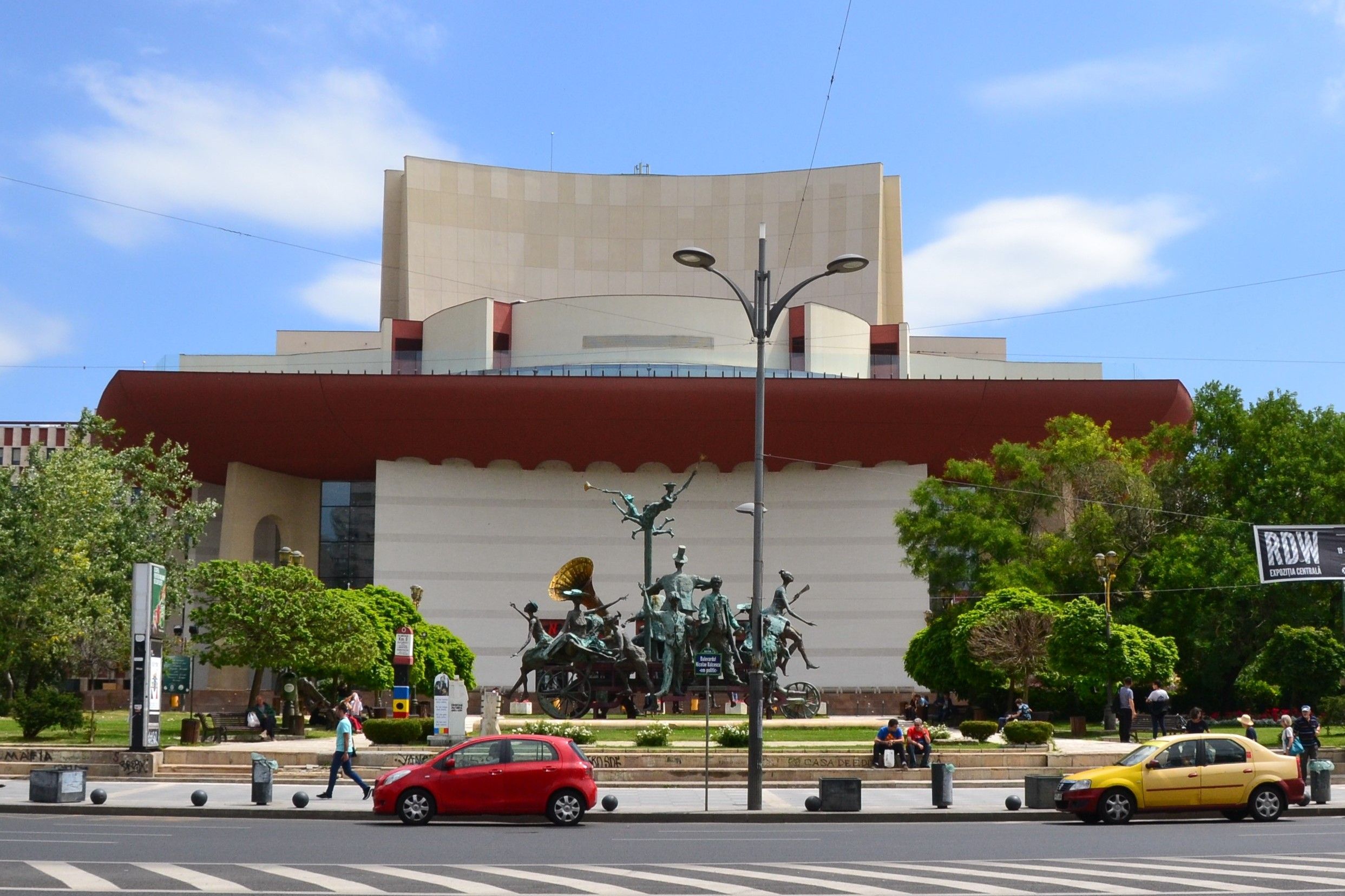
6) Grupul Statuar
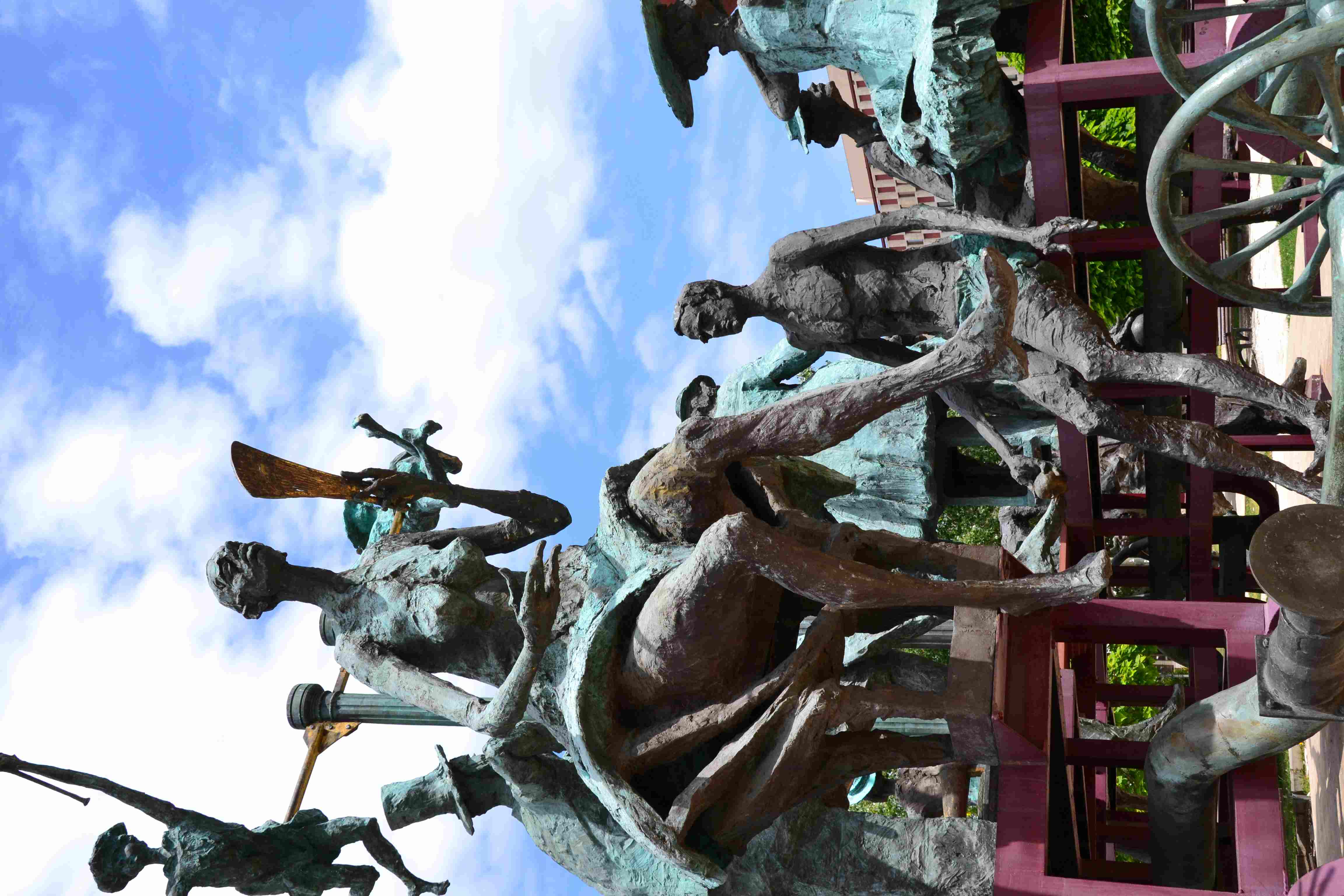
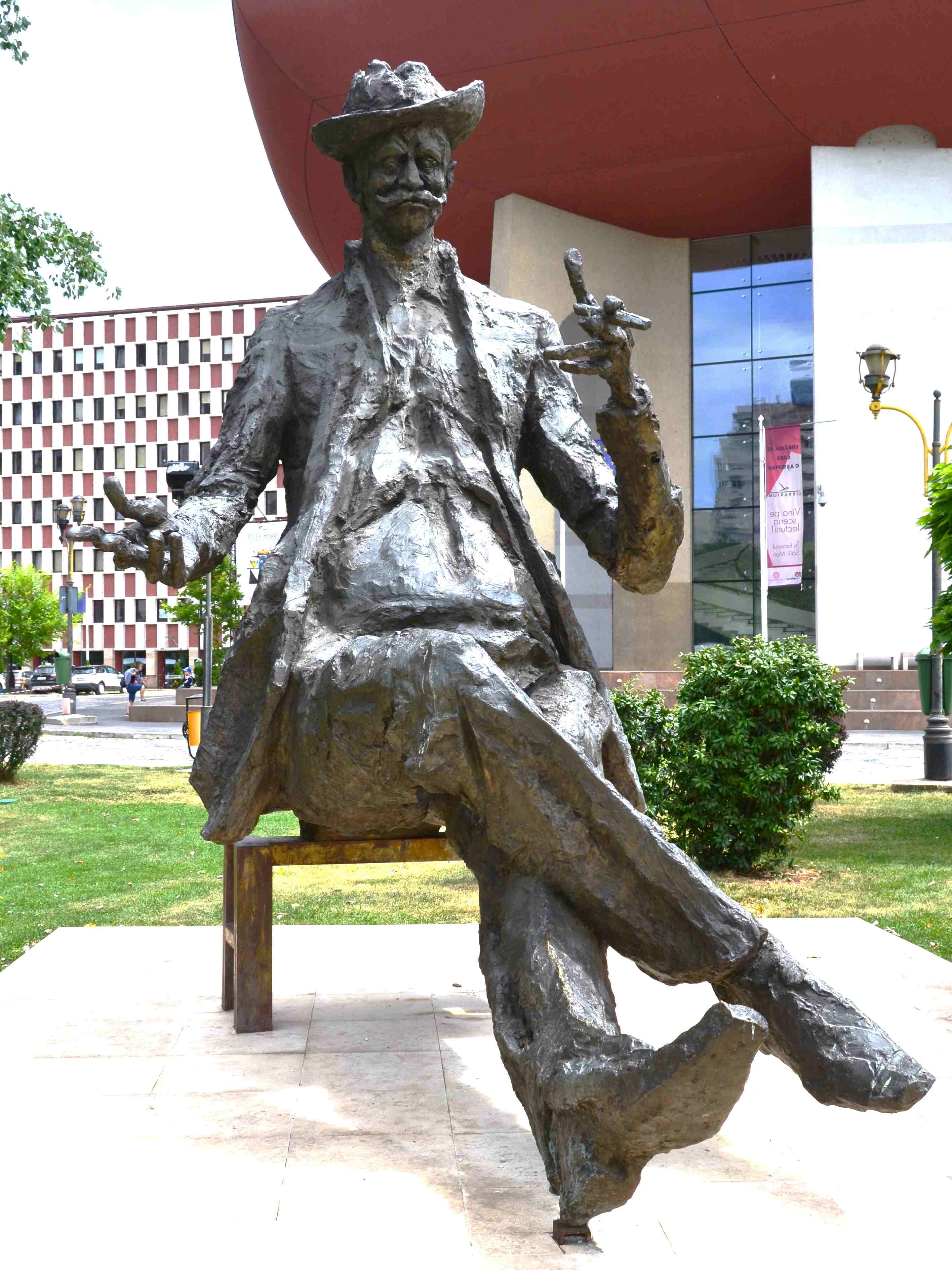
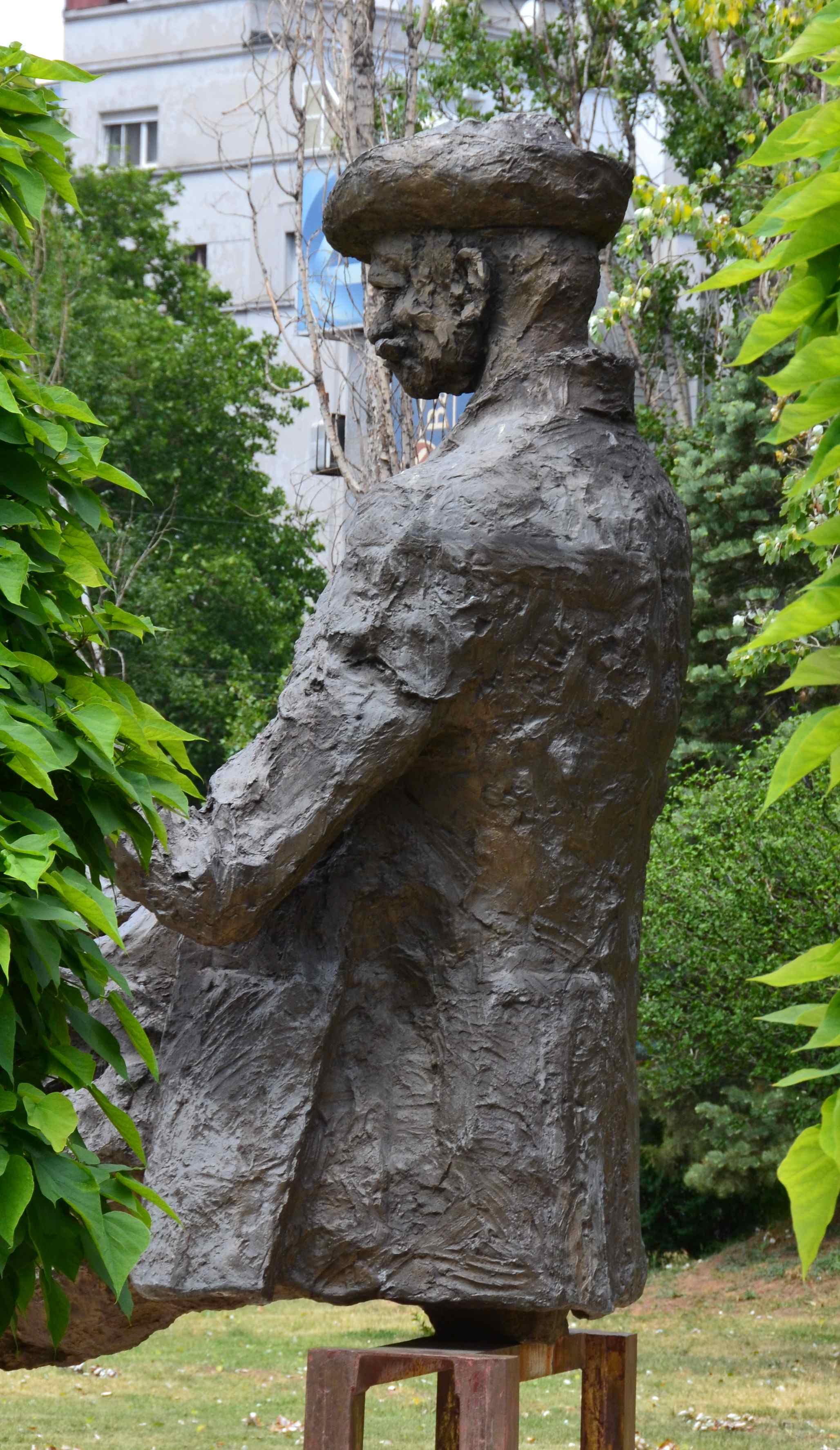
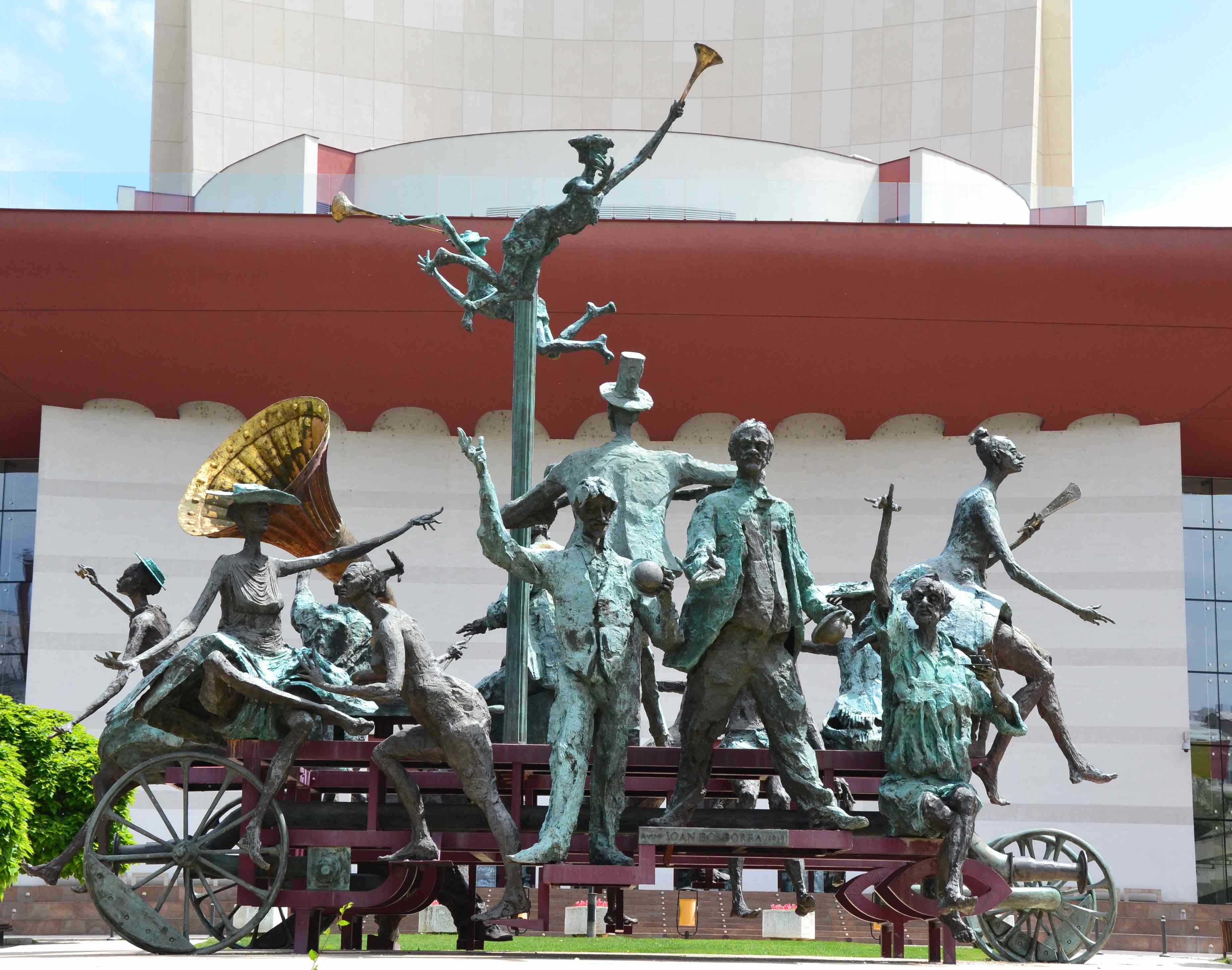
In front of the Romania’s National Theatre, we saw the Grupul Statuar, which was sculpted by Joan Bolborea in honour of Romania’s favourite playwright, Ion Luca Caragiale. It was unveilled in December 2010 and features characters from one of Caragiale’s plays. We wound up circling around the statue a few times as all the details were so facinating.
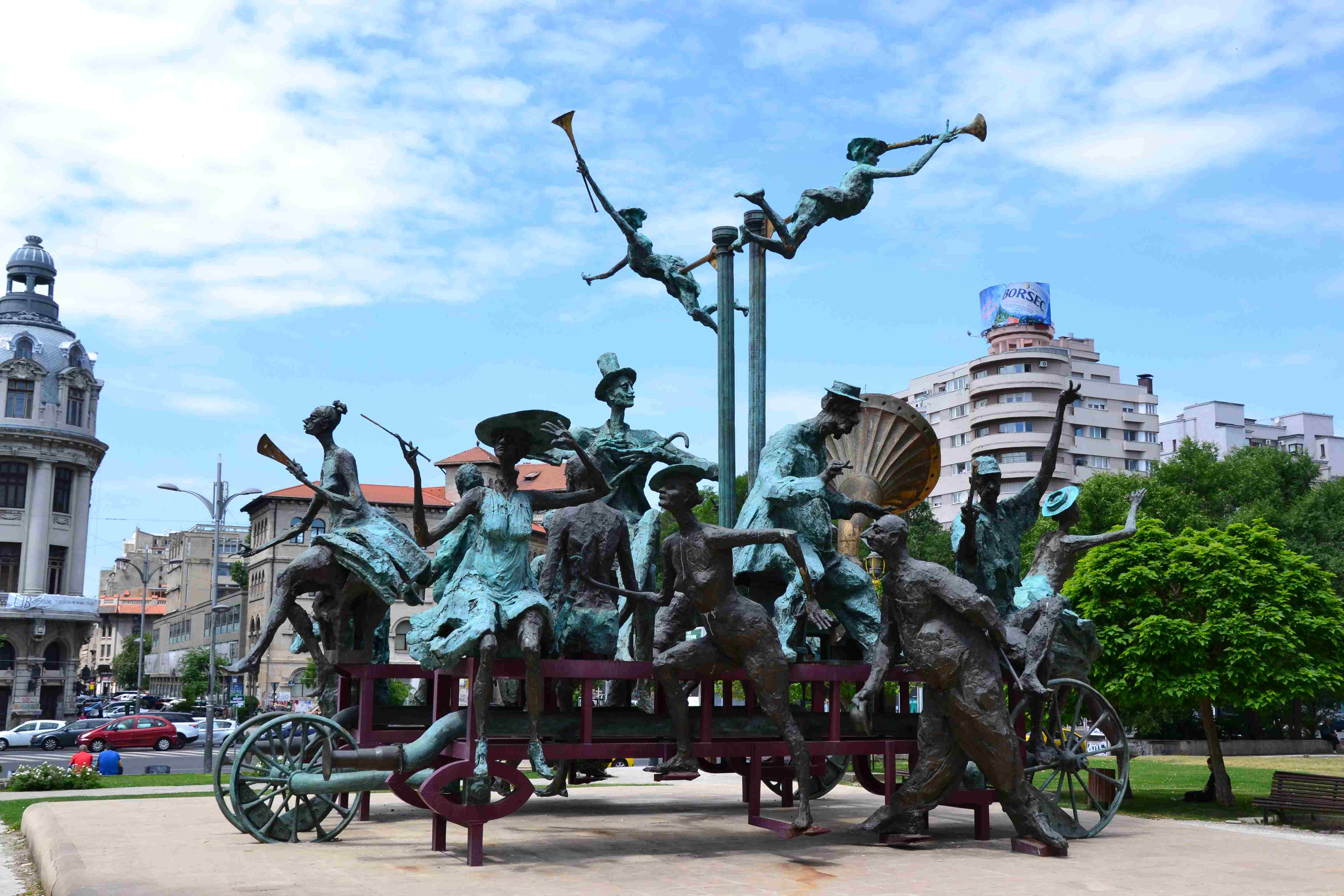
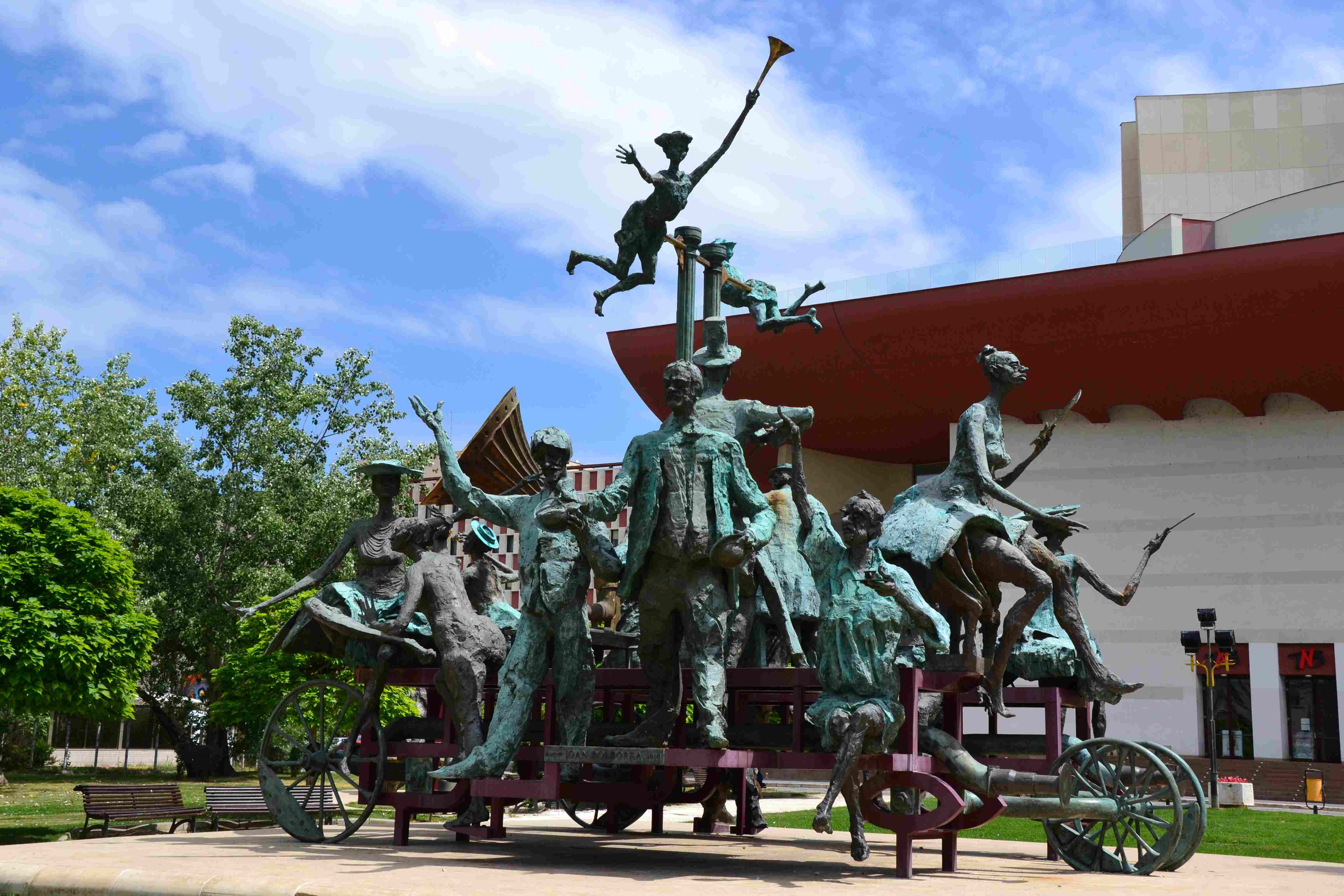
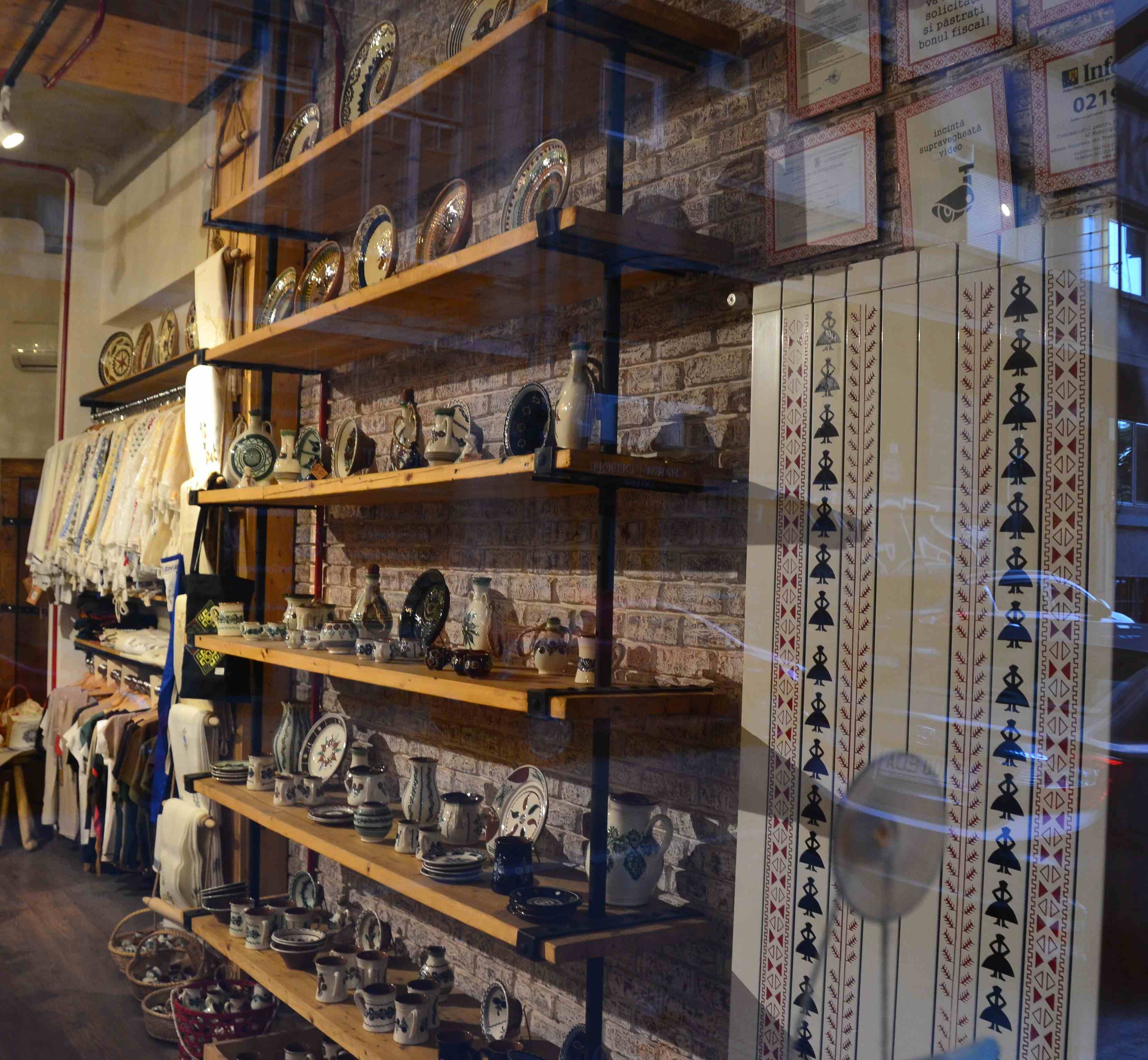
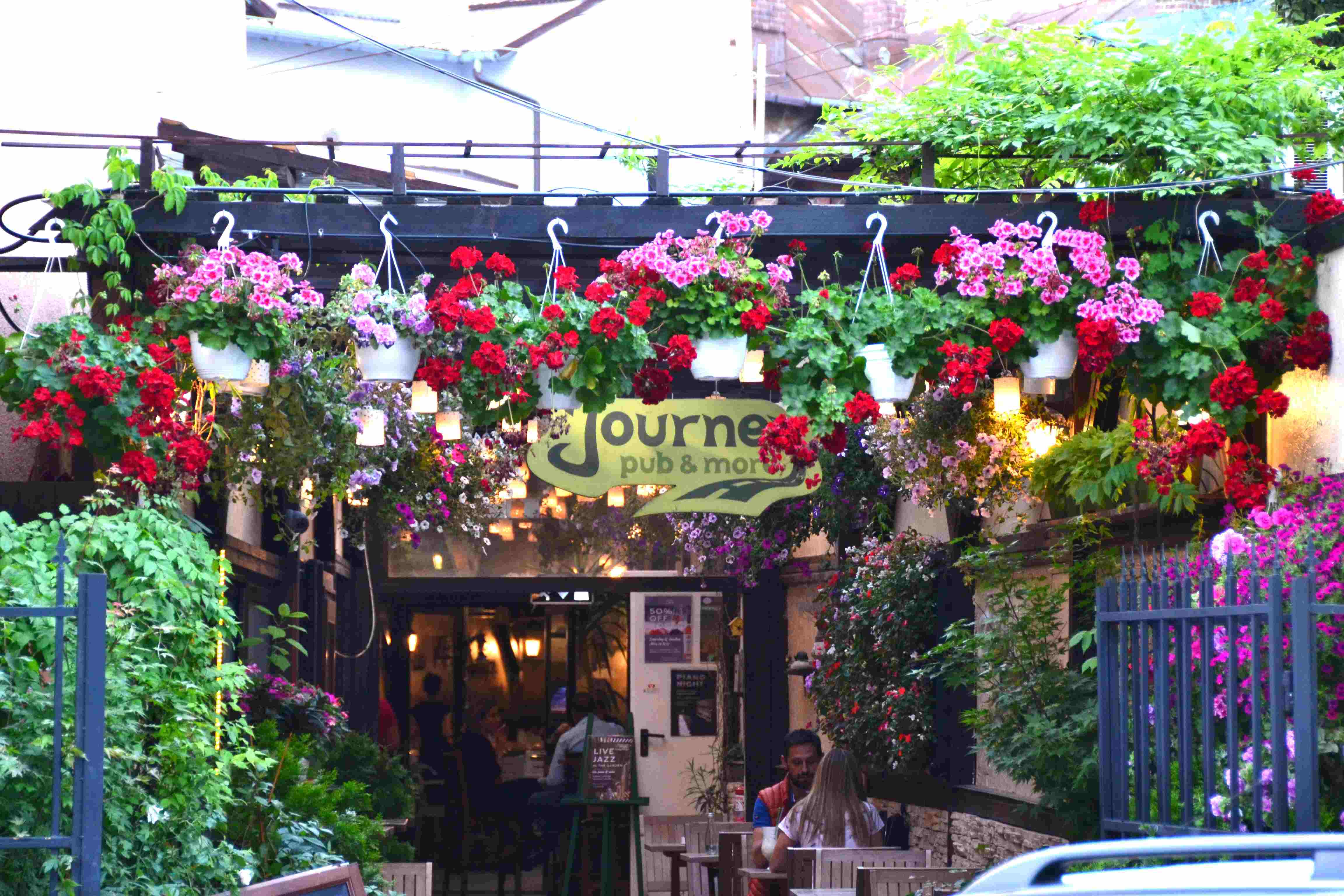
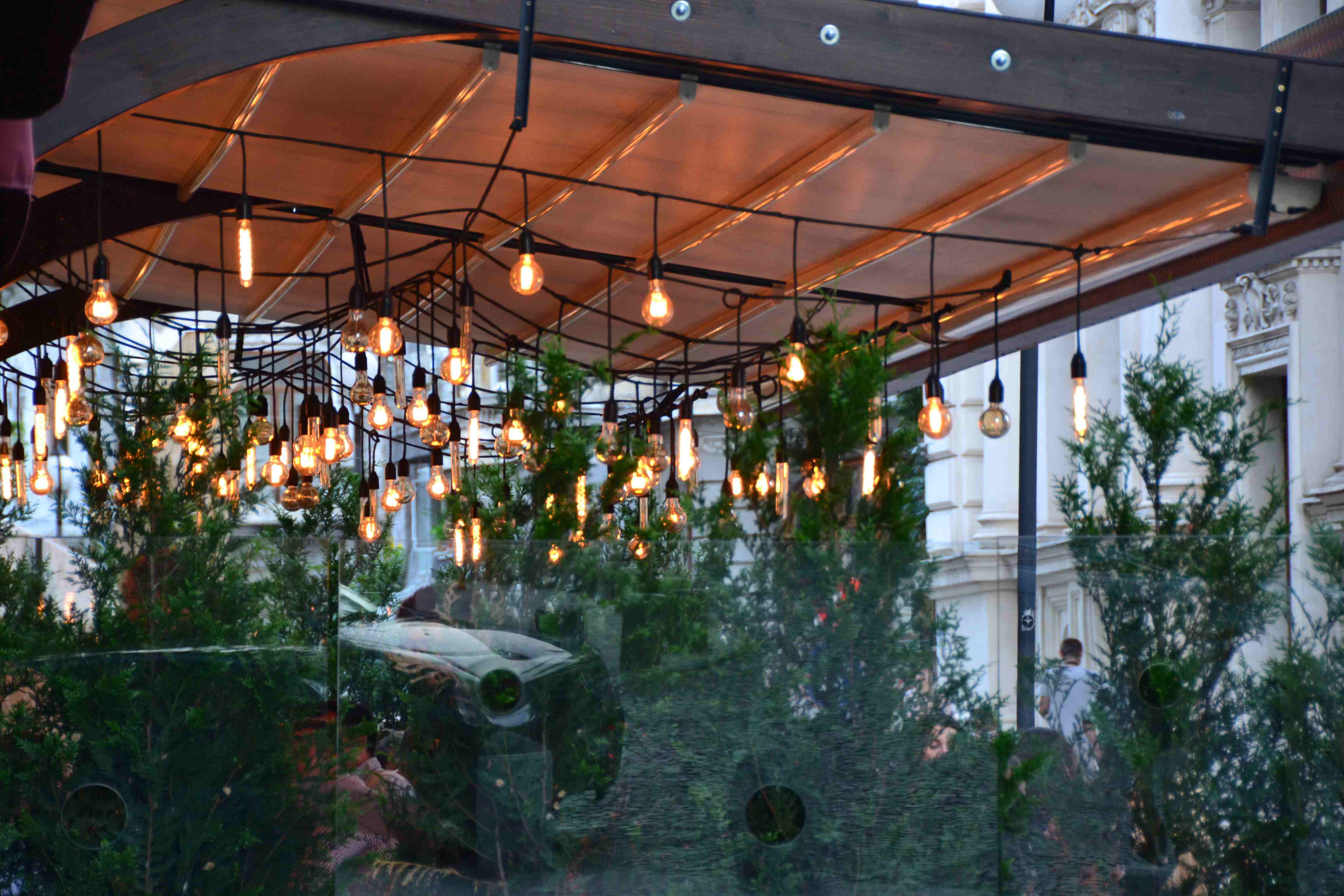
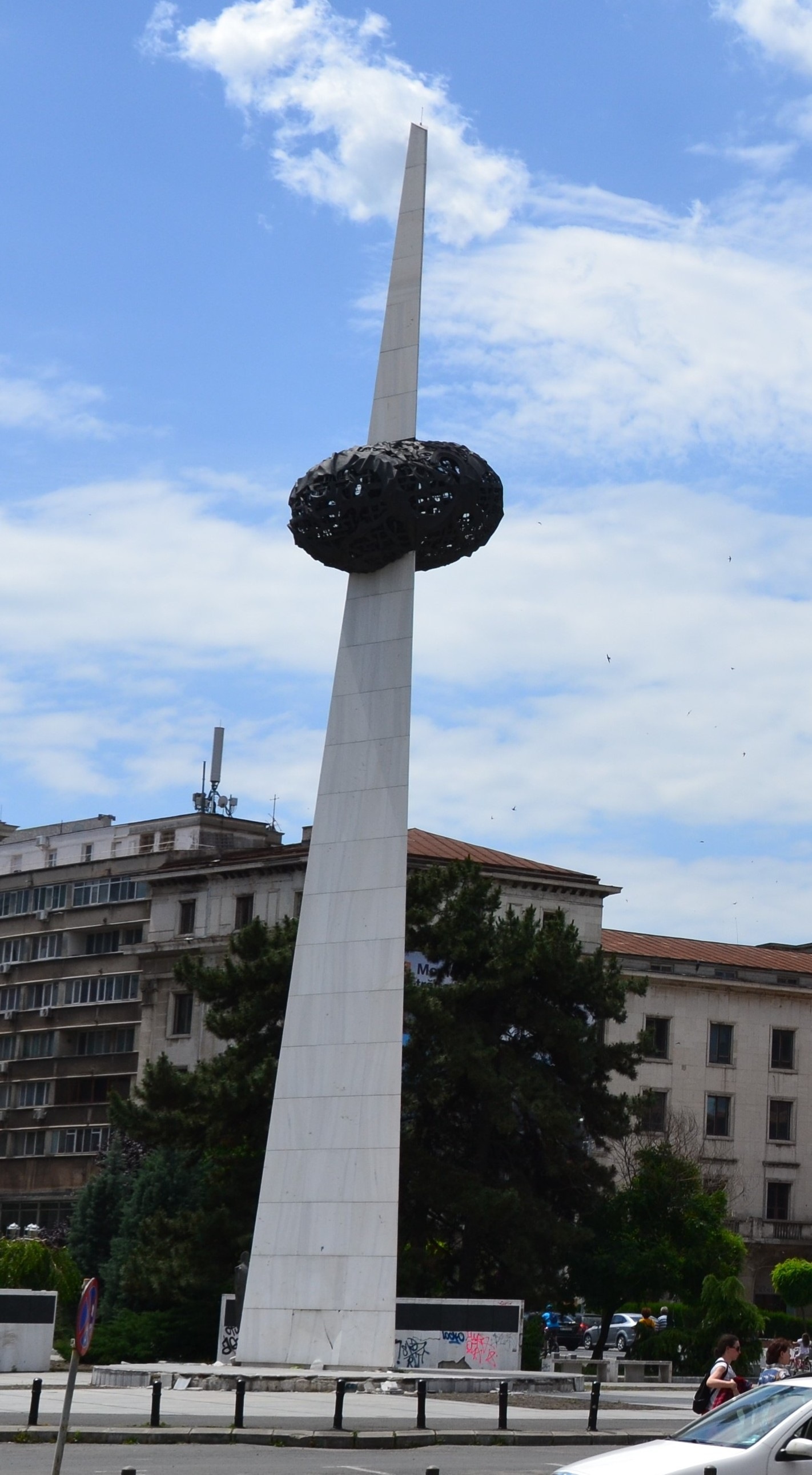
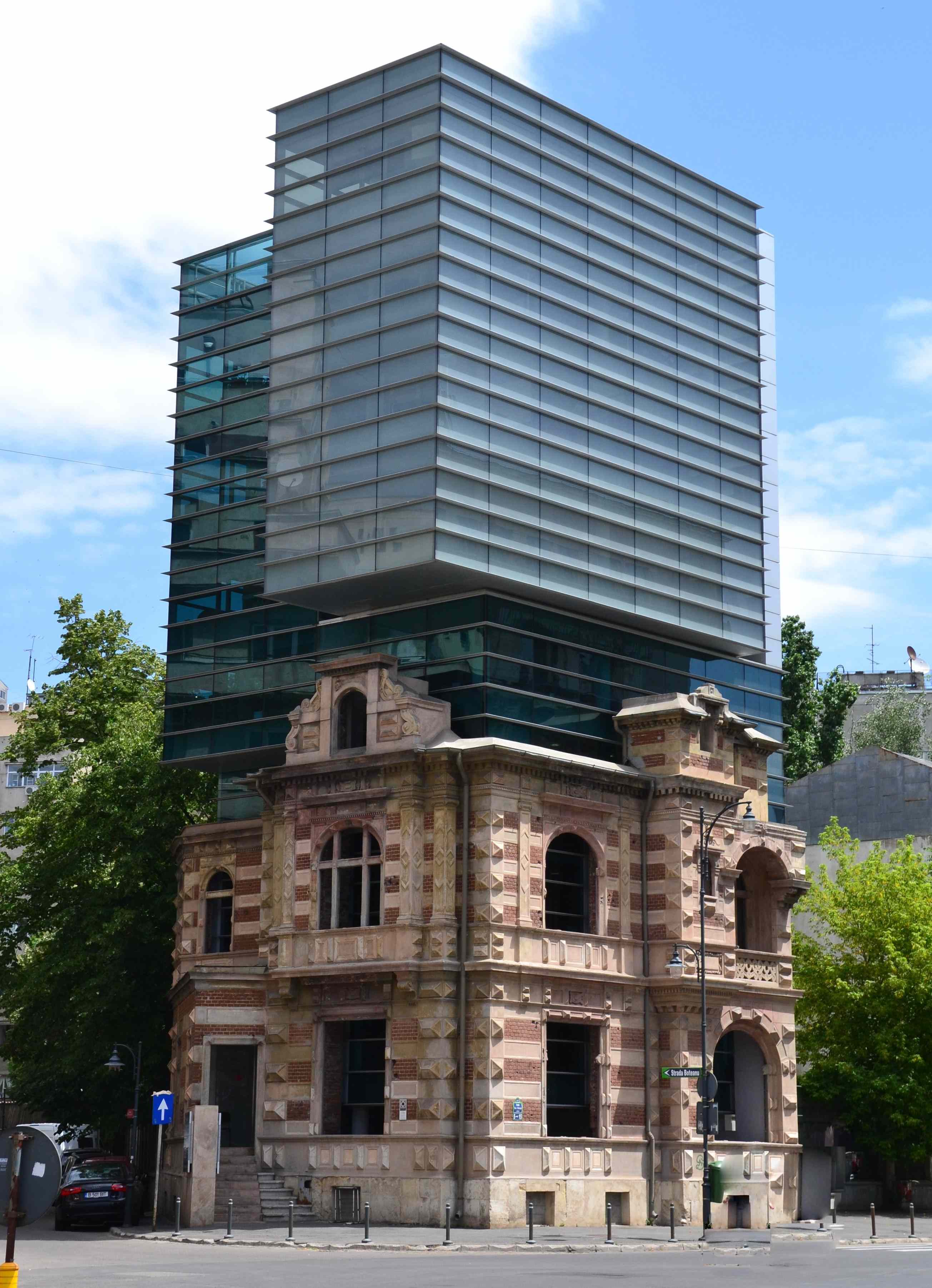
7) Other Downtown Areas
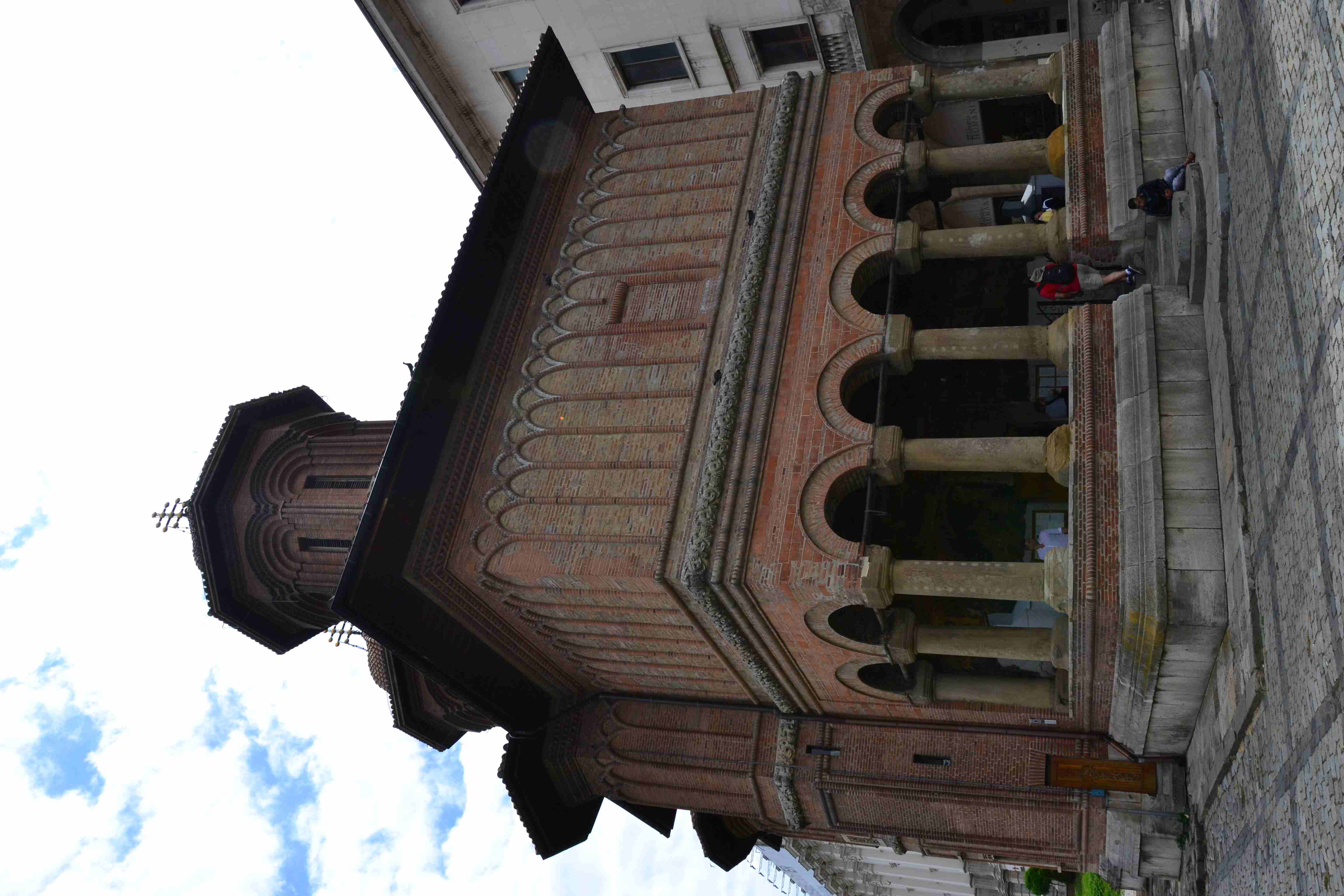
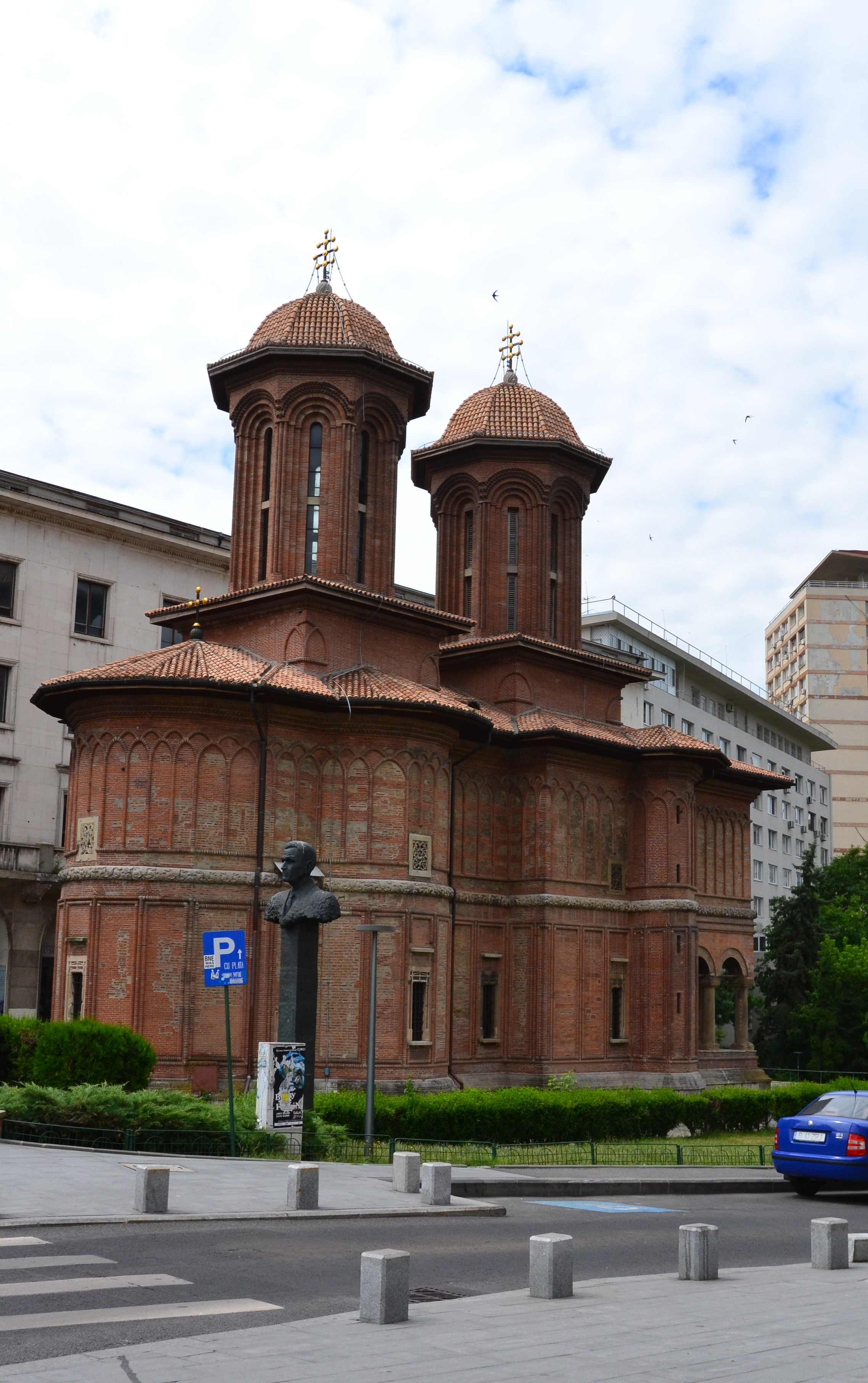
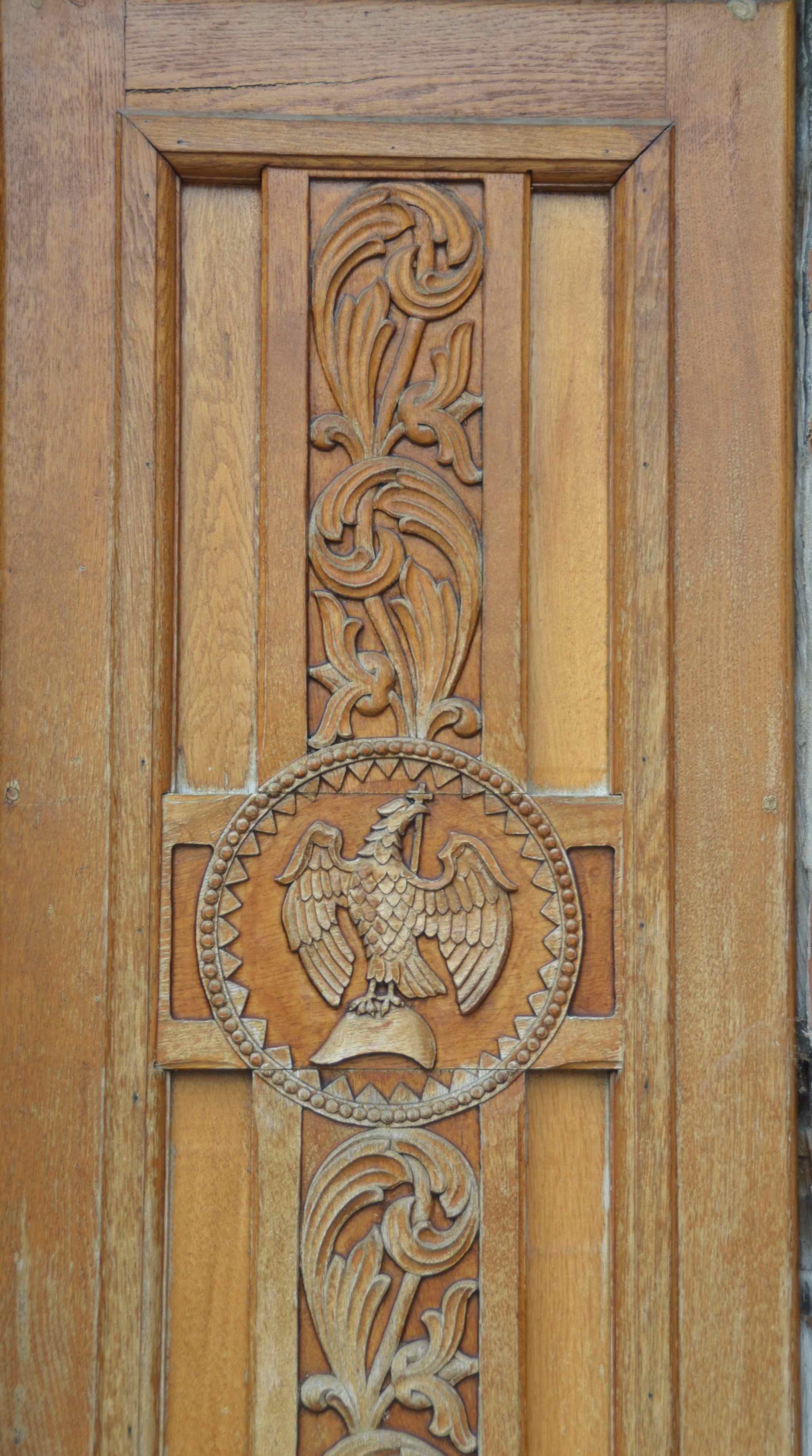
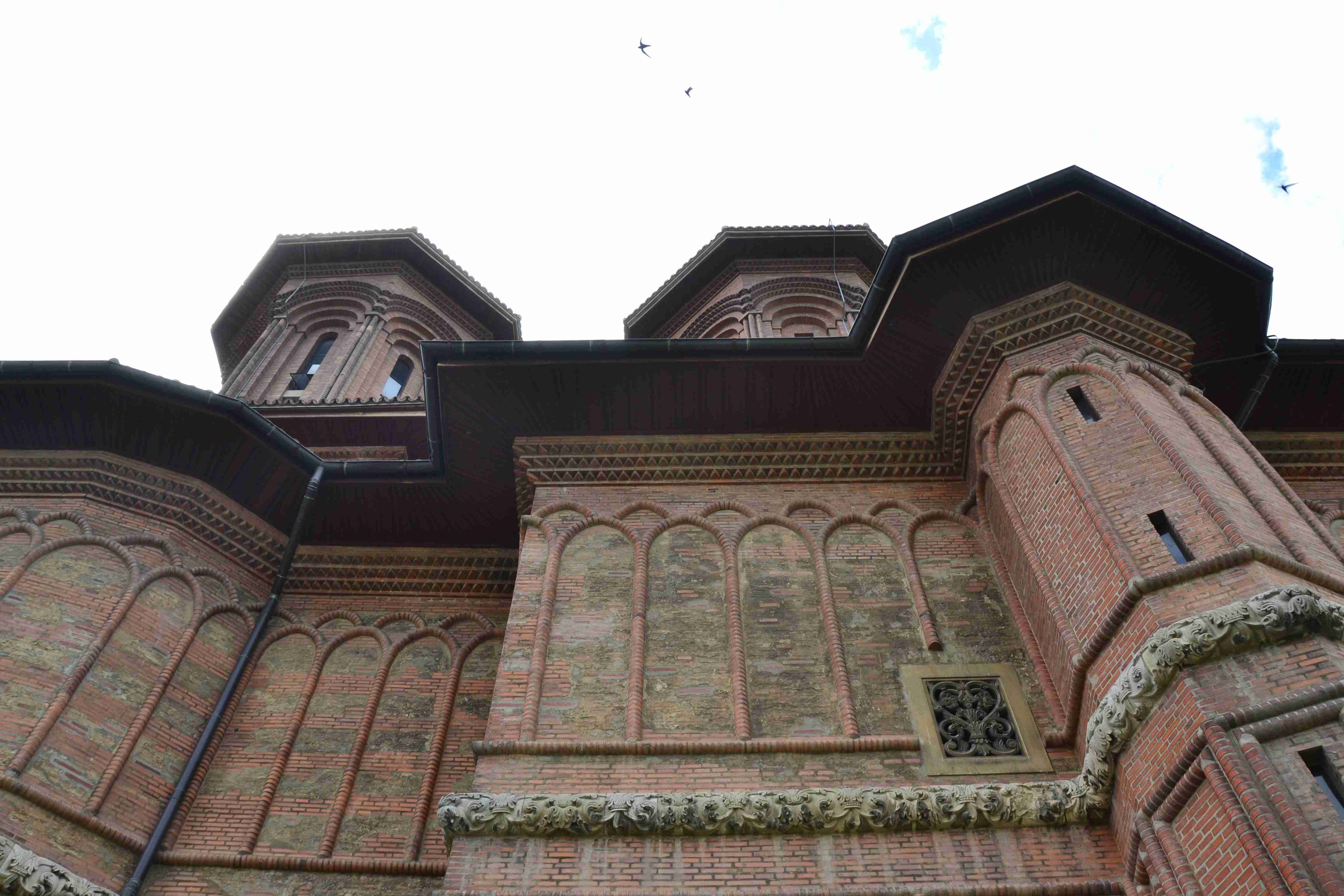
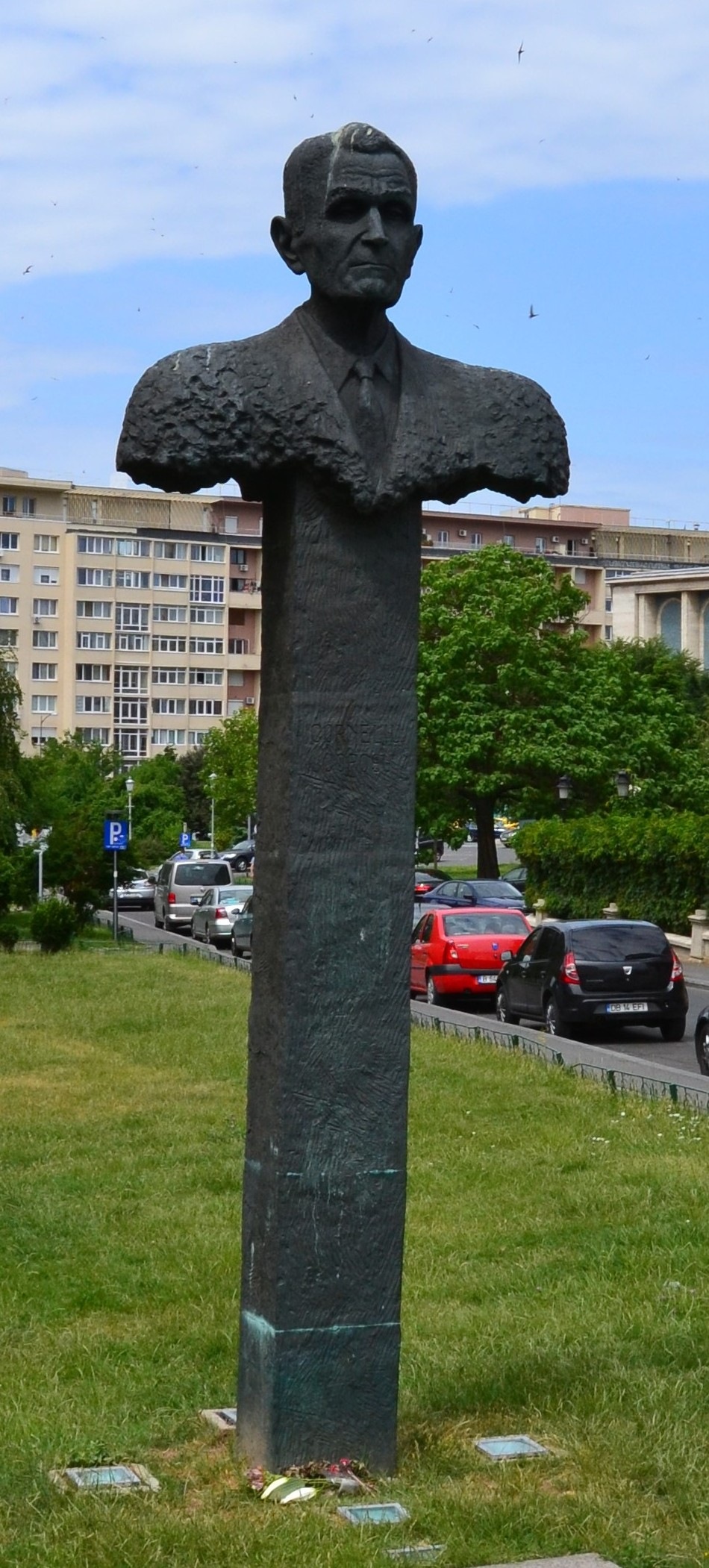
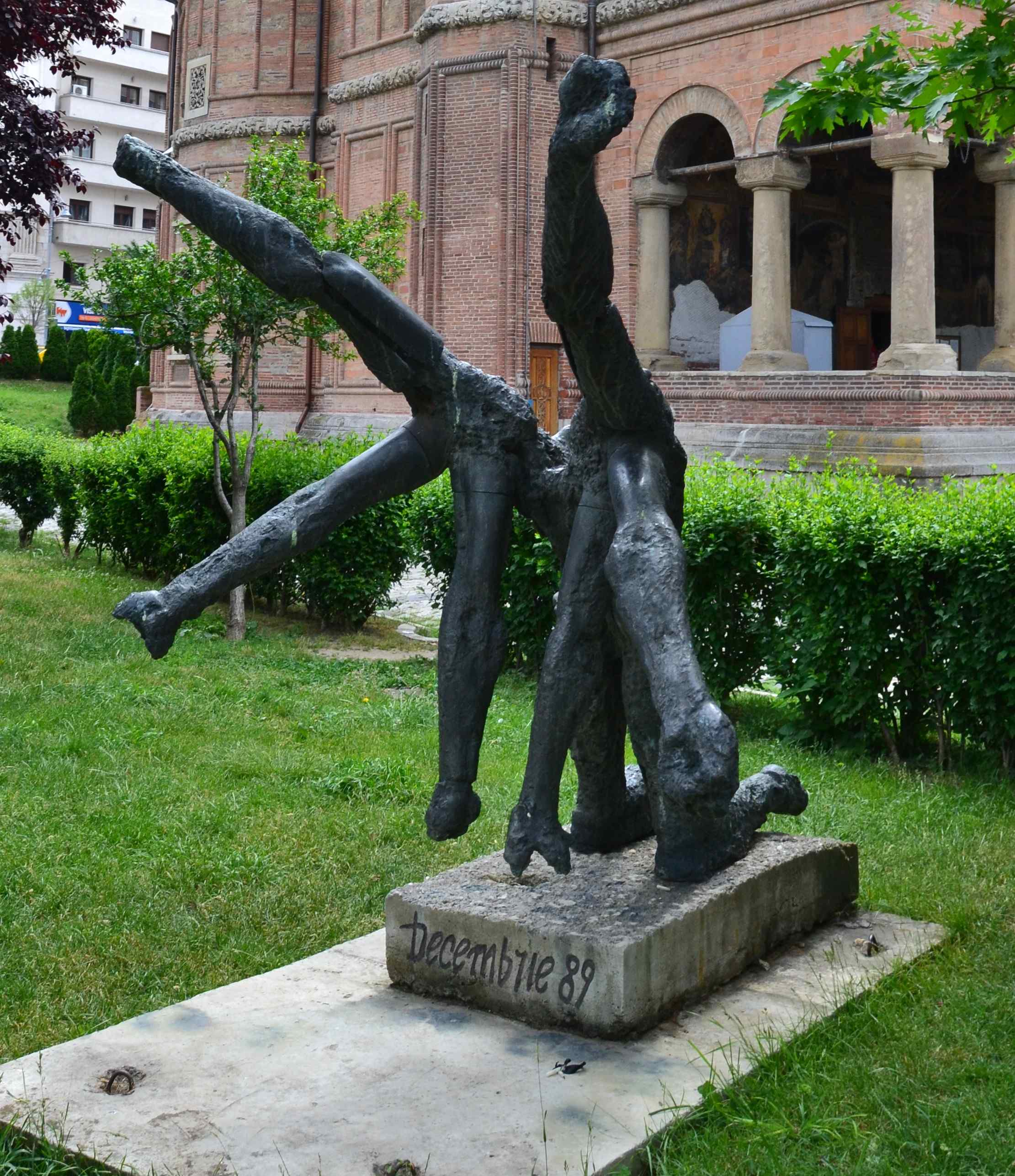
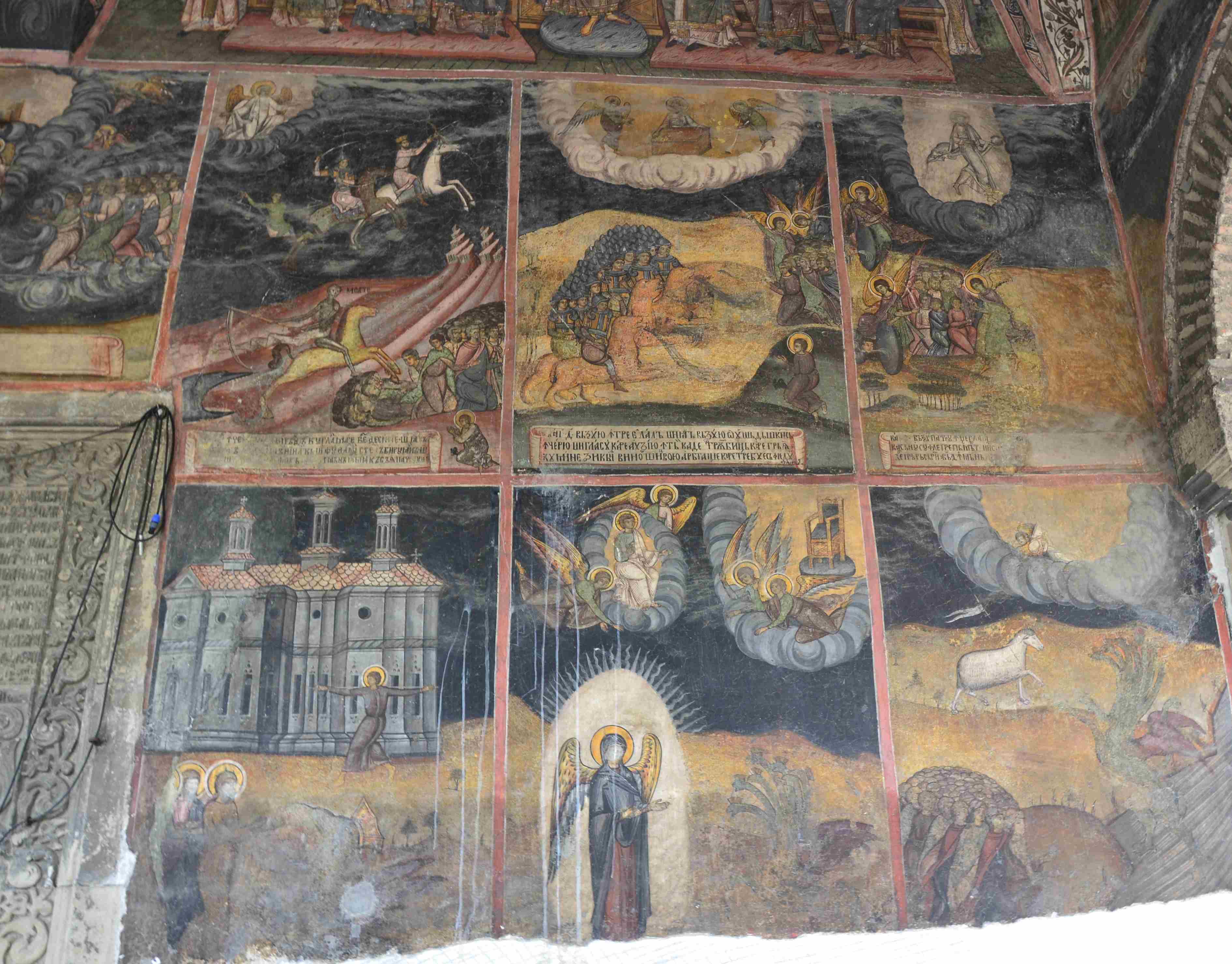
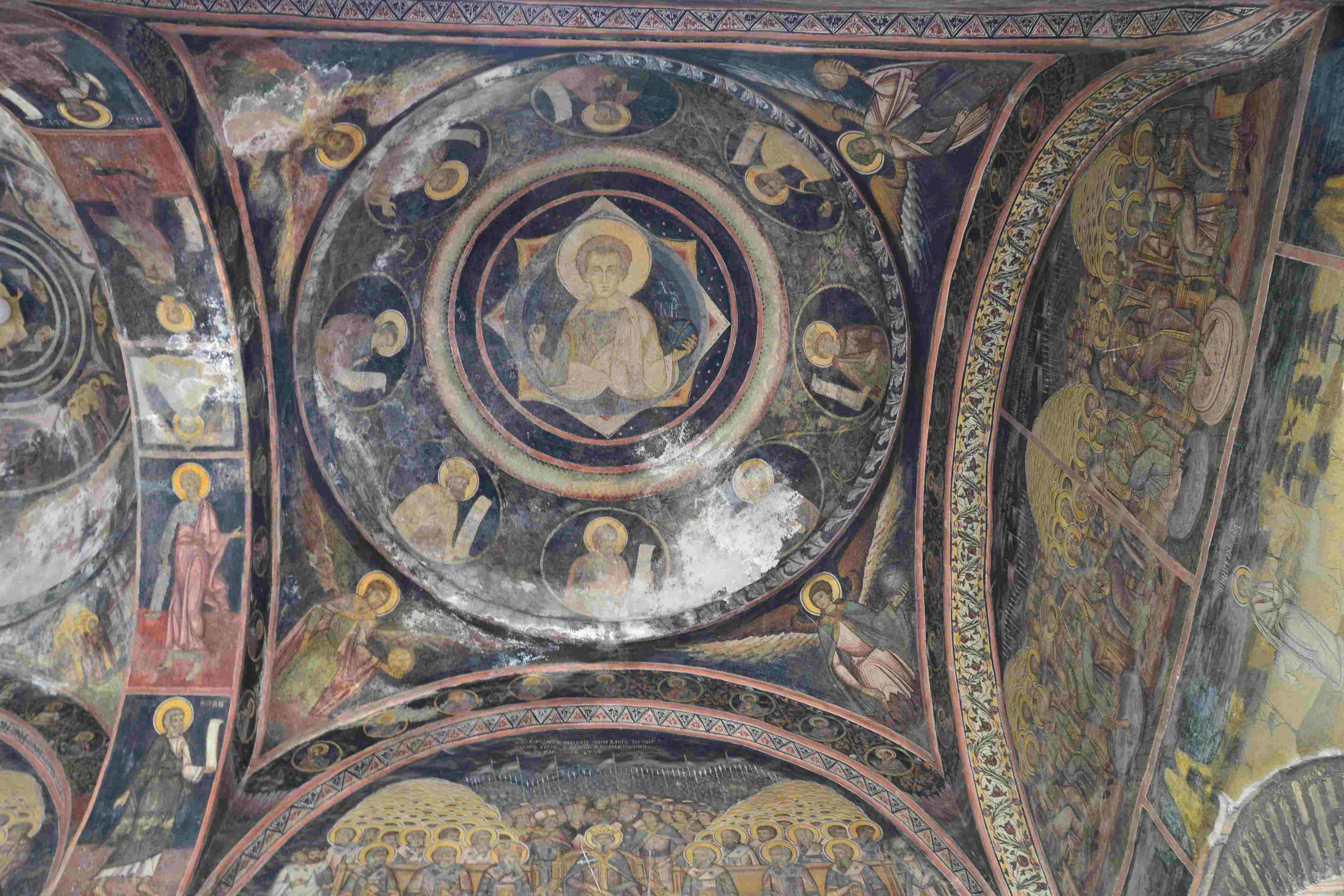
8) Kretzulescu Church (Eastern Orthodox Church in central Bucharest)
One of the corners of Revolutioin Square, we found an Eastern Orthodox church when we went for a walk. It’s unique style of the building (Brancovenesc style) sure caught our eyes.
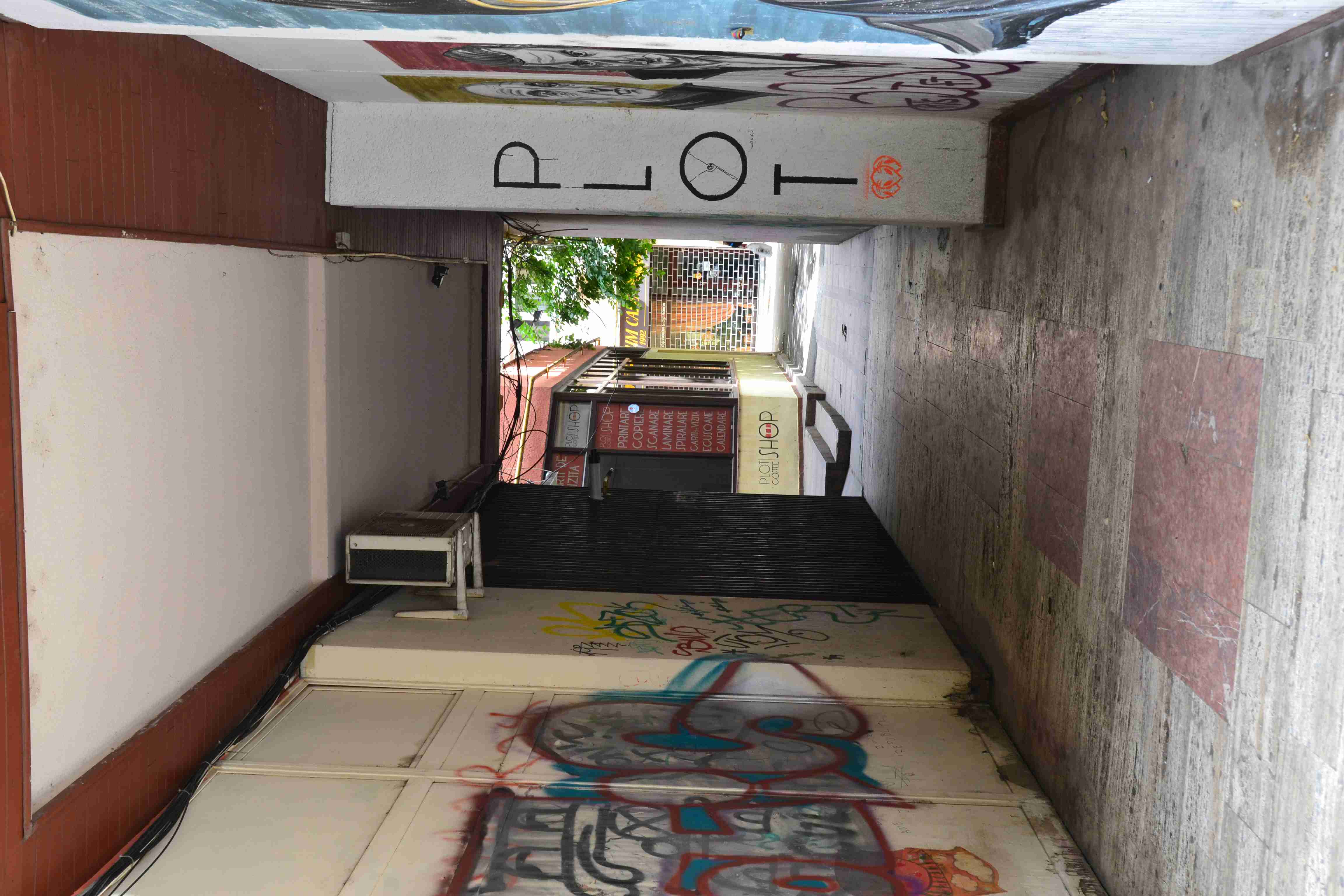
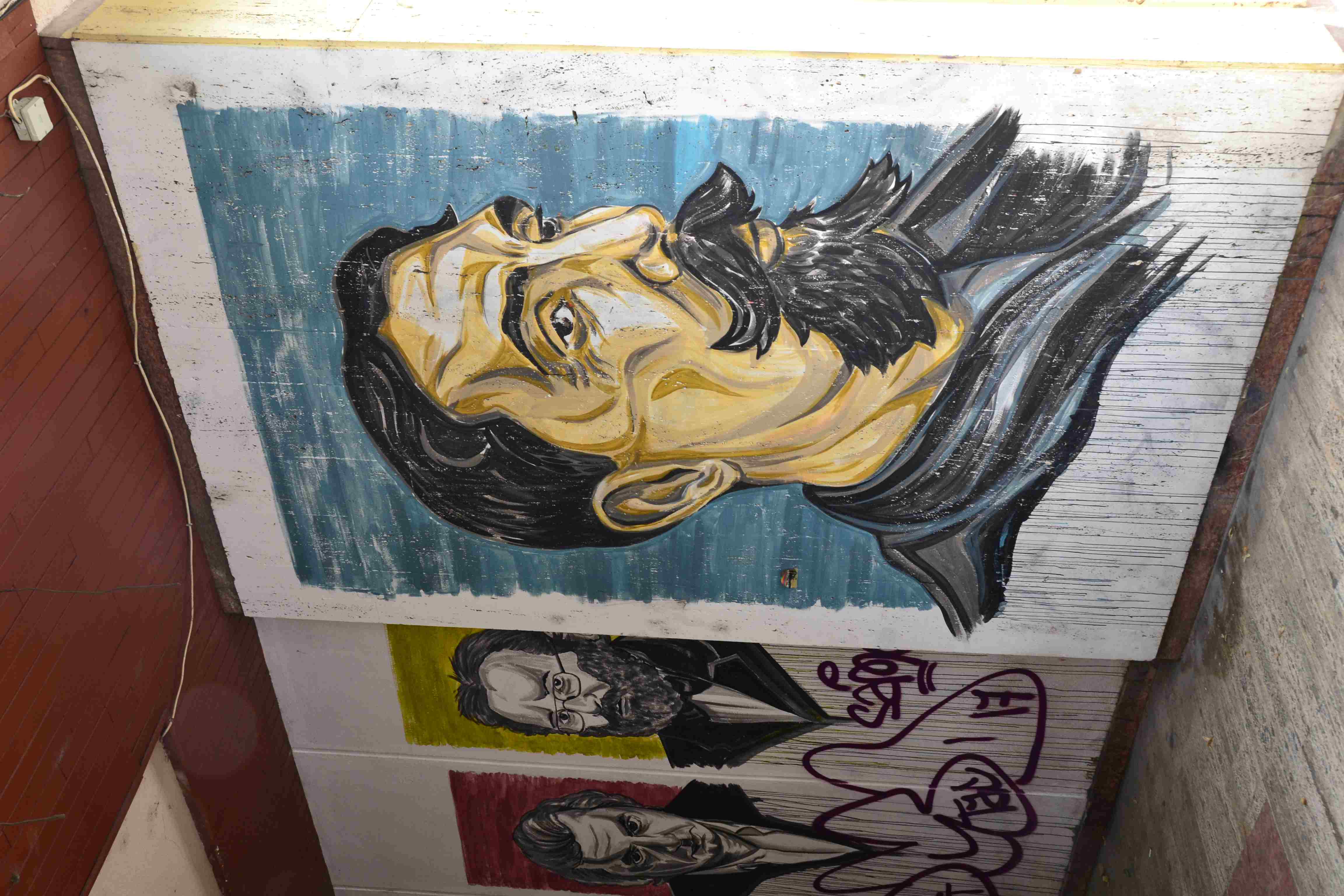
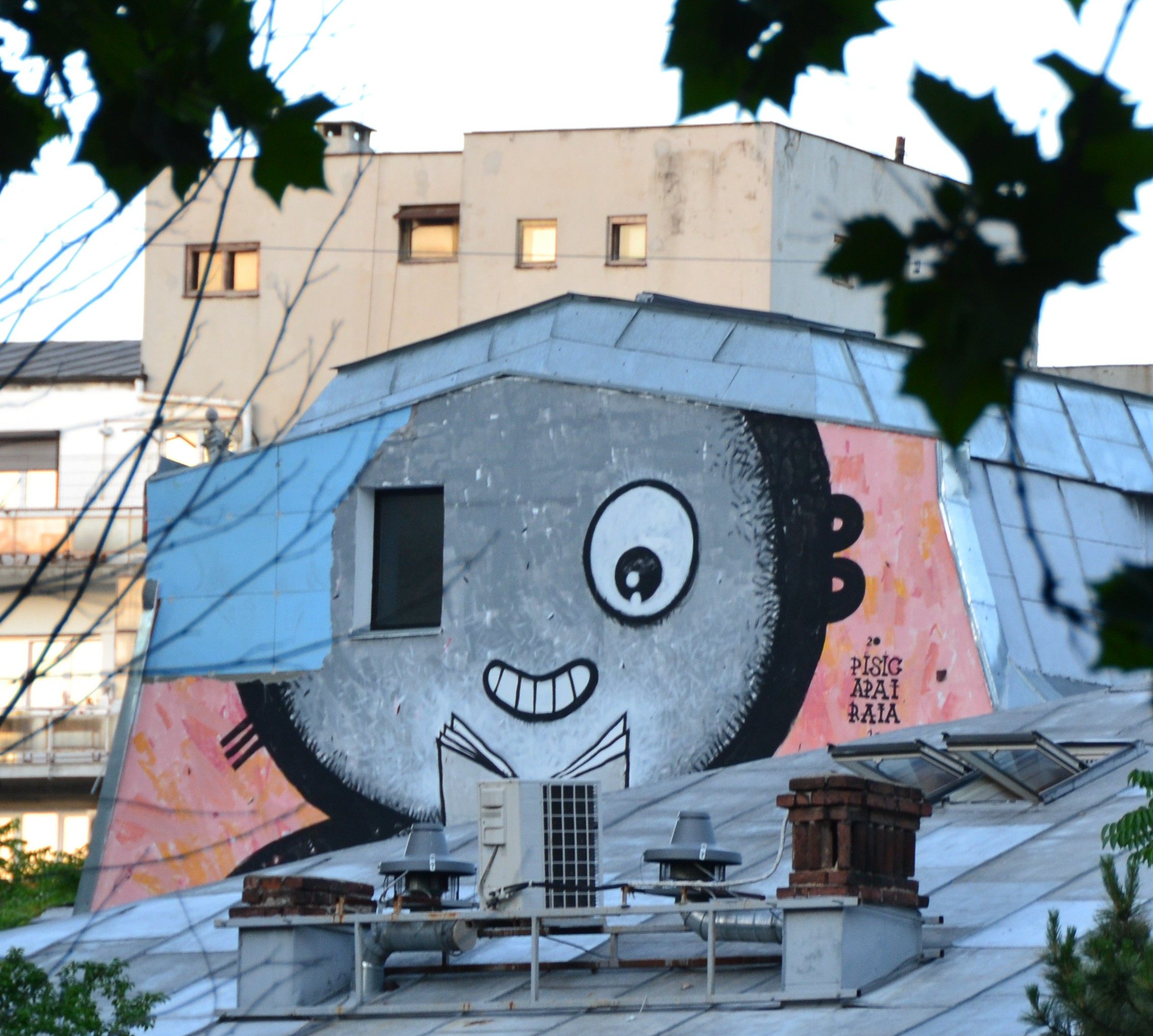
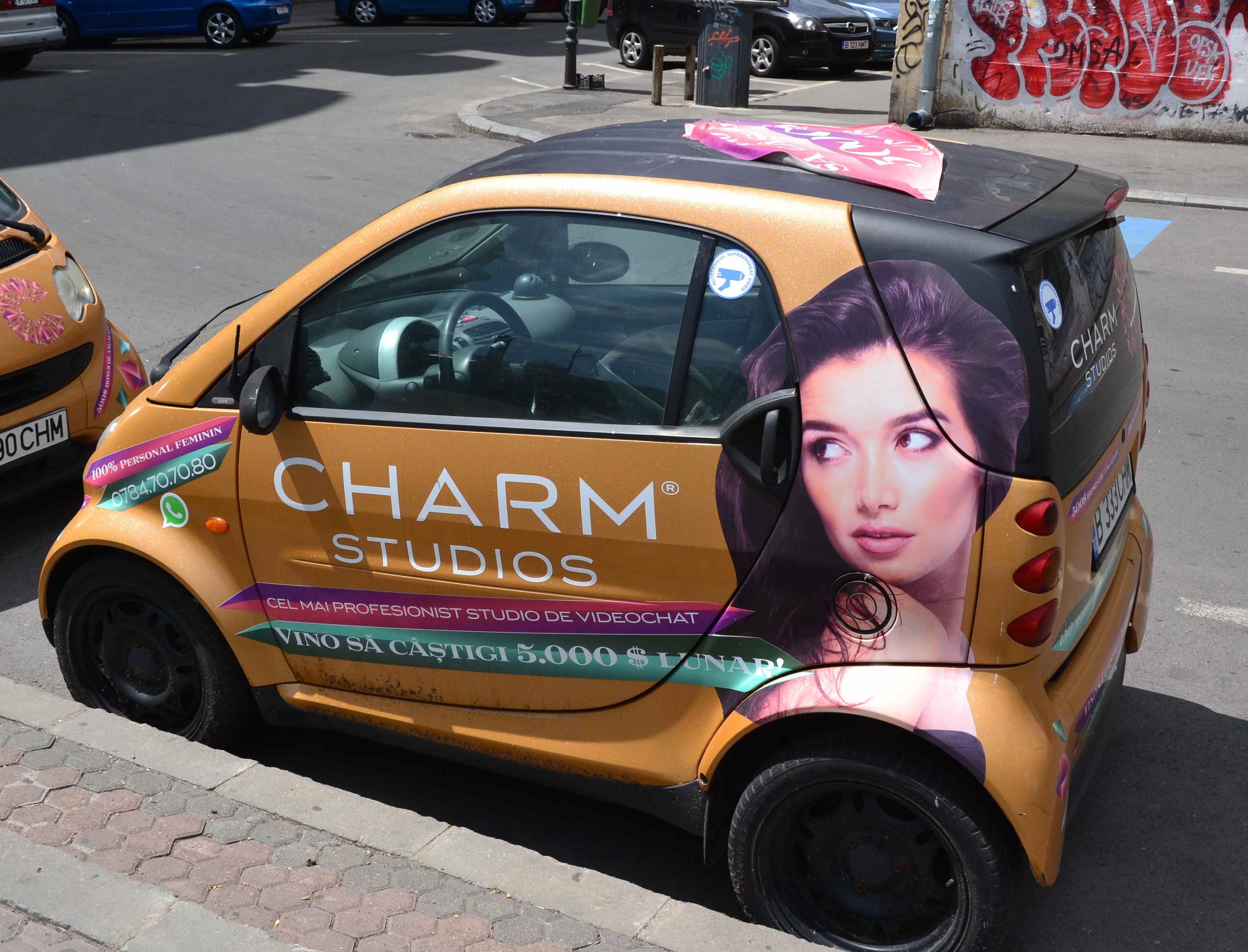
9) Hudge Podge from Bucharesst
2. Brasov, Transylvania Region
A city in the Transylvania Region it sits ringed by the Carpathian Mountains. This city is known for its medieval Saxon Walls and bastions. Apparently, it is the 6th most populous city in Romania, but when we were walking around, we never felt the city is that populous as everywhere went, it was quiet. The city instantaneously took us back to the medieval times just as Florence in Italy did.
It is located about 166 km north of Bucharest and 380 km from the Black Sea. Brasov was once dominated by the Transylvanian Saxons (German) and was also a significant commercial hub on the trade roads between Austria and Turkey (then Ottoman Empire).
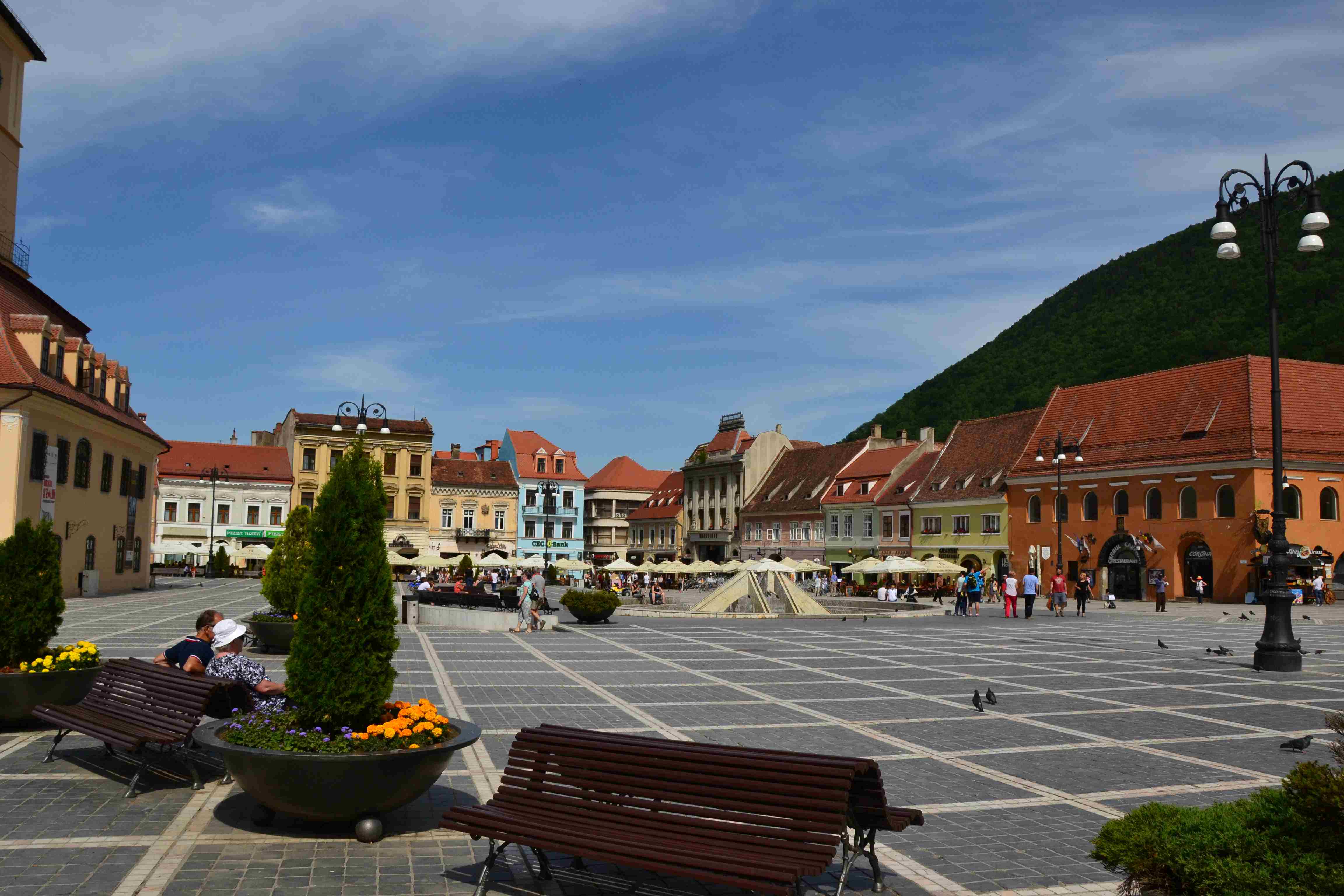
Town Hall Square in Brasov
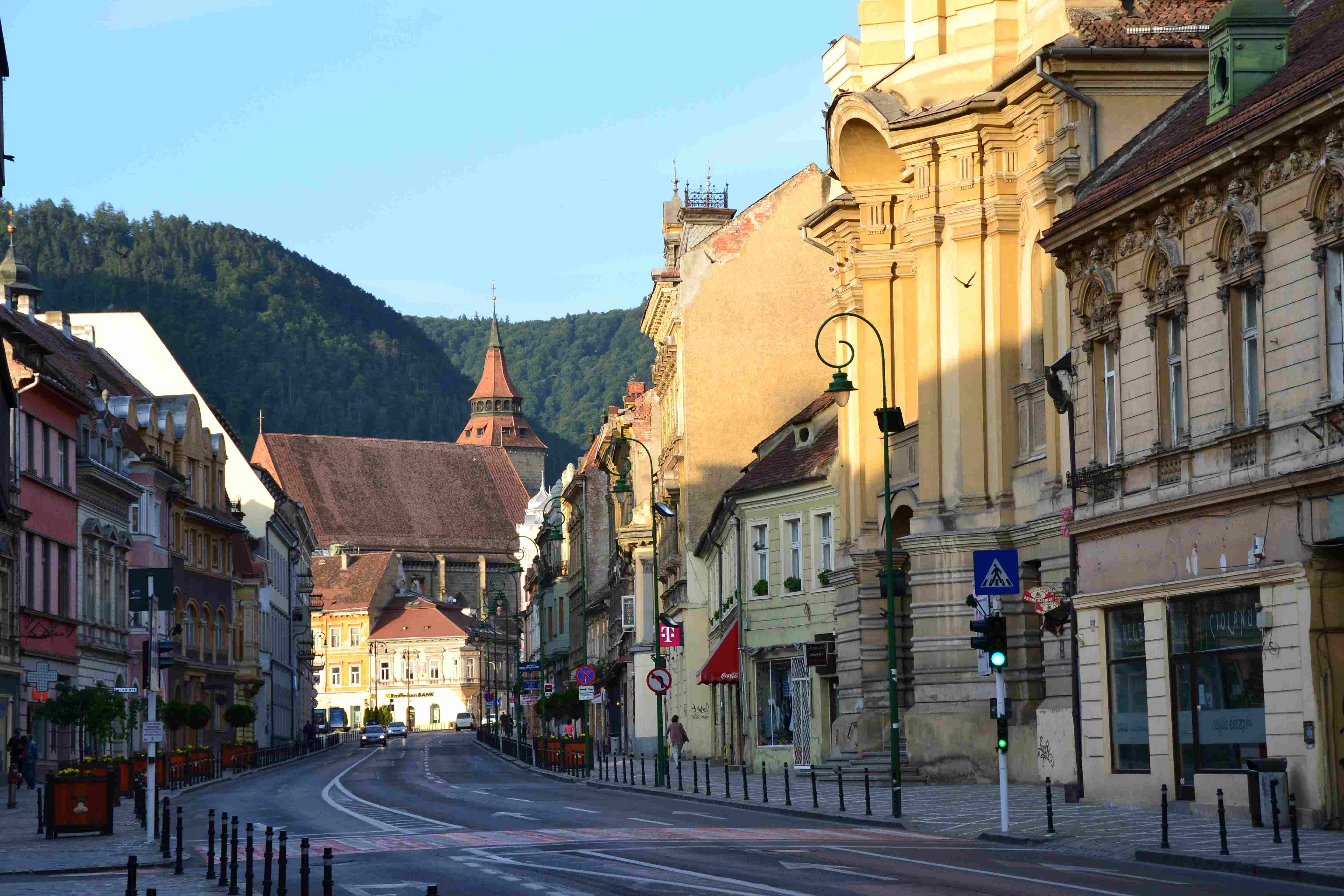
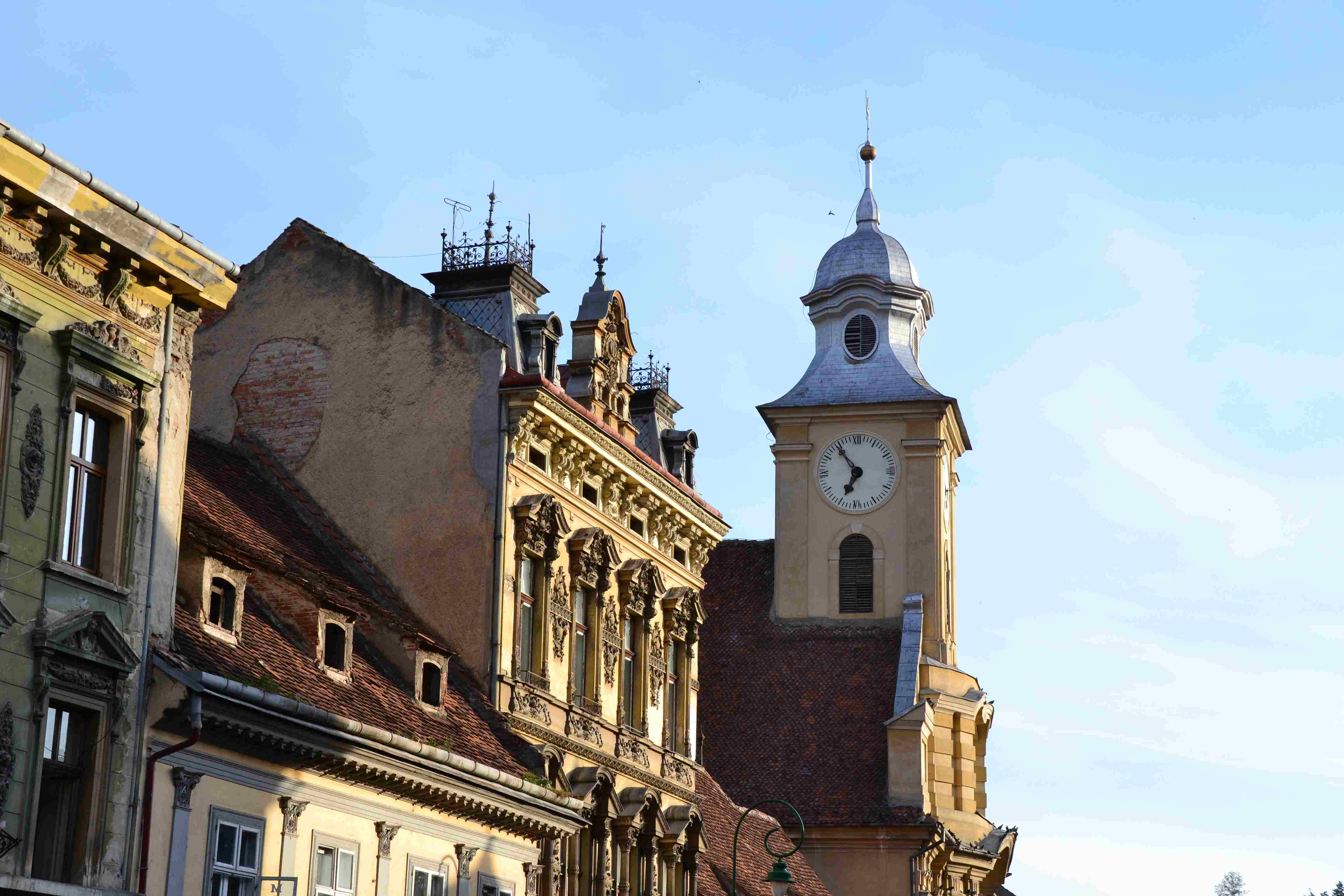
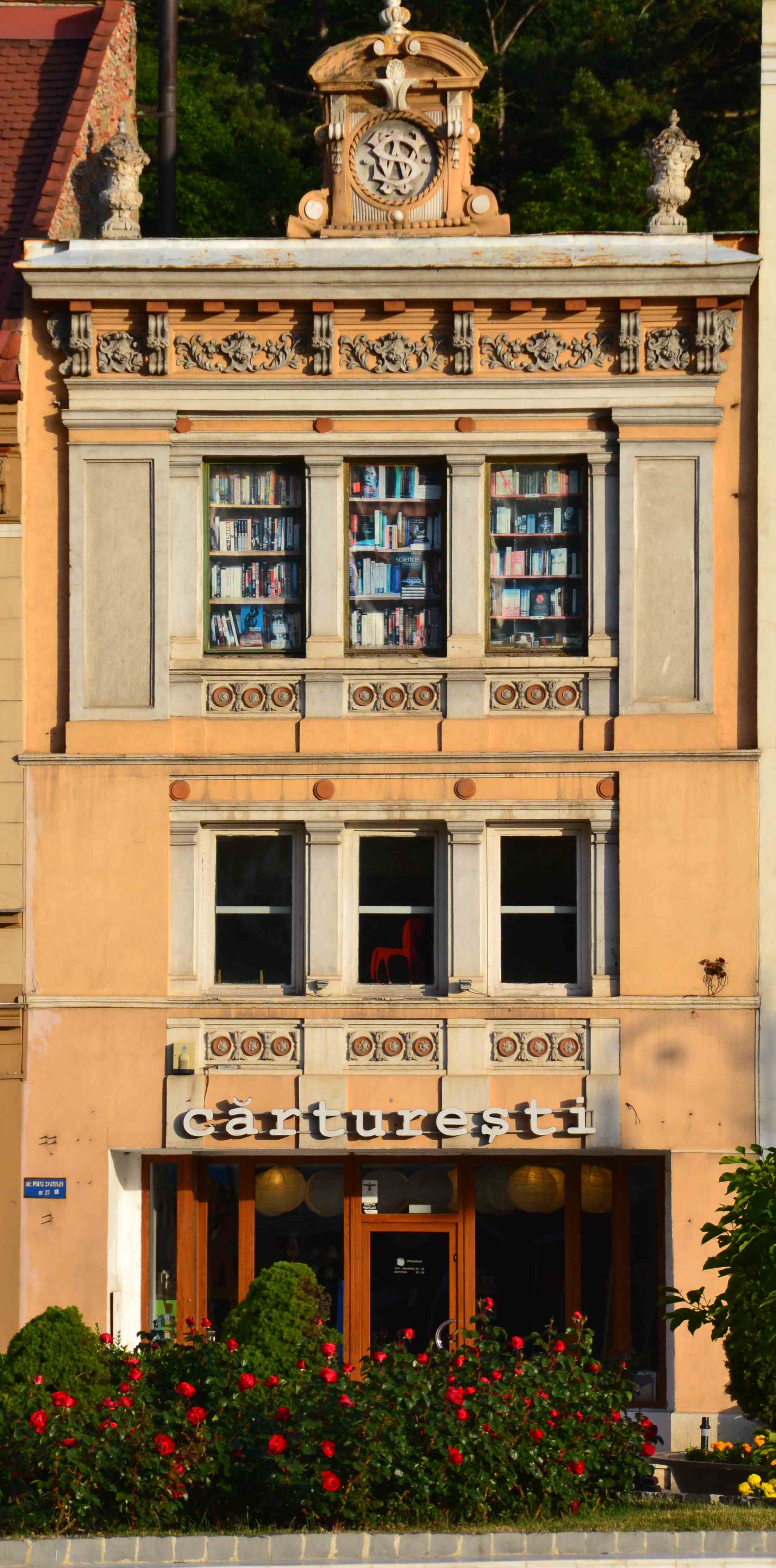
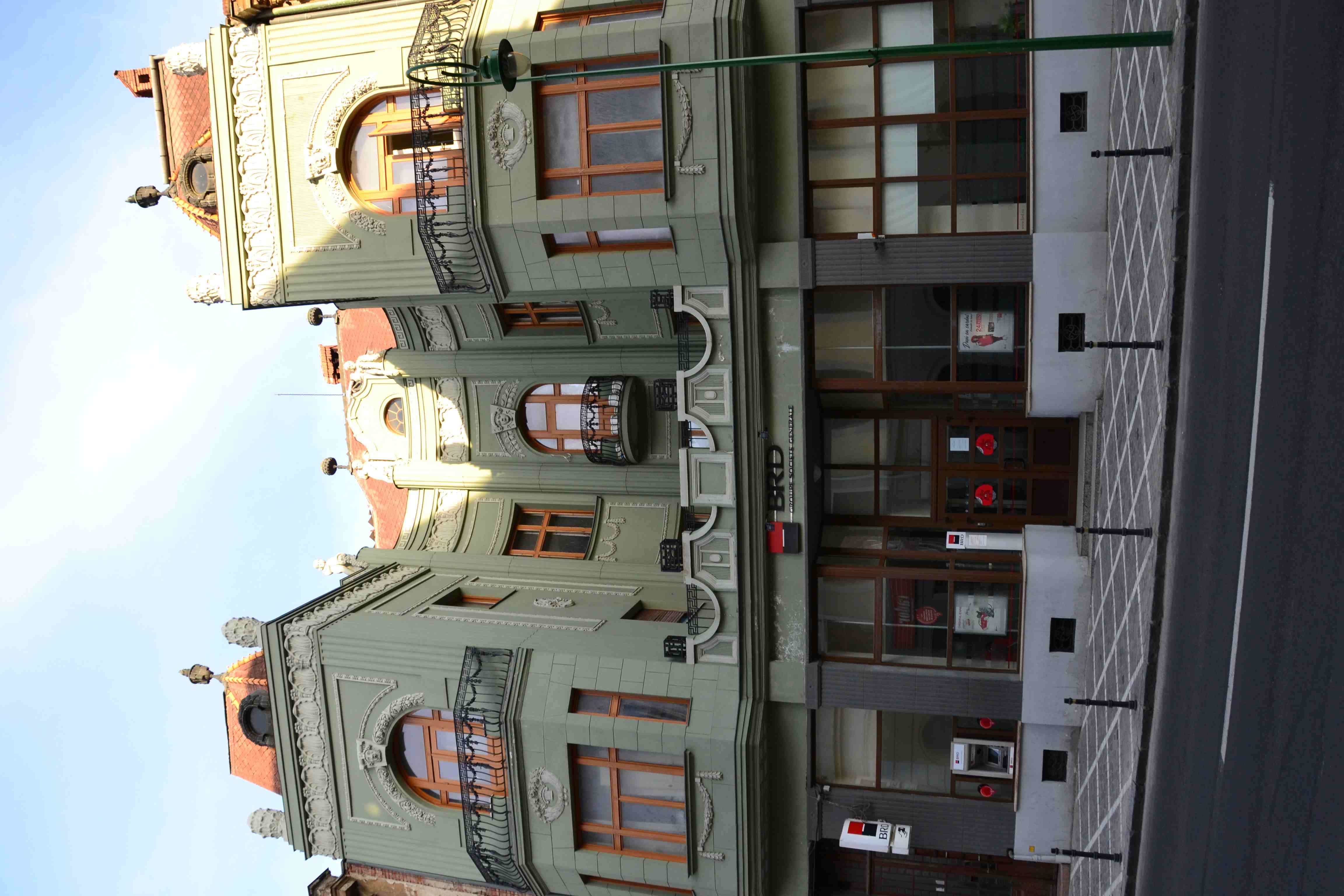
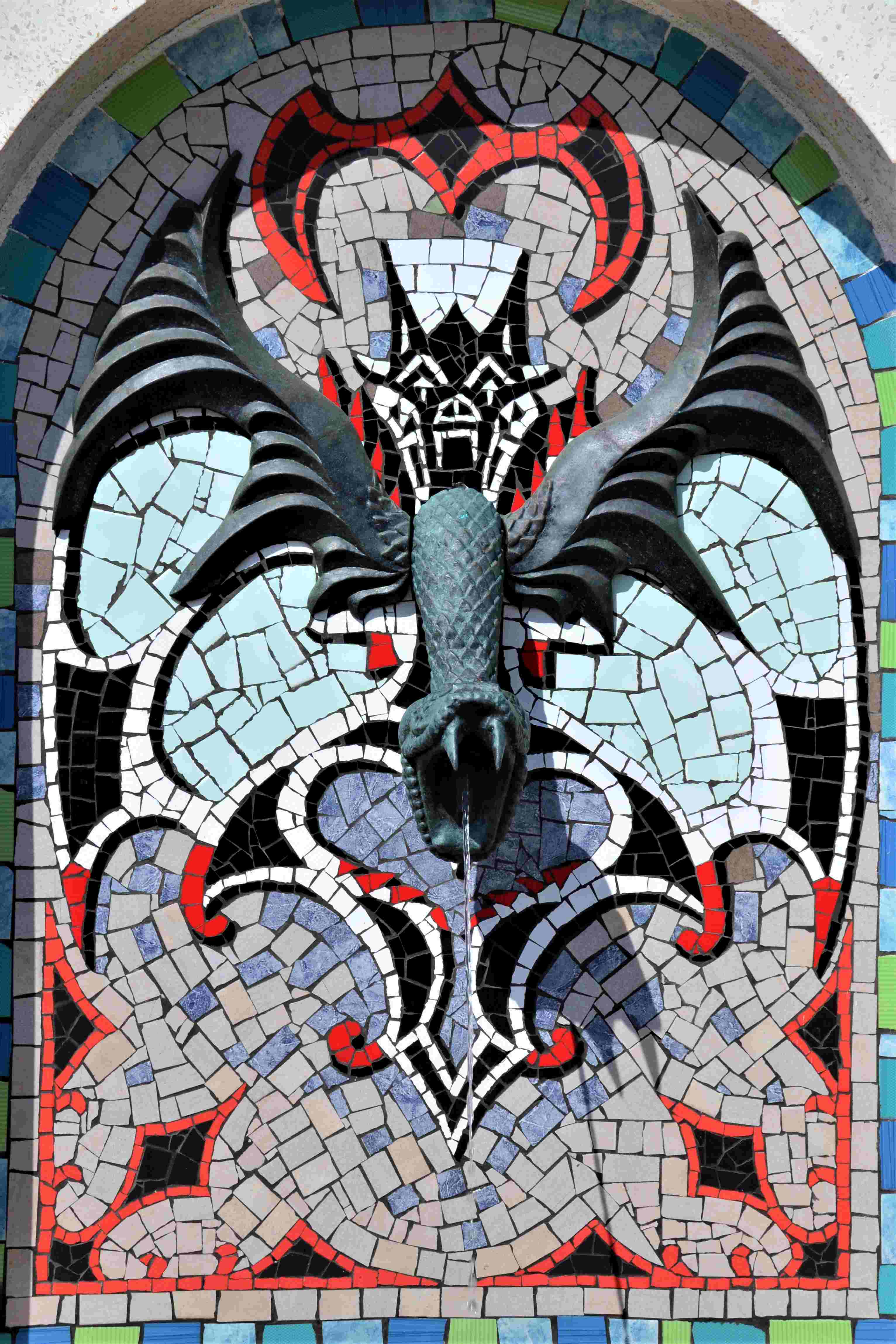
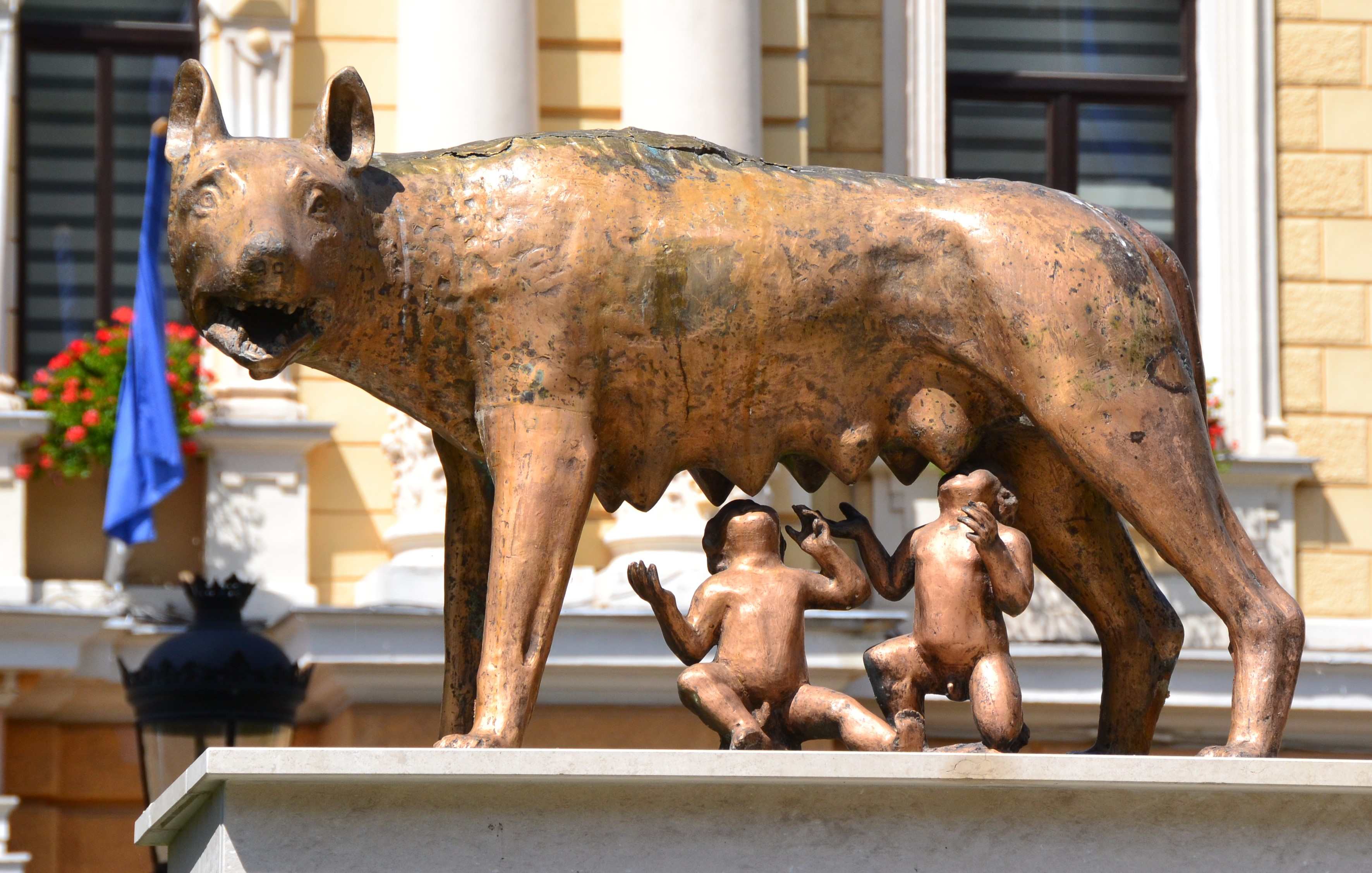
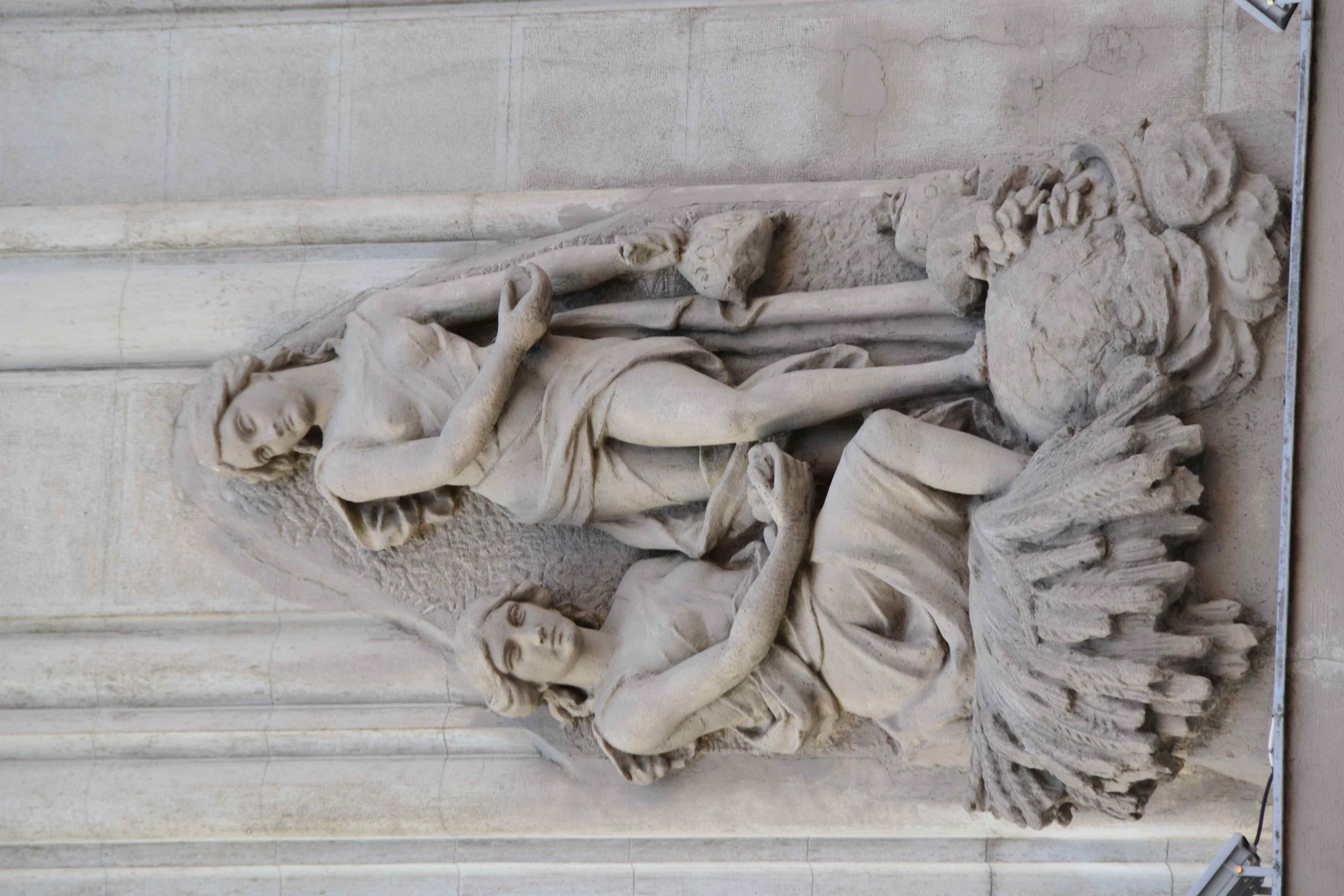
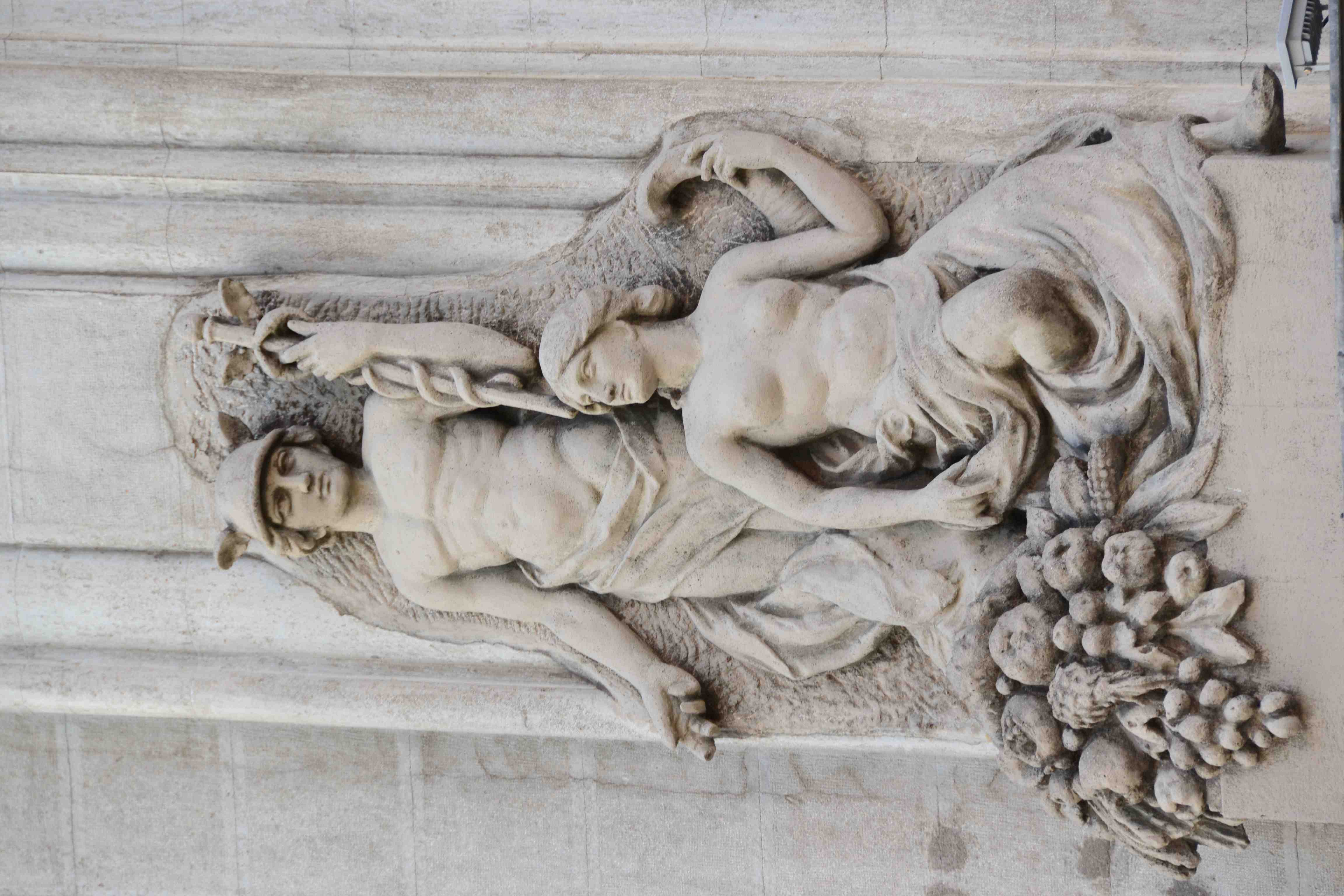
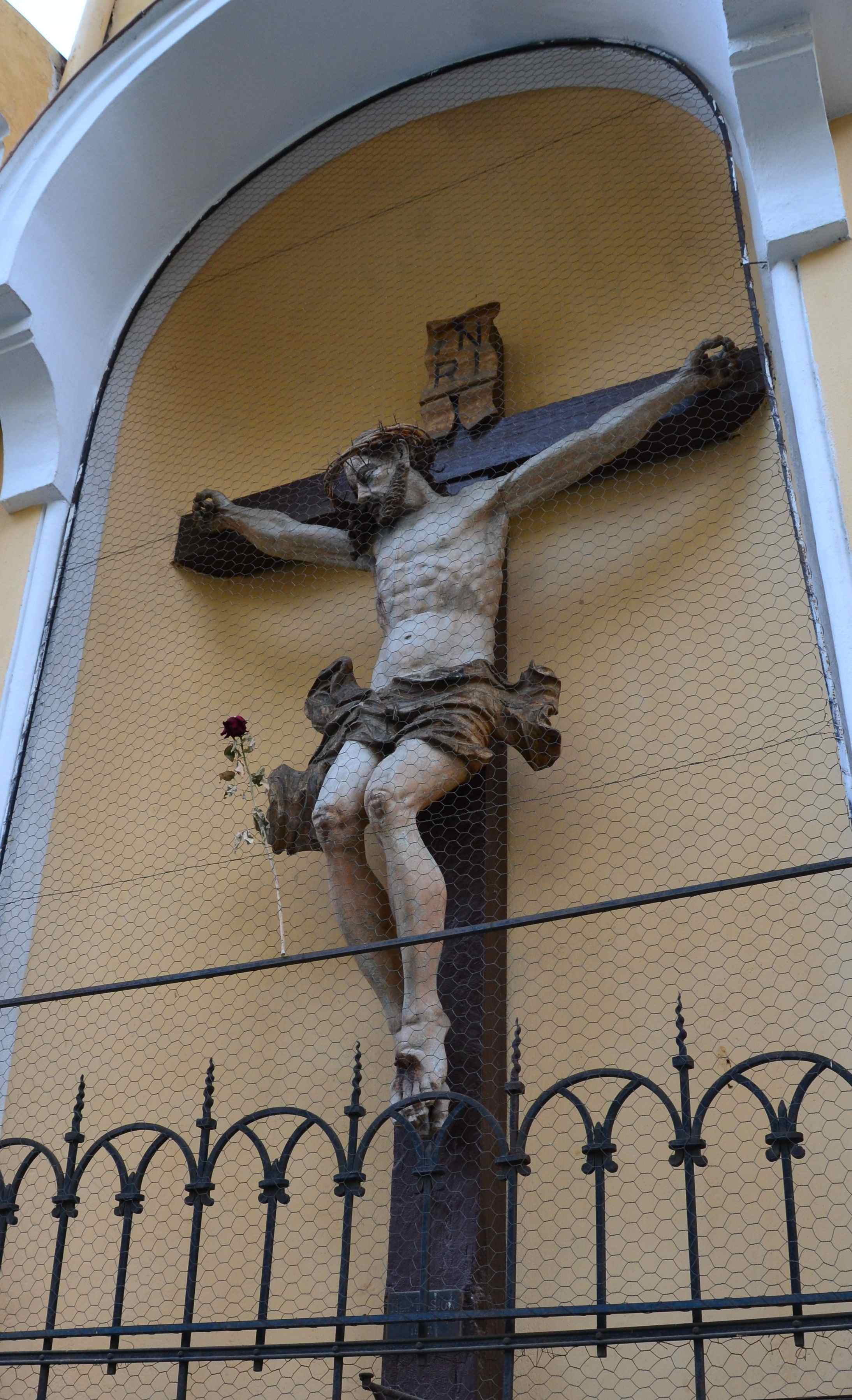
These sculptures are casually placed on the side of various building.
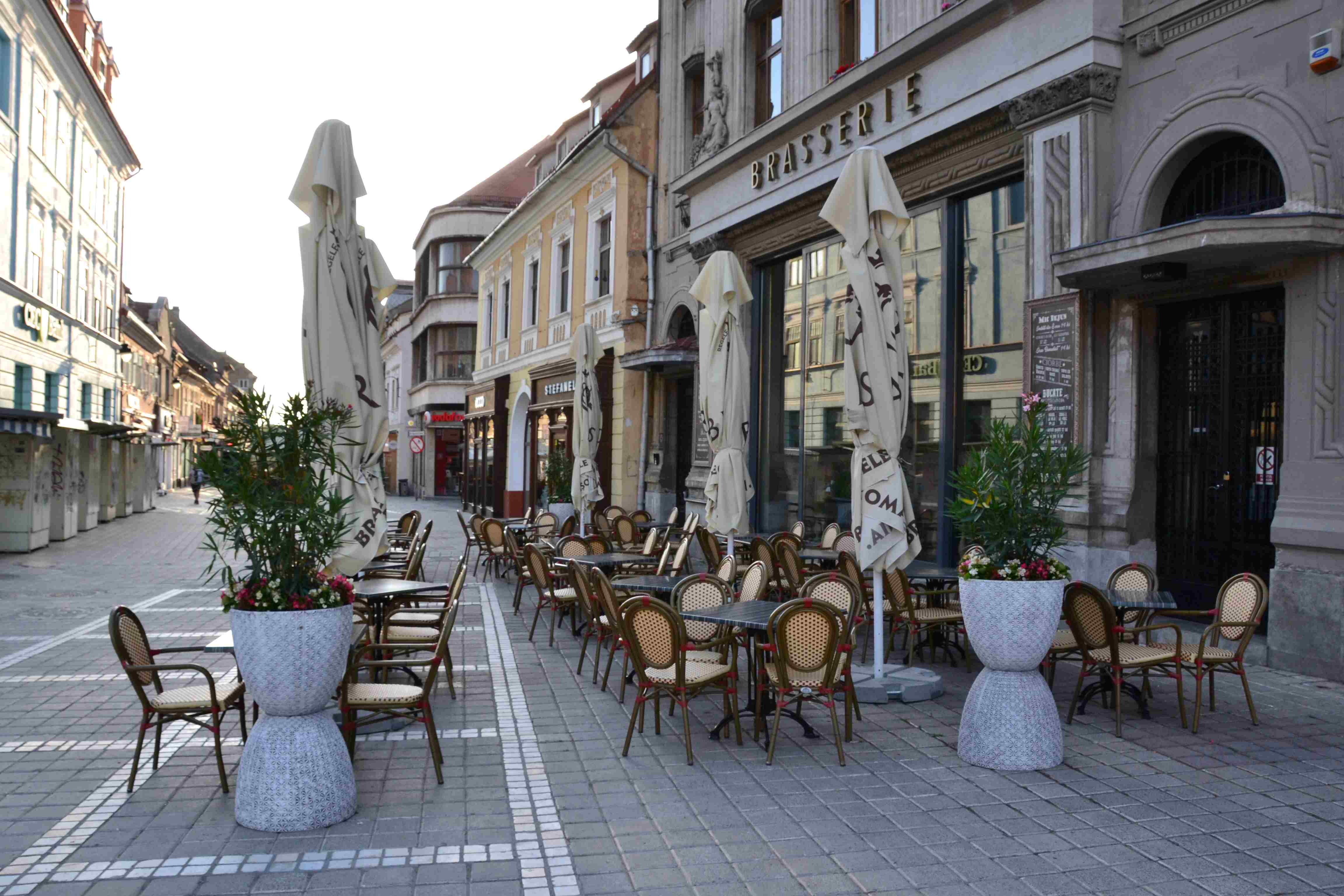
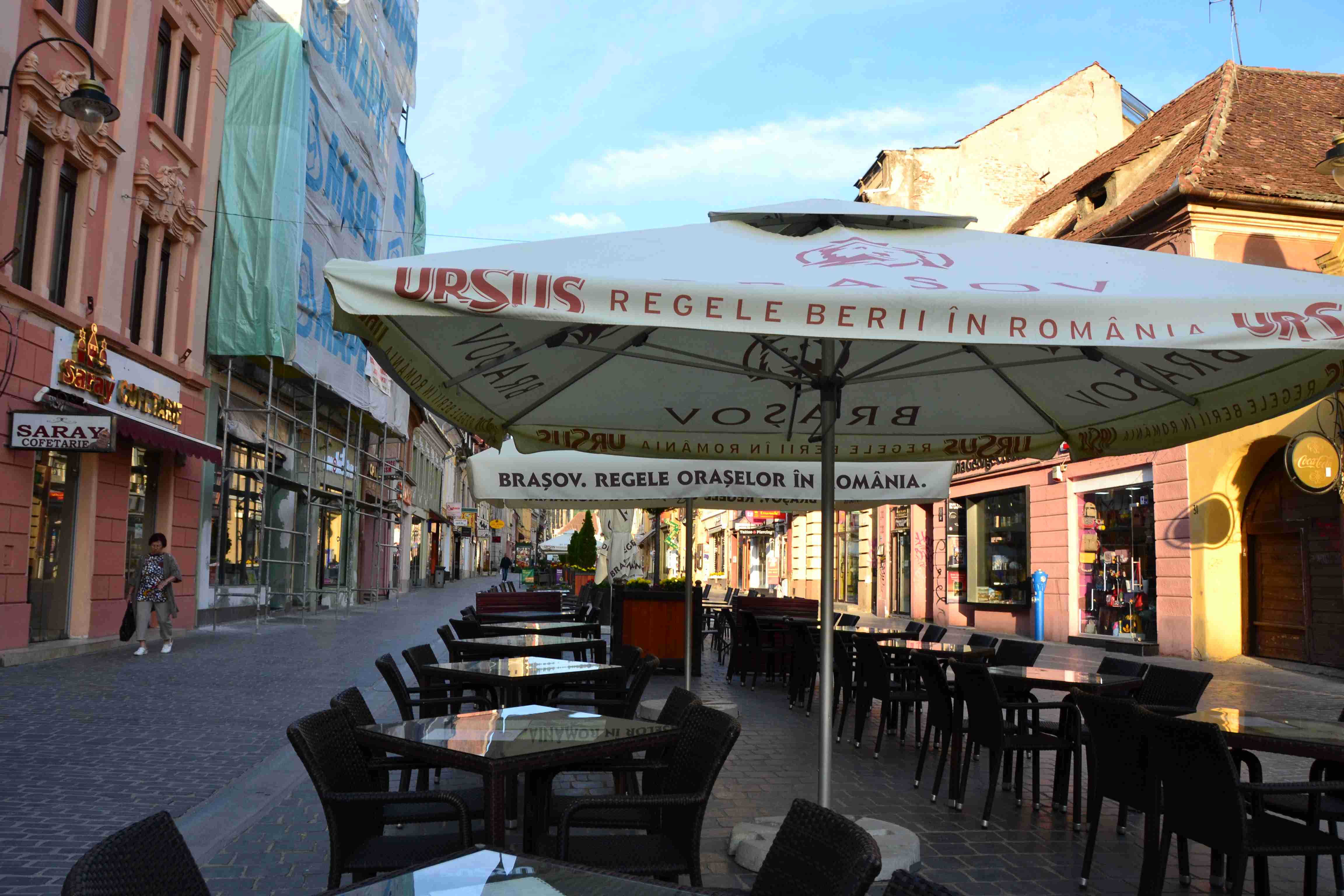
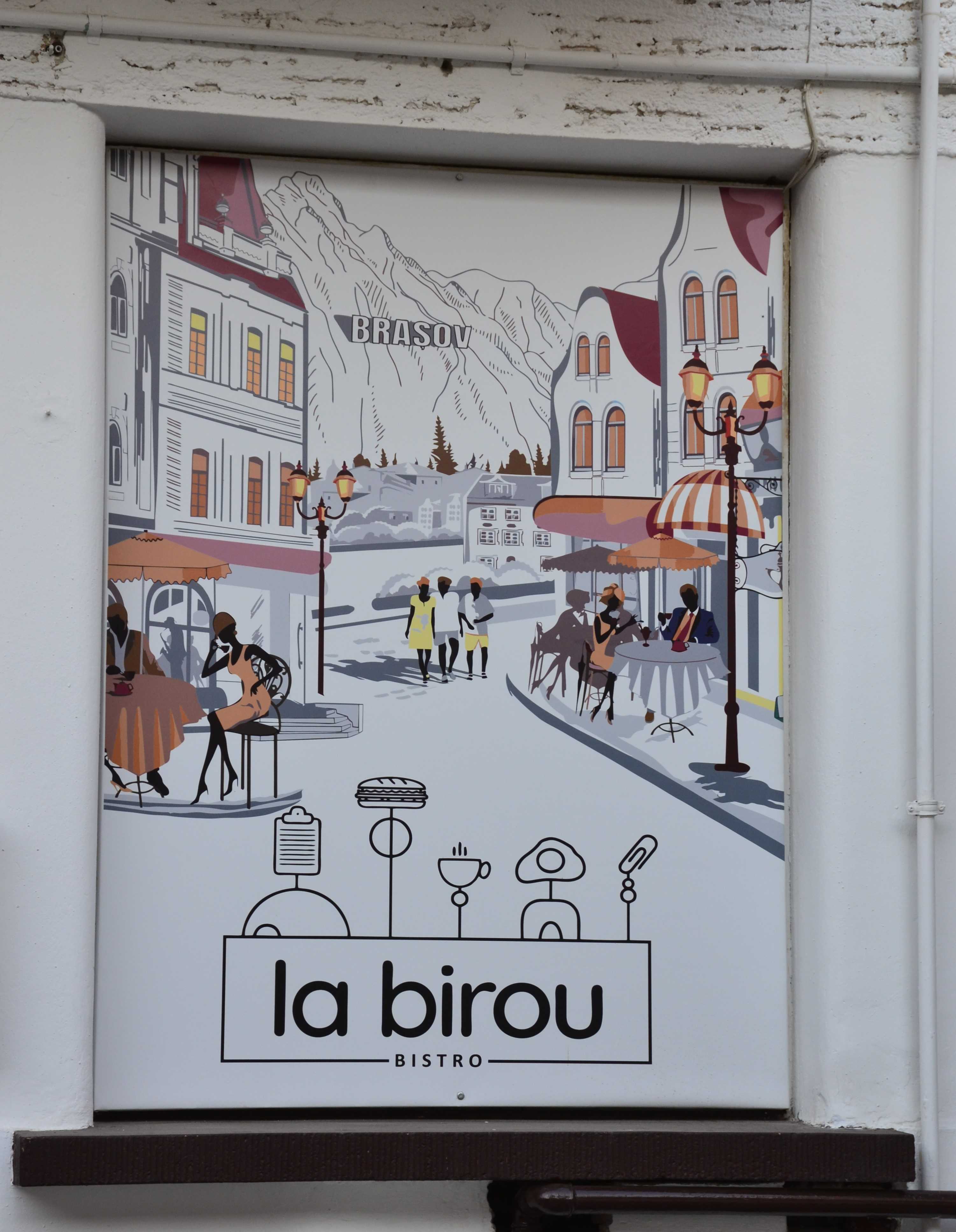
We saw many outdoor cafés along the streets downtown.
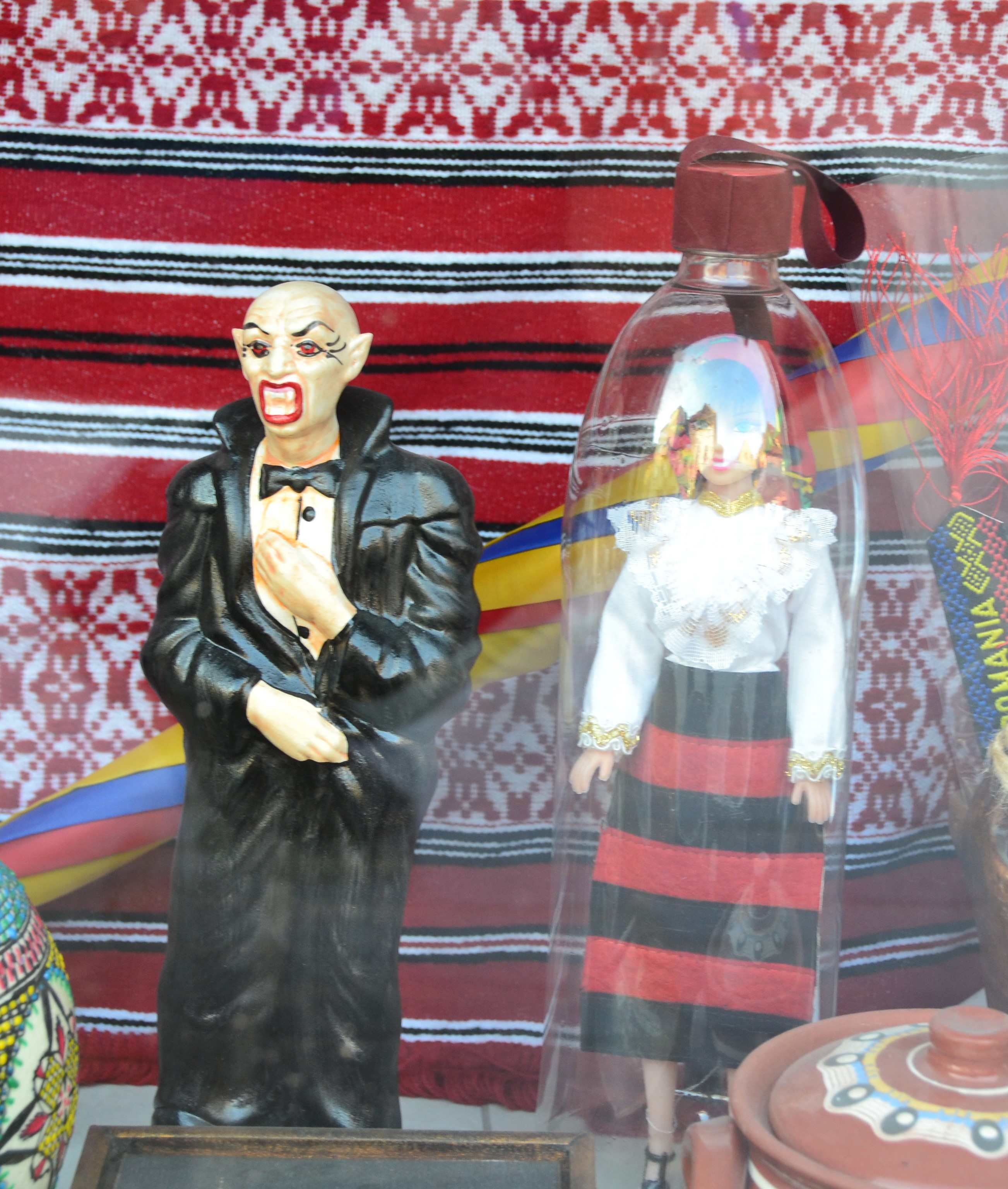
1) Bran Castle (Dracula’s Castle)
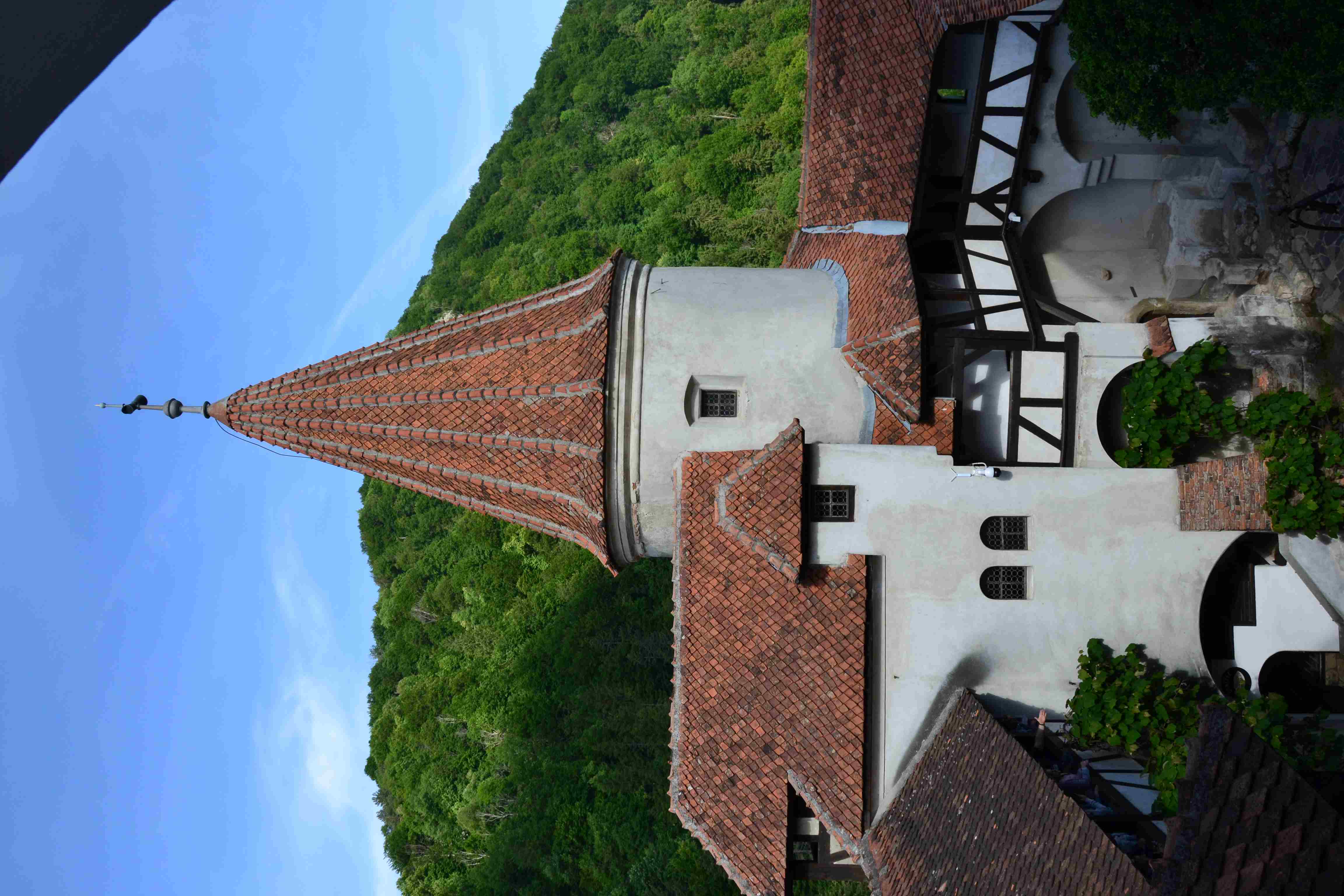
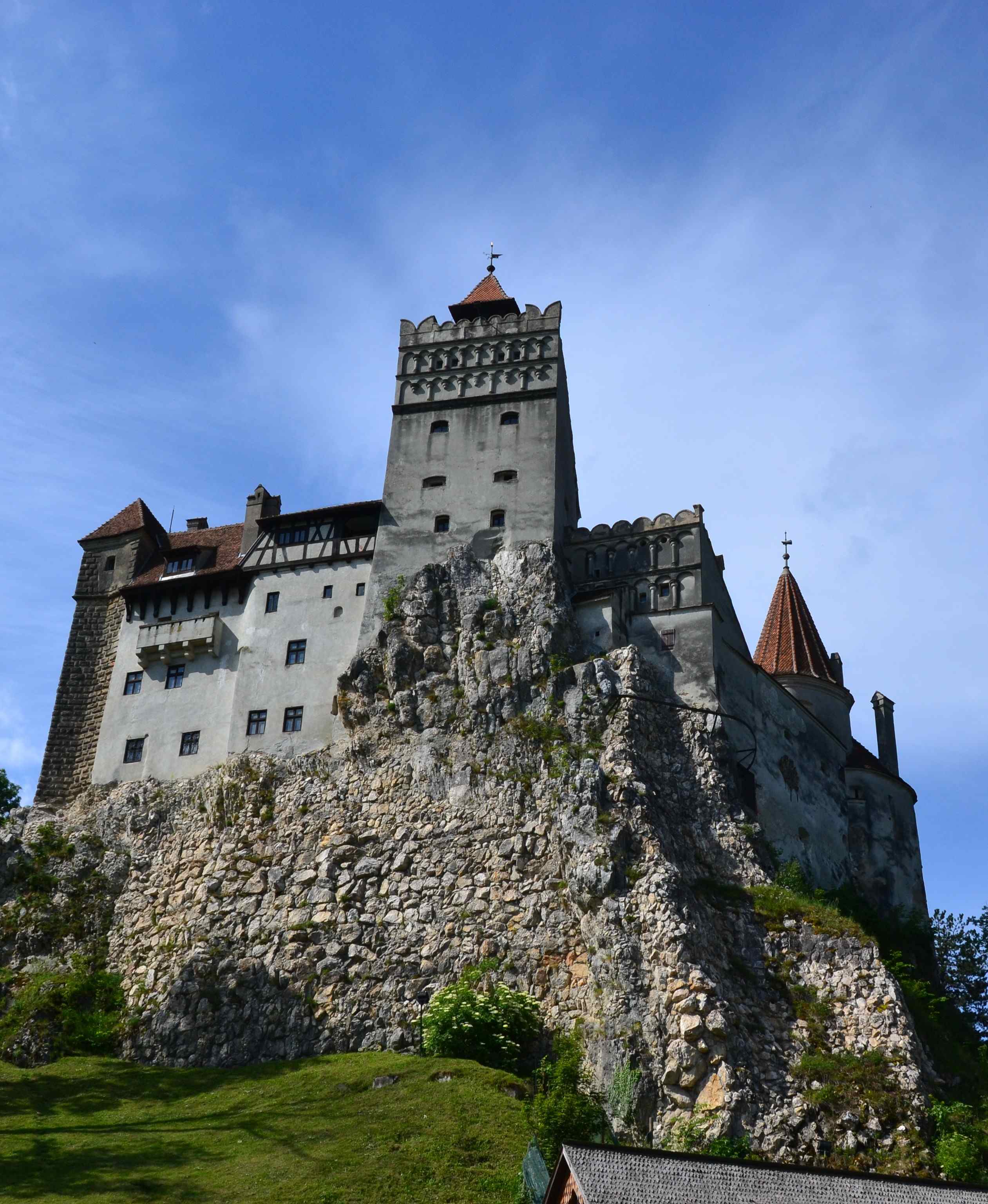
Next, our bus took us to Bran Castle which is located 25 km southwest of Brasov, and 120 miles (180km) away from Bucharest. This castle is the inspiration for Bram Stoker’s novel “Dracula”, and it is one of the tourist attractions we were quite interested in visiting during this trip. When we arrived there, the castle stood majestically in front of us.
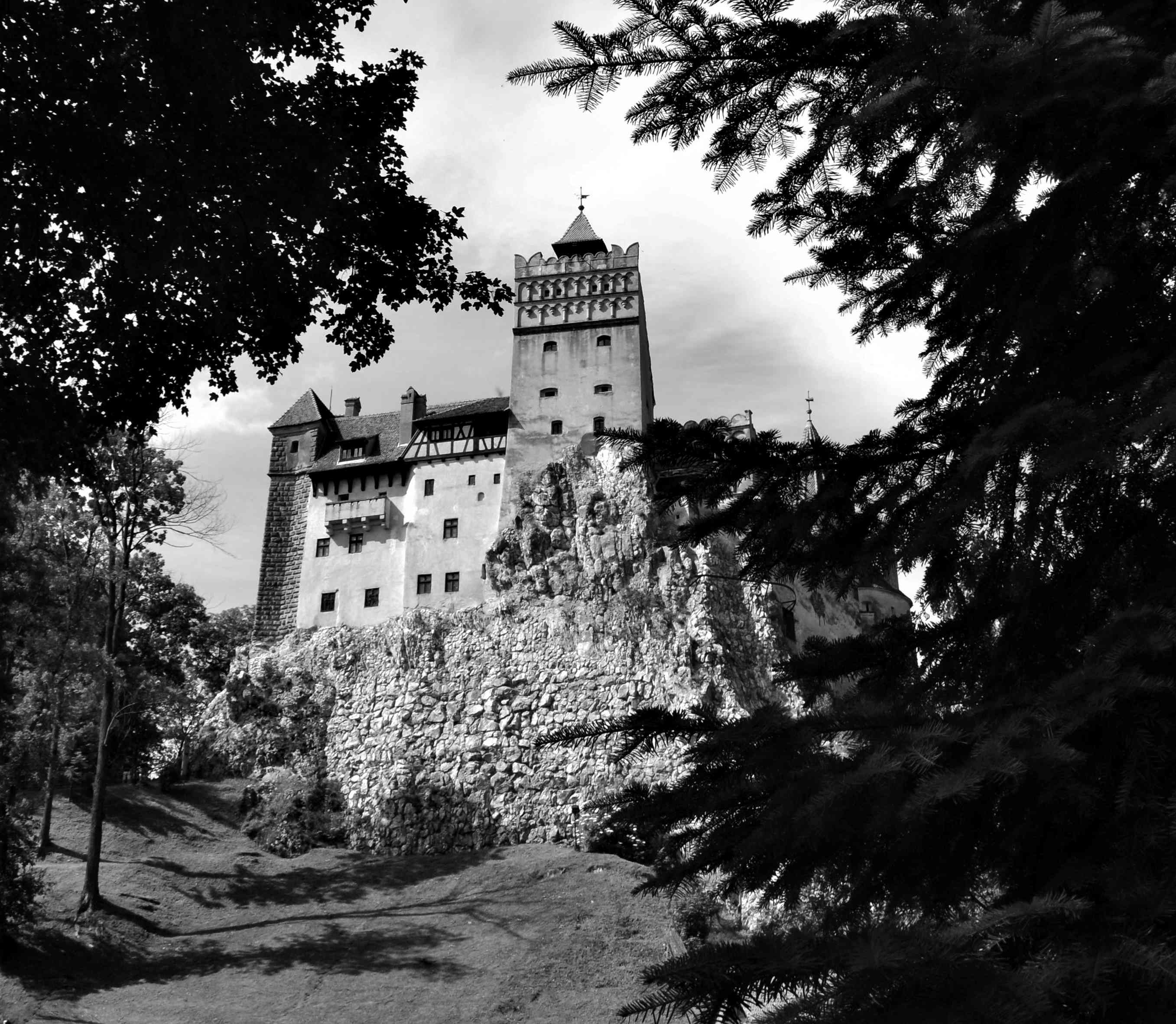
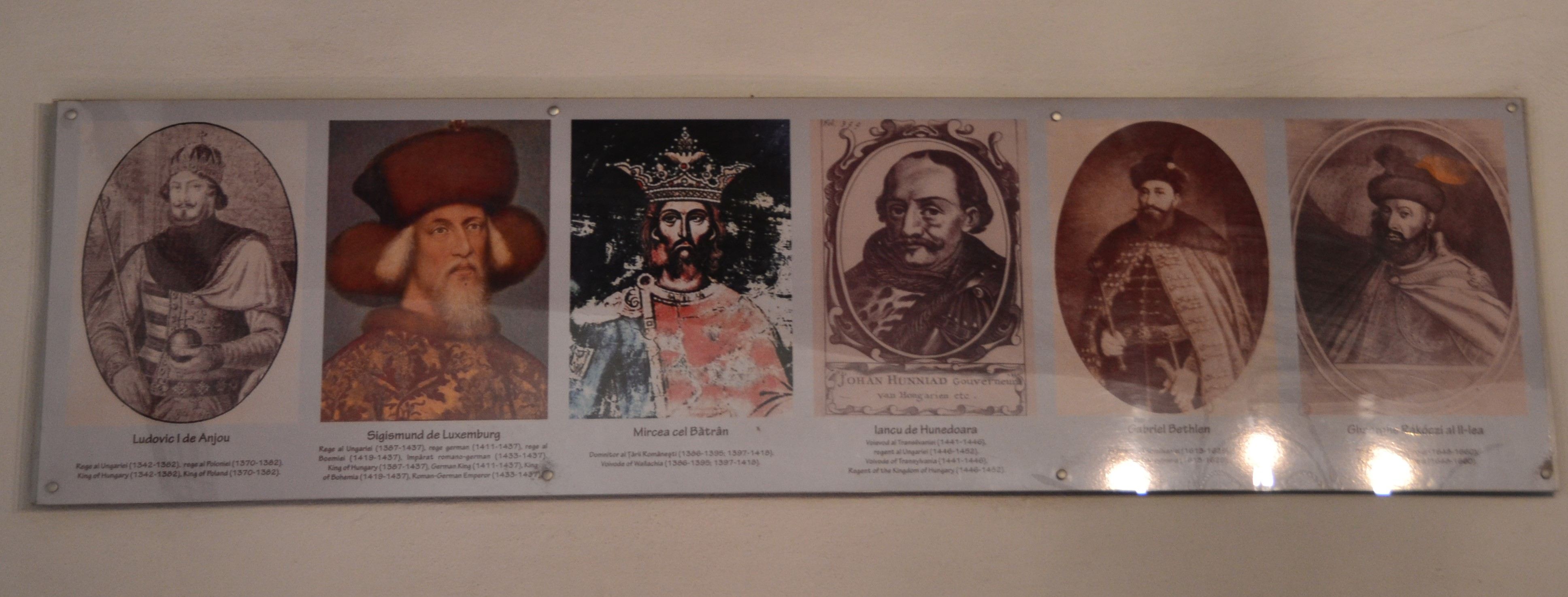
Saxons, who were given priviledge by Louis I of Hungary, built Bran Caslt in 1377. It is the most famous landmark in Transylvania and now a national monument.
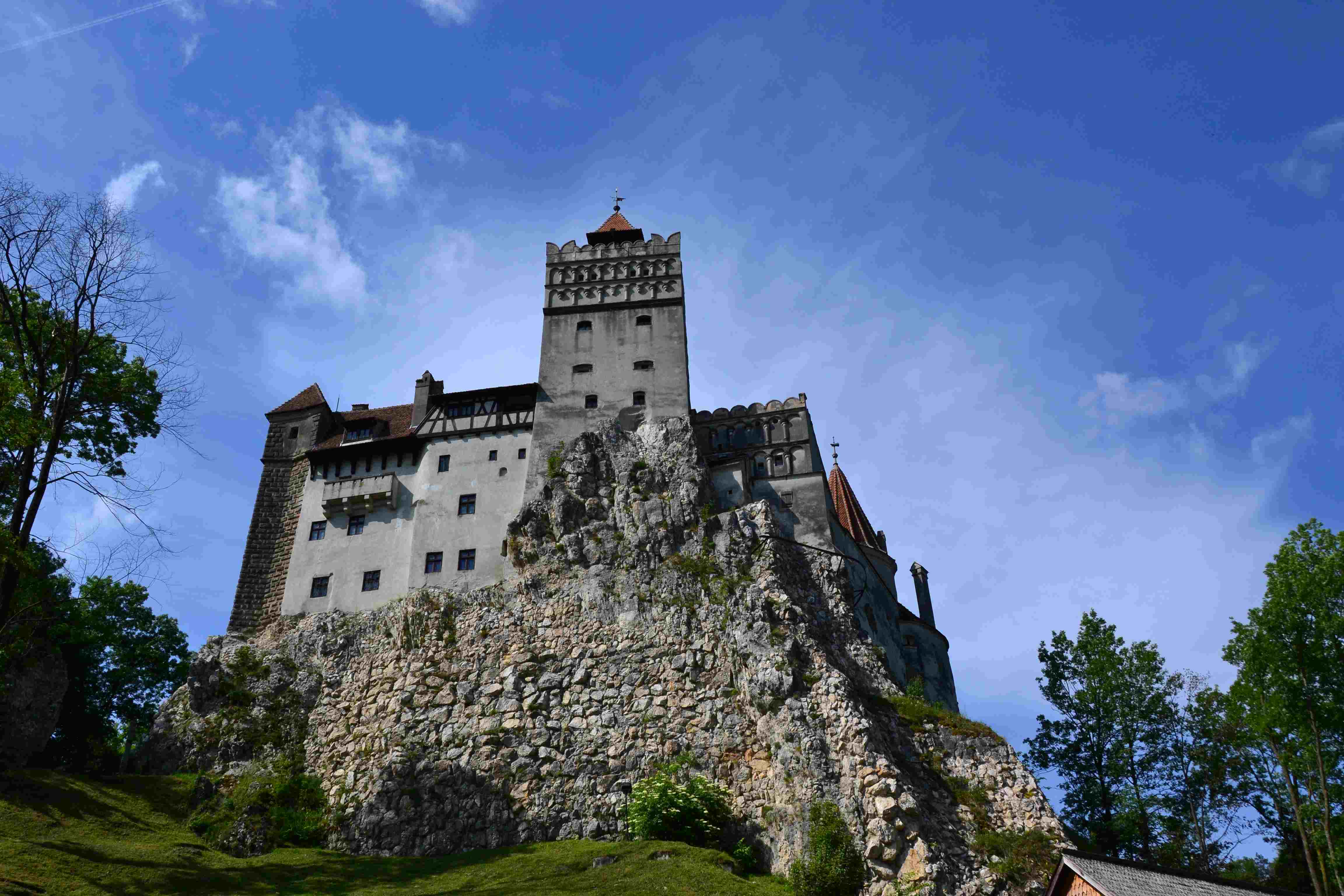
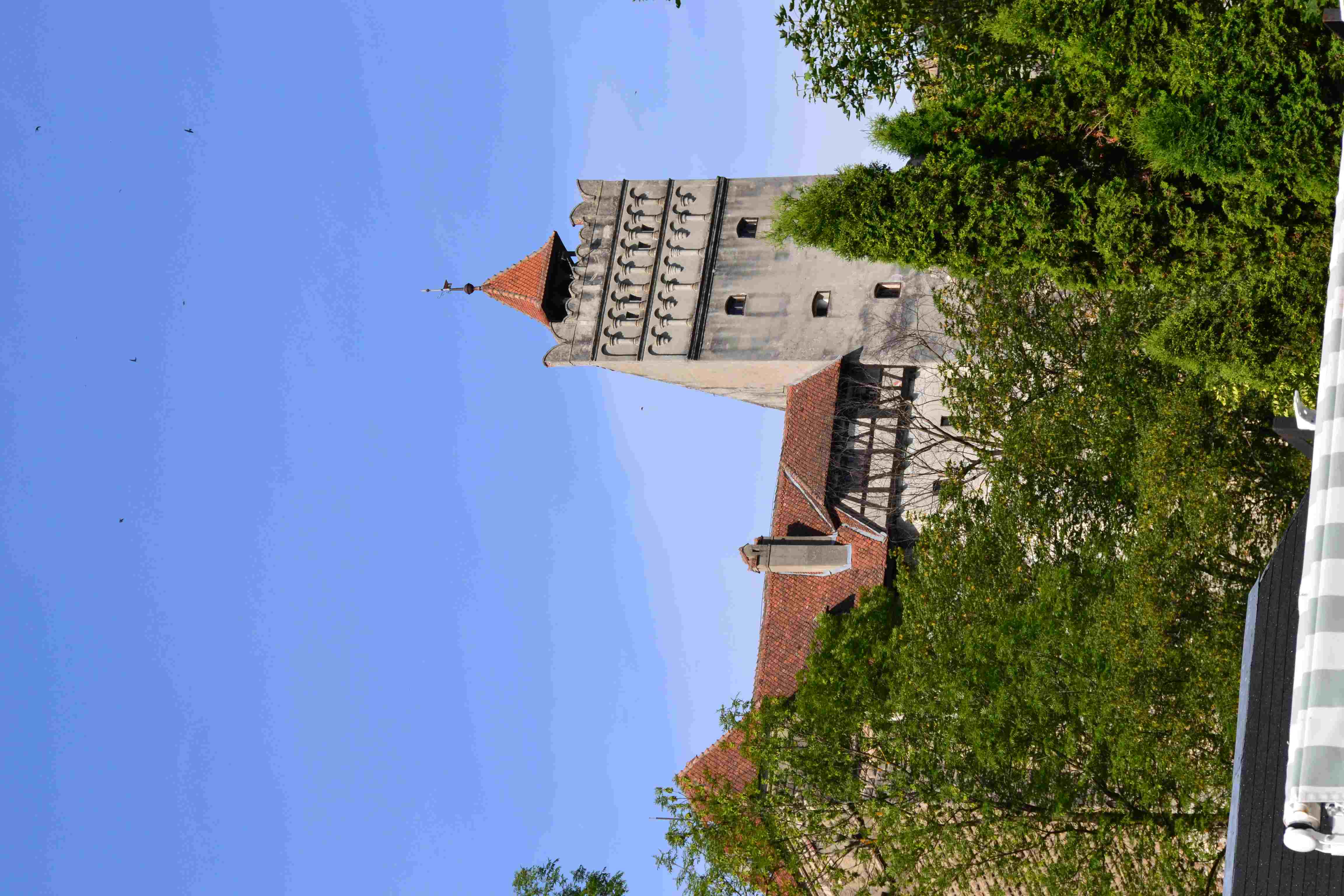
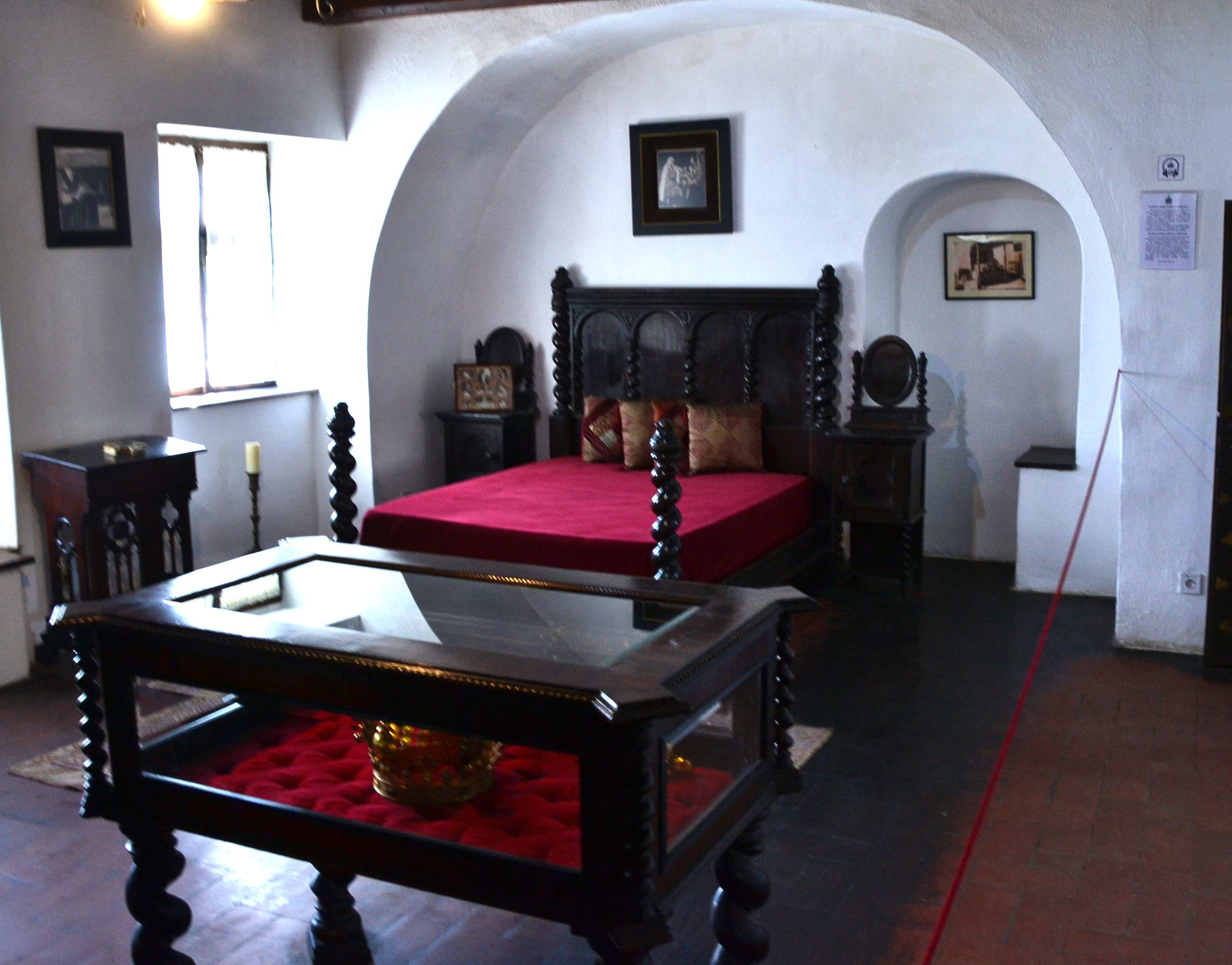
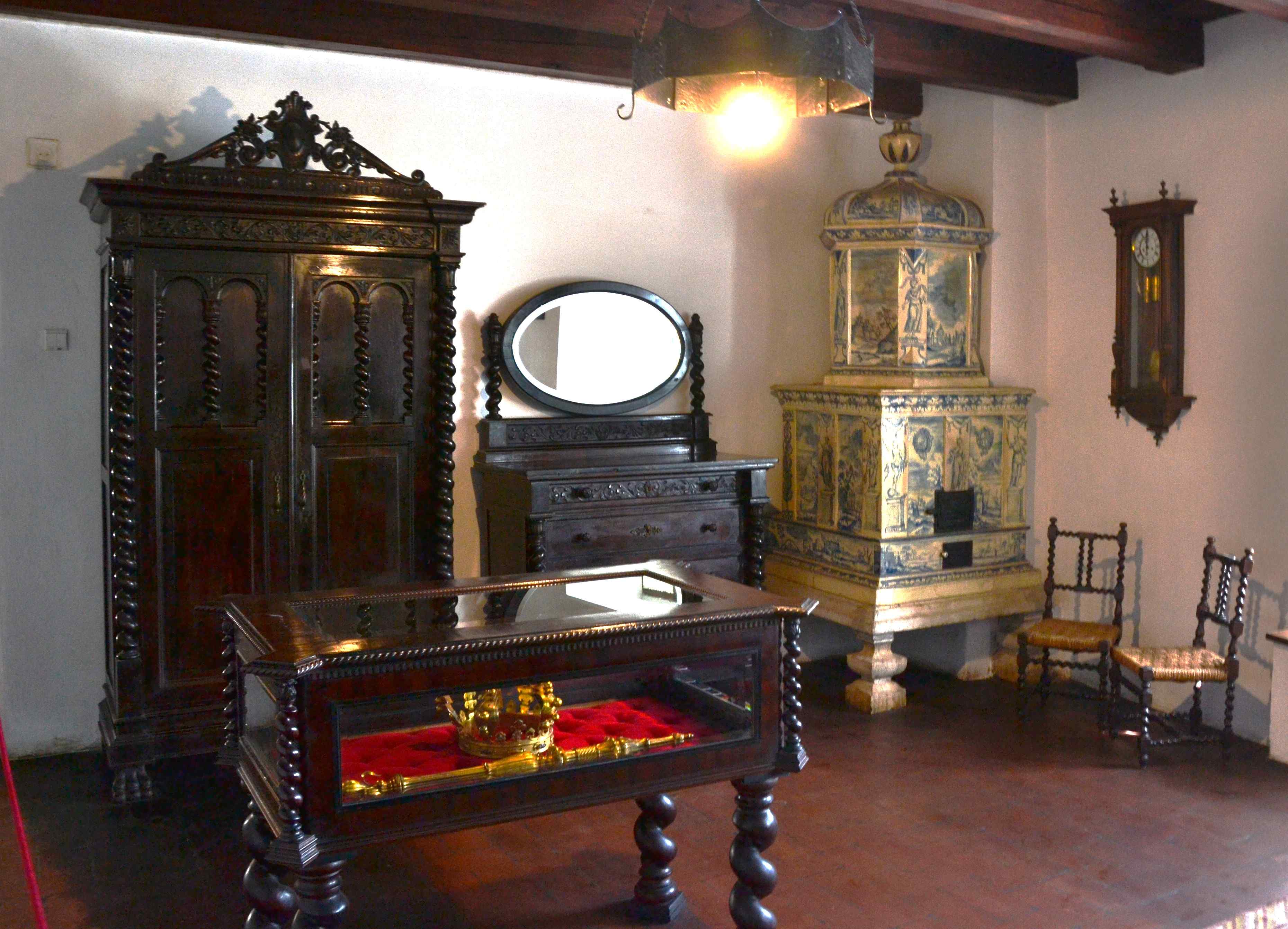
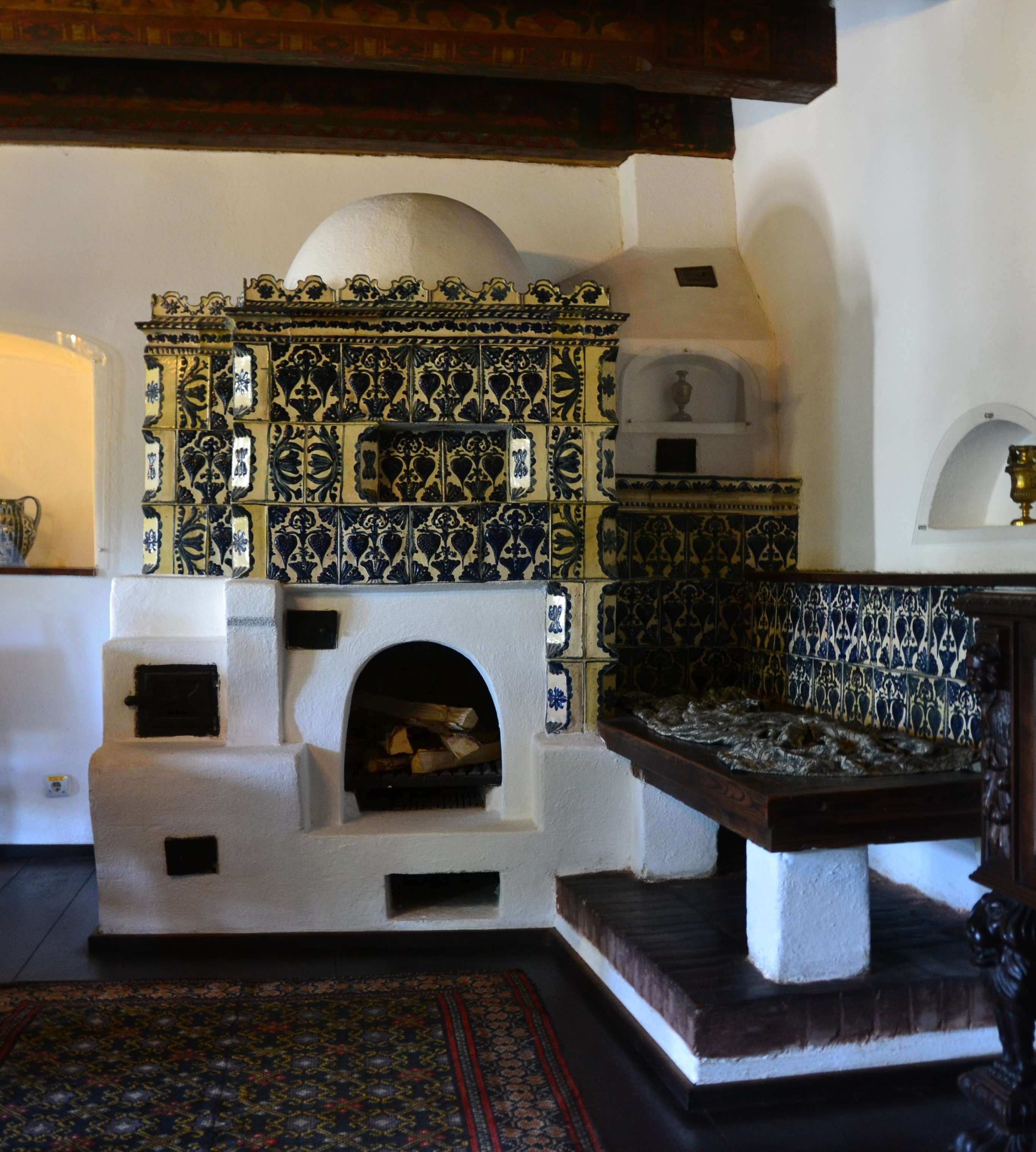
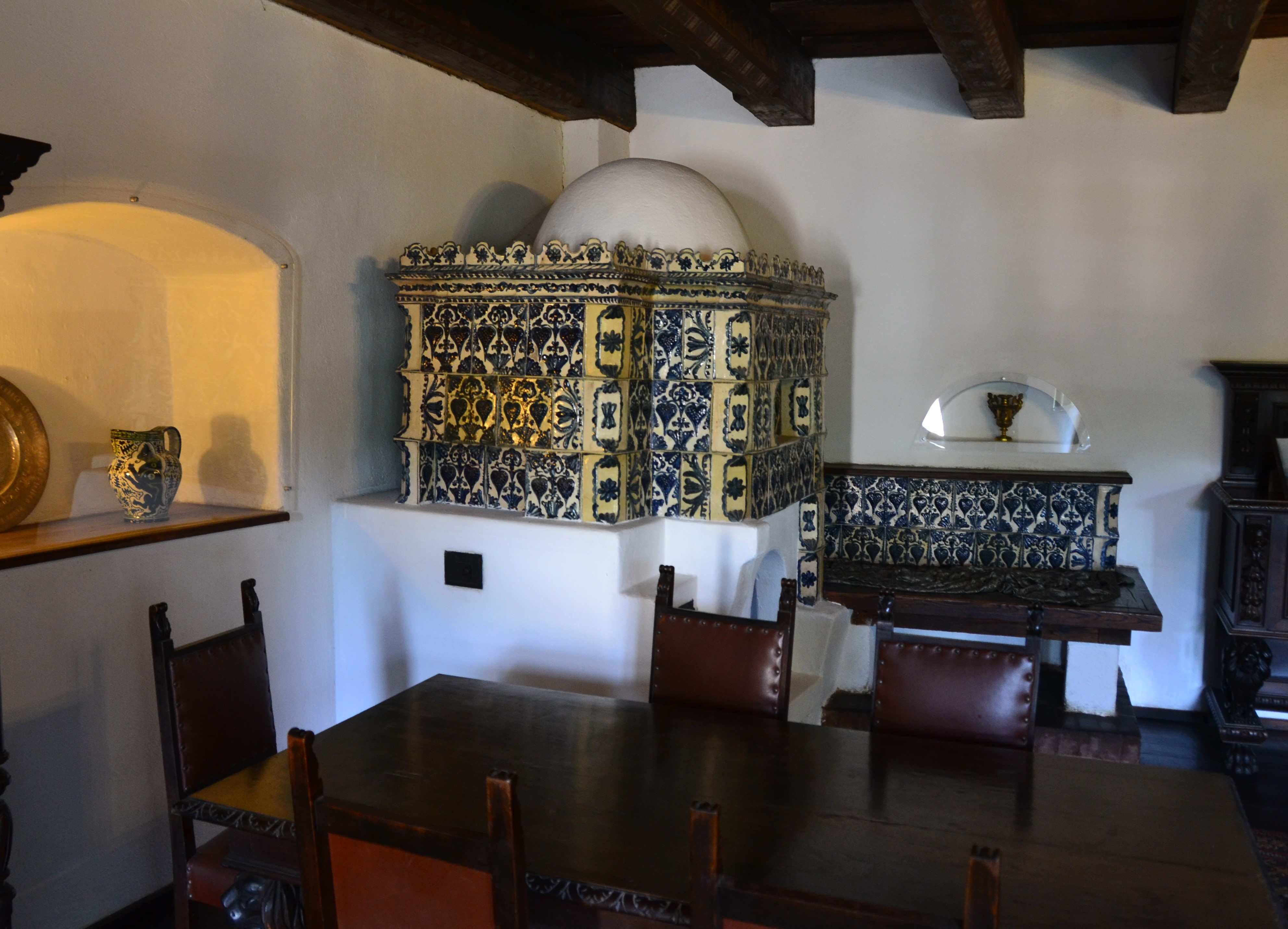
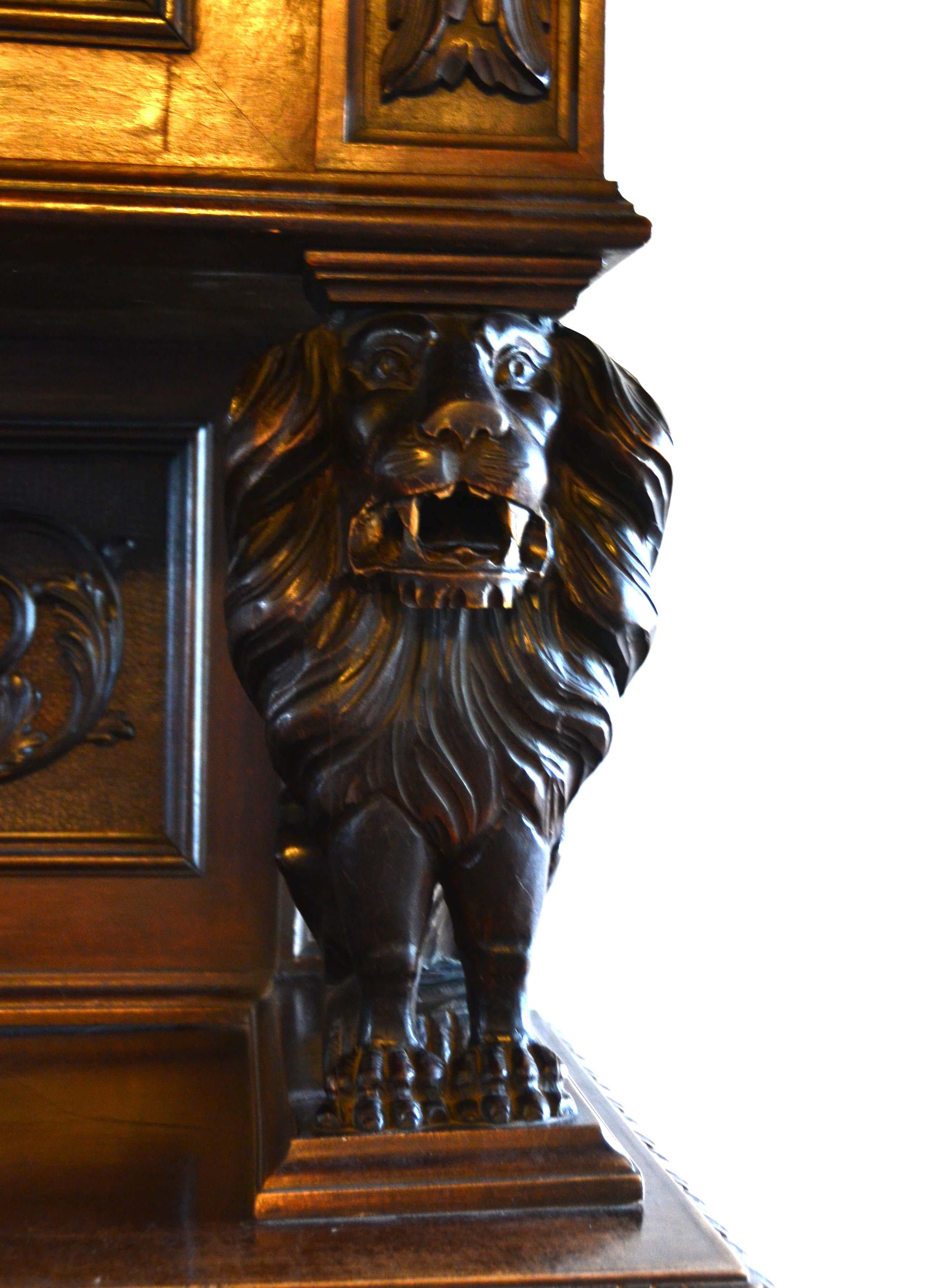
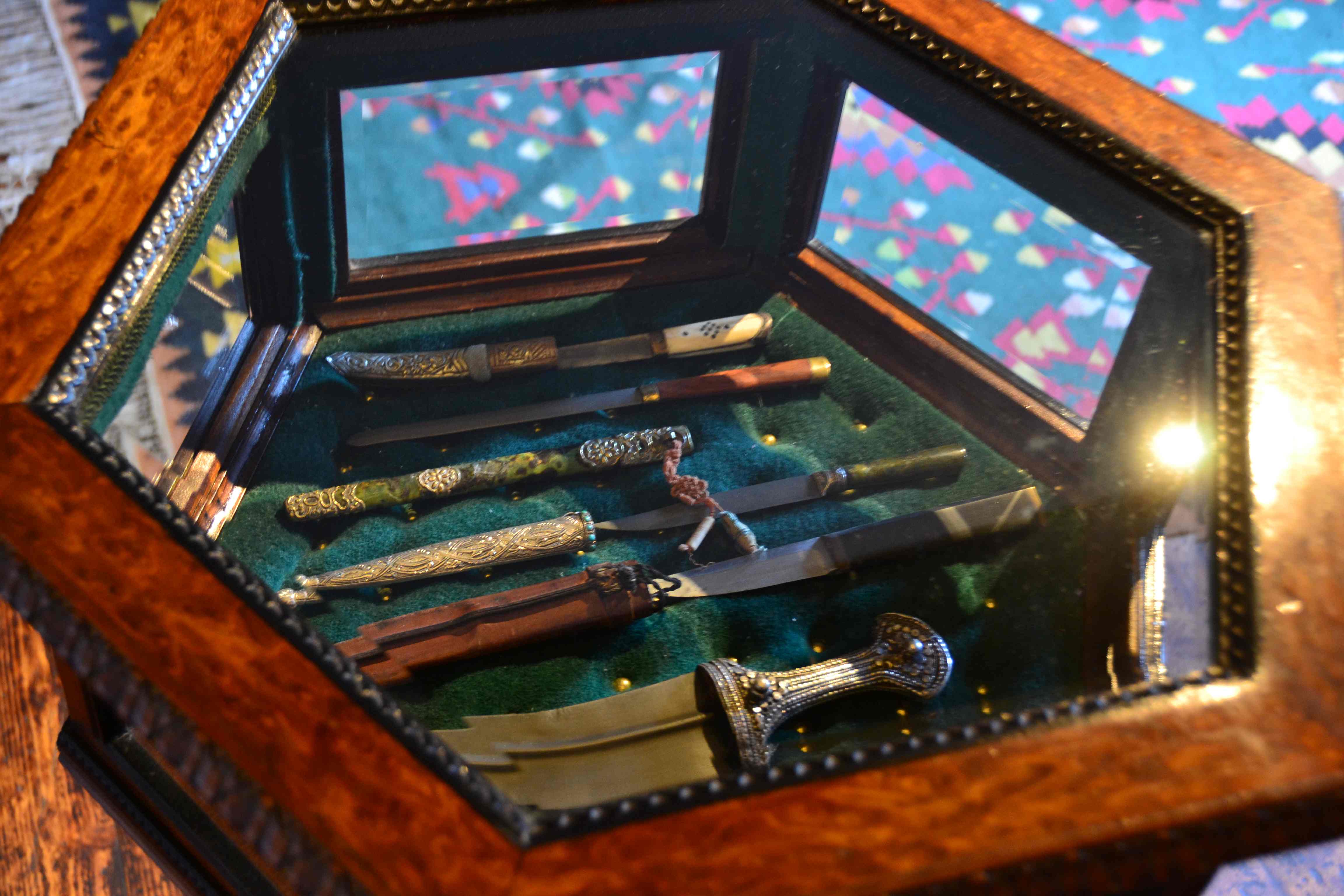
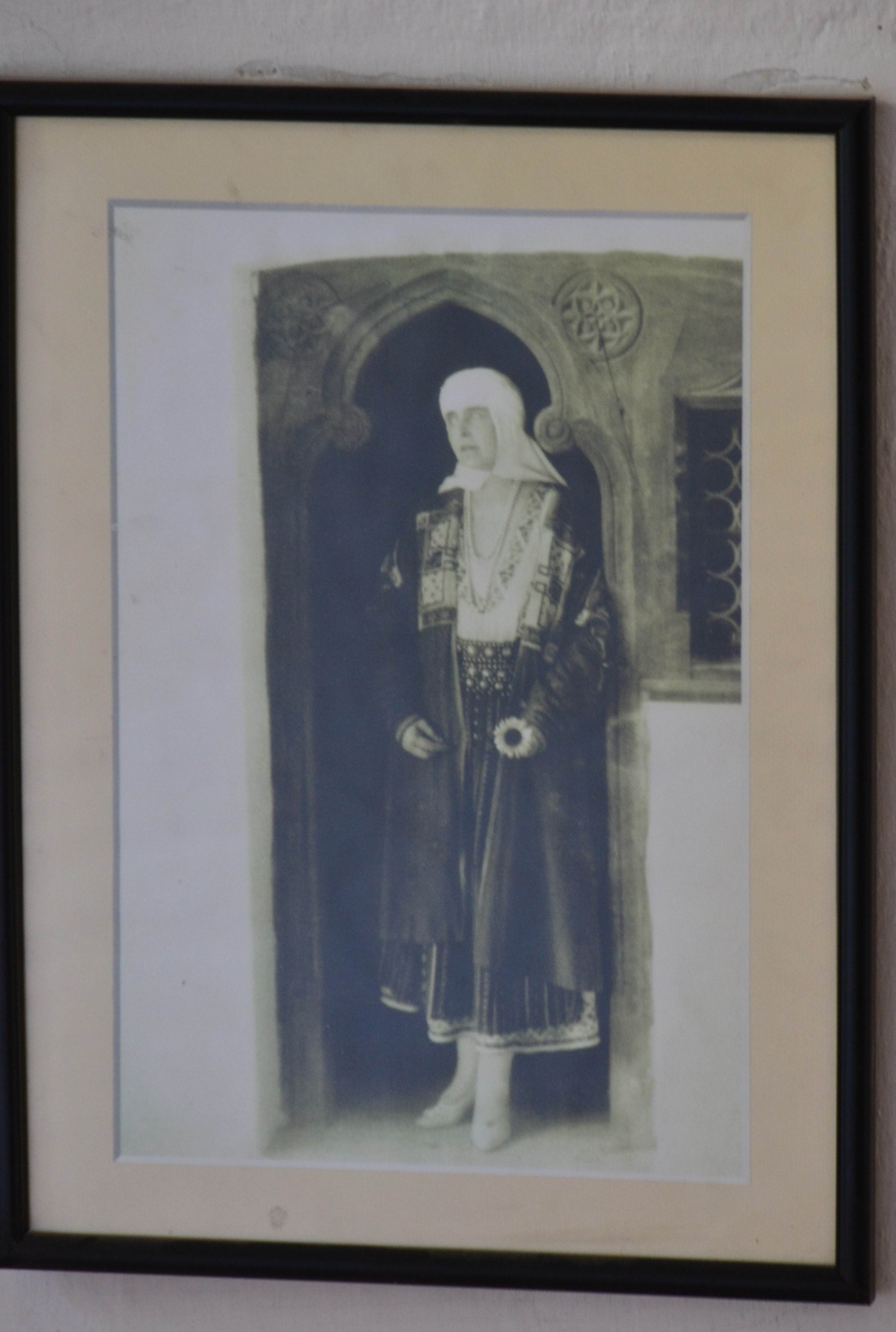
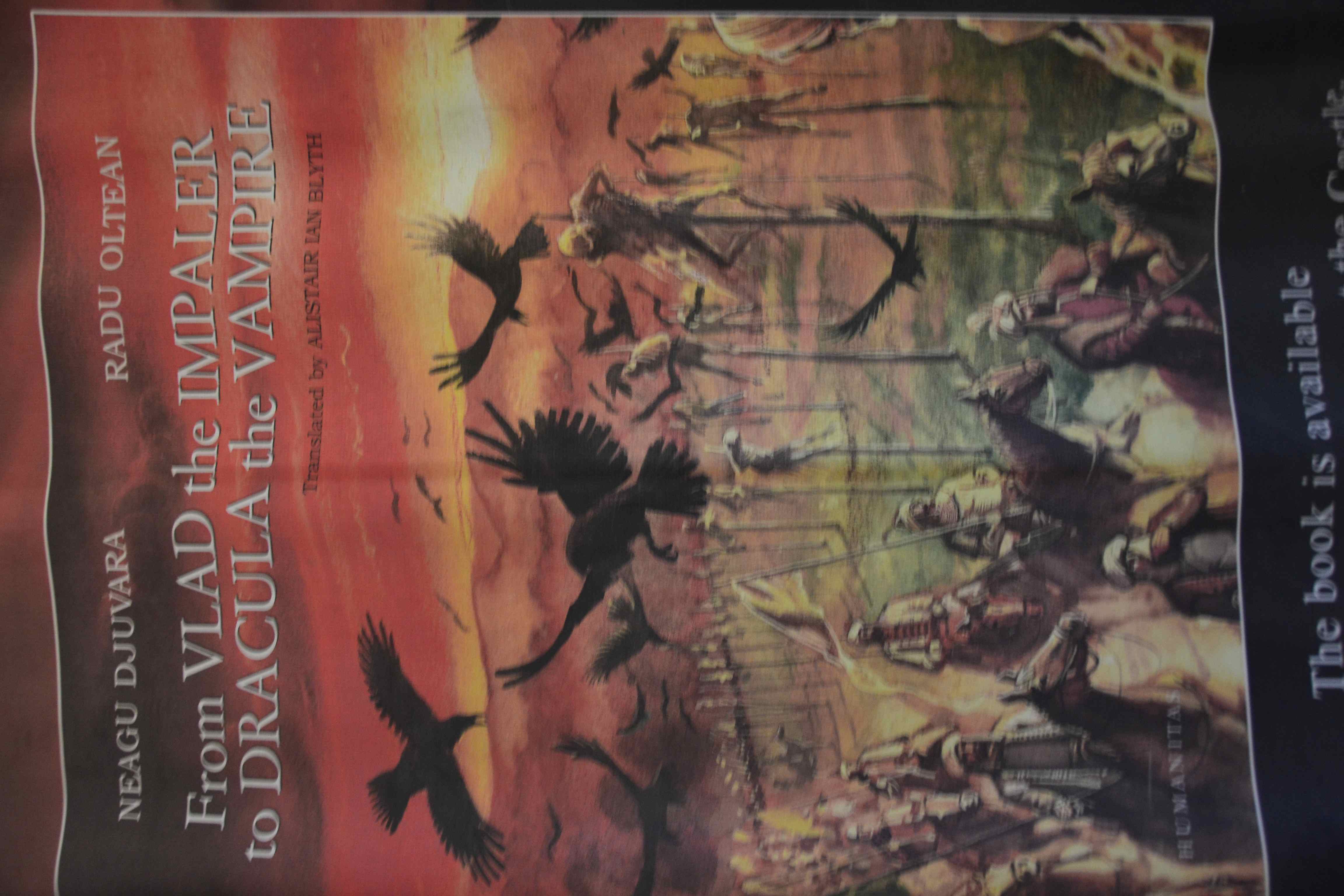
We associate this castle as a home of Dracula. However, it actually houses a collection of furniture and artworks of Romania’s last queen, Marie.
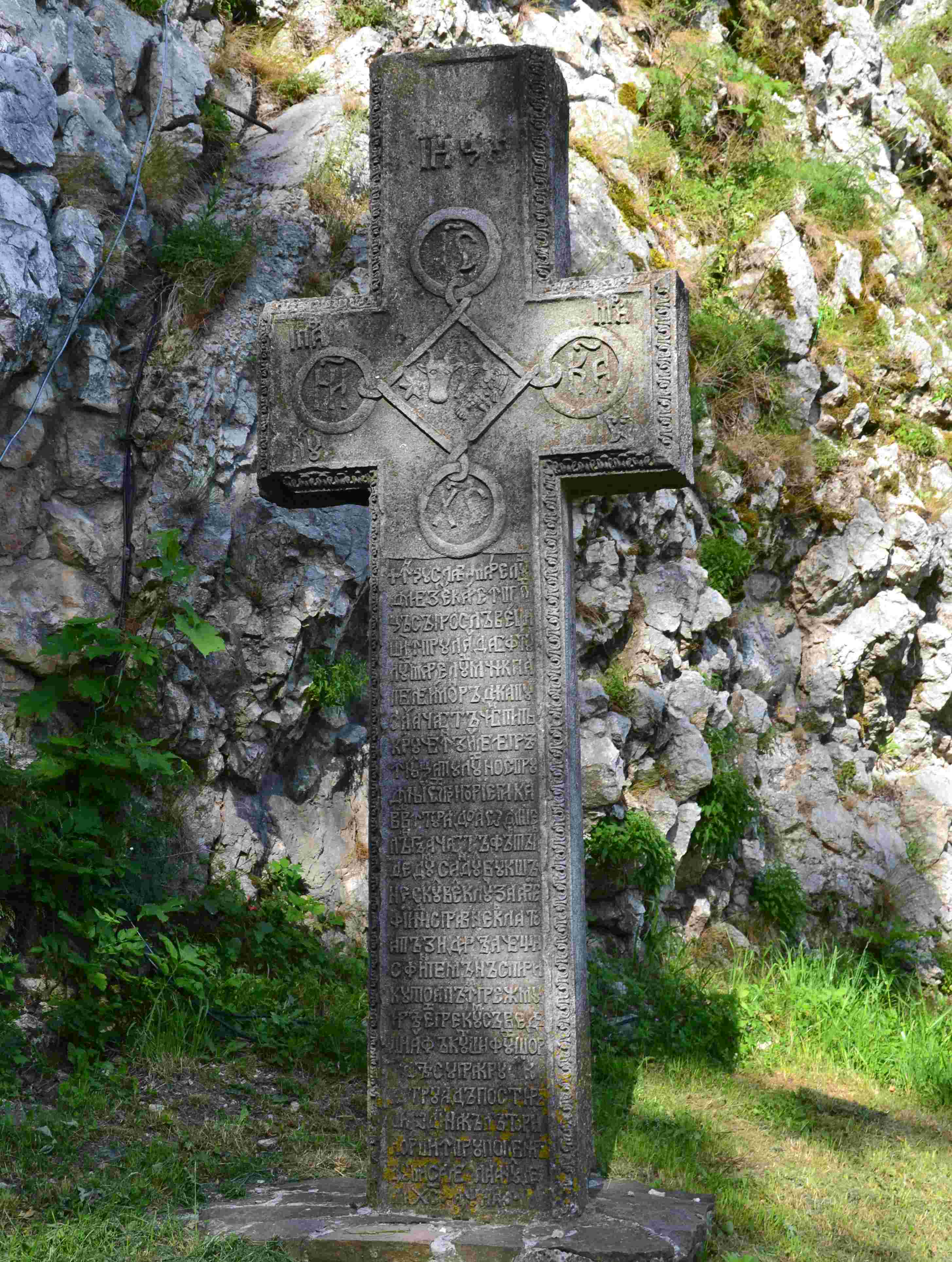
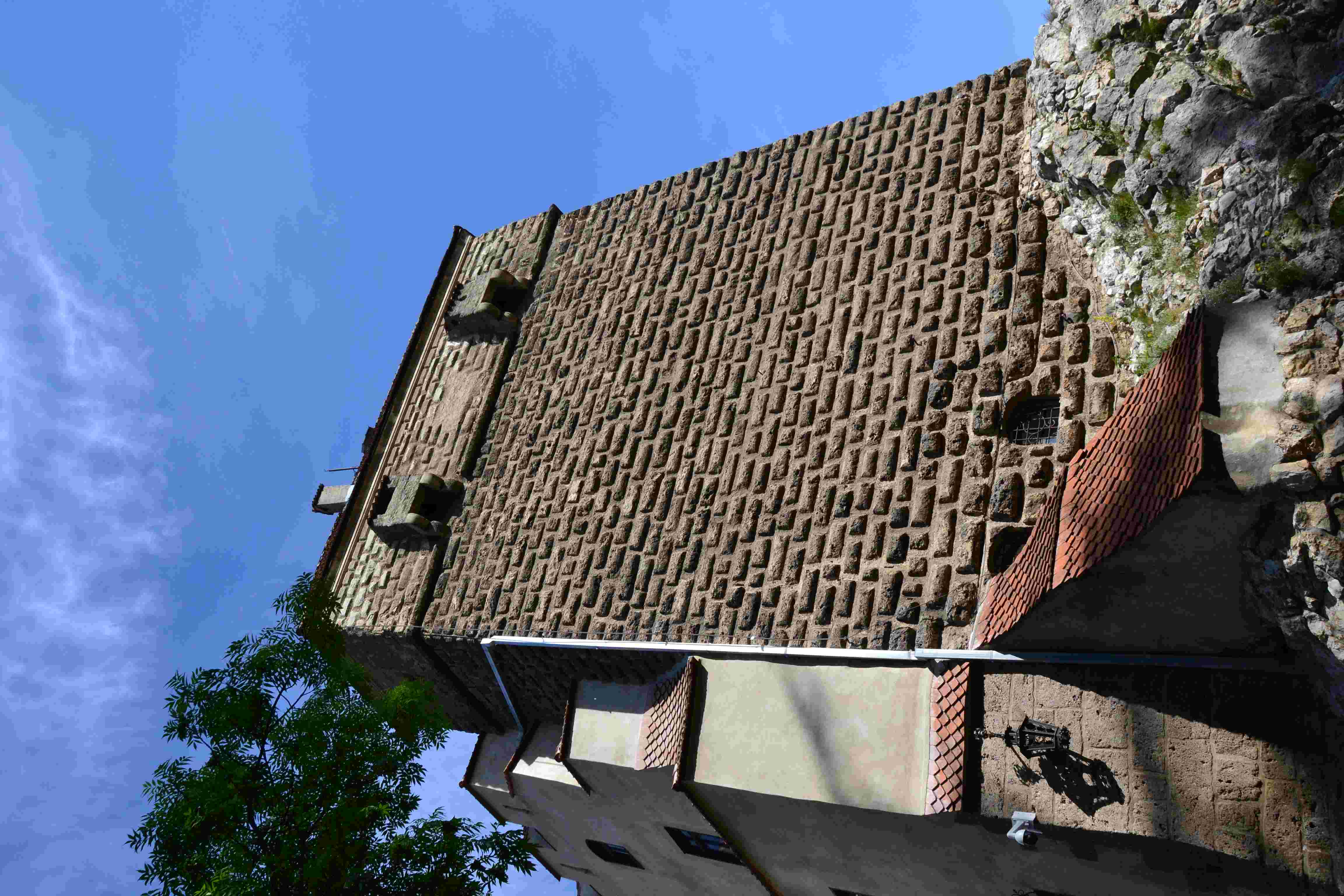
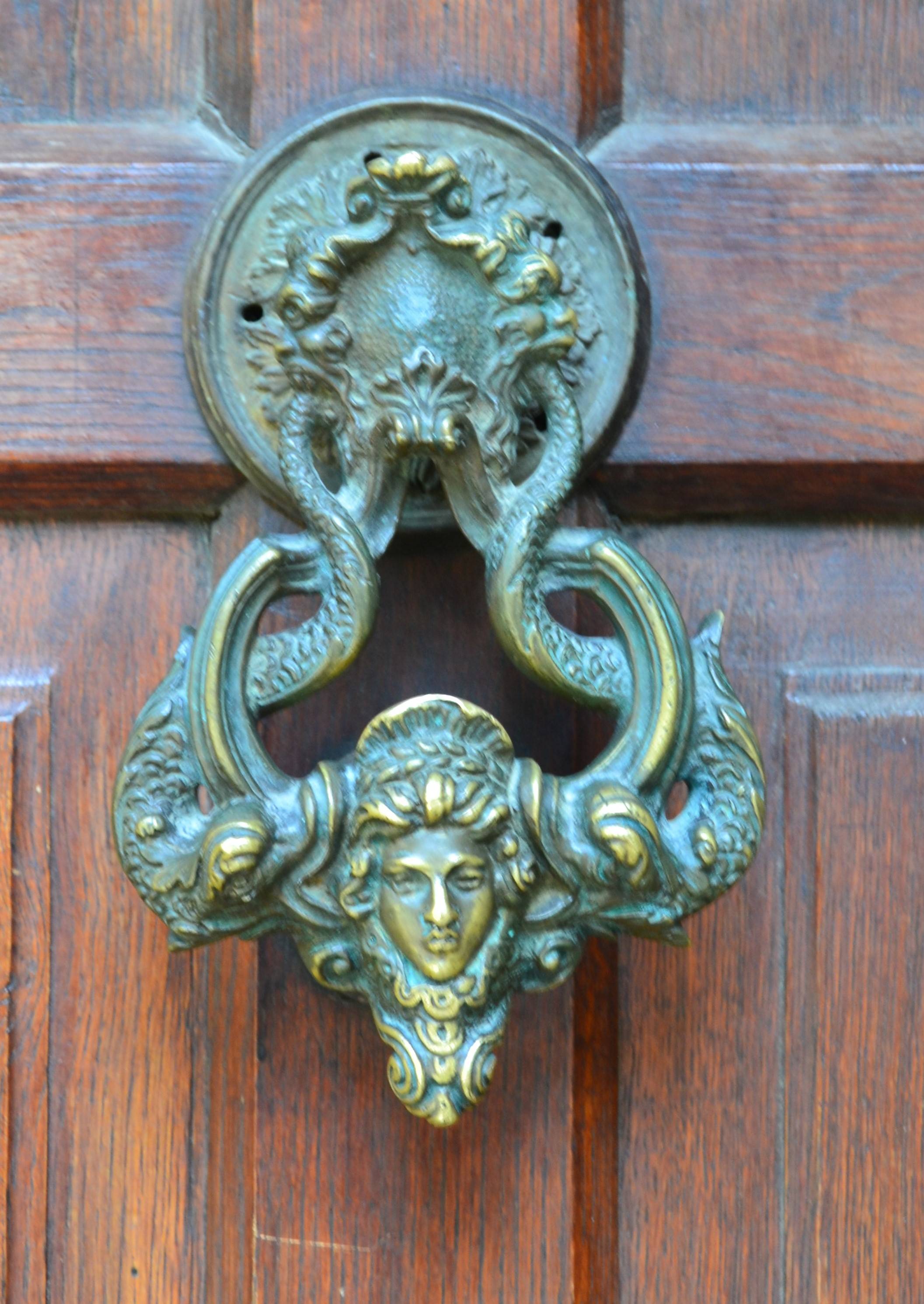
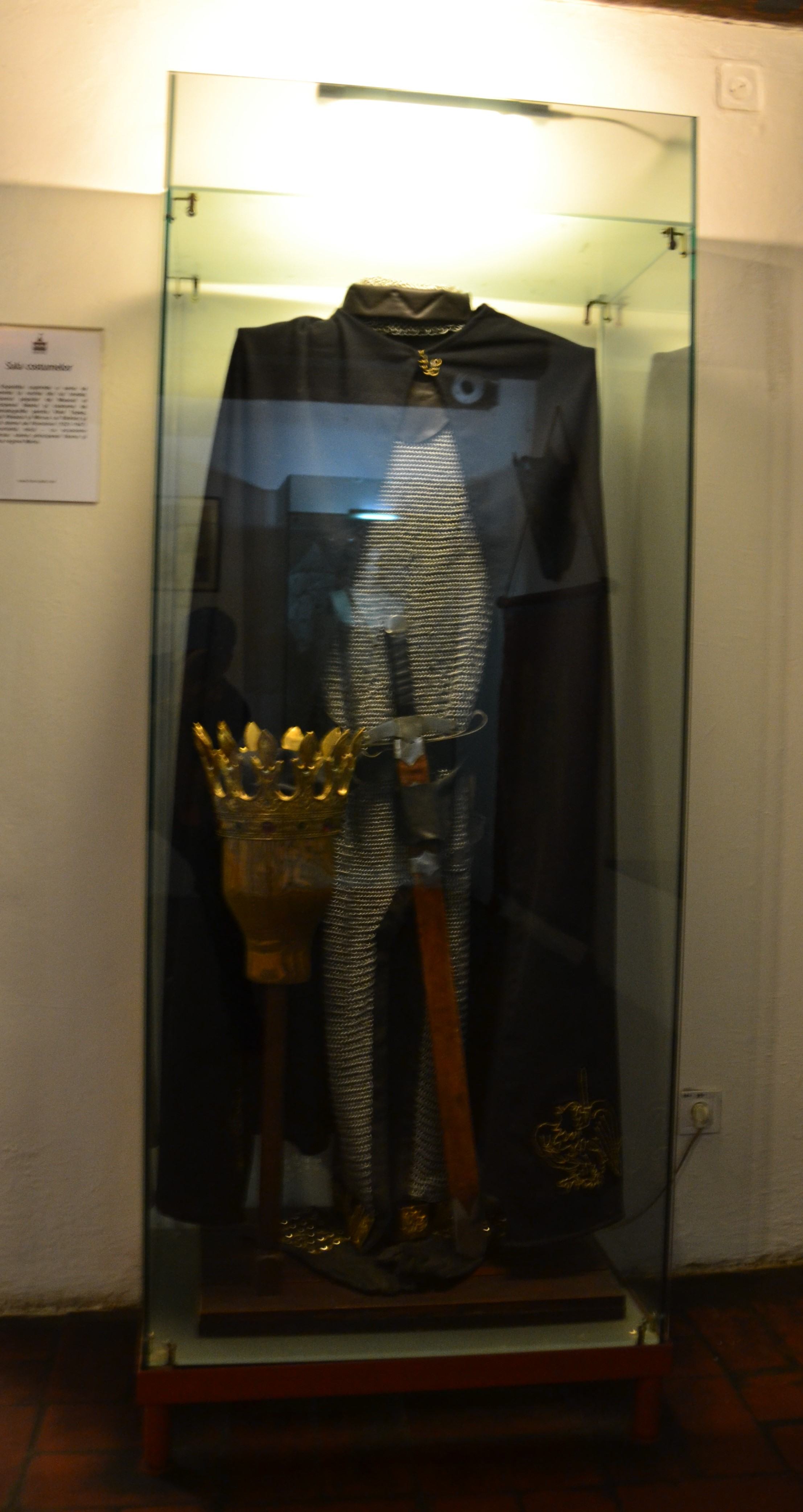
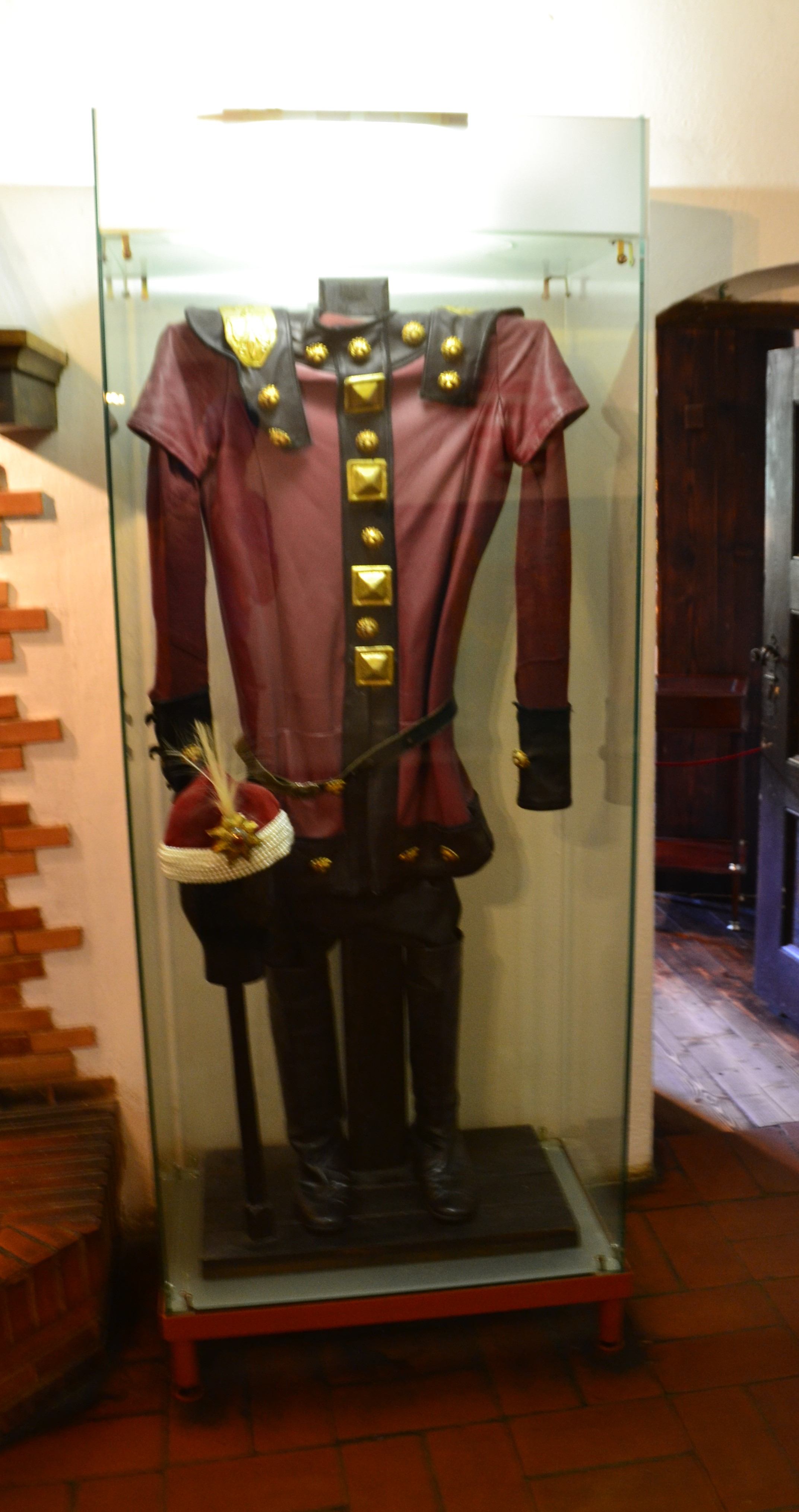
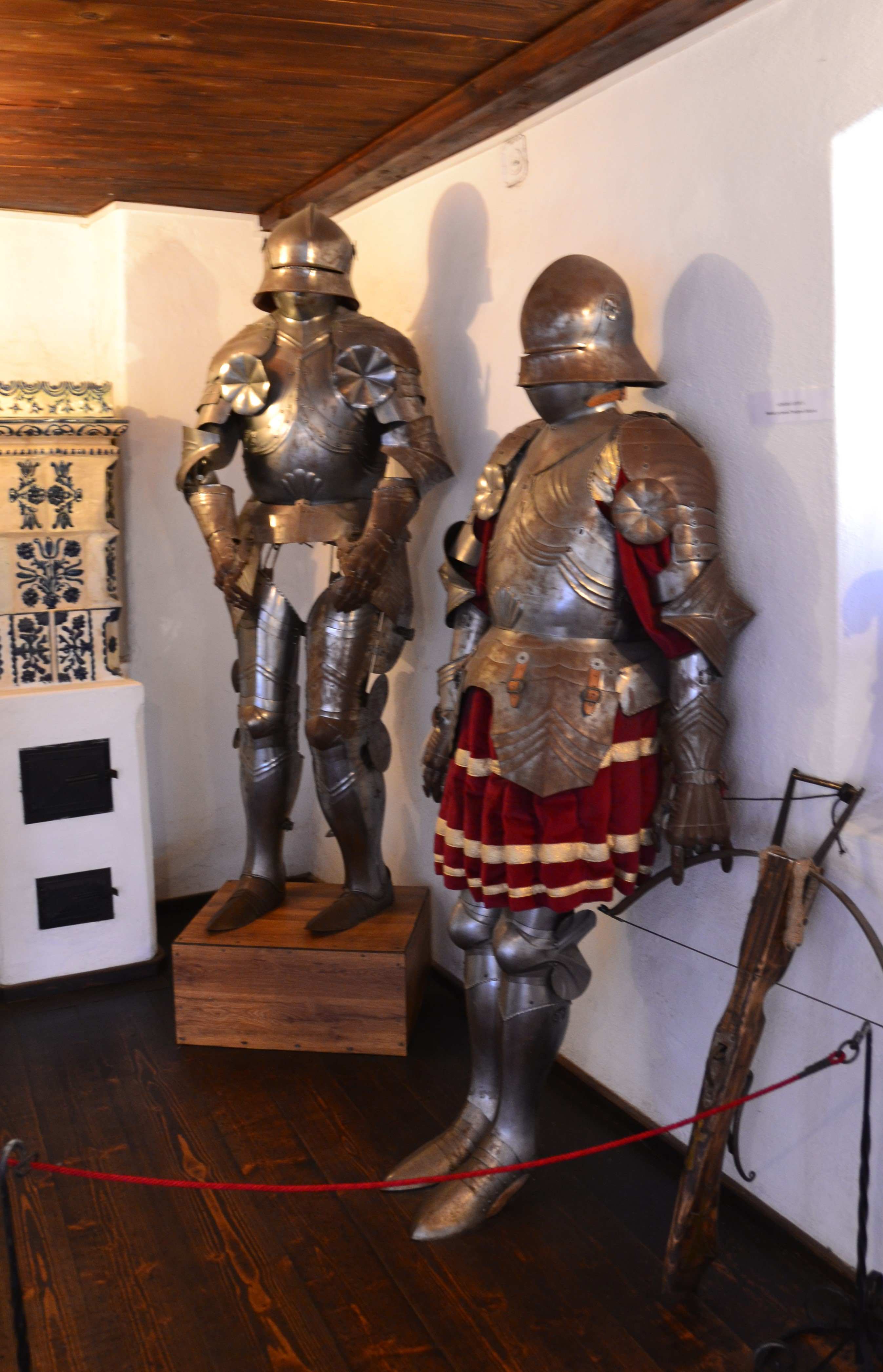
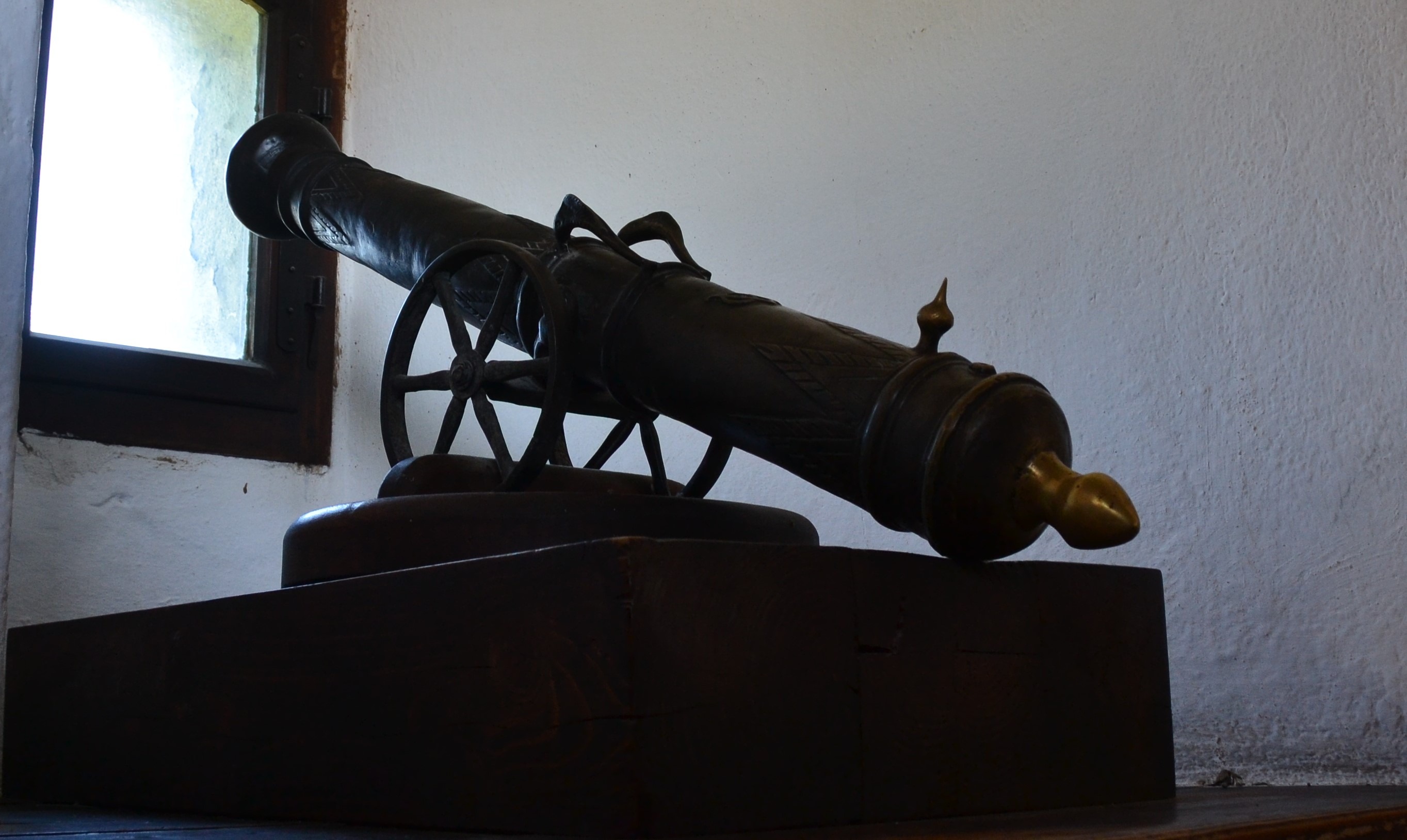
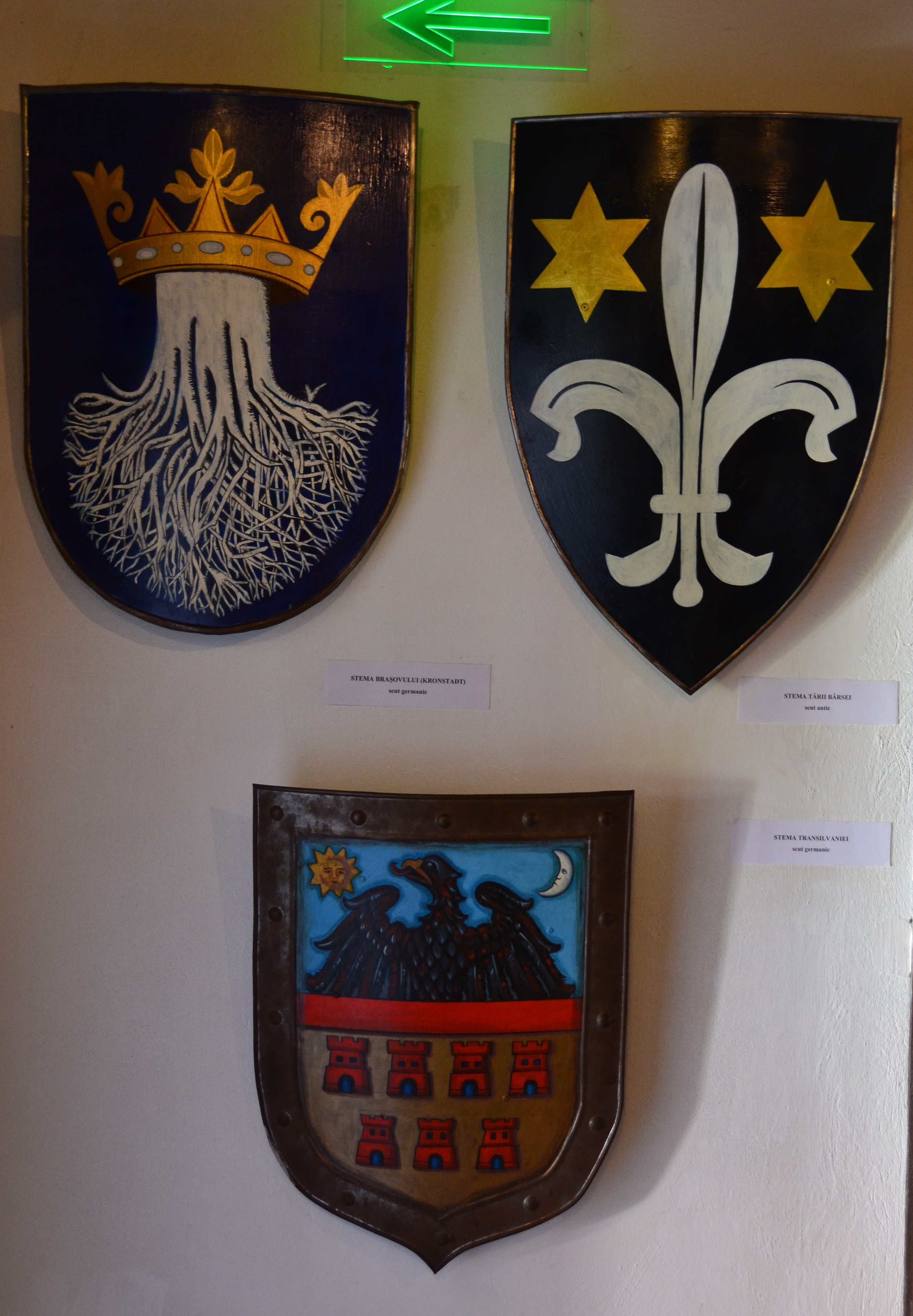
We entered the castle and saw various rooms and exhibitions once belonged to the last Queen, Marie.
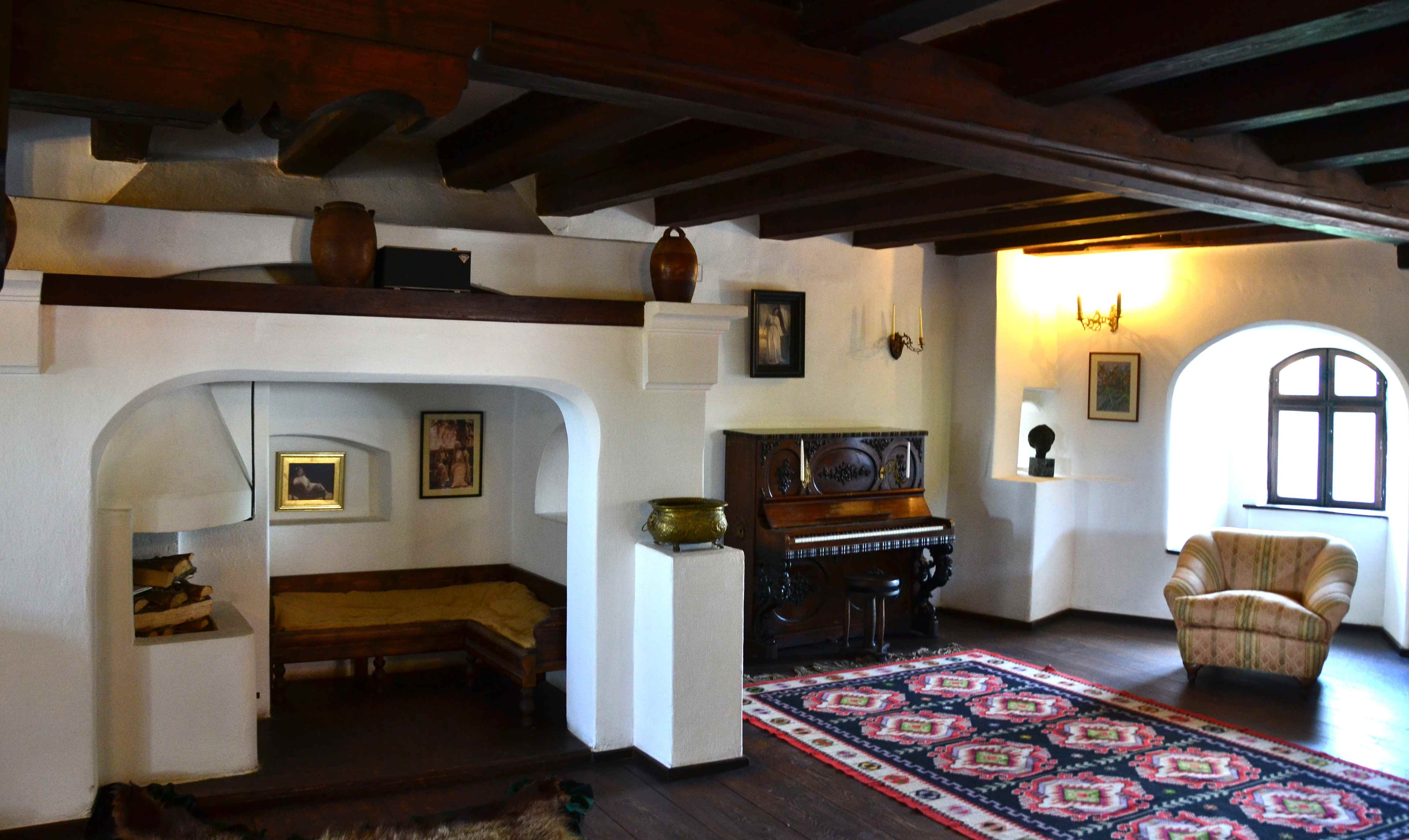
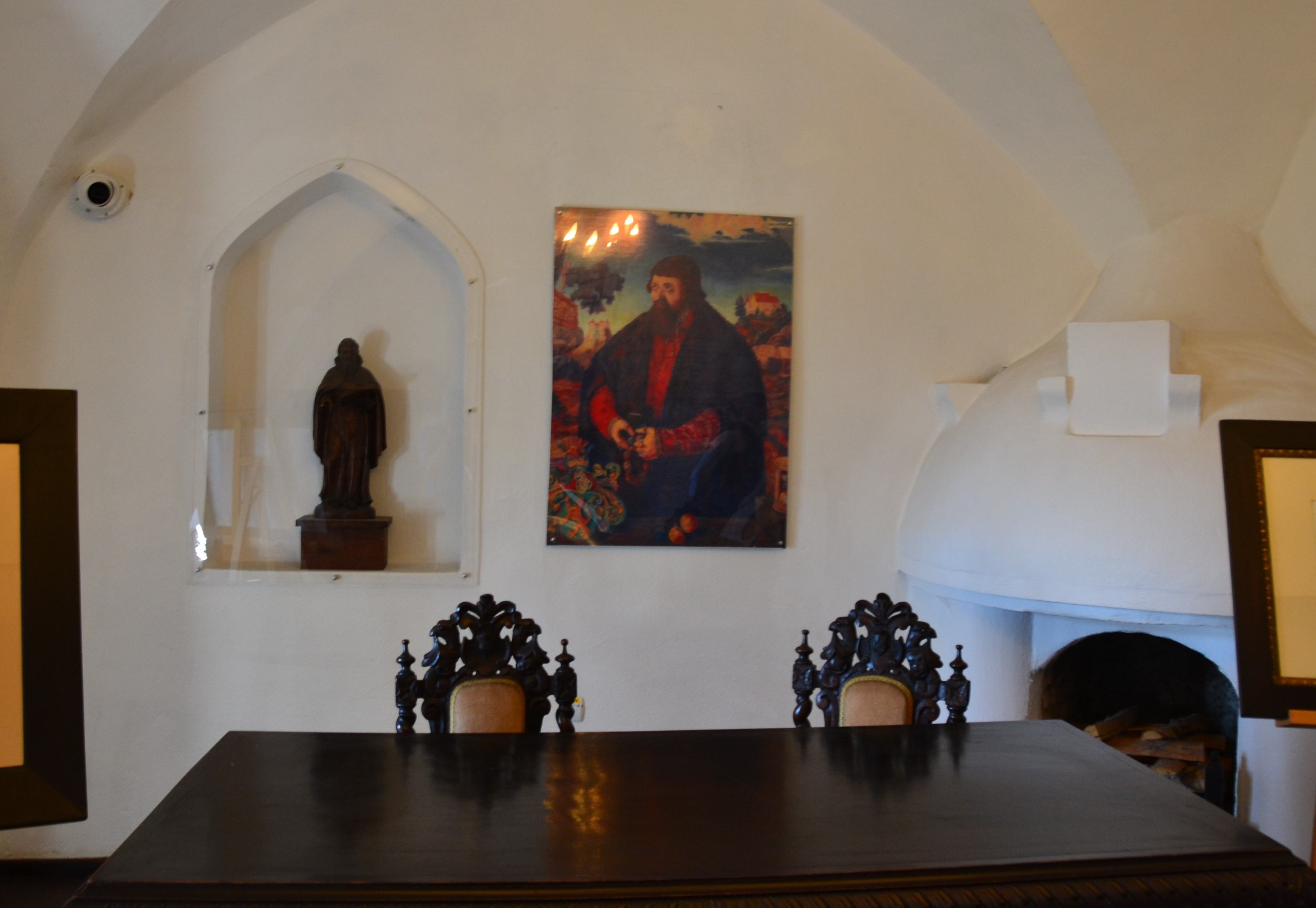
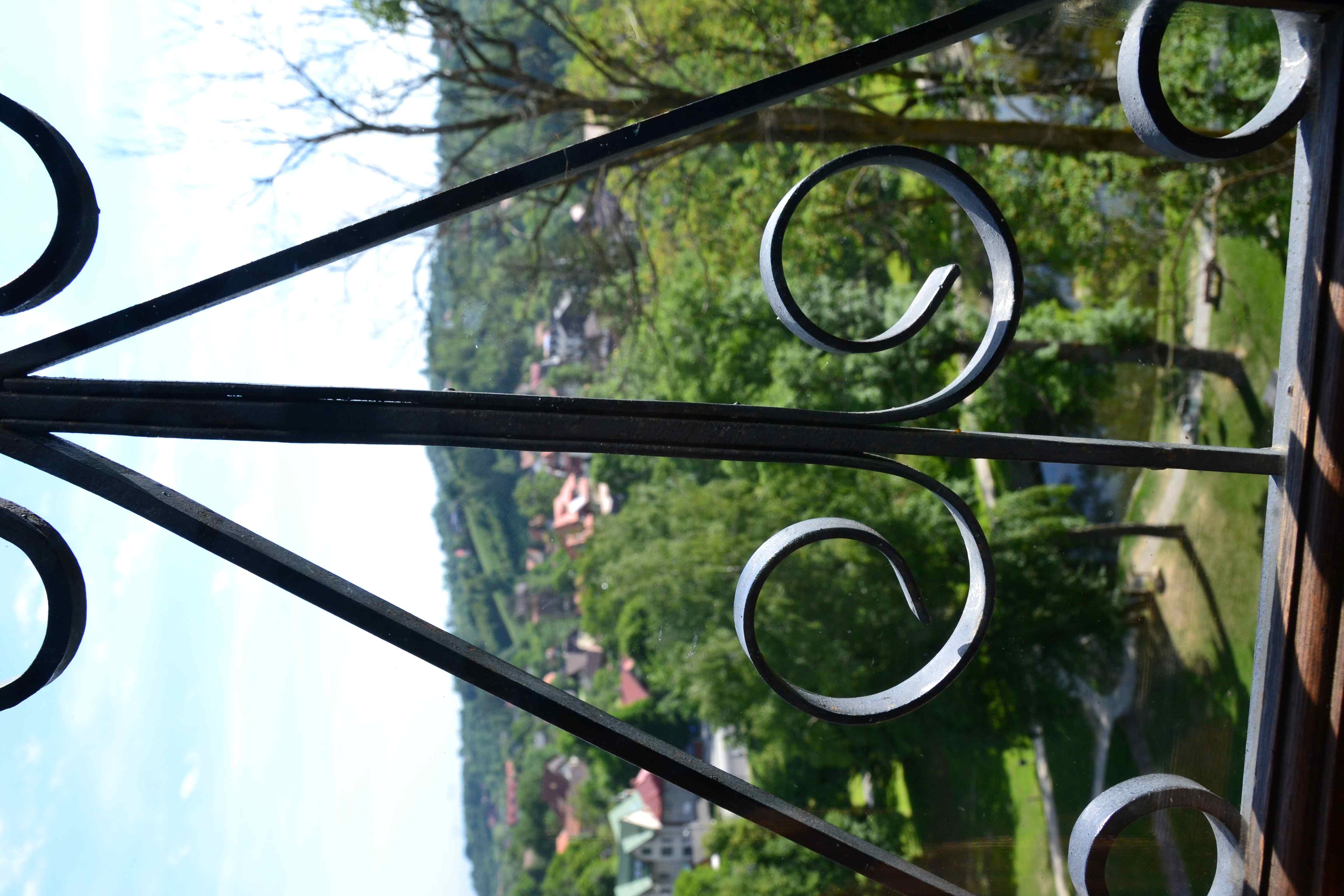
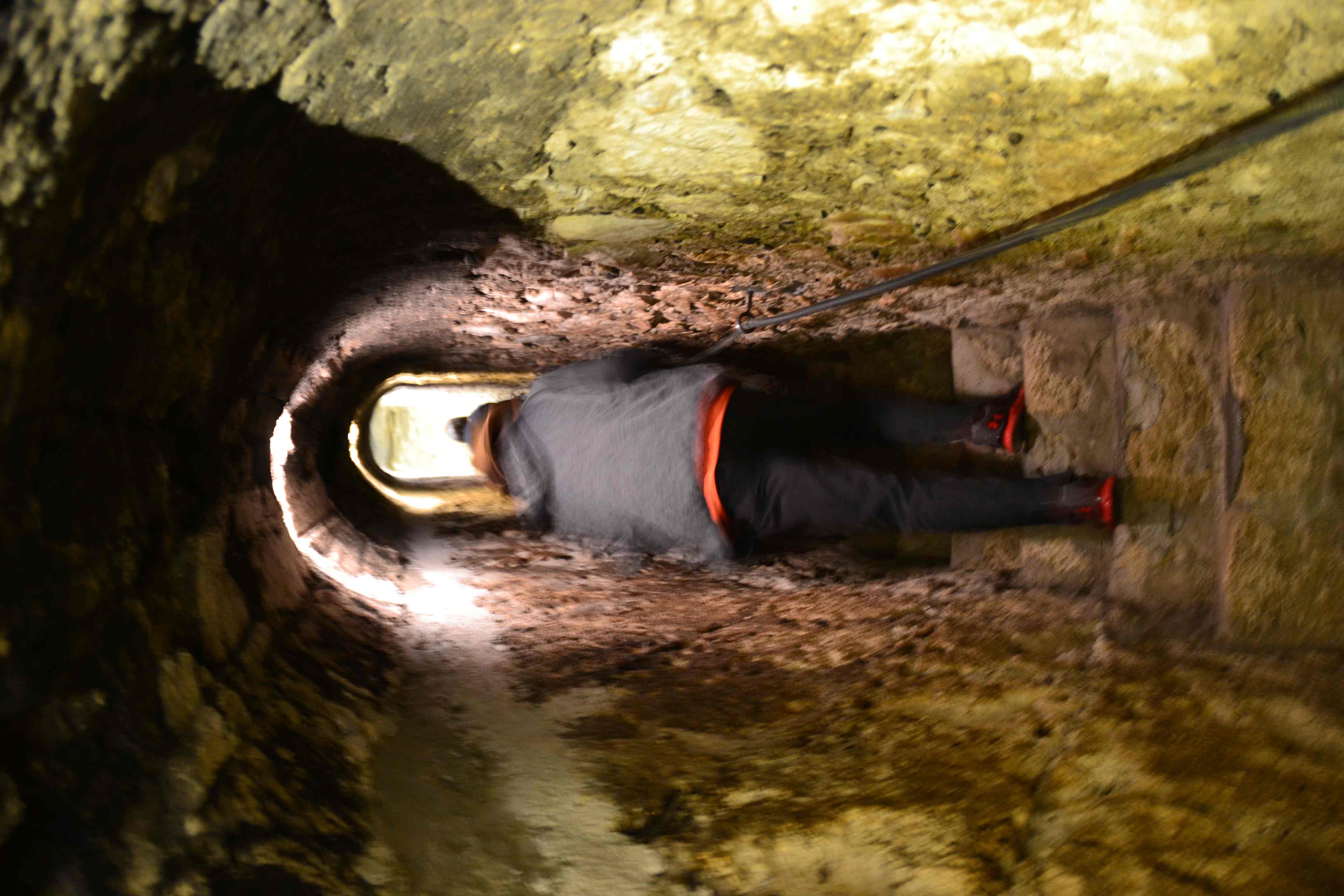
Between visiting various rooms, there were corridors and windows from where we could see outside.
Continued to visit more interesting rooms.
2) Other Sites Close to Bran Castle