3. Temple of Heaven
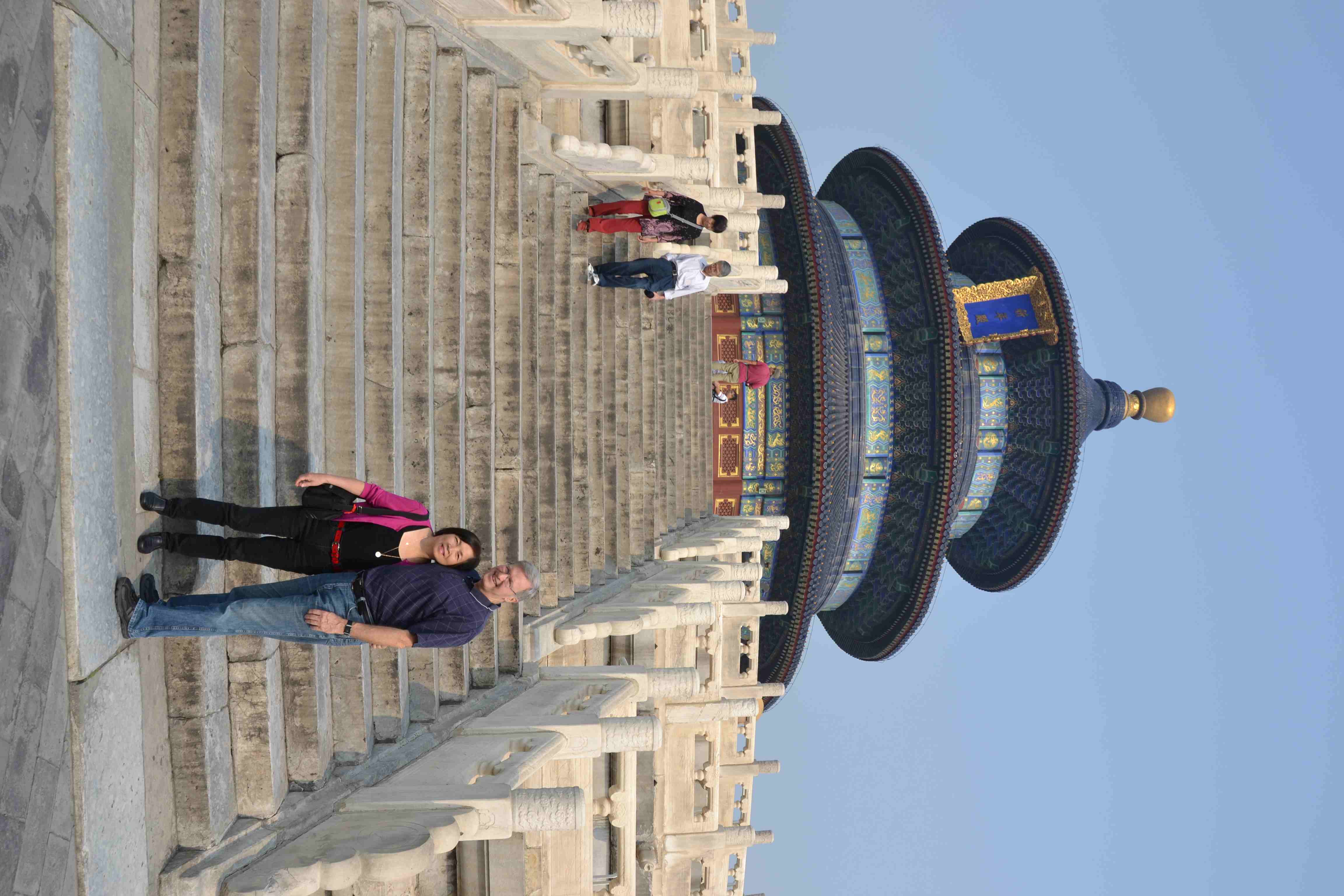
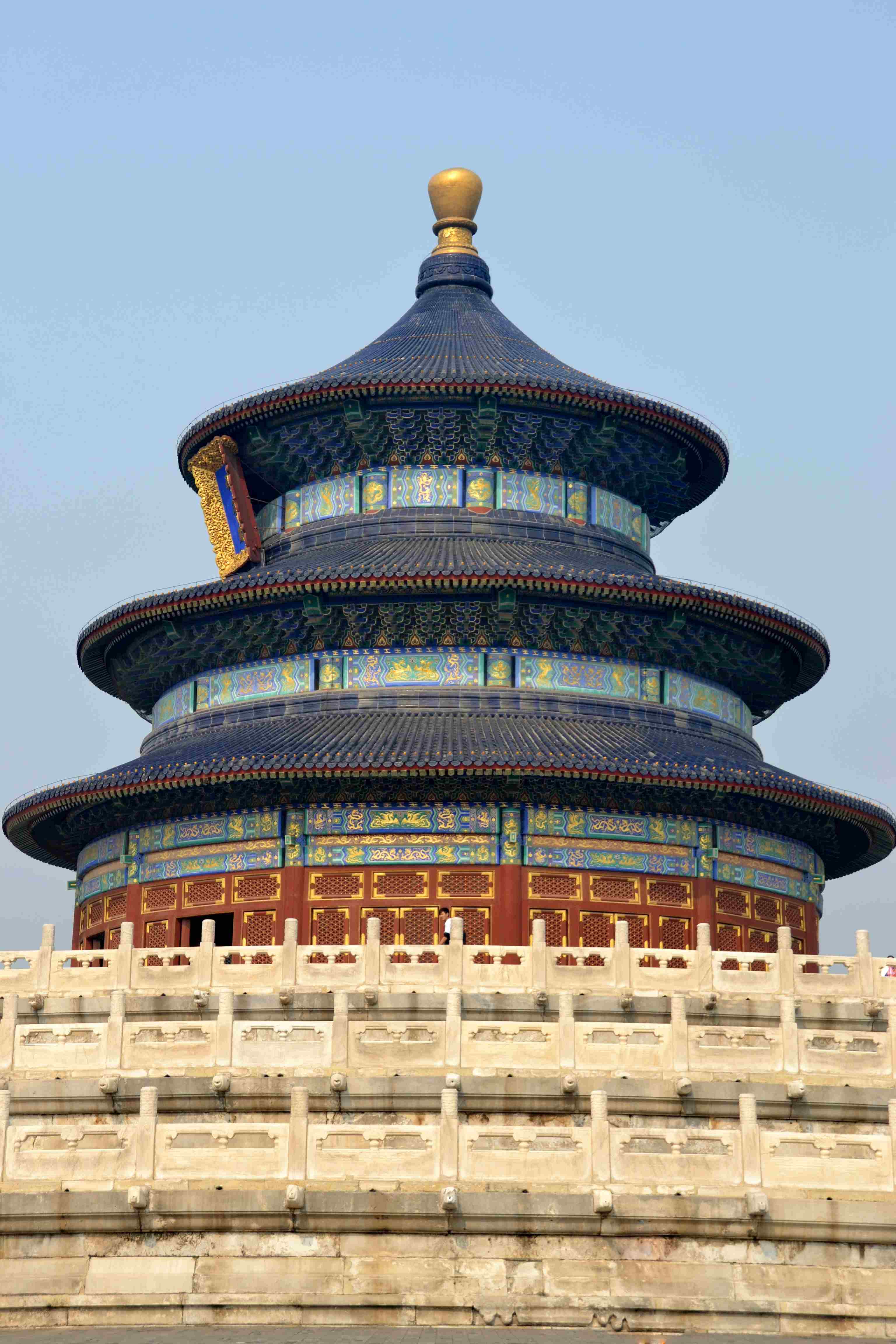
The “Temple of Heaven” is in the southeastern part of central Beijing and was built to hold ceremonies of prayer to Heaven for a good harvest. This complex was annually visited during the Emperors of the Ming and Qing dynasties. It was described as “a masterpiece of architecture and landscape design” and selected as a World Heritage Site in 1998. The colourful and well-kept structures were very prominent and very memorable.


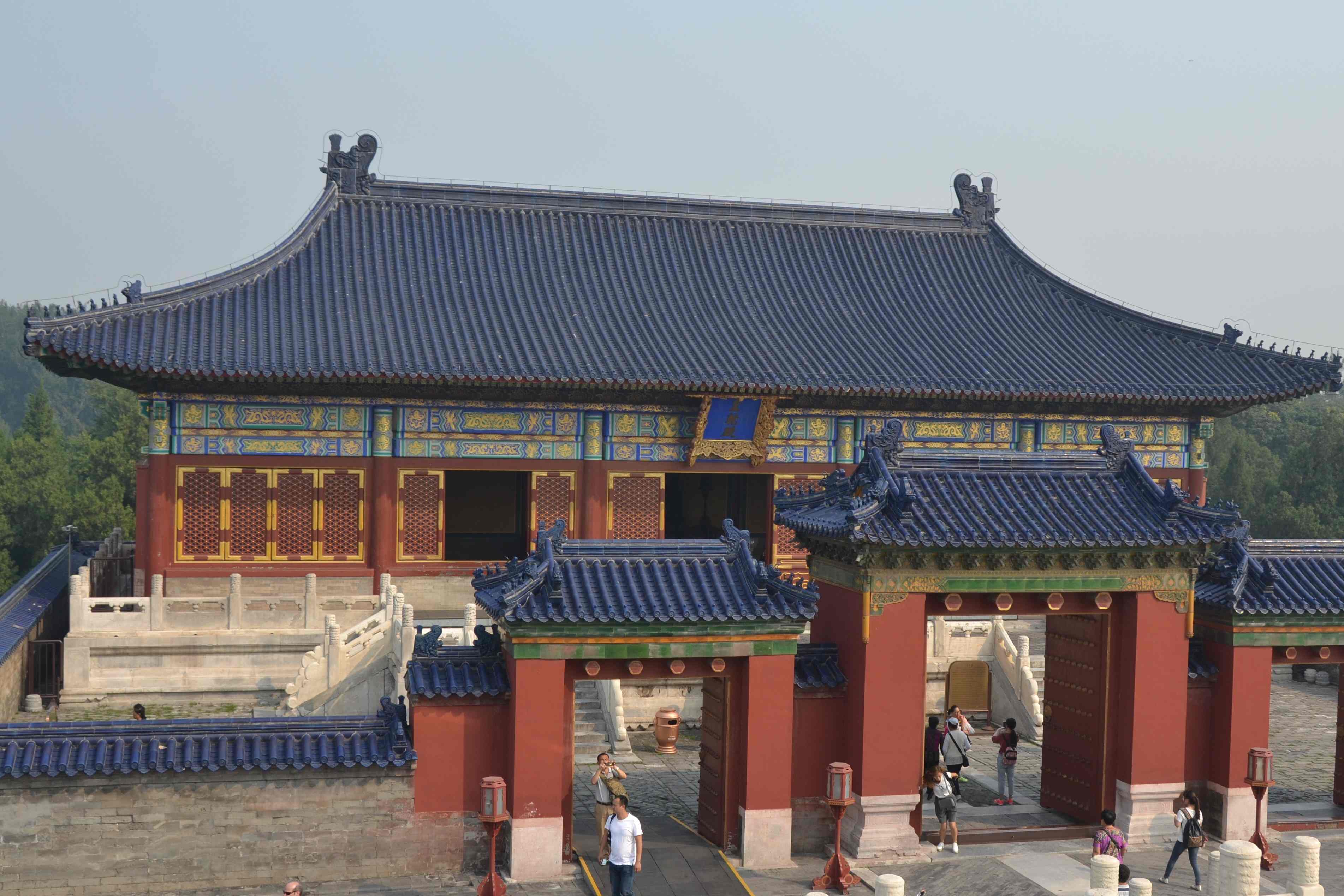
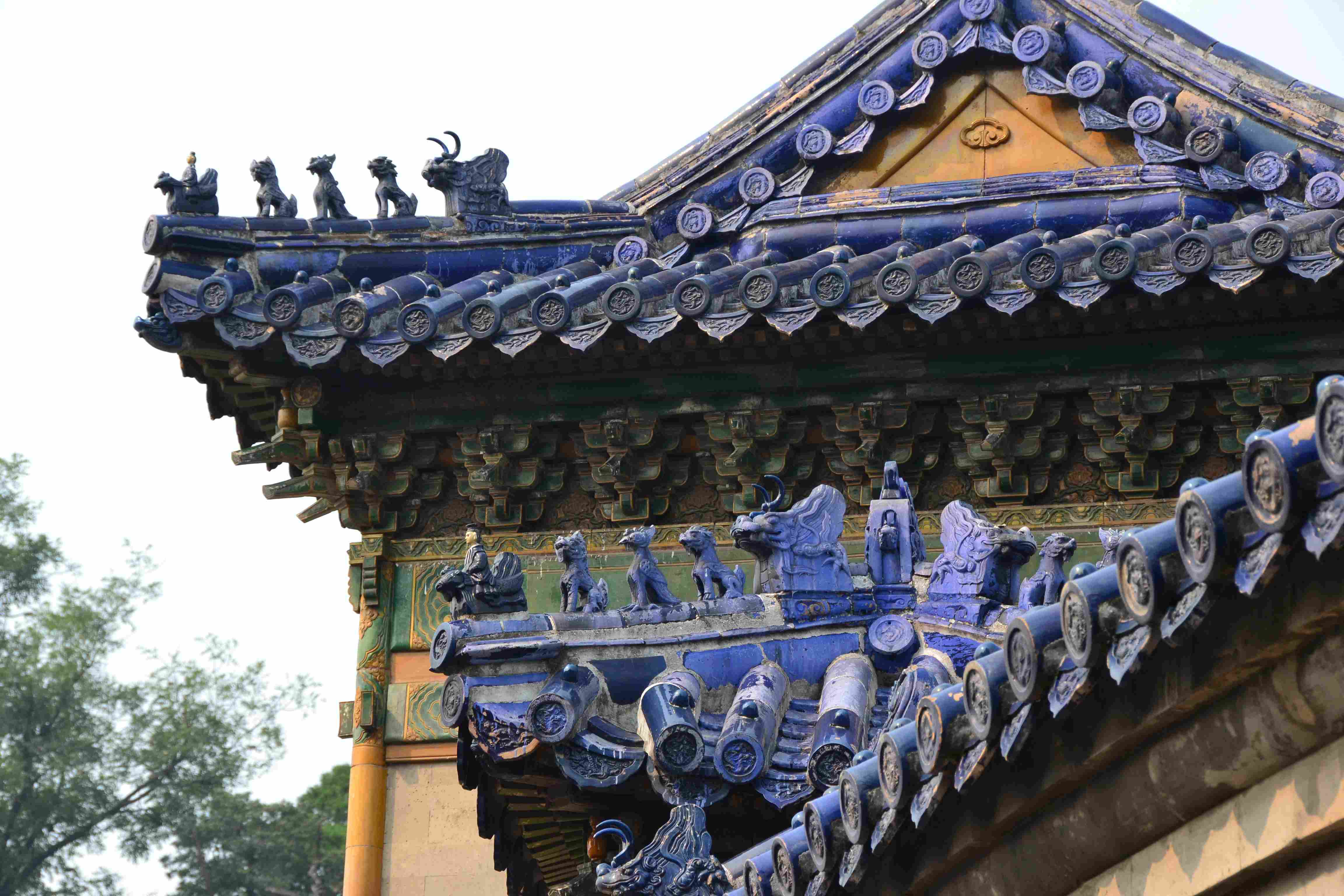
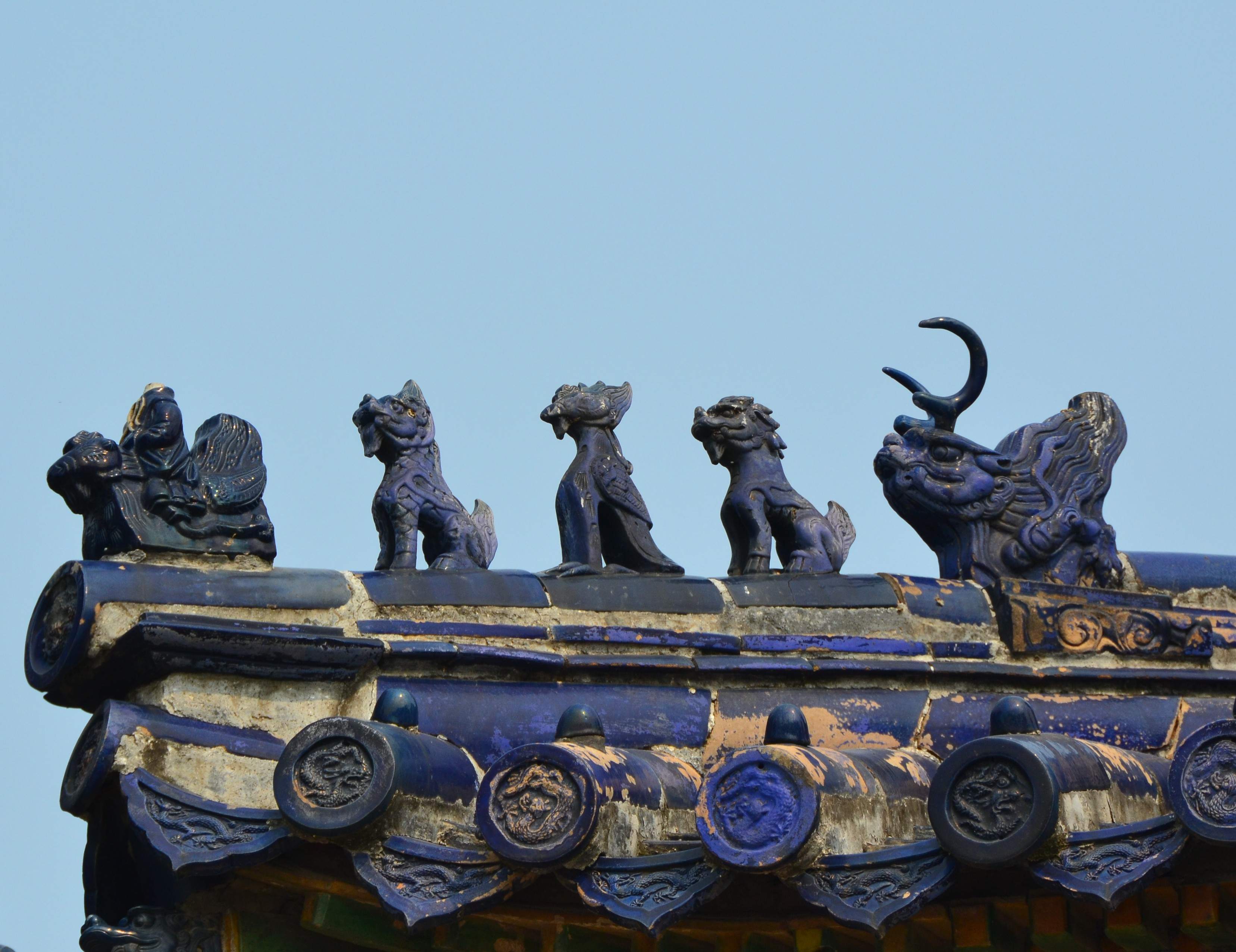

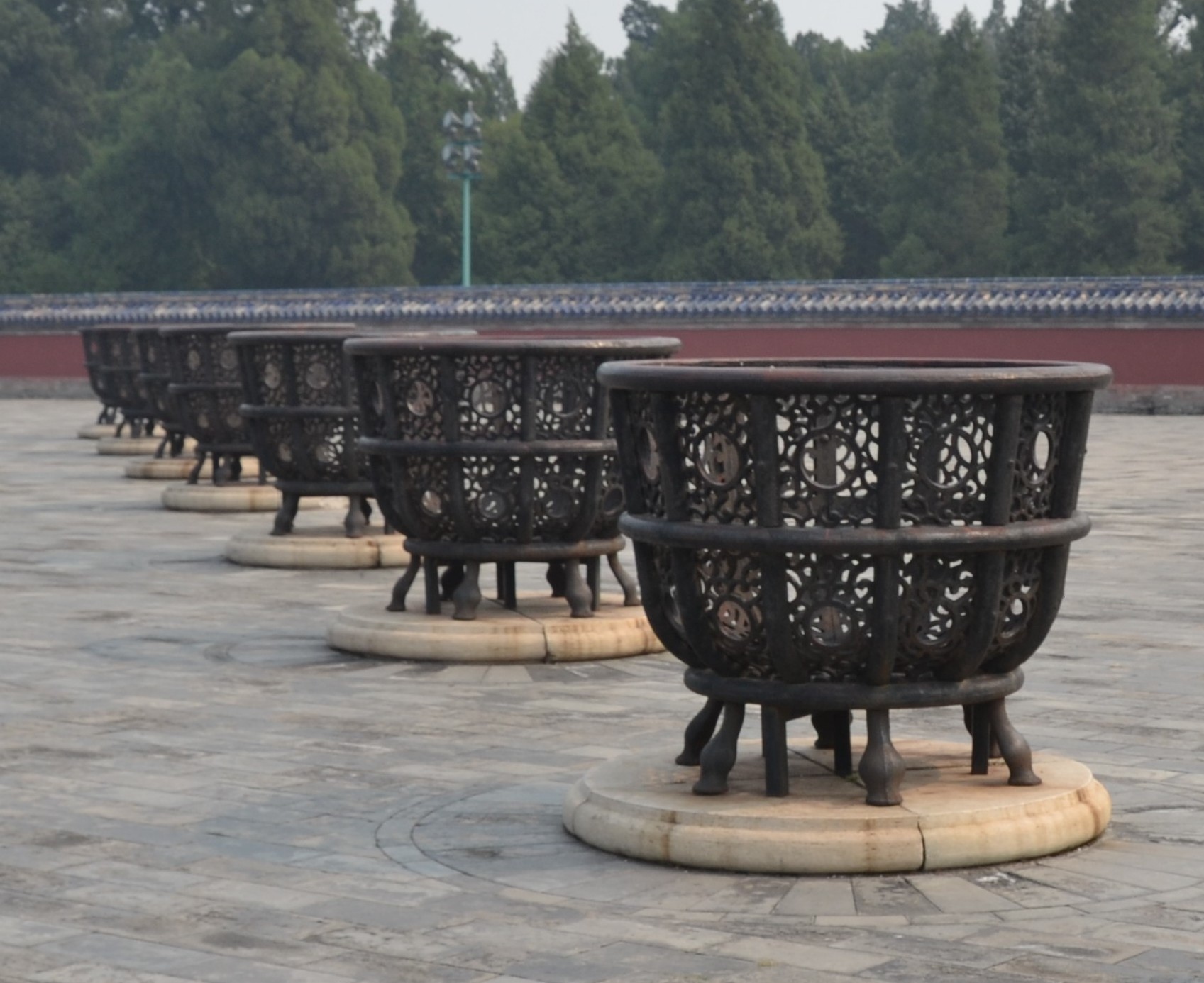

Near the Temple of Heaven, we saw many local people who were exercising in the park. A group of people were performing Taichi there, too. Very interesting sights.


After 10 days of our journey in other places in China, we returned to Beijing. Here are the places we visited in Beijing before returning to Canada.
4. Tianannen Square


This square is the city centre of Beijing and is named after the Tiananmen “Gate of Heavenly Peace”. There, you find the monument of the People’s Heroes, the Great Hall of the People, the National Museum of China and Mausoleum of Chairman Mao. On October 1, 1949, Chairman Mao proclaimed the founding of the Peopple’s Republic of China in the square.
Close to the Forbidden City, this square was also known in China (also around the world) as the “June Fourth Incident”. The demonstration led by students lasted from 15th April to 4th June 1989. The Chinese government declared martial law on the night of June 3rd and deployed government troops to occupy the square. This is known as “Tiananmen Massacre”.

The Great Hall of the People: This building, which is used for legislative and ceremonial activities by the government of the People’s Republic of China, is situated to the west side of Tiananmen Square.
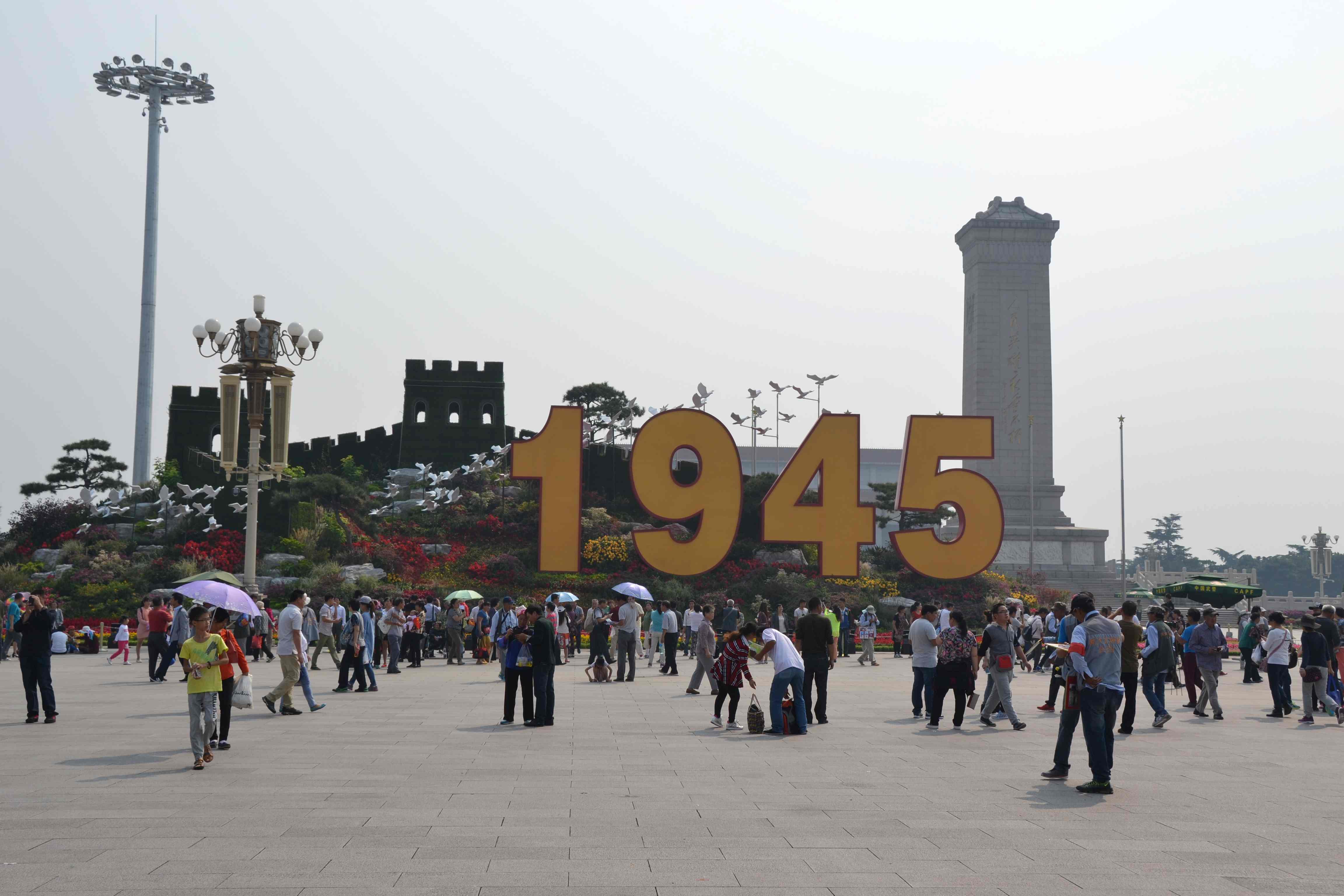

There were some displays set up opposite to the Thiananmen Square when we visited. According to Chinese history, the Civil War began in 1945 as the Chinese Communist Party and the Naionalist Party resumed hostilities against each other after tempporarily uniting to fight Japanese occupaion. We think the country was celebrating the beginning of Communist Party.
5. Forbidden City
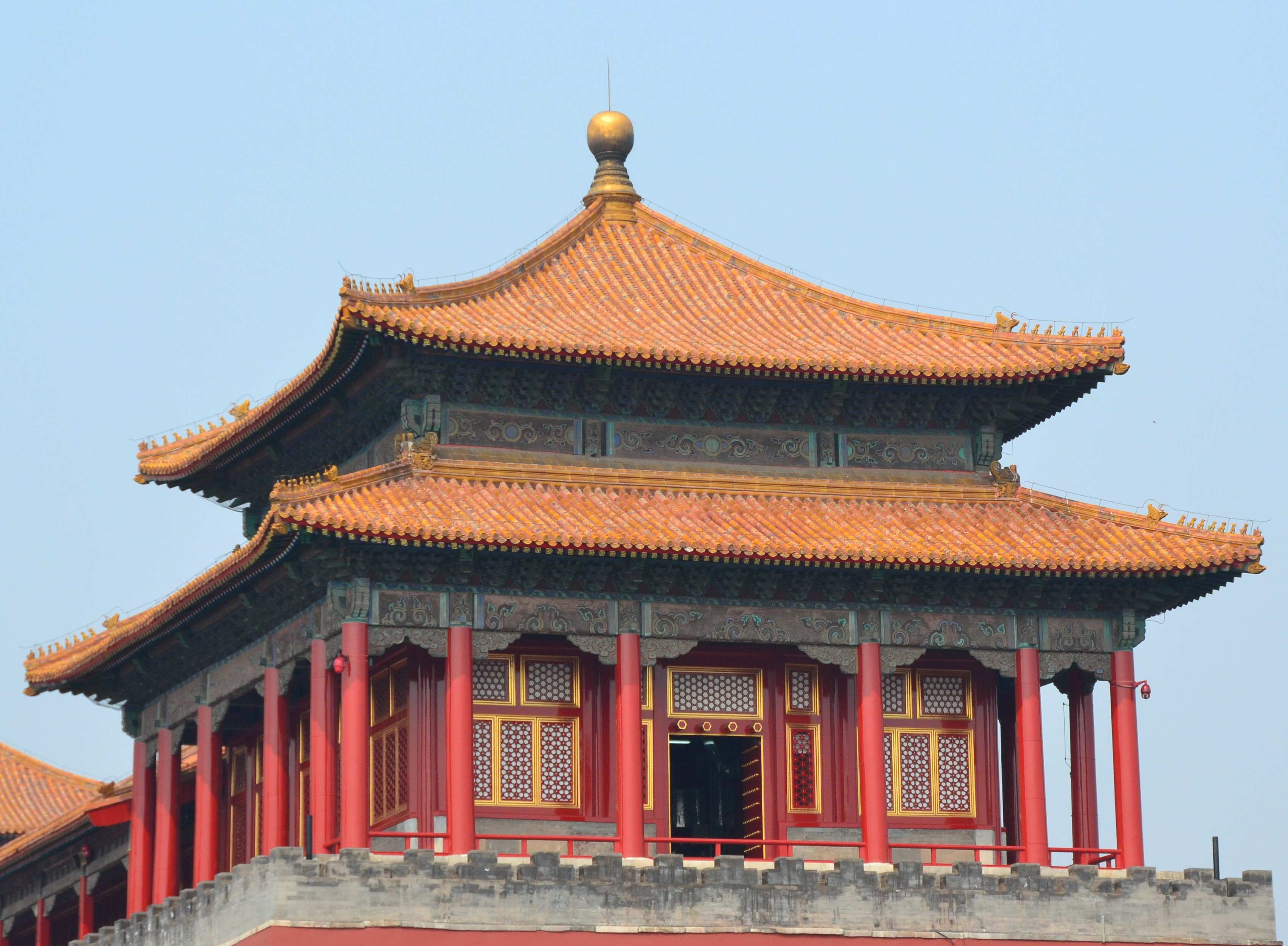
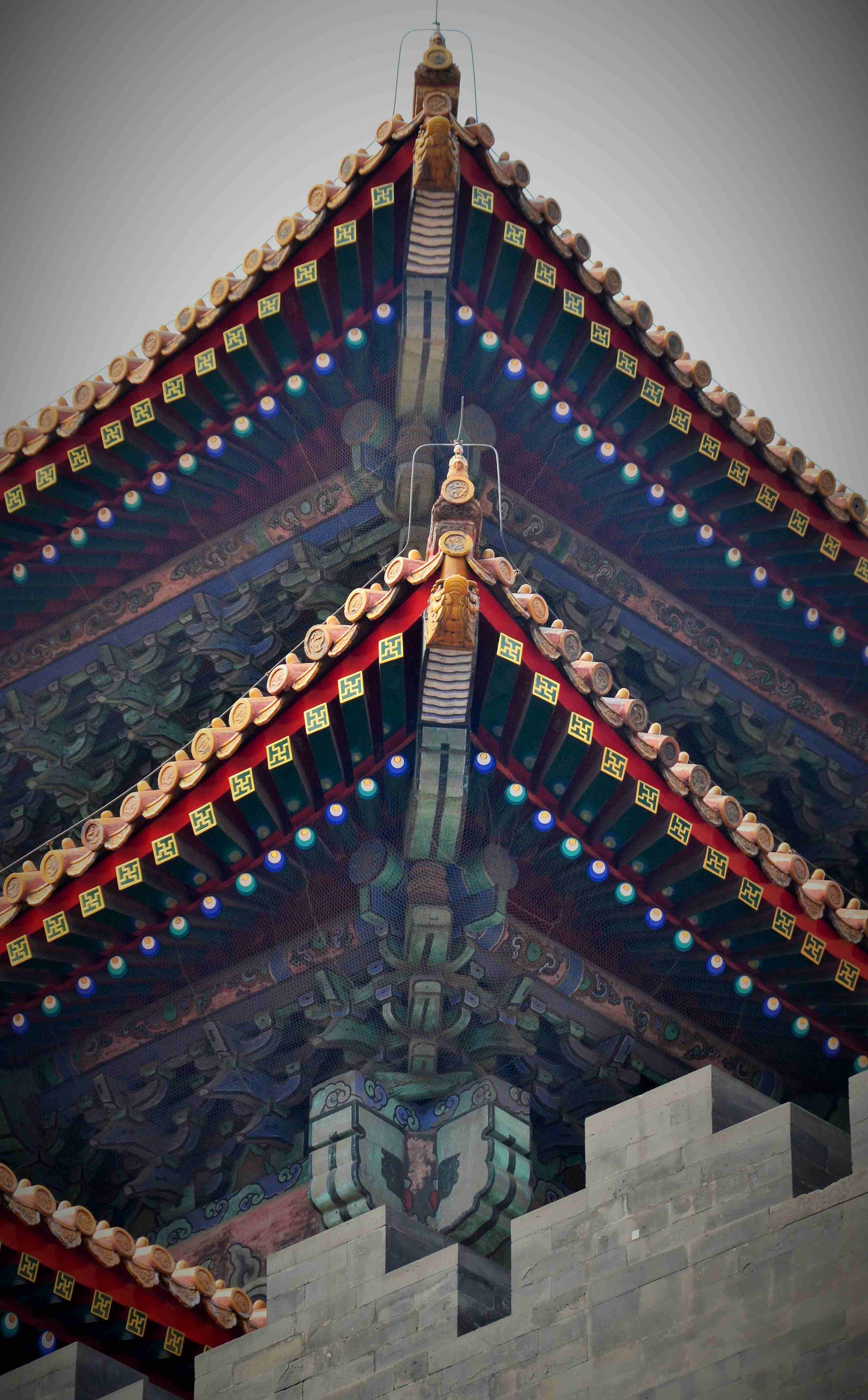
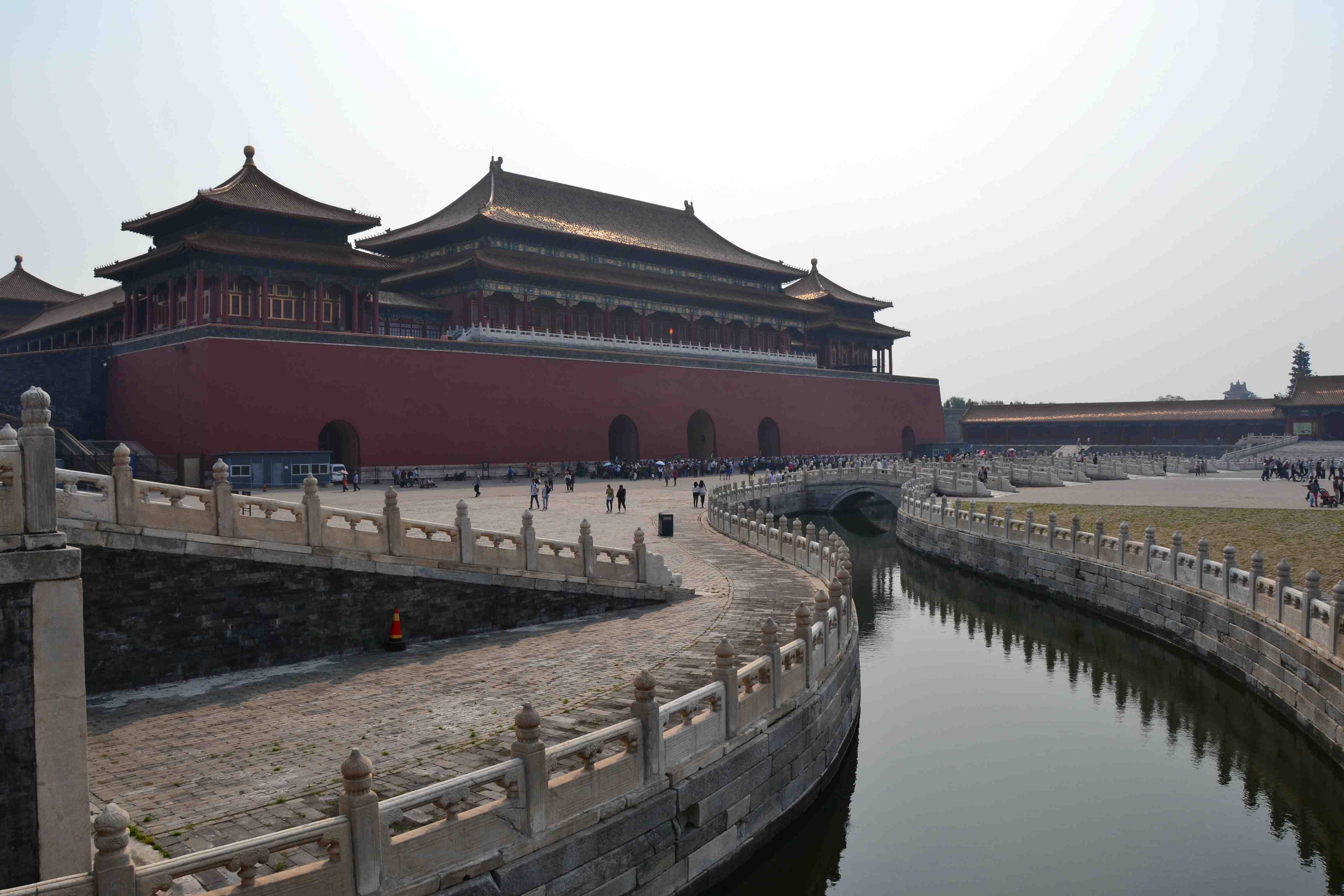
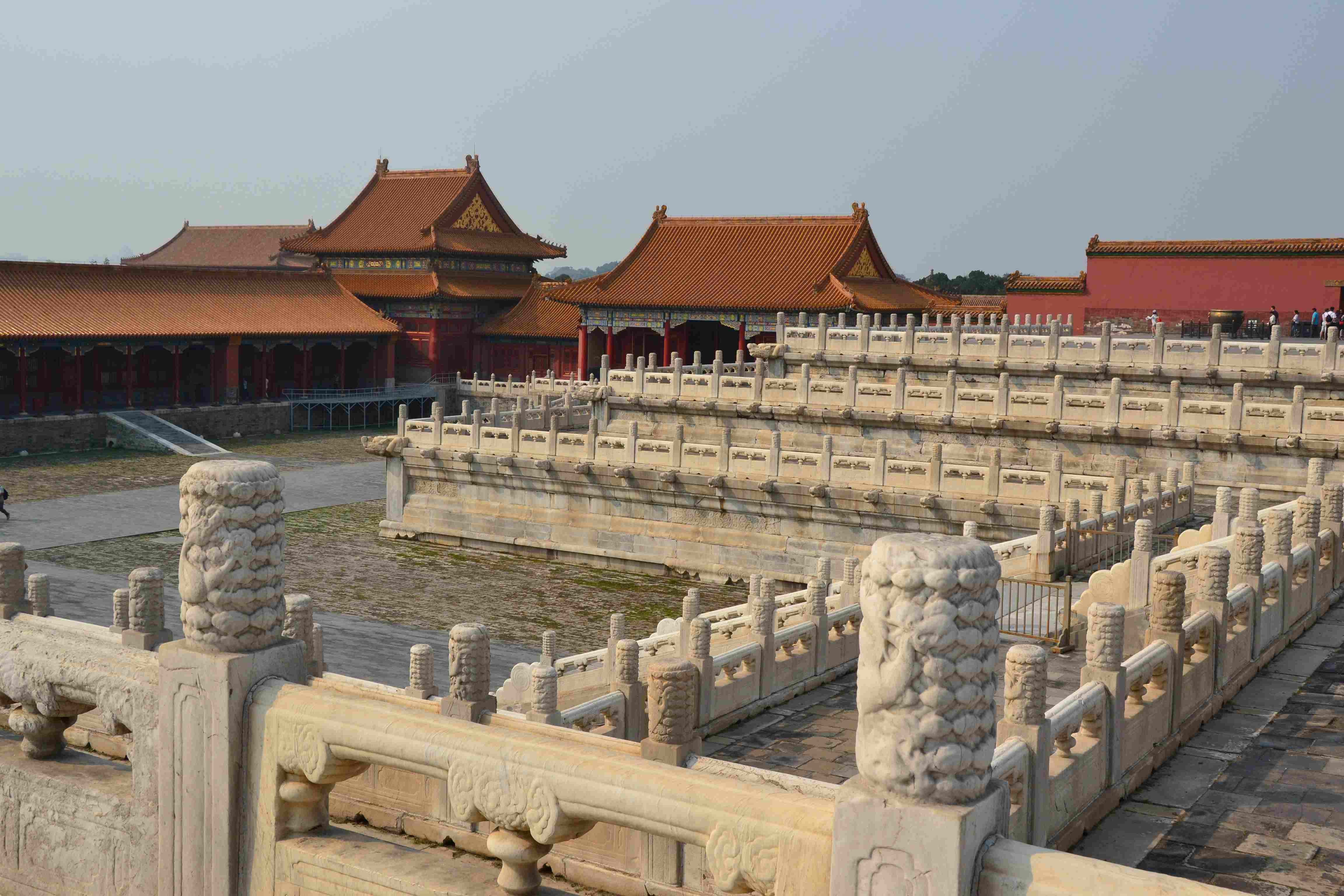
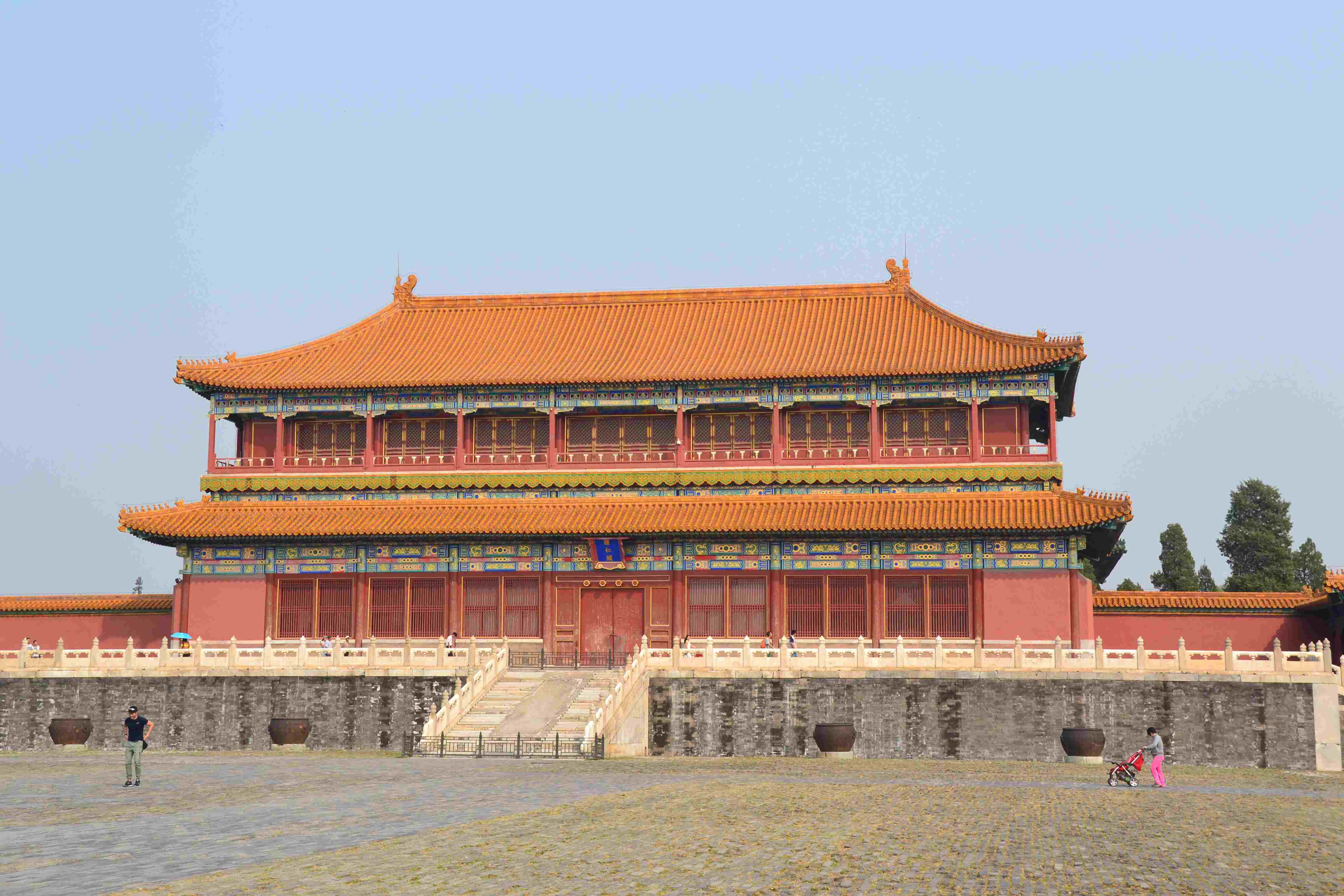
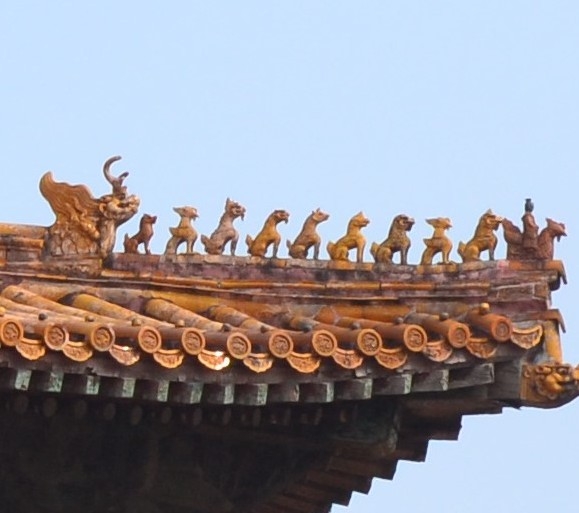
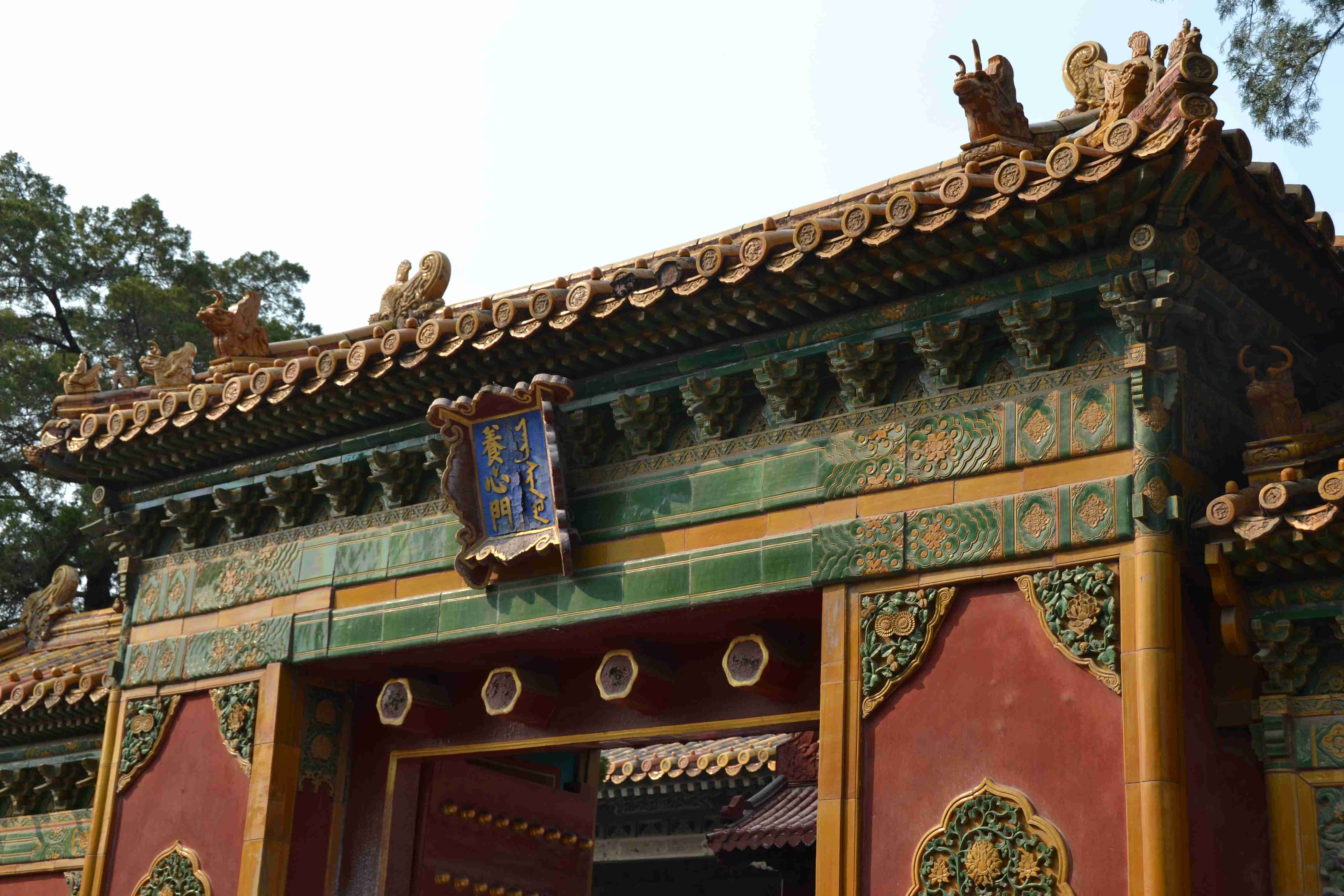
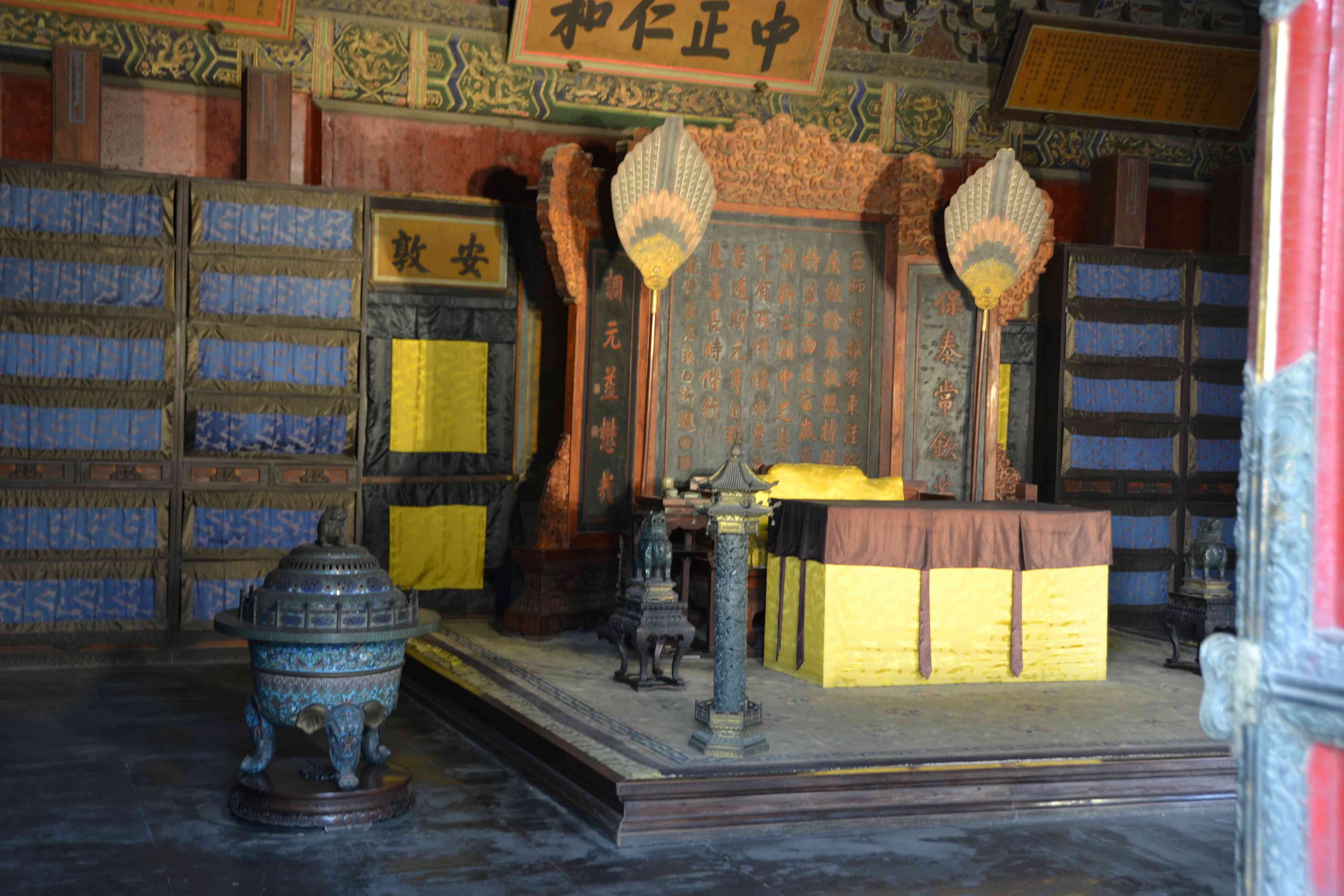
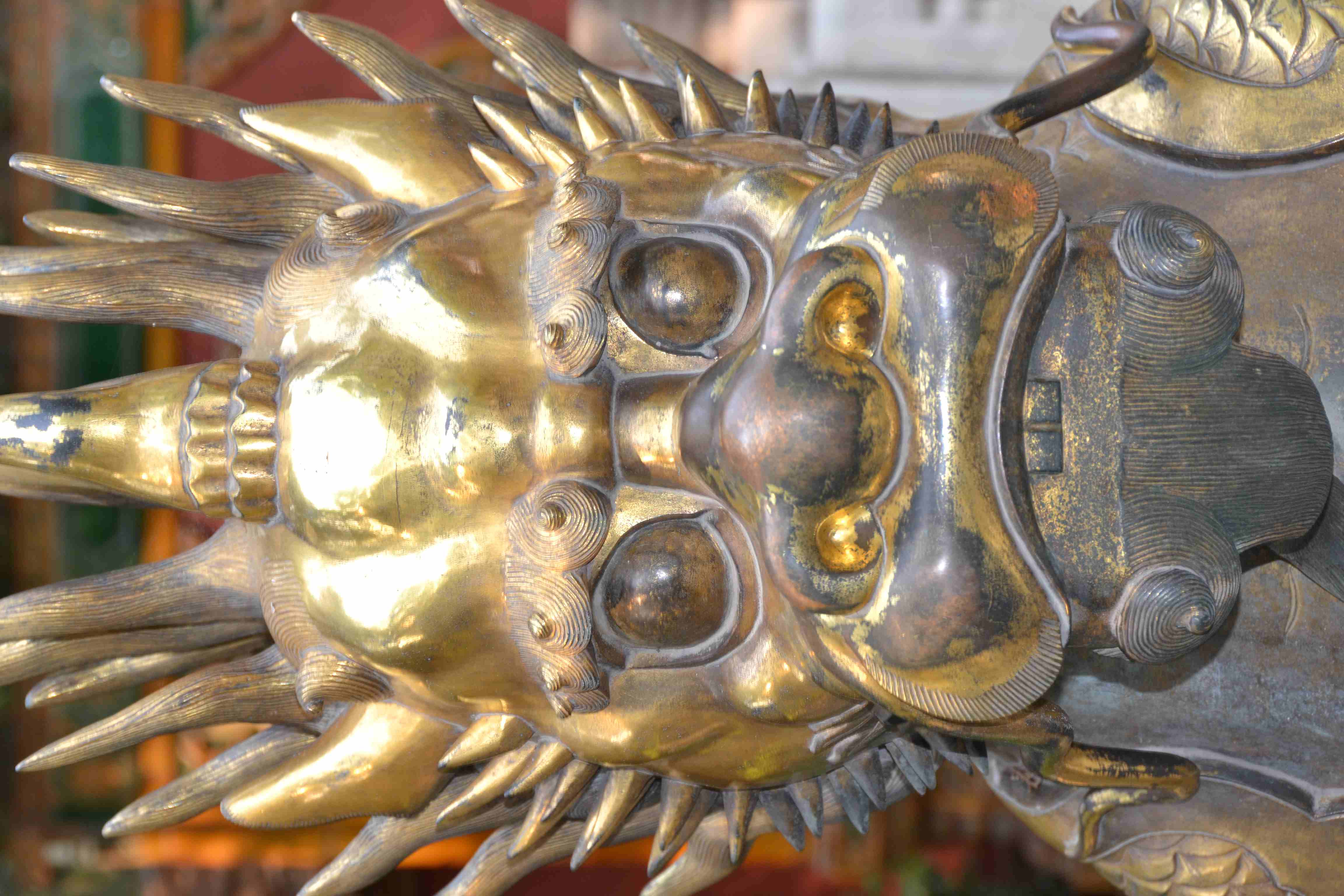
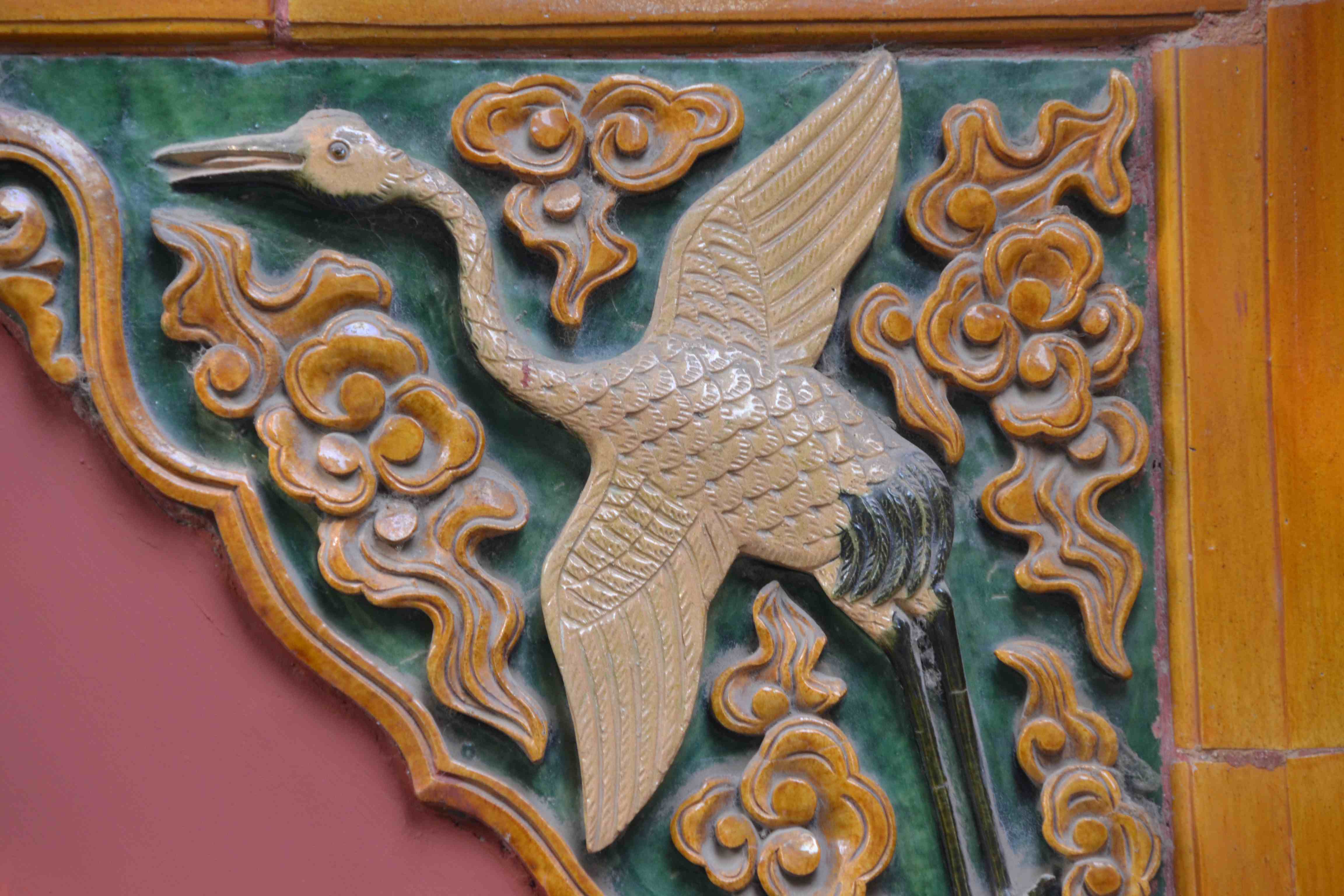
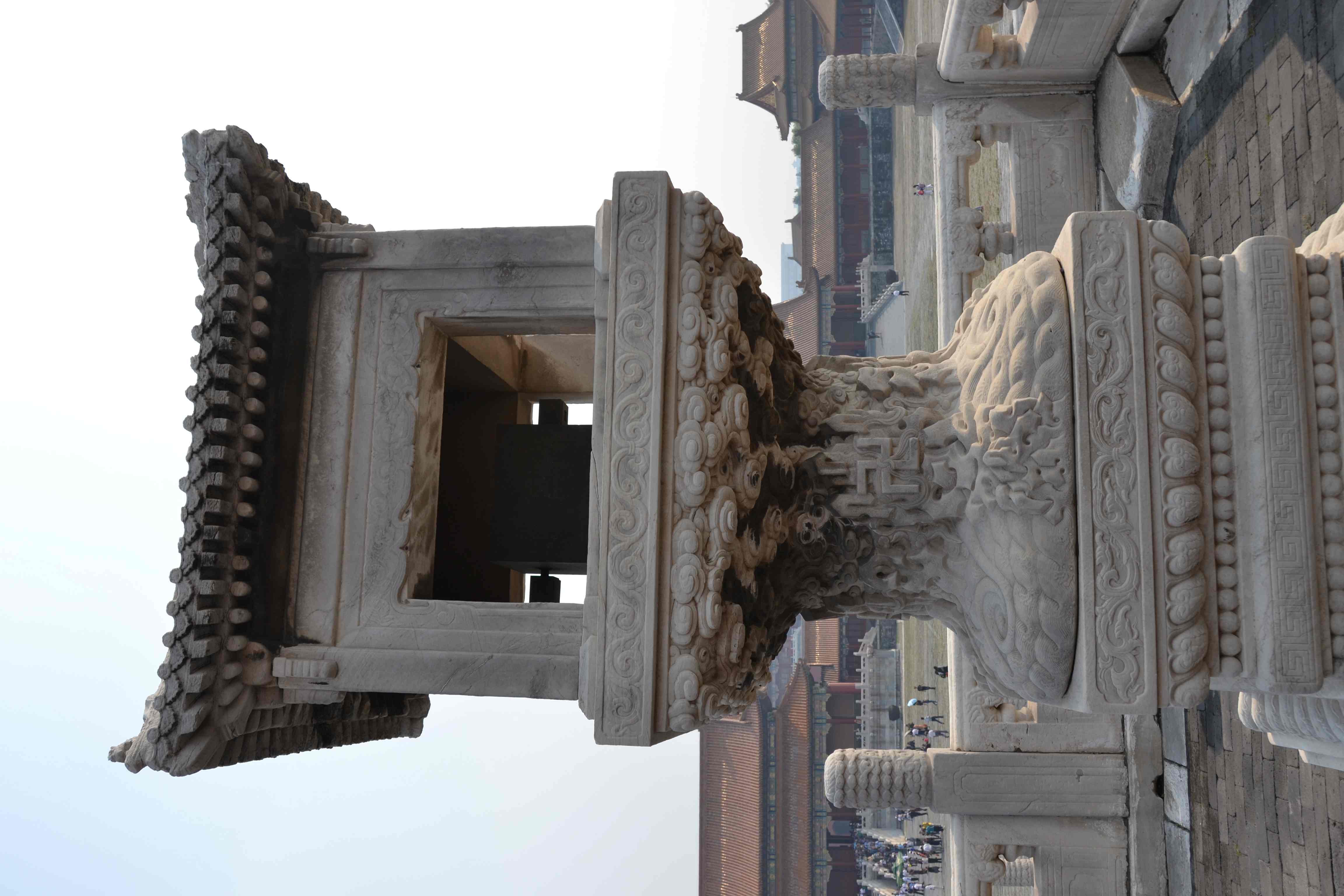
Built between 1406 and 1420 during the Ming Dynasty, the Forbidden City was the imperial palace in the center of Beijing. Twenty-four Ming and Qing dynasty emperors resided in this palace and the center of political power in China for over 5 centuries (1420 - 1924). In 1987, the palace was designated as a UNESCO World Heritage Site. It is called the Forbidden City as it restricted access to all but the Emperor, the Imperial family and their Eunuchs.
The total area is 72 ha (178 acres) and apparently there are 8886 rooms and has the largest collection of preserved ancient wooden structures in the world. Apprently the palace receives more than 14 million visitors annually. The market value of this place was estimated more than $70 billion US dollars which makes the palace as the most valuable palace and the most expensive real estate anywhere in the world.





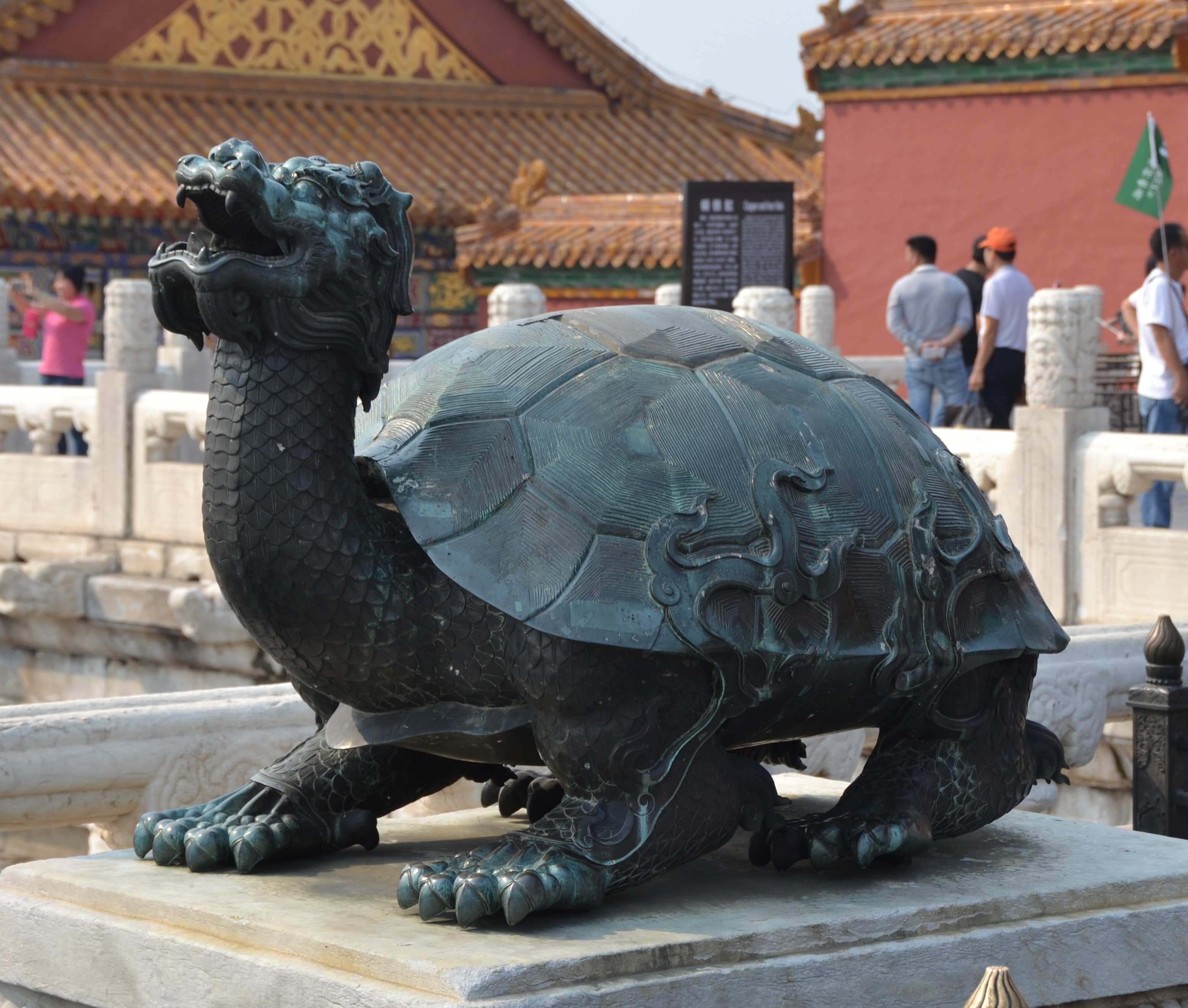

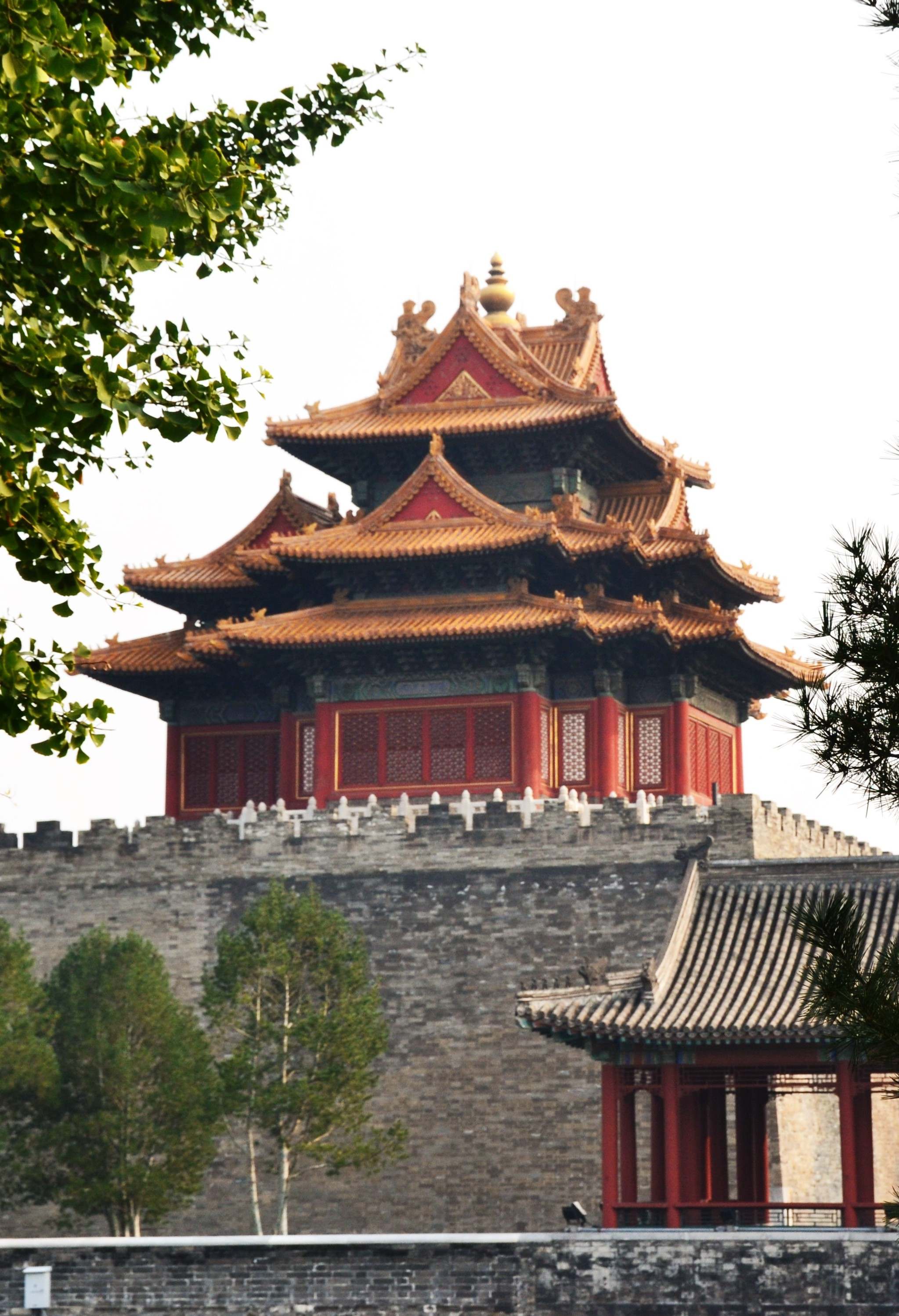
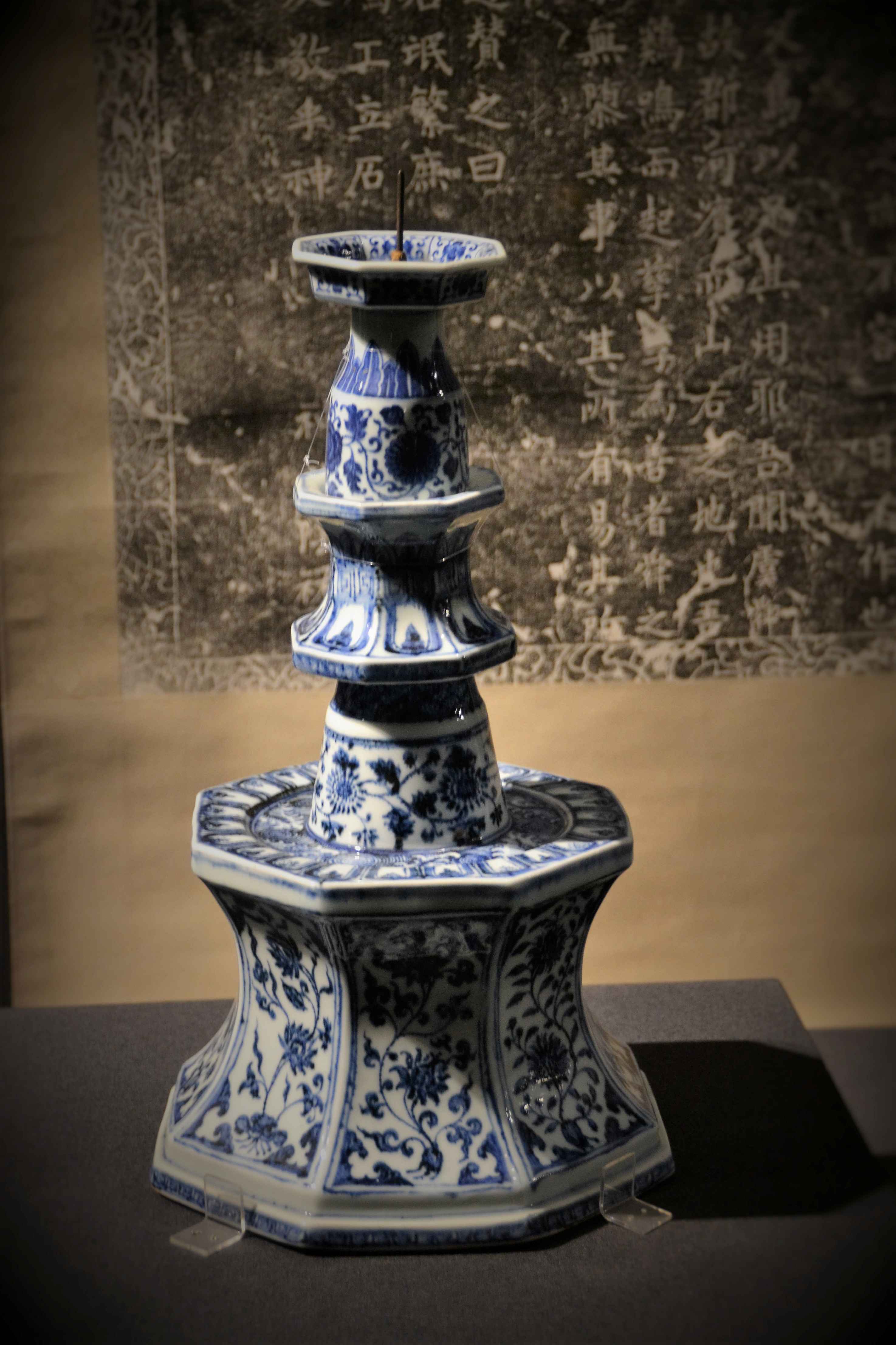
6. Palace Museum
This museum was opened to the public in 1925 after the last Emperor of China was evicted. It holds 1.8 million pieces of art, mostly from the Ming and Qing dynasties.


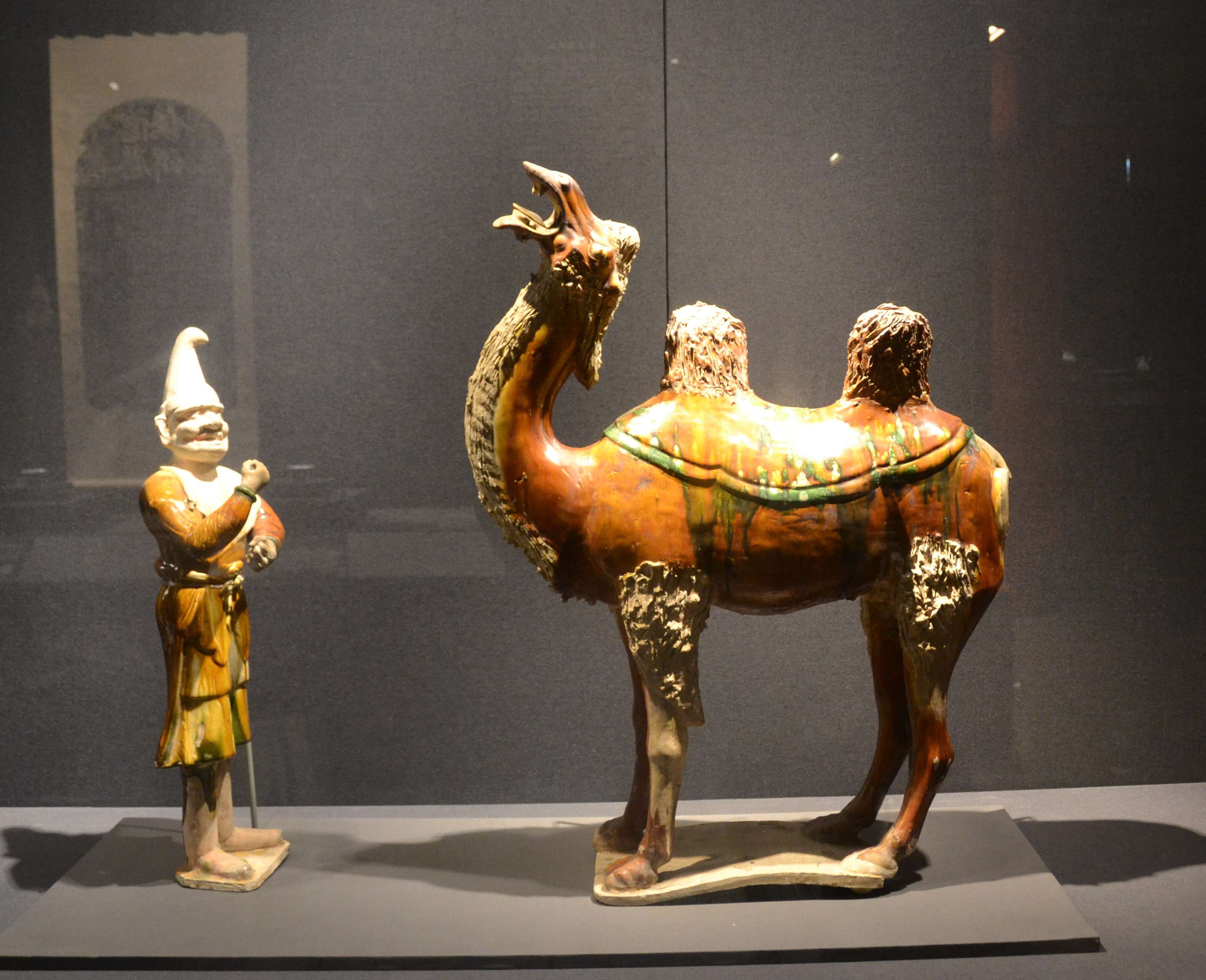


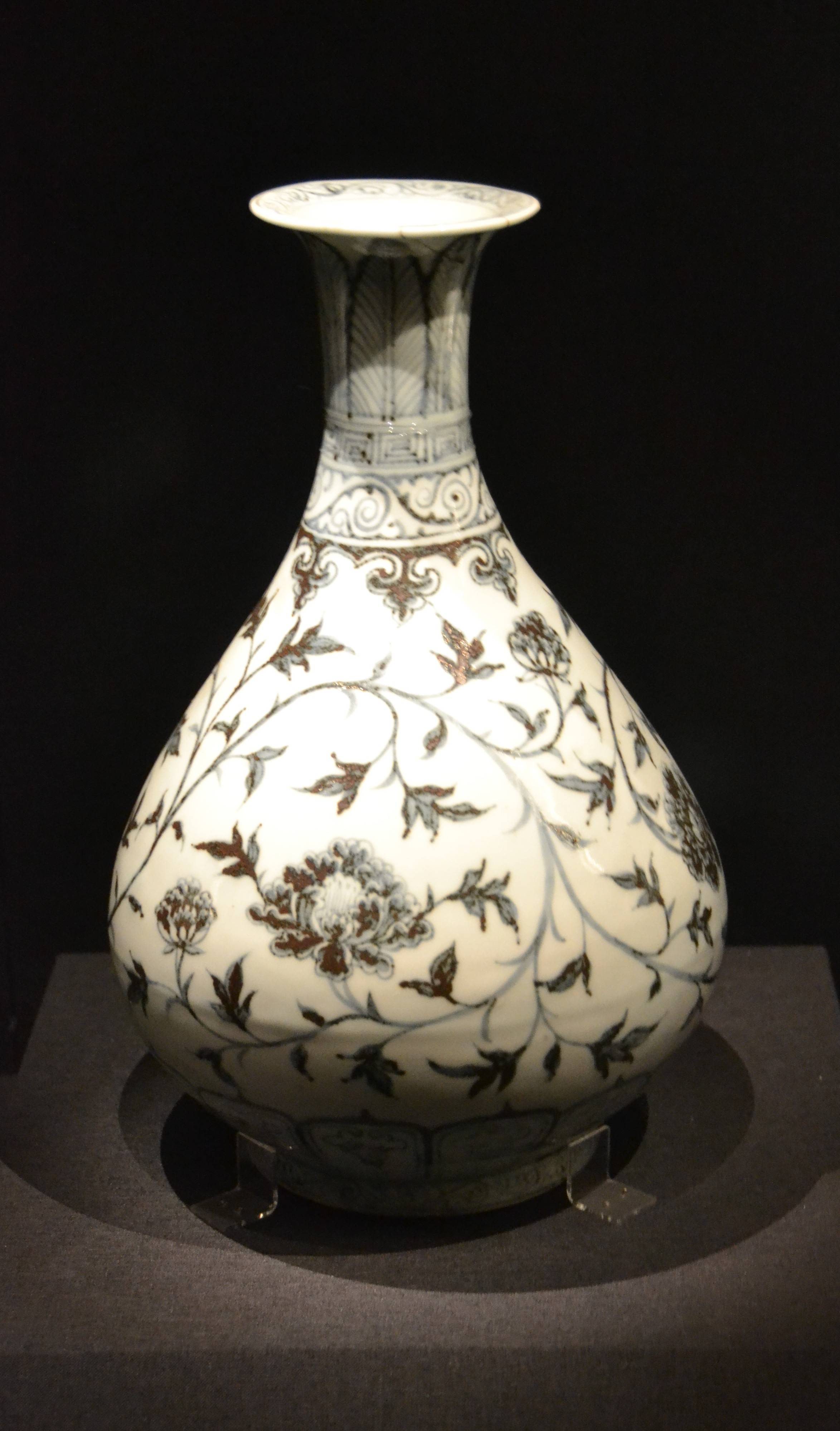


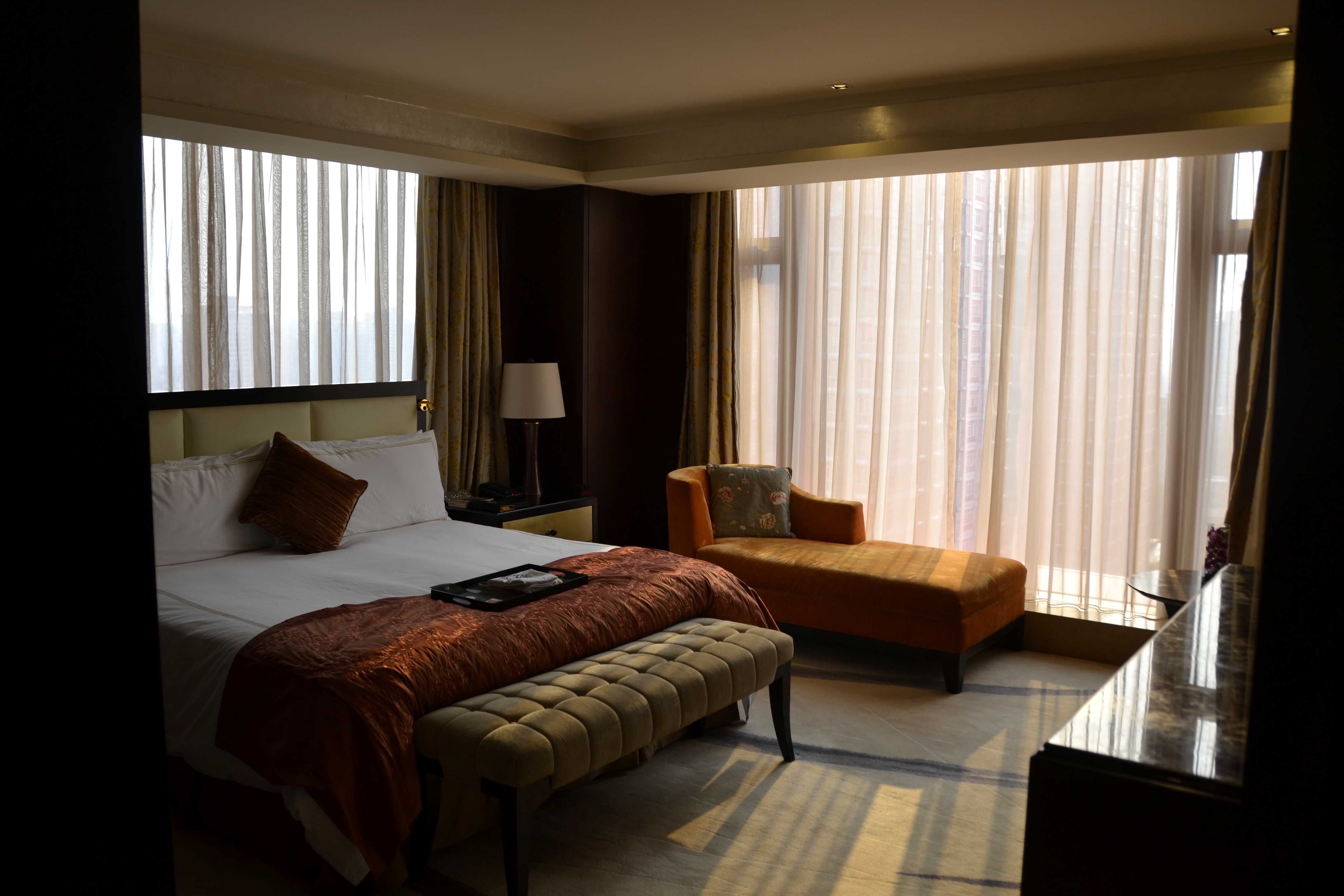
7. Hotel in Beijing