China 2 Xi’an
Photos by Philip Galvin
1. Xi’an City Wall
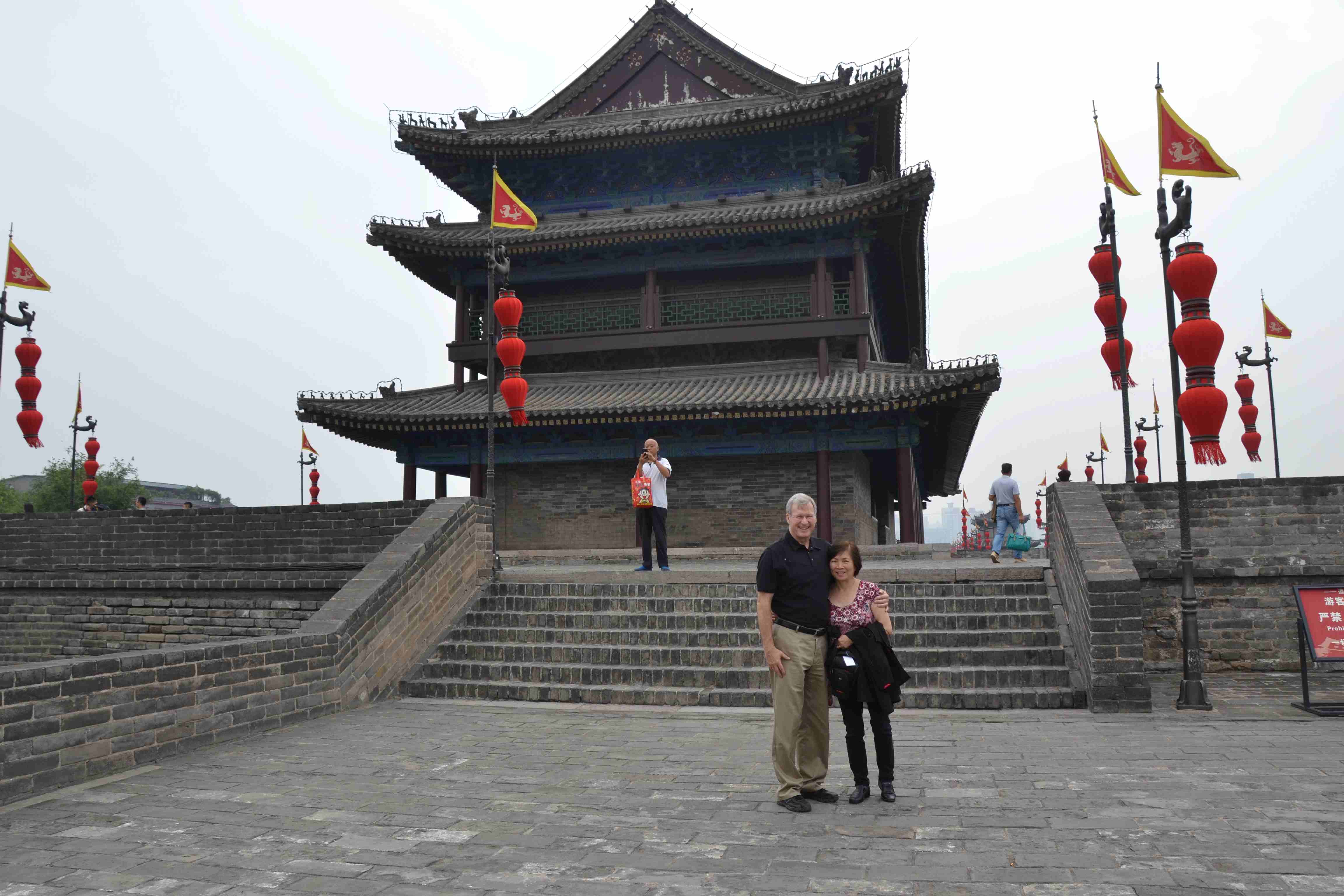
We were first taken to the City Wall which surrounds the center of Xi’an. The length of this wall is 8.5 miles (13.7 km) and was built in 1370 to defend against the enemy entering the city. There are 4 gates (NSEW) on each side. Outside, there is a rampart extending out from the main wall to defend against the enemy climbing up the wall. Inside, parapets were built to protect the soldiers from falling off.

South Gate
We climbed up and walked along the wall for a while. We couldn’t see the end of the wall as the day we visited, it was not a clear day.
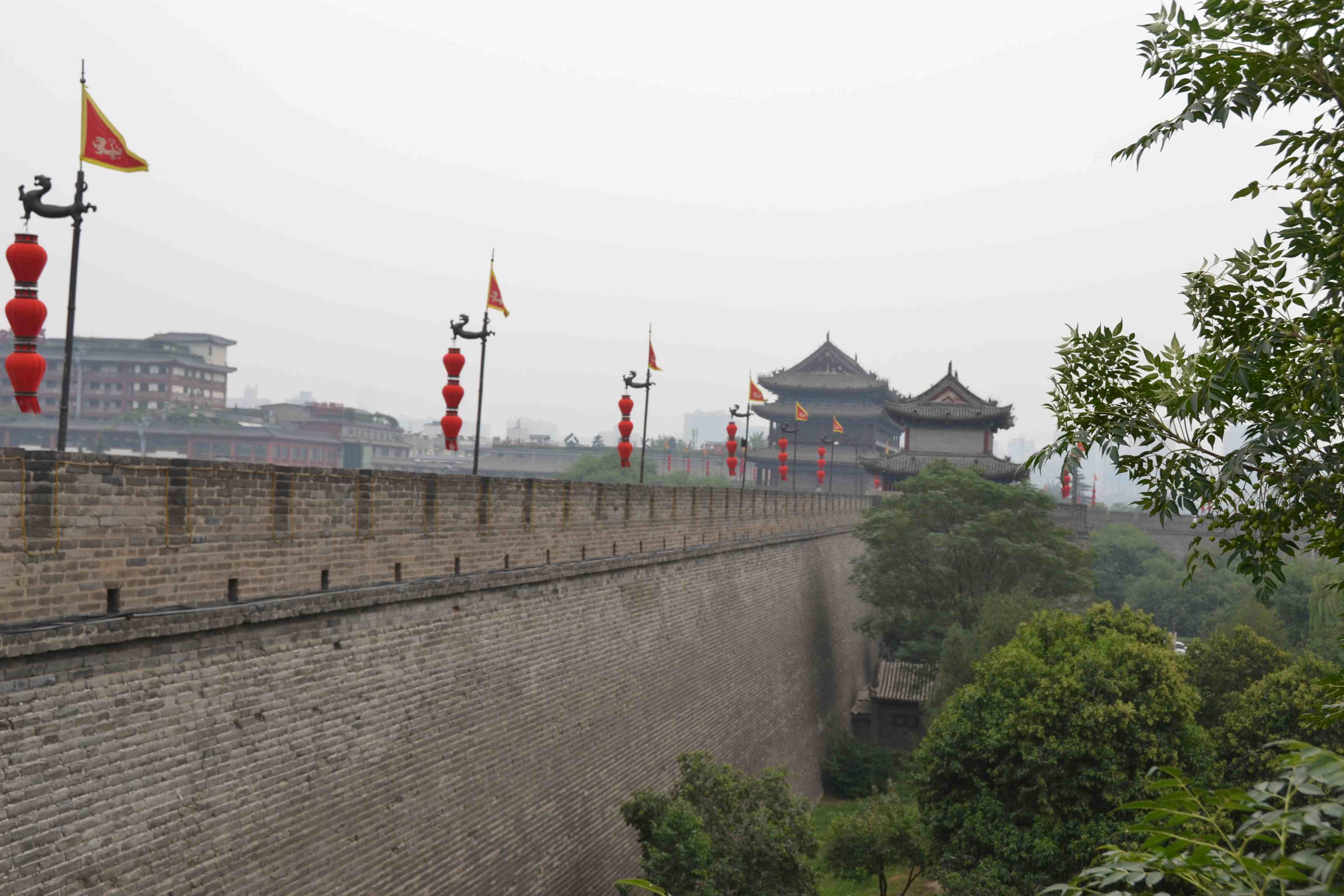


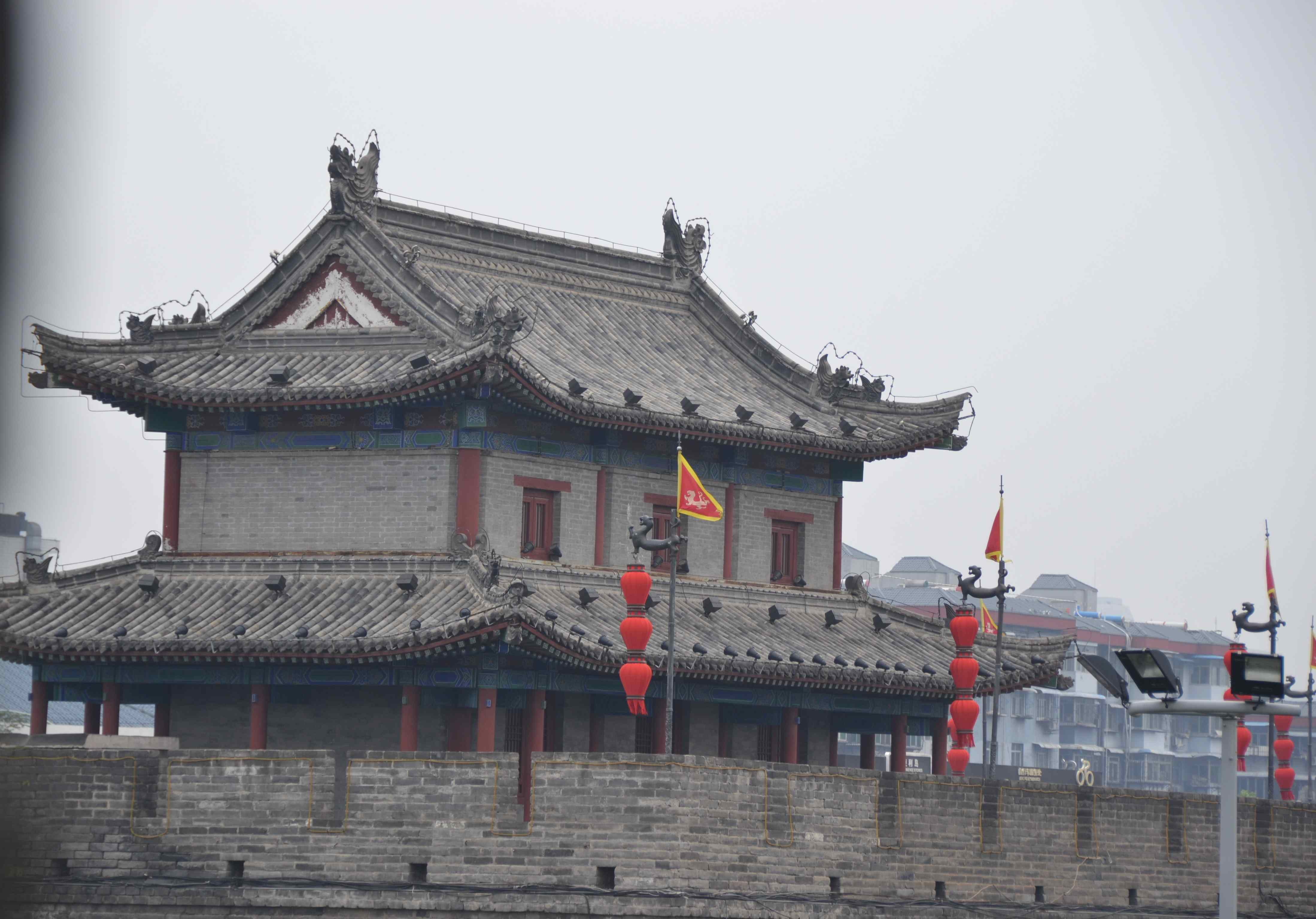
Here and there, we saw red lanterns which accented the dull color surrounding. Those bright lanterns were quite memorable.
Many buildings that were from the Ming Dynasty. The color of each building was consistently grey/dark brown that gloomy day and left the reminiscence of what it was like in ancient times.

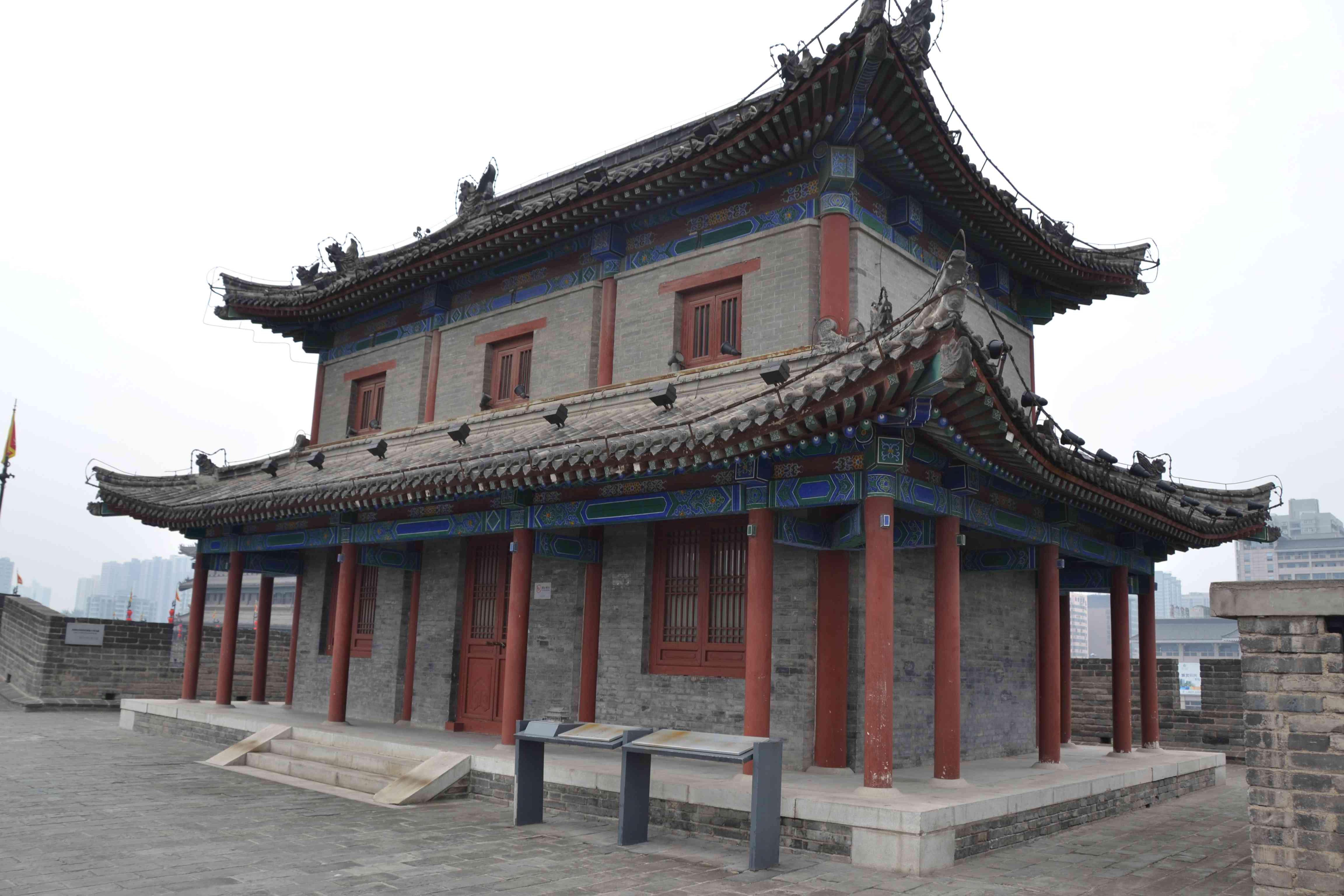
Andingmen
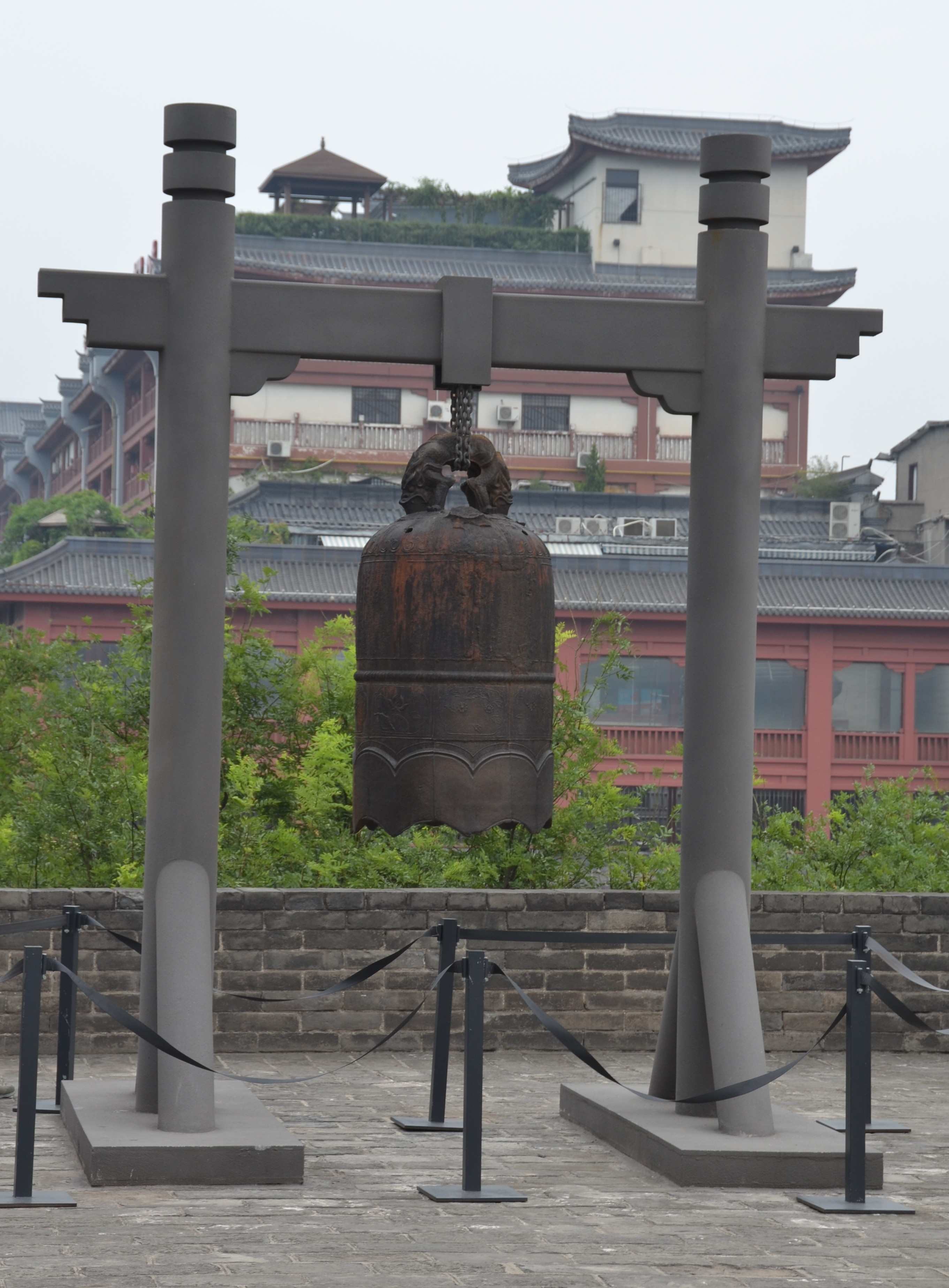
Along the wall, we saw many interesting displays of signs and artifacts from olden days.

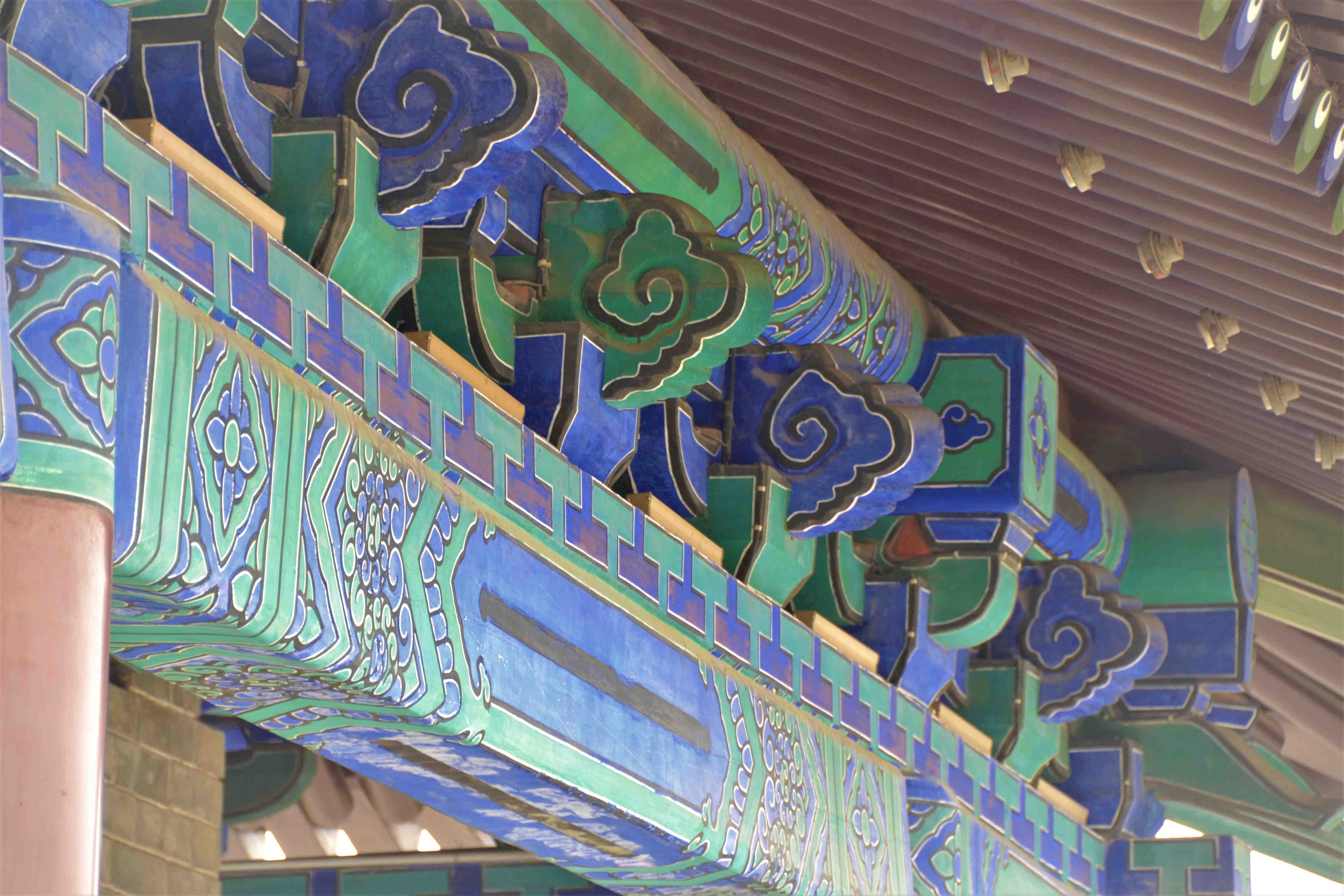
As was in many other places in China, we saw very coloful structures shown below. Their art work is very intricate and impressive.


2. Shaanxi History Museum
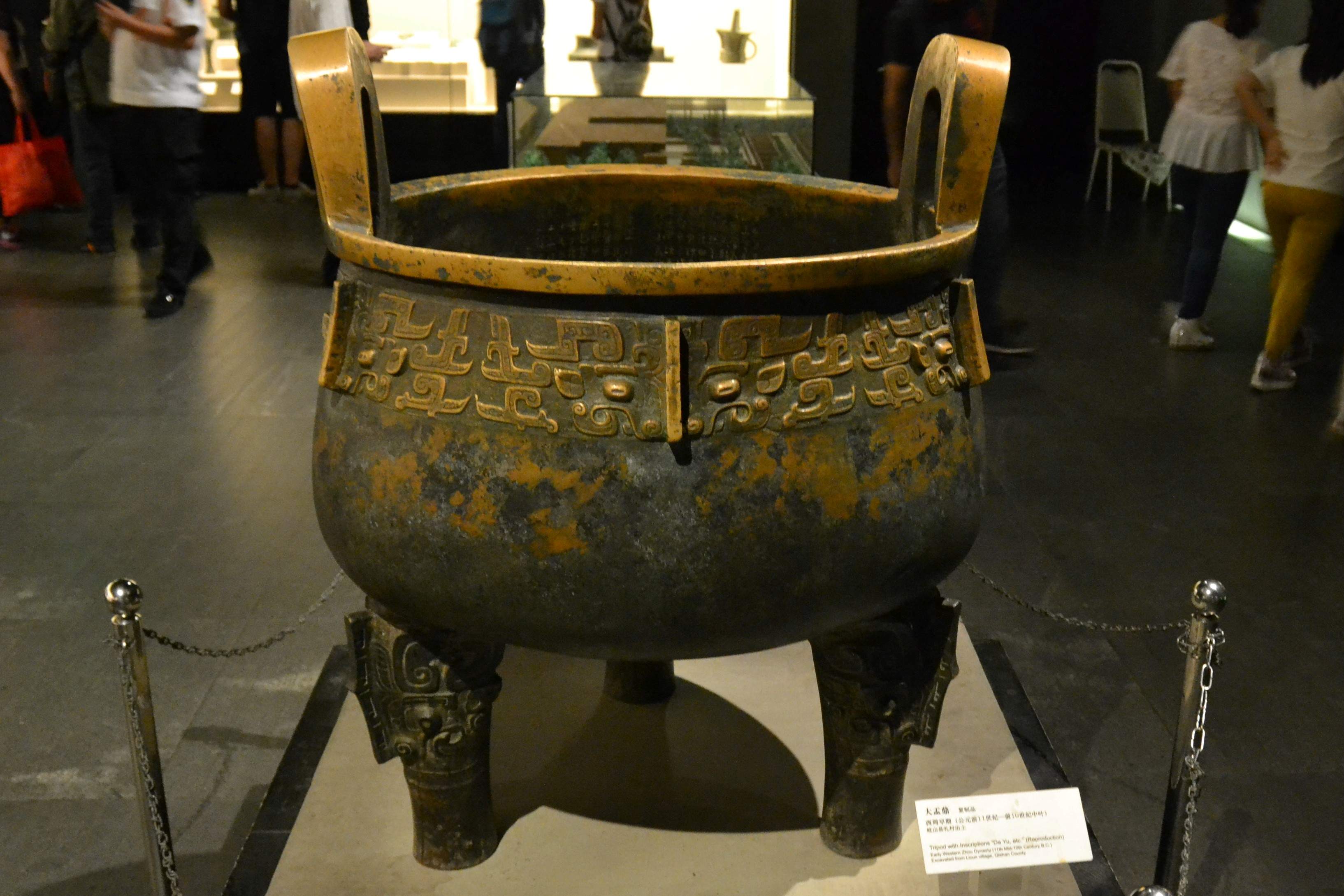
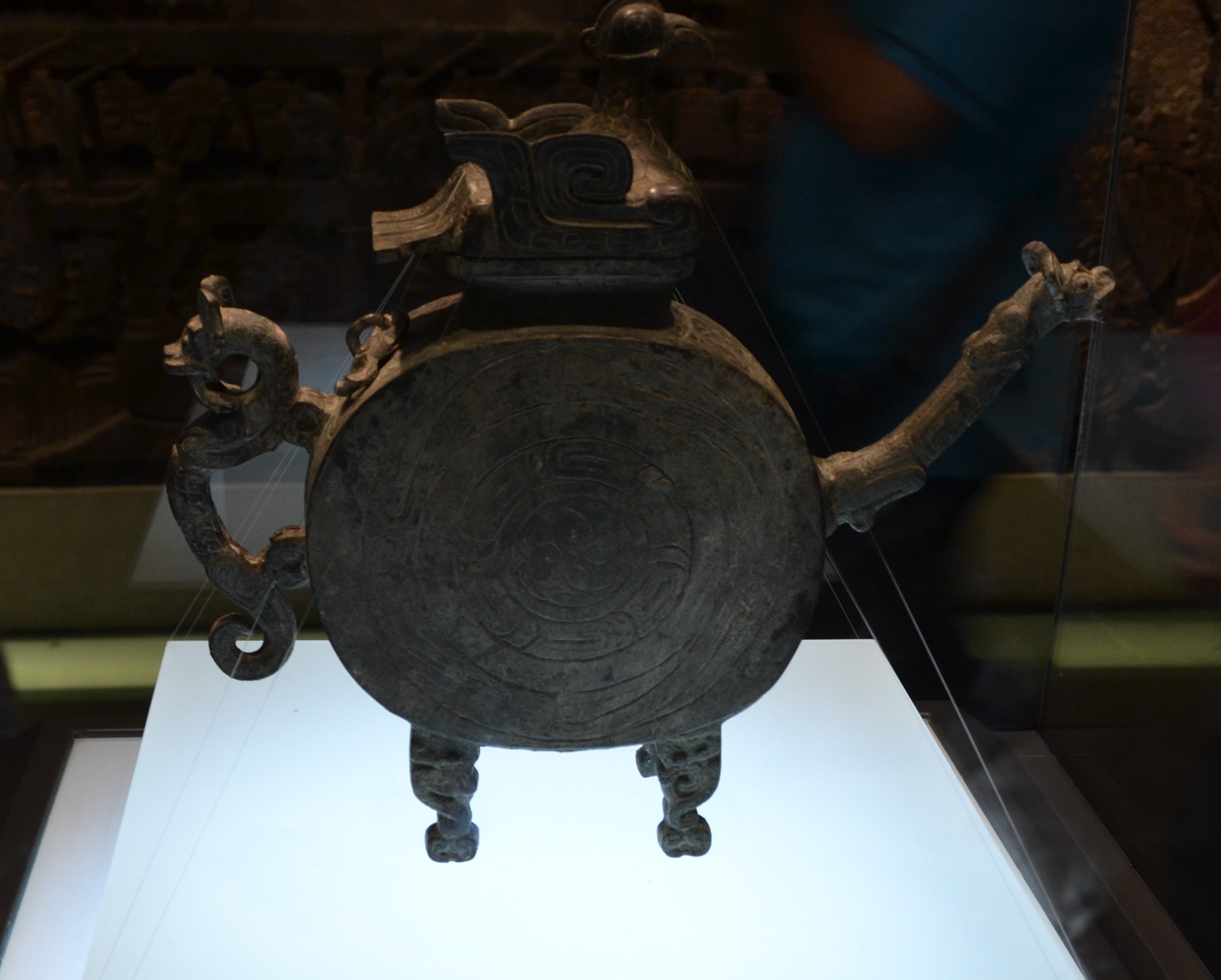
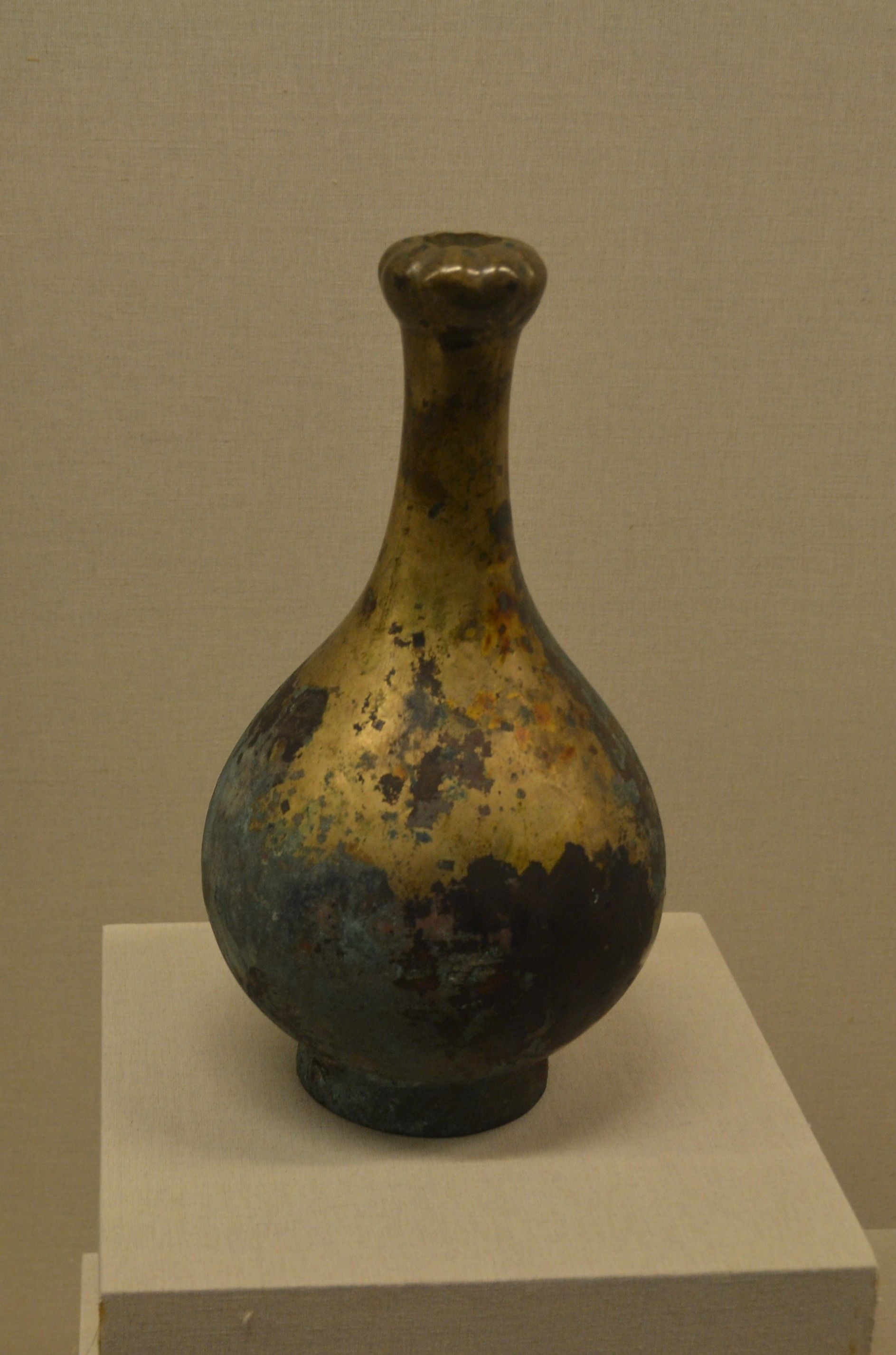
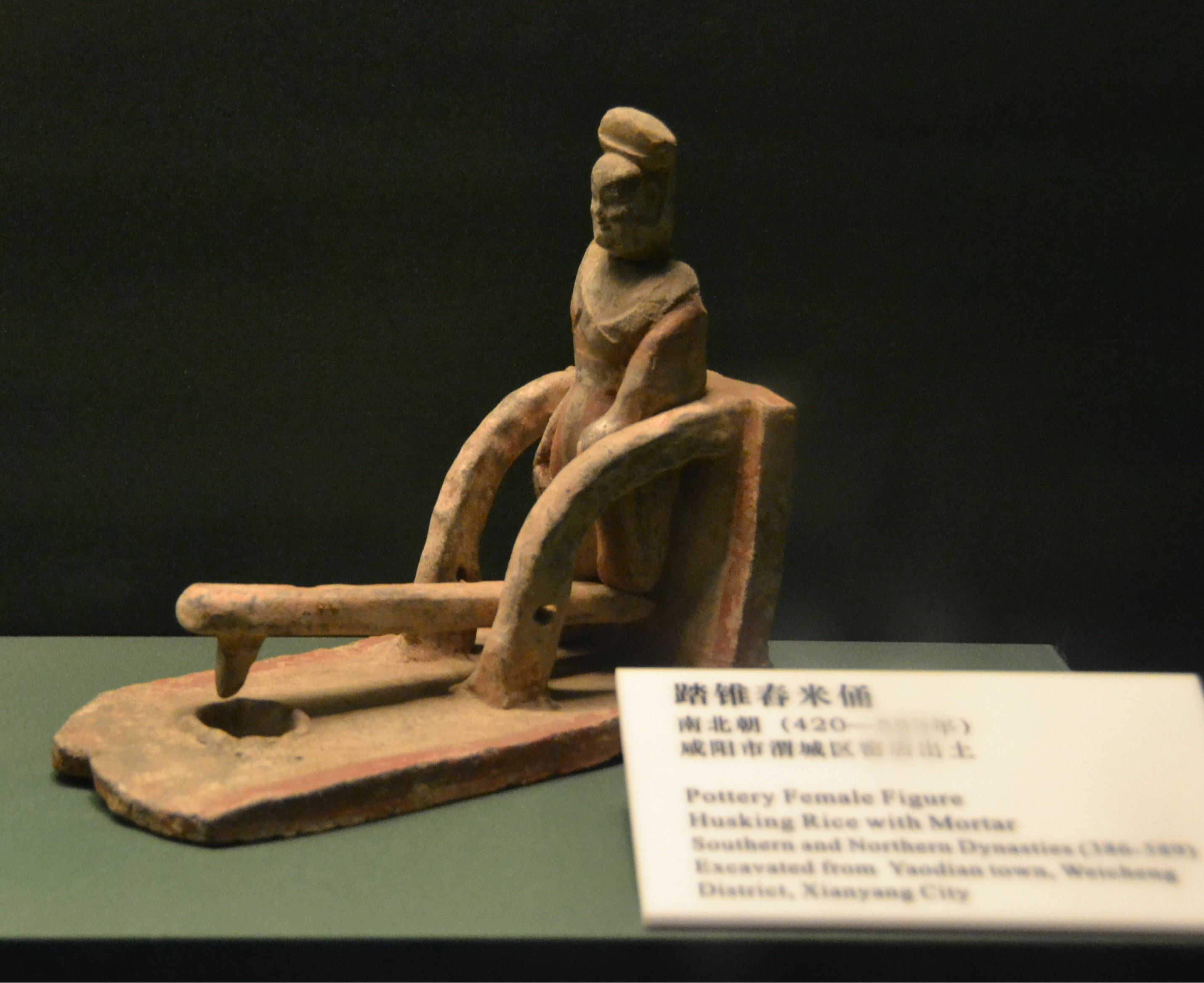
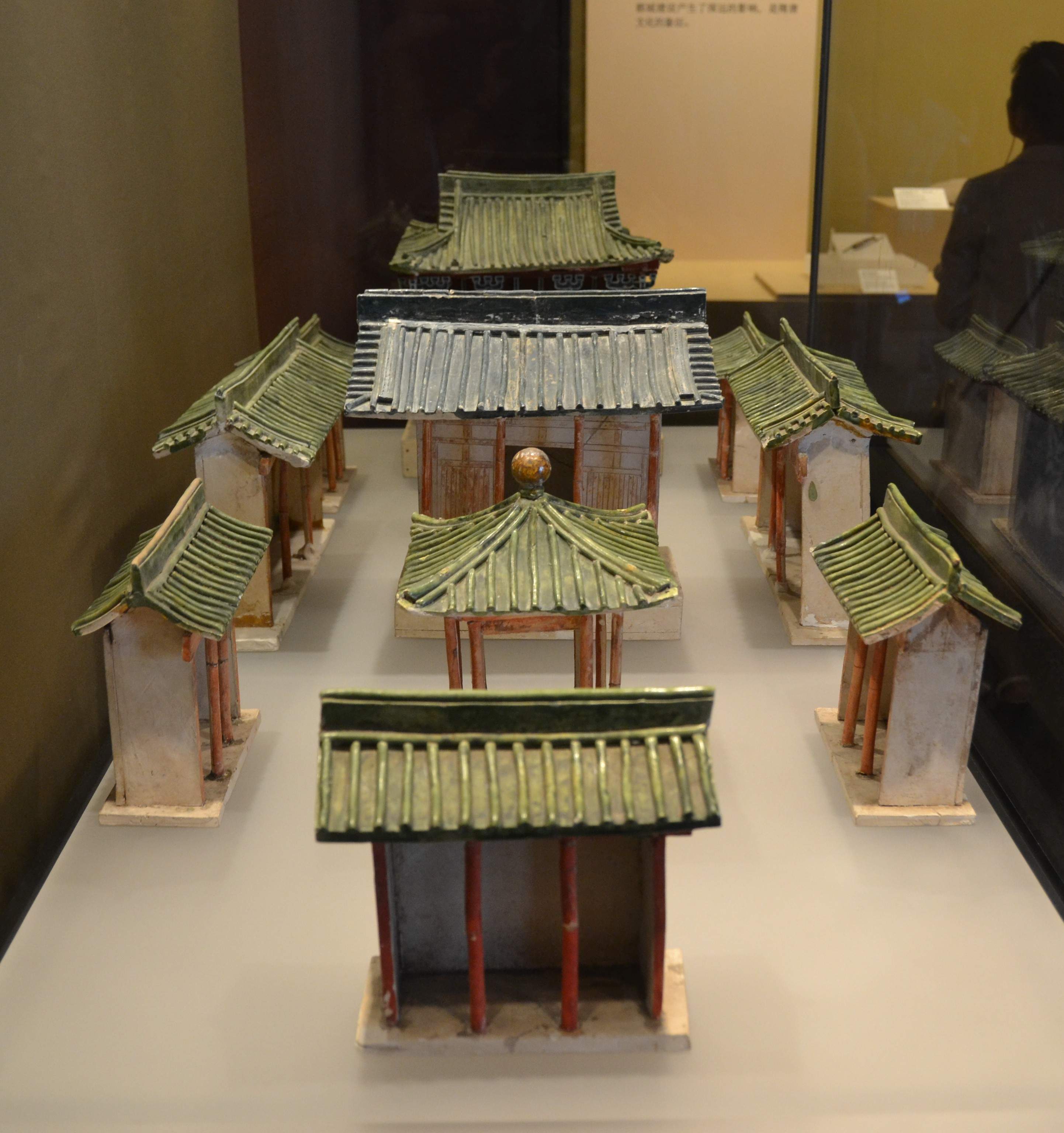
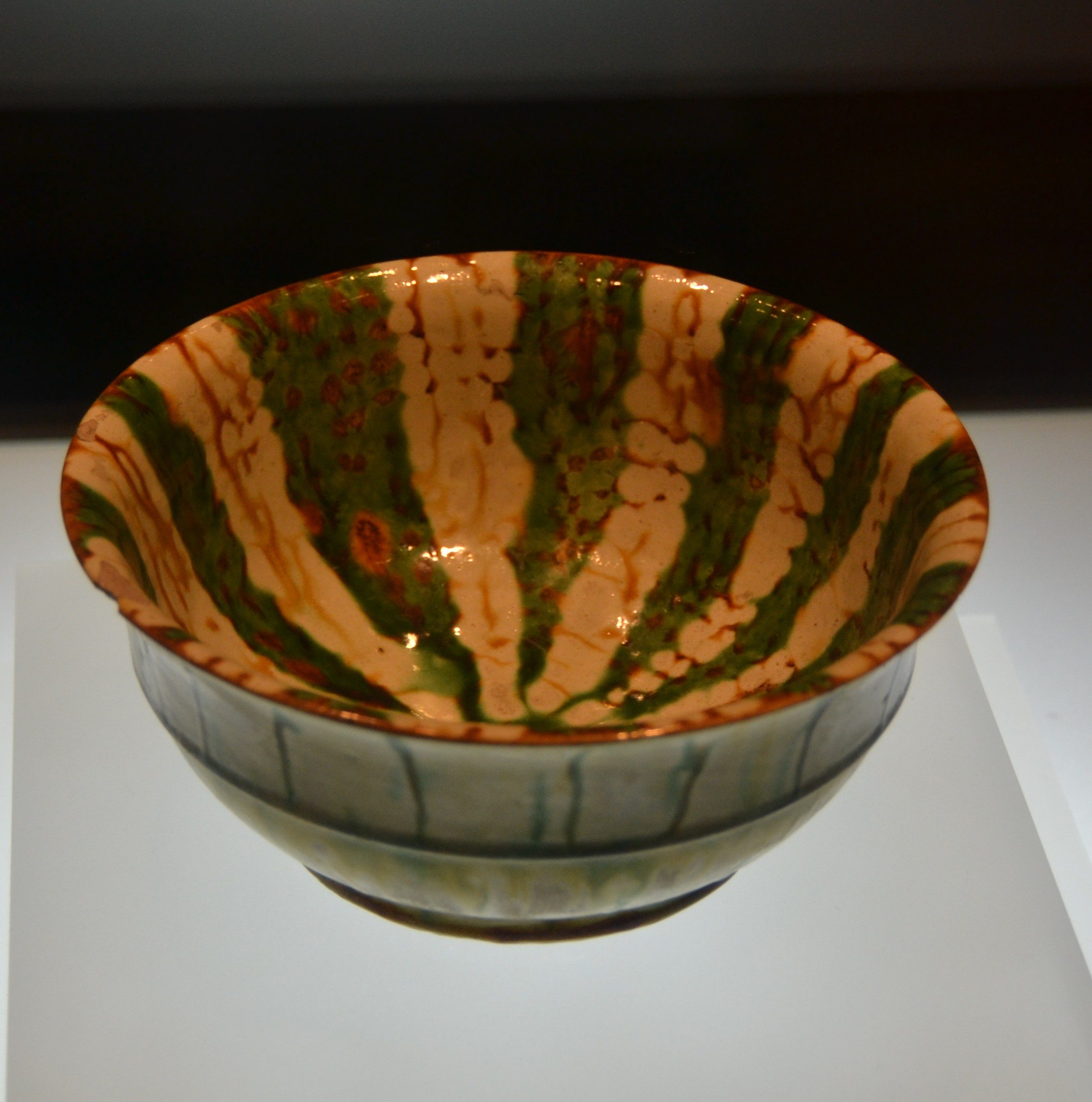
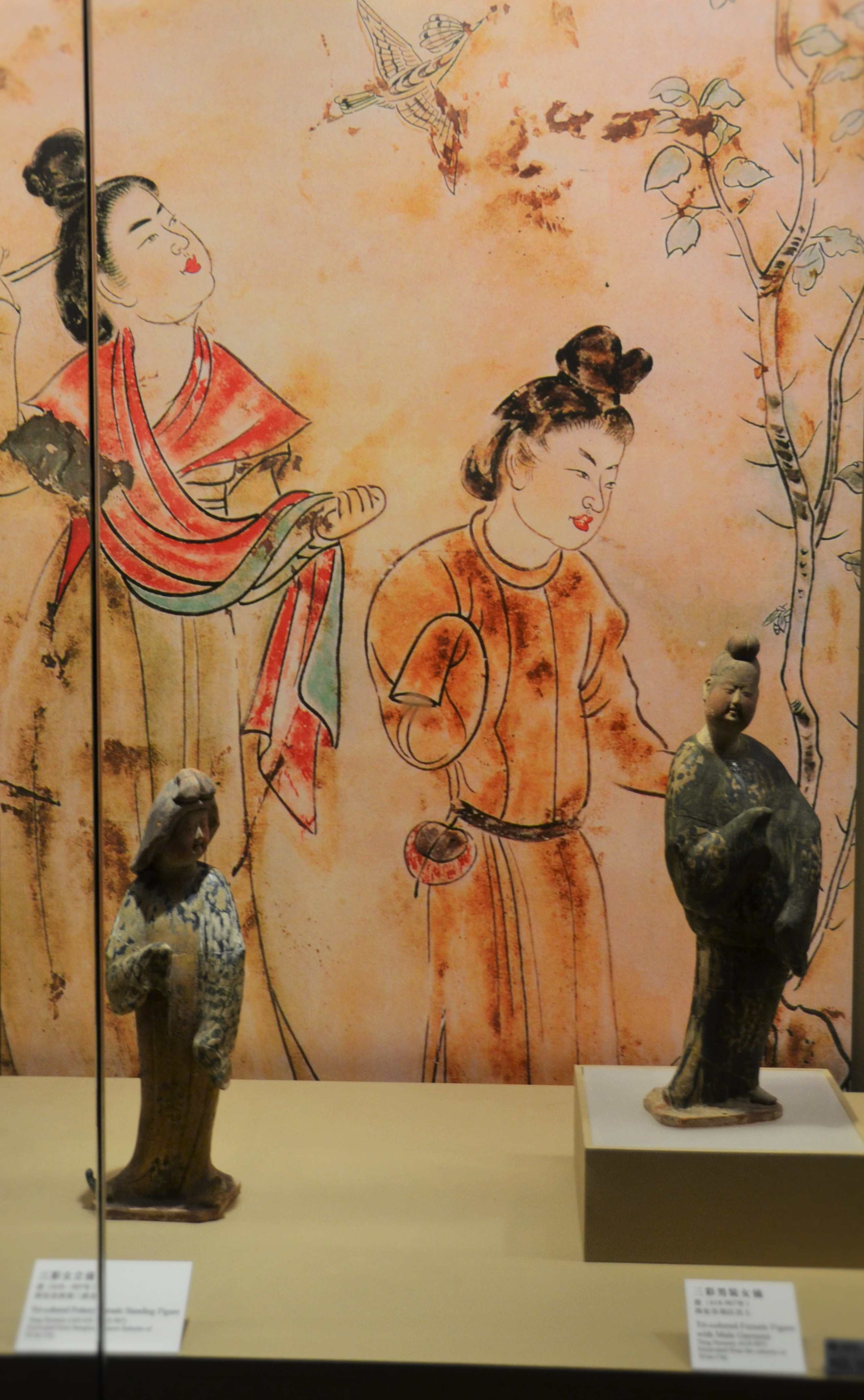
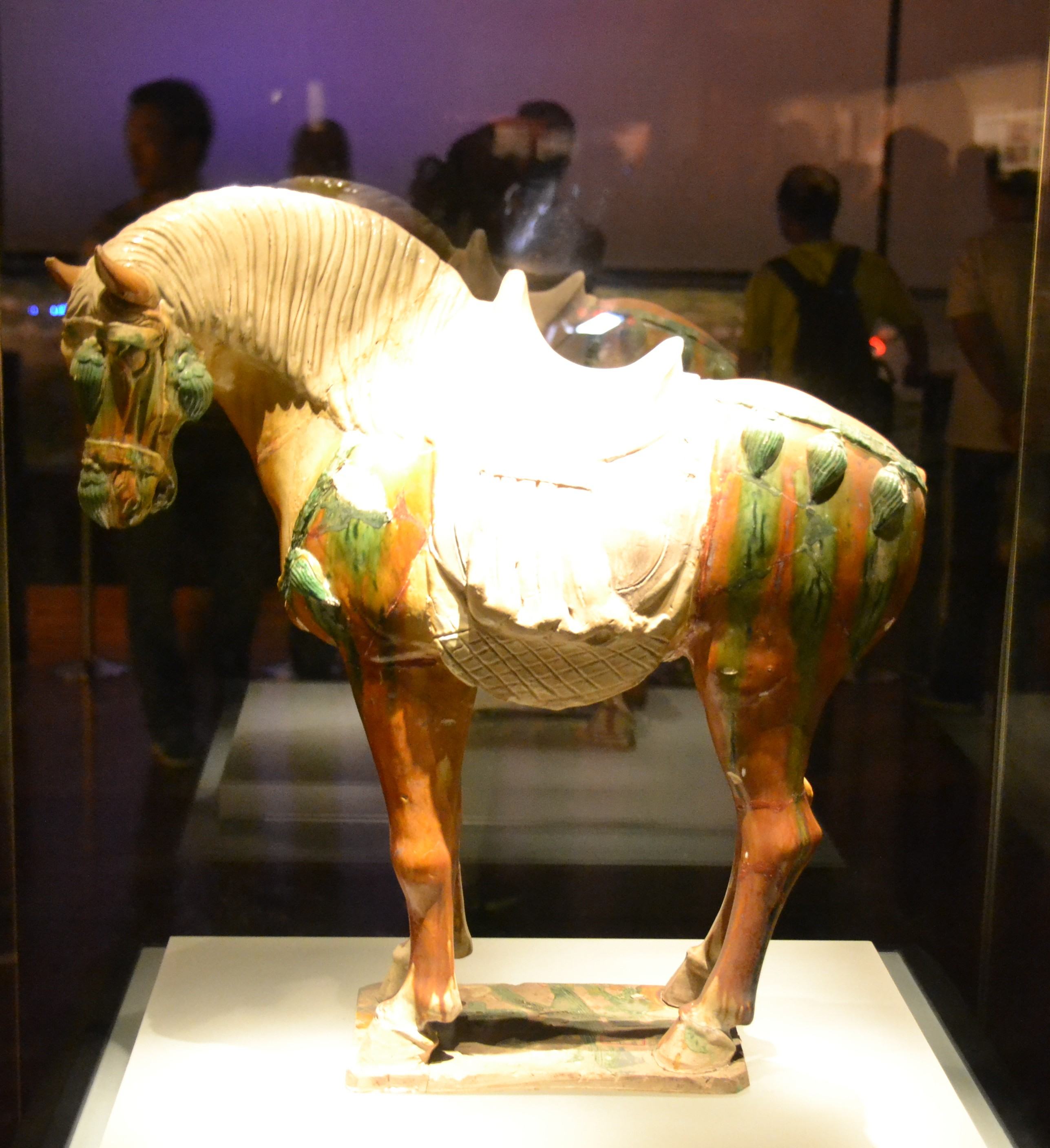
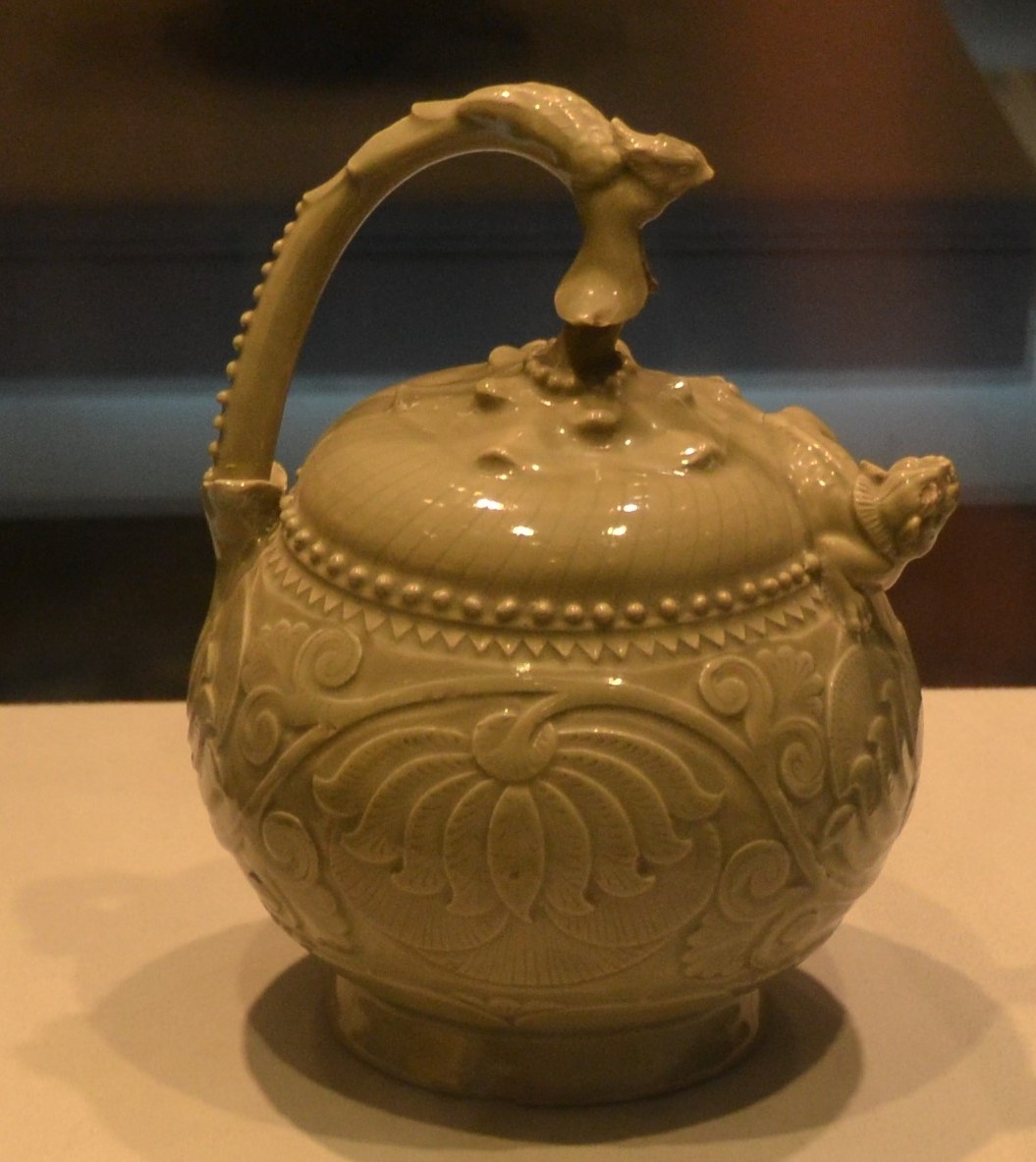
Including Zhou, Qin, Han and Tang, fourteen historical dynasties founded their capitals and flourished in Shaanxi. So, there were plenty of valuable artifacts displayed from many dynasties including some from the Terracotta Army site.

Gold Bowl with lotus and duck design from Tang Dynasty




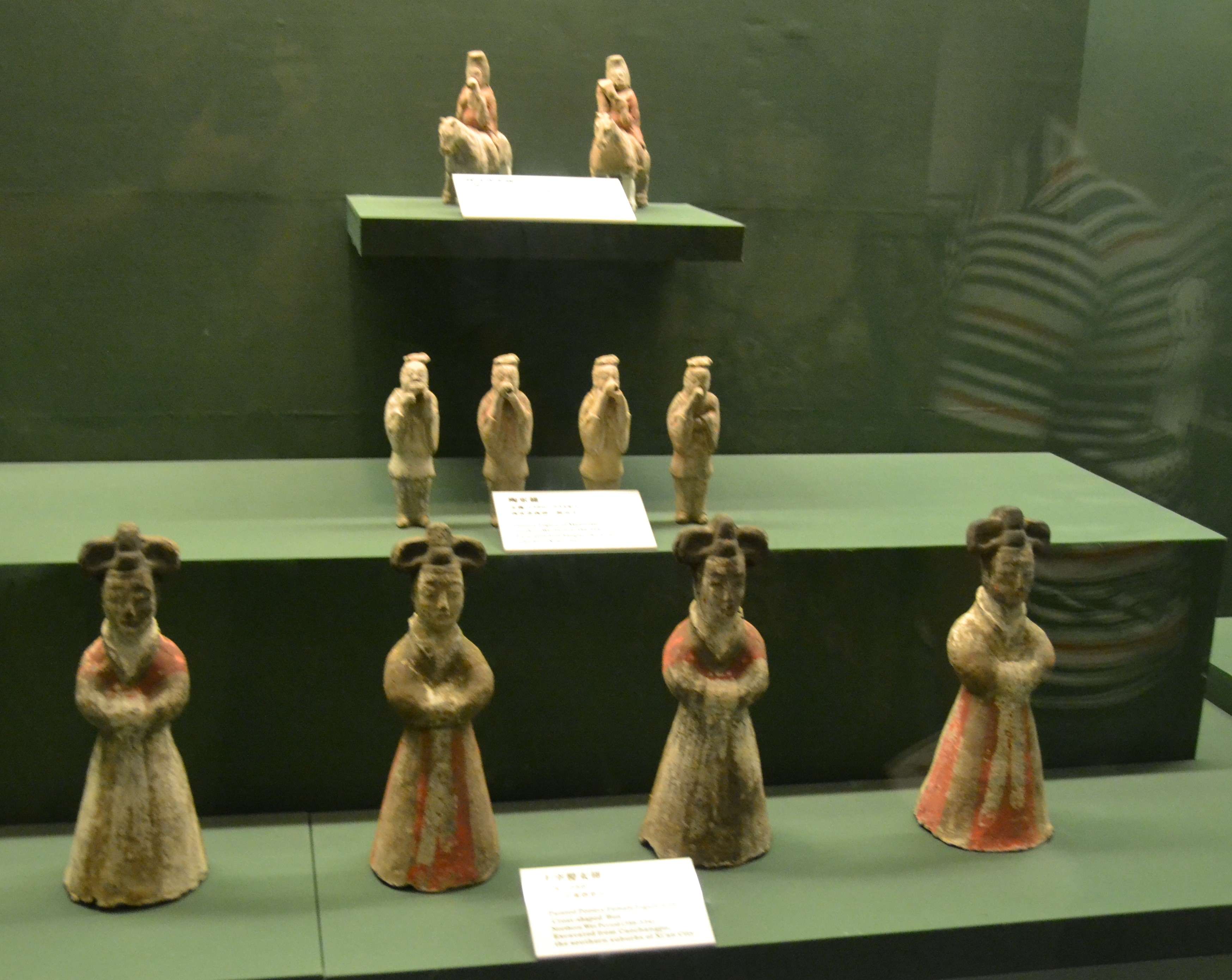




Painted tomb figures of guardians of prince Qianjiang from the Ming Dynasty


Statues from Zhongshan Grottoes
3. Great Mosque of Xi’an (Daxuexi Alley Mosque)
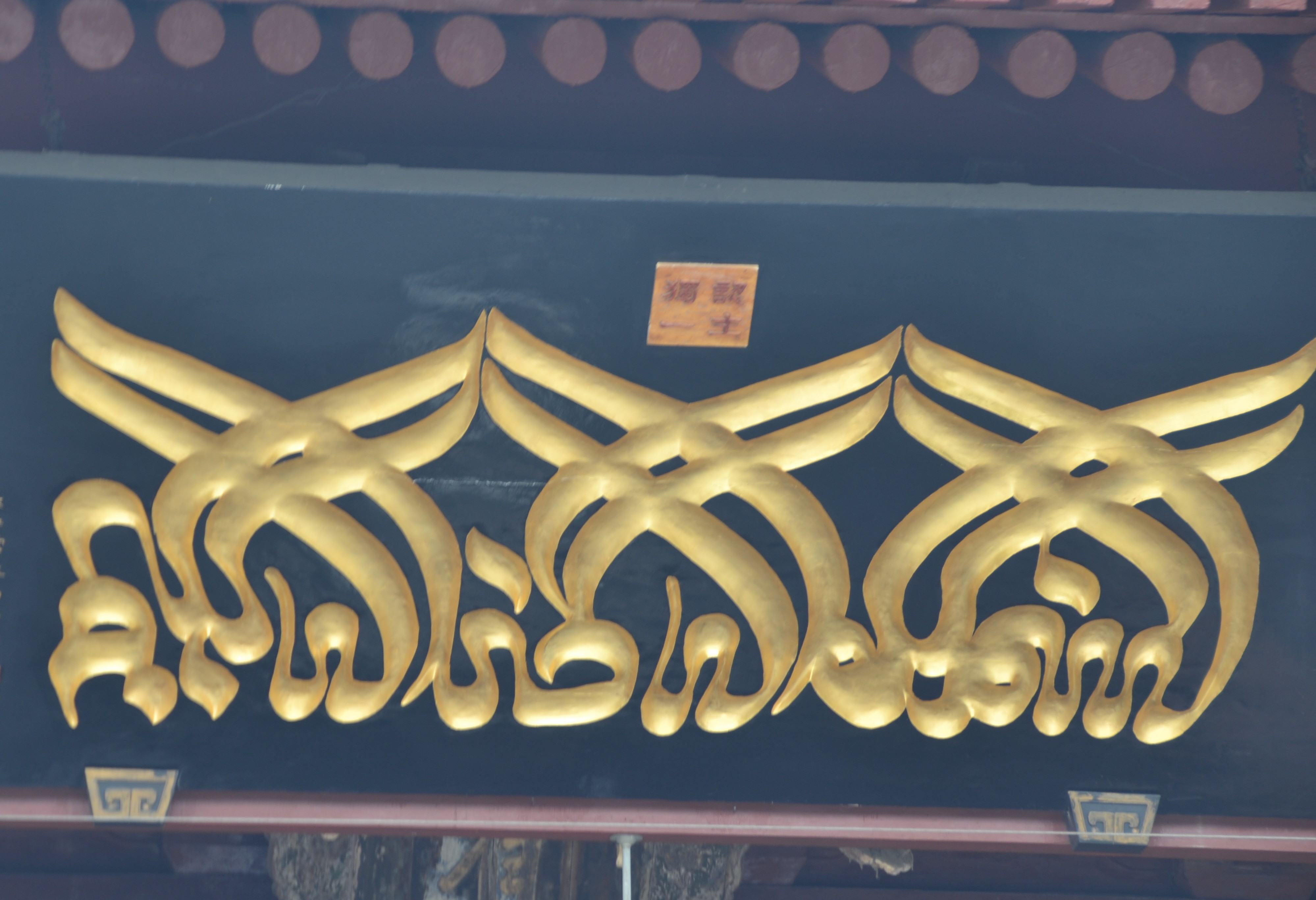
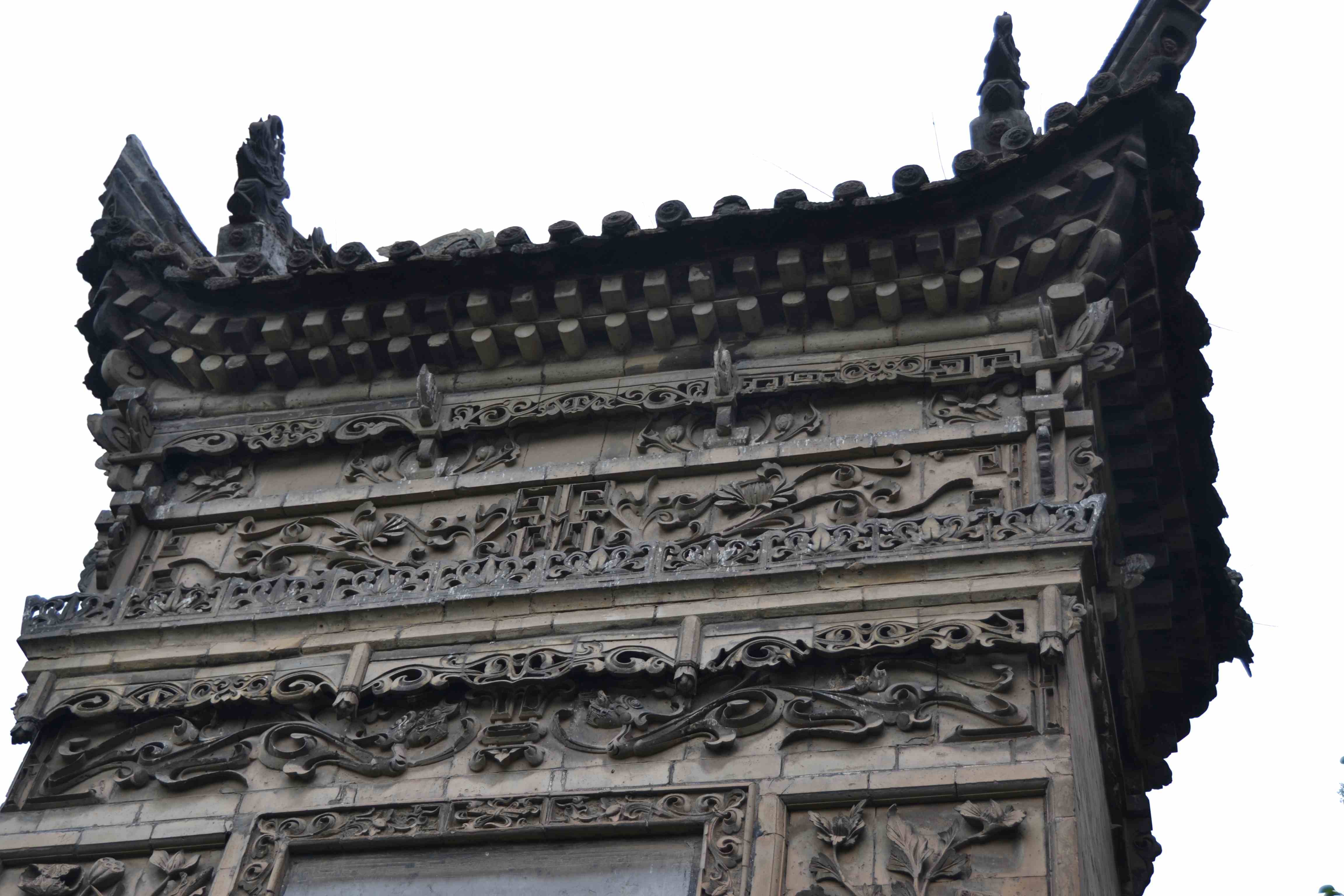
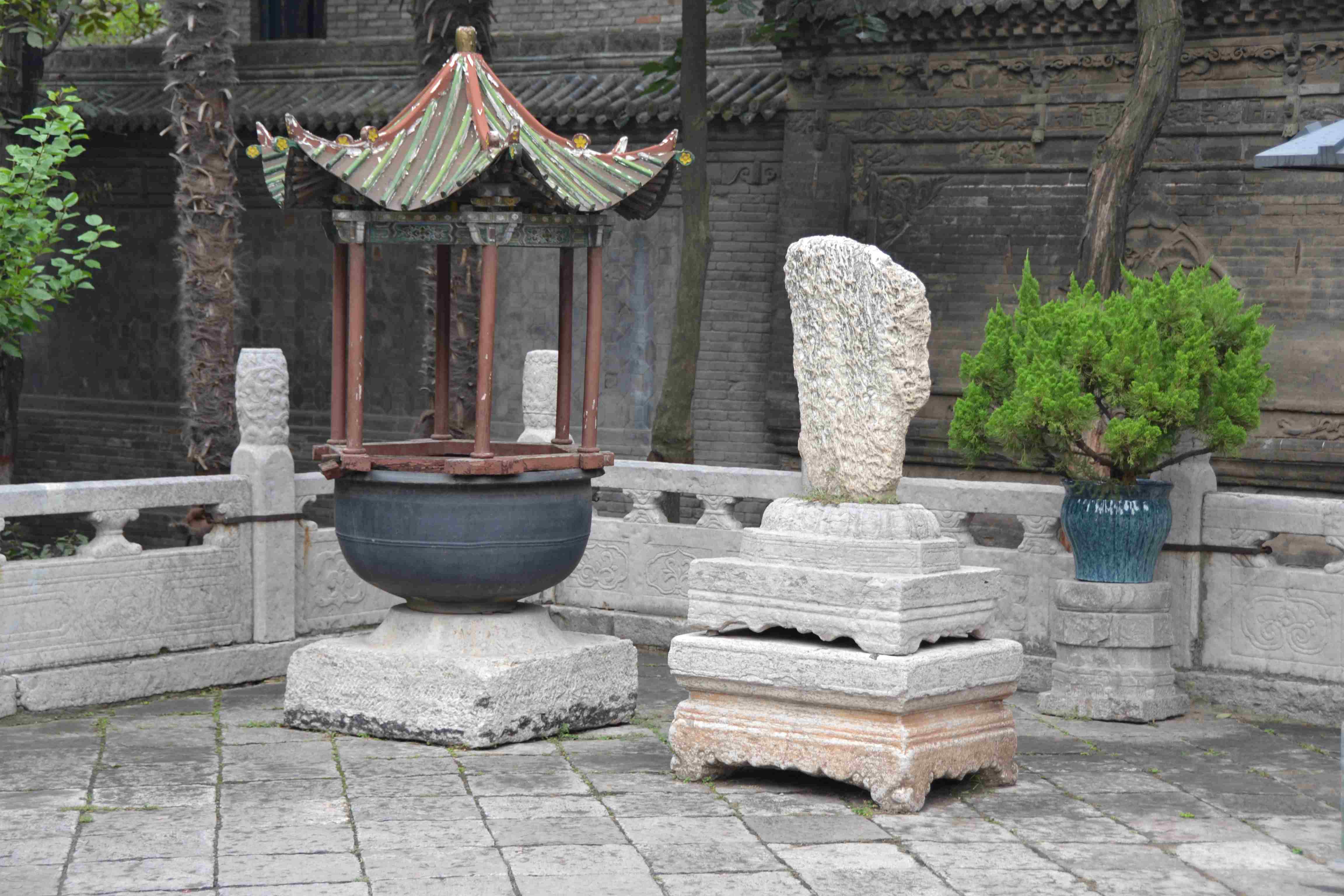
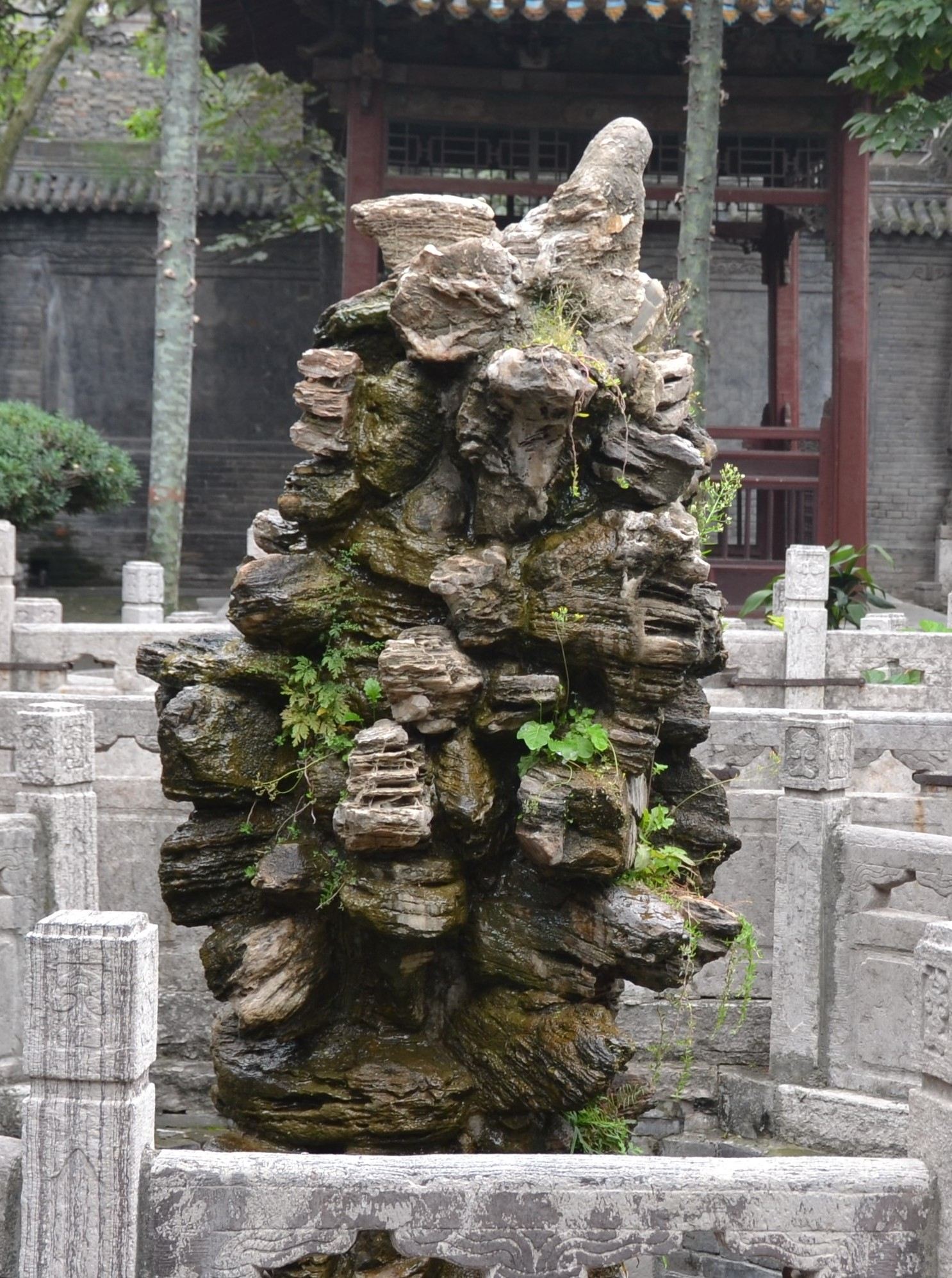
This mosque is one of the largest premodern mosques in China. It was originally built during the Tang dynasty in 742 AD. The current buildings were largely constructed in 1384 by Emperor Hongwu (Ming dynasty). It not only has qibla (direction towards the Ka’ba in the Mecca, holy city of Islam) and mihrab (item indicates the direction of Mecca) like most mosques around world, but also Chinese architectural and cultural features throughout the area.





4.Terracotta Army Tomb (Emperor Qin Shi Huang’s Mausoleum)
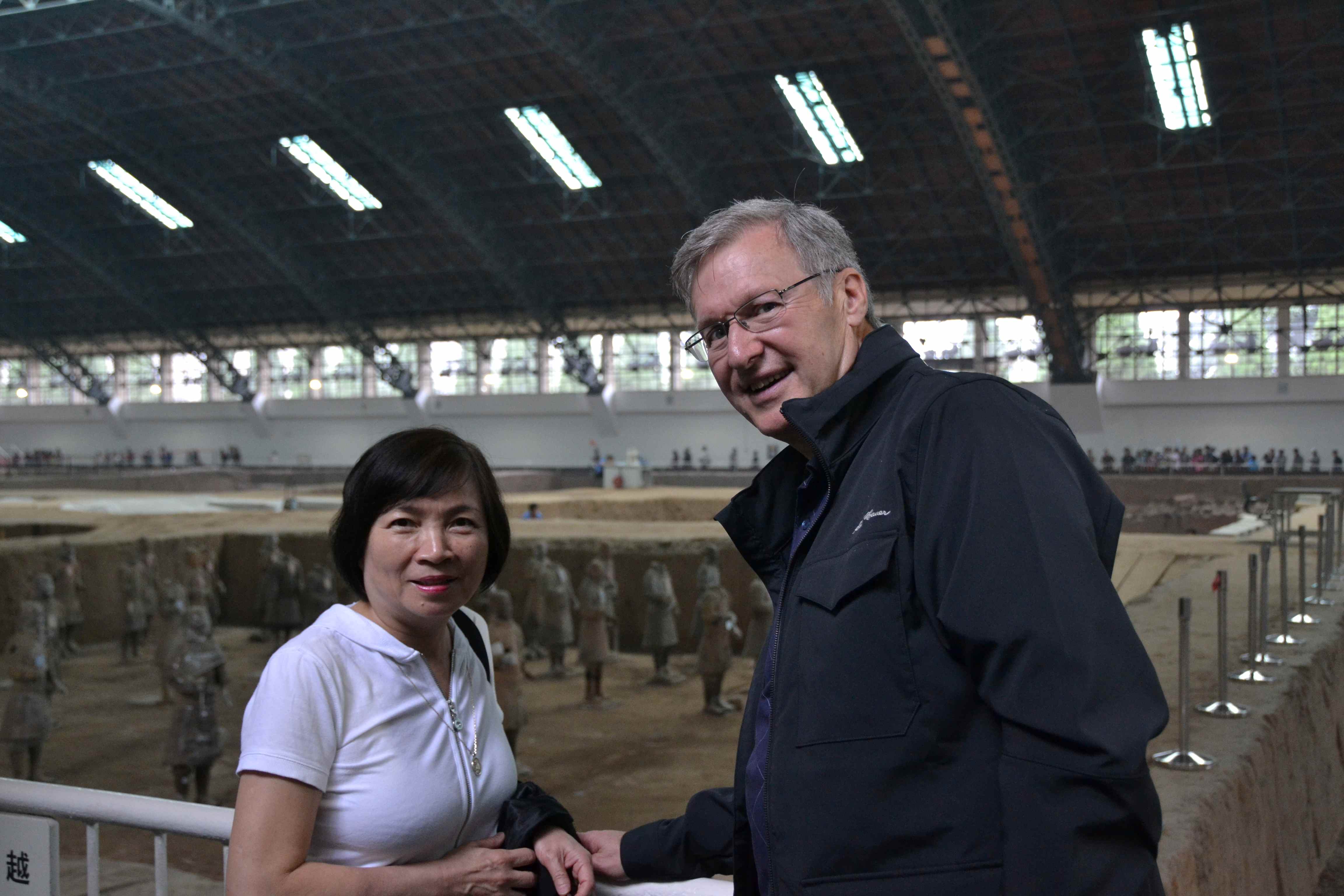
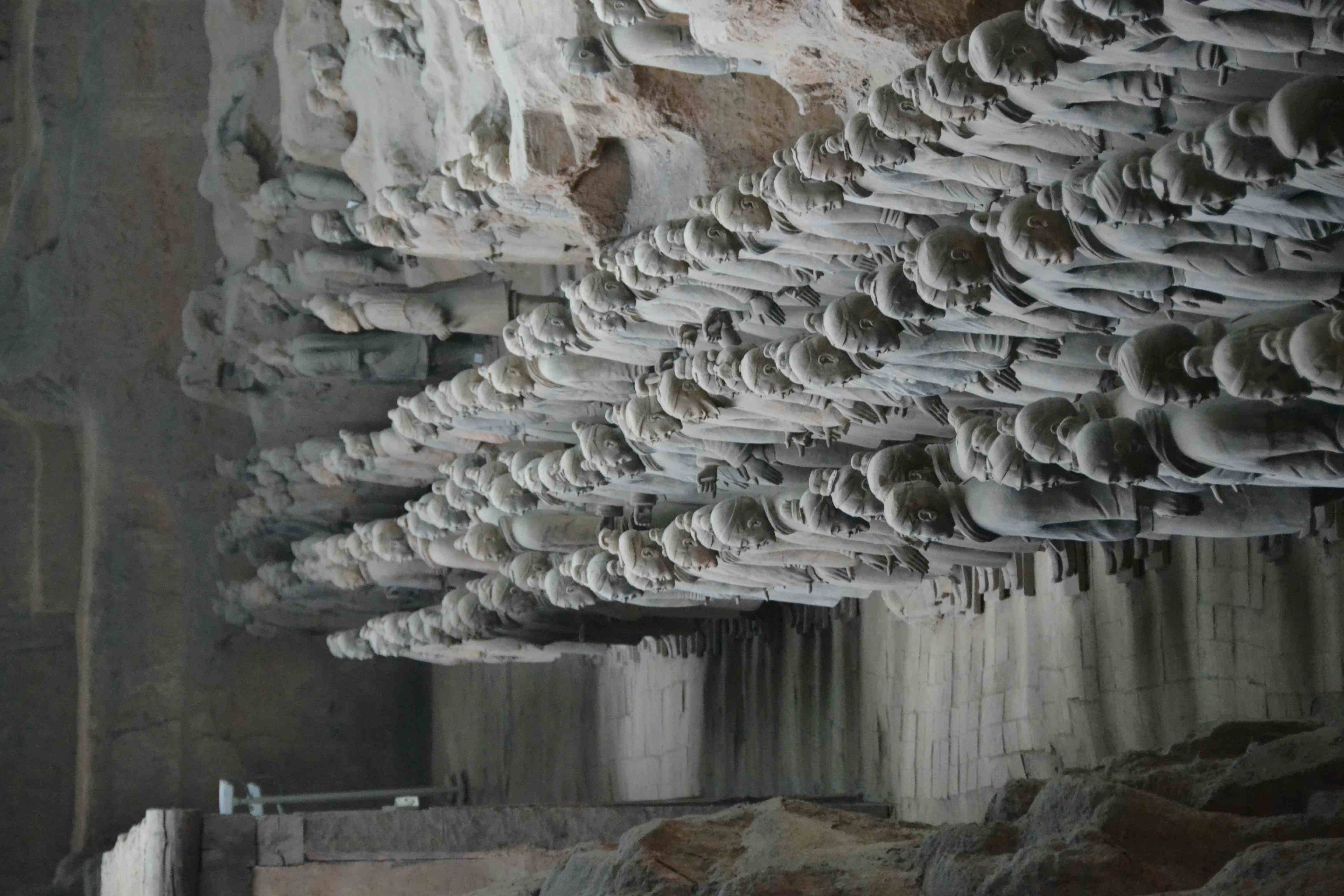
This mausoleum was constructed between 246 to 208 BCE (which is 38 years). This 76-meter-tall tomb mound which is shaped like a truncated pyramid was discovered in March 1974. Archaeologists later found an army of some 8,000 life-size terra-cotta soldiers, horses, and chariots. When we entered the dome-like building, which covers the site, we were awed by the size of the place and the number of clay soldiers all lined up facing where we stood.

We looked closely at the soldiers and discovered that each figure had a different face, hair style, expression and pose.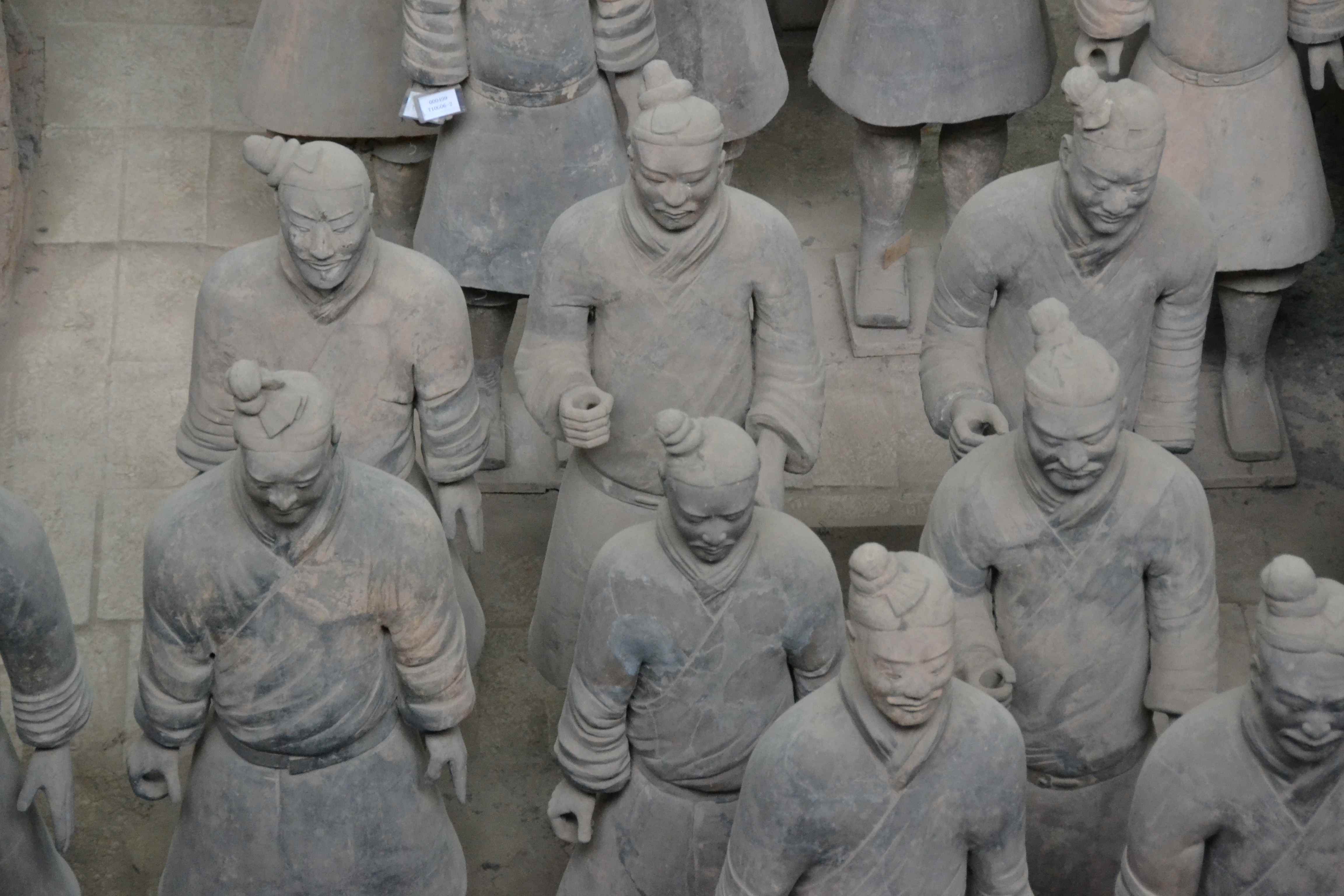
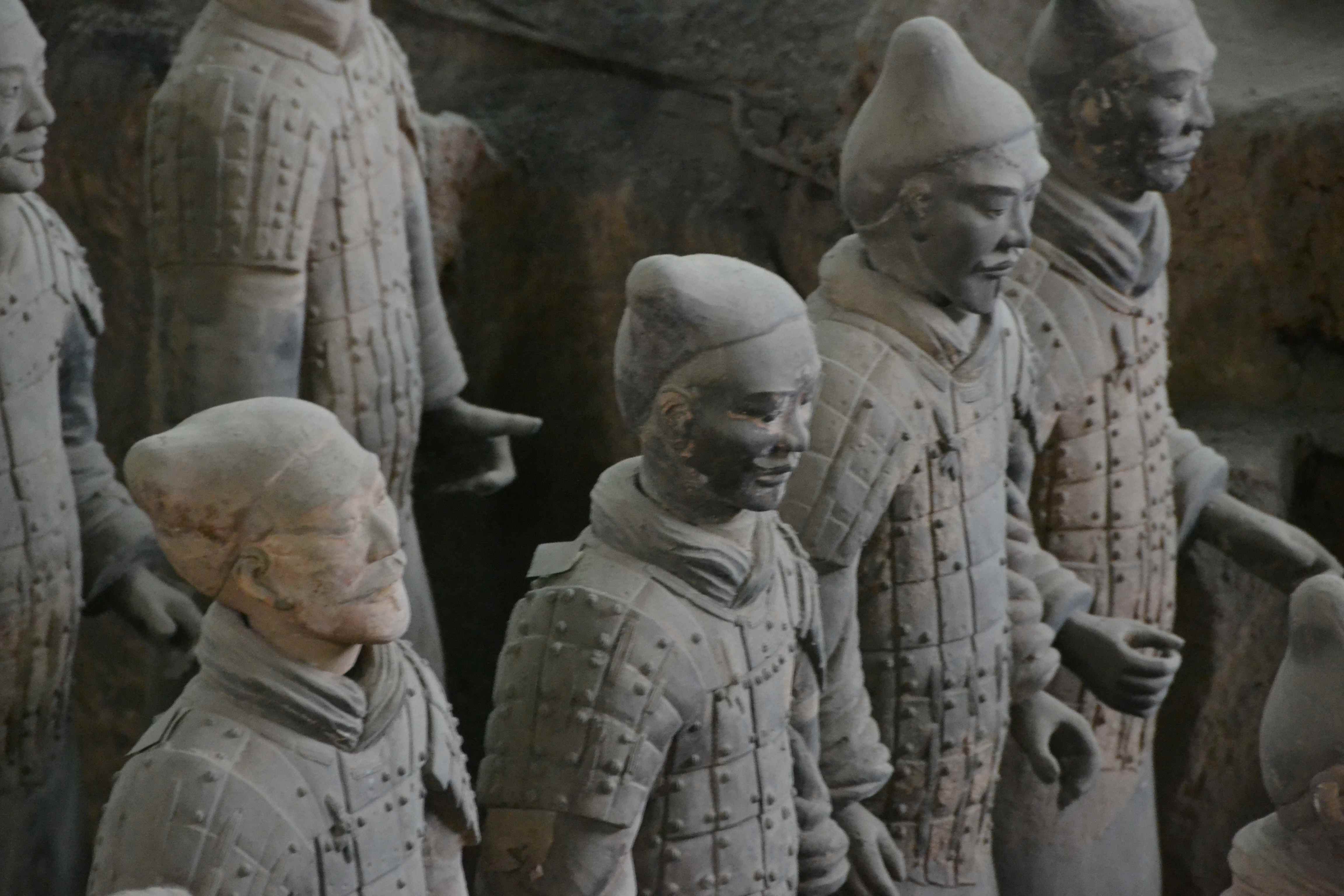
Please enjoy the following photos as we decided to display as many as possible so you can feel the same awe we felt when we were there.


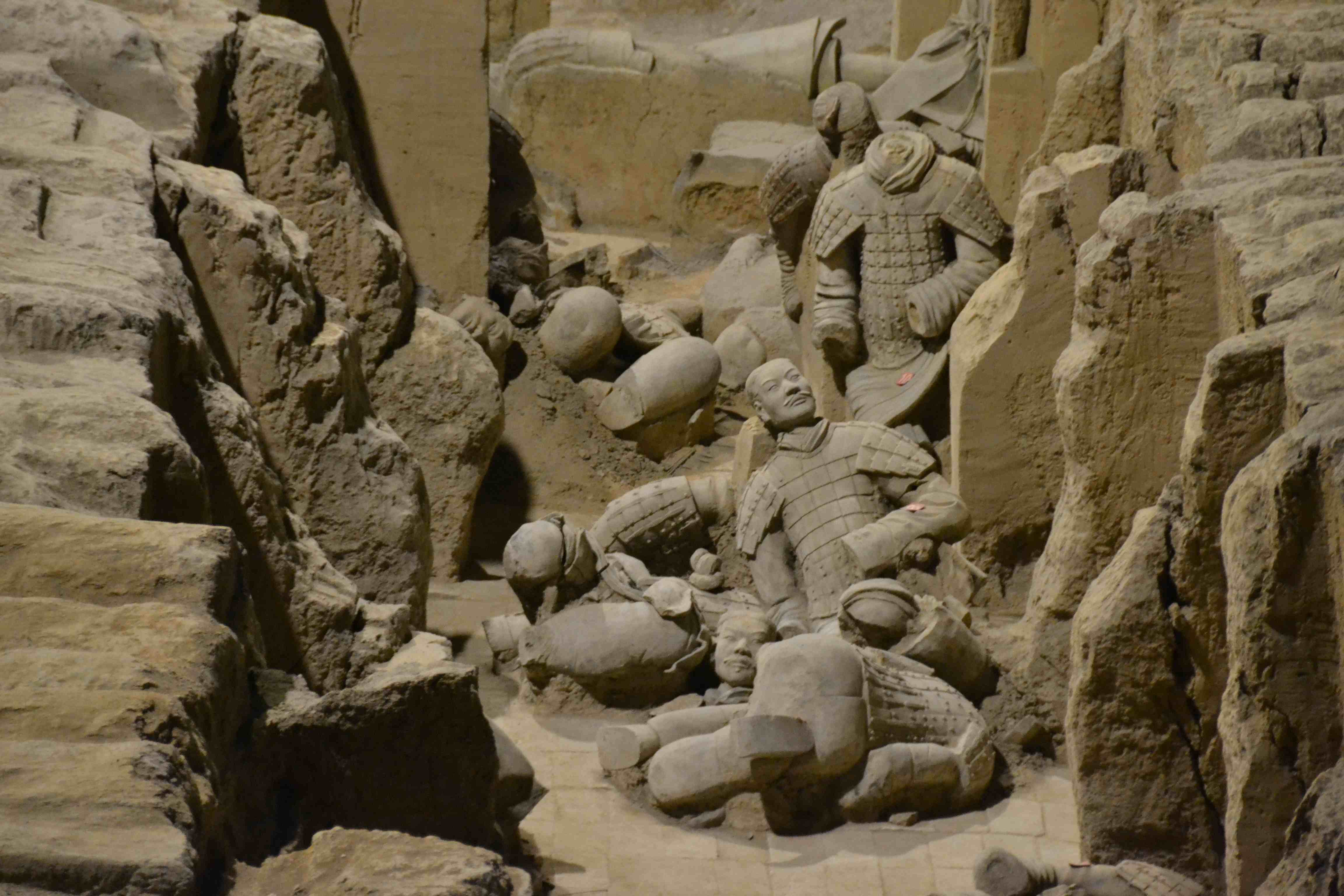
The excavation in the pit has not been completed. So, we saw many unfinished figures in an assembly place as follows:
The displays below were in glass cases, in a different section of the building, so we could view them very closely.
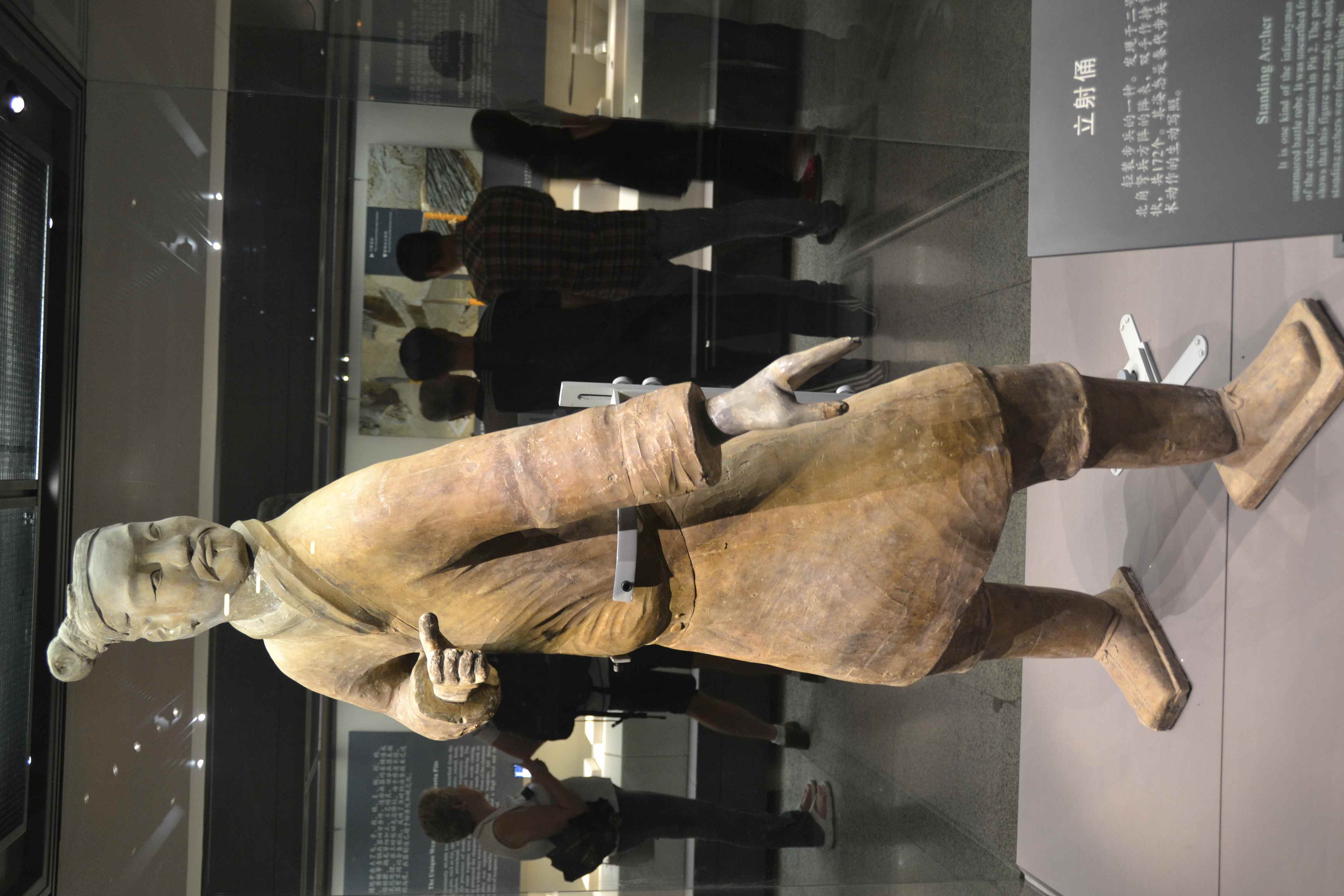

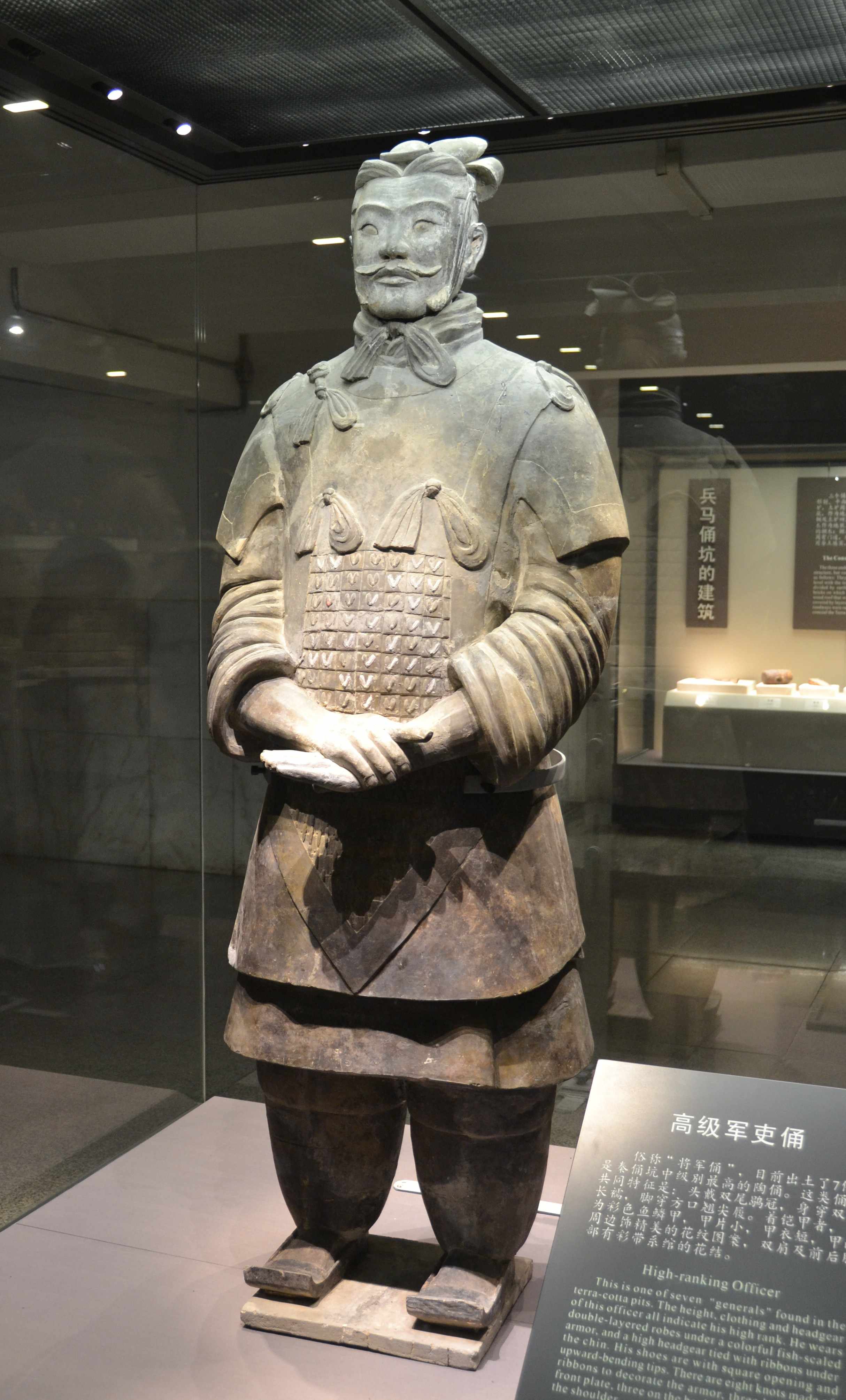


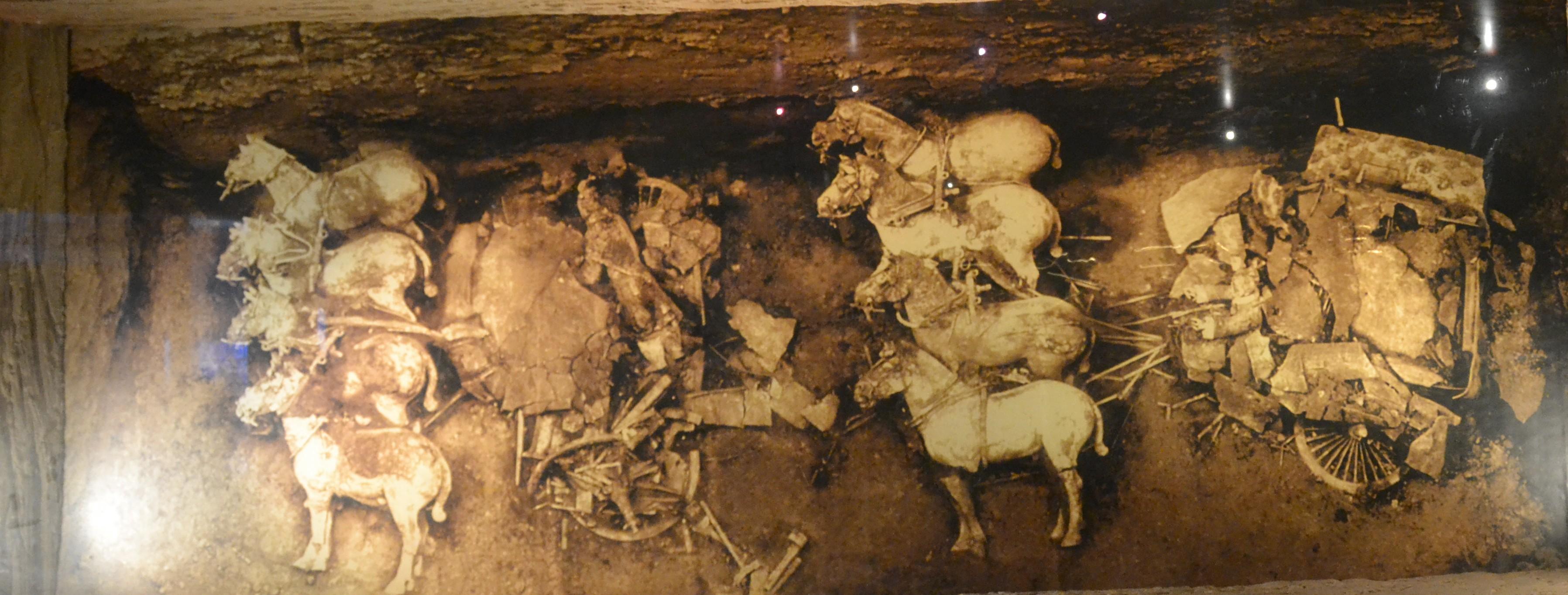

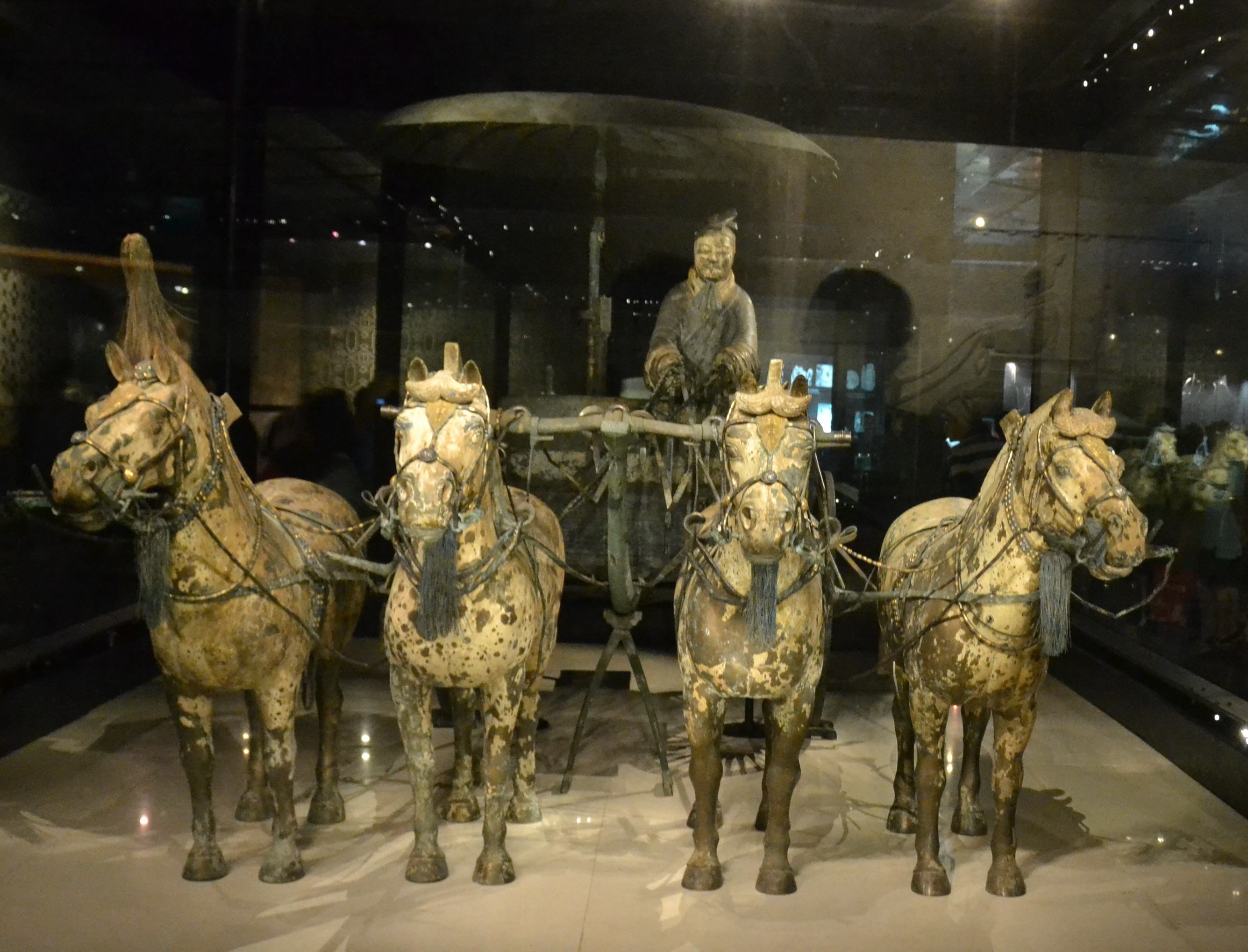
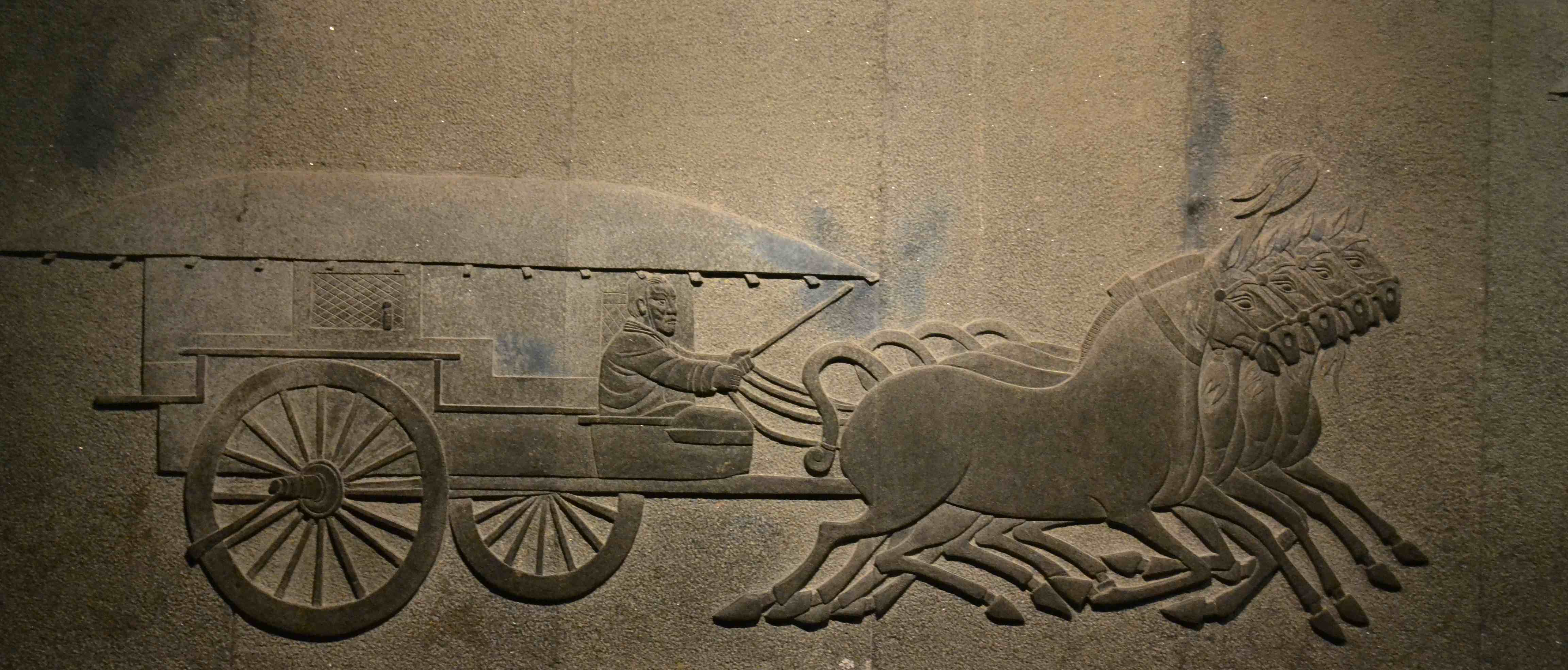


There have been thousands of warriors discovered to date, but more are excavated each year.
5. Hodge Podge
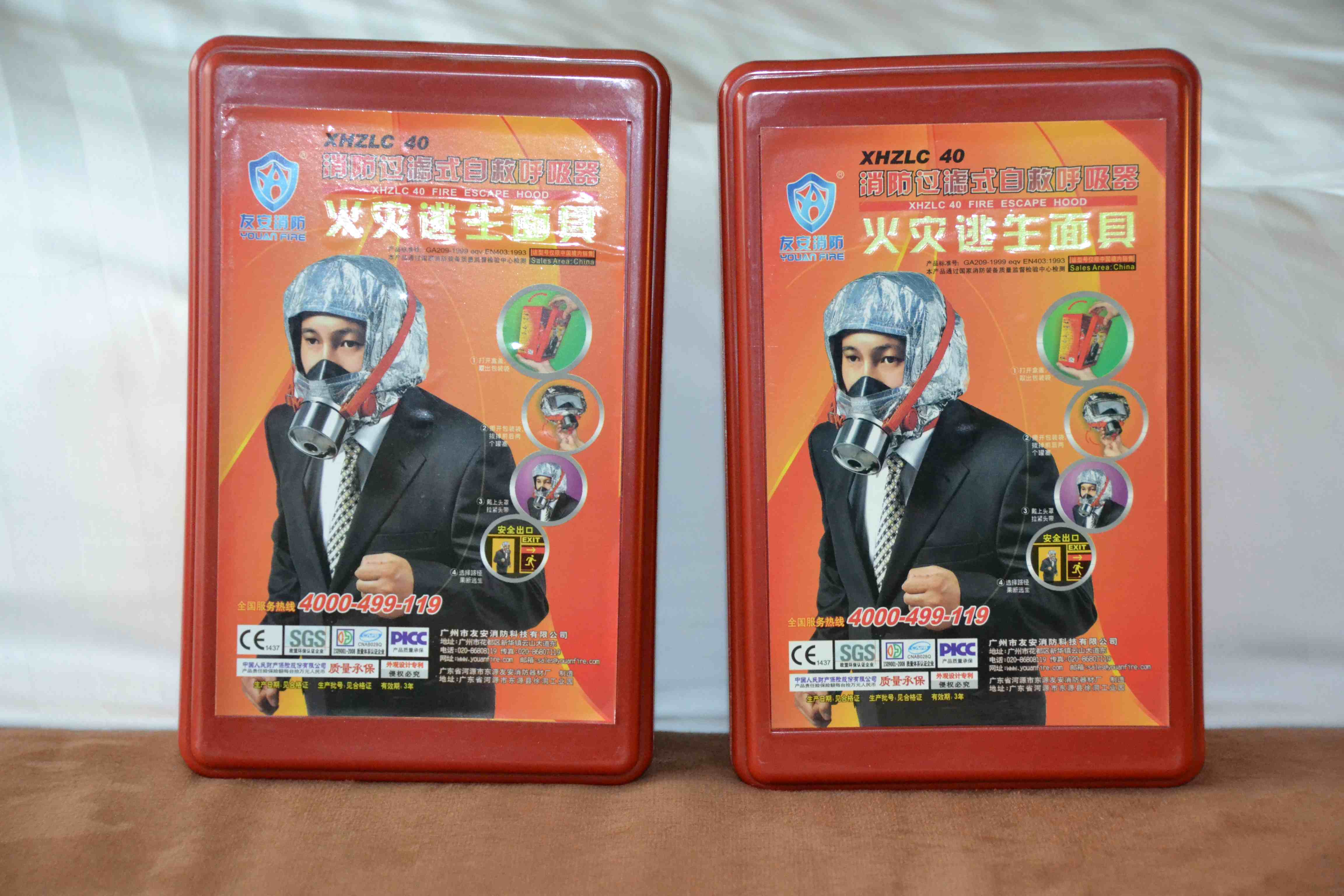
We found that standard supplies in many hotel rooms included Gas Masks.
