Photos by Philip Galvin
China 1: Beijing
We asked Kensington tours to customize our private trip in China which included a Yangize River Cruise. The first stop was Beijing. On the day of our arrival and before our tour began the following day, we were taken to Dadong Restaurant which boasts the best Peking Duck in Beijing. The restaurant’s decor was gourgeous and most of the food selected by the tour company was very delicious, but one of the dishes was a sweet and sour fish that was caramerized and too sweet. It was like eating candy and we wound up wasting almost all of it. The next day, we were taken to the Great Wall.
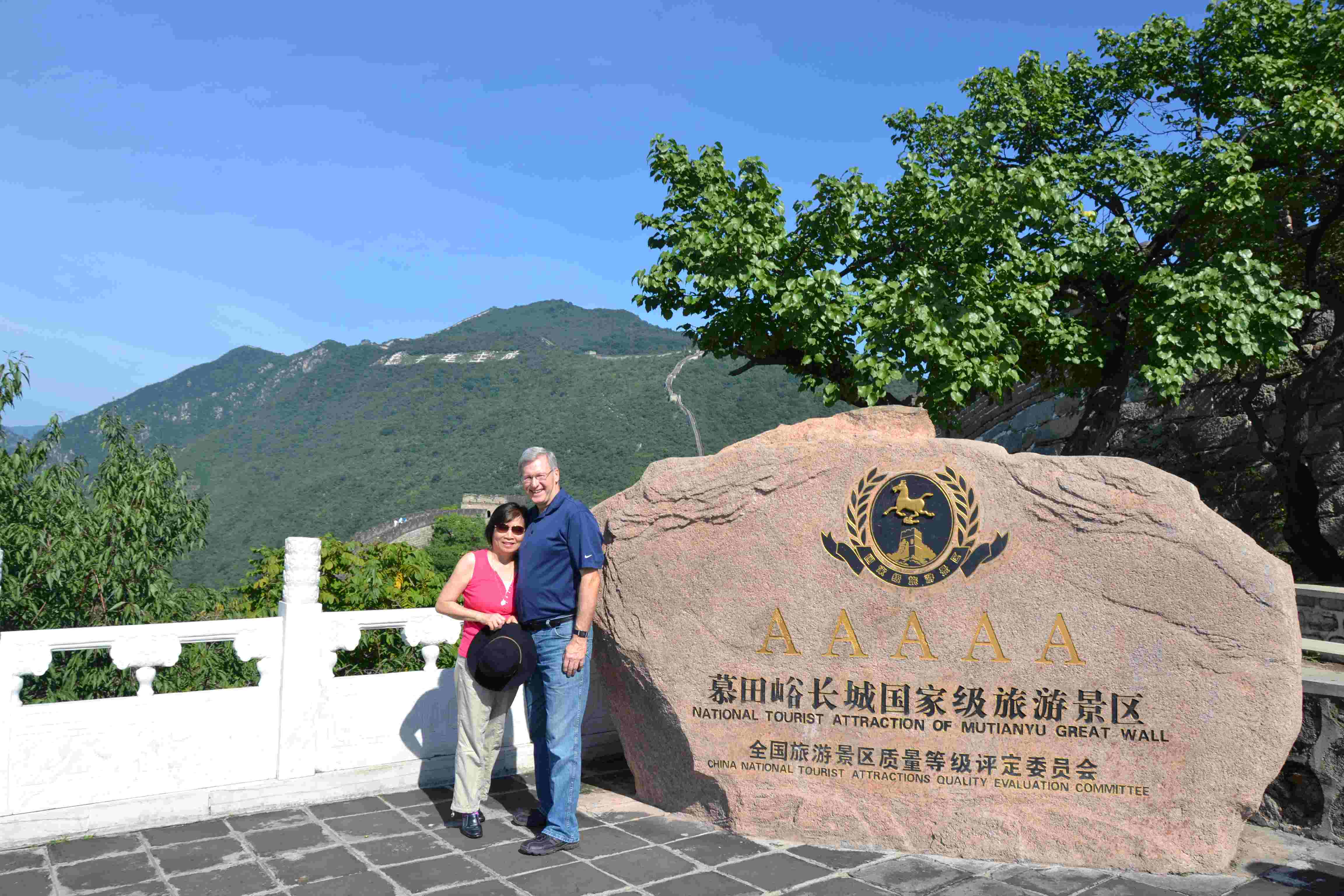
1. Great Wall of China at Mutianyu
In 1988, the Great Wall was selected as a Unesco World Heritage Site. The Great Wall of Mutianyu where we visited is located 45 miles northeast of Beijing. This northern section of the Great Wall is in Huairou Distsrict and is connected with Jiankou in the west and Lianhuachi in the east. It is one of the best-preserved parts of the Great Wall and used to serve as the northern barrier defendig the capital and the imperial tombs.


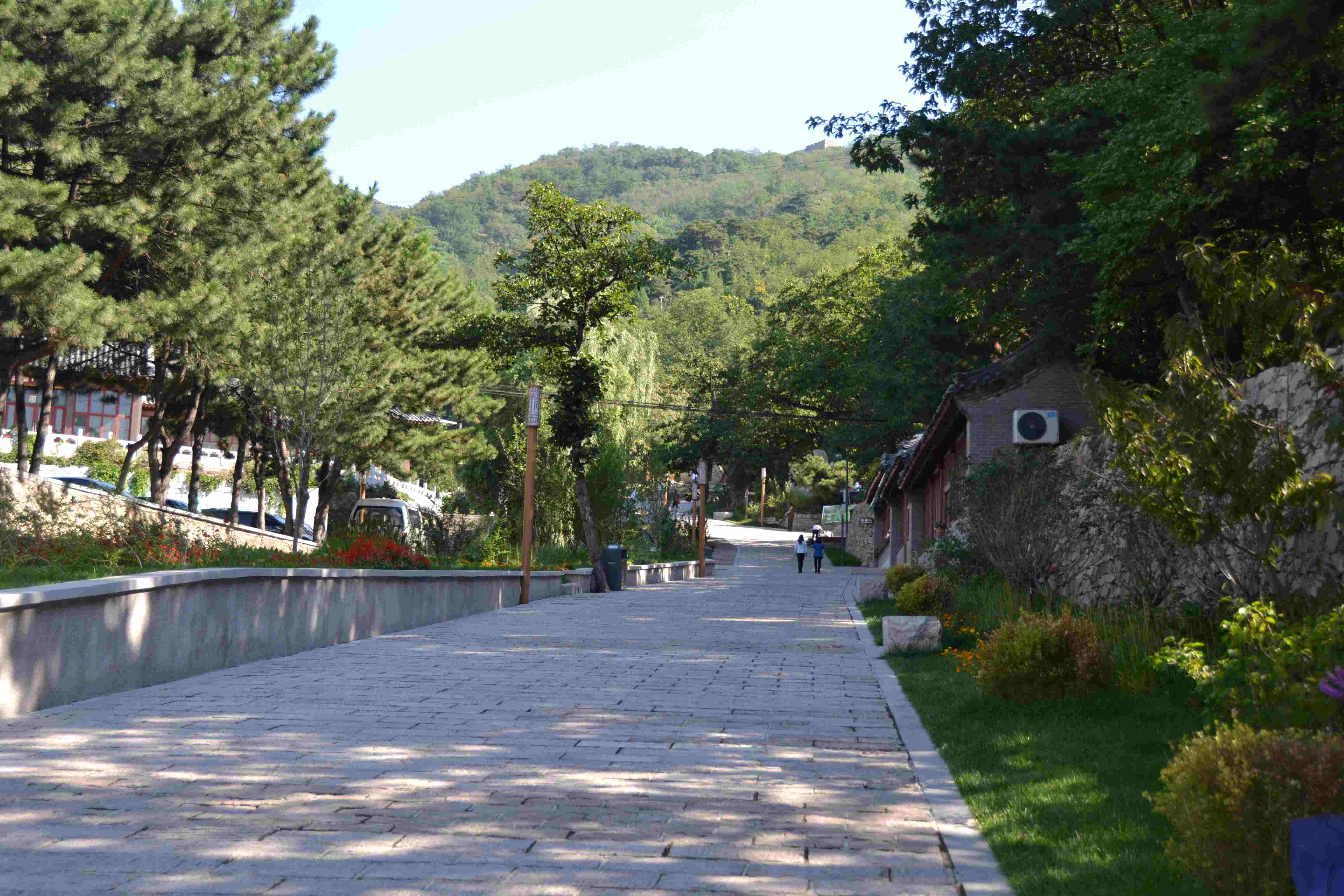
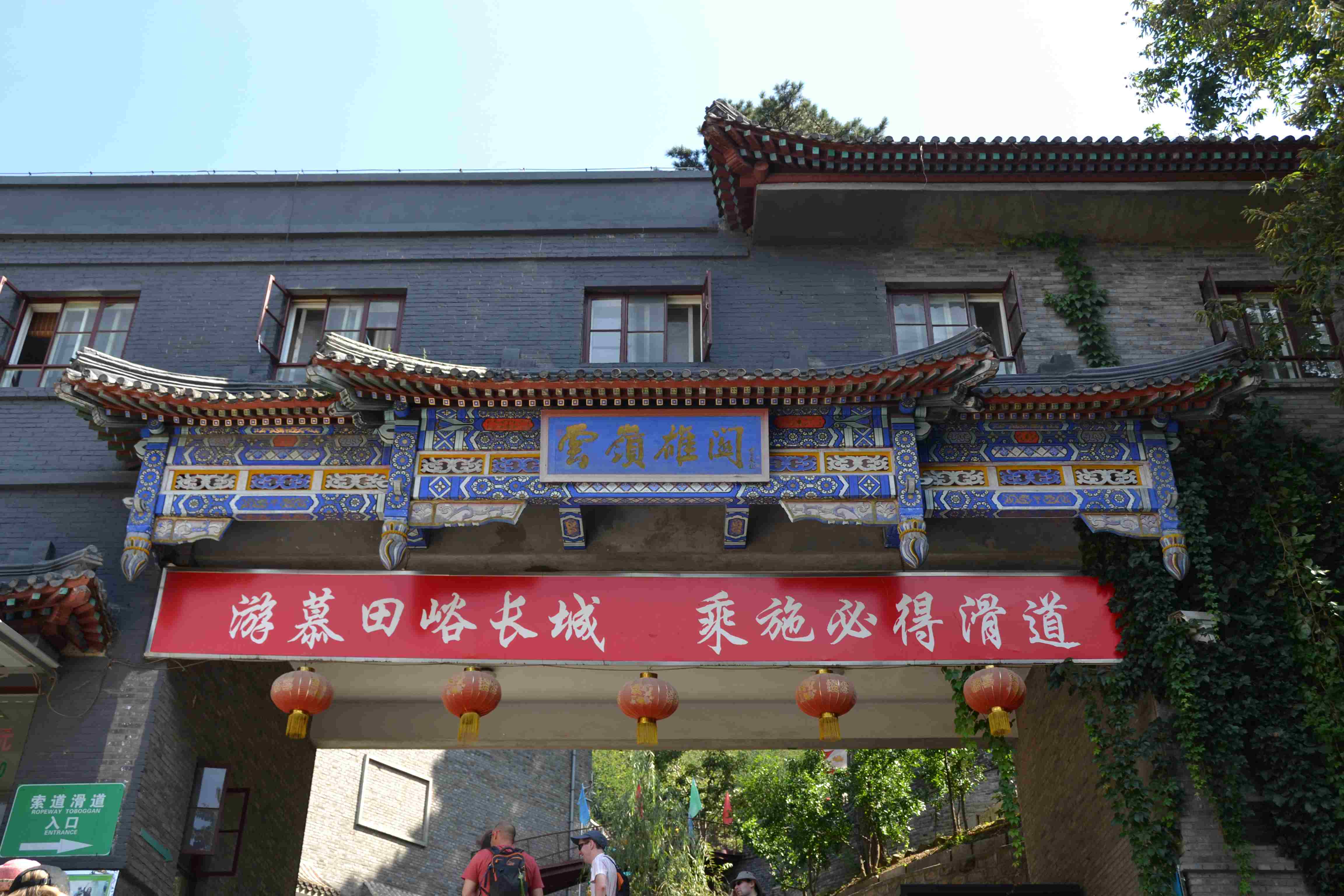
On the way to the Great Wall site. Entramce to the site.
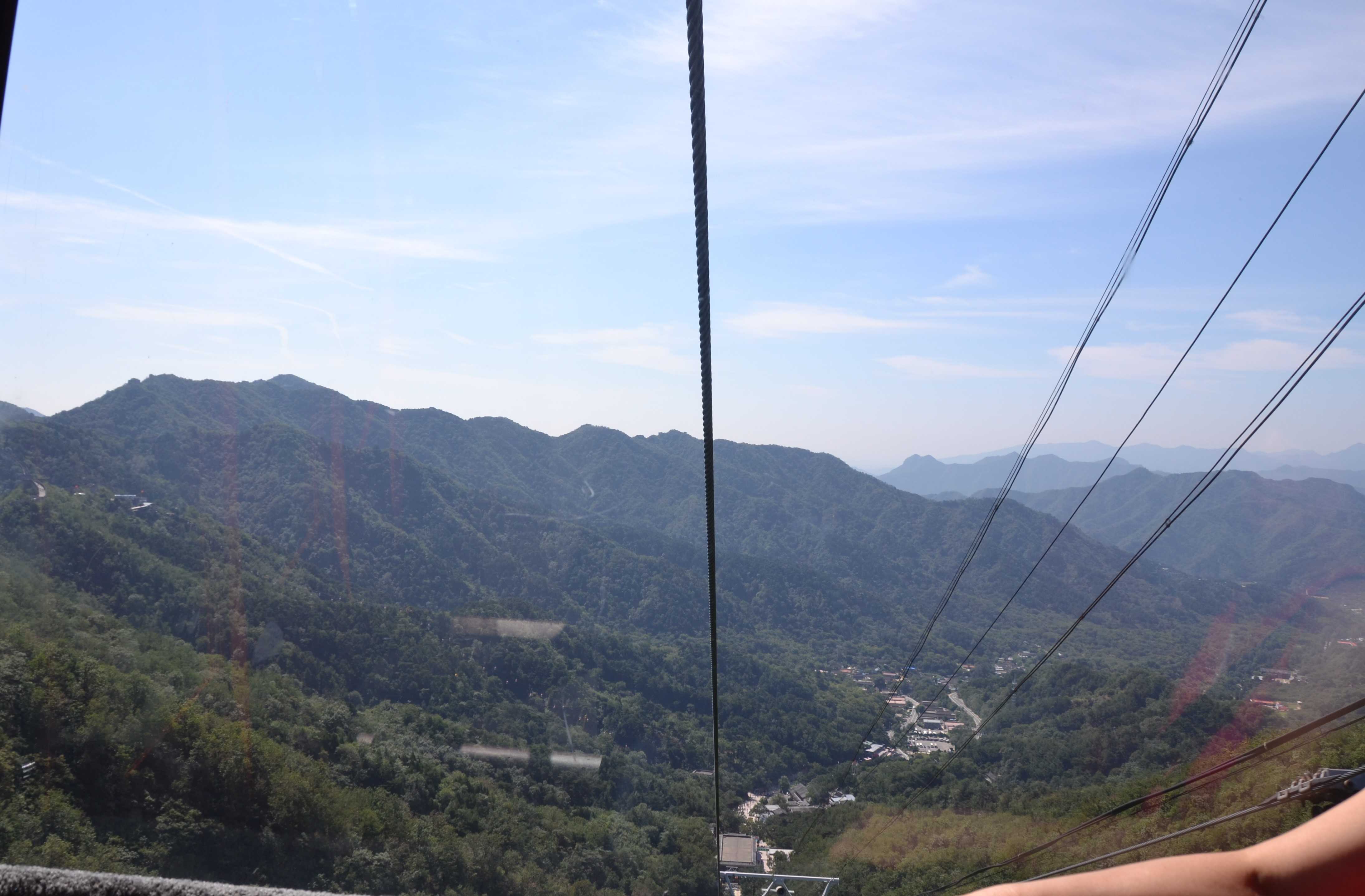

We took a cable car to reach the beginning of the Mutianyu Great Wall site.
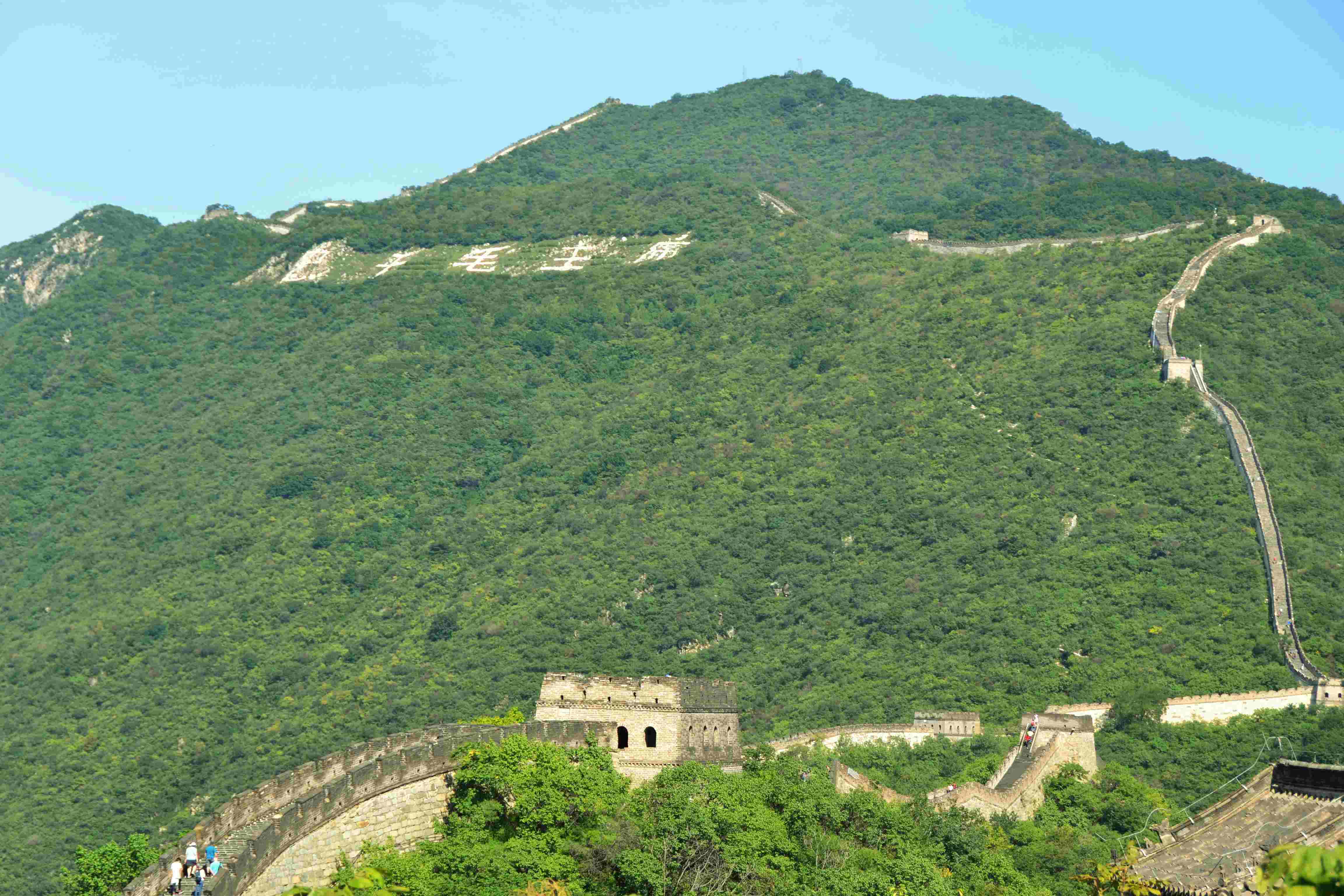
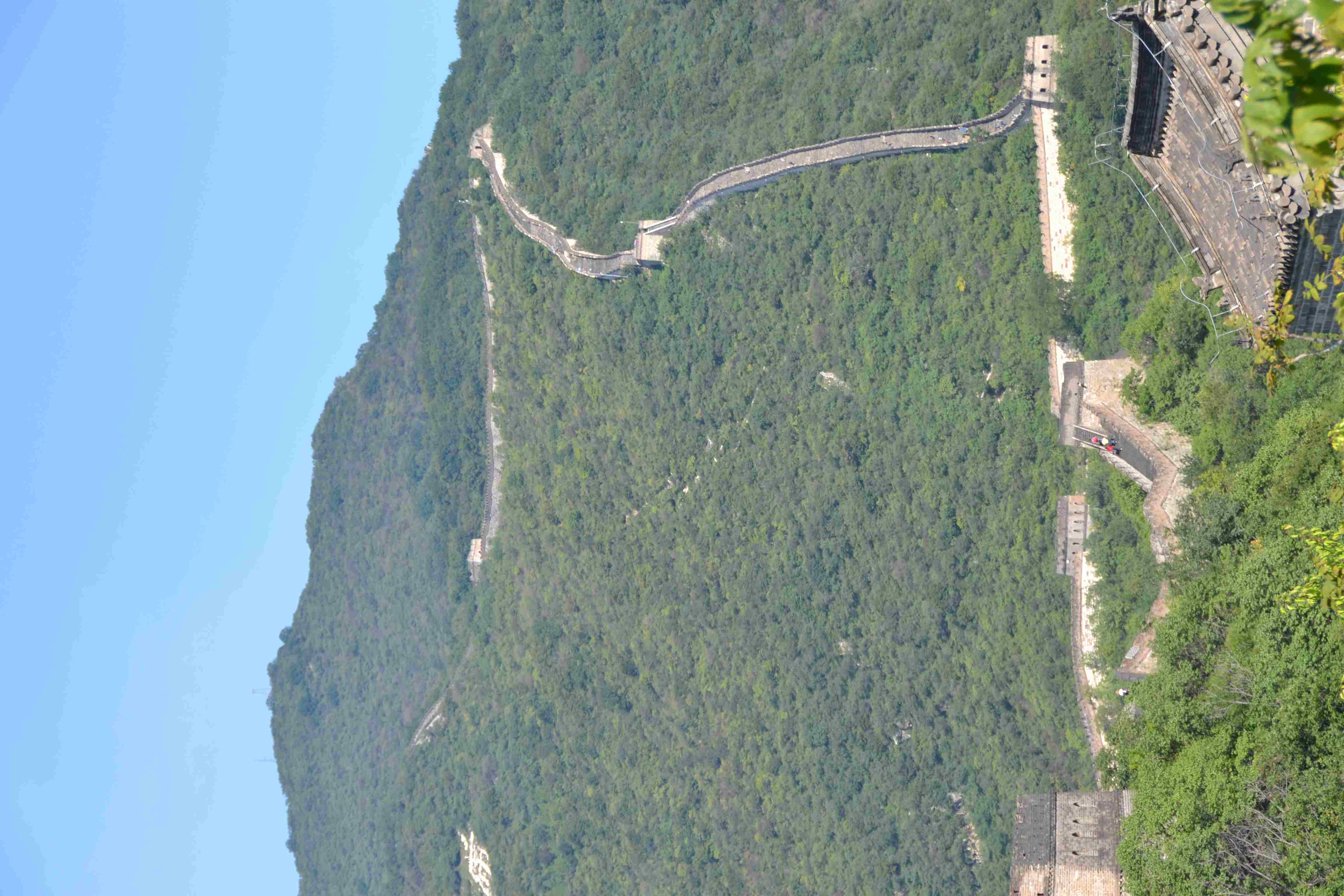
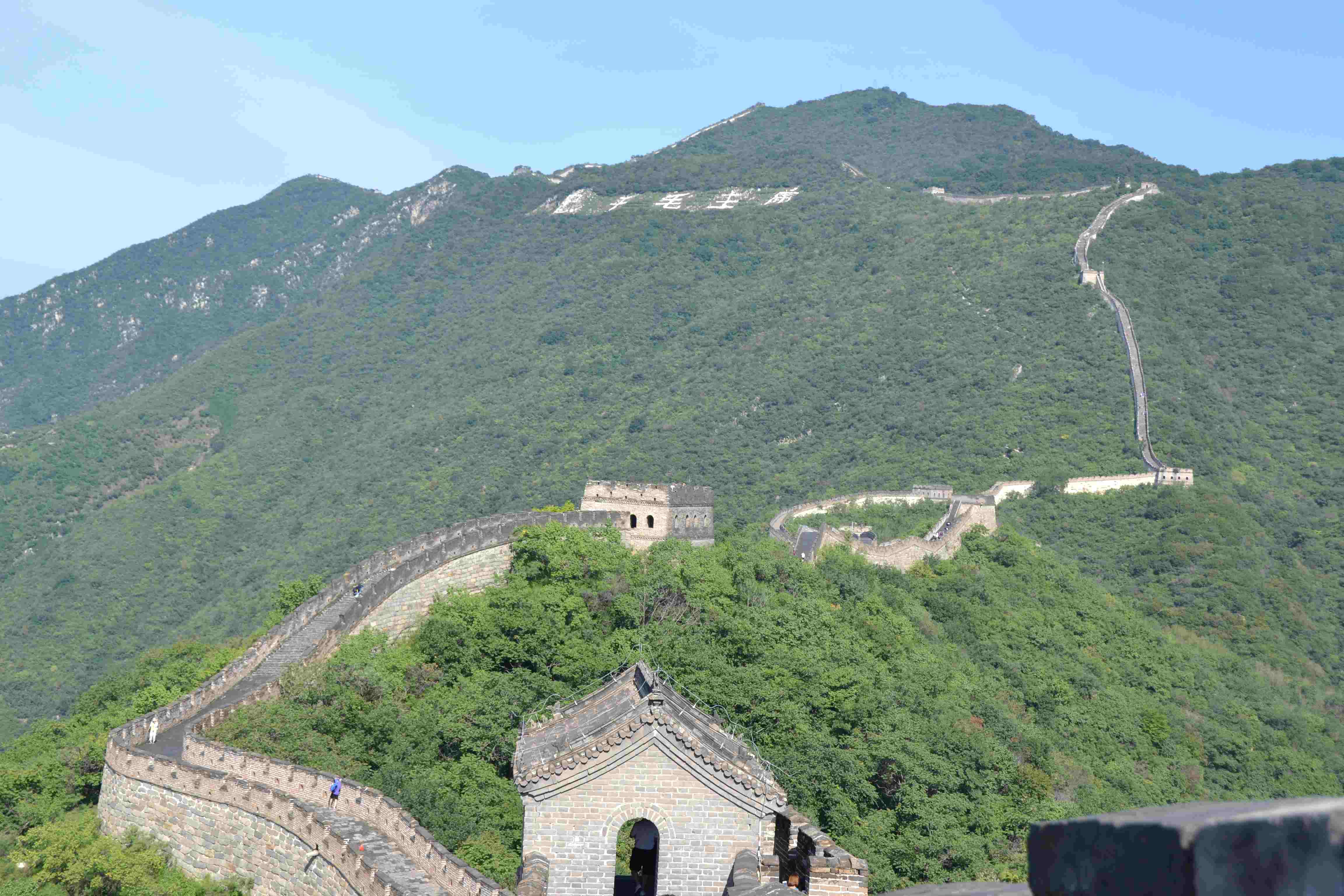
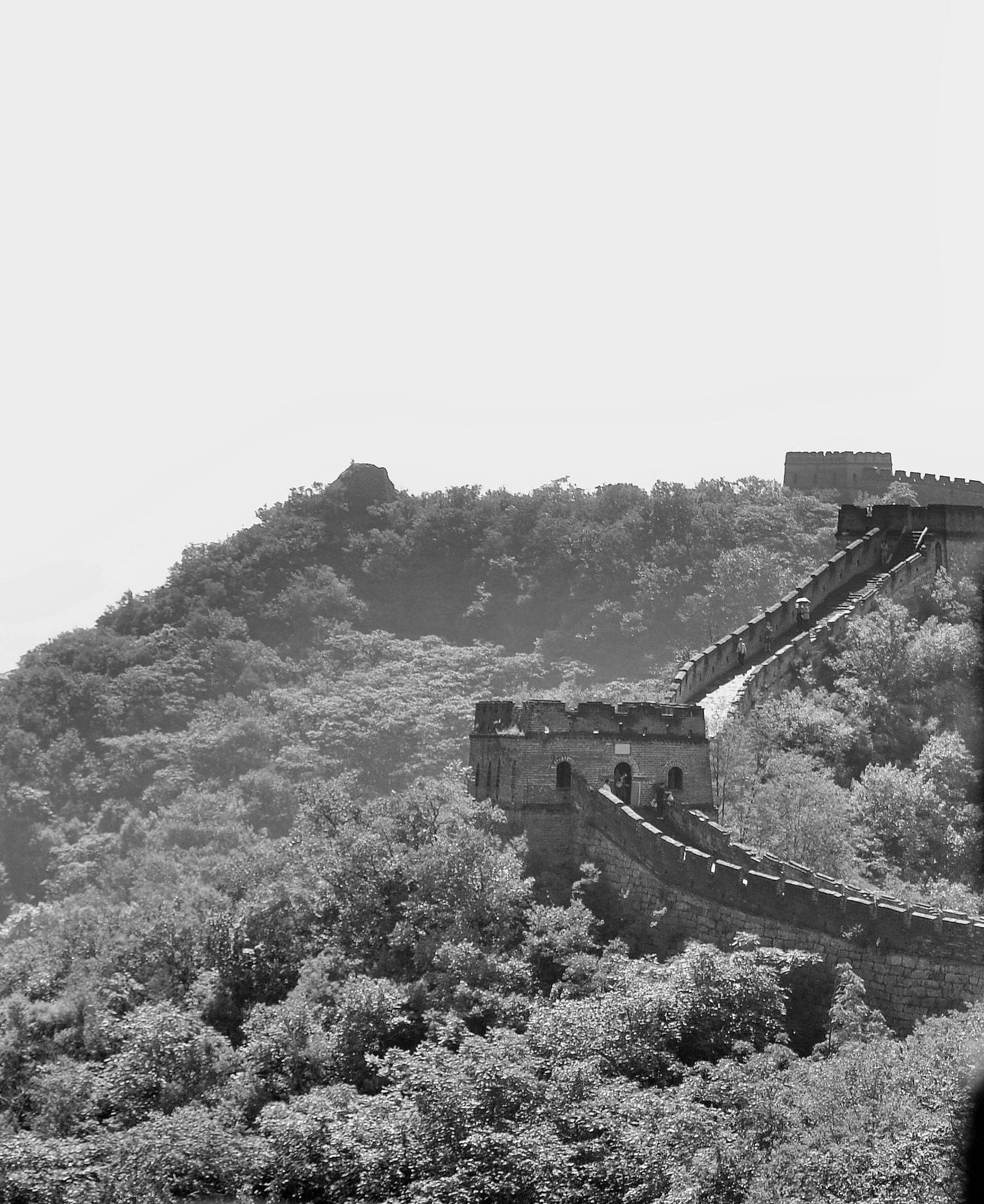
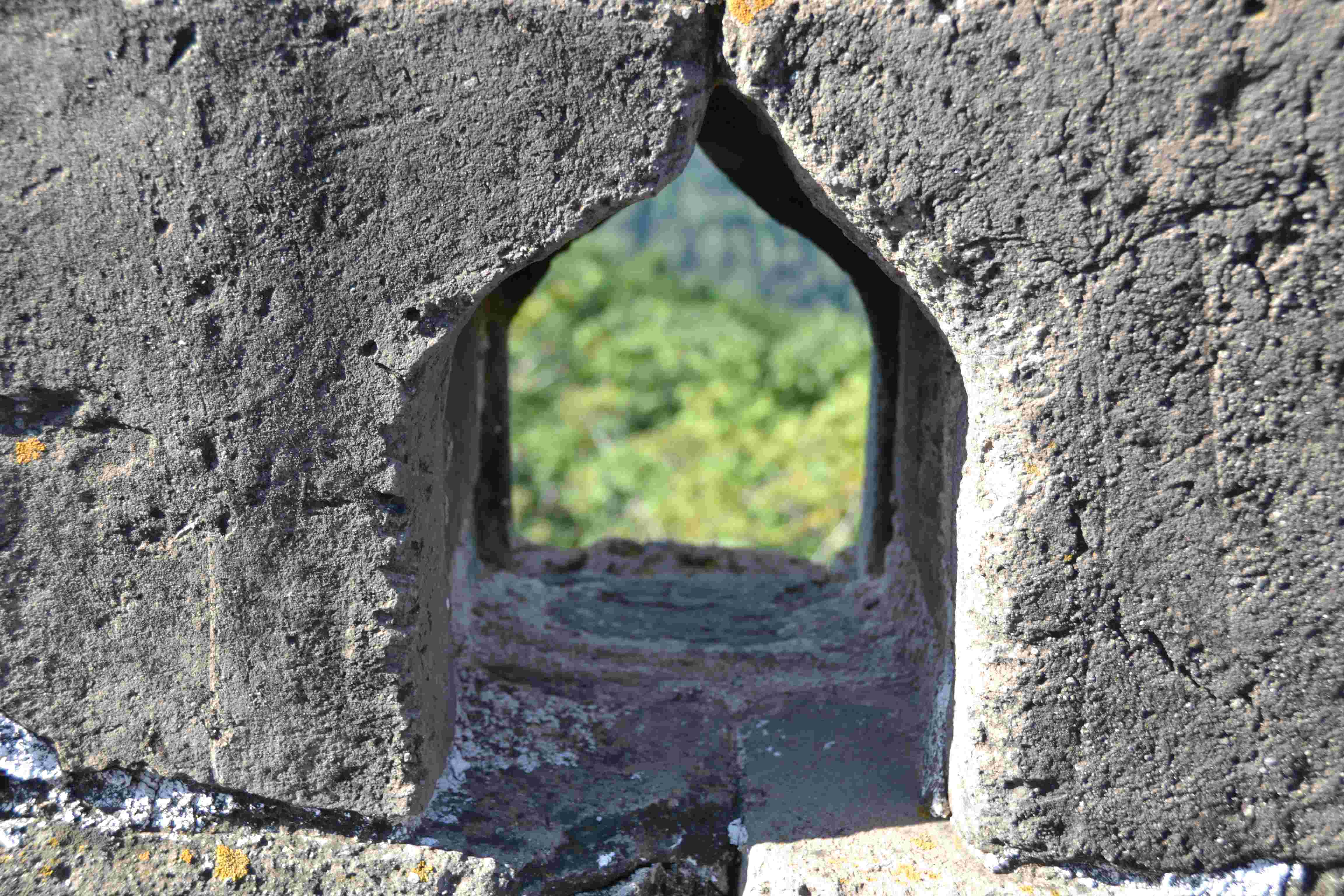
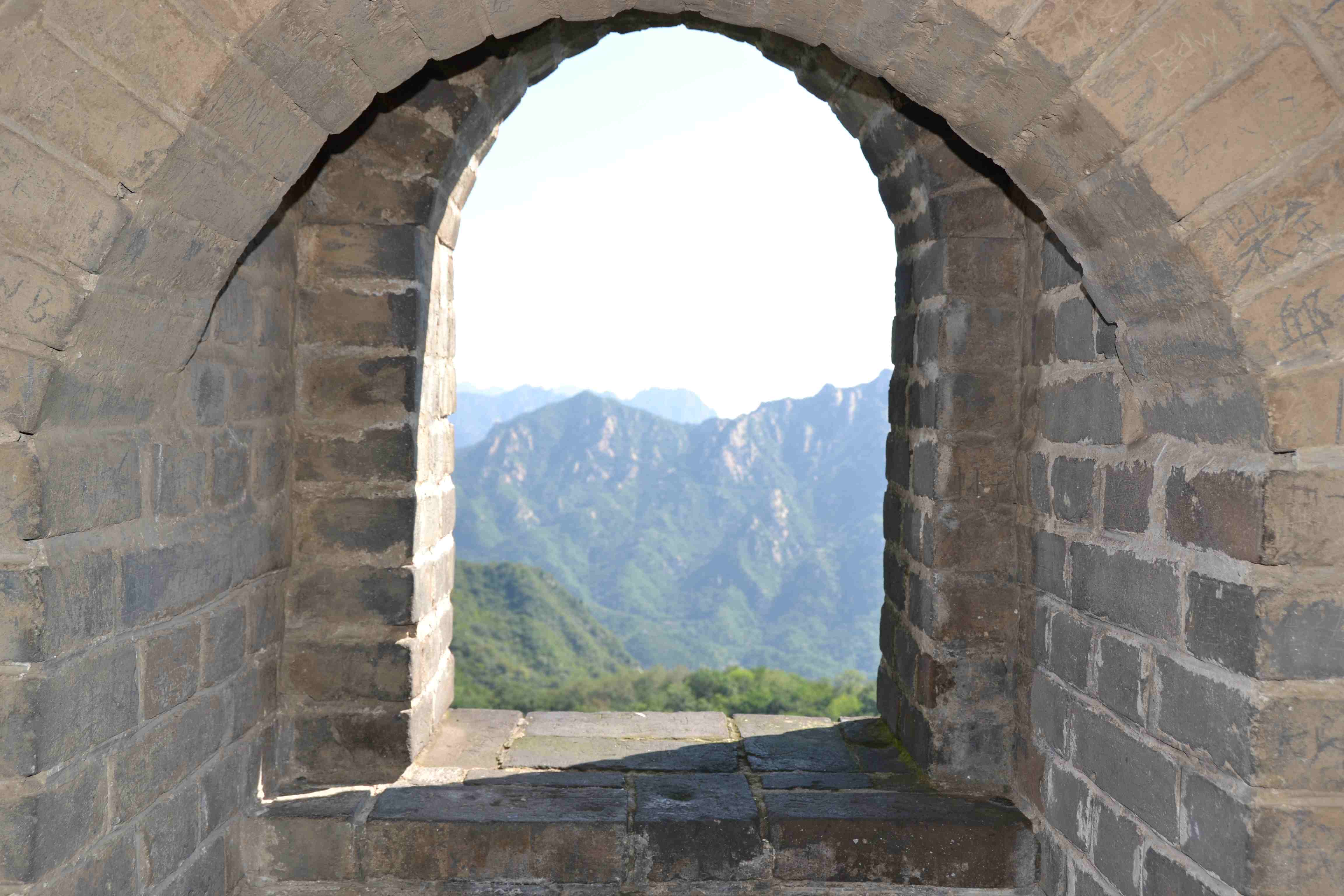
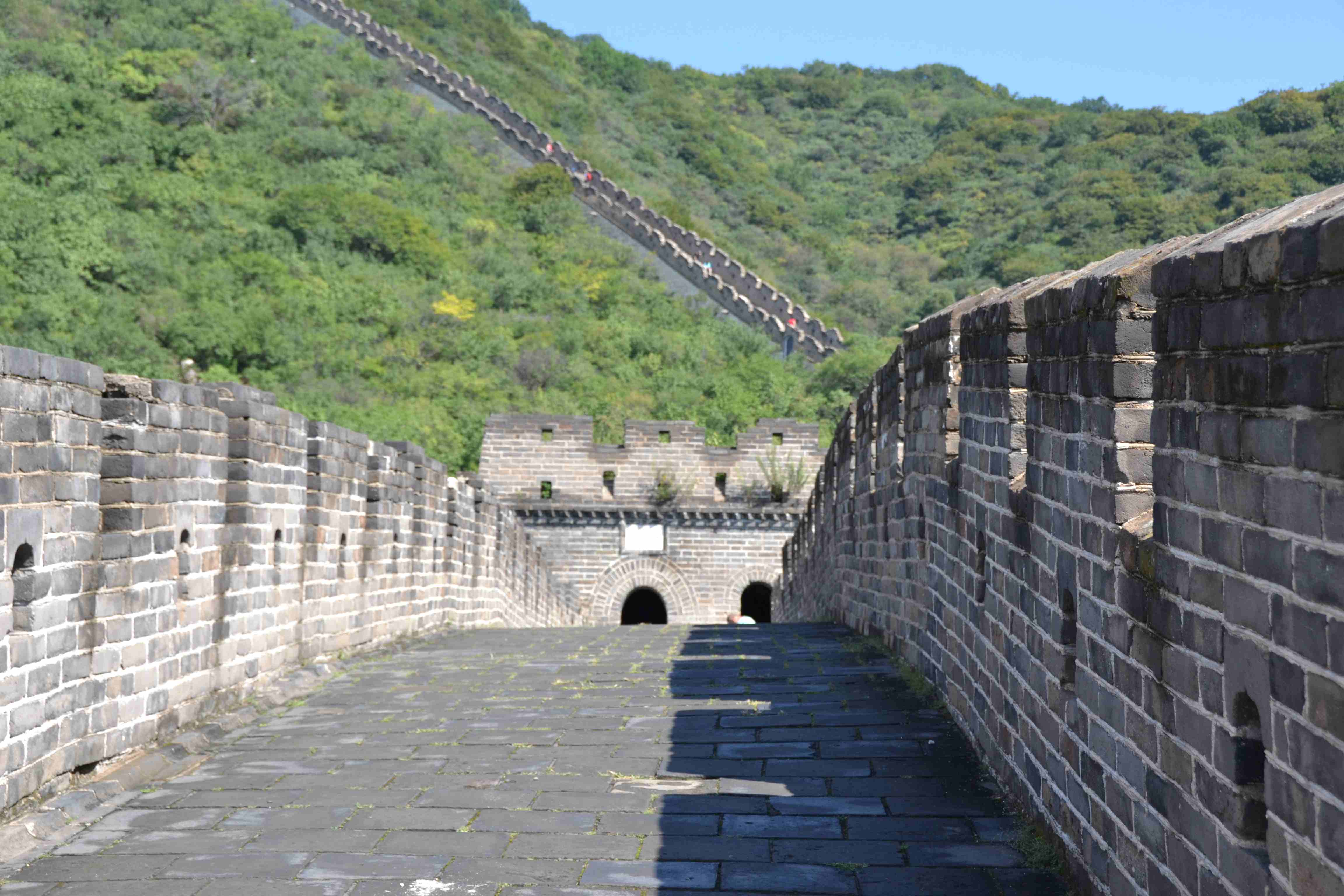
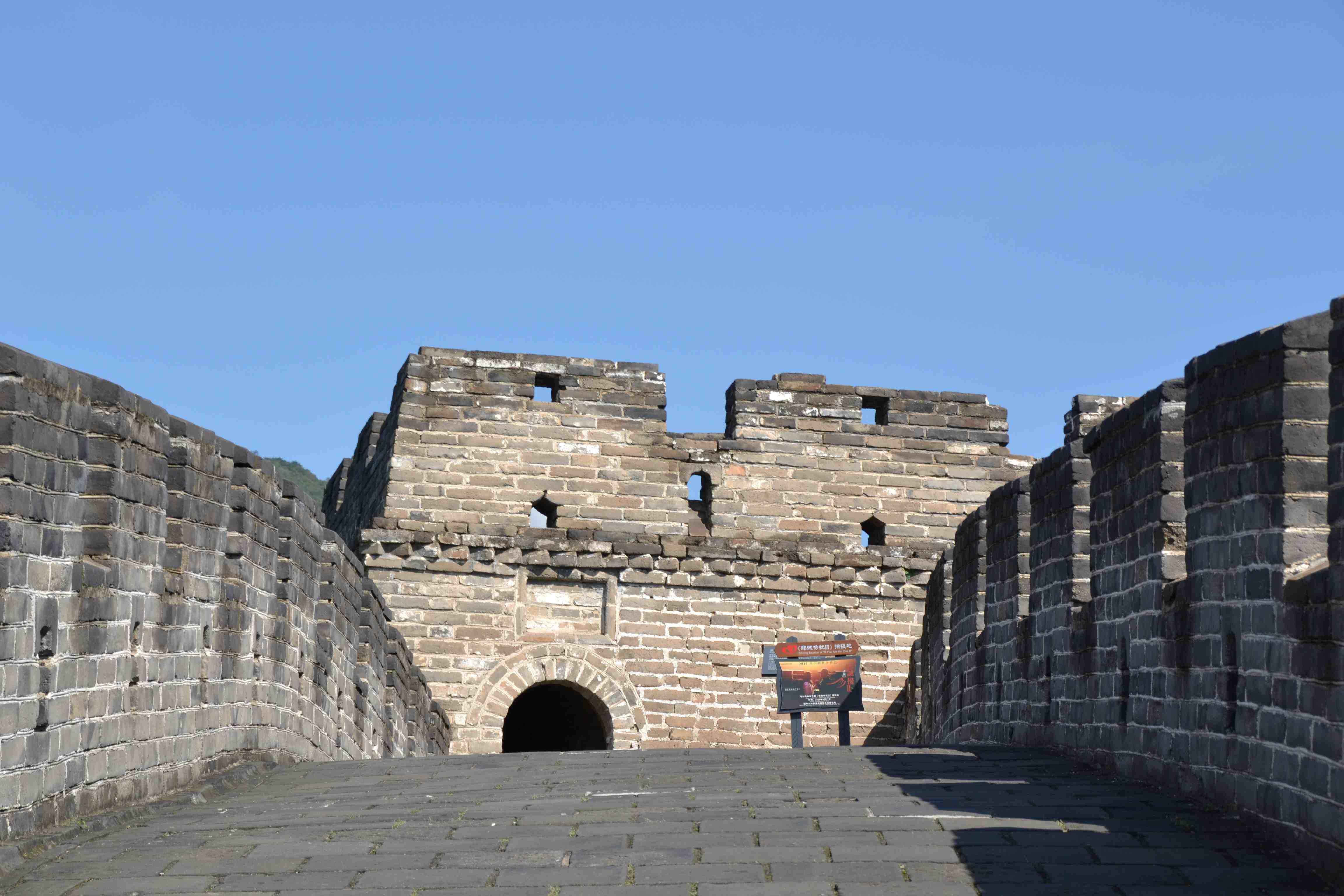
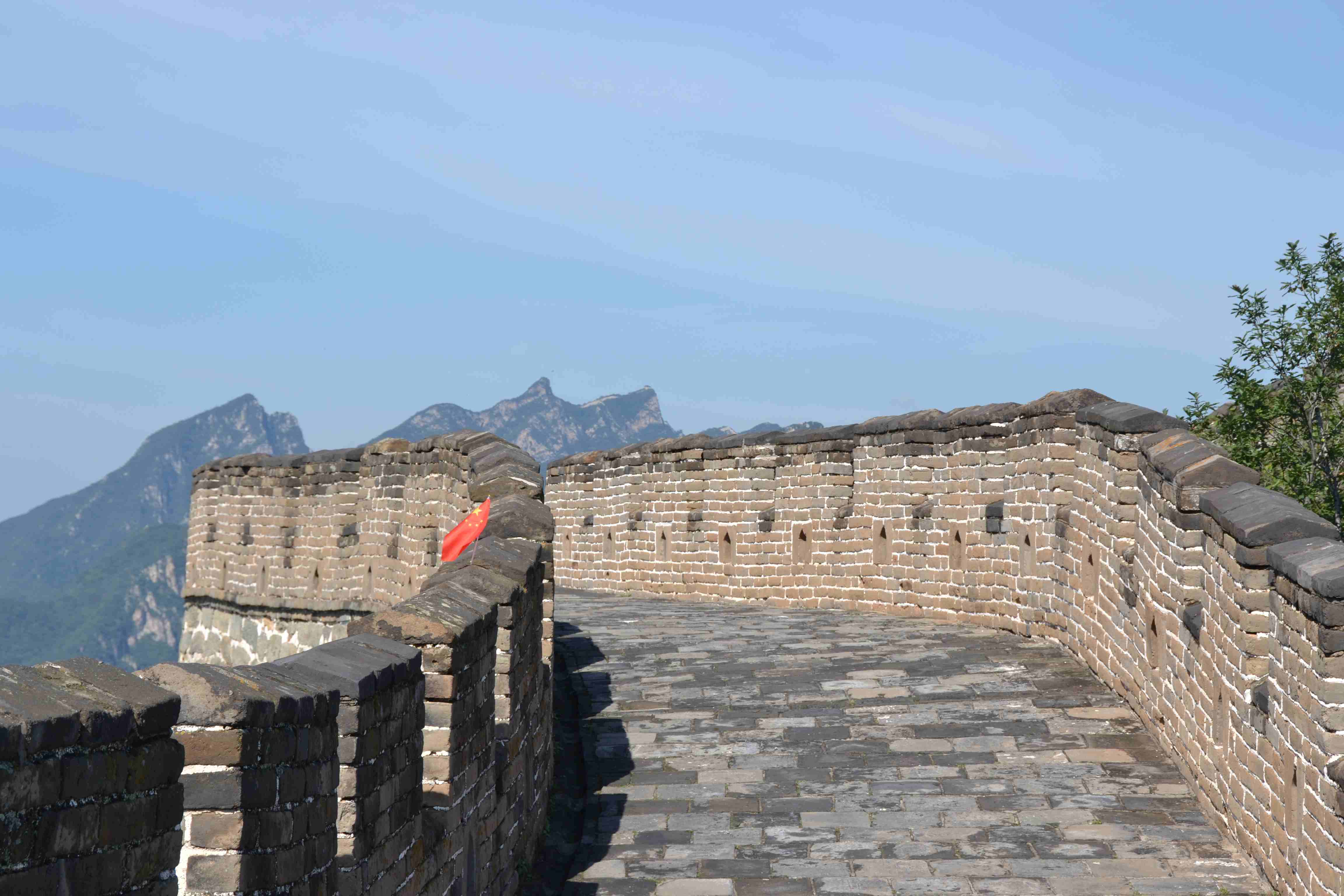
This section of the Great Wall was first built in the mid-6th century, During the Ming dynasty. The constraction of the present wall began under the supervision of general Xu Da and most parts of it are well preserved even today. The scale of the Mutianyu part of the Great Wall apparently has the best quality and largest construction scale among all of the sections of the Great Wall. It was chosen to be one of Beijing’s 16 scenic spots in 1987 and the best tourist spot in Beijing in 1992.
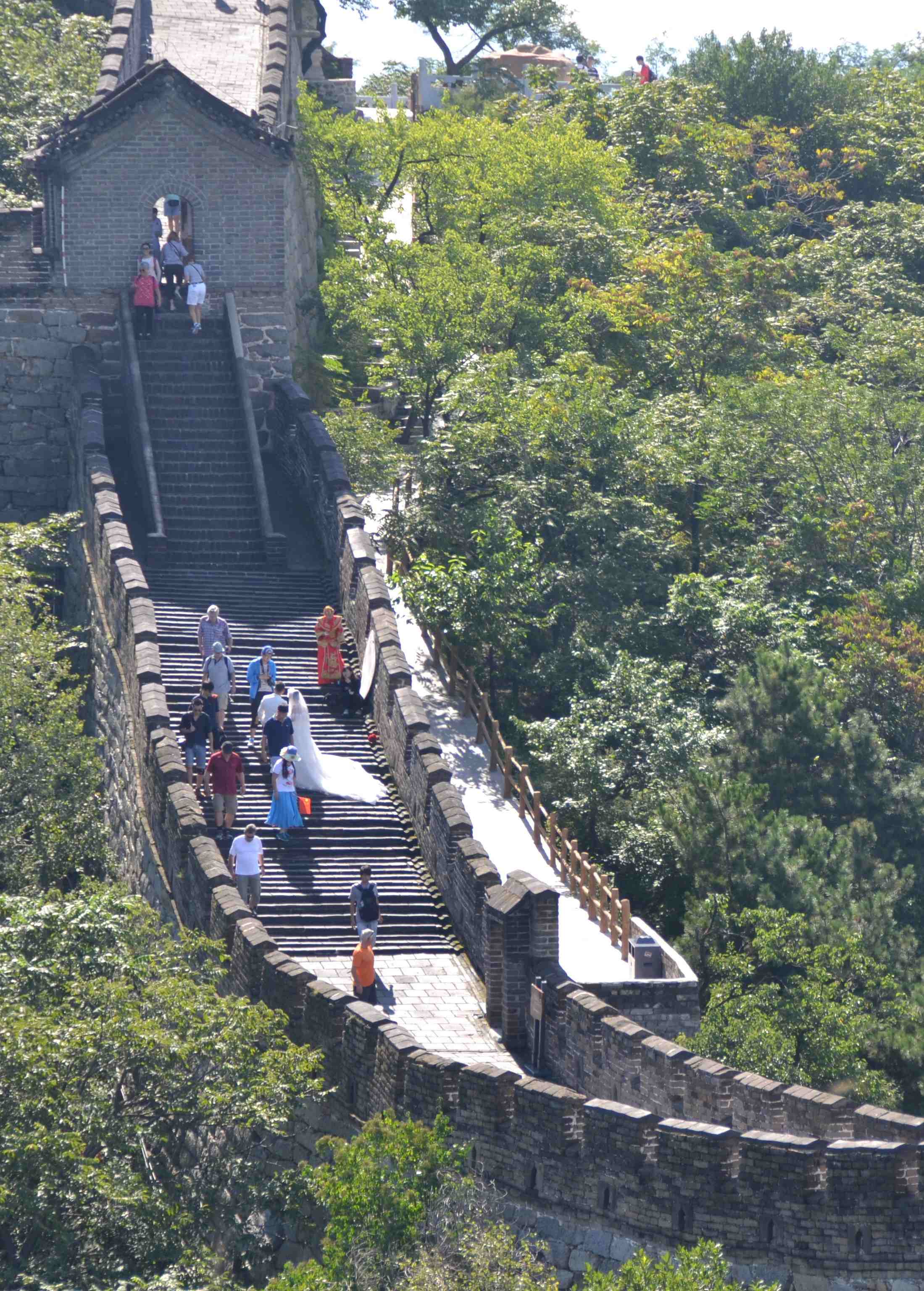
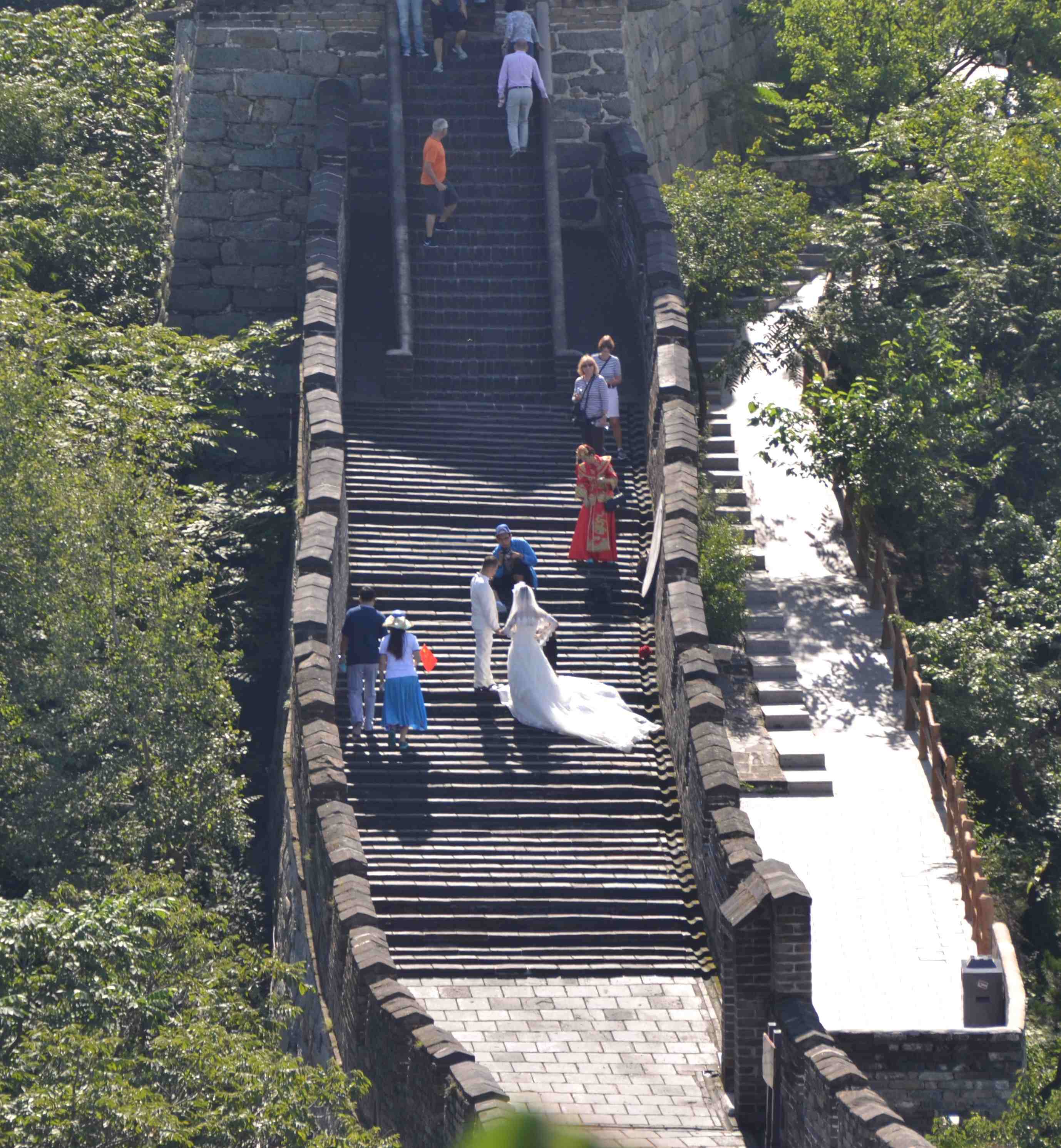

We saw a wedding being performed in the middle of the Great Wall which was nice.
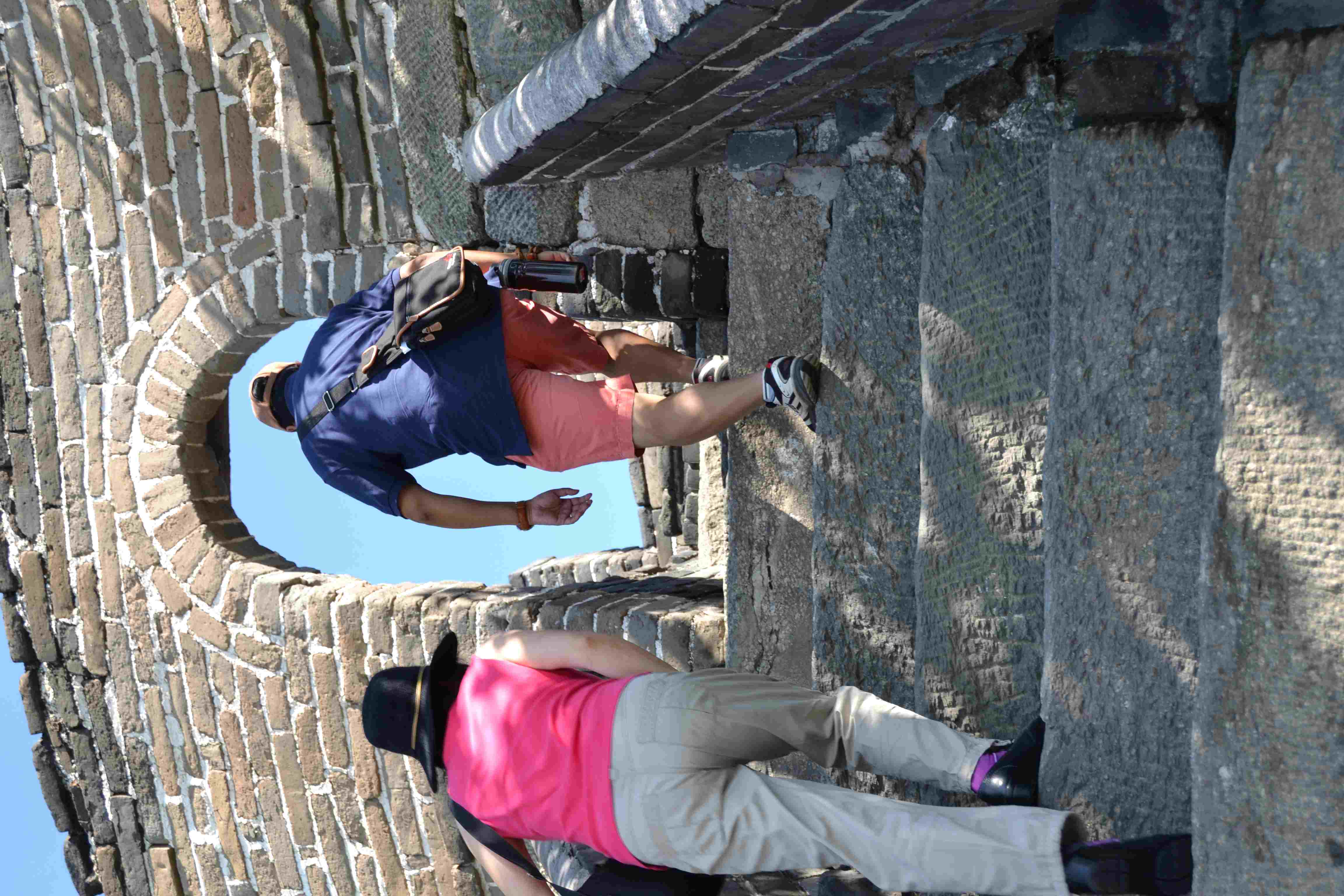
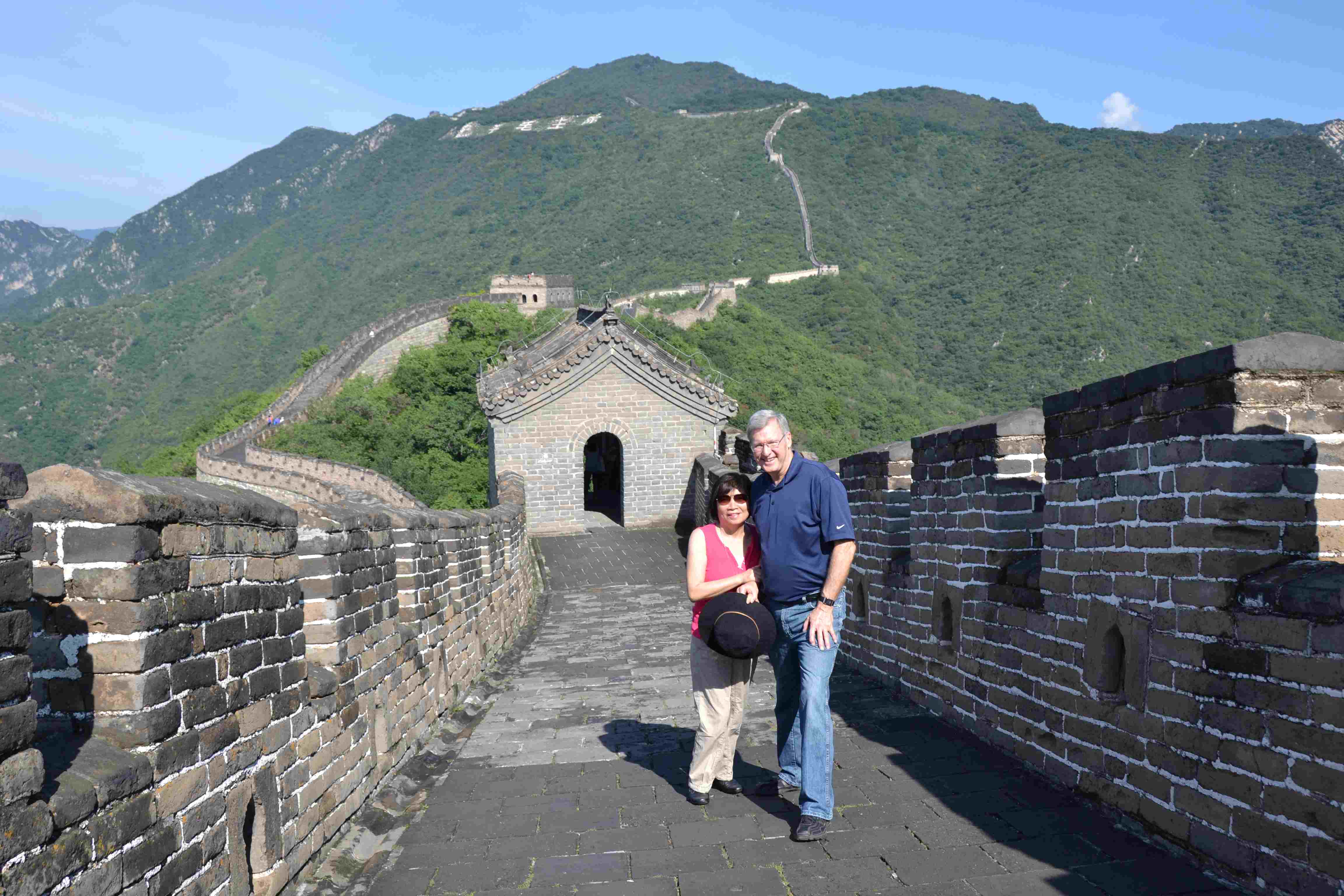
Phil decided to climb further up while Yoko chose to wait on a flatter section of the Great Wall while she looked up at the remainder of the wall. It seemed to continue forever and looked very steep.


After taking the cable car down, we once again were at the foot of the Great Wall, Mutianyu village.
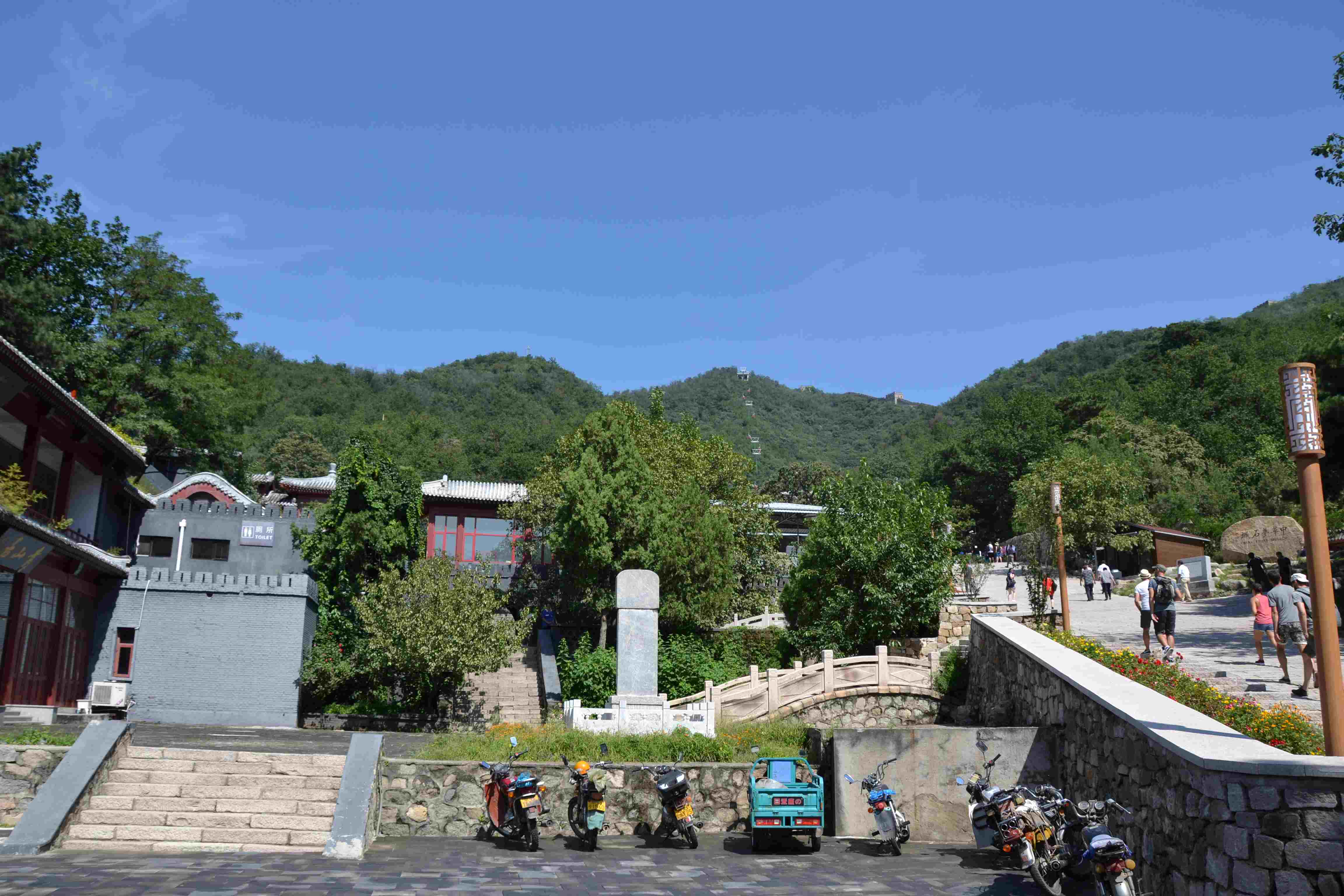

All around the village we saw many chestnut trees which were ready to be harvested. The guide took us to a small local restaurant, and lo and behold, we had a rice dish and chicken dish that included delicious chestnuts. Of course, other tasty Peking style Chinese dishes were served, too. We were more impressed by the food we ate in this restaurant than the one in Dadong Restaurant where the prices were probaby more than double.
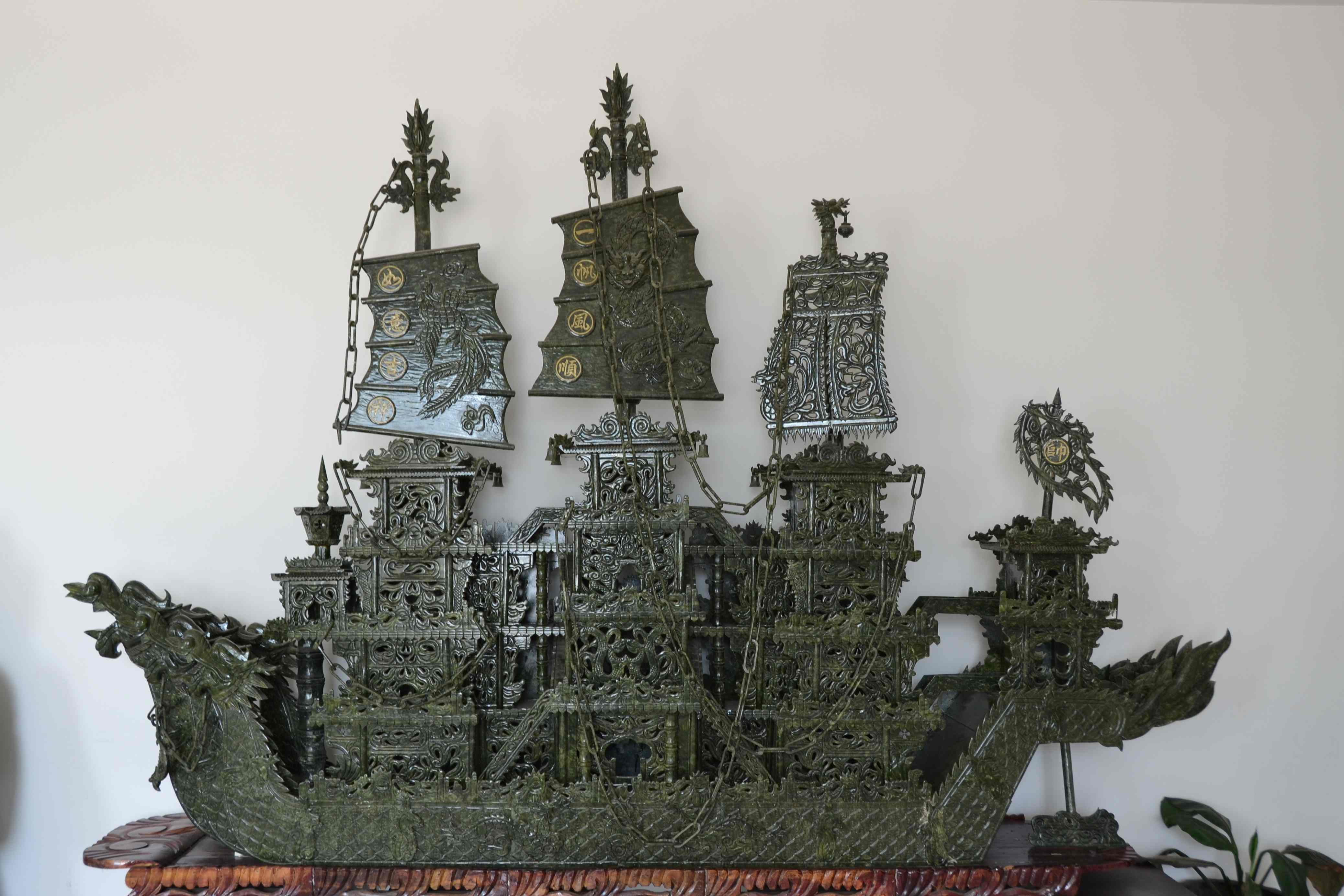
Inside of the restaurant, there were interesting sculptures that caught our eyes. We were quite impressed to see them because even in a small place like this, the quality of the sculptures was amazing.



2. Summer Palace
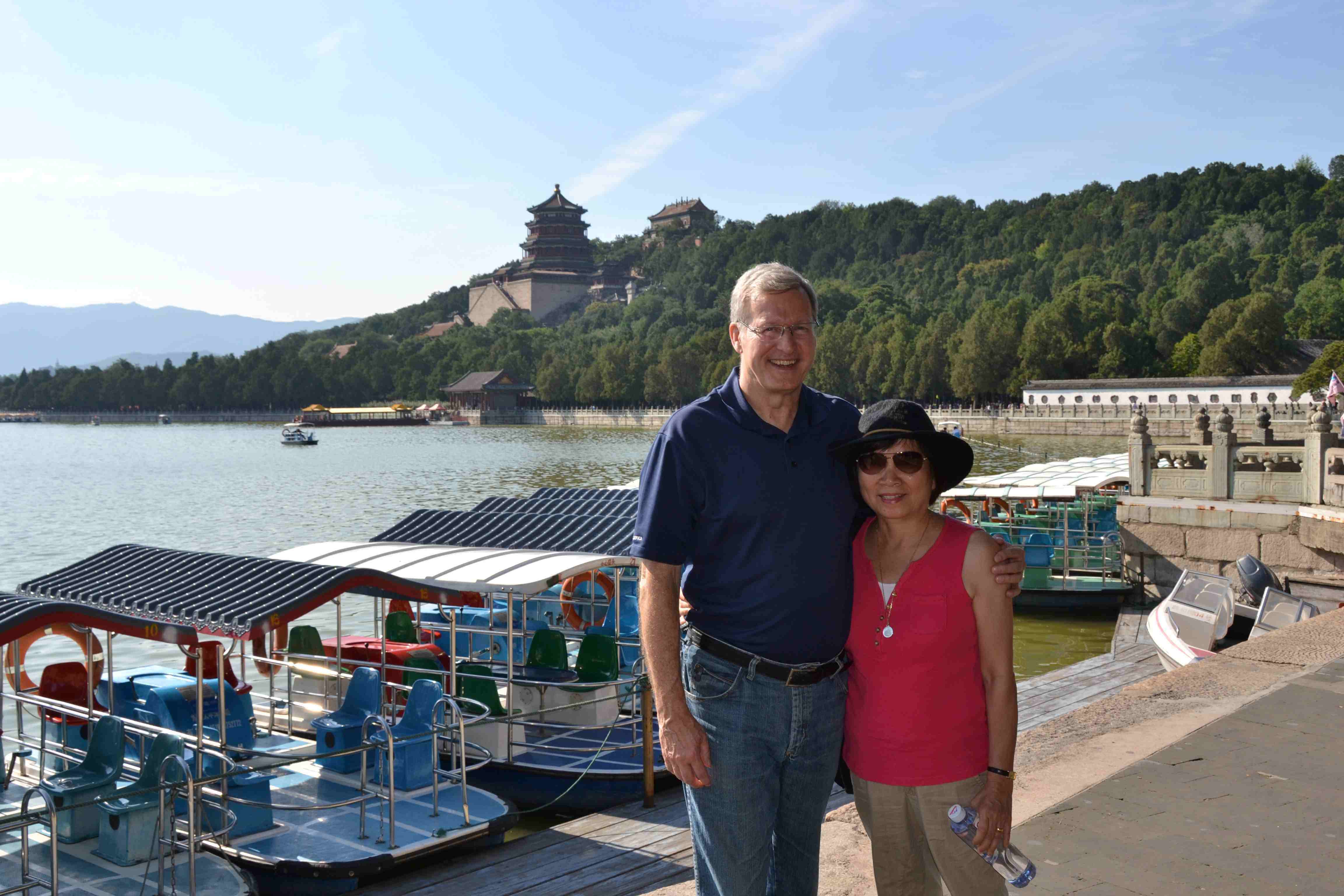
The Summer Palace is a complex of imperial palaces, gardens and lakes. It was used as a retreat for the ruling family from the time of Jin dyndasty. The Summer Palace was initially commissioned in 1750 by the 4th emperor of the Qing (Manchu) dynasty as a gift to his mother and completed in 1764.
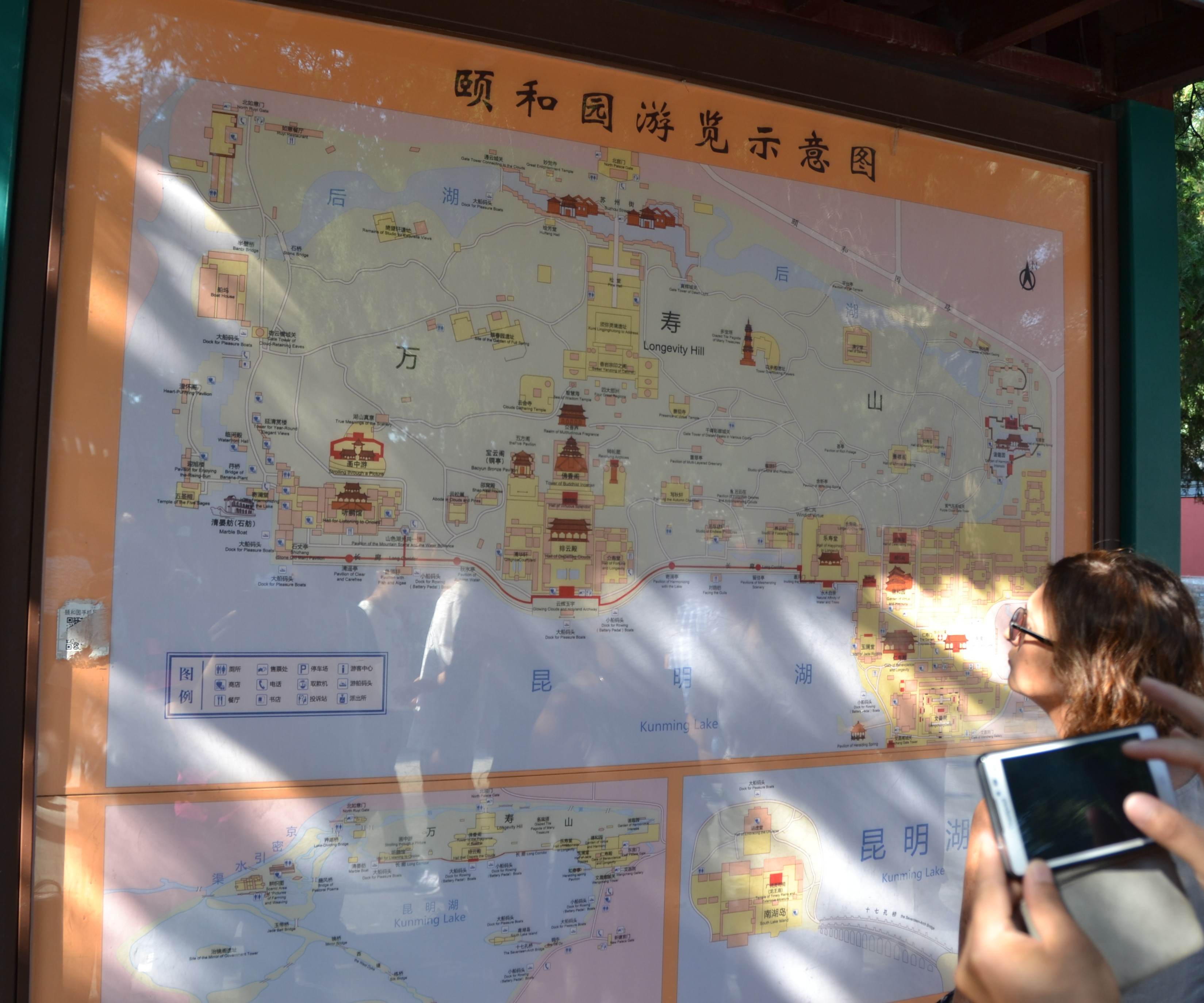
The map of Summer Palace
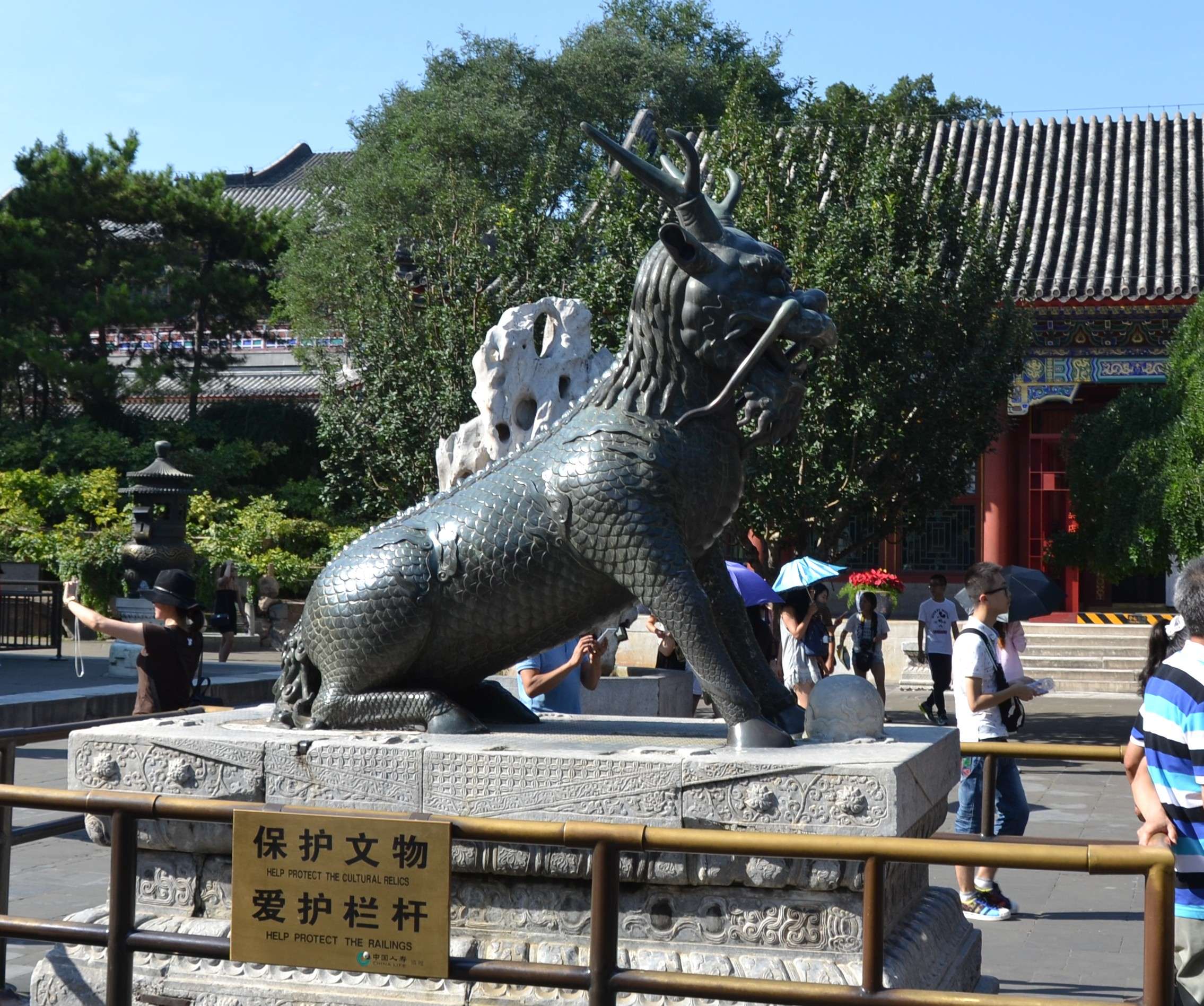

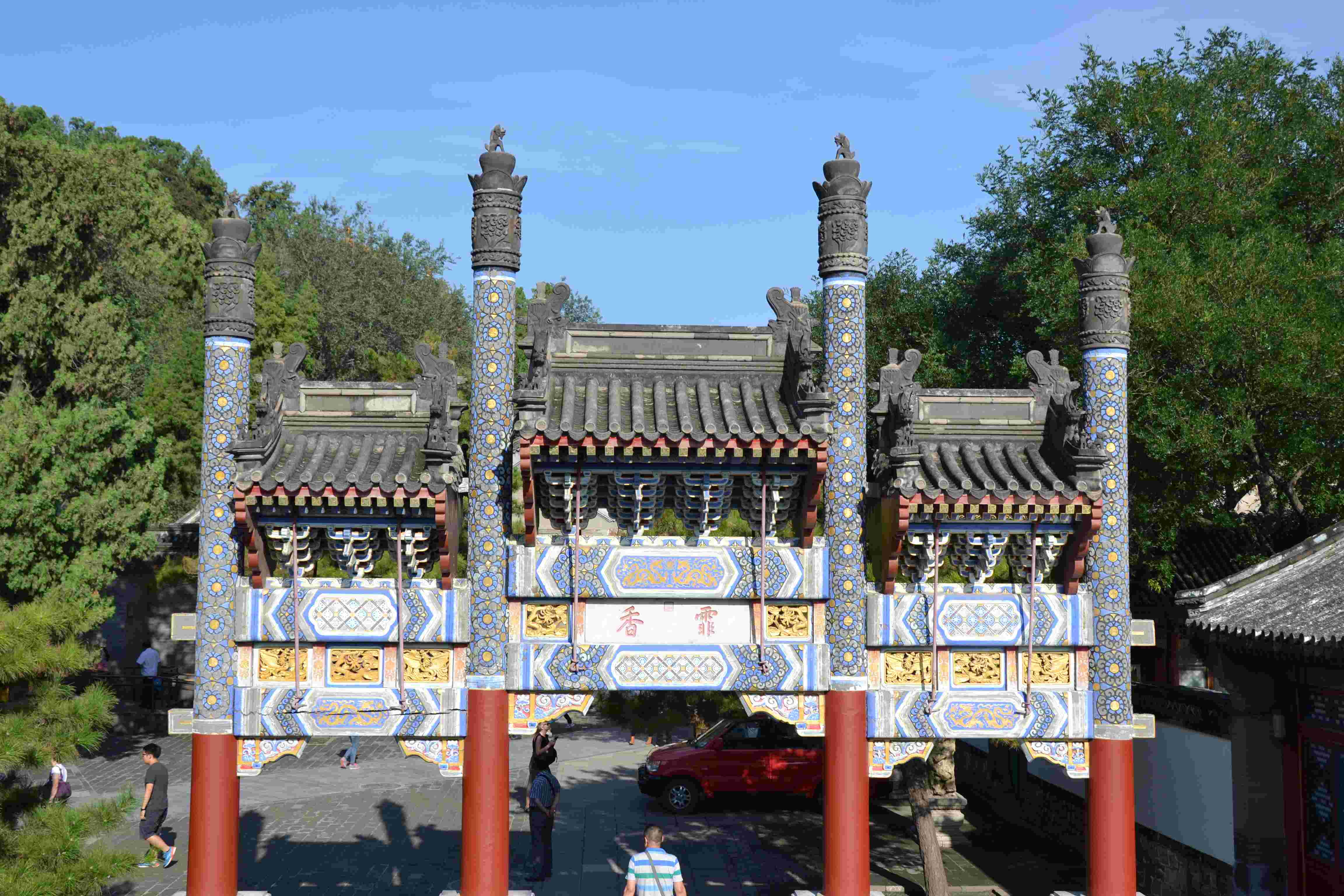
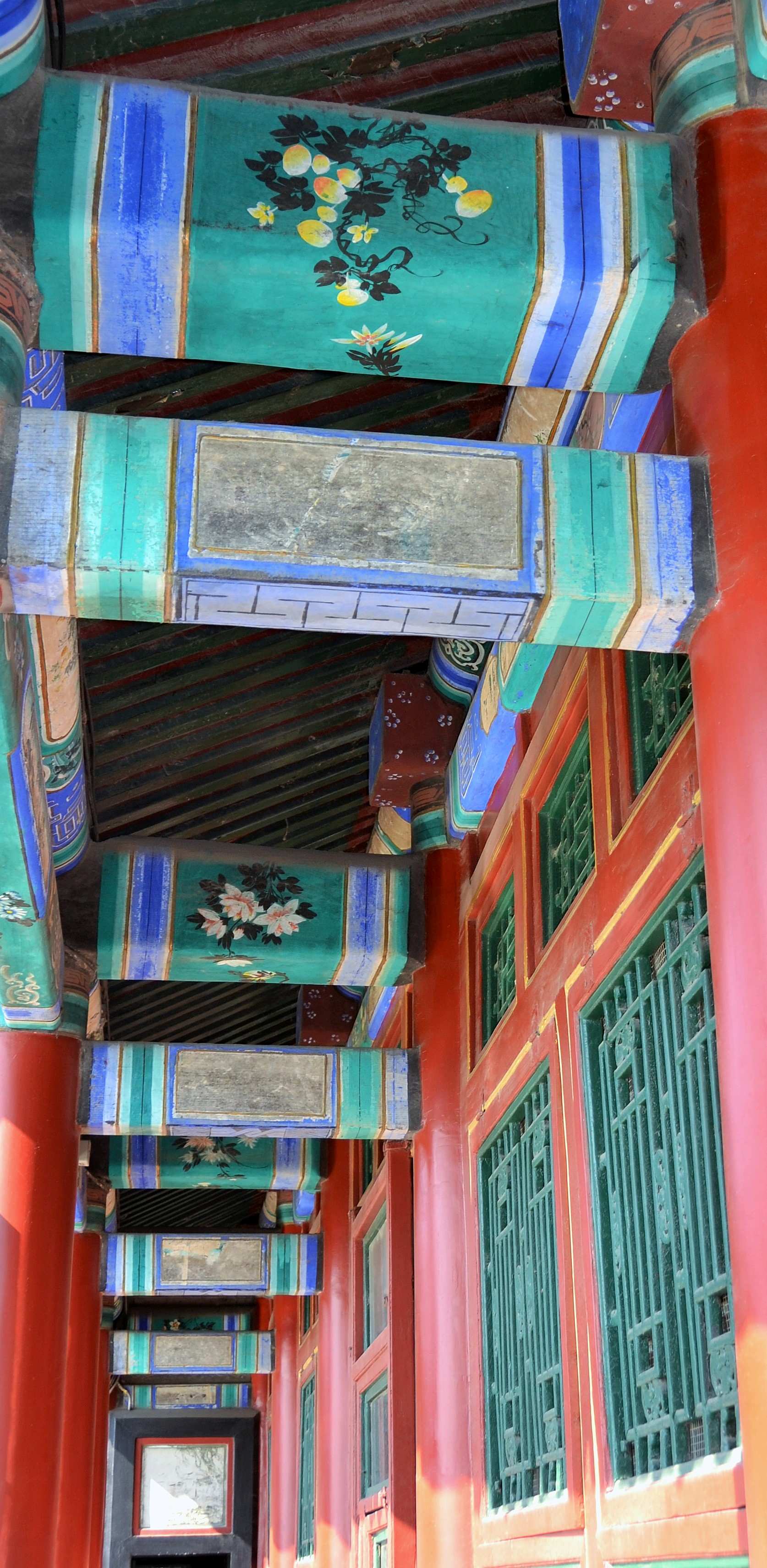
The incorporation of architectural and garden styles from different parts of China was a key theme of the designers for this palace. As soon as we arrived, we were welcomed by some bronze sculptures above.

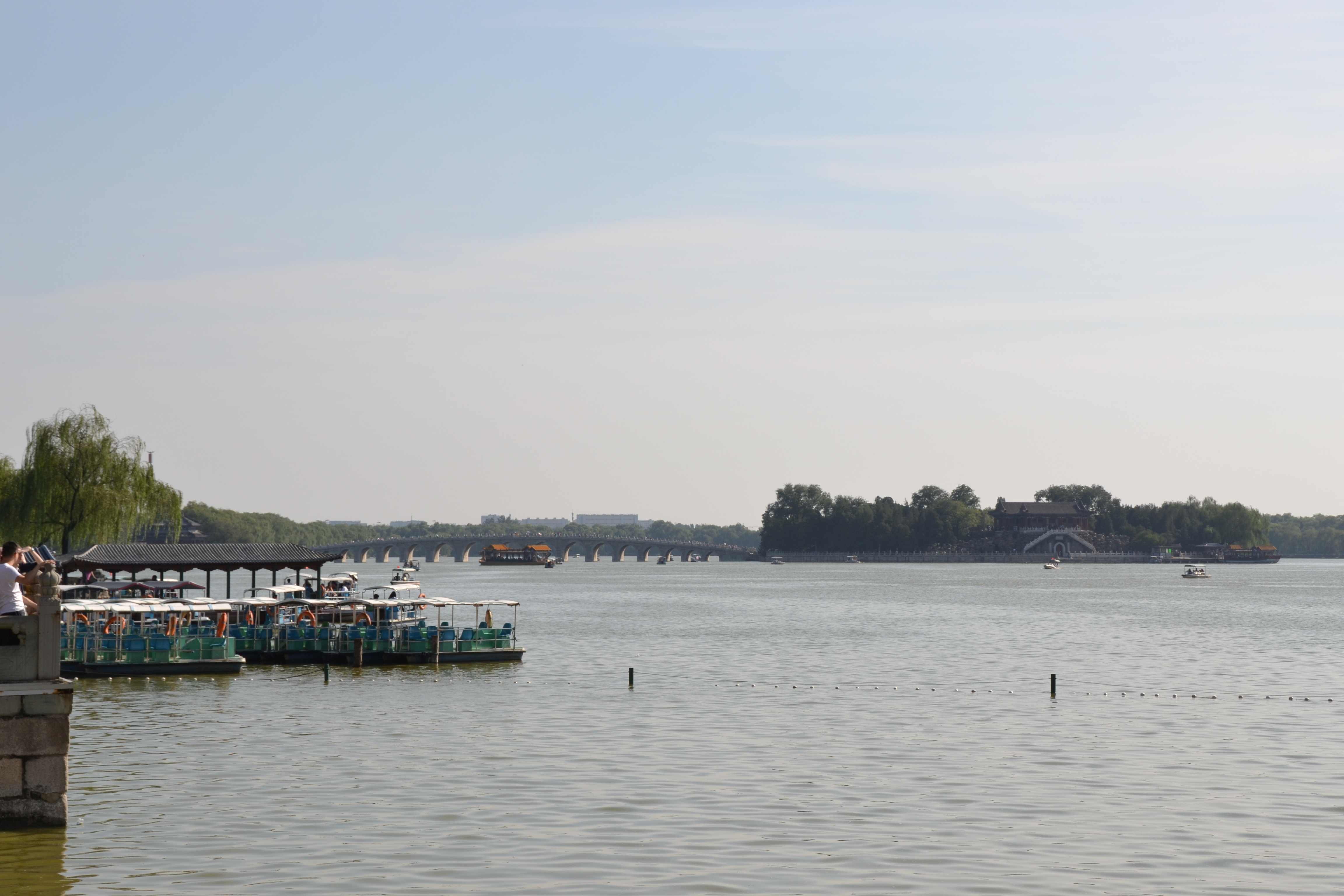
The above scenic and tranquil view of the lake, land and buildings truly represents the Summer Palace.
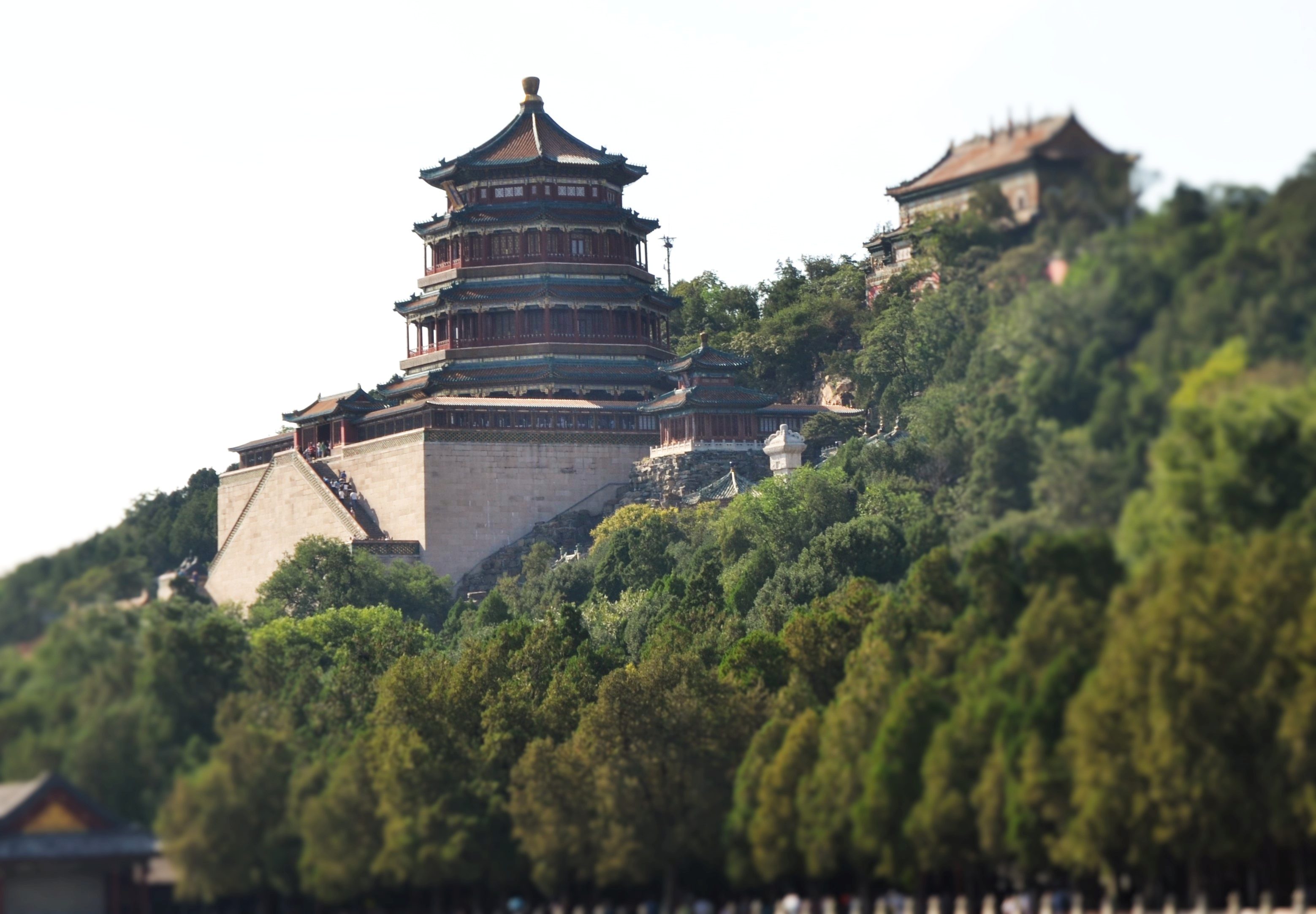


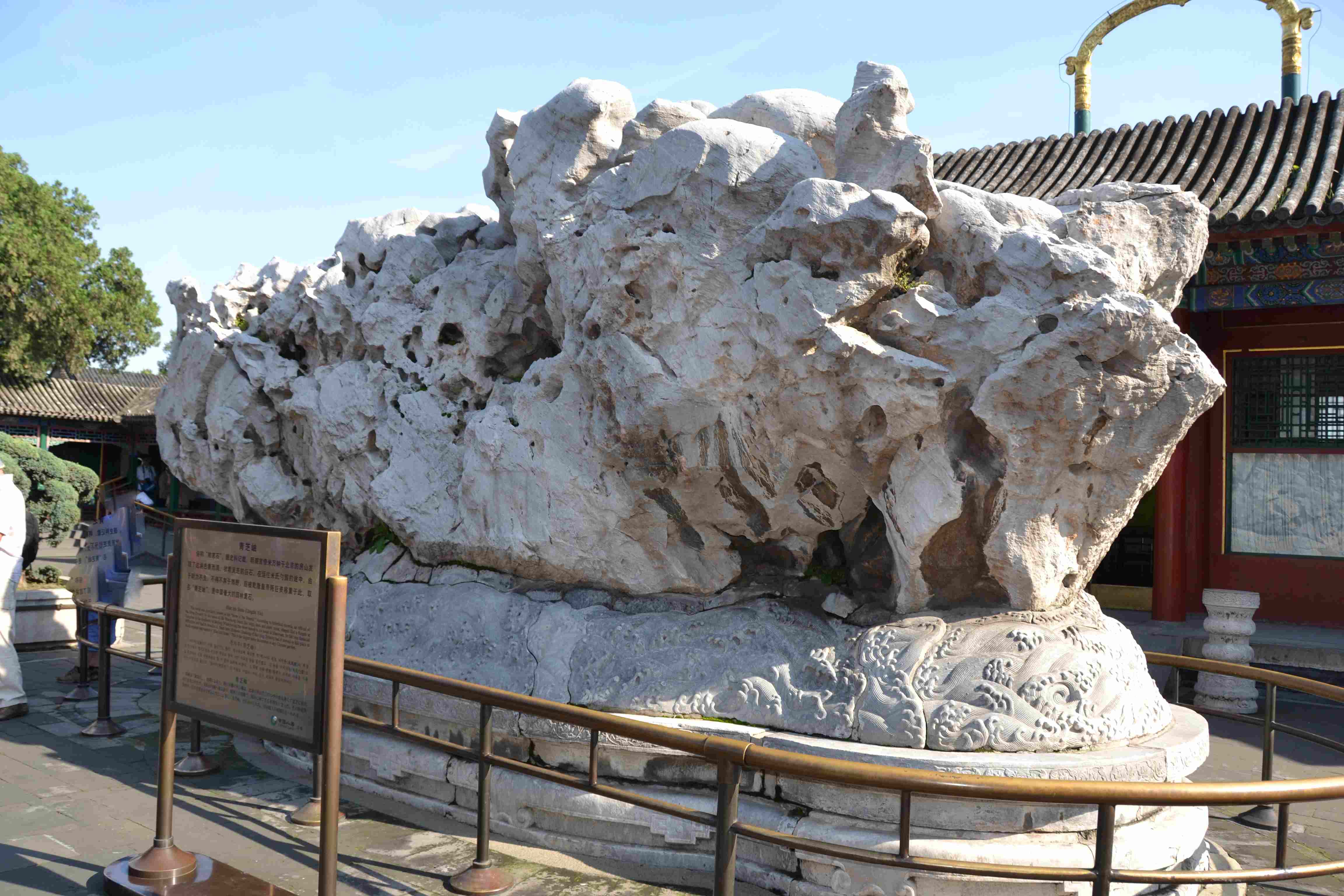
Blue Iris Stone : It was popularly known as the “Stone of the Wastrel”. The stone is shaped like a fungus. According to the historical records, an official of the Ming Dynasty found this stone but he fell into a financial problem. Later, it was moved to this location by Emperor Qianlong (Qing Dynasty) and was named “Blue Iris Stone”.

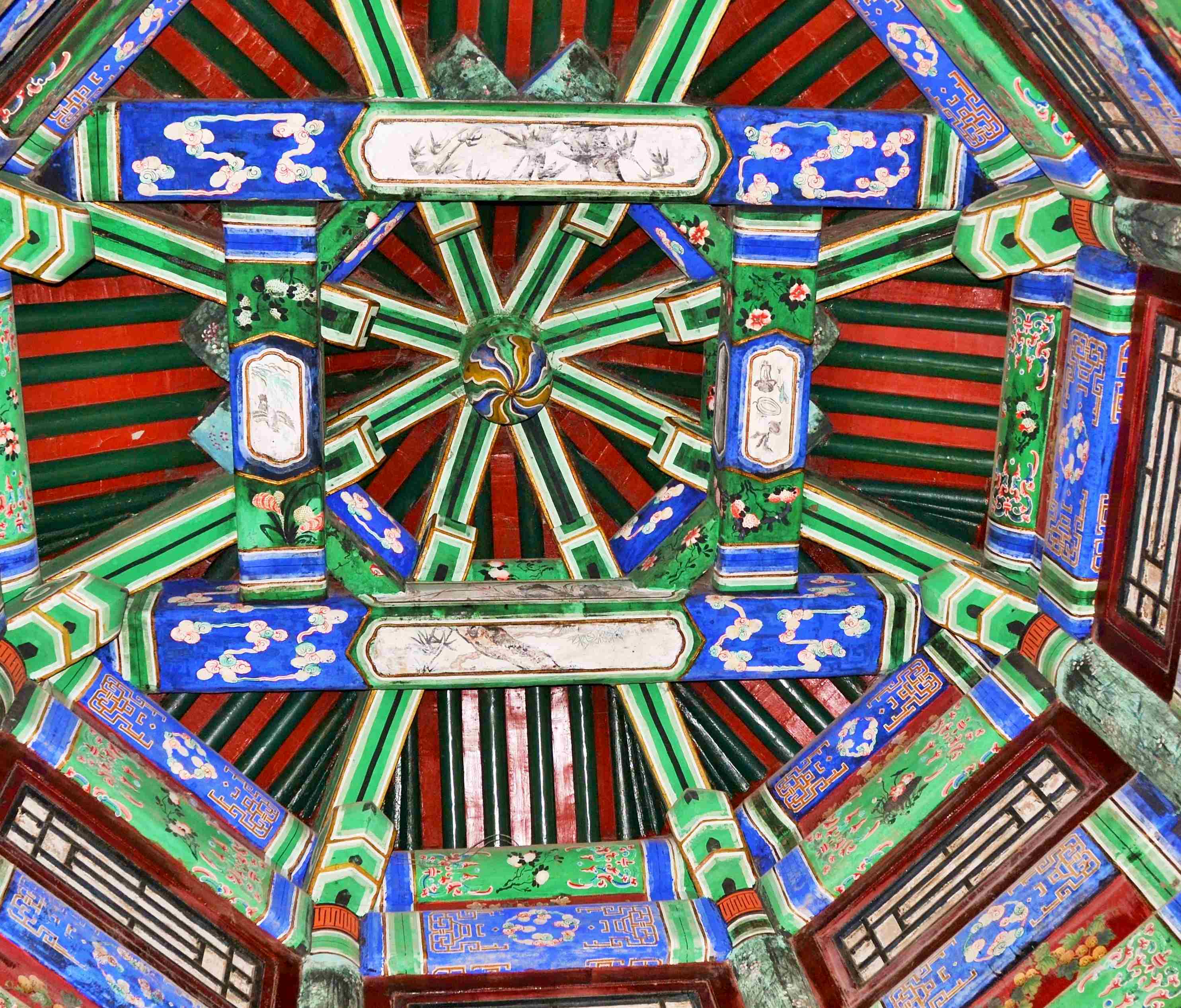
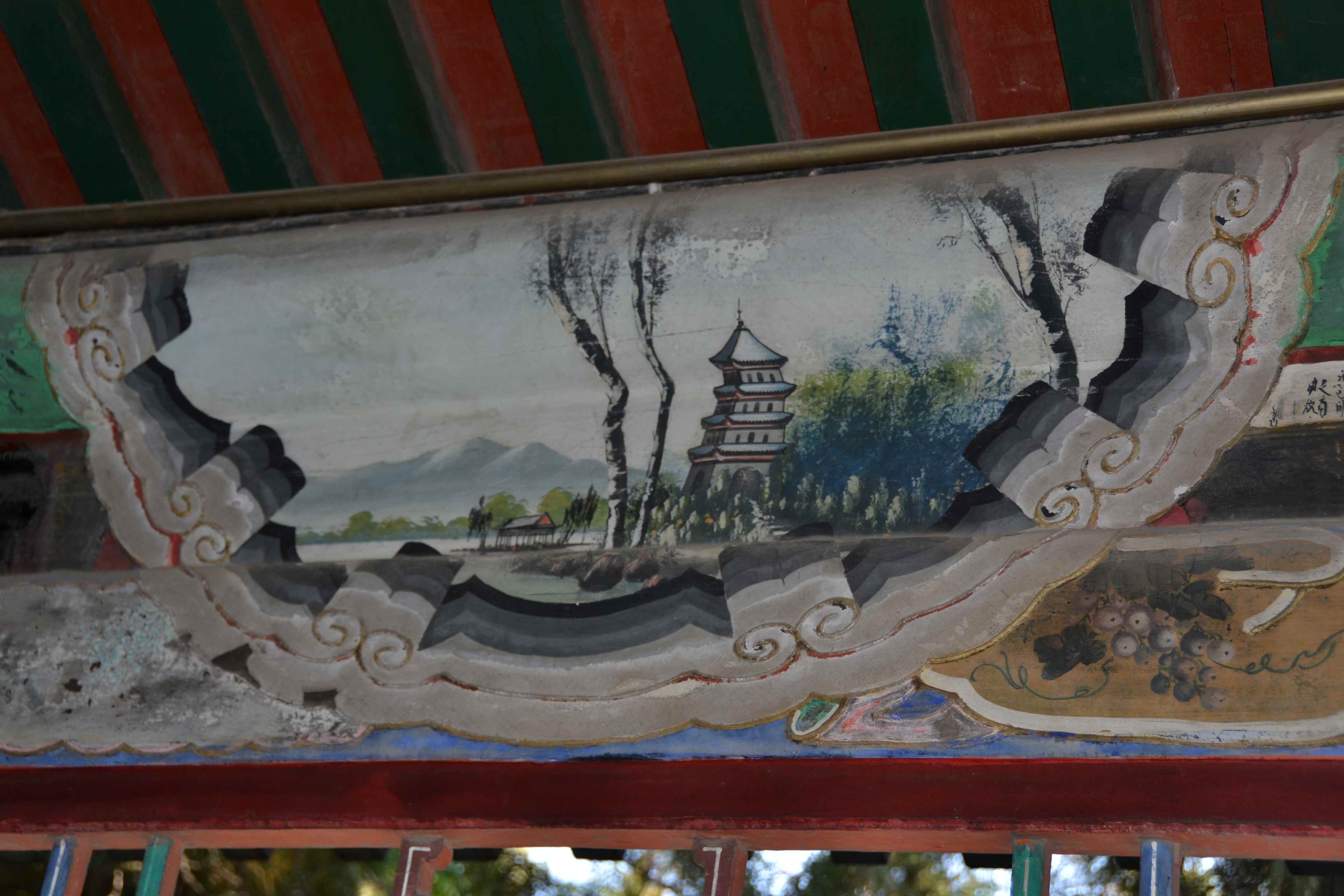
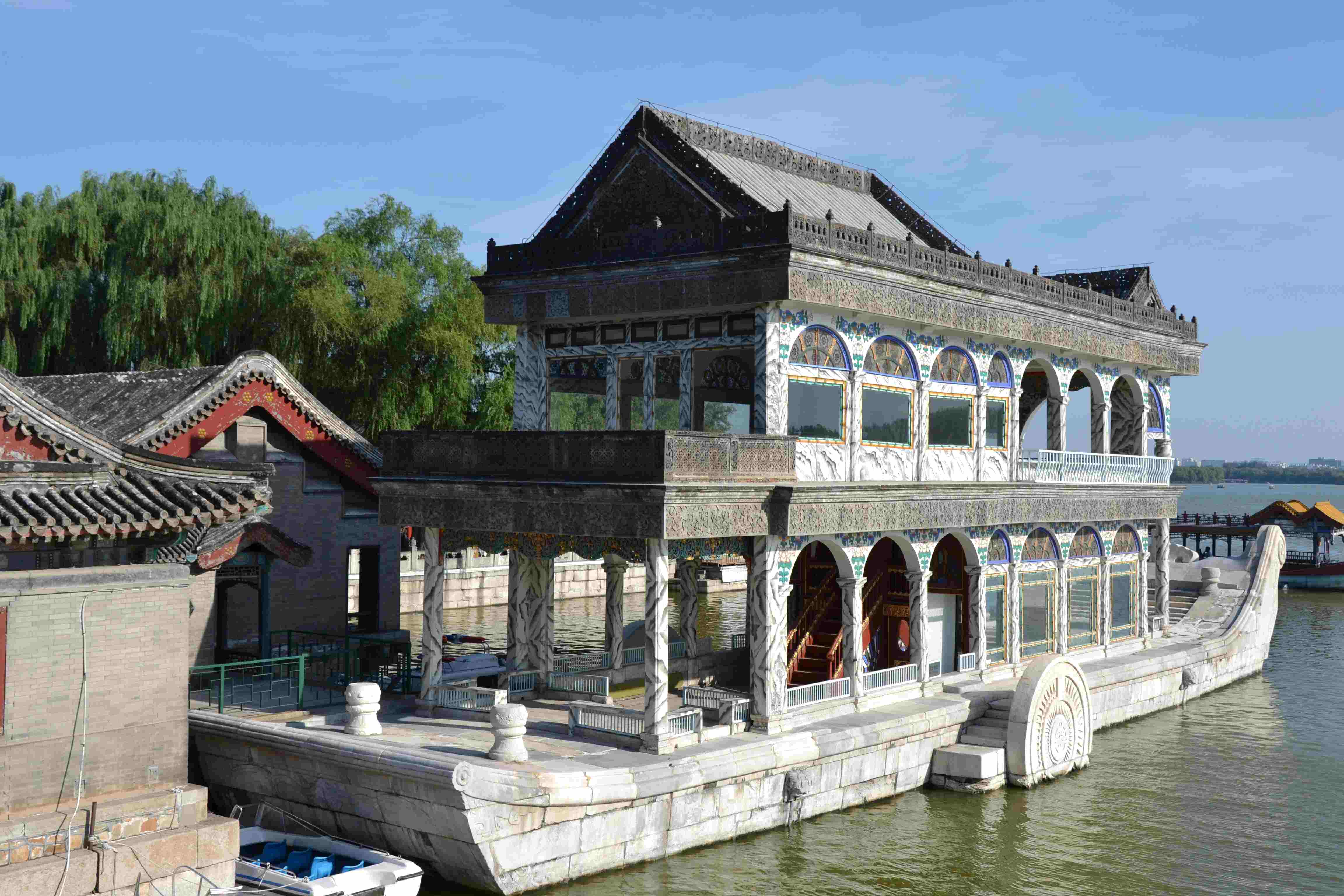
Marble Boat (Boat of Purity): It is a lakeside pavillion in the Summer Palace. It stands on the northwestern shore of Kunming Lake and the length of the boat is 36 meters (118 ft). This pavillion was initially built during the reign of the Qianlong Emperor in 1755 using large stone blocks which supported a wooden superstructure. Restoration was done in 1893 by Empress Dowager Cixi to incorporate European style architecture. The new superstructure is made out of wood but it was painted to imitate marble.