African Cruise
Photos by Philip and Yoko Galvin
6. Dakar, Senegal
Dakar is the capital and largest city of Senegal in West Africa. As we didn’t have any police escorts here, we were stuck in busy traffic everywhere we went. So, a half day excursion became almost a full day excursion (without lunch again).
The westernmost point of mainland Africa, Dakar is situated on the Cap-Vert peninsula. This peninsula was colonized by the Portuguese in the early 15th century. The Portuguese used it as a base for the Atlantic slave trade. However, in 1677, France took over the island. In the 19th century, after abolition of the slave trade and French annexation of the mainland area, Dakar grew to be a major regional port. In 1902, Dakar became a major city of the French colonial empire. Saint-Louis was replaced by Dakar as the capital of French West Africa. Between 1959 and 1960, Dakar was the capital of the Mali Federation which was short lived. It became the capital of the independent Republic of Senegal in 1960. The 2026 Summer Youth Olympics will be hosted by Dakar.
Downtown Dakar


Outdoor Market



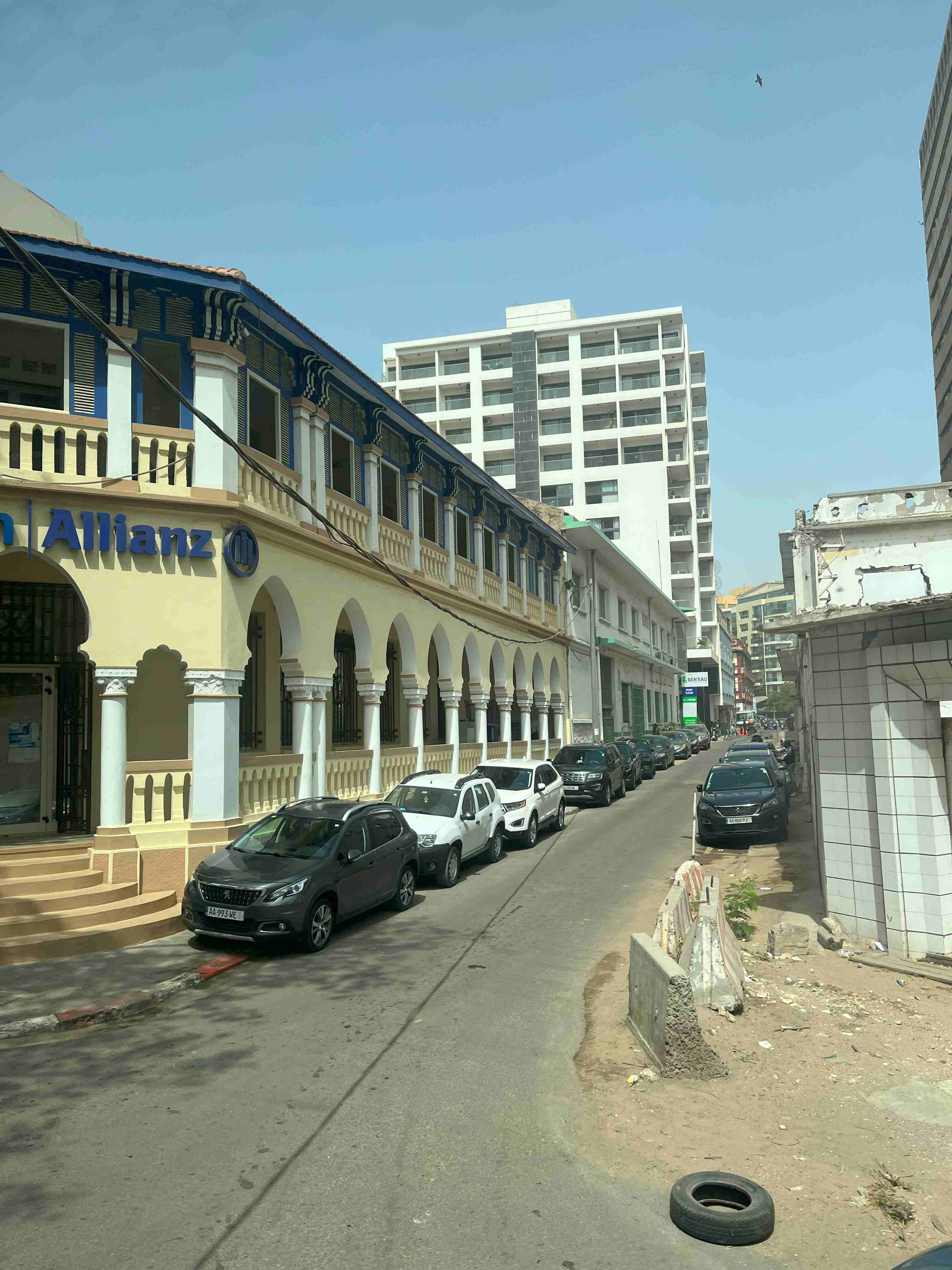
Modern Buildings in Downtown


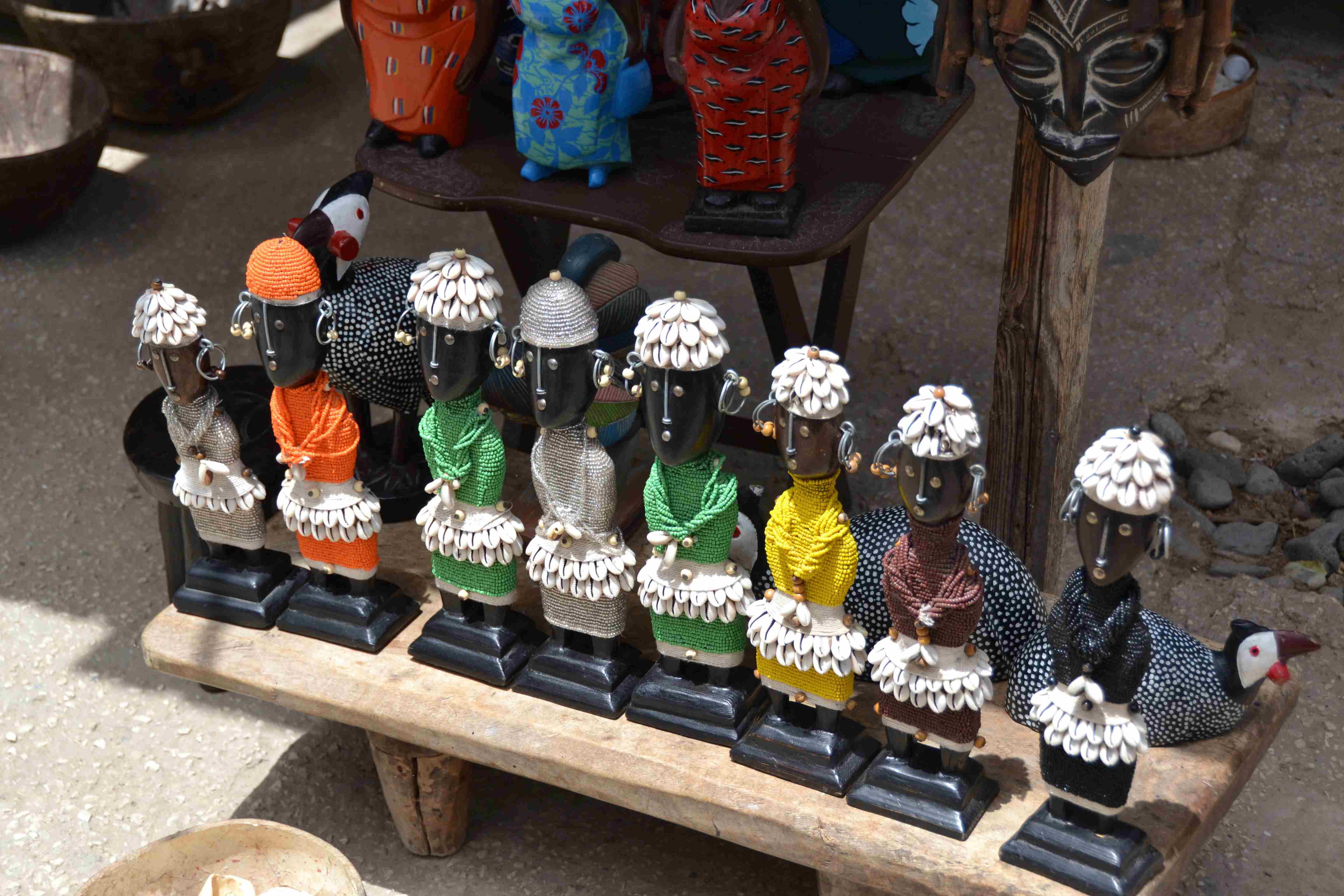
Markets
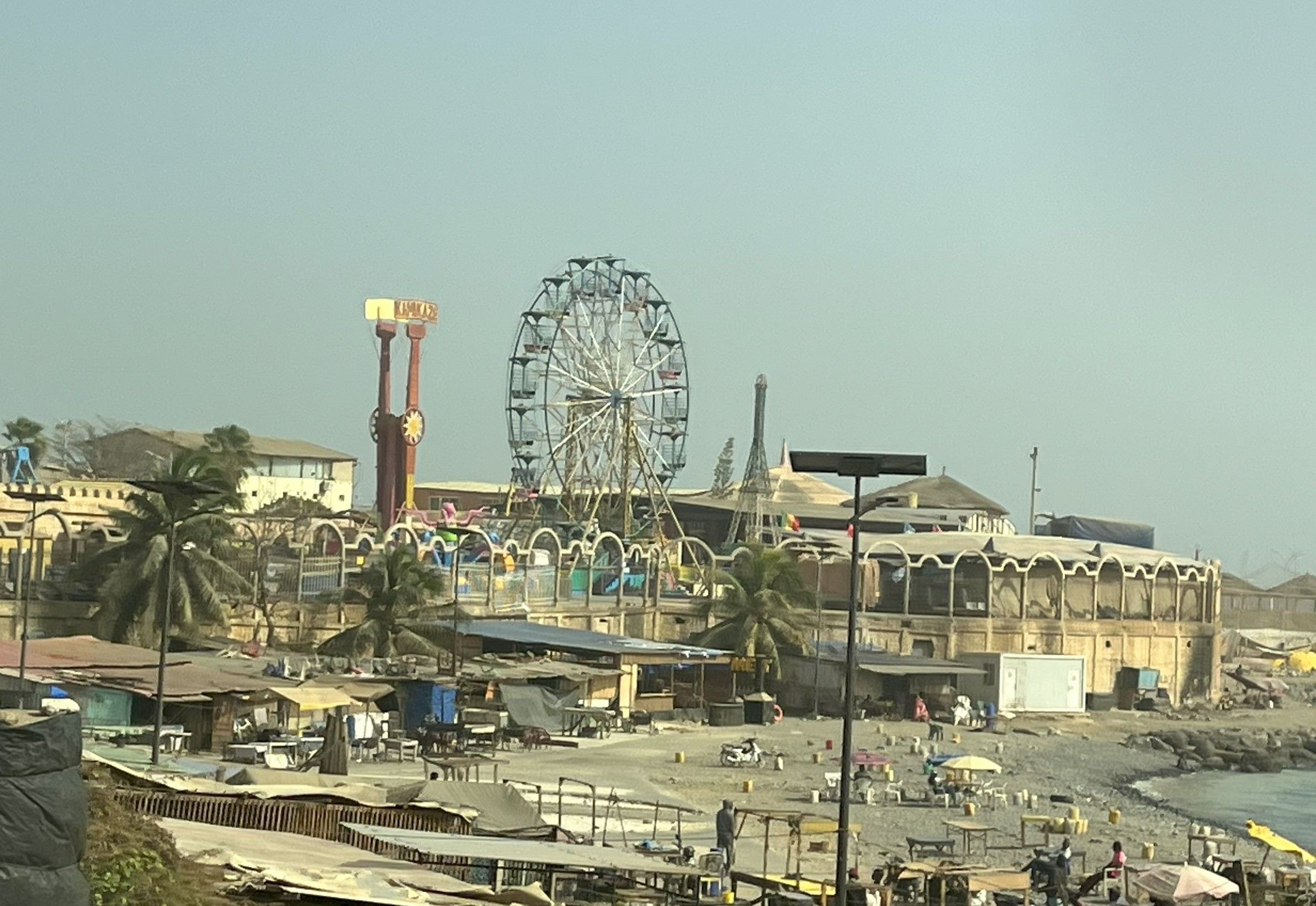
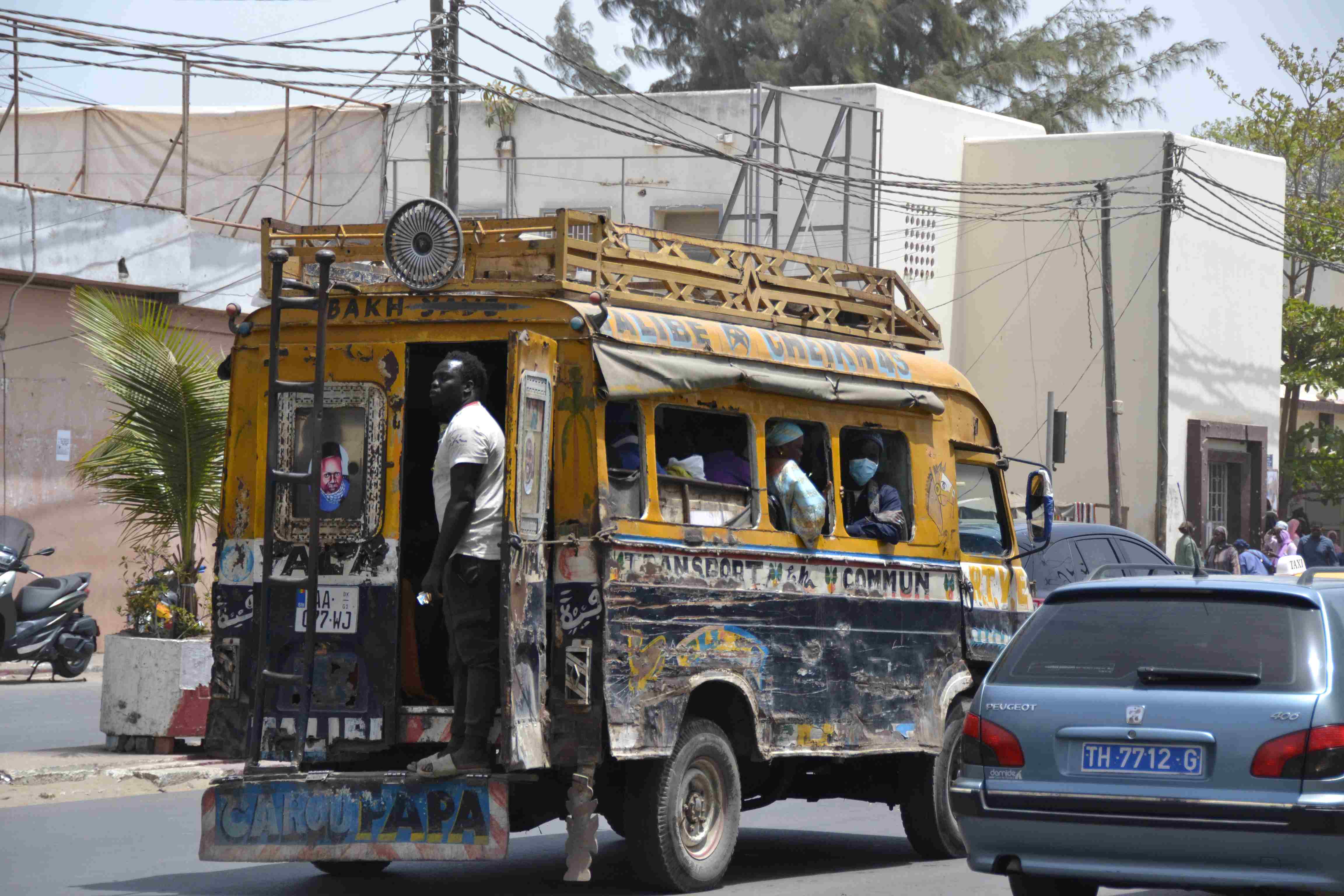
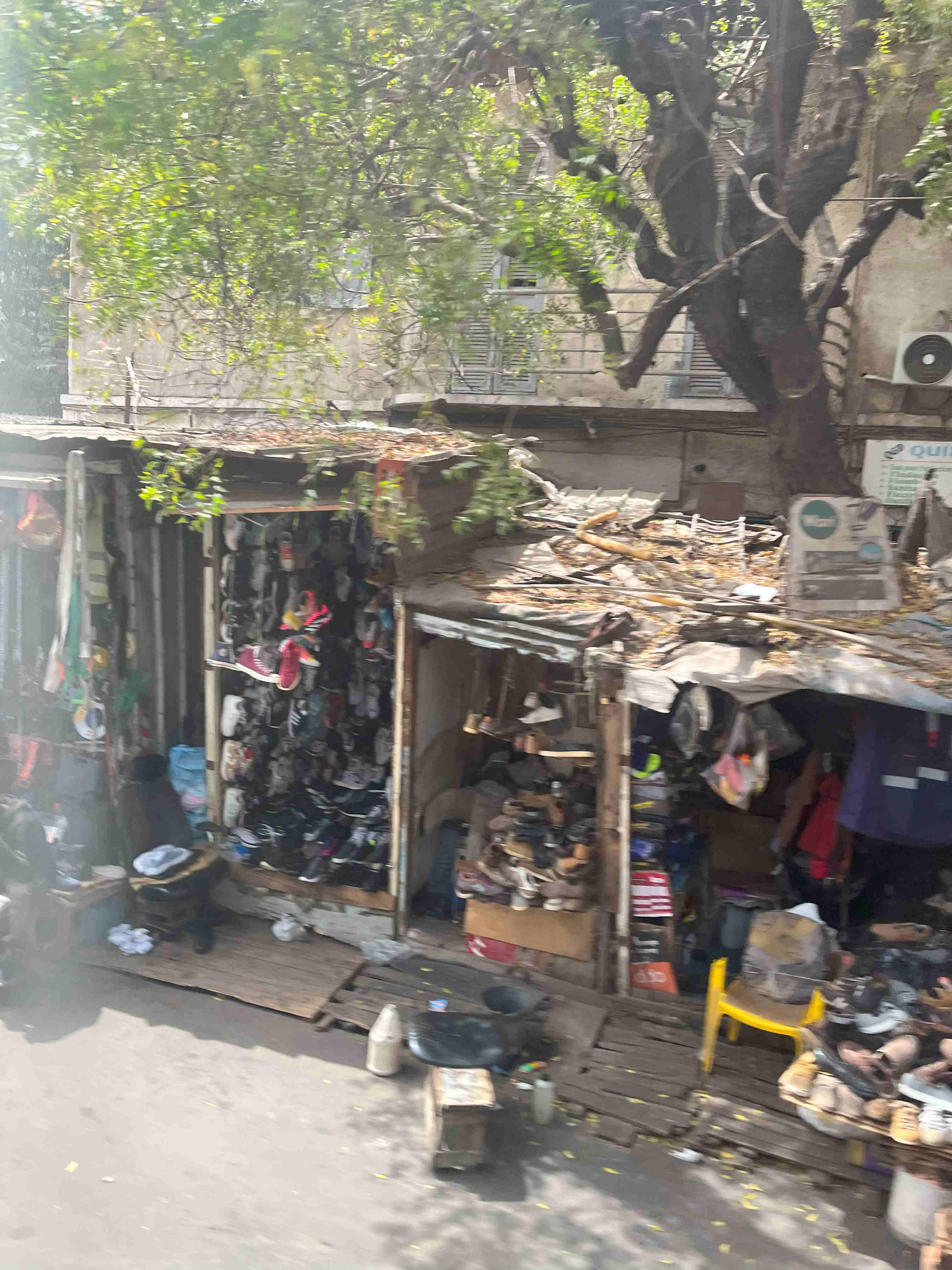
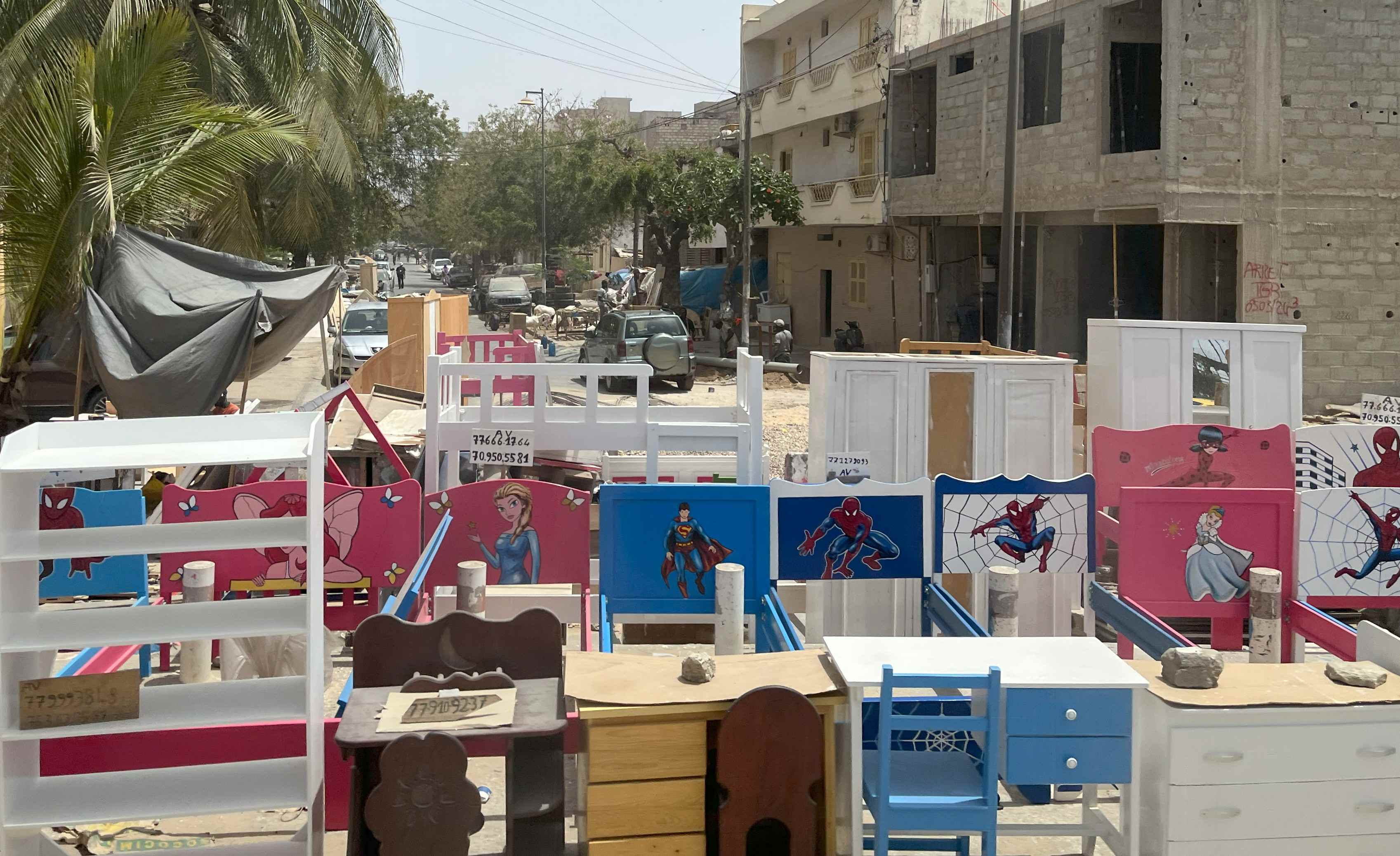
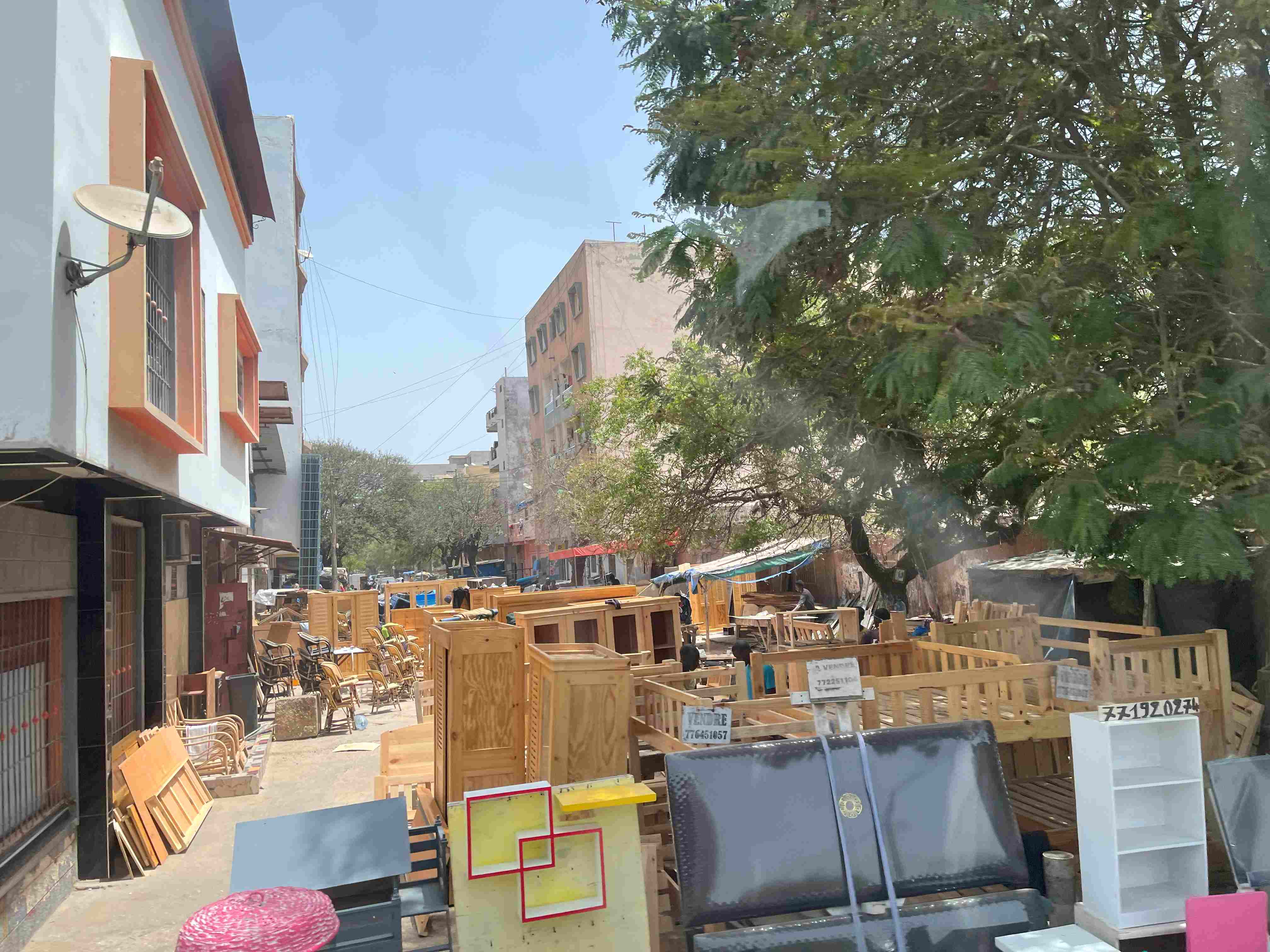
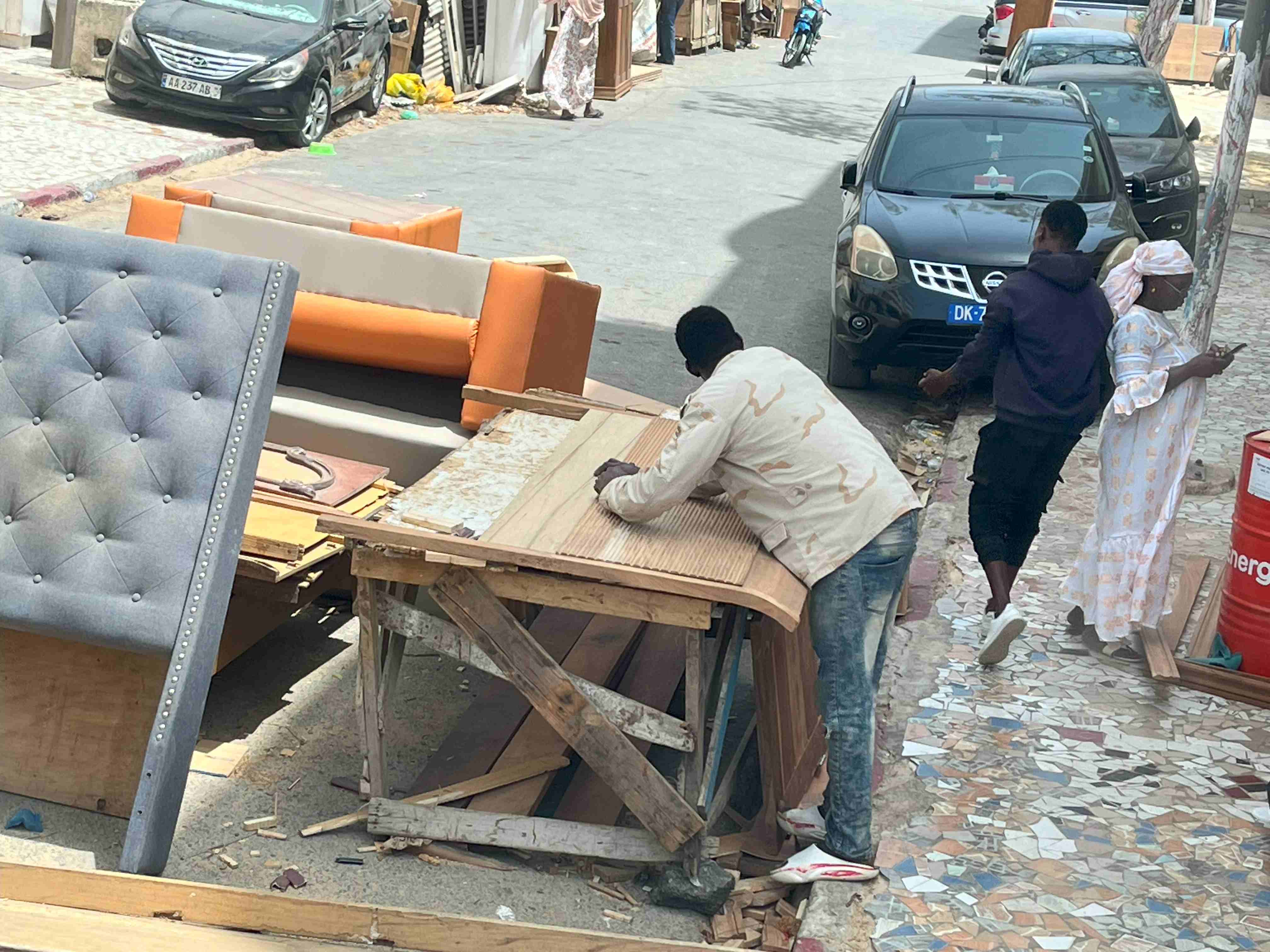
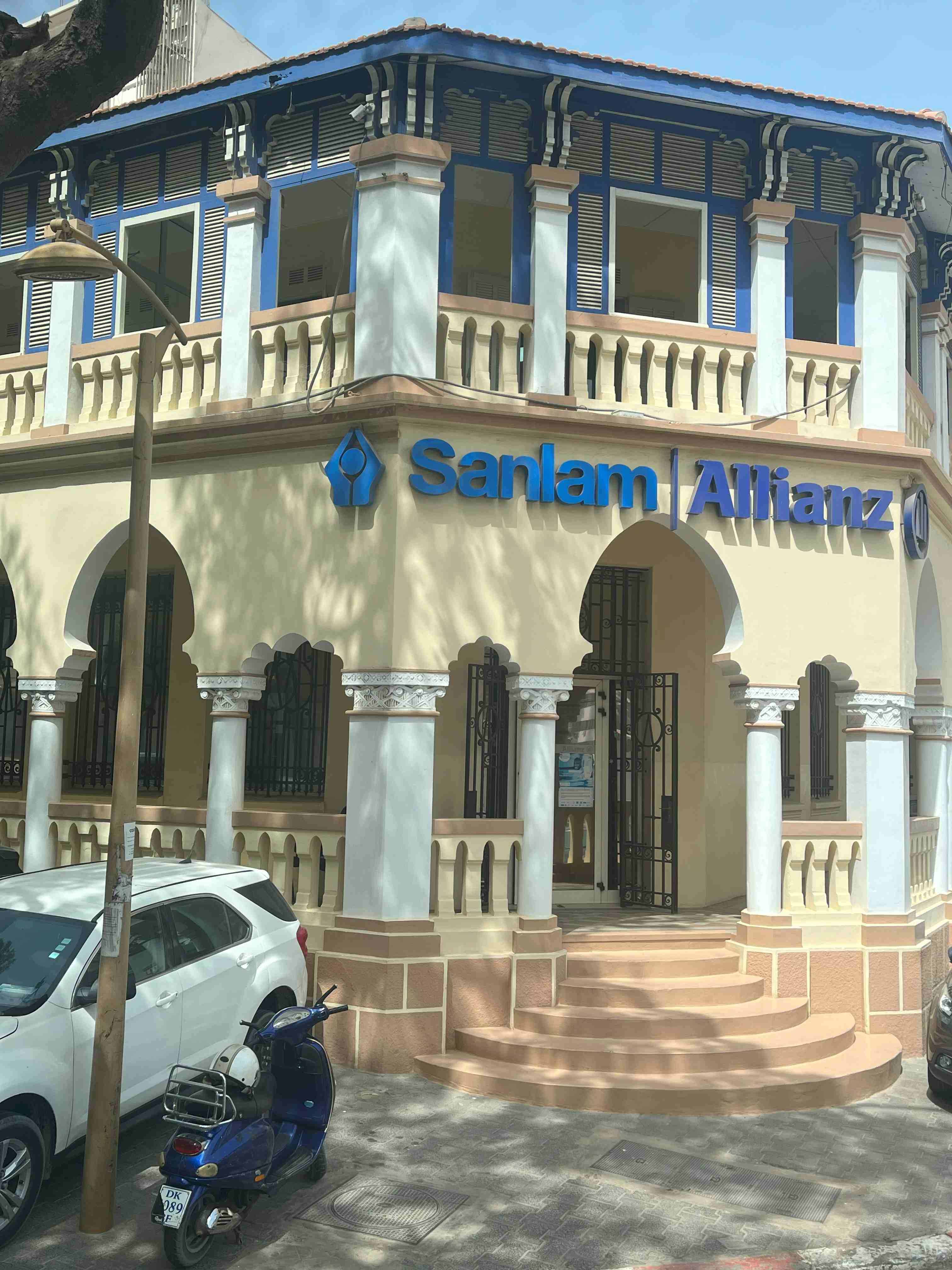
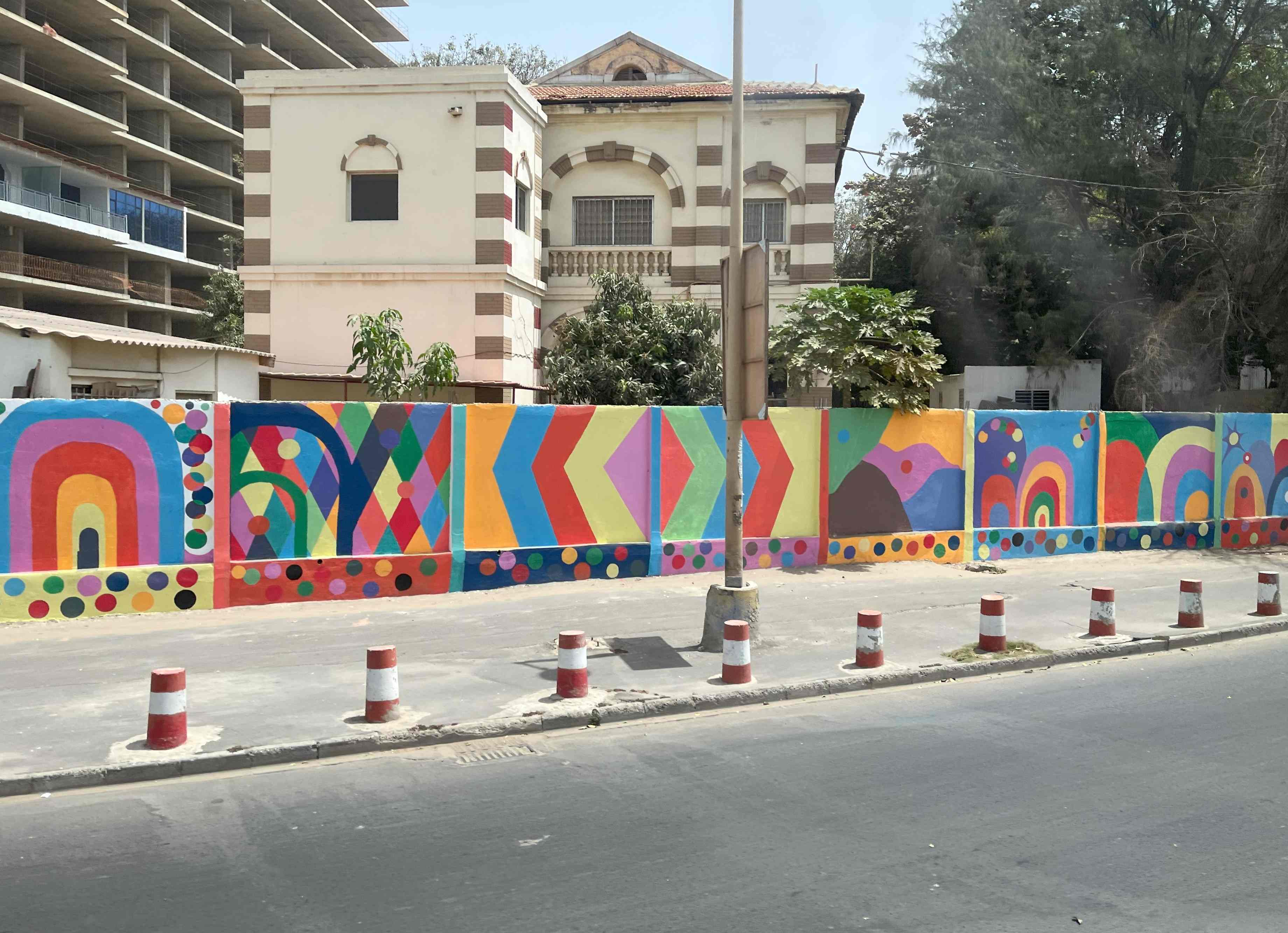
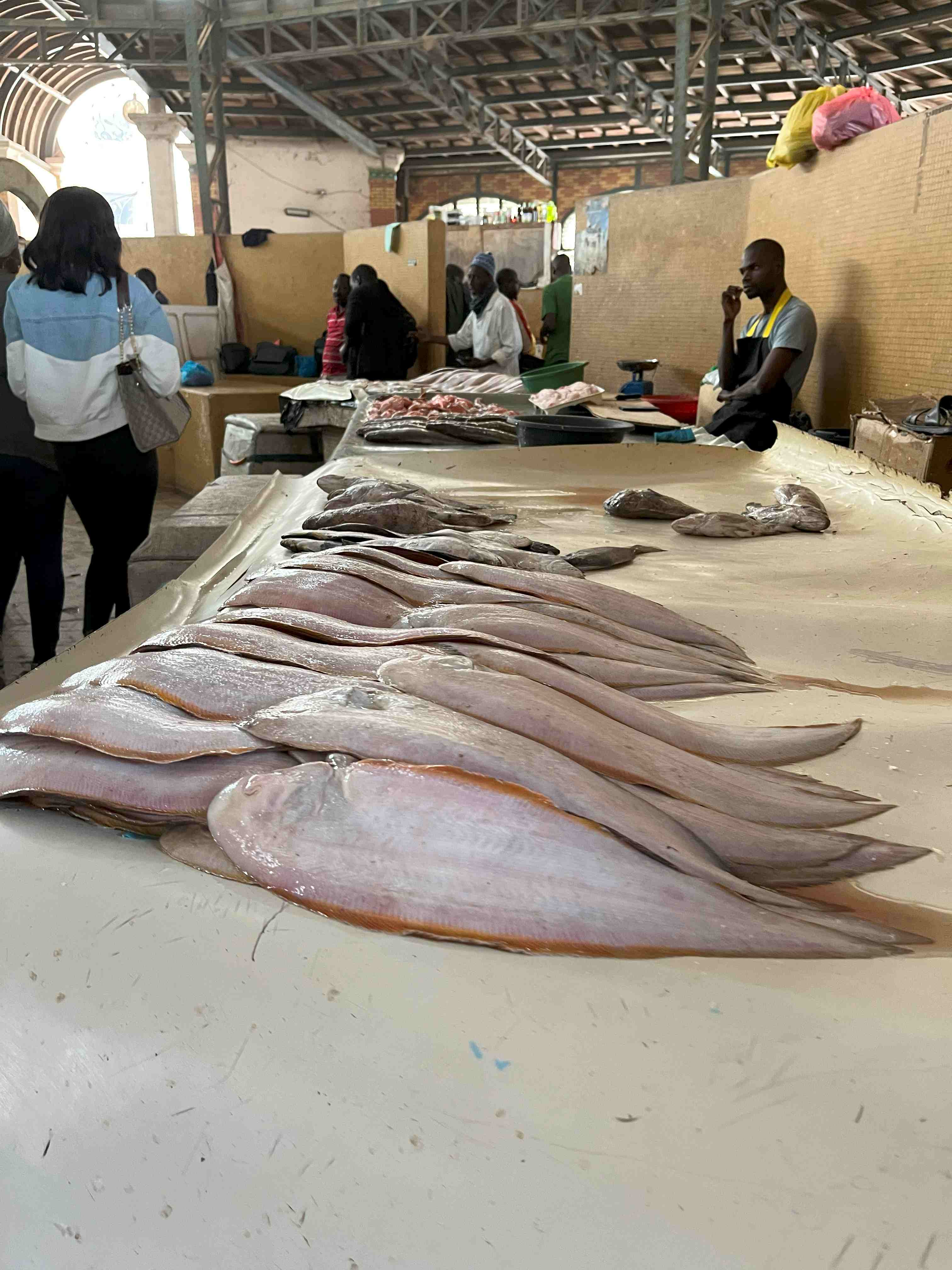
While there were many modern buildings as shown above in the downtown area, most places we visited did not have these modern houses and buildings. The first place we visited was a large circular market with many entrances and was confusing if you didn't pay attention to where you entered. Our tour guide got lost there and we wound up waiting for him for approximately 30 minutes. This incident caused confusion and anger among the tourists on the bus.There was a humorous moment as one American passenger tried to get the French speaking bus driver to leave without the guide. Unfortunately the delay at the maeket set us back so we were late to every other site we were to visit, and as a consequence we never did get back on our scheduled timetable. An interesting feature of Dakar was the outdoor markets that sold almost everything you could think of from food to major appliances and furniture.




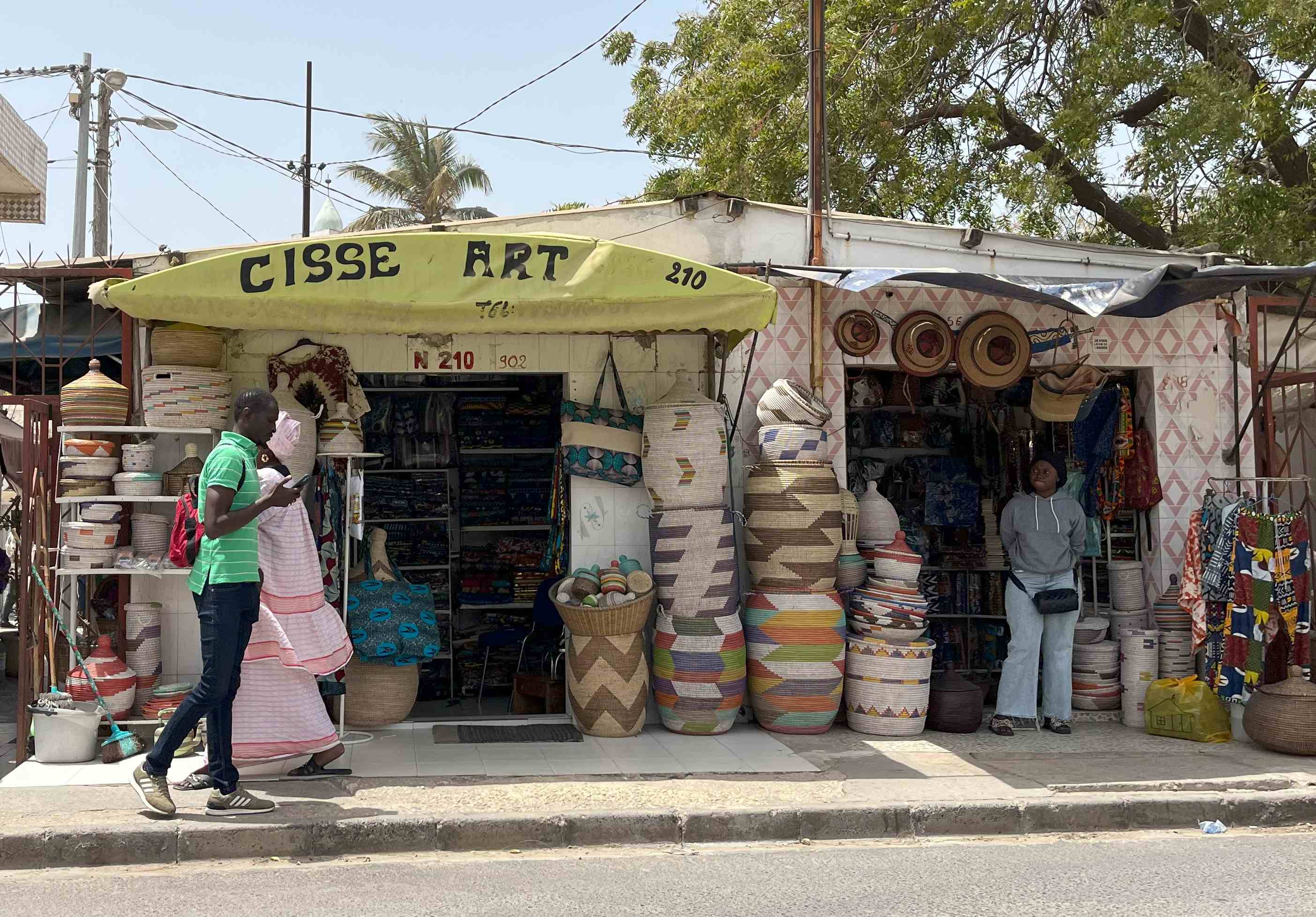
Then we visited another market where the venders were so aggressive, it was very hard to do any shopping.




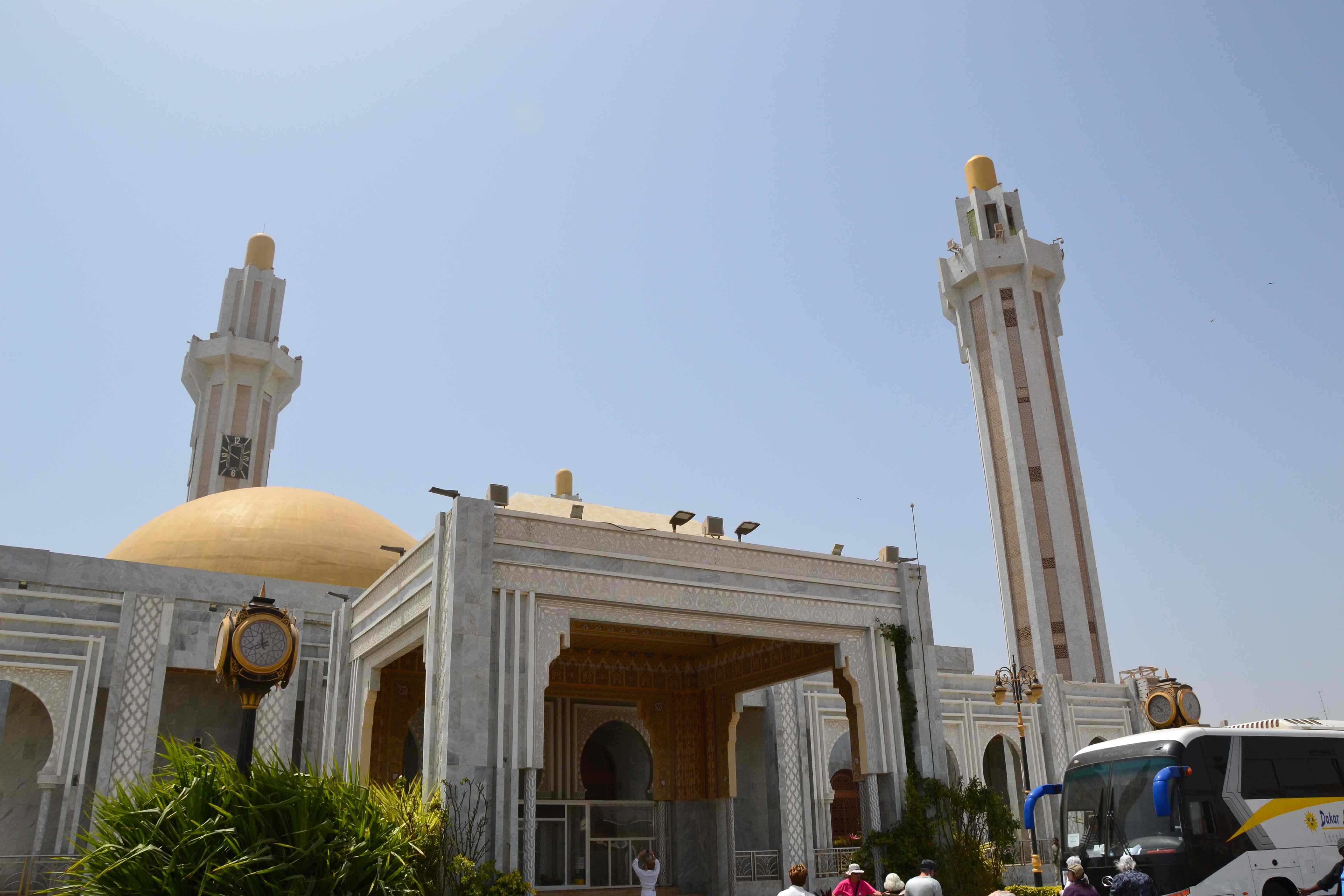
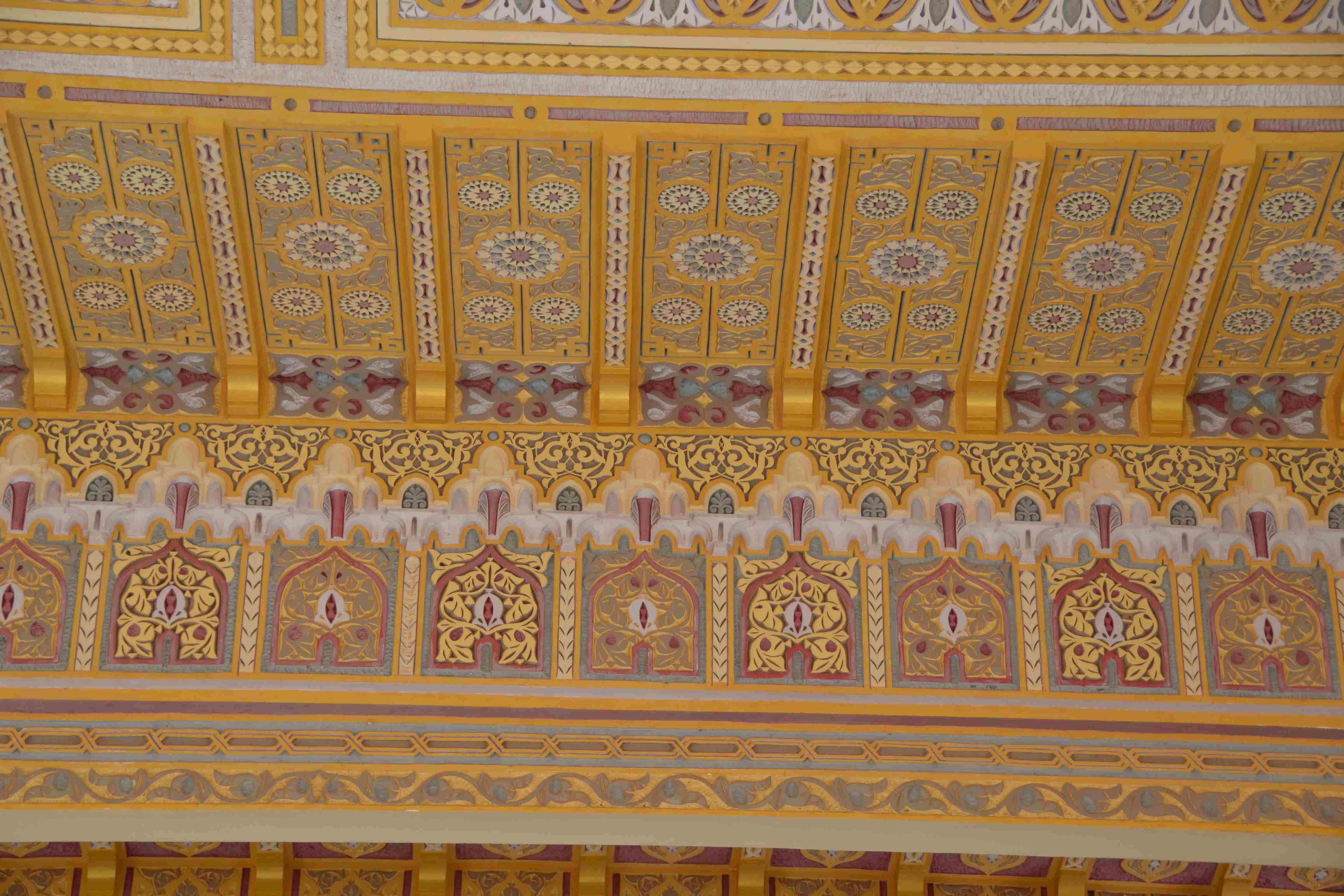
Mosques





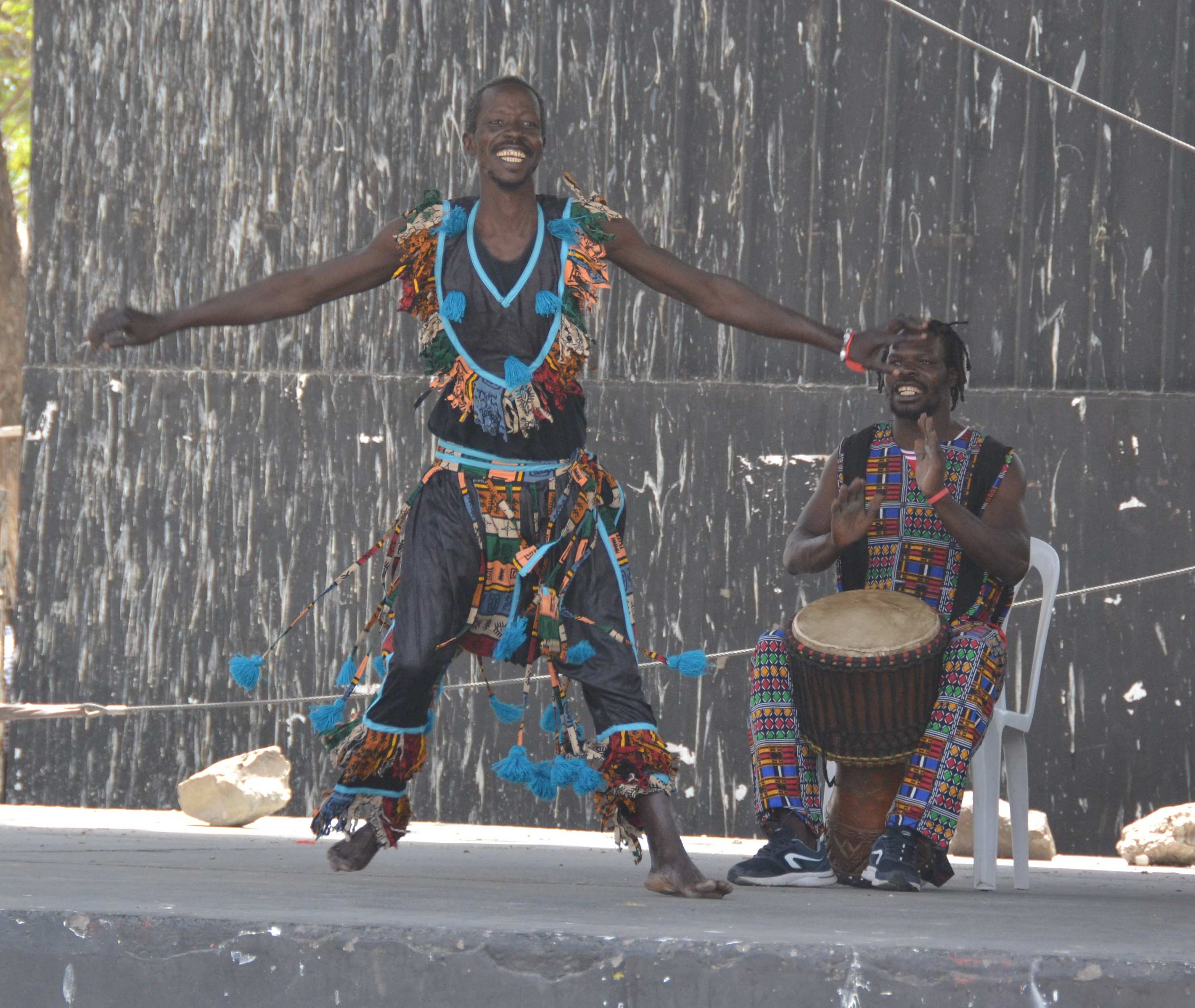
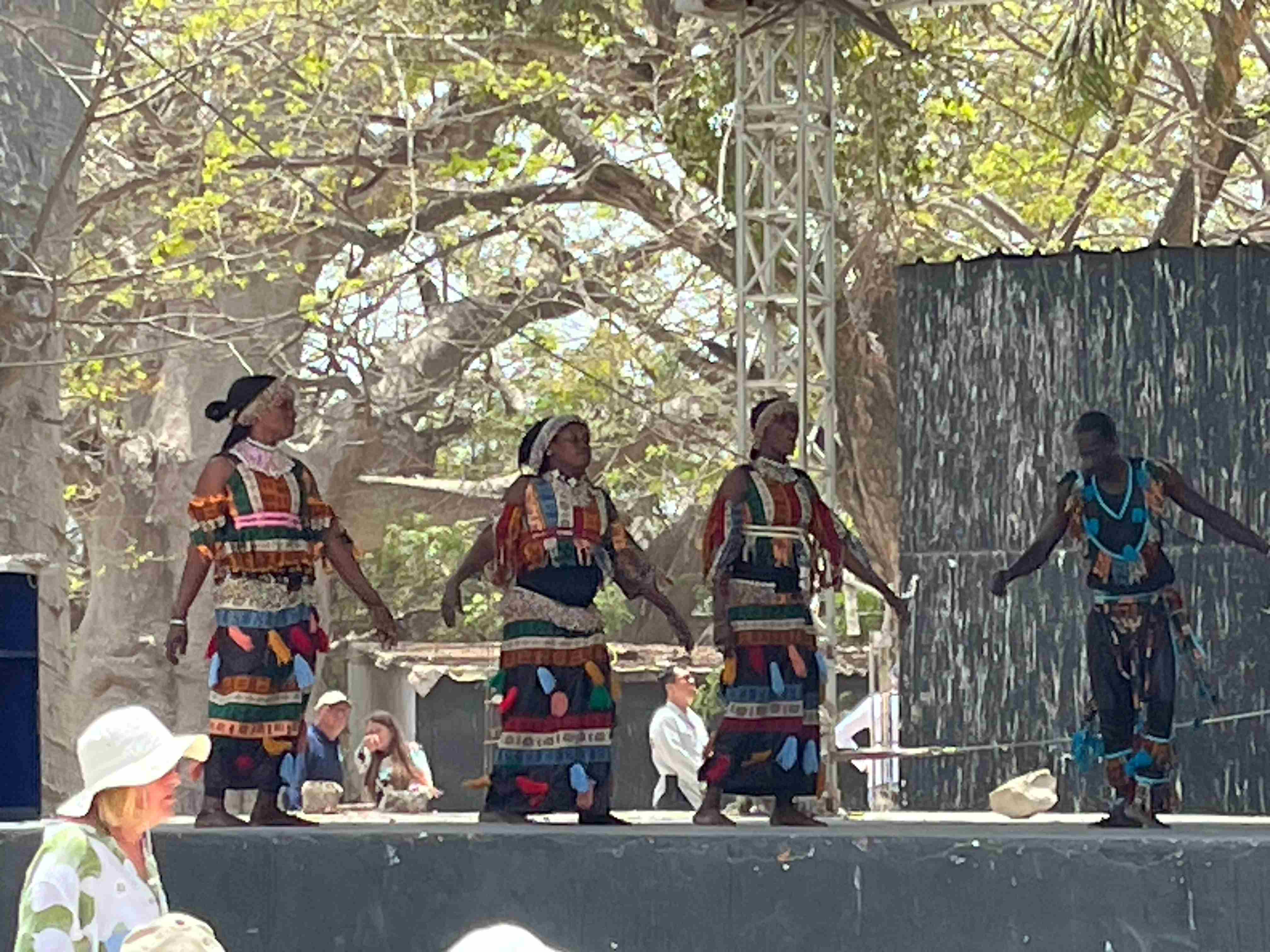
Dances in Cultural Park
After that, we went to see some African dances in a cultural park. The sound of the rapid drum playing echoed through the park while dancers performed a varity of dances. Their costumes were very colorful with red, pink, yellow, brown, green and blue on the black base. What surprised us the most was that they were dancing on a concrete floor with their bare feet. We were wondering how they could dance on such a hard surface.





African Renaissance Monument
The last place we visited was the African Renaissance Monument. This monument is a 52 m (171 ft) tall bronze statue located on top of one of the twin hills known as Collines des Mamelles. It is a massive monument which overlooks the Atlantic Ocean. There were hundreds of stairs in front of the statue which we decided not to climb because of the time problem caused from our first stop.


Apparently, unemployment rate is very high so wherever we went, there were many men just sitting around idly. Again, poverty is prominent here and we were told that some people just sleep outside on the roads. We felt that we are very lucky to live in Canada...
Hodge Podge


